You often notice it within just a few minutes of play: a child does not always choose the loudest or most exciting toy but instead becomes fascinated by something simple that feels comfortable in their hands. That is exactly one of the reasons why so many parents choose wooden toys. It is a question that keeps coming up. Not because wood is a trend, but because many parents find that it offers calm, security, and long-lasting enjoyment.
Wooden toys fit naturally into the daily lives of young families. They feel sturdy, look calm, and encourage play without overwhelming children with too many stimuli. For parents looking for toys that do more than simply keep a child occupied for a moment, that makes a big difference. Especially in a home where sleep, routines, and developmental milestones all come together, every product matters.
Why so many parents choose wooden toys for young children
The decision to buy wooden toys often starts with a feeling, but it does not stop there. Parents want to know what feels safe, what lasts a long time, and what suits their child's stage of development. Wood often scores highly in all these areas precisely because it is simple.
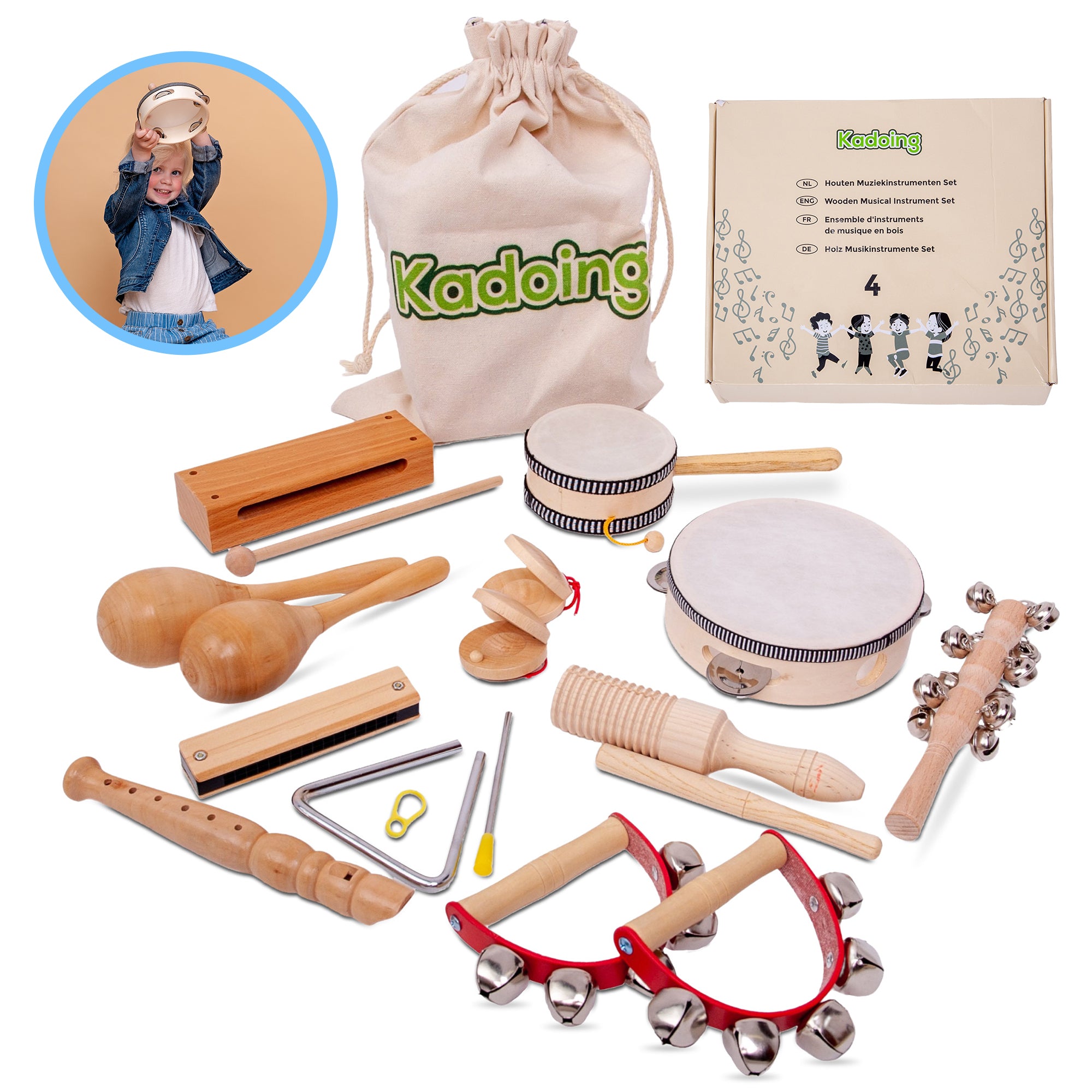
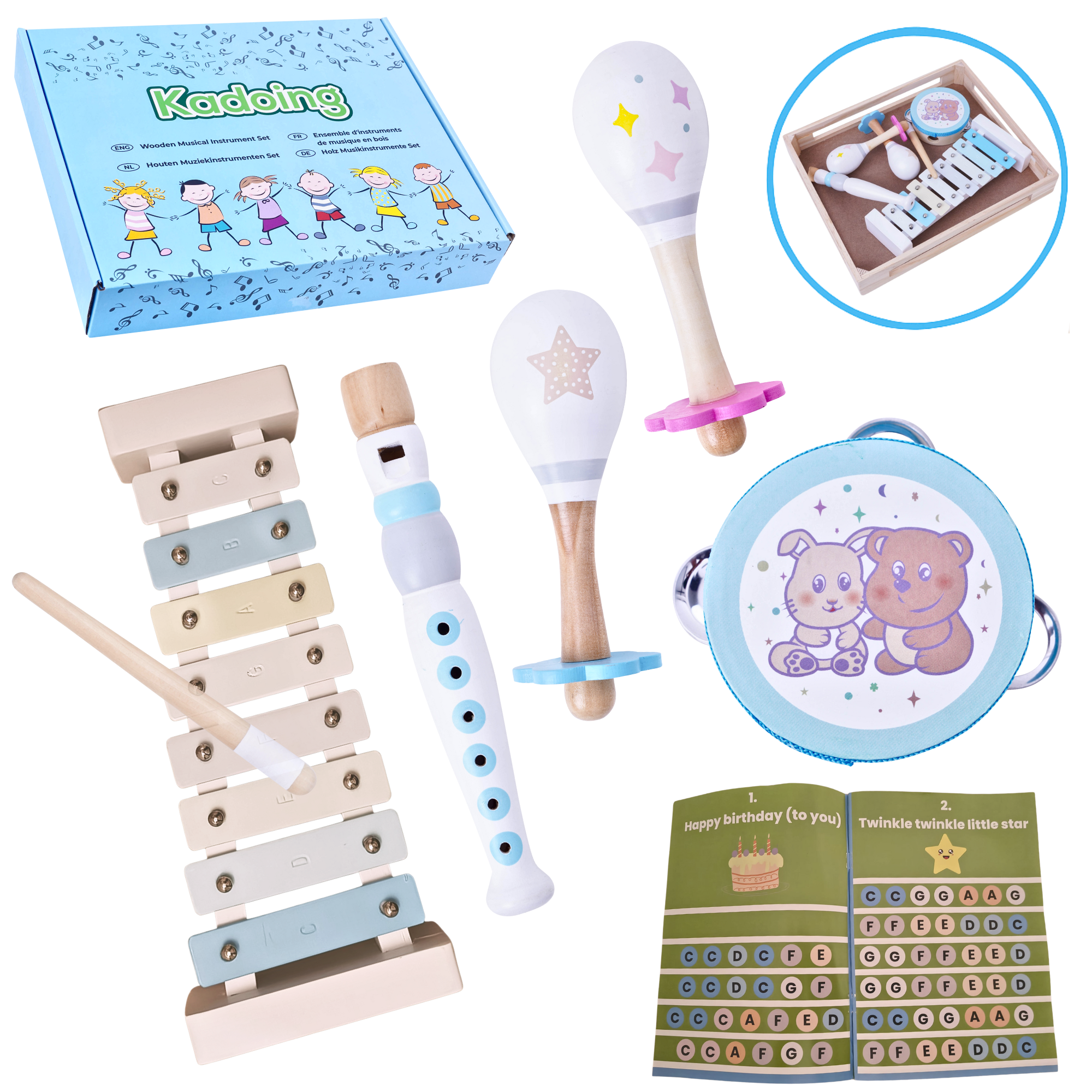
A wooden stacking tower, musical instrument, or shape sorter usually does not do everything by itself. A wooden musical instruments set also encourages children to actively explore and experiment. It makes the child more involved in the play experience. They need to look, feel, try, and repeat. That may sound small, but for young children, that is where much of the value lies. Play becomes less passive and more about discovery.
At the same time, wood literally provides a different experience. It has weight, texture, and a natural appearance. For babies and toddlers, who learn about the world mainly through their hands and senses, this makes a difference. Plastic can certainly be practical, but wooden toys often feel warmer, calmer, and more authentic.
Calmer play during a busy day
Many parents are not only looking for fun toys but also for something that fits a calmer rhythm at home. This is an important reason why parents choose wooden toys. They often help keep playtime more manageable and organised.
Wooden toys usually have a quieter appearance. Fewer bright colours, fewer buttons, and less noise. As a result, they demand less immediate attention and leave more room for a child's imagination. This can be especially helpful when a child has already experienced many impressions during the day, such as after daycare, before dinner, or during a calm play session before bedtime.
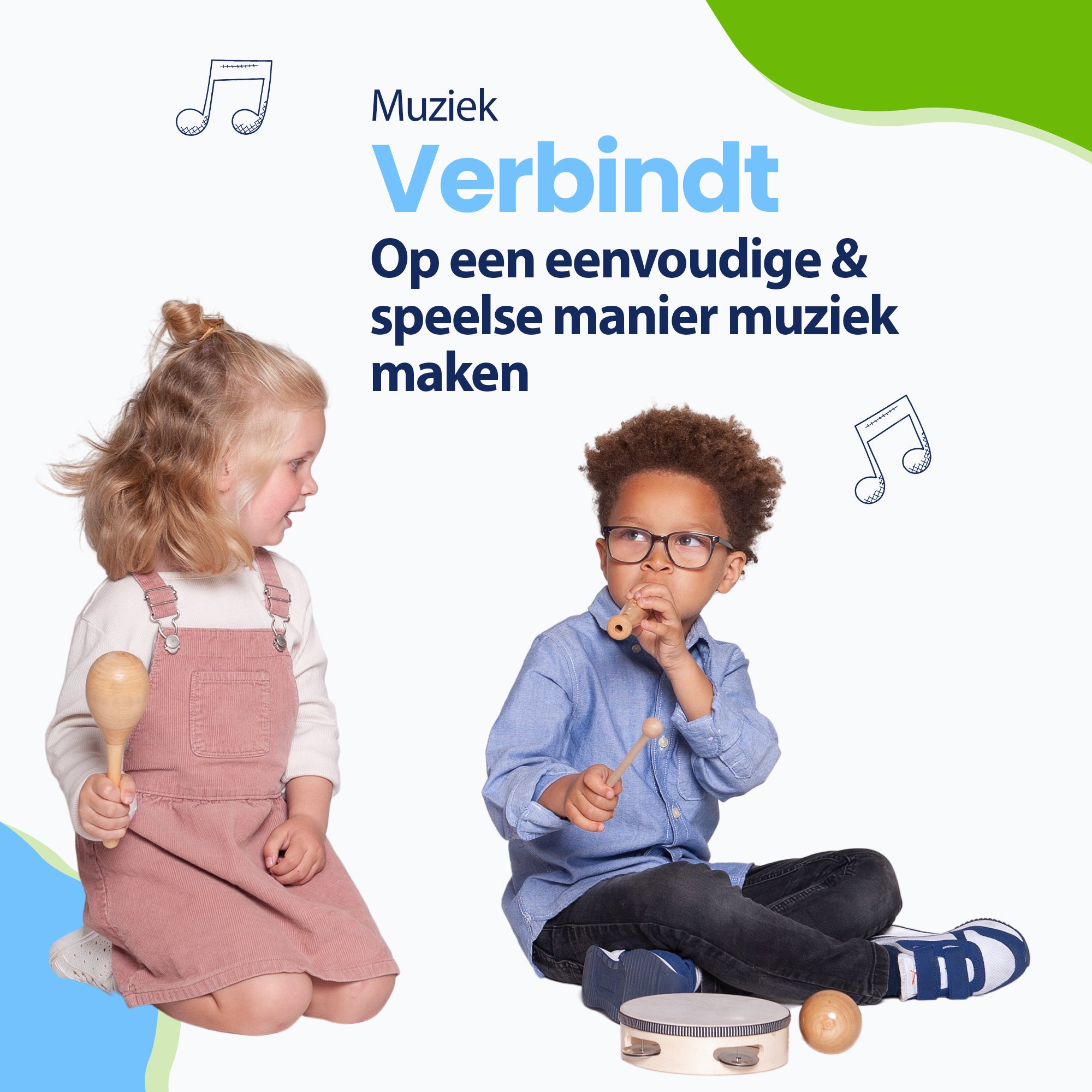
Calm toys do not mean boring toys. In fact, open-ended play materials can remain interesting for a long time. A wooden train set can be a route through the living room one day and part of an imaginative story the next. A simple musical instrument may start as a way to make sounds and later become a tool for rhythm, playing together, and listening.
This calm nature fits well with families who are more mindful about the amount of stimulation in their homes. Not because they want strict rules, but because they are looking for more balance. Less toy clutter that constantly demands attention, and more toys that give something back.
Wooden toys and child development often go hand in hand
Parents increasingly look beyond simple entertainment. They want products that support the way children learn. Wooden toys often fit this need because they encourage fundamental skills without becoming overly complicated.
For young children, development is often about repetition. Stacking, sorting, tapping, turning, sliding, listening, and imitating. These are exactly the kinds of activities that many wooden toys encourage. Not as a lesson, but simply through play.
Motor skills, concentration, and independence
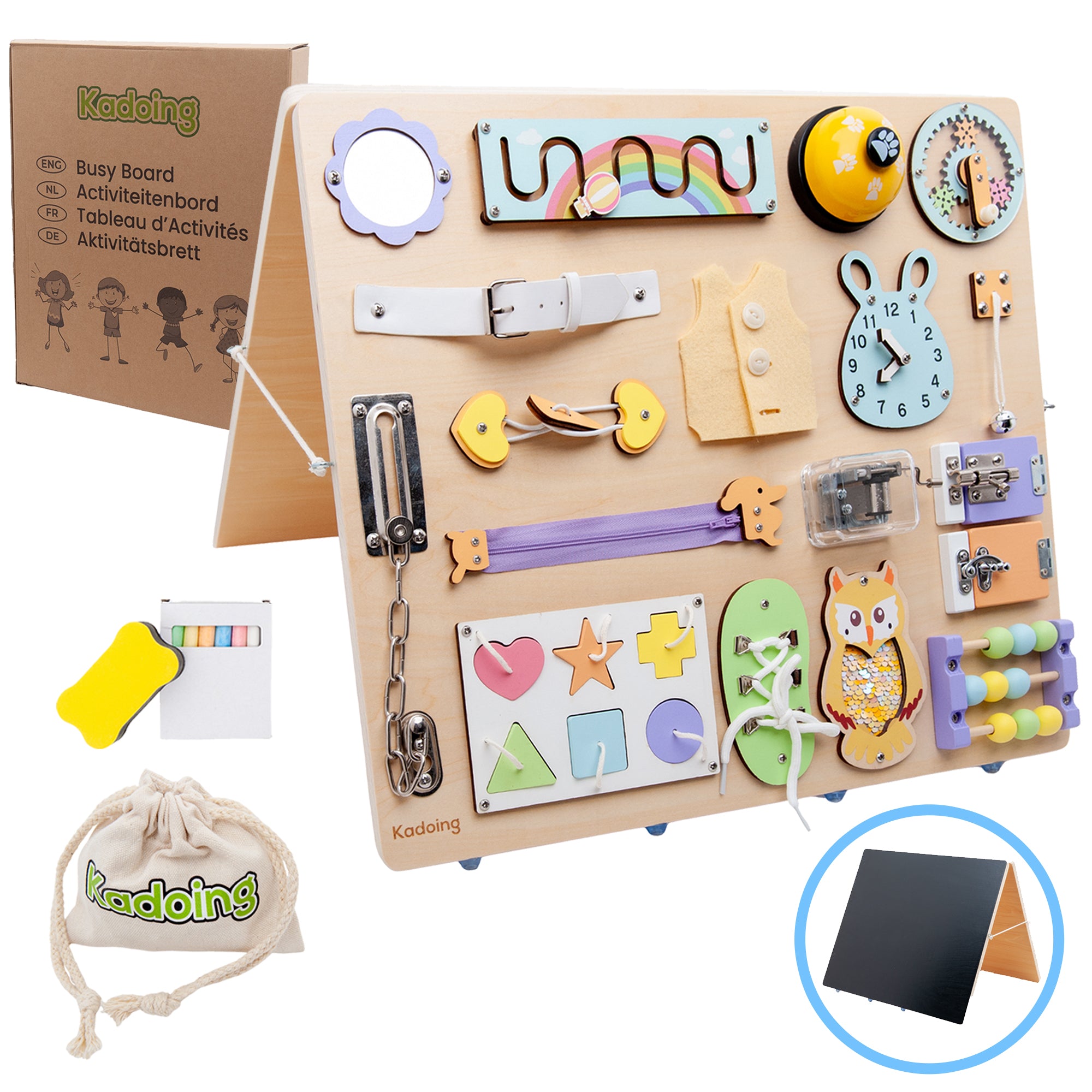
When a child tries to place a block correctly or follows a bead maze, more is happening than it may seem. Fine motor skills, hand-eye coordination, and problem-solving abilities are all being practised in small steps. Because the toy does not do everything for them, children have room to figure things out themselves.
This can also help improve concentration. Simple toys sometimes keep a child engaged for longer than toys packed with features. Not every child responds in the same way, and age naturally plays a role, but many parents recognise that wooden toys encourage focused play.
More room for imagination
Toys that do not dictate exactly how they should be used leave more room for creativity. A wooden kitchen, a set of building blocks, or an activity toy can become something different every day. In that sense, the toy grows alongside the child.
This also makes wooden toys an attractive gift choice. Many parents and gift buyers want to give something that a child will not lose interest in after just a week. Wood often has an advantage here because simplicity can remain appealing throughout different stages of development.
Sustainability as a reason to choose wooden toys
When parents ask why so many families choose wooden toys, sustainability almost always comes up. In reality, however, this is usually not the only reason. More often, it is the combination of responsible choices and enjoyable everyday use.
Wooden toys are often seen as a more thoughtful purchase. Parents appreciate products that last longer, can withstand daily use, and do not need replacing quickly. That feels better not only for the environment but also for the household. Less breakage, less clutter, and fewer impulse purchases.
There is some nuance to this, of course. Not every wooden product is automatically more sustainable, and factors such as craftsmanship, quality, and the use of paint or finishes remain important. Parents increasingly pay attention to the overall impression: does it feel durable, is it well made, and does it seem suitable for long-term use? That sense of trust makes a difference.
For many families, sustainability is not an abstract ideal but something very practical. A toy that can be used by multiple children, stays attractive over time, and remains a favourite in the toy basket naturally earns a lasting place in the home.
Appearance matters too, especially in the living room
There is another reason that parents do not always mention first but that certainly plays a role: wooden toys often look nicer in the home. Especially in families where the living room also serves as a playroom, appearance matters.
A calm design literally creates a calmer atmosphere. That may sound superficial, but it affects how a home feels. When toys are not constantly demanding attention, the environment feels more organised. For parents, this can contribute to a greater sense of calm during busy days.
This is often beneficial for children as well. A tidy play area with a few clear choices frequently encourages more meaningful play than a large collection of toys mixed together. Wooden toys fit naturally into this approach thanks to their simple design and natural appearance.
A sense of safety is essential for parents
When it comes to toys for young children, trust is everything. Parents do not want to constantly worry about whether something is fragile, impractical, or overstimulating. Wooden toys often provide a reassuring sense of safety and durability simply because they look and feel solid.
Of course, it is still important to consider the recommended age, size, and finish of each product. A baby has different needs from a toddler, and not every toy is suitable for every stage. However, many parents generally view wood as a reliable material.
That trust is also linked to simplicity. Fewer electronic components often mean fewer problems and less chance that something will stop working quickly. Parents appreciate this because the toy can simply do what it is meant to do: encourage play without creating extra stress.
Practical reasons for choosing wooden toys
Not every parent chooses wooden toys because of a strong commitment to sustainable living or Montessori-inspired play. Sometimes the decision is purely practical. What stays looking nice? What can withstand daily use? What makes a thoughtful gift and is easy to keep?
Wooden toys often perform surprisingly well in these areas. They are frequently suitable for passing down to siblings, cousins, or younger family members. They also tend to remain relevant throughout different stages of play. A simple instrument may first be interesting from a sensory perspective, later become a social activity during shared play, and eventually support musical exploration.
For families looking for quality time rather than simple distraction, this is valuable. A wooden xylophone, shape puzzle, or activity board is more likely to encourage parents and children to look, demonstrate, and play together. In this way, the toy becomes more than just something for the child; it becomes a small tool for everyday connection.
This aligns perfectly with what many parents are looking for today: products that bring calm, support development, and fit naturally into family life. That is precisely why so many families consciously choose wooden toys, whether they are buying something for a baby for the first time or searching for a meaningful gift for a toddler.
That is why so many parents consciously choose wooden toys. They bring calm, encourage development, last for years, and align well with children's natural curiosity. Not because wood is automatically better than every other type of toy, but because it often provides exactly what families are looking for in everyday life.