The right toys challenge children, prevent frustration, and support their development. Here's how to make the best choice.
Why Choosing the Right Toys Matters
Toys are much more than just a fun activity. They help children develop new skills, discover the world around them, and build self-confidence. That's why it's important to choose toys that match your child's age, interests, and developmental stage.
When toys provide just the right level of challenge, children stay engaged for longer. They learn new things without the activity being too difficult or too easy. This leads to more enjoyment and more opportunities to learn.
Well-chosen toys grow with a child's development and encourage curiosity, creativity, and independence.
What Happens When Toys Aren't a Good Match?
Many parents recognize this situation: a gift that was eagerly anticipated ends up forgotten in a corner after only a few minutes. Often, this isn't because of the child but because the toy isn't the right fit.
When a toy is too difficult, a child may become frustrated. They don't understand how it works or keep running into obstacles during play. If a toy is too simple, boredom can set in, and the toy quickly loses its appeal.
As a result, a child may become under-stimulated, while parents sometimes assume the issue is over-stimulation or tiredness.
The best play experiences happen when an activity is just challenging enough to help children practice new skills without becoming discouraging.
Age Recommendations Are Guidelines, Not Rules
Most toy packaging includes an age recommendation. This is a useful starting point, but it shouldn't be treated as an absolute rule. Every child develops at their own pace.
Some children become interested in building or puzzles at an early age, while others prefer movement, music, or imaginative play. That's why it's important to consider not only the age recommendation but also your child's interests and abilities.
It's this combination that helps you choose toys that truly fit your child.
Toys by Developmental Stage
0 to 6 Months
Babies discover the world primarily through their senses. Toys with different textures, sounds, and colors help them learn to look, listen, and feel.
Examples include:
- Rattles.
- Soft plush toys.
- Toys with high-contrast colors.
- Touch-and-feel books.
6 to 12 Months
At this stage, babies become increasingly active. They grab, roll, crawl, and explore everything within reach.
Suitable toys include:
- Stacking cups.
- Blocks.
- Push-and-pull toys with wheels.
- Activity toys with different textures.
1 to 2 Years
Toddlers develop their fine motor skills and begin to better understand cause and effect. They enjoy opening, stacking, sorting, and imitating everyday actions.
Good choices include puzzles, stacking blocks, push walkers, and simple musical instruments.
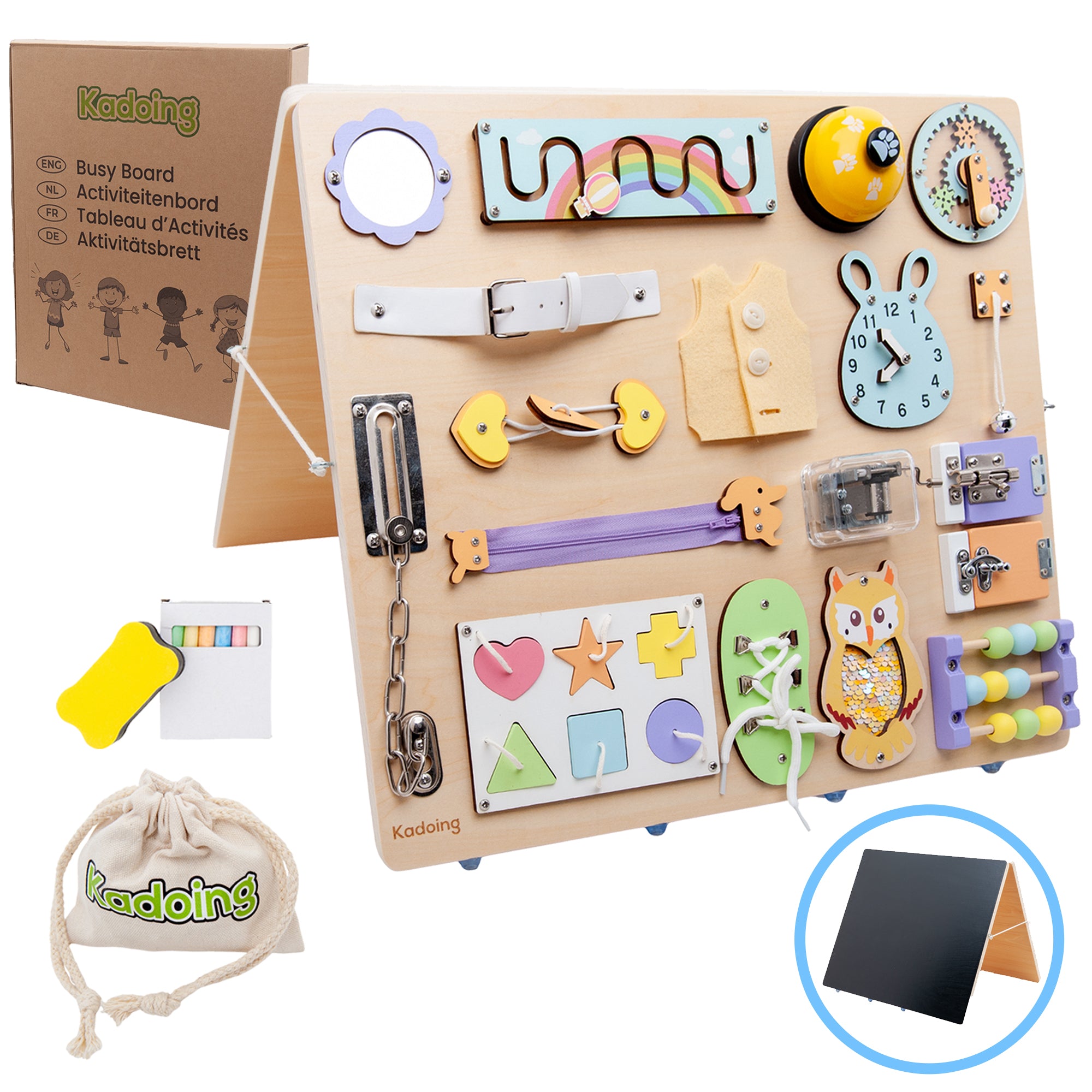
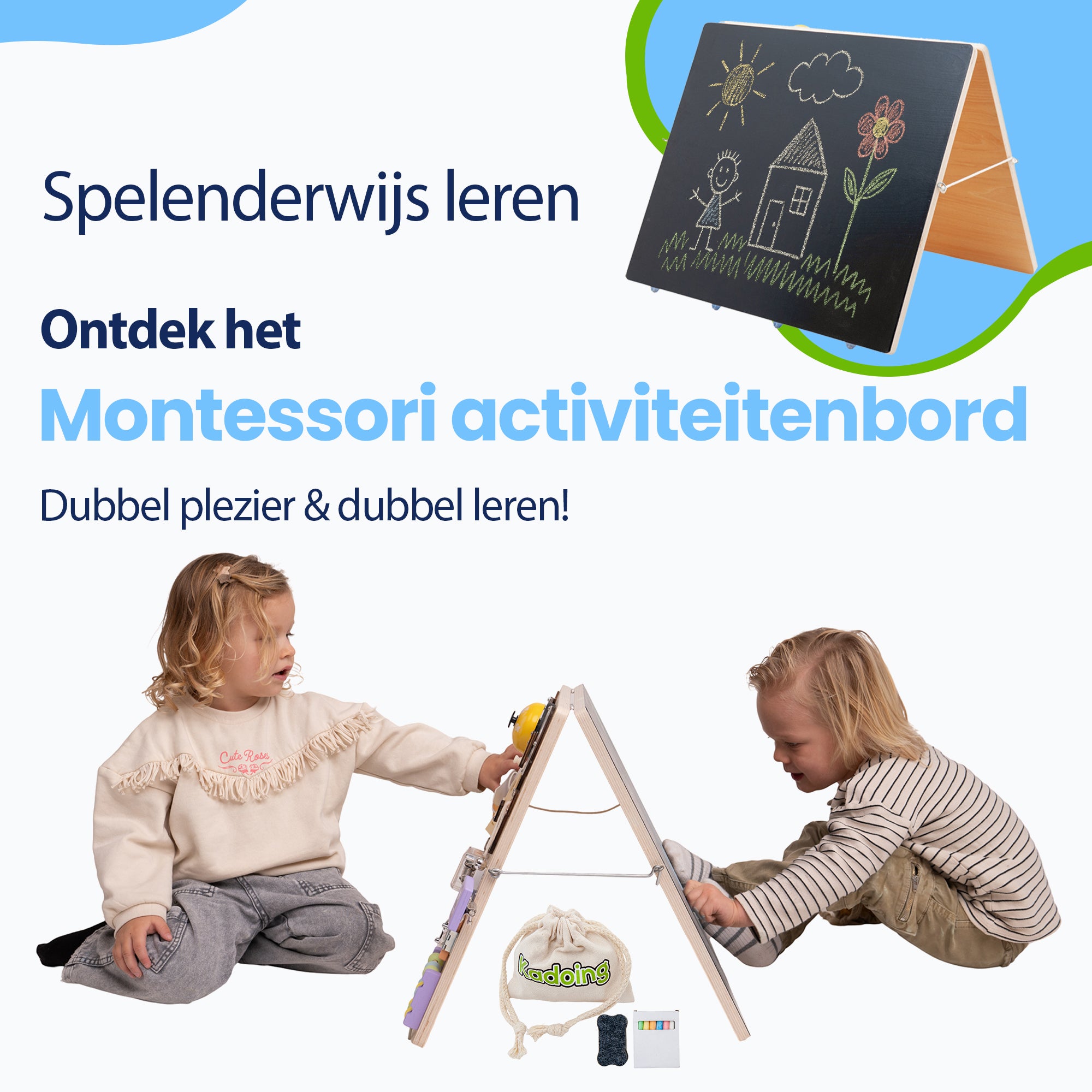
For children who love exploring and experimenting, activities that involve sliding, turning, opening, and moving objects can be especially engaging. A Montessori activity board for young explorers is a great fit for this stage.
3 to 4 Years
Preschoolers develop their imagination rapidly. Role-playing becomes increasingly important, and children start playing together more often.
Consider toys such as:
- Dress-up costumes.
- Dollhouses.
- Building sets.
- Simple board games.
- Creative craft supplies.
5 to 6 Years
Children at this age can often concentrate on play activities for longer periods. They enjoy challenges and begin developing stronger personal interests.
Examples include:
- Building projects.
- Puzzles.
- Science kits.
- Sports and outdoor toys.
- Musical instruments.
Consider Your Child's Interests Too
Not every child plays in the same way. Some children can spend hours building with blocks, while others prefer drawing, making music, or playing outside.
By observing what naturally attracts your child, you can better determine which toys will remain interesting over time.
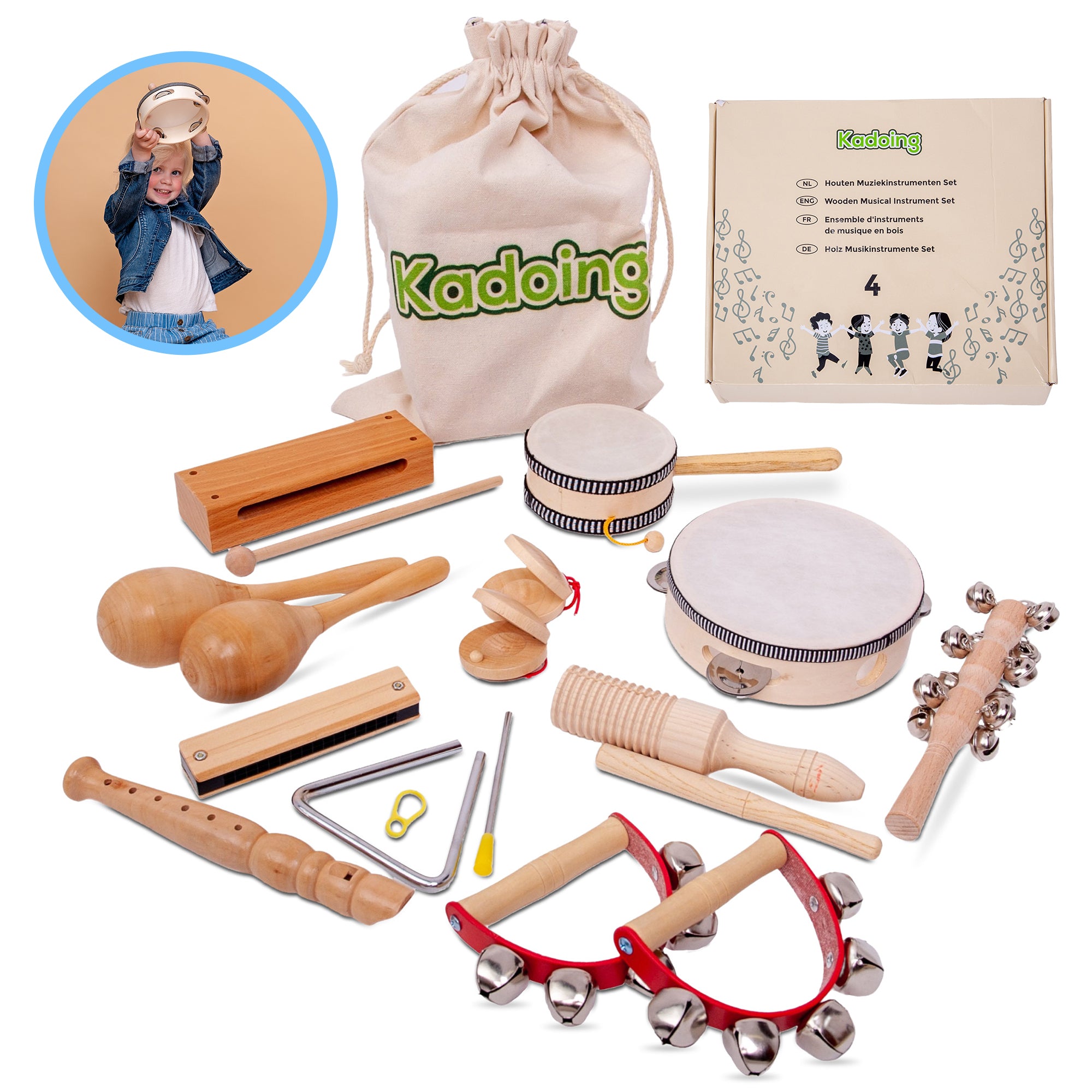
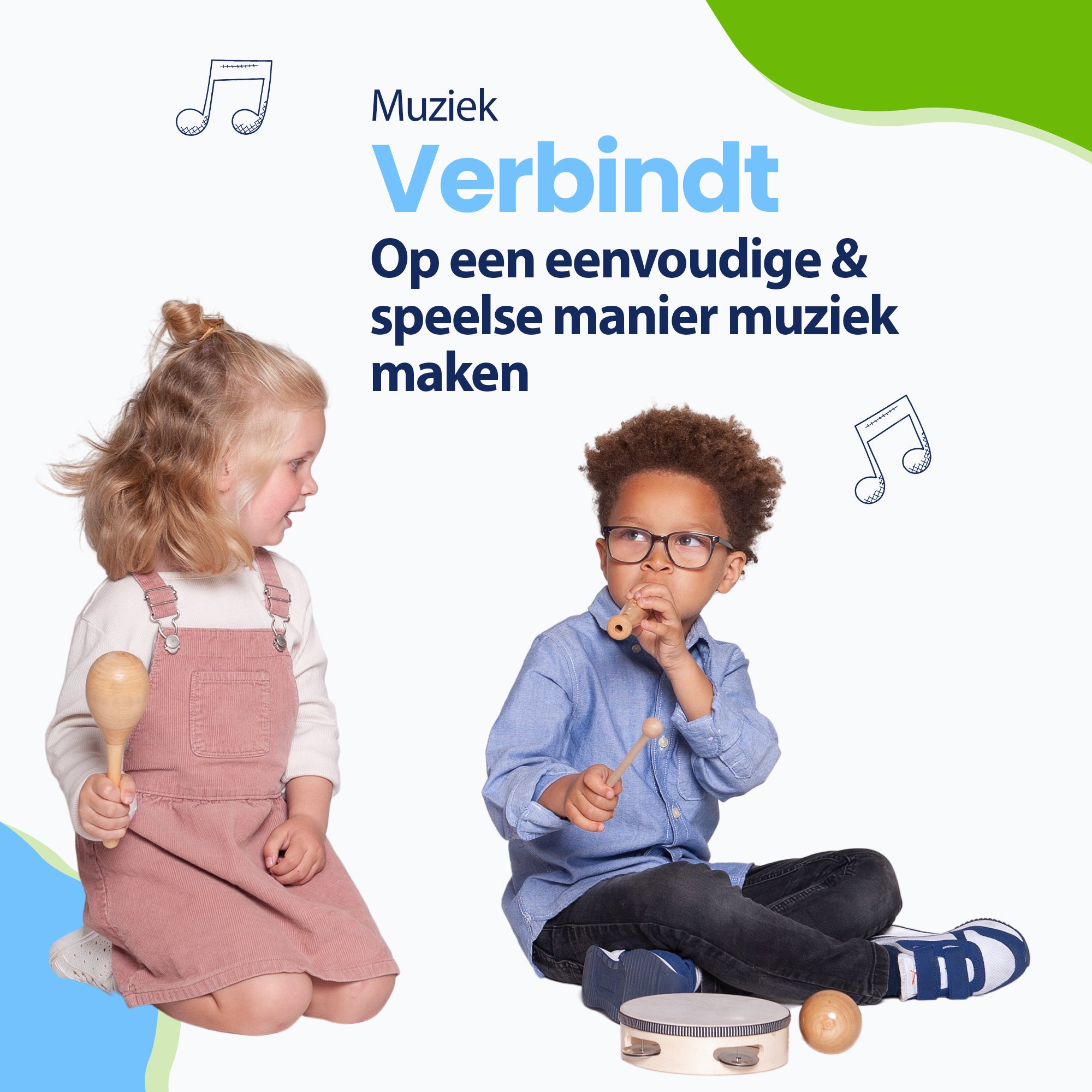
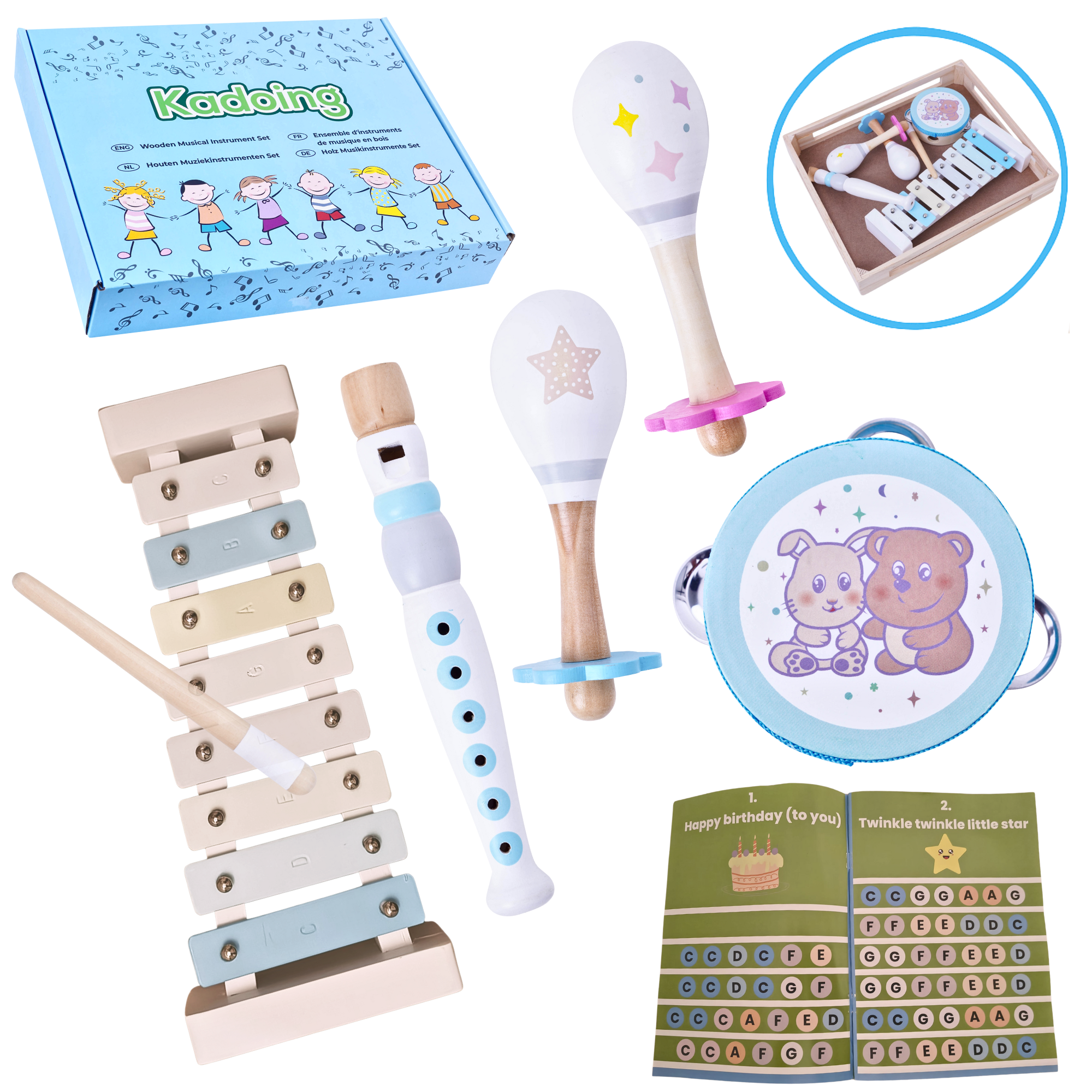
A child who loves tapping rhythms on tables and chairs will likely enjoy a musical instrument set for children. A curious explorer may prefer activities that allow them to investigate and experiment independently.
Durable Toys Often Last Longer
More and more parents are consciously choosing durable toys. Not only because they're better for the environment, but also because quality toys often last much longer.
Toys made from sturdy materials can be enjoyed for years and often remain engaging because children can play with them in different ways as they grow.
For example, our collection of durable wooden toys includes products that support multiple stages of development and encourage creative play.
Watch for Signals During Playtime
The best way to determine whether a toy is a good match for your child is simply to observe how they play with it.
Ask yourself questions such as:
- Does my child stay interested?
- Are they challenged without becoming frustrated?
- Do they try new things?
- Do they regularly return to the same toy?
These signals often tell you much more than an age label on the packaging.
The Best Toys Grow with Your Child
Great toys don't just support today's development—they remain interesting as children learn new skills. That's why open-ended play materials are often so valuable. They give children the freedom to discover new ways to play again and again.
Ultimately, the goal isn't to buy the most popular or expensive toy. It's to choose something that matches your child's unique development. When challenge, interest, and enjoyment come together, the best learning moments often happen naturally.
For more tips on toys, child development, and parenting, visit our latest blogs and articles.