Teaching children about sustainability does not have to be difficult. With small everyday habits, children can learn to make conscious choices through play.
What is sustainability?
Sustainability is a word that children hear more and more often. But what does it actually mean?
Simply put, sustainability is about taking good care of the world today and for future generations. We use resources responsibly, waste as little as possible, and treat nature and our environment with care.
That may sound complicated to children, but in practice they often understand it faster than you might think, especially when sustainability is connected to everyday situations they recognize.
Why teach children about sustainability from an early age?
Children are naturally curious. They ask questions about animals, plants, waste, energy, and why certain things happen. This makes childhood the perfect time to develop awareness about sustainability.
By introducing sustainable habits at a young age, children learn that small choices can make a difference.
For example:
- Sorting waste and recycling.
- Using water responsibly.
- Turning off lights when leaving a room.
- Taking good care of their toys.
- Reusing items instead of throwing them away.
Learning about sustainability through play
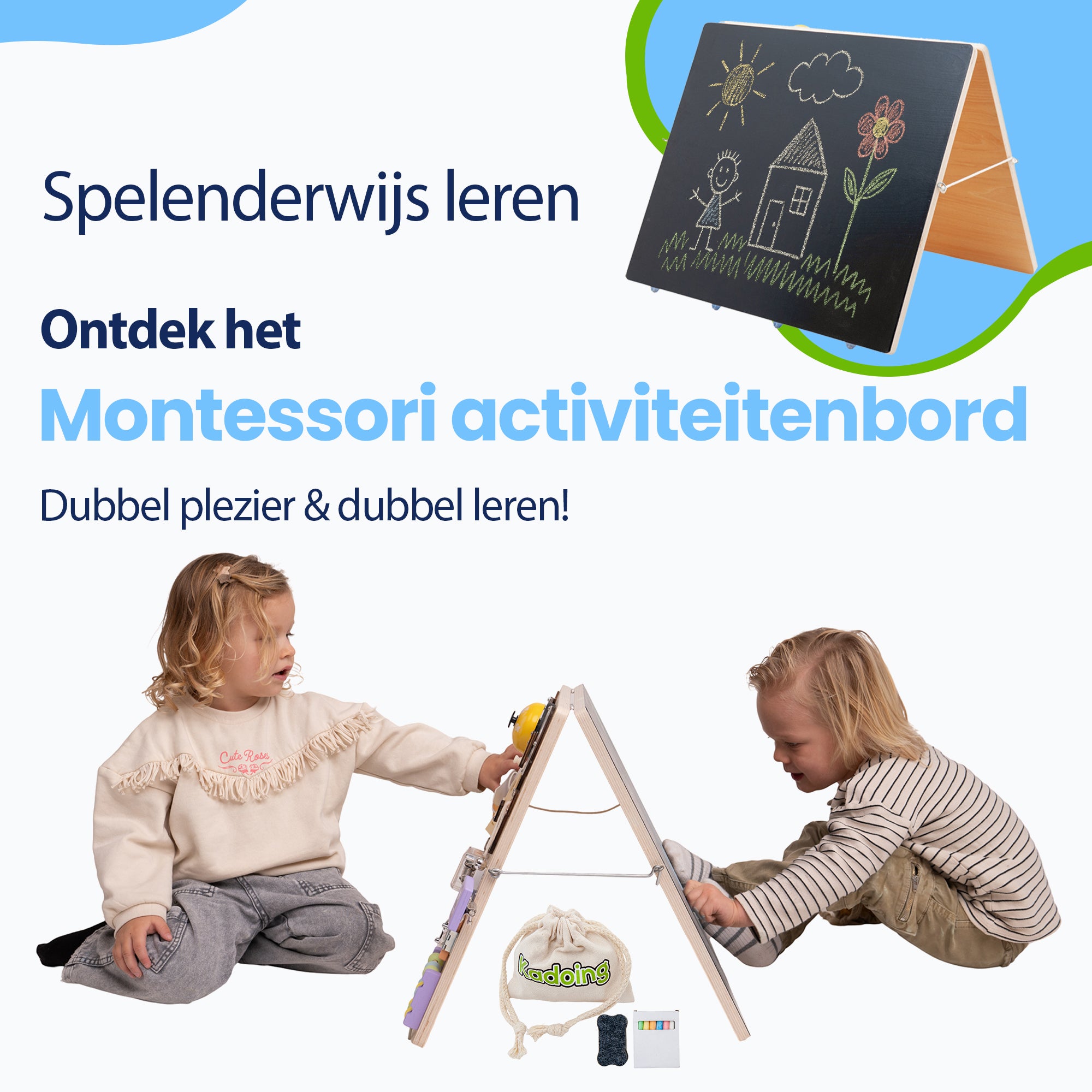
Children learn best by doing. That is why learning through play is often more effective than long explanations.
Turn sustainability into a fun adventure. Let children help sort recycling, give old boxes a second life as craft projects, or show them how materials can be reused in creative ways.
Sustainable toys can also support this learning process. Toys that last a long time, offer multiple ways to play, and encourage independent discovery fit perfectly with a conscious approach to parenting.
Explore nature together
One of the best ways to teach children about sustainability is by spending time outdoors together.
Take a walk through the woods, visit a nature reserve, or go searching for birds, insects, and plants. When children experience how special nature is, they often develop respect for their environment naturally.
You can turn it into a game by collecting leaves, spotting animals, or creating a nature bingo challenge.
This helps children learn about sustainability while also developing curiosity and observation skills.
Being mindful with toys
Holidays such as Christmas are highlights of the year for many children. At the same time, they are often occasions when a lot of new products are purchased.
Sustainable parenting does not mean avoiding gifts altogether. Instead, it means making thoughtful choices and selecting products that last and provide genuine enjoyment.
For example, ask yourself:
- Will my child enjoy playing with this for a long time?
- Does it encourage development or creativity?
- Is it built to last?
- Can it be passed on to someone else later?
Sustainable toys that last for years
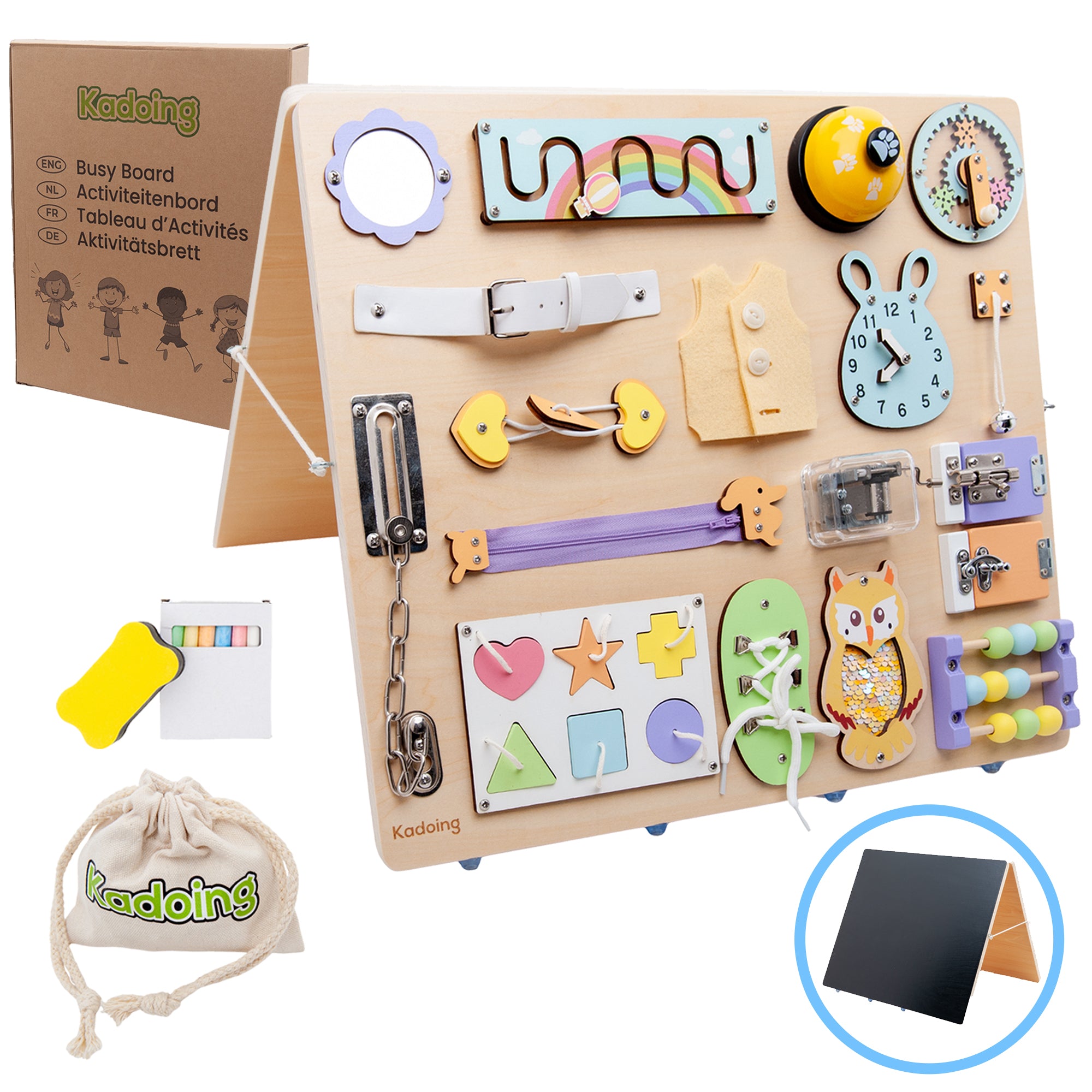
Many parents today consciously choose wooden toys. Wooden toys are known for their durability, quality, and timeless appeal.
Take a look at our collection of durable wooden toys, designed for years of playtime and learning through play.
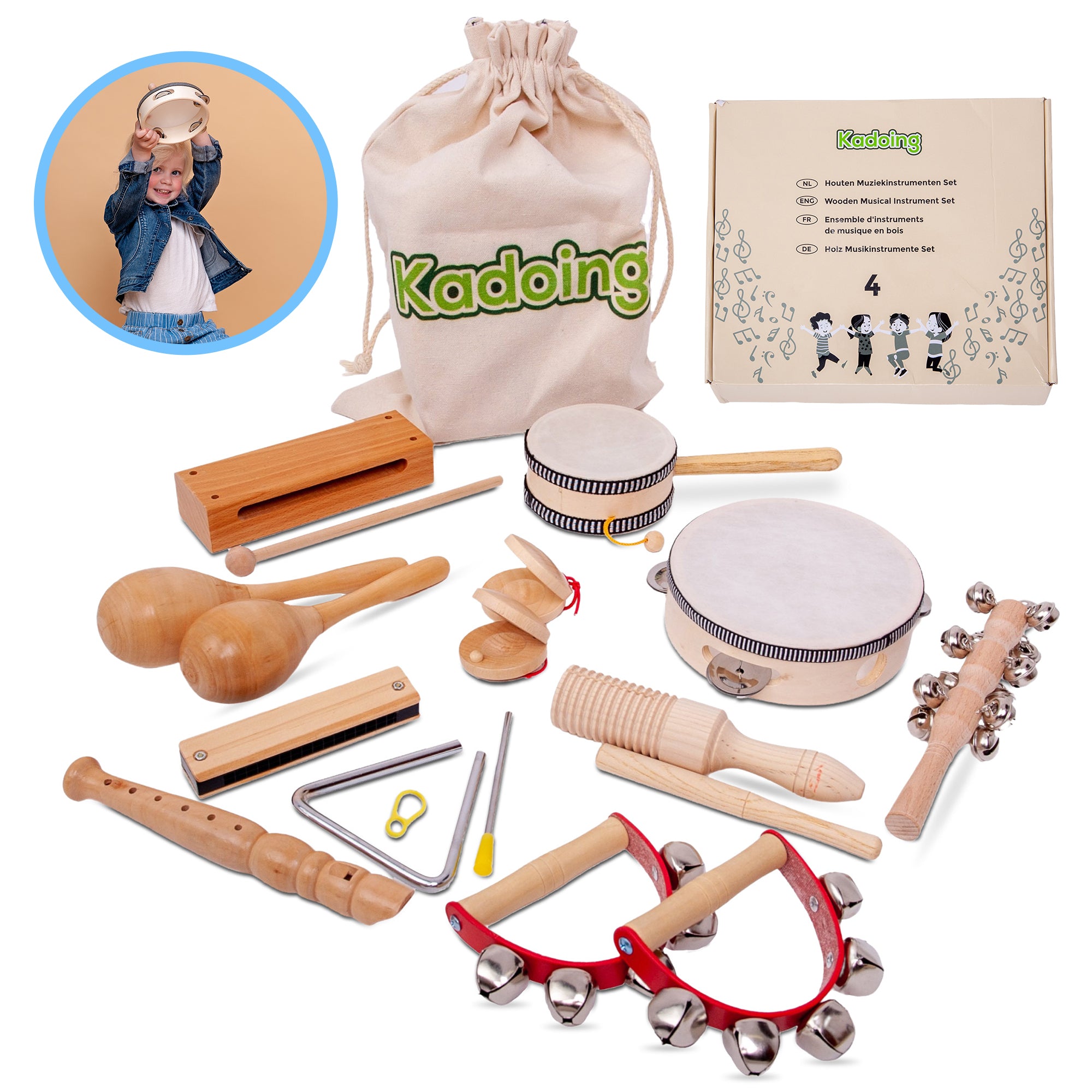
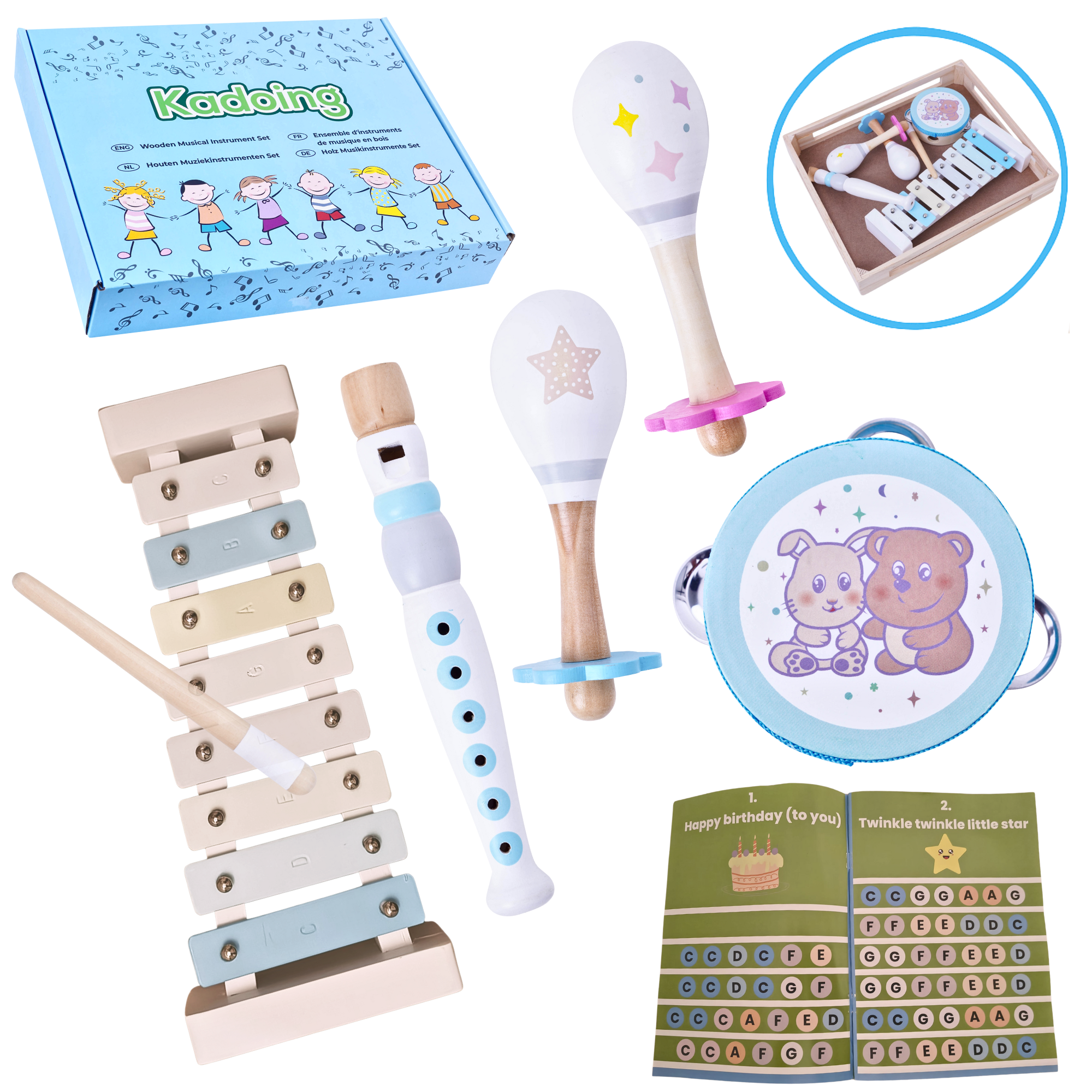
Making music is another activity that children can enjoy for many years. Our musical instruments for children encourage creativity, rhythm, and cooperative play.
Sustainability goes beyond toys
Sustainable parenting is not only about what you buy. It is also about the habits you develop as a family.
Children learn a great deal by observing adults. When parents use resources responsibly, recycle waste, and show respect for nature, children often adopt these habits naturally.
It is these small daily examples that often make the biggest difference over time.
Calm and sustainability go hand in hand
Sustainable parenting also means choosing quality over quantity. Fewer distractions, fewer disposable products, and more focus on what truly matters.
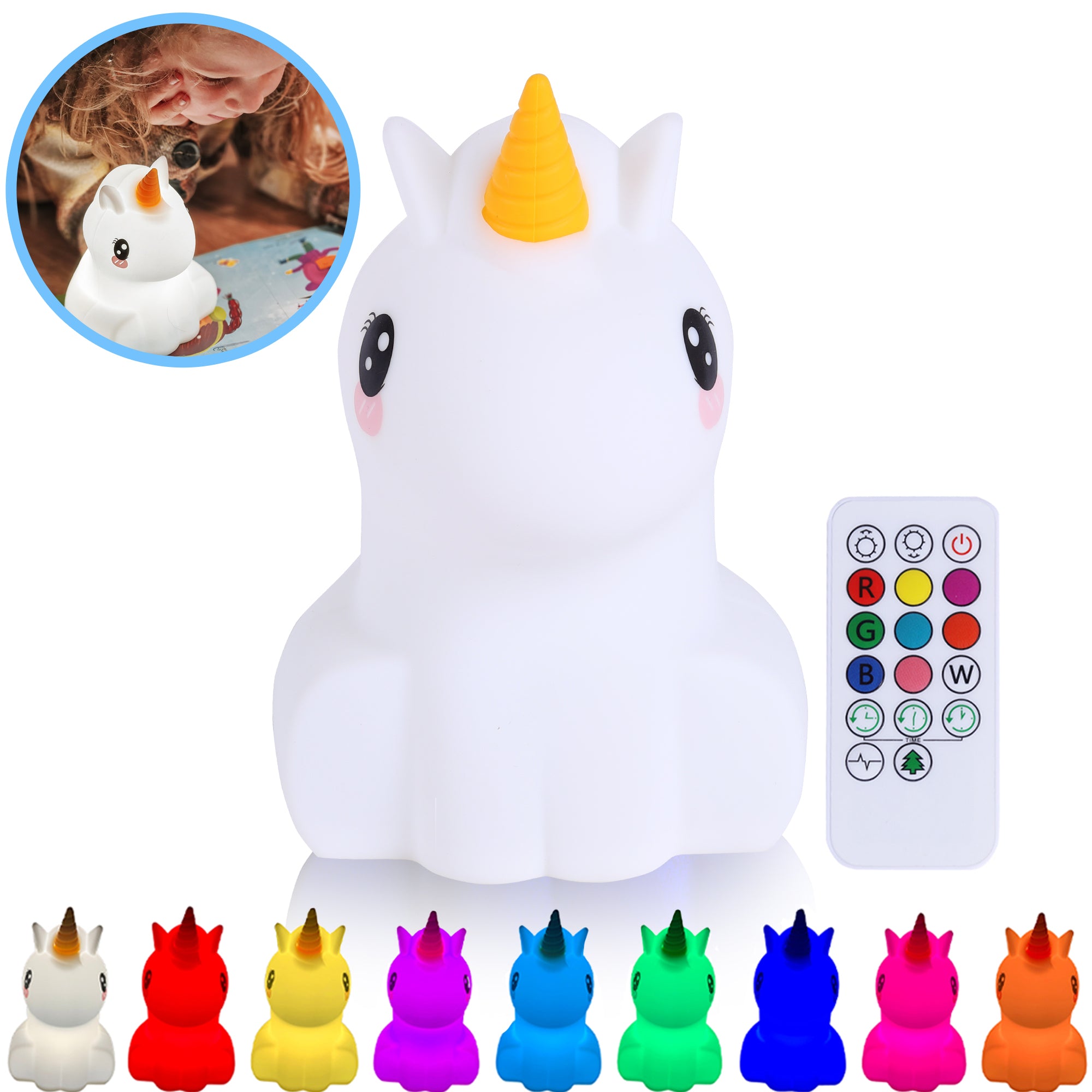
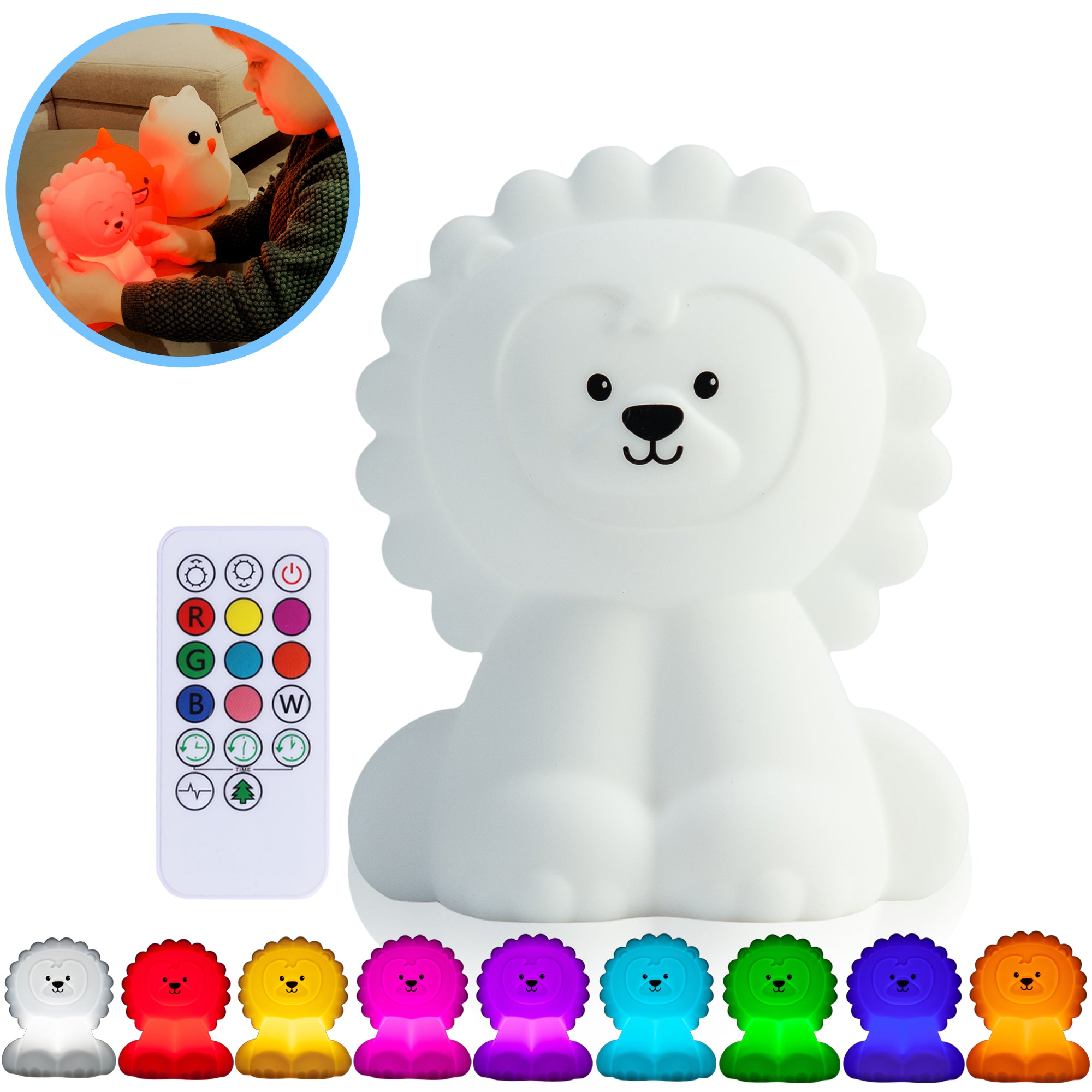
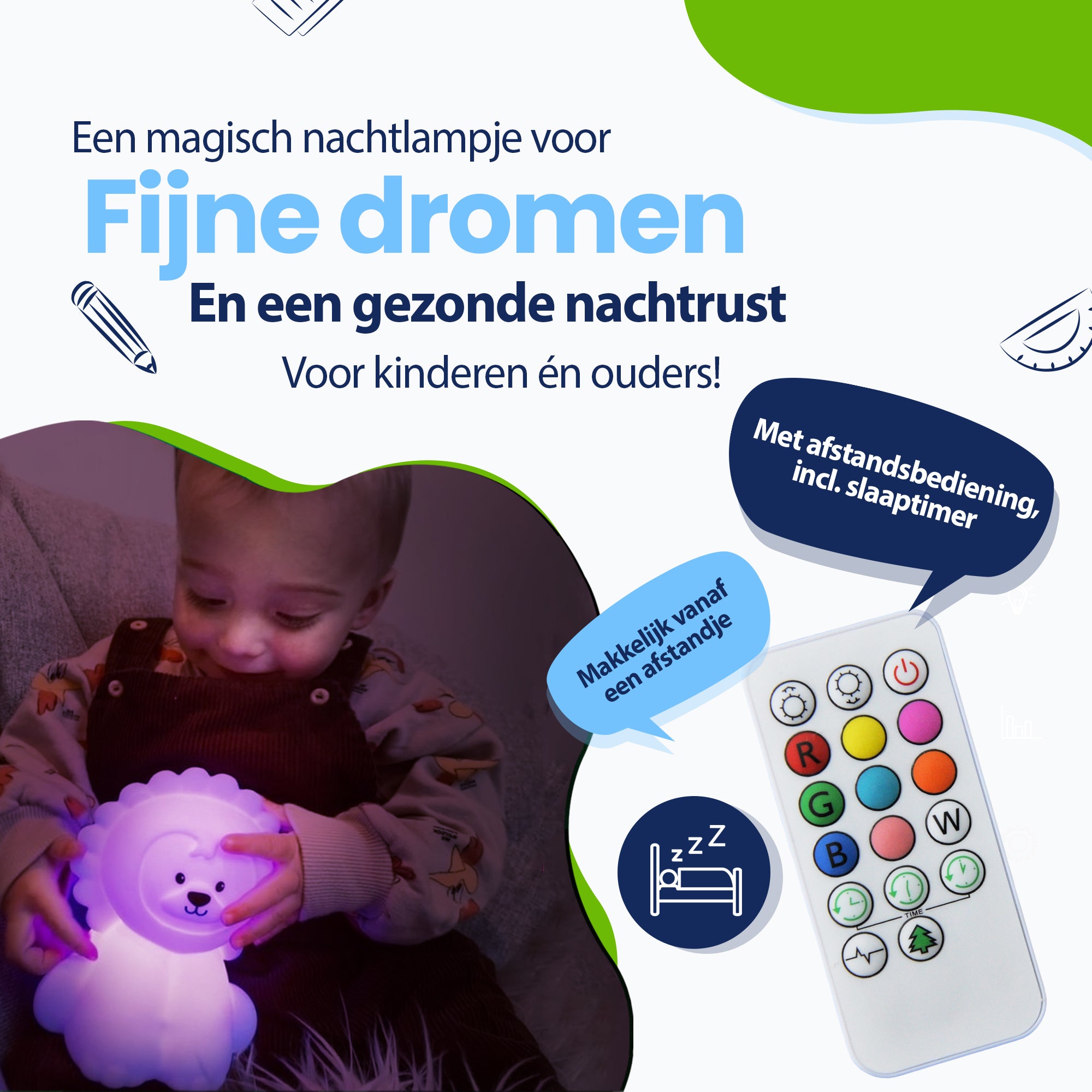
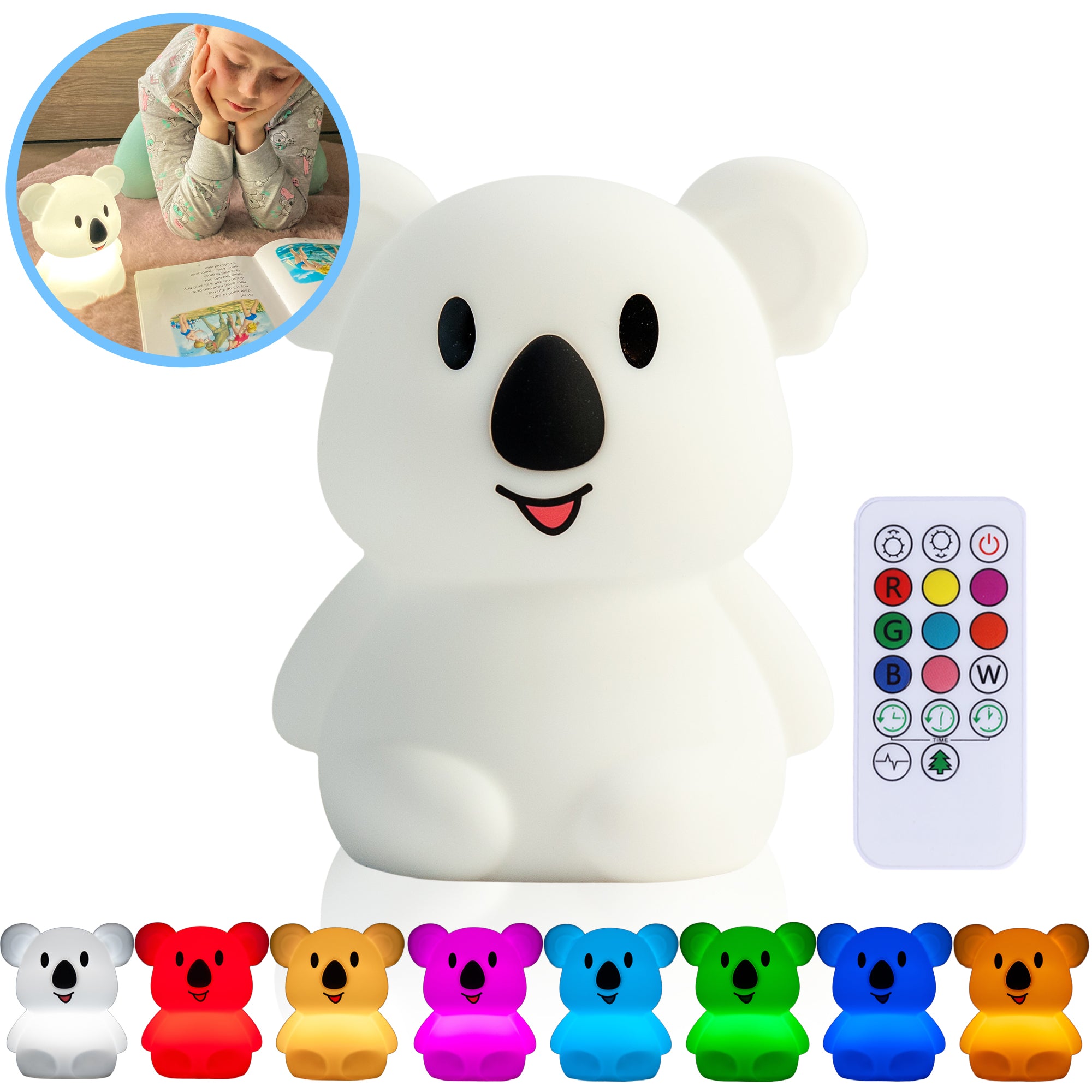
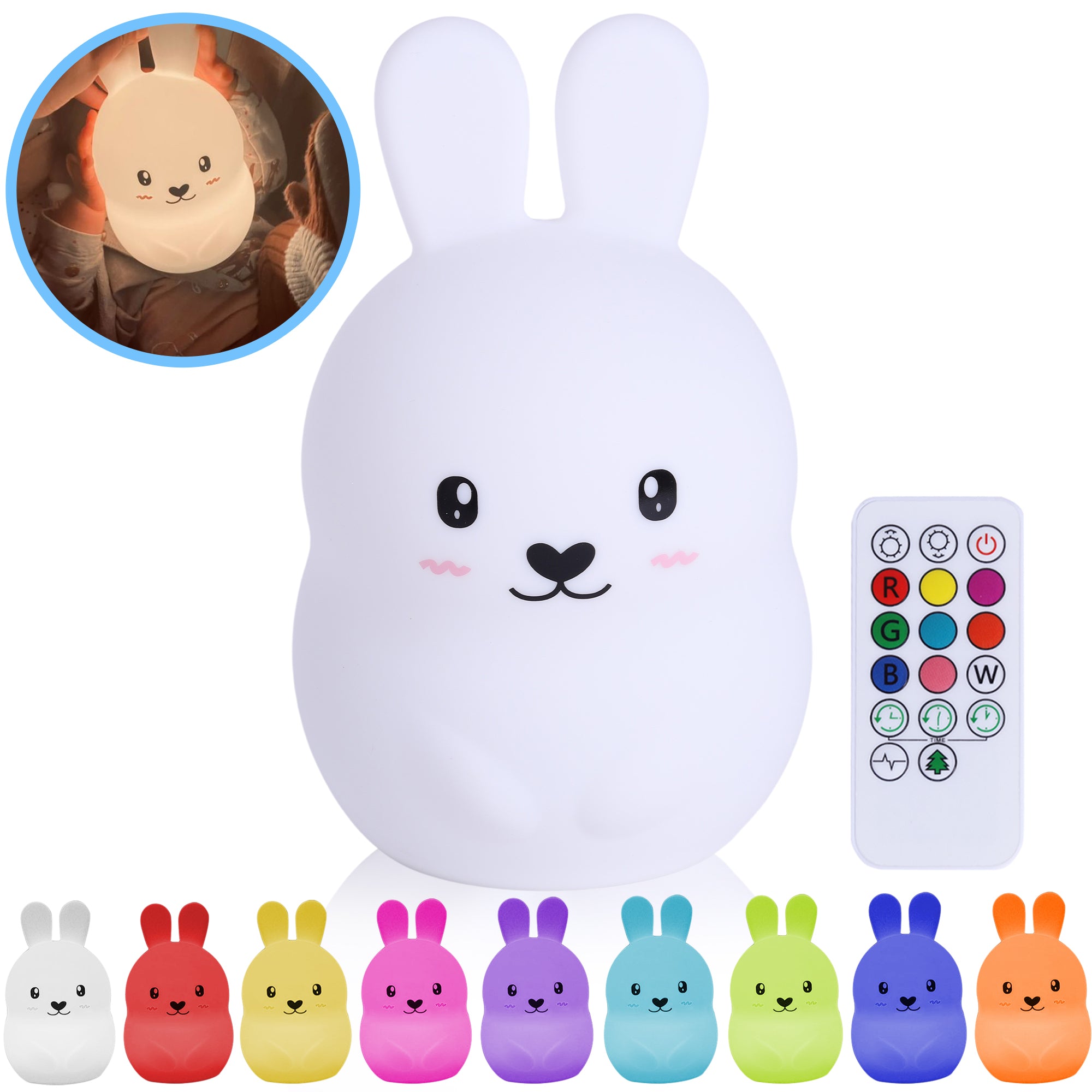
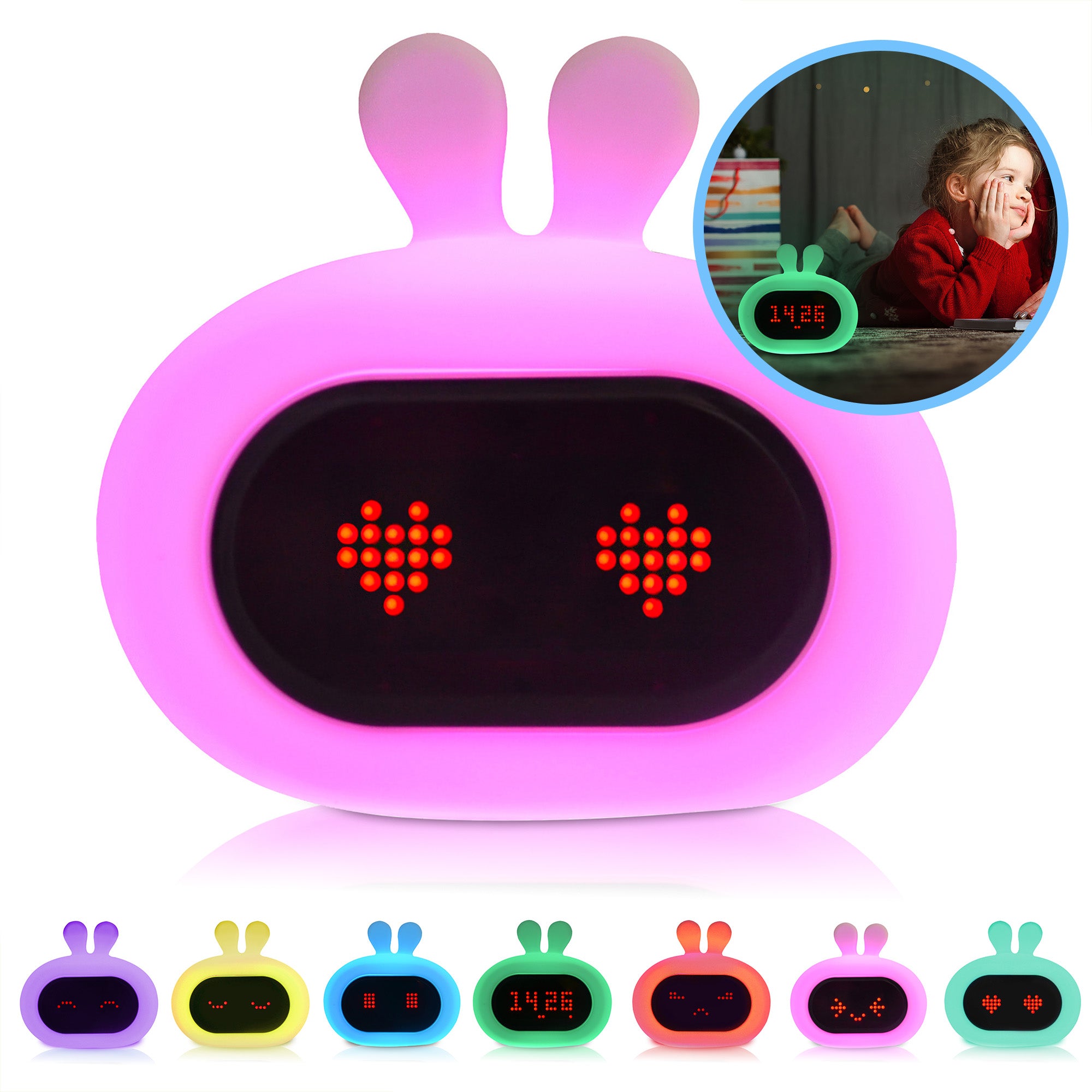
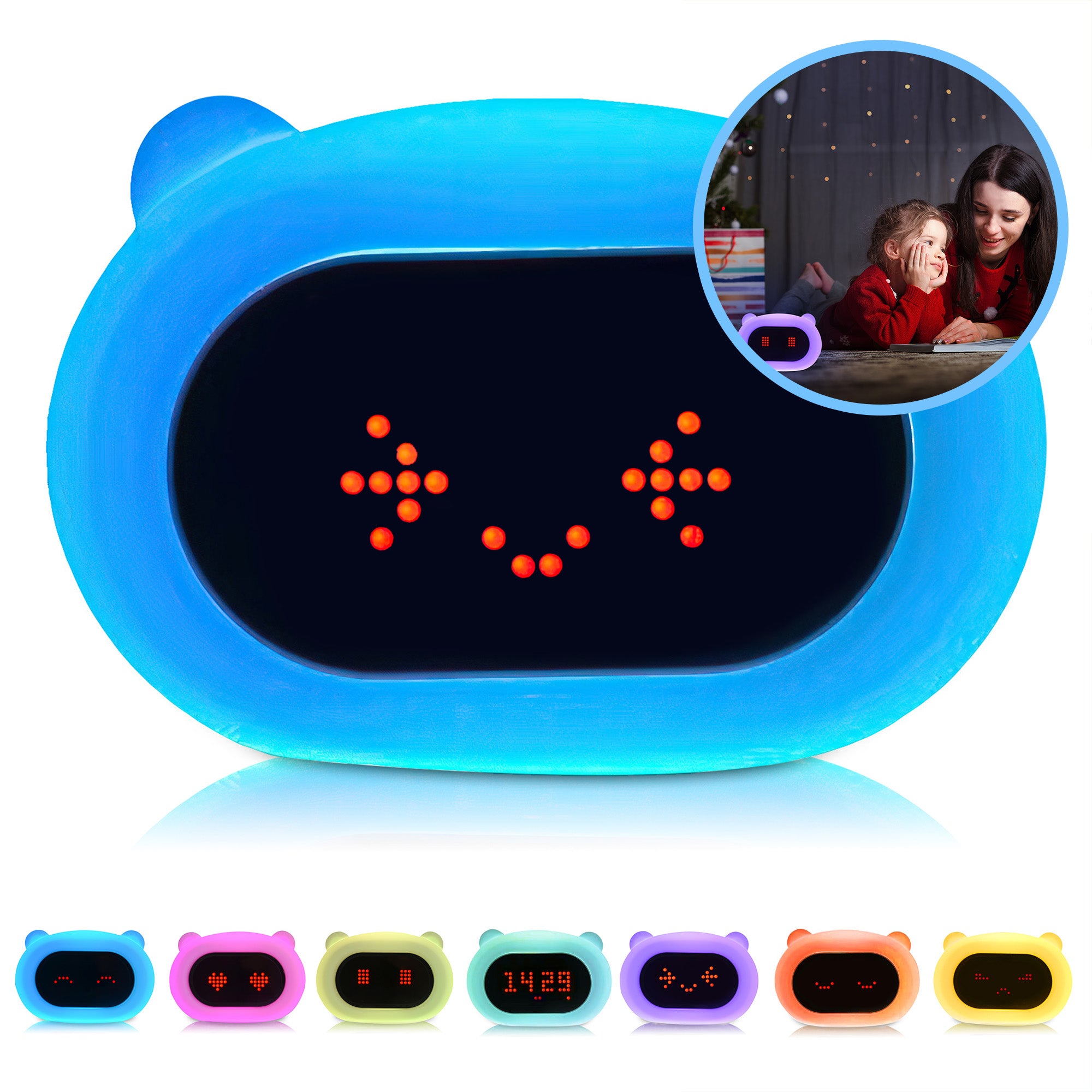
A peaceful sleep environment is part of that approach as well. A gentle night light for children can help create a familiar and relaxing atmosphere at bedtime.
The next generation starts today
Sustainability does not have to be a complicated topic. By introducing children to conscious choices step by step, they learn through play how to take care of themselves, others, and the world around them.
Whether it is a walk through the woods, choosing toys that last for years, or sorting recycling together, every small step matters.
In this way, you help your child grow and develop while also contributing to a better future for the next generation.