

An early-morning feed, a nappy that needs changing or a quiet check that everything is all right: these are the moments when you notice how much lighting matters. Wondering which light is best for your baby's room? Look beyond an attractive design. The right lighting fits your evening routine, gives you enough visibility when needed and keeps the room feeling soft and calm.
Start with layers of light rather than one bright lamp
A baby's room usually needs more than one kind of light. A ceiling light helps you see the whole room when tidying, dressing or changing your baby. Yet that same bright light often feels less comfortable during a quiet evening moment. A combination of general lighting and soft ambient lighting therefore works well for many families.
For the main light, choose one that lights the room evenly without shining straight into the cot. A ceiling light with an enclosed shade or a fitting that diffuses the light well can help avoid harsh points of light. In a room with a low ceiling, a flush ceiling light may be more practical than a pendant that gets in the way.
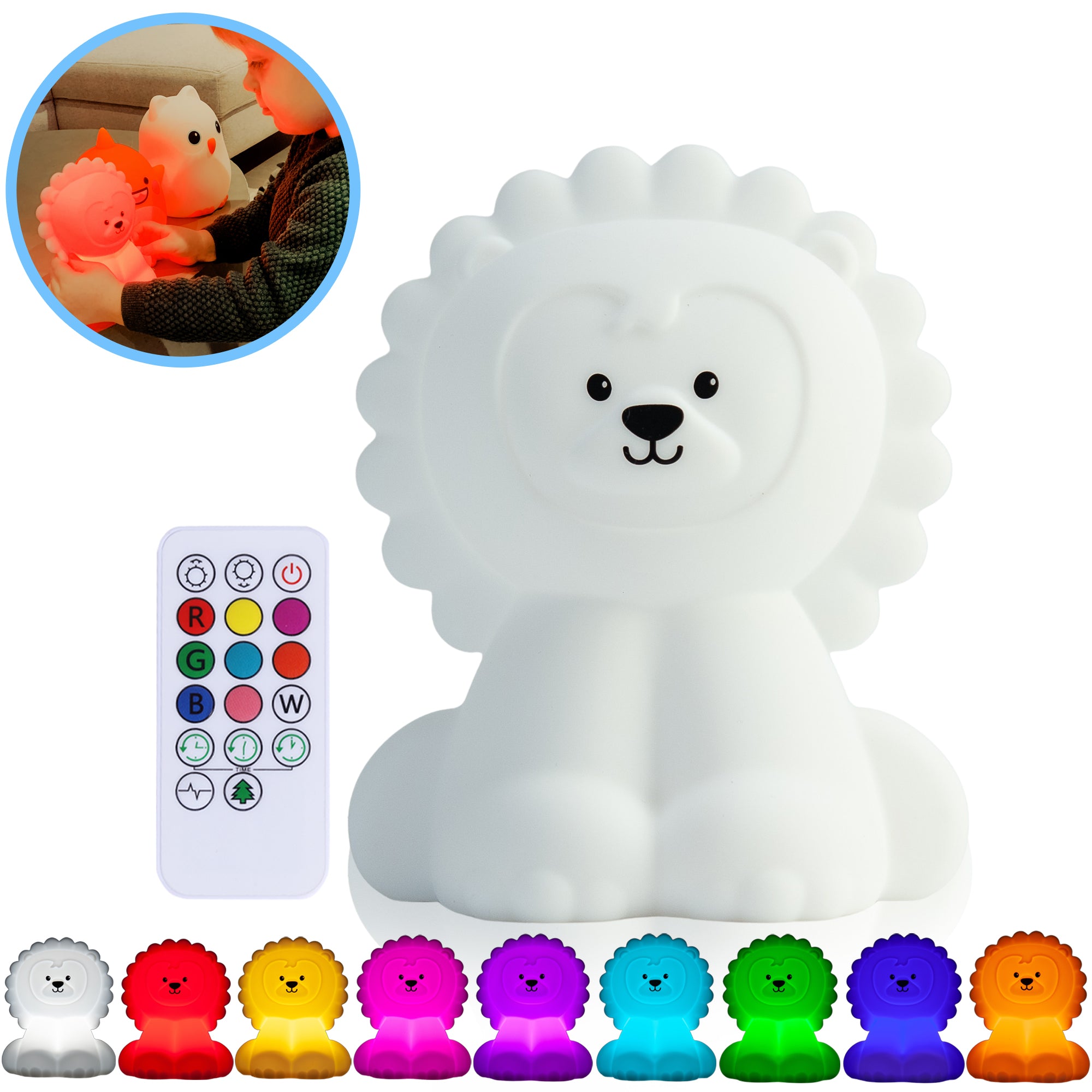
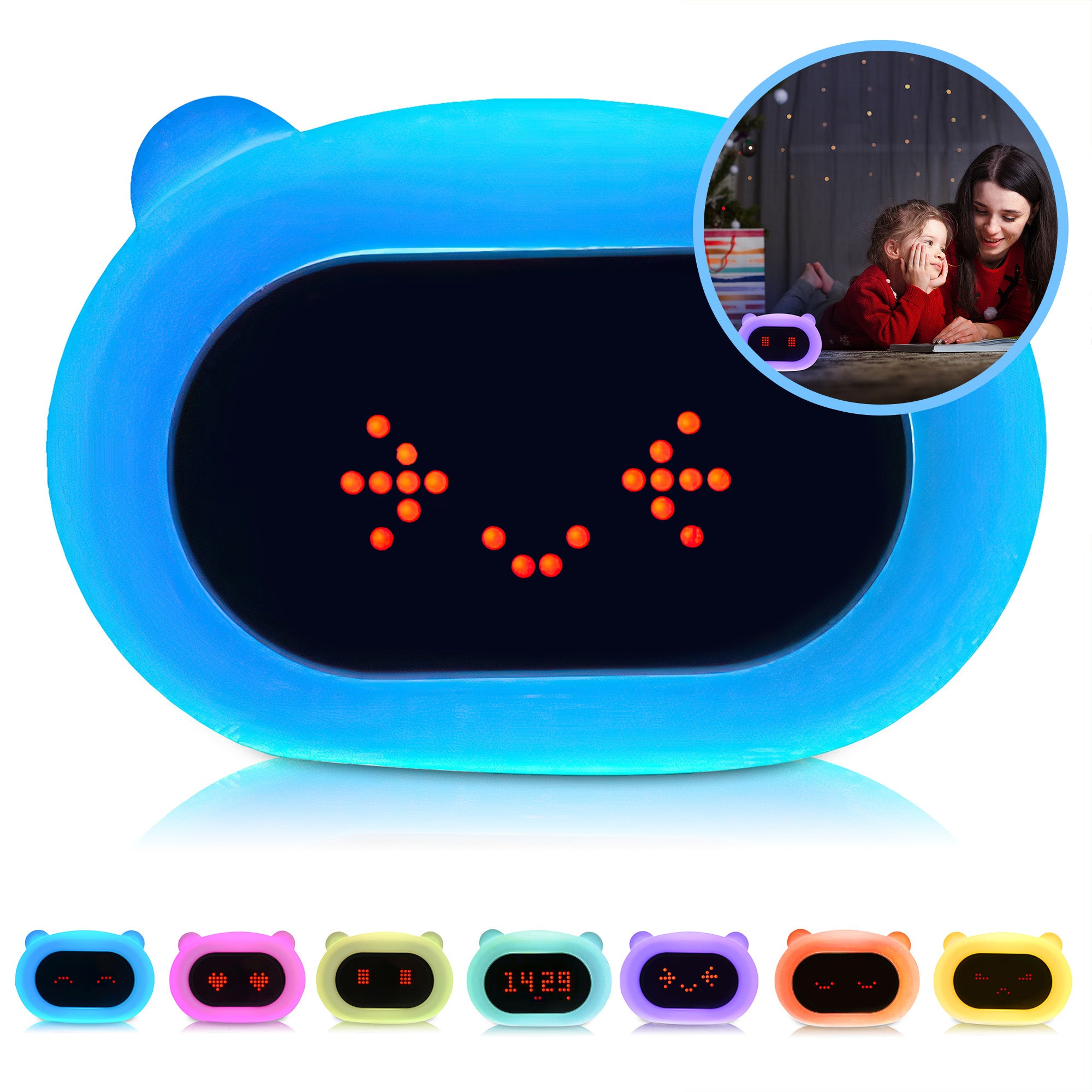
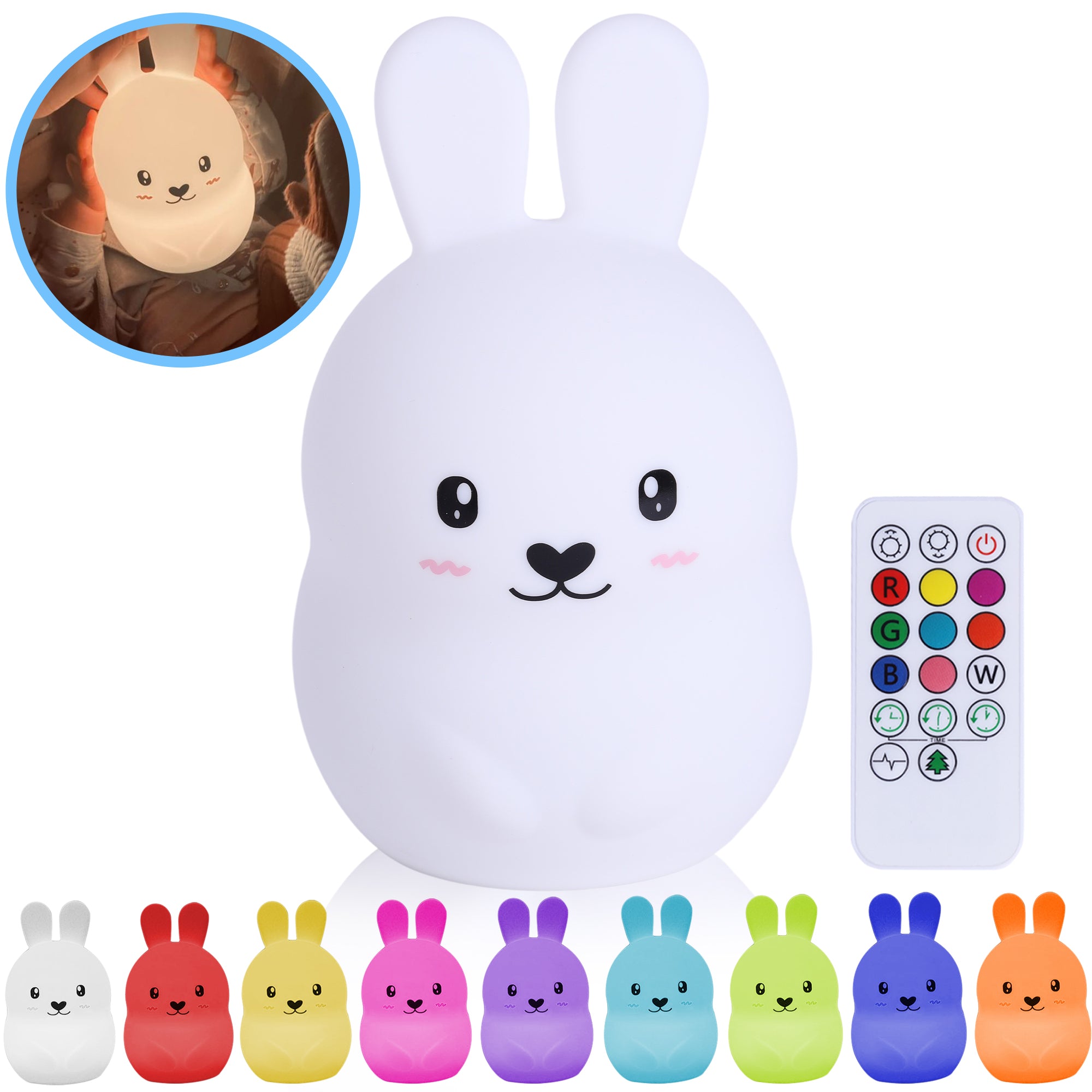
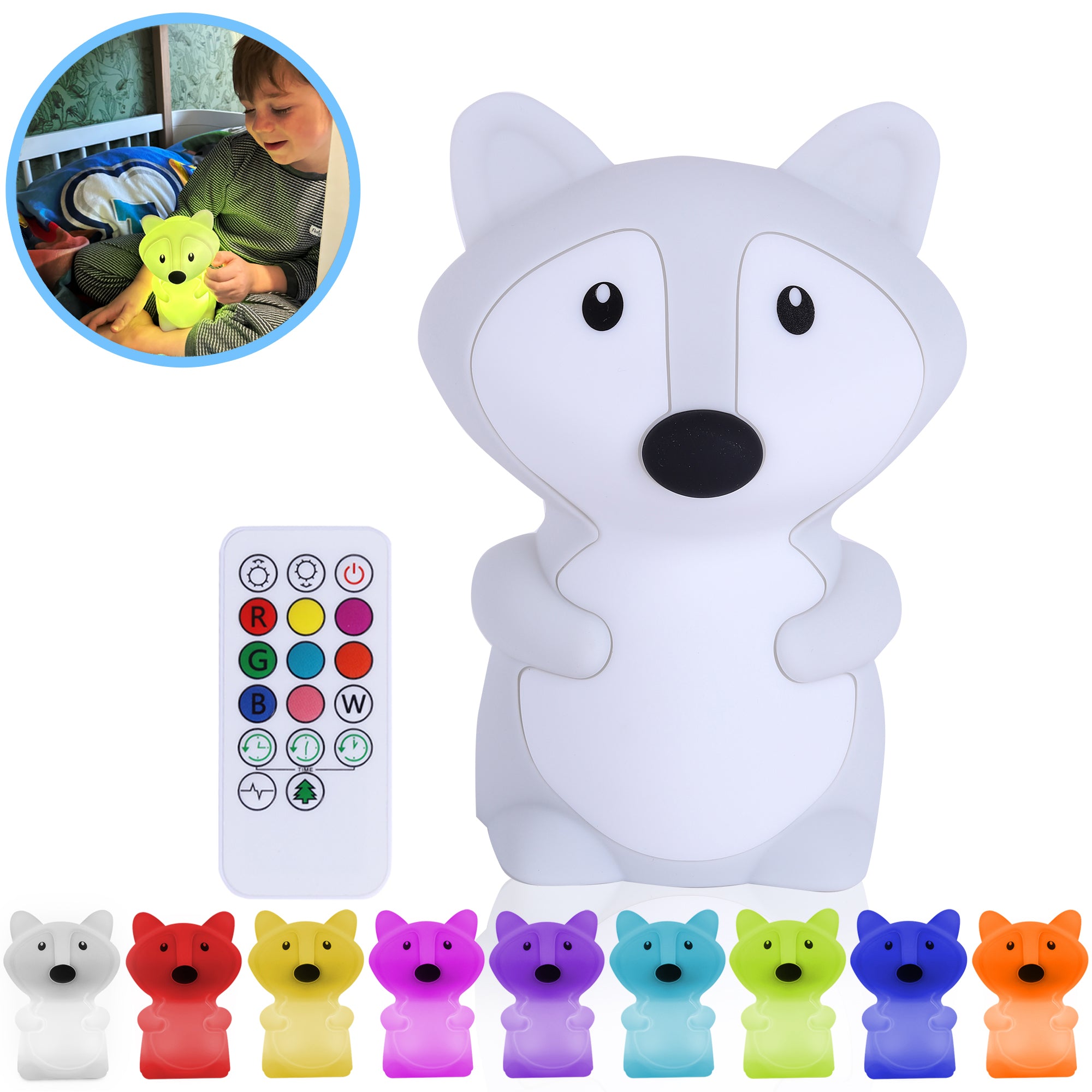
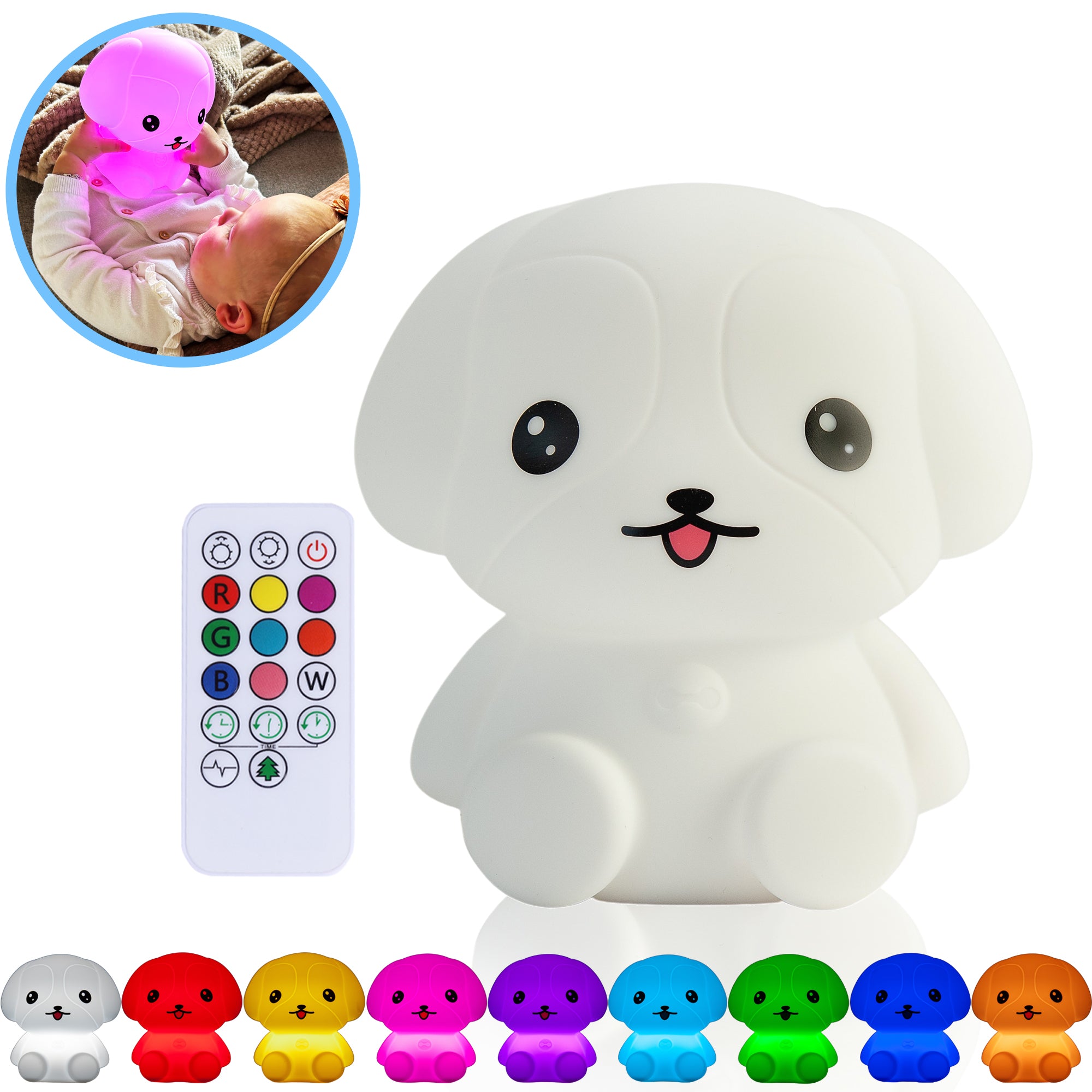
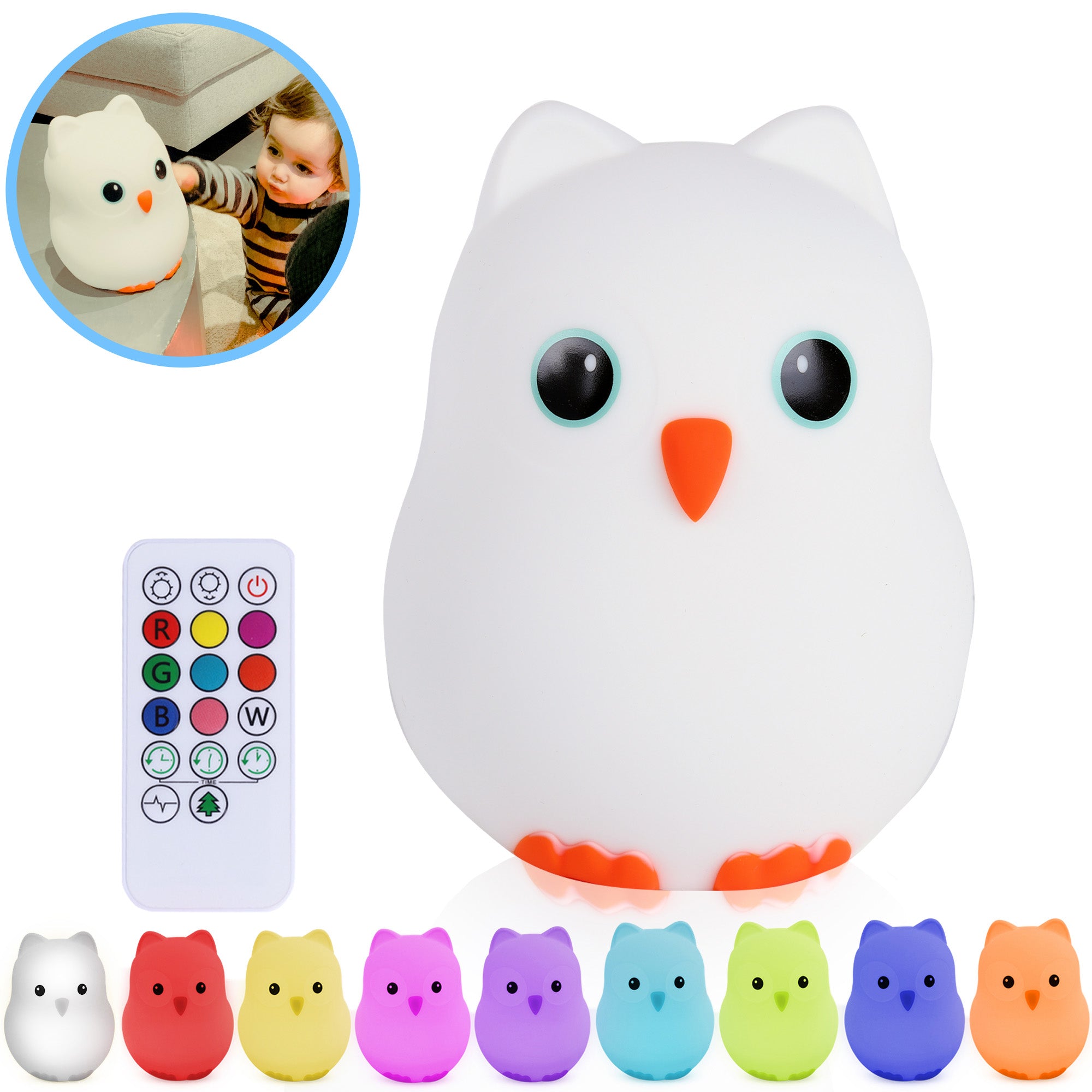
Add a small light near the changing table or in a quiet corner of the room. That way, you do not have to turn on the main light every time. A night light can also be helpful when moving from an active care moment towards sleep. It will not solve every unsettled evening, but it can become a familiar, gentle part of your routine.
Which light suits each moment in your baby's room?
Not every light has to do the same job. During the day, you want to use the room comfortably. In the evening, less light is often enough. Thinking ahead about when you will use each light makes choosing much easier.
For changing and dressing
At the changing table, you need light that is bright without being dazzling. Position it so your body does not cast a shadow on the changing mat. A wall light beside the changing table or a ceiling light in the middle of the room may work well. Make sure a wall light is securely fitted and stays beyond the reach of little hands.
A light with a warm white colour is a comfortable middle ground for many parents. It looks gentle while still allowing you to see colours and details clearly. Very cool, bluish white light can quickly feel clinical, especially in a room intended for cosy moments.
For feeding or comforting at night
For a brief moment at night, you usually do not want to light up the whole room. A small, dimmable light is often more convenient. Choose a low setting that lets you walk around and care for your baby safely without making the light unnecessarily bright.
Position matters too. Put a freestanding night light on a stable surface where it cannot easily be knocked over, or choose a model you can place out of reach. Avoid trailing cables near the cot, chair or changing table. They make a corner look cluttered and need extra attention once your baby becomes more mobile.
For a calm bedtime routine
A regular routine can look different in every family: a song, a book, a cuddle or a little time sitting together. Soft lighting can give this moment its own atmosphere. A light with a warm glow, perhaps with a simple dimming function, often suits this transition towards night-time. Keep the cot free of loose soft toys, toys and other loose objects.
If you want to create a calm atmosphere, avoid lights with lots of changing colours or busy effects just before sleep. Some children like a little point of light; others prefer sleeping in a dark room. Look at what suits your baby and your habits, without needing one fixed rule.
Consider light colour, dimming and direction
Light colour is often given in Kelvin. Warm white light, for example around 2200 to 2700 Kelvin, can be pleasant for a quiet evening moment. A slightly more neutral warm white, such as 2700 to 3000 Kelvin, is also a practical choice for the main lighting. Alongside light colour, pay particular attention to brightness and dimming options. A warm light can still be too bright if it cannot be dimmed.
A dimmable light offers more flexibility, but check that both the bulb and the fitting are suitable for dimming. Not every LED bulb works well with every dimmer. If the combination is unsuitable, a light may flicker, buzz or fail to dim smoothly. That is unwelcome in a room where you want calm lighting.
Consider the direction of the light too. An uncovered light with a visible bright bulb can be uncomfortable when you look up from a chair. A fabric, glass or plastic shade can soften the light, provided it is suitable for the chosen bulb type and does not get too hot. LED lighting generally gets less hot than older types of lighting, but always follow the fitting's instructions and the manufacturer's guidance.
Choose safely without overcrowding the room
A lovely nursery does not need lots of lights. Two well-chosen light sources are often more practical than several separate accessories. Choose fittings that feel well made, stand securely and are easy to keep clean. A calm, uncluttered arrangement is particularly welcome around a changing table, where you are often busy.
Correct installation is essential for ceiling and wall lights. Follow the installation instructions or have the light fitted if you are unsure. Keep cables, plugs and lights out of your baby's reach and away from textiles such as curtains, cot canopies and cloths. A light should never be placed in or attached directly to the cot.
With a battery-powered light, pay particular attention to the battery compartment. Preferably choose a model with a securely closed compartment and check it regularly. If you use a rechargeable light, charge it according to the instructions and somewhere your baby cannot reach. Small choices like these help create a room you can feel comfortable with.
Choose a design that will still work later
The baby stage changes faster than you sometimes expect. A light used near the changing table now might later find a place in a toddler's or older child's room. Ideally, choose a design that stays practical and appealing beyond babyhood. Calm colours and timeless shapes often retain their appeal longer than a very distinctive theme.
Wooden details, natural tones and simple shapes work well in many children's rooms and are easy to combine with new bedding, posters or toys. If you want to buy thoughtfully, you can also consider material quality, whether an LED bulb can be replaced and a design that will not need to go after one season. Choosing sustainably often means choosing something you will enjoy using for longer.
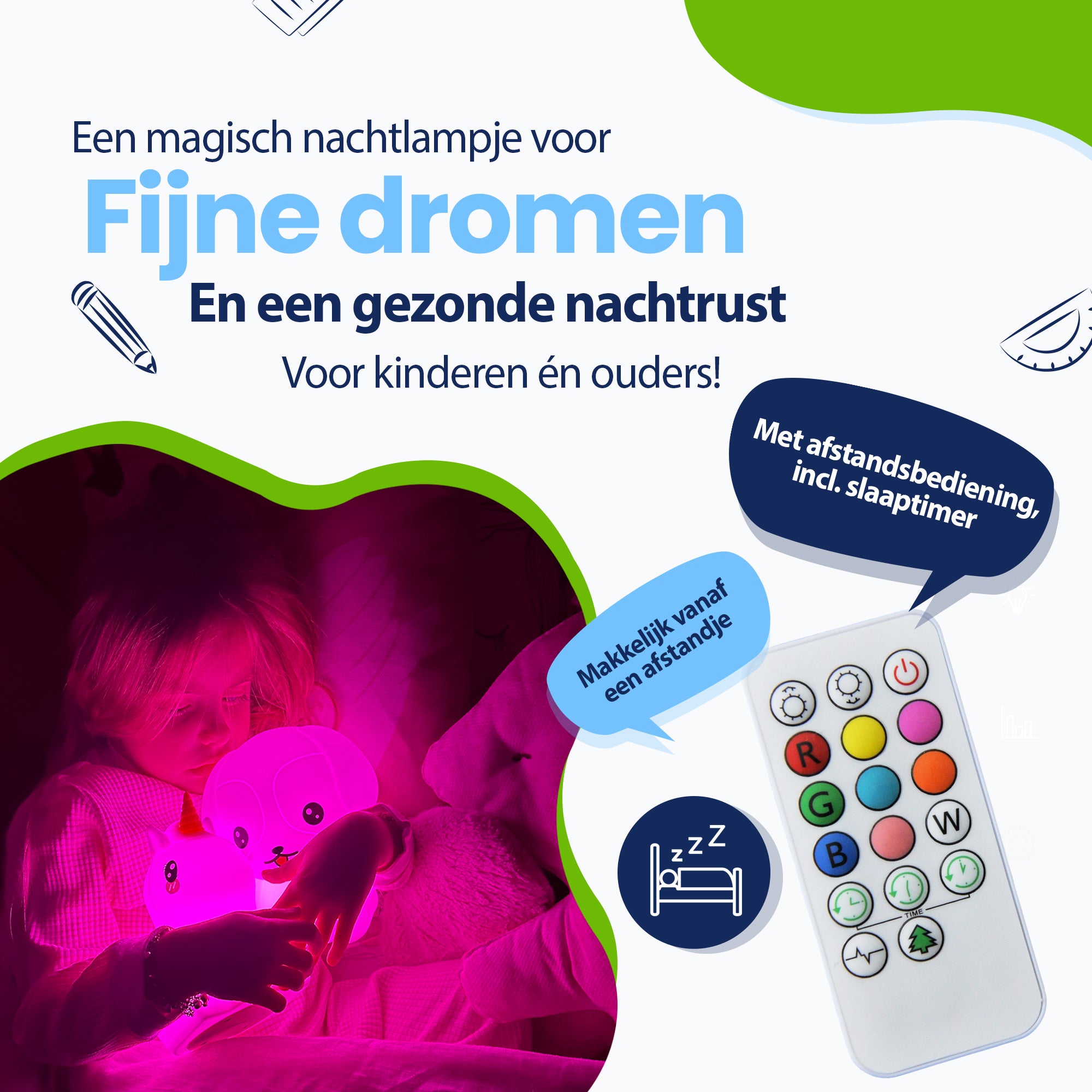
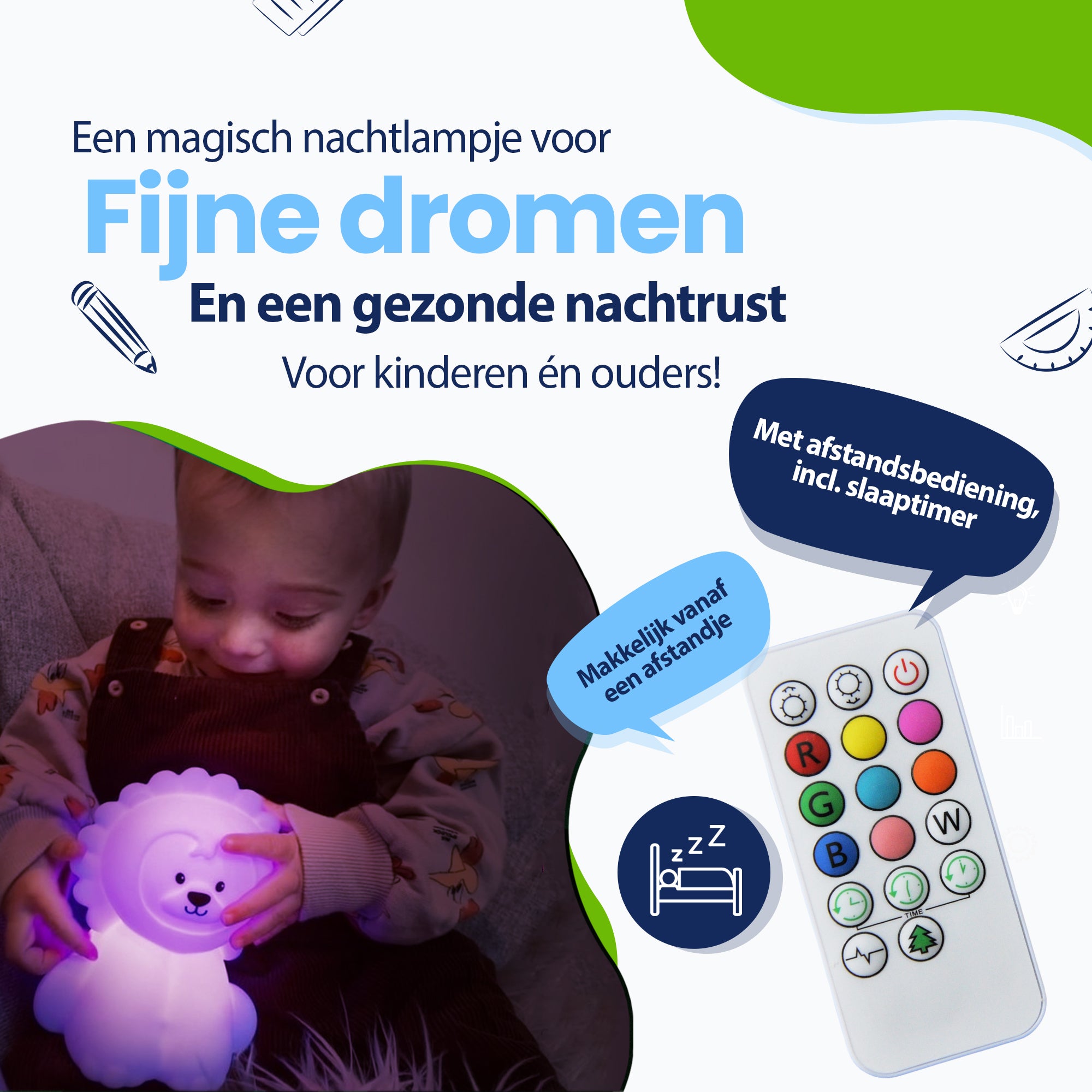
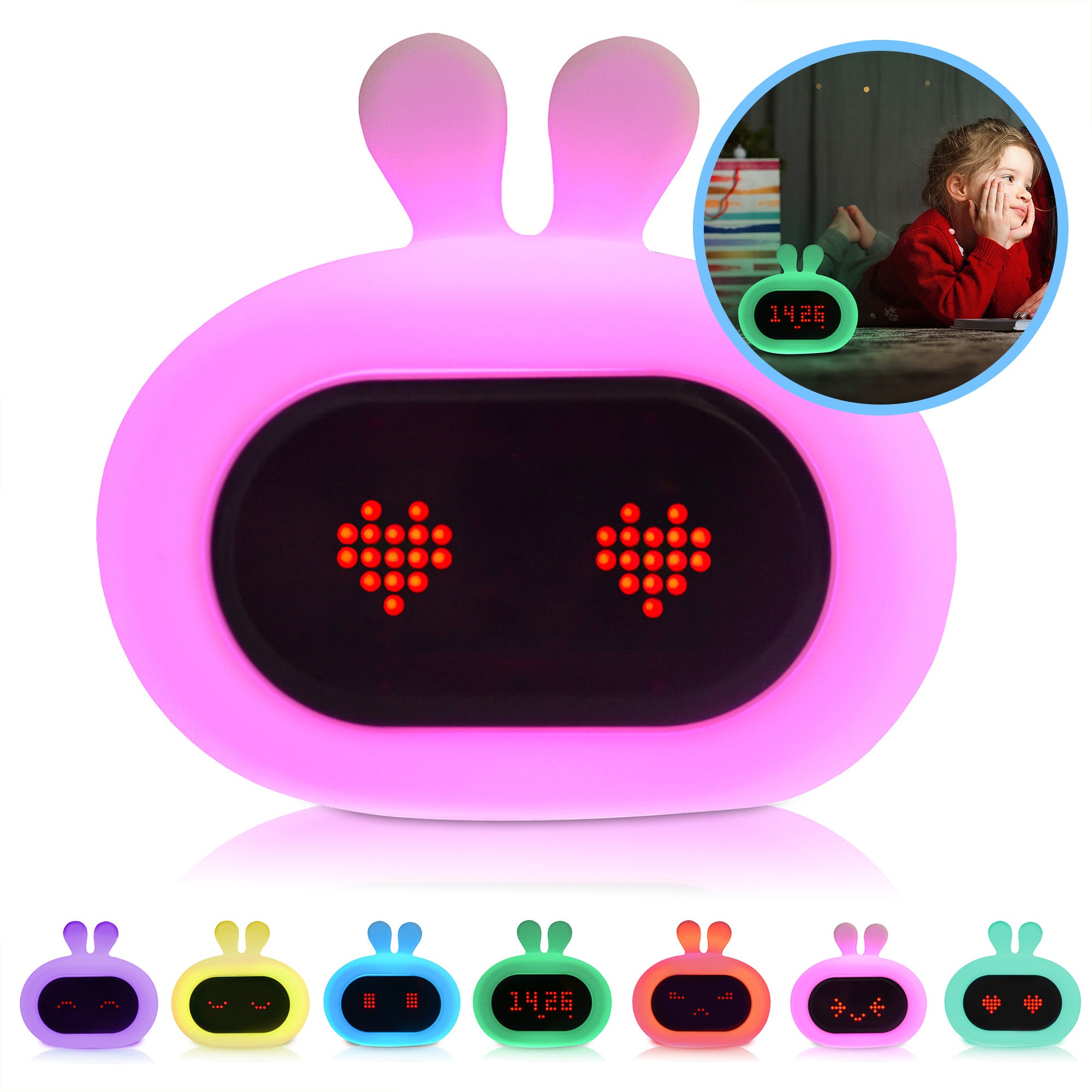
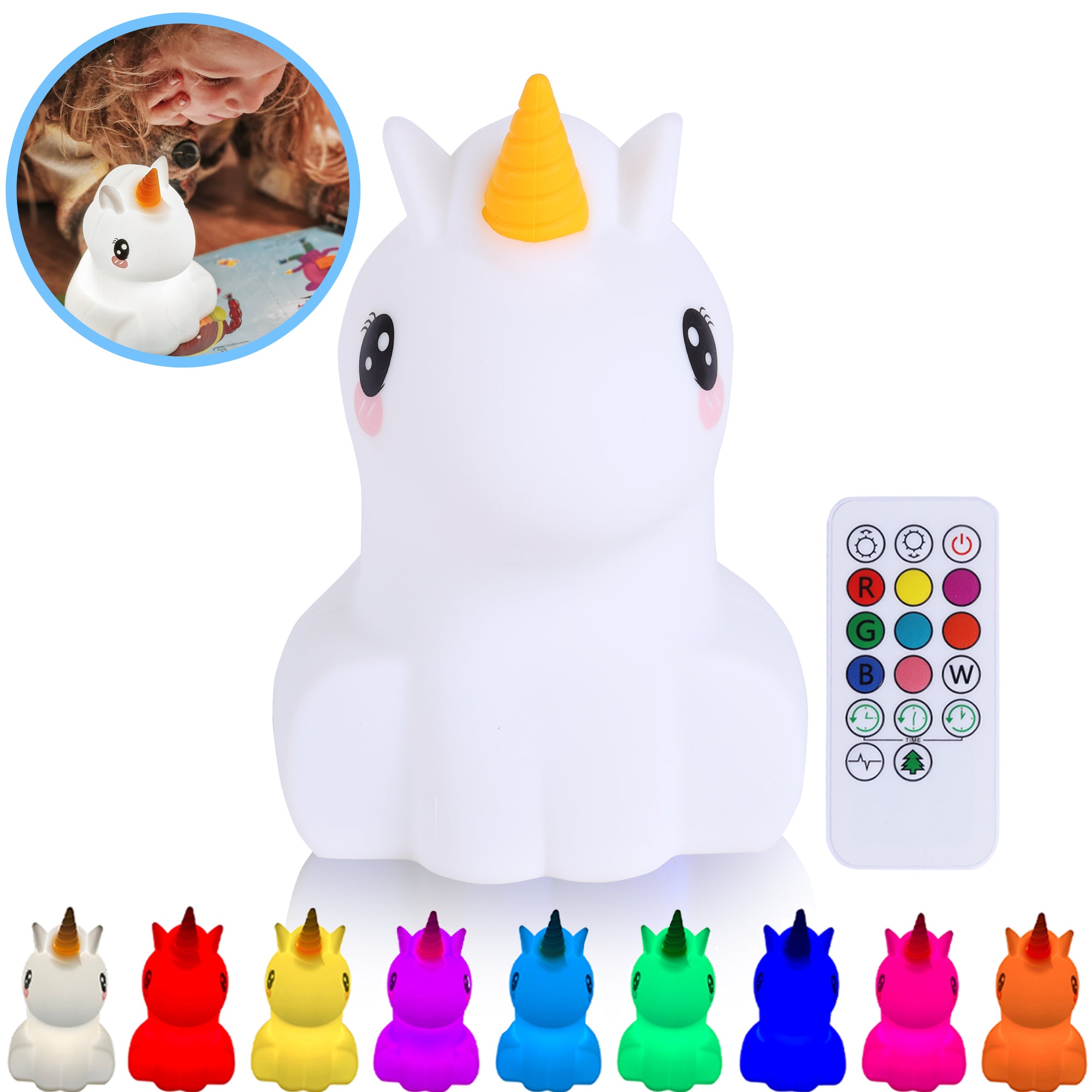
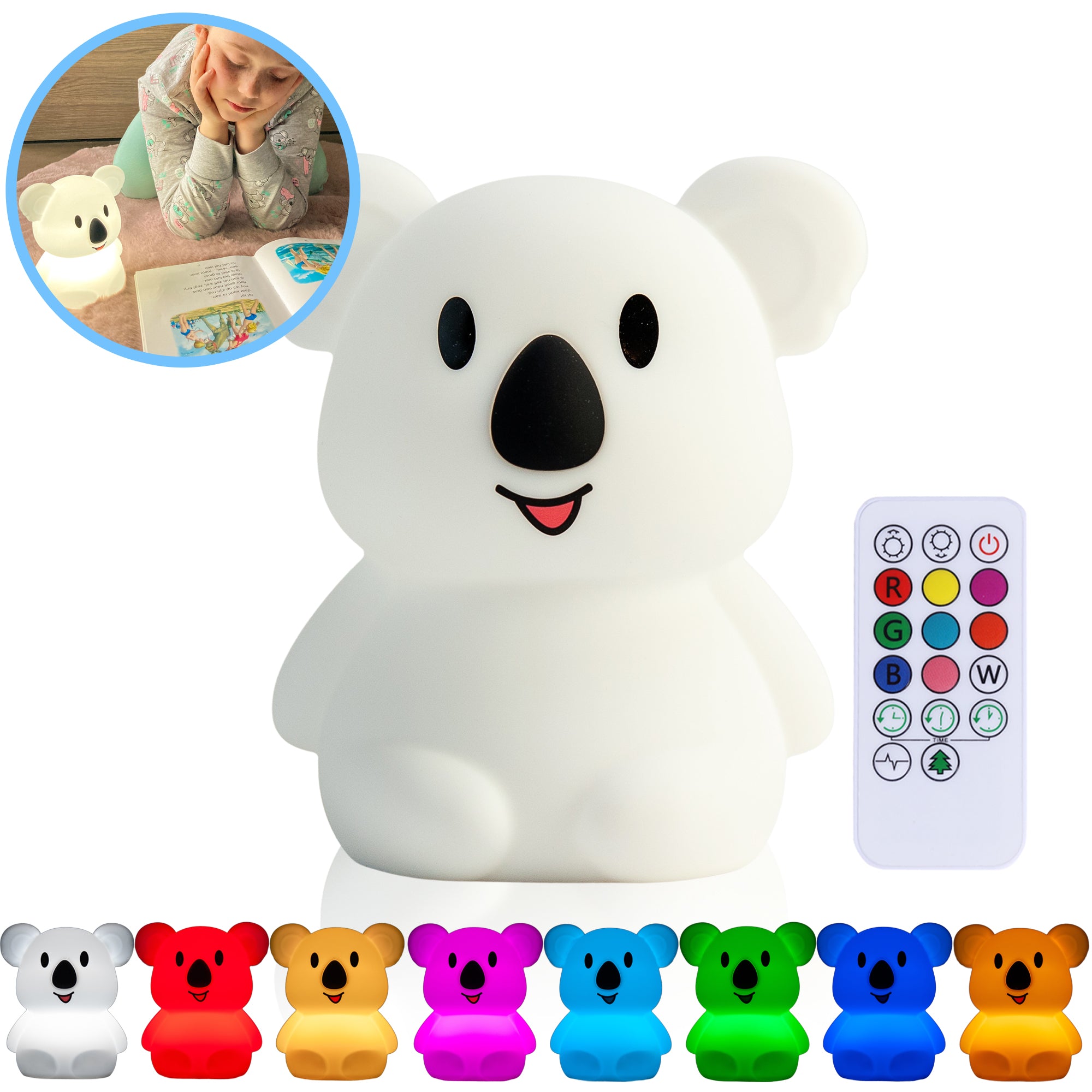
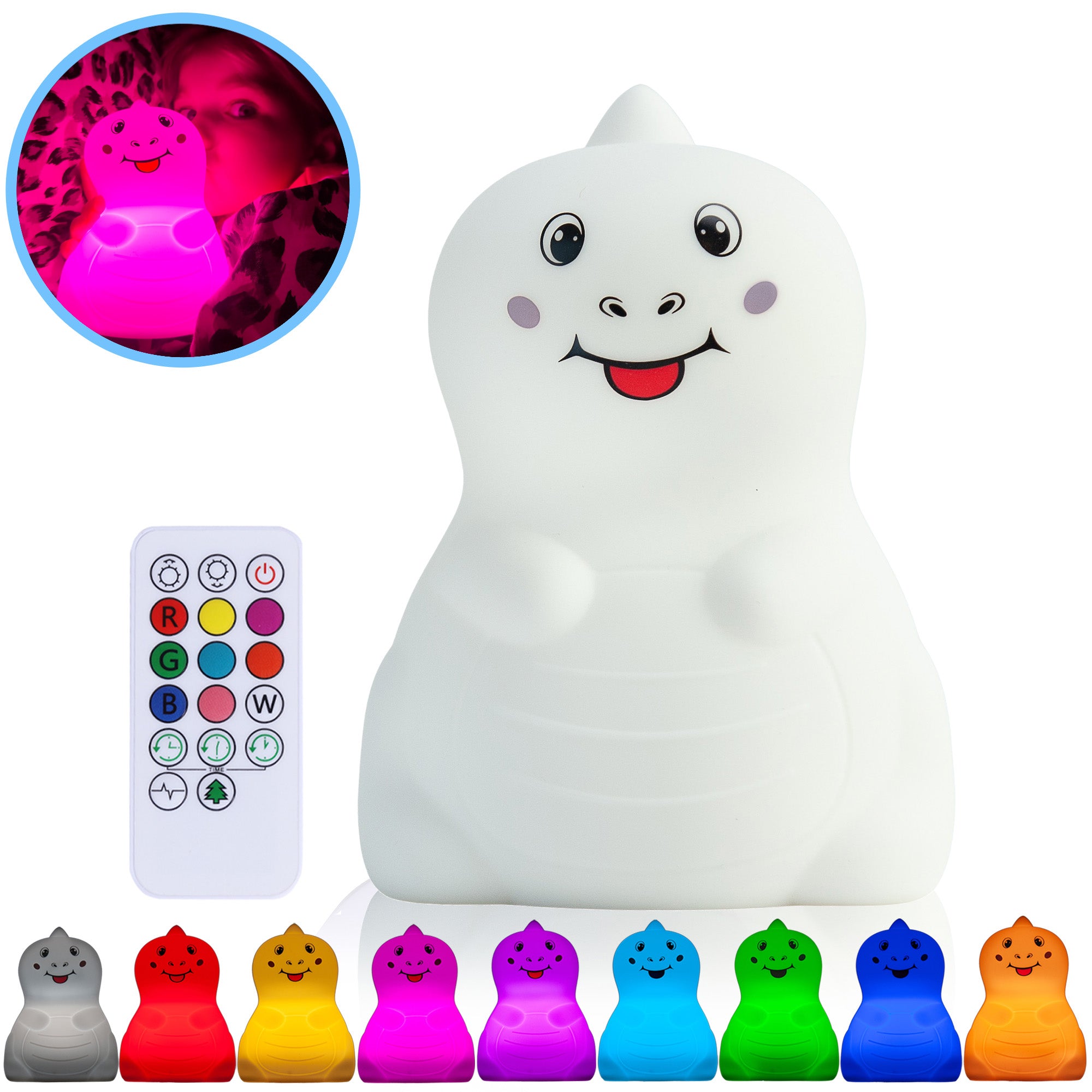
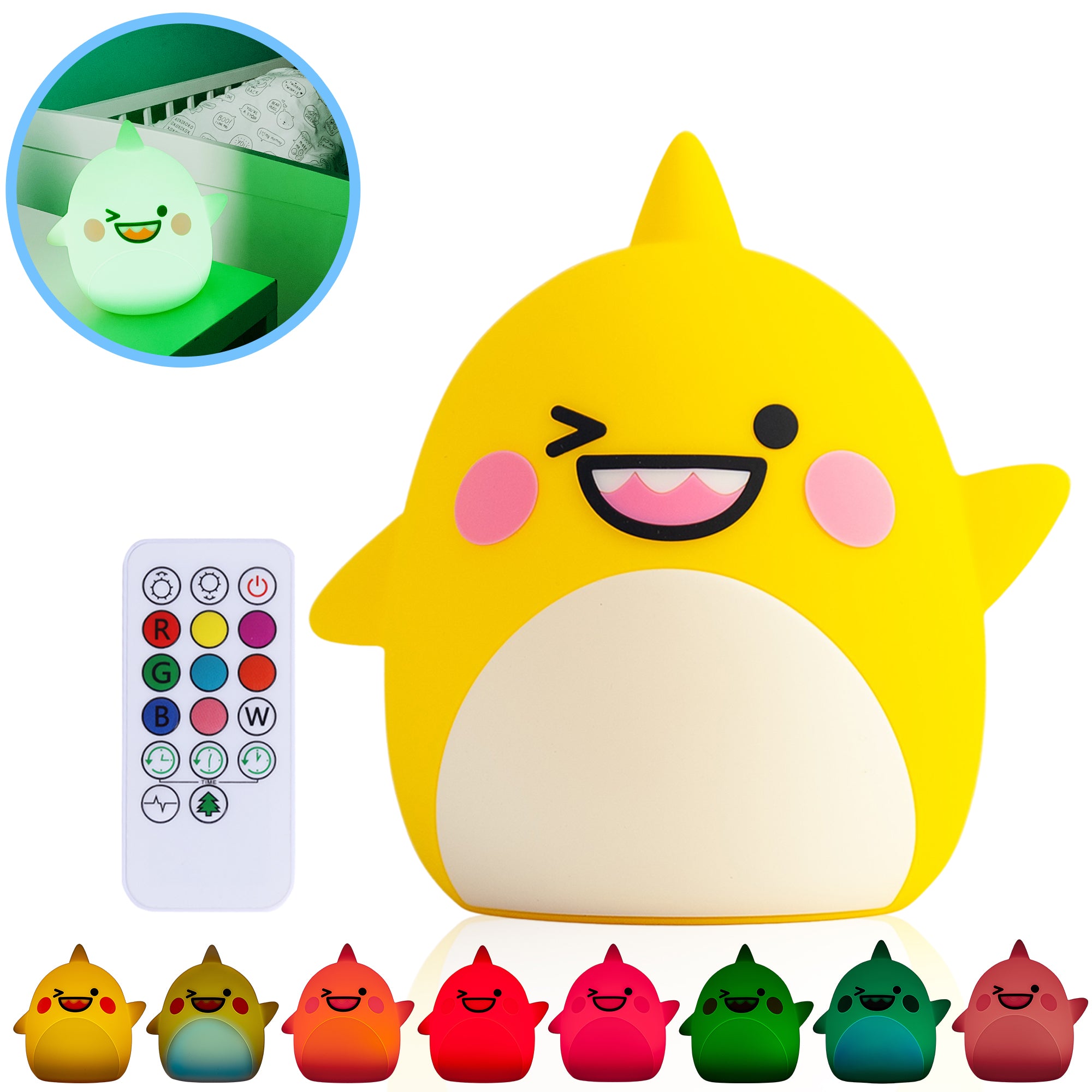
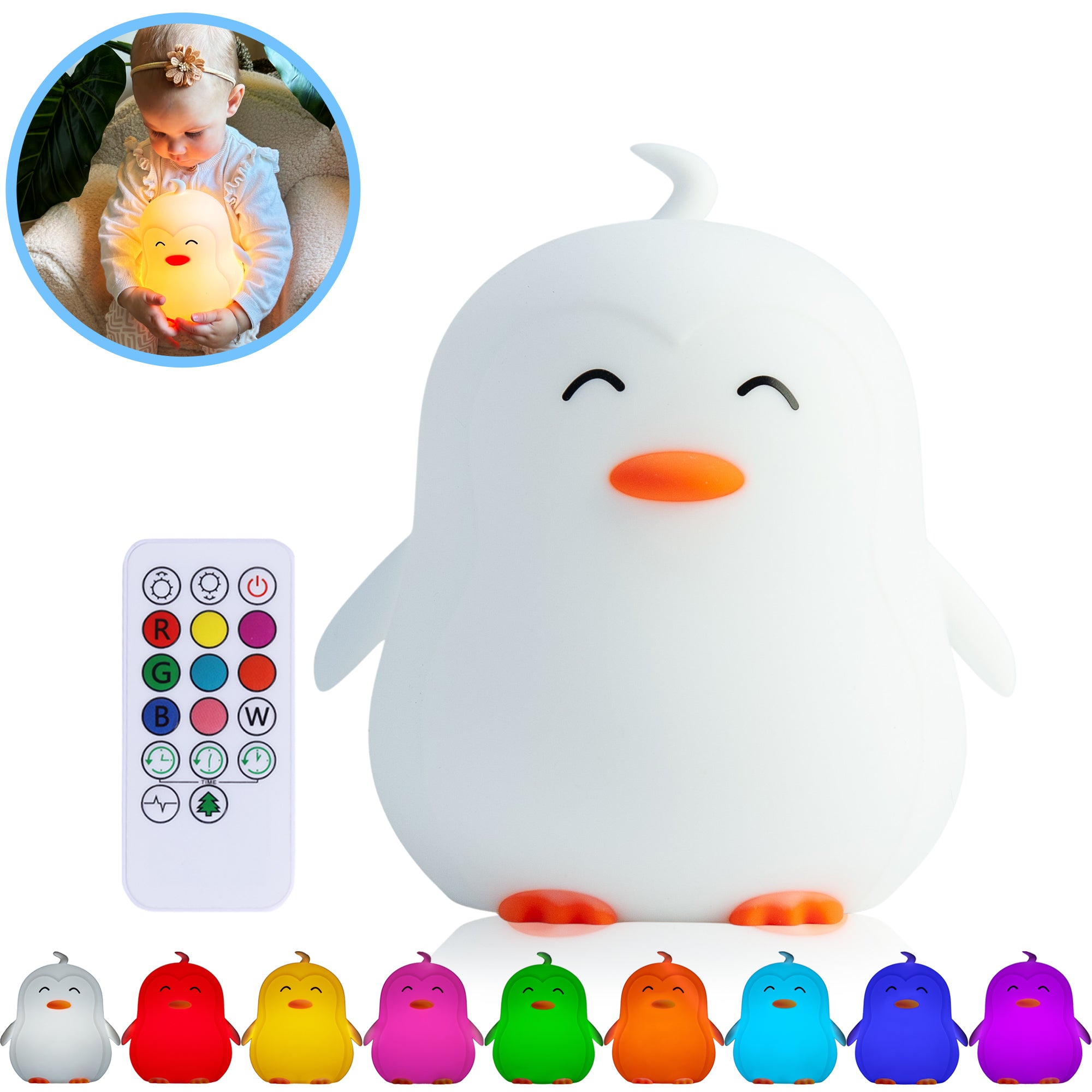
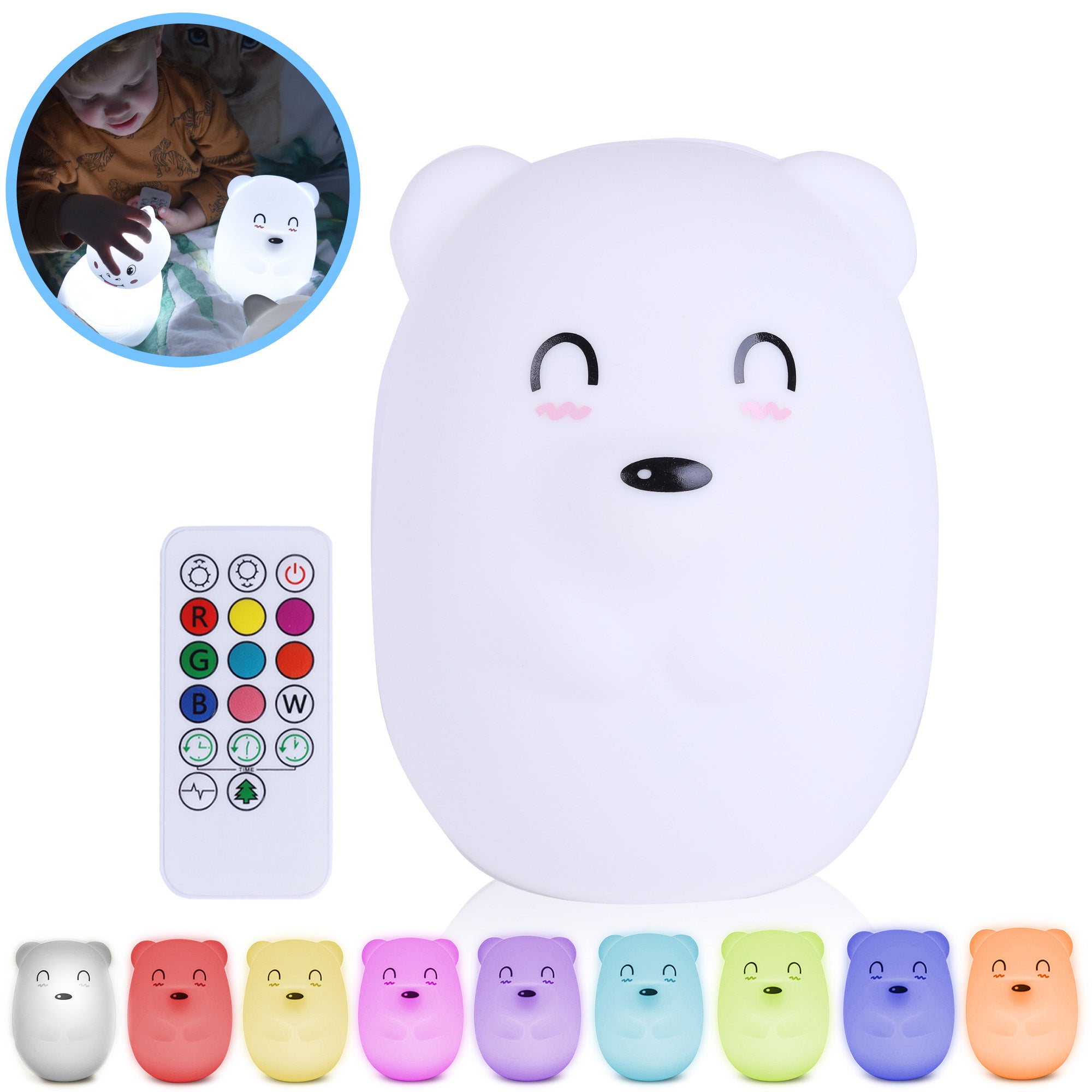
A night light shaped like a friendly character can also become a familiar part of the room. At Kadoing, little child-friendly details like these fit a calm evening setting without filling the room with stimulation.
A simple checklist for home
When faced with lots of options, keep these four questions in mind:
- Do I need bright light at the changing table and soft light for the evening?
- Can the light be dimmed, and are the bulb and dimmer compatible?
- Is the fitting securely installed, out of reach and free of trailing cables?
- Will the design still work when the nursery becomes an older child's room?
You do not need to get everything perfect straight away. Start with a good main light and see after a few weeks which moments call for extra soft lighting. In those early days, you often discover naturally where you use the little light most. A light that is safely positioned, gives pleasant light and suits your small rituals can add a calm detail to your baby's room every day.