A wooden musical instrument that is used for years, a cuddly toy that gains a familiar place or an activity board that lets children discover different actions: sustainable toys are about more than throwing away less. They are also about products that fit into everyday family life, are pleasant to use and may last for a longer time.
Making a considered choice does not mean searching for one perfect product. Sustainability often lies in a combination of material, play value, lifespan and the way a product is made and packaged. This can make choosing a little more difficult, but also more worthwhile: a well-chosen gift does not need to be replaced quickly.
What makes toys truly sustainable?
Sustainable toys are about more than toys made of wood. Wood can be an attractive, strong choice, but its origin, finish and expected lifespan matter just as much. A fabric cuddly toy, a musical toy or a simple game can also be a considered purchase when it is well made and used for a long time.
It is therefore better to look at the complete story behind a product. Is it clear what material it is made from? Does the retailer provide information about its origin and finish? Is the design timeless enough not to become boring after a few weeks? And can you easily pass it on to a younger brother, sister, cousin or friend?
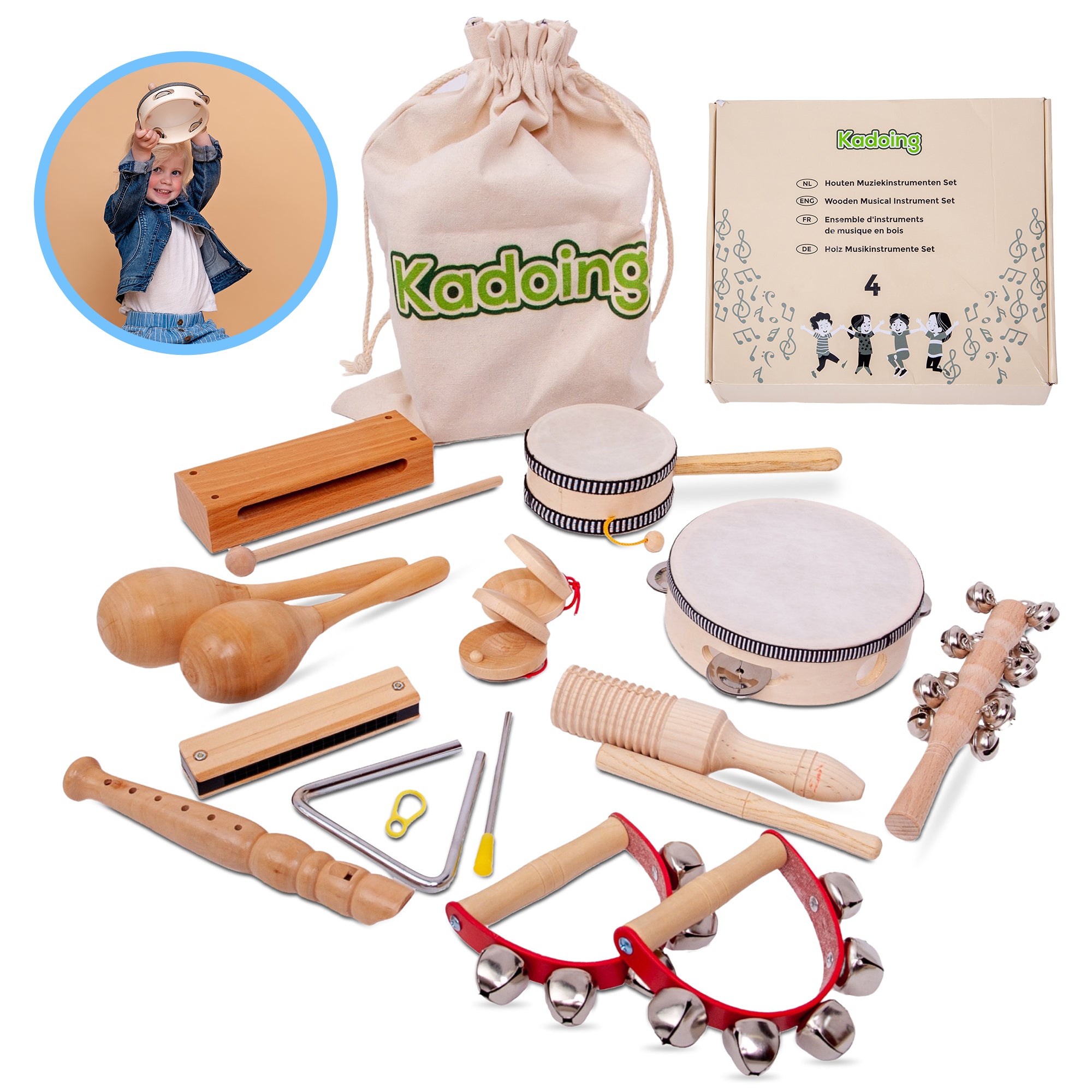
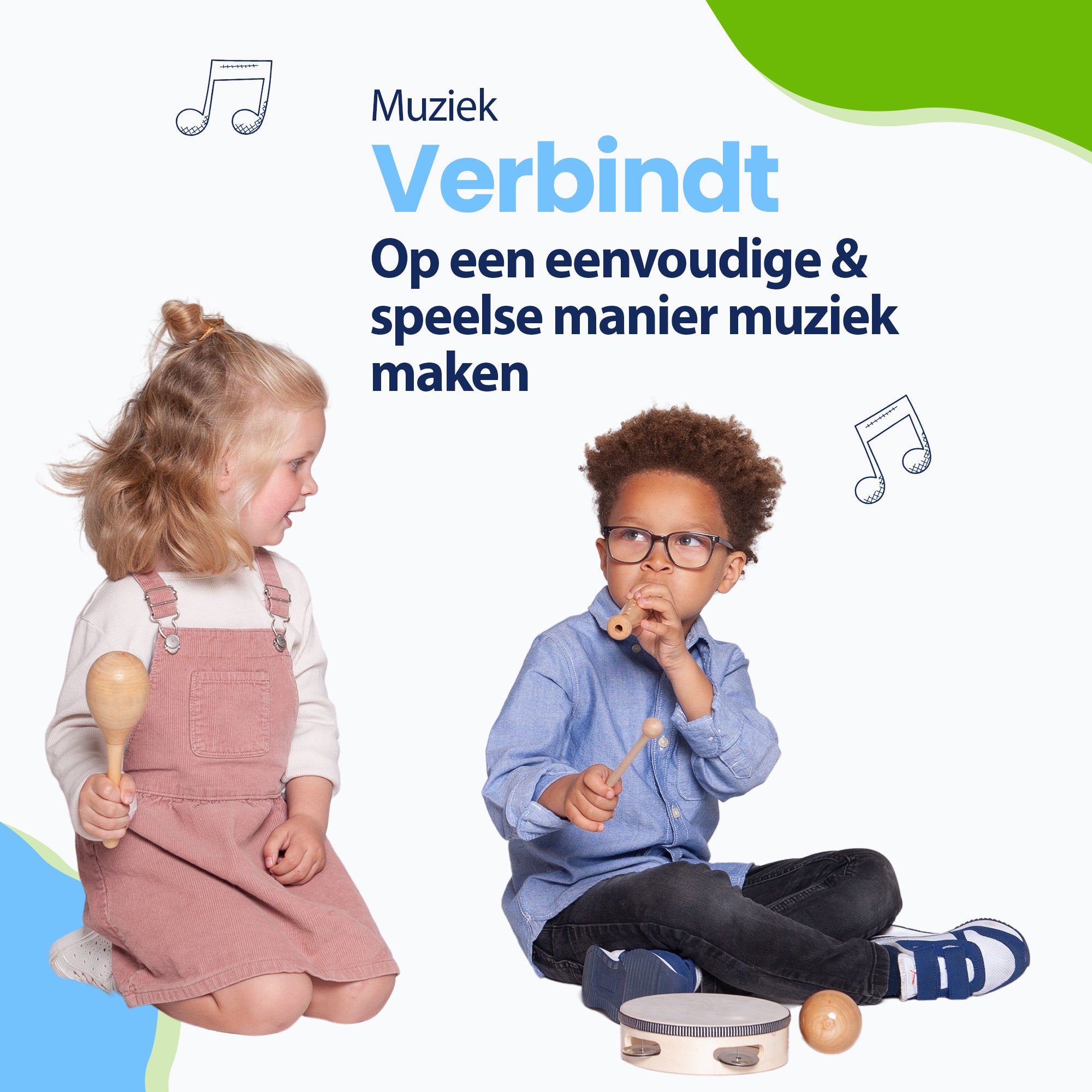
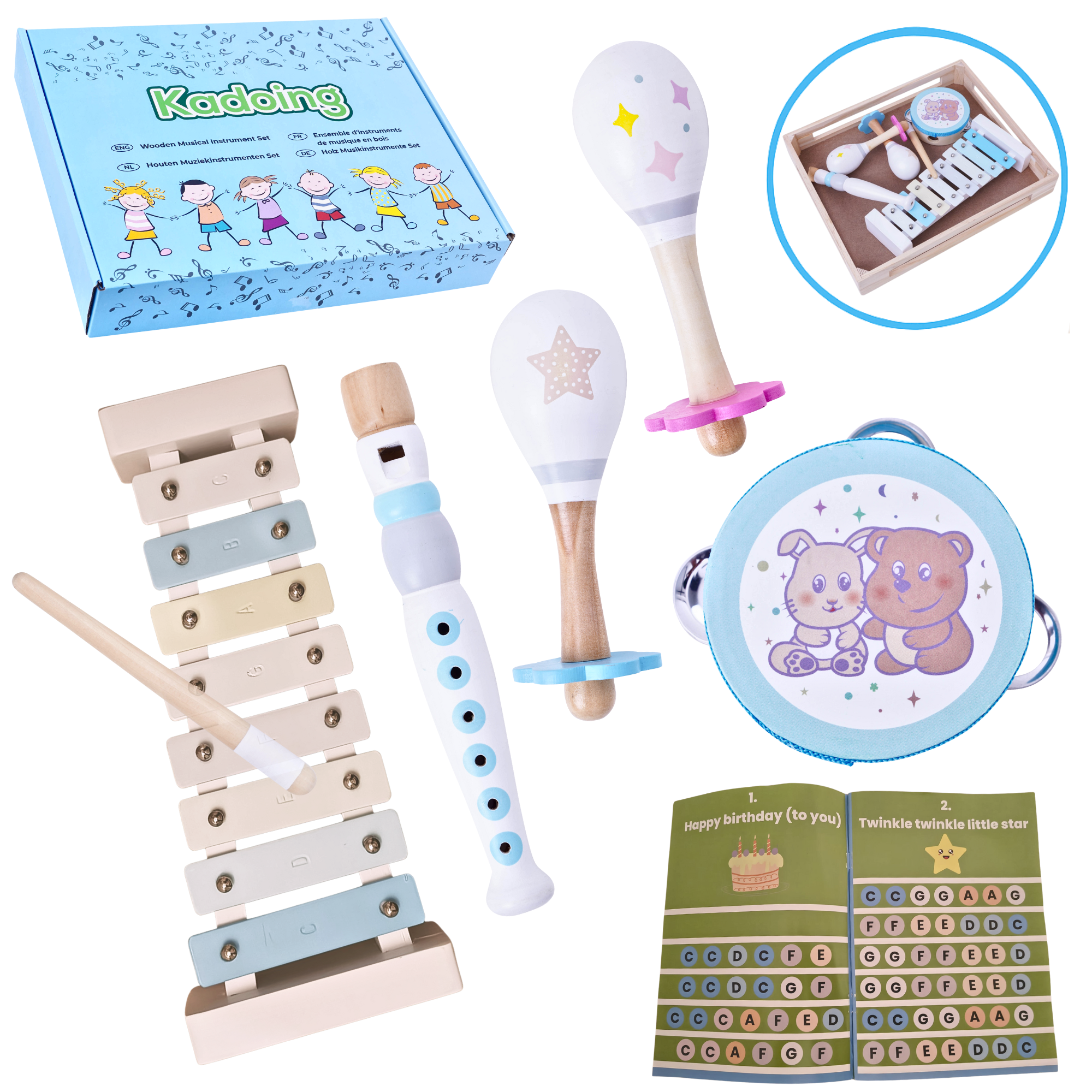
Toys that can be used in different ways offer opportunities to vary play and rediscover them. A set of blocks is stacked at first and later becomes part of a shop or railway. A simple instrument invites children to listen, create rhythms and sing songs together. In this way, the play value can grow with a child’s imagination.
Material: look beyond the label
Wood is popular for its warm appearance and strength. Look for a smooth finish, clear information about the paint or varnish used and, where possible, a recognised certification for responsible forest management. Solid wood is not always necessary, but a product should be suitable for its intended use.
Textile toys call for different considerations. A soft cuddly toy or fabric doll can last a long time if the seams are strong and the material can be cared for properly. Check the washing instructions beforehand. This is especially practical with younger children, as favourite toys often travel outside, to nursery and to bed.
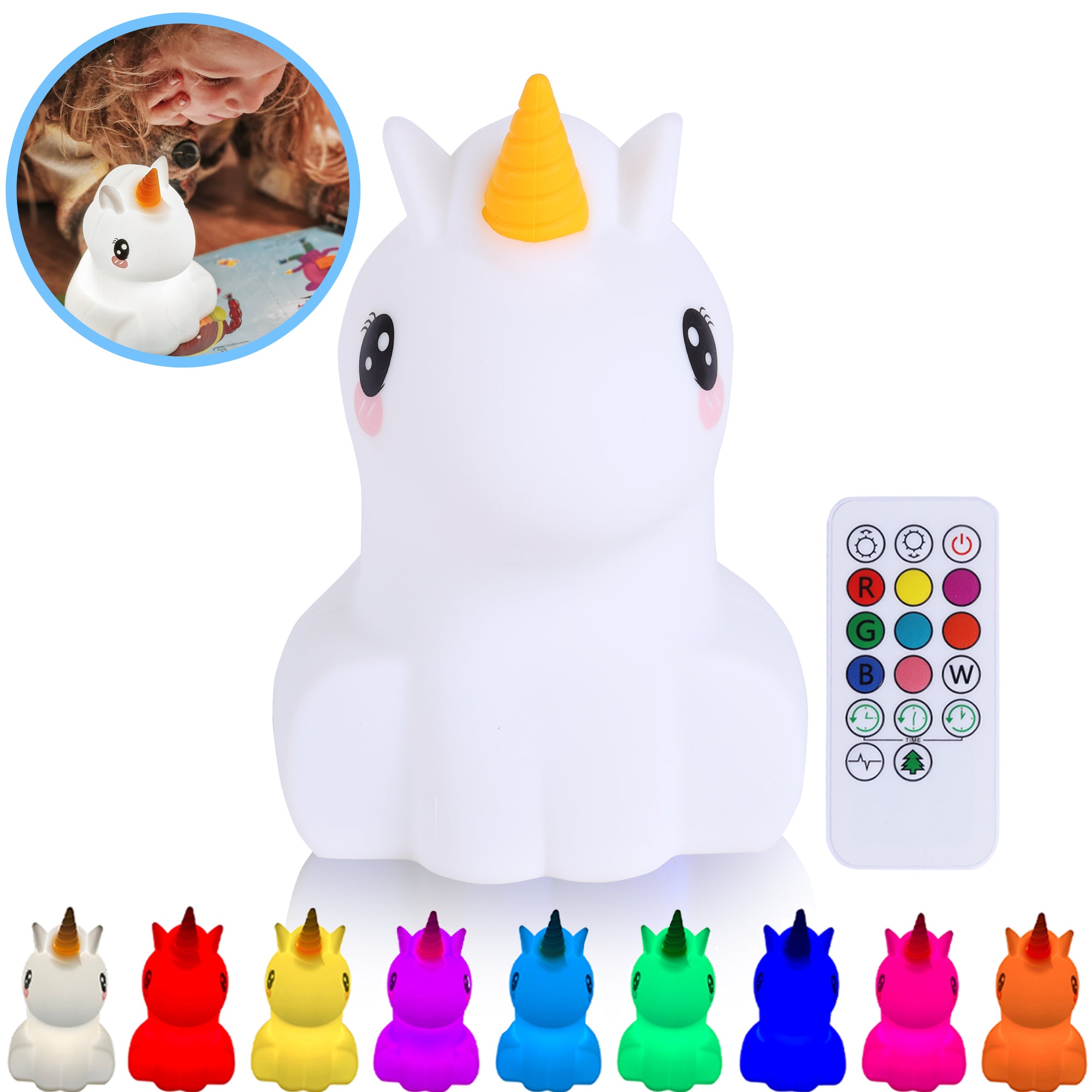
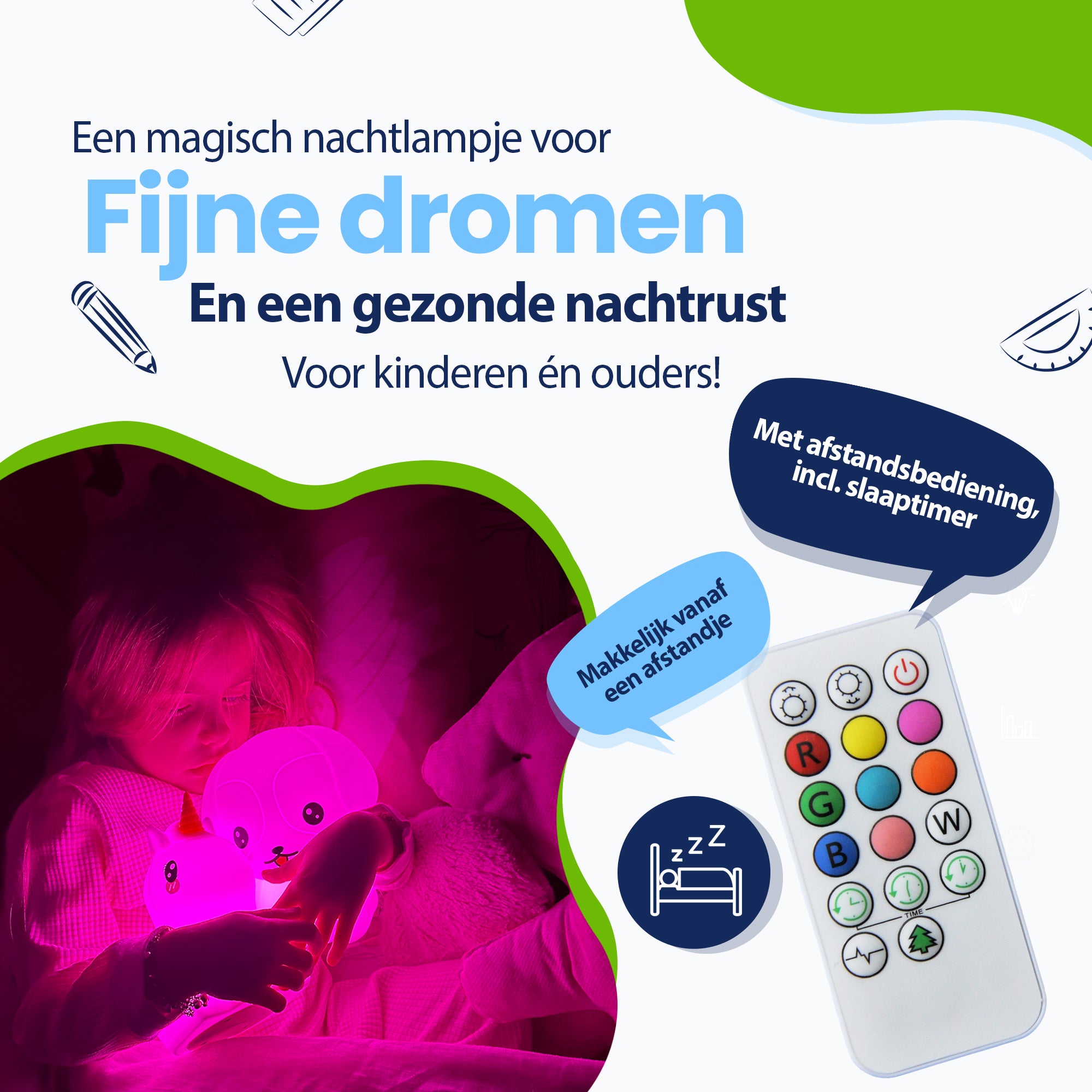
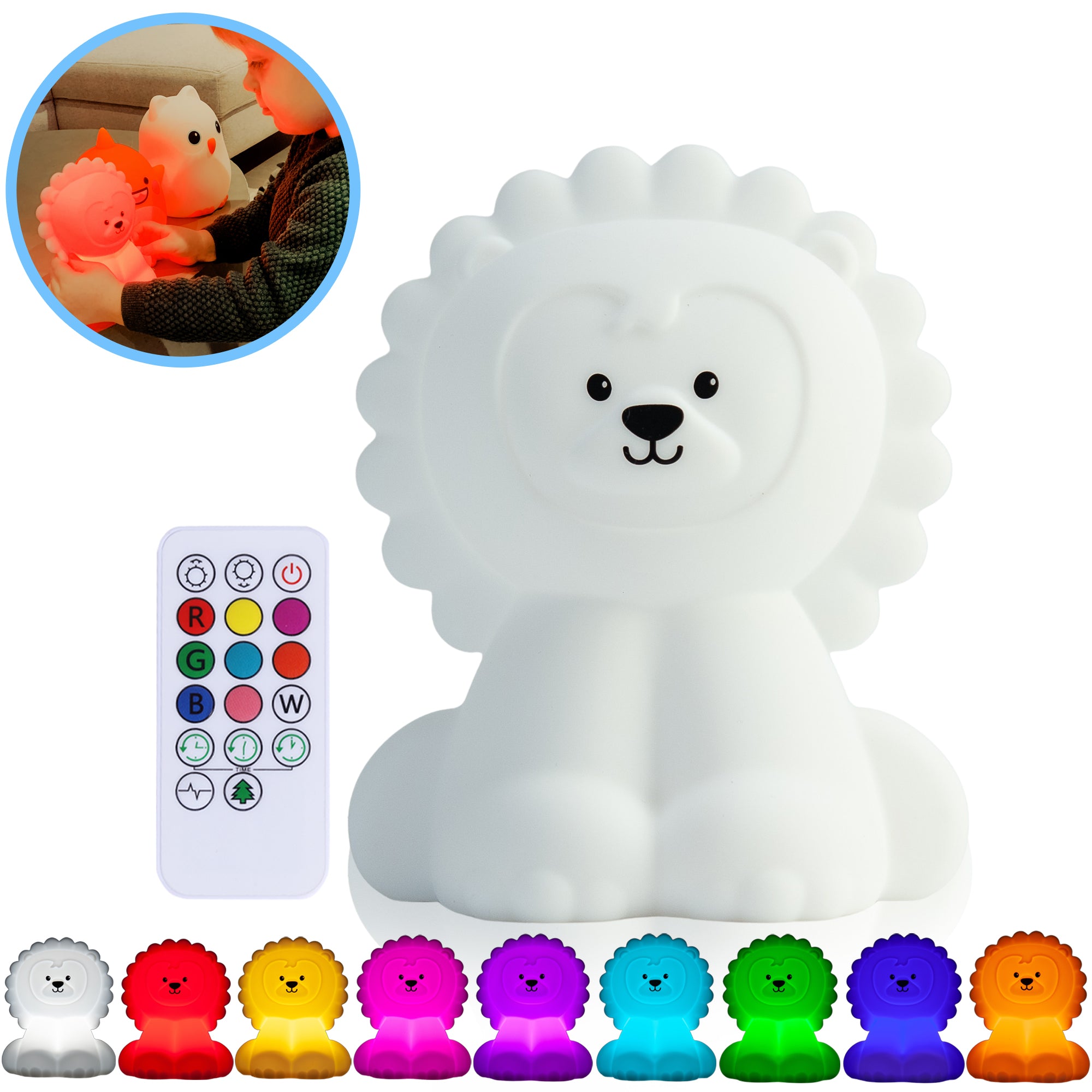
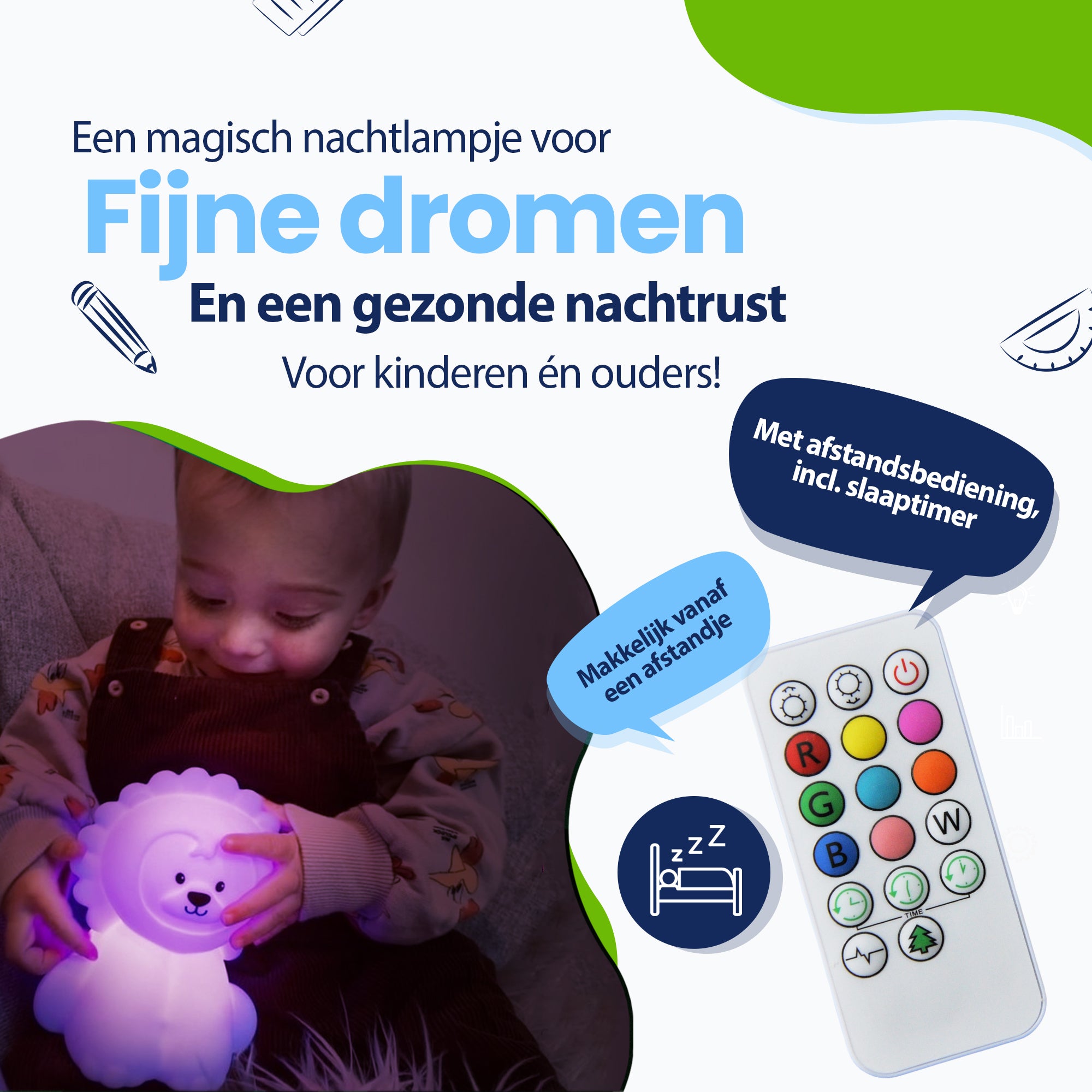
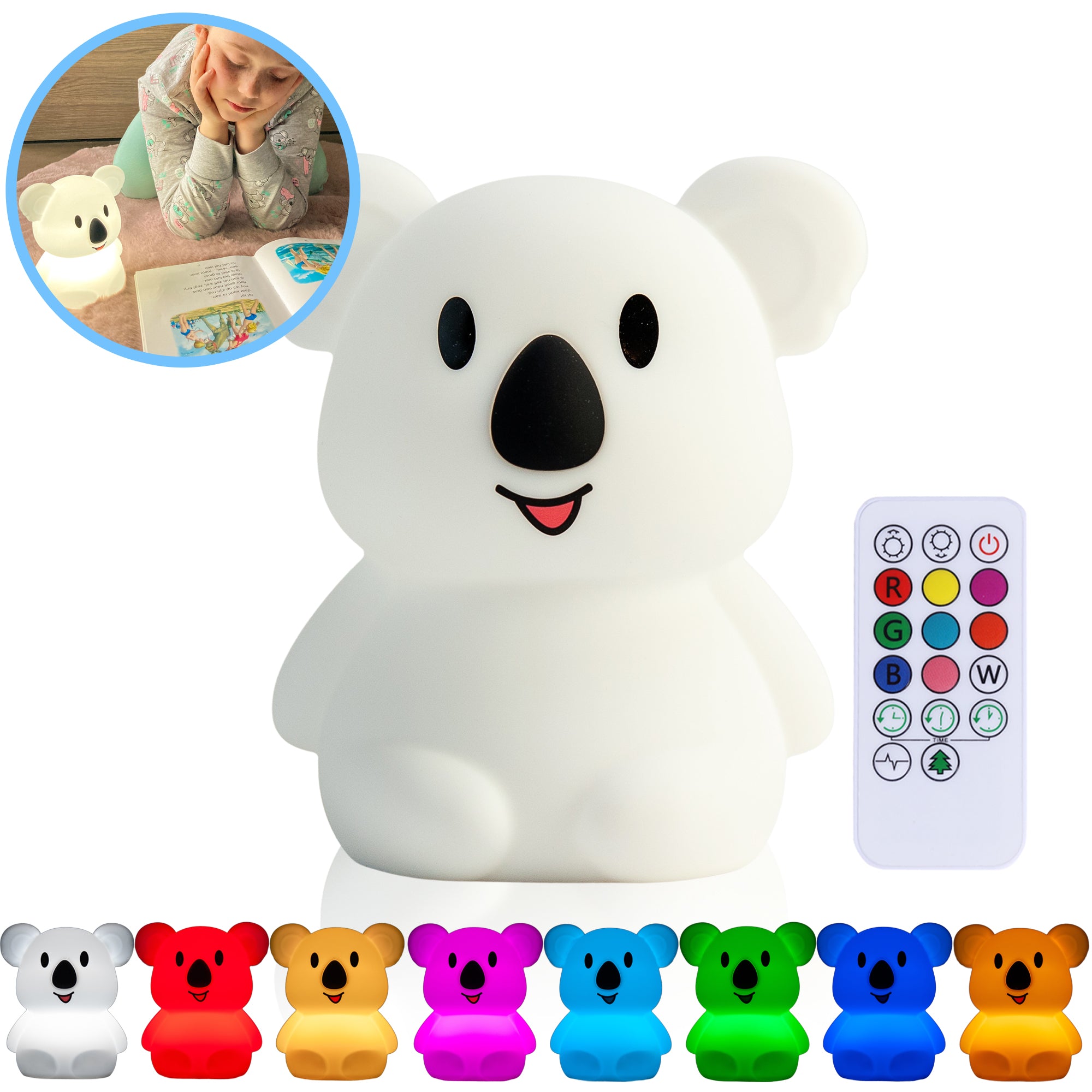
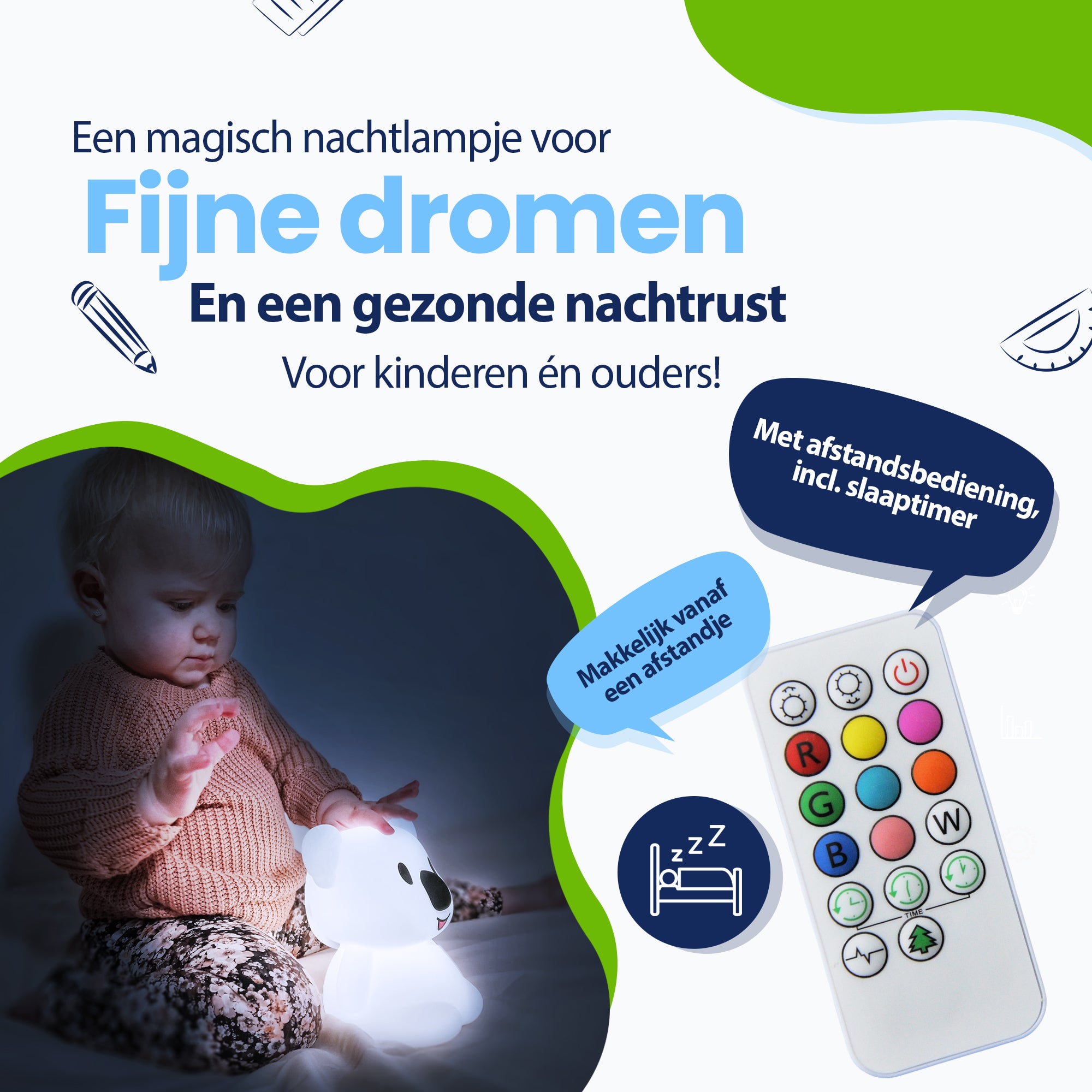
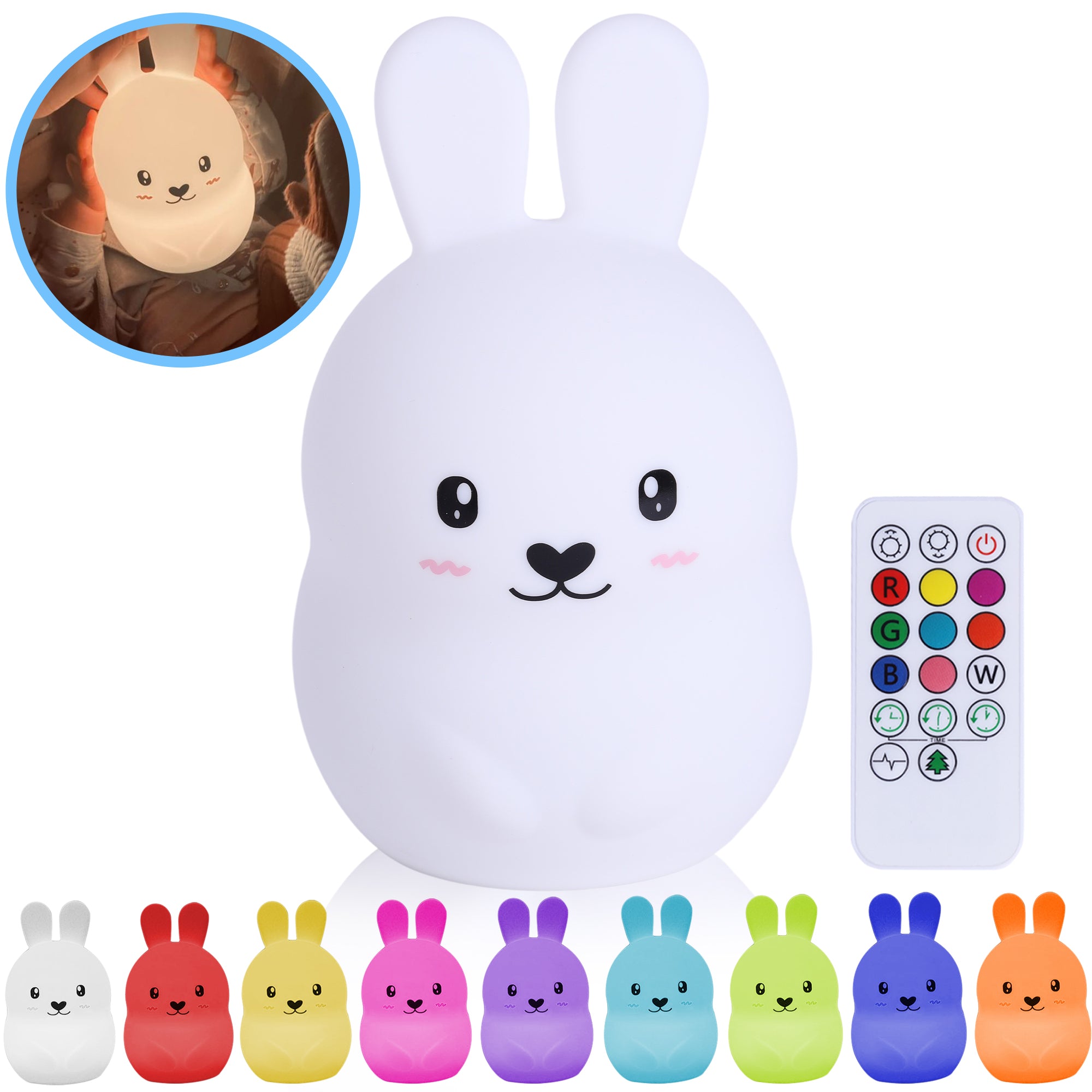
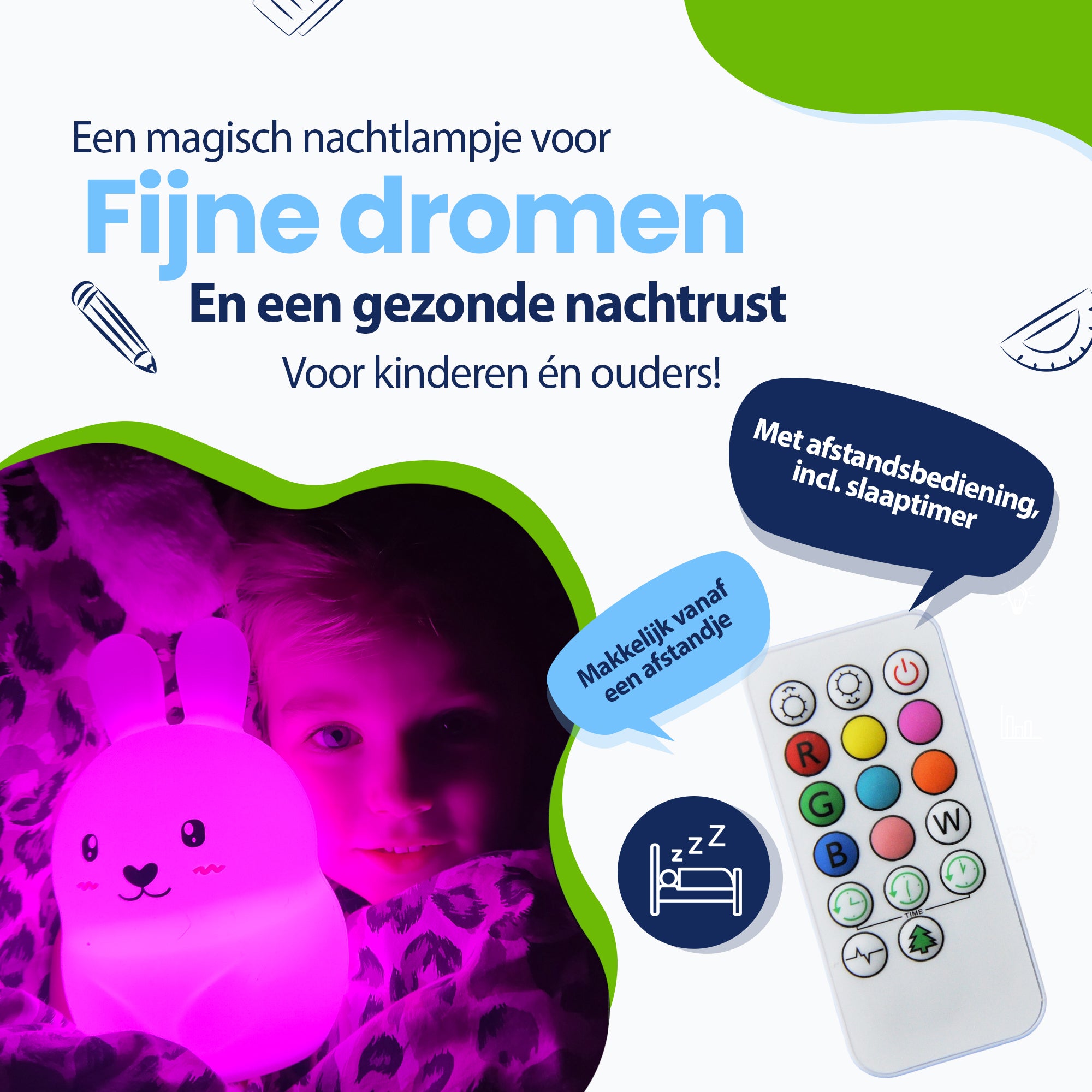
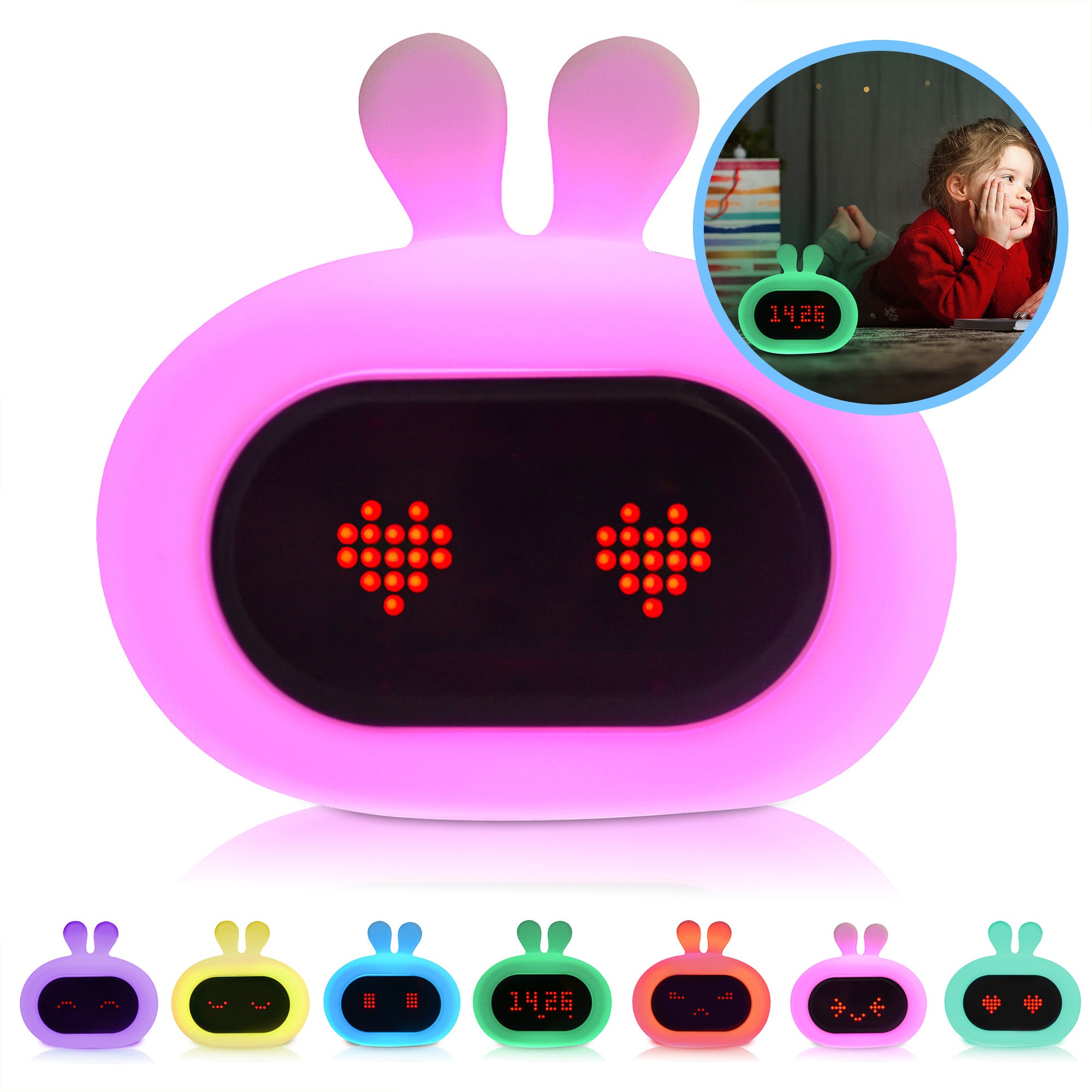
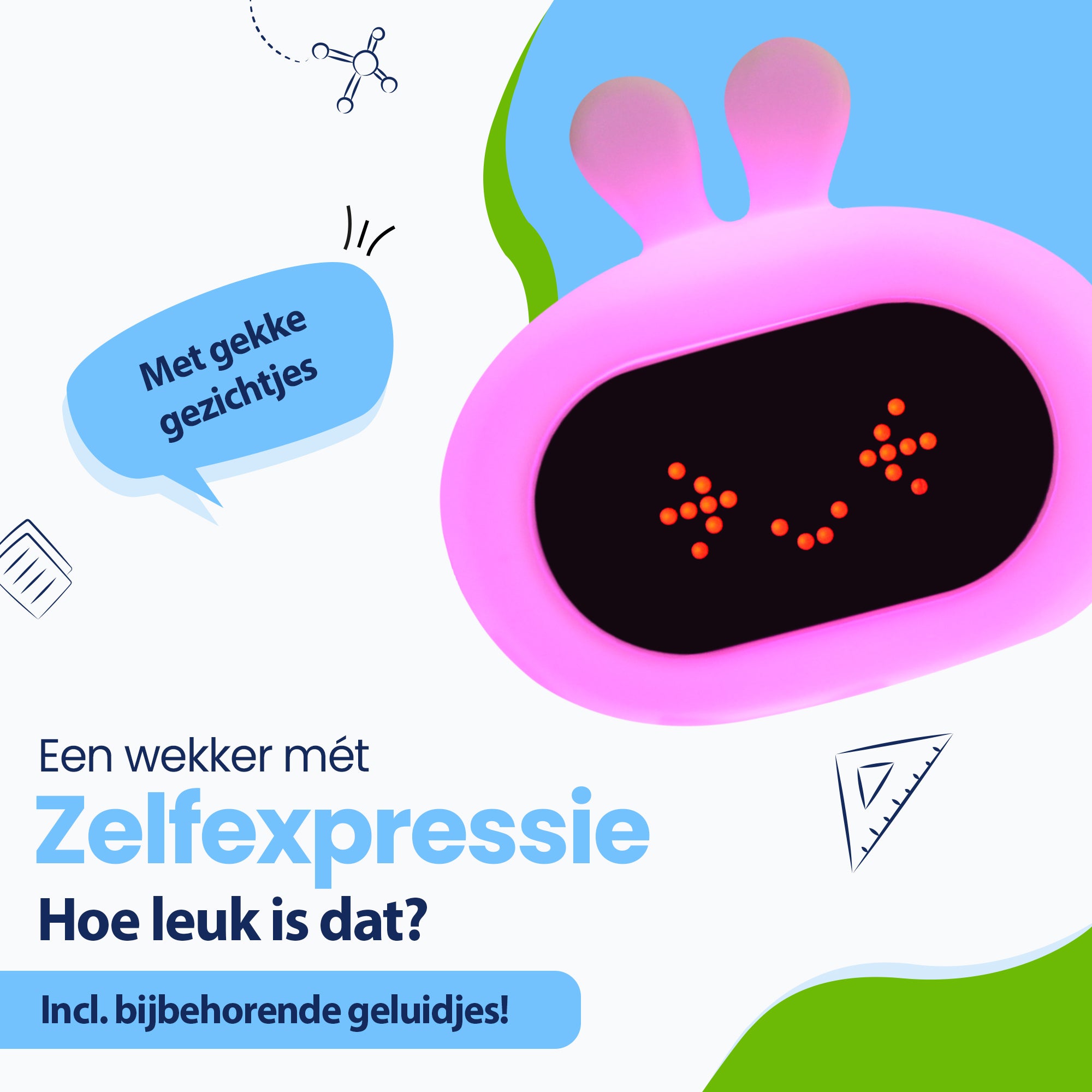
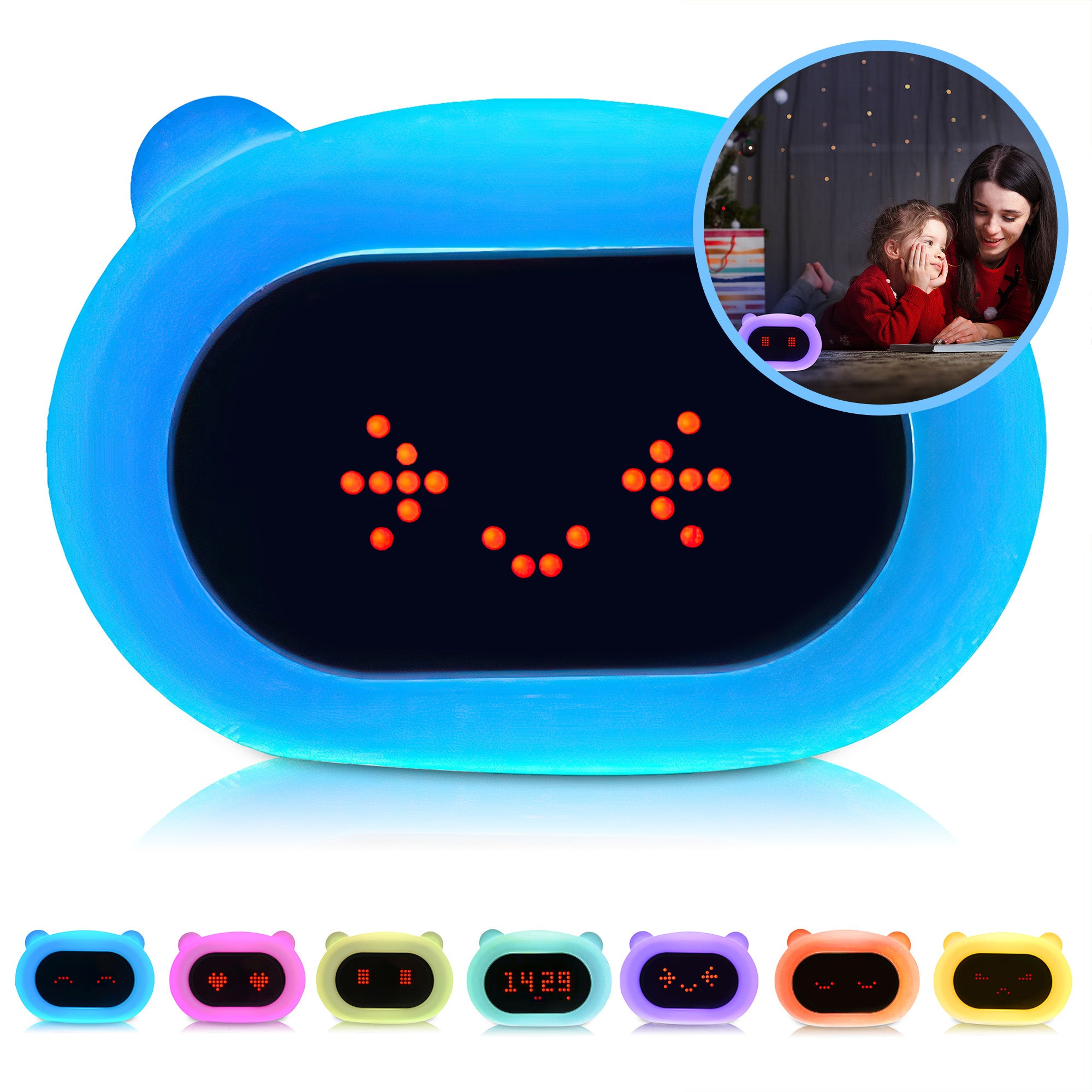
Plastic is not automatically the wrong choice. With products such as a children’s sleep trainer or night light, functionality, safety and the quality of the materials used also matter. The difference lies in thoughtful design, replaceable parts where possible and a product that is not intended for short-term use.
Choosing sustainable toys: focus on quality and safety
When buying toys online, attractive product photographs do not always reveal enough about quality. Be sure to check the dimensions, material description, care instructions and experiences of other parents. A clear description is often a better starting point than a vague term such as ‘eco’ or ‘green’.
CE marking is relevant for toys sold in Europe. This marking means that the manufacturer declares that the product complies with the applicable European rules. Do not view it as a separate quality label, but as a basic check that you can supplement with your own assessment of the material, age recommendation and construction.
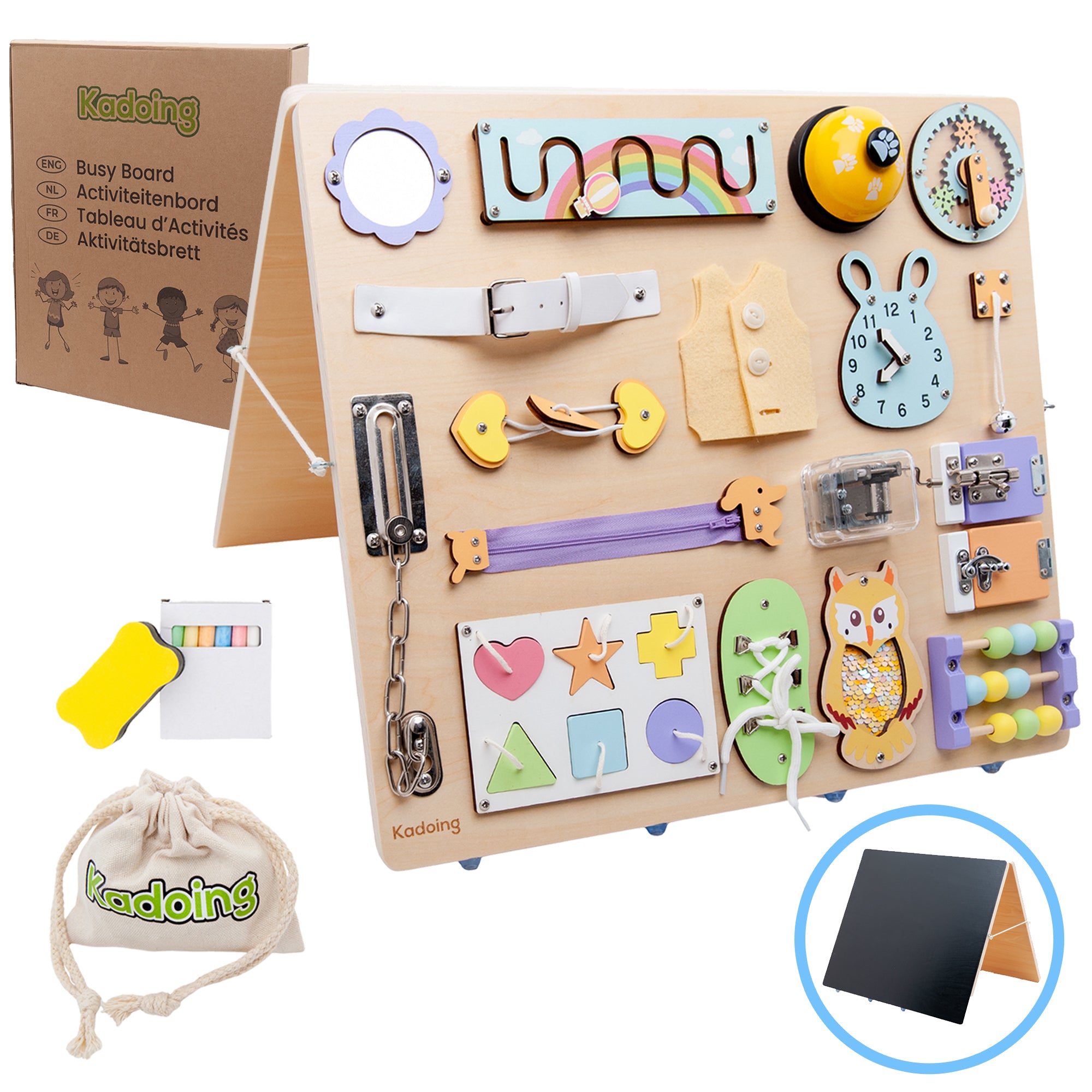
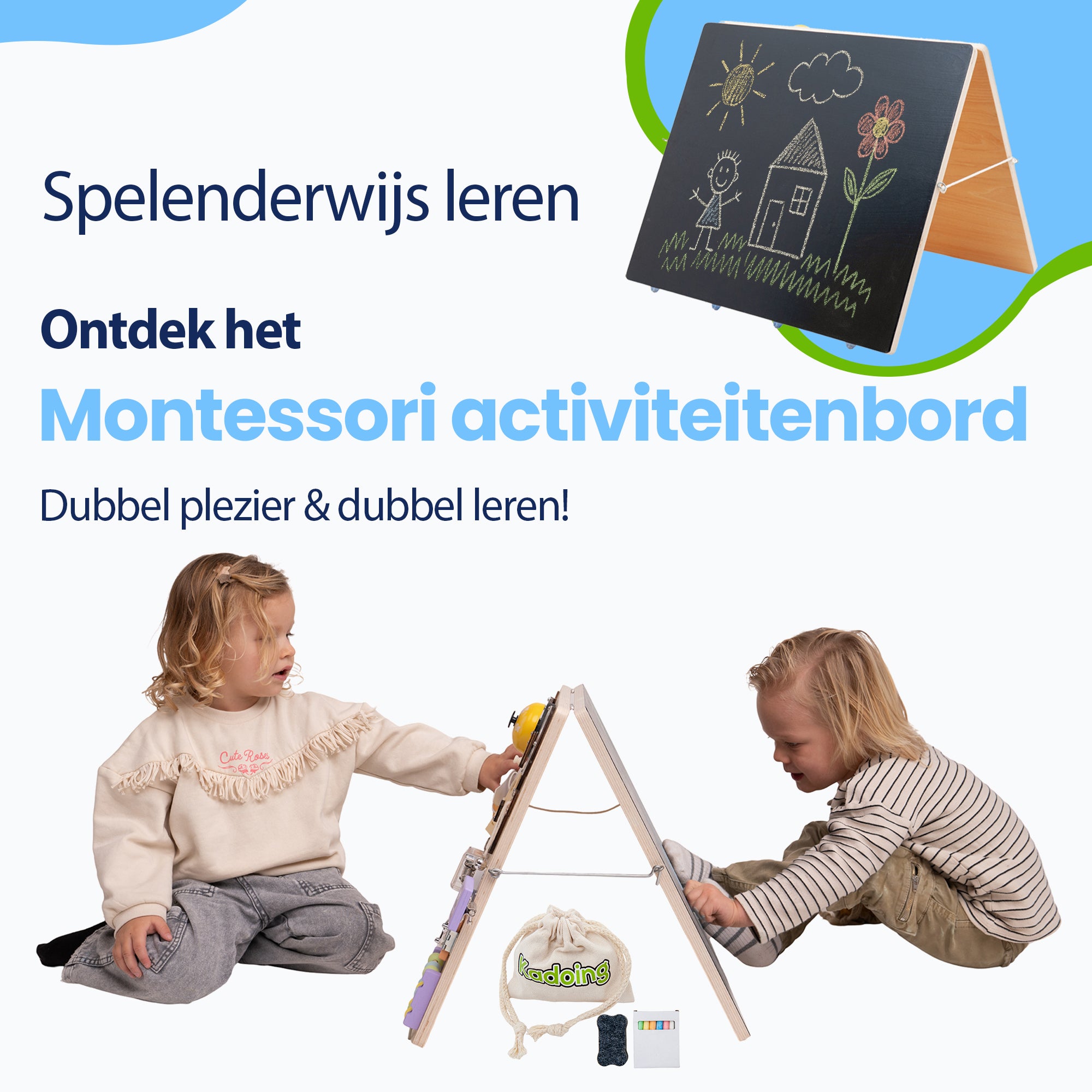
The age recommendation deserves extra attention. It says something not only about safety, but also about what a child is likely to be able to do with the toy. An activity board that is too difficult can cause frustration; a puzzle that is too simple may quickly end up in the cupboard. Always check the manufacturer’s age recommendation and safety warnings. Also consider your child’s interests and abilities to determine which toys within that age category are a good fit.
Choose play value, not a basket full of toys
A calm play area does not necessarily need a lot. With a smaller number of familiar play materials, you can keep the space organised while offering different activities. Think of building materials, a wooden musical toy, a doll or cuddly toy for role play and an activity that encourages fine hand movements.
Variety does not only come from buying something new. By putting toys away temporarily and bringing them back later, a familiar object can feel new again. This is a simple way to use what is already at home more consciously.
Playing together often gives toys a longer life too. Sing a song with a xylophone, take turns building a tower or create a regular moment for choosing a book and cuddly toy before bed. The product is then not an end in itself, but a reason to share attention and enjoyment.
A practical guide for parents and gift-givers
For a birthday, new-baby visit or holiday, it can be tempting to choose something eye-catching. Yet the most appreciated gifts are often the things that find a place in ordinary days. A small musical instrument for a toddler who enjoys discovering sounds, or a soft cuddly toy as a familiar companion, may become more meaningful than a large gift that is rarely used.
Use these questions before buying sustainable toys:
- Does it suit the child’s age, interests and motor skills?
- Are the material, finish and care requirements clearly described?
- Can it be used in several ways or last for a longer time?
- Is the packaging limited, and is the product suitable for passing on?
You do not need to tick every box perfectly. Second-hand toys can be a good choice, provided you can establish that they are safe, complete and suitable for the child’s age. If important safety information is missing, it is wise to choose another product. Sometimes you buy a new toy because you know exactly what purpose it will serve in your routine. Making a considered choice mainly means weighing up what matters to your family.
Give existing toys a second life
Second-hand toys can be a good, sustainable option, especially for wooden toys, books and larger play items. Carefully check for loose parts, cracks, sharp edges and the condition of paint, cords or fastenings. With toys for babies and young toddlers, it is sensible to be particularly critical about hygiene, wear and whether all parts are present.
Repairing deserves a place in family life too. A loose seam on a cuddly toy can sometimes be mended. A box of blocks gains a new life with a sturdy label. By showing children that not everything needs to be replaced straight away, you make sustainability tangible without turning it into a major lesson.
Less packaging, more focus on use
Sustainability does not end with the toy itself. Ideally, choose a gift that arrives without lots of plastic filling, and save a sturdy box for future craft materials or small treasures. If you order several things at once, this can be more practical than separate purchases – although ordering only what you genuinely want to use remains the most considered step.
For families who choose calm routines, toys can also have a regular role. A music box during a relaxing moment, a night light with a soft glow or a simple activity toy for a calm moment together: such products are designed to fit the rhythm of family life. They do not replace attention or a consistent routine, but they can be a pleasant part of it.
Choosing sustainable toys starts with your child’s age and interests. Pay attention to safety, material quality, care and the possibilities for using the toy for a long time or passing it on. This allows you to make a considered choice that suits your family, without every toy having to meet an idealised standard.