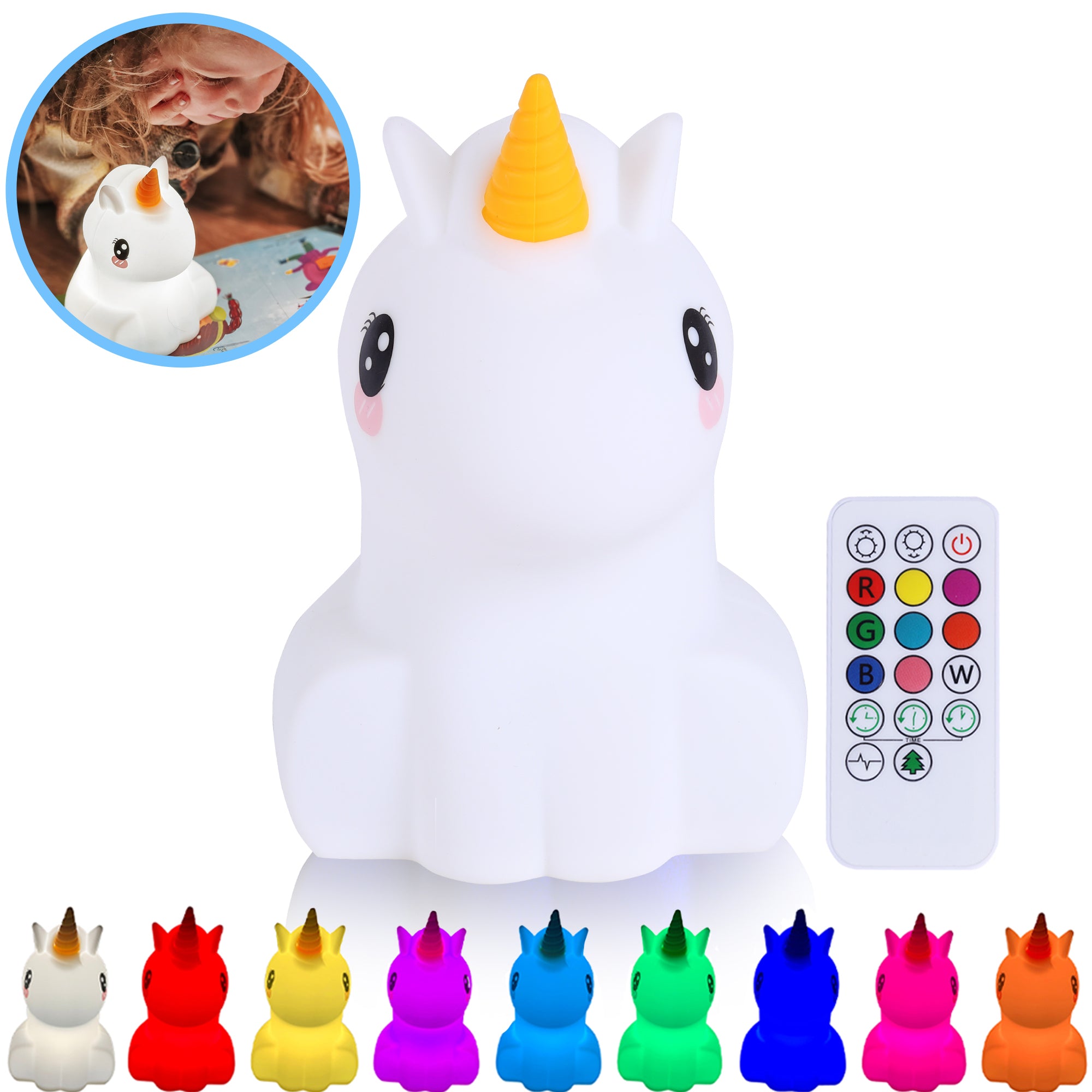
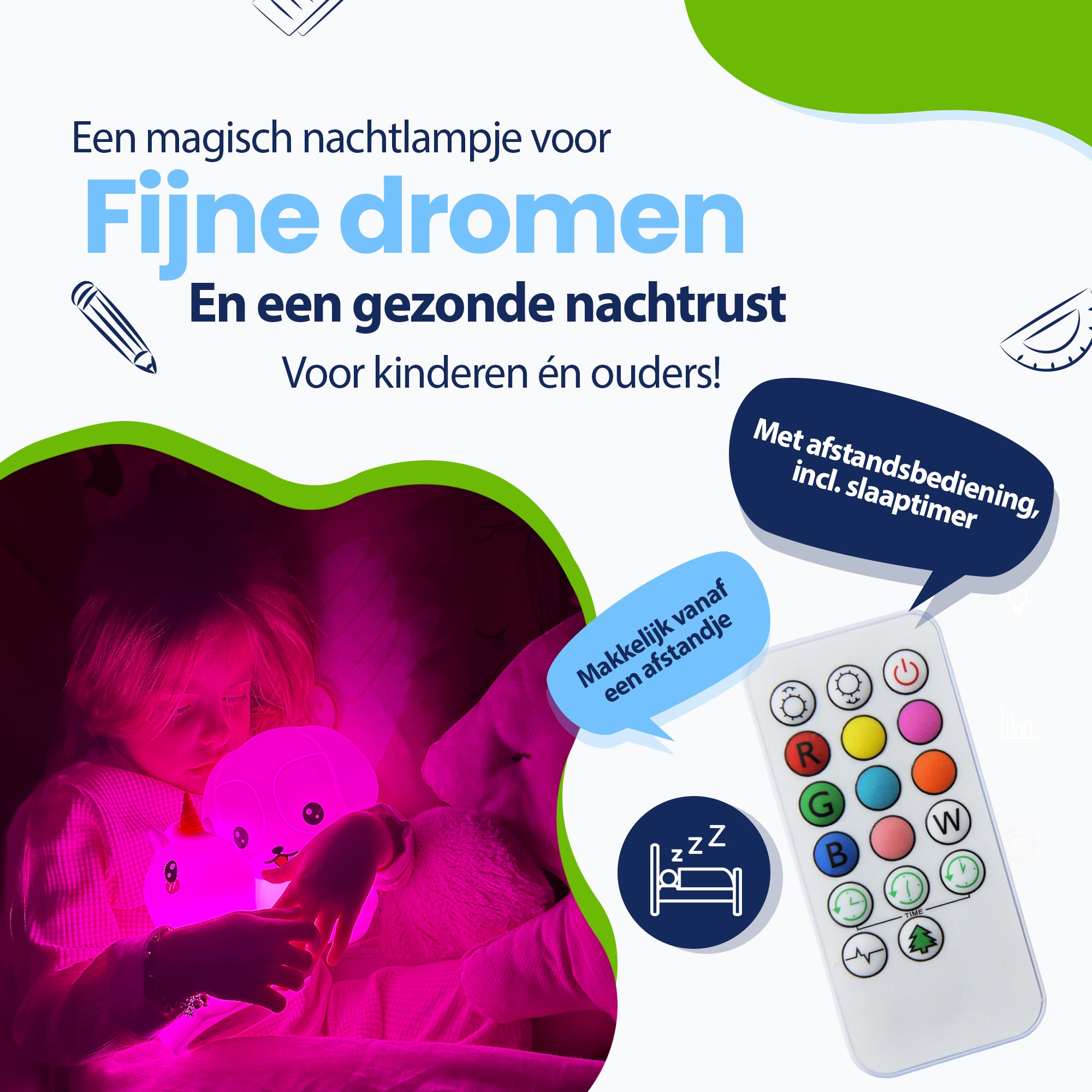
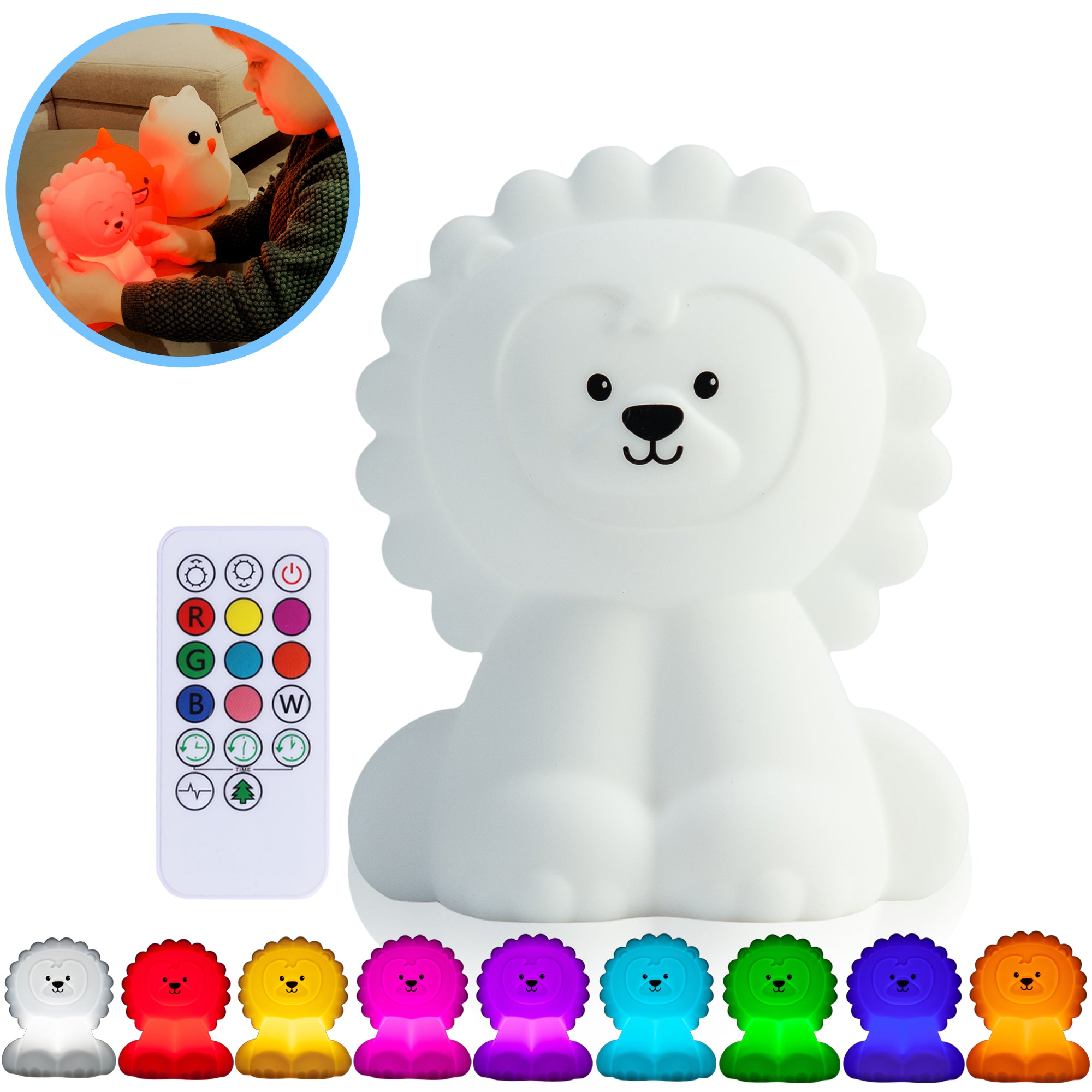
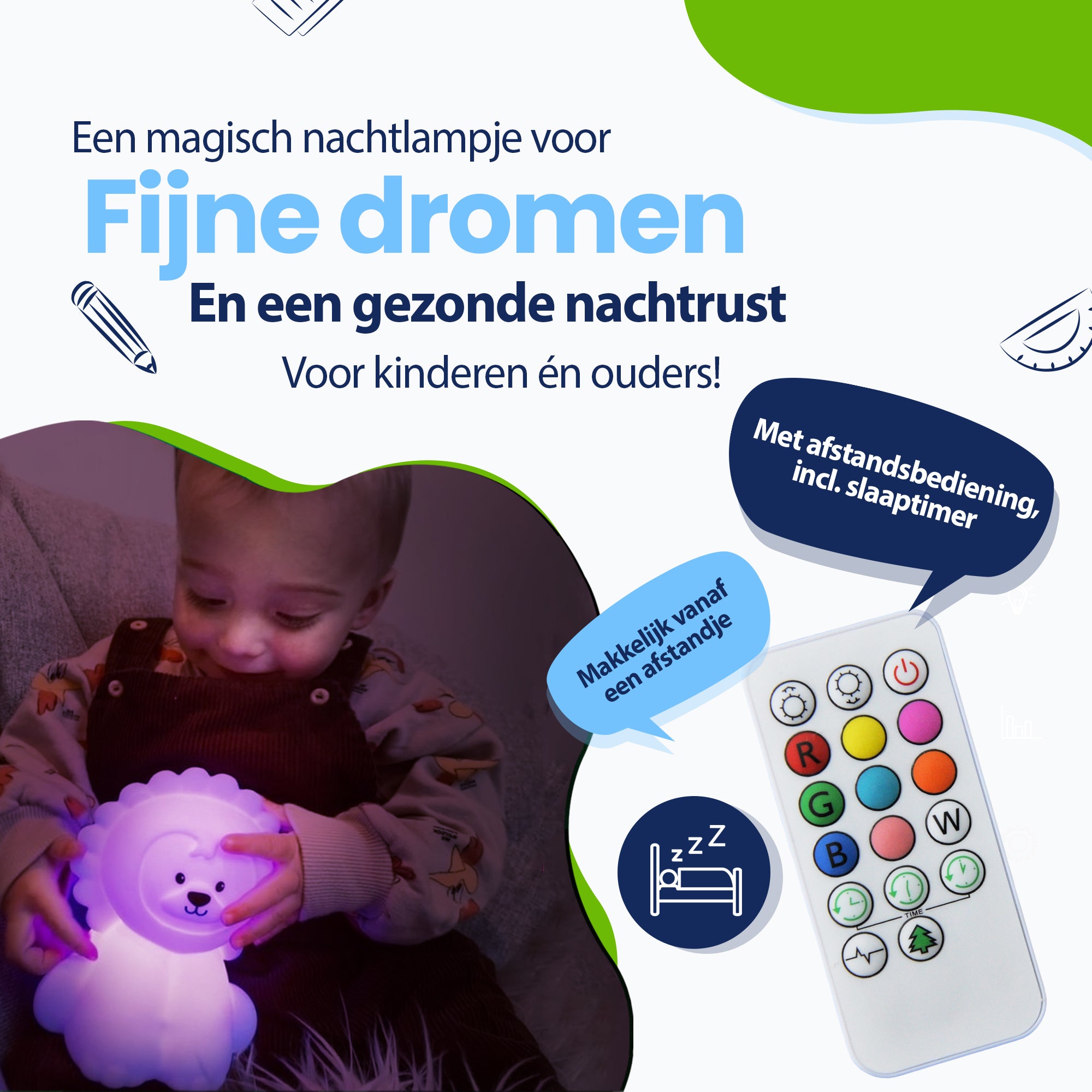
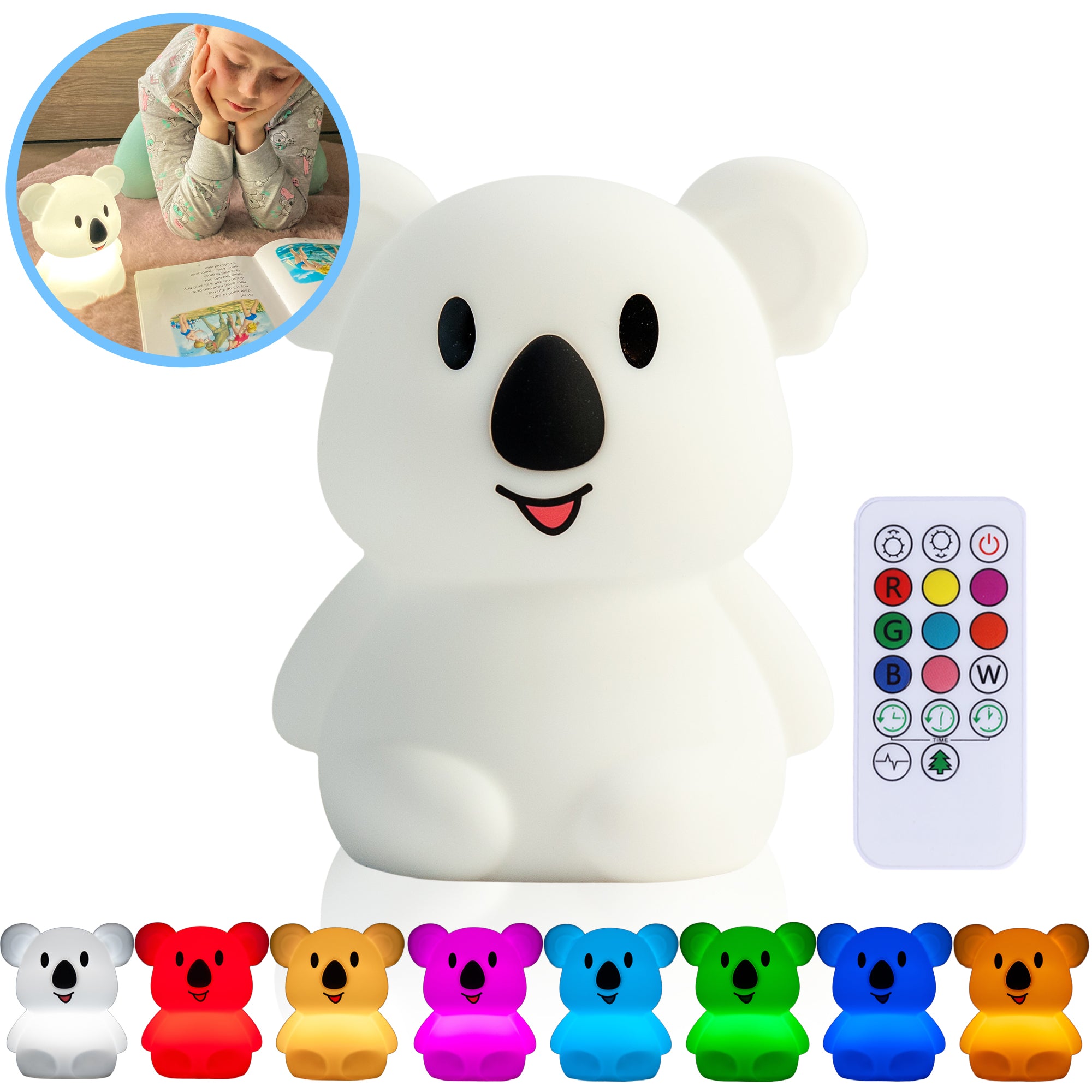
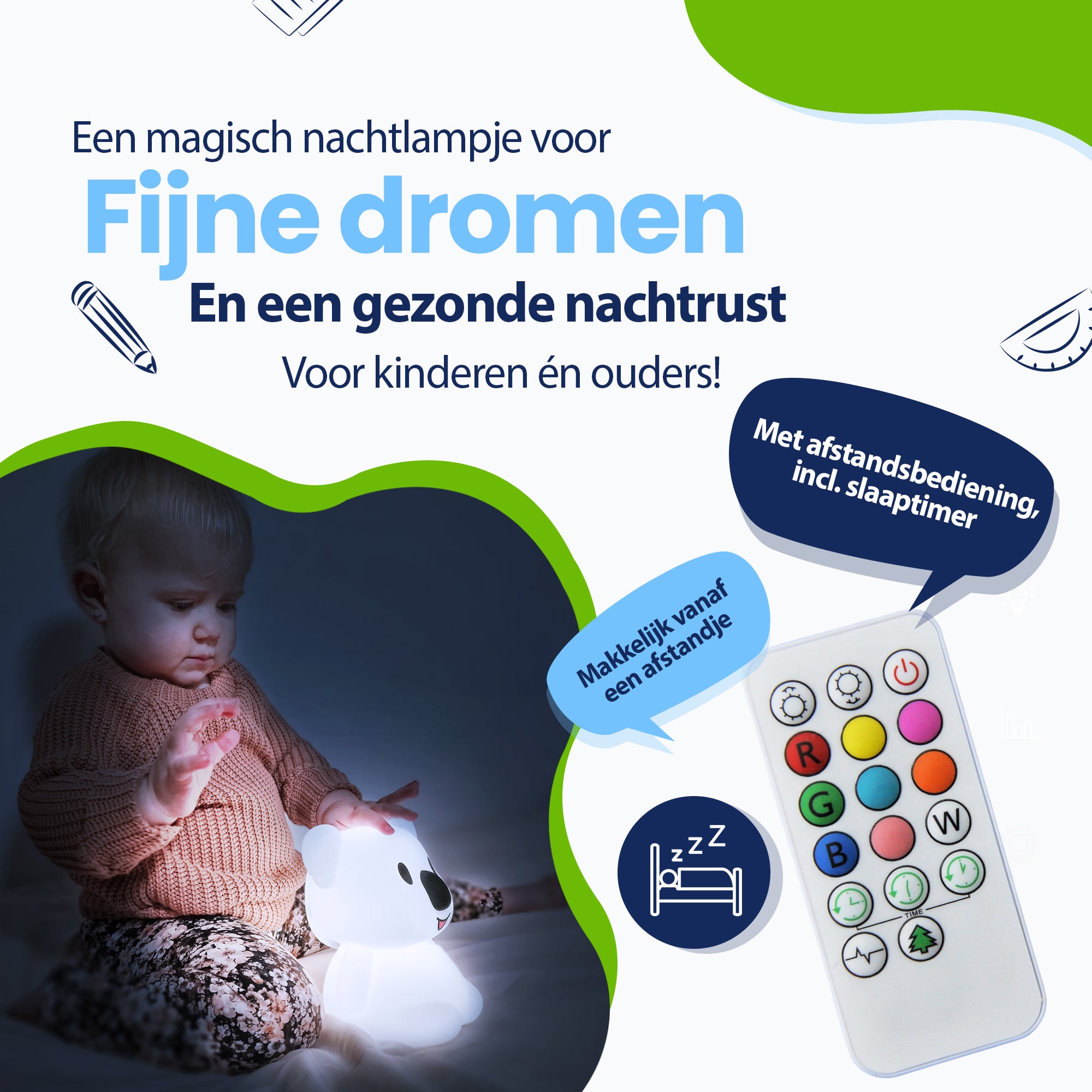
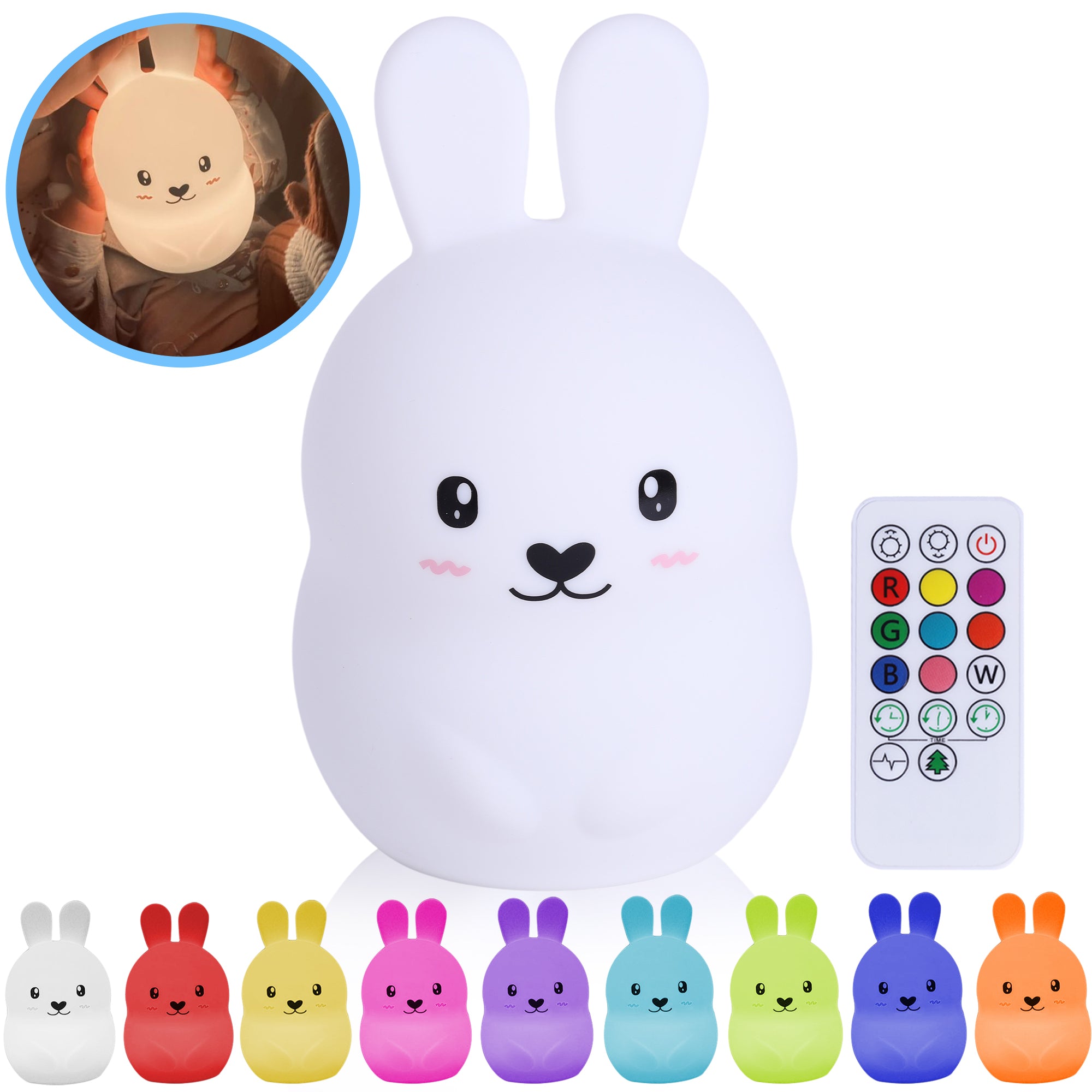
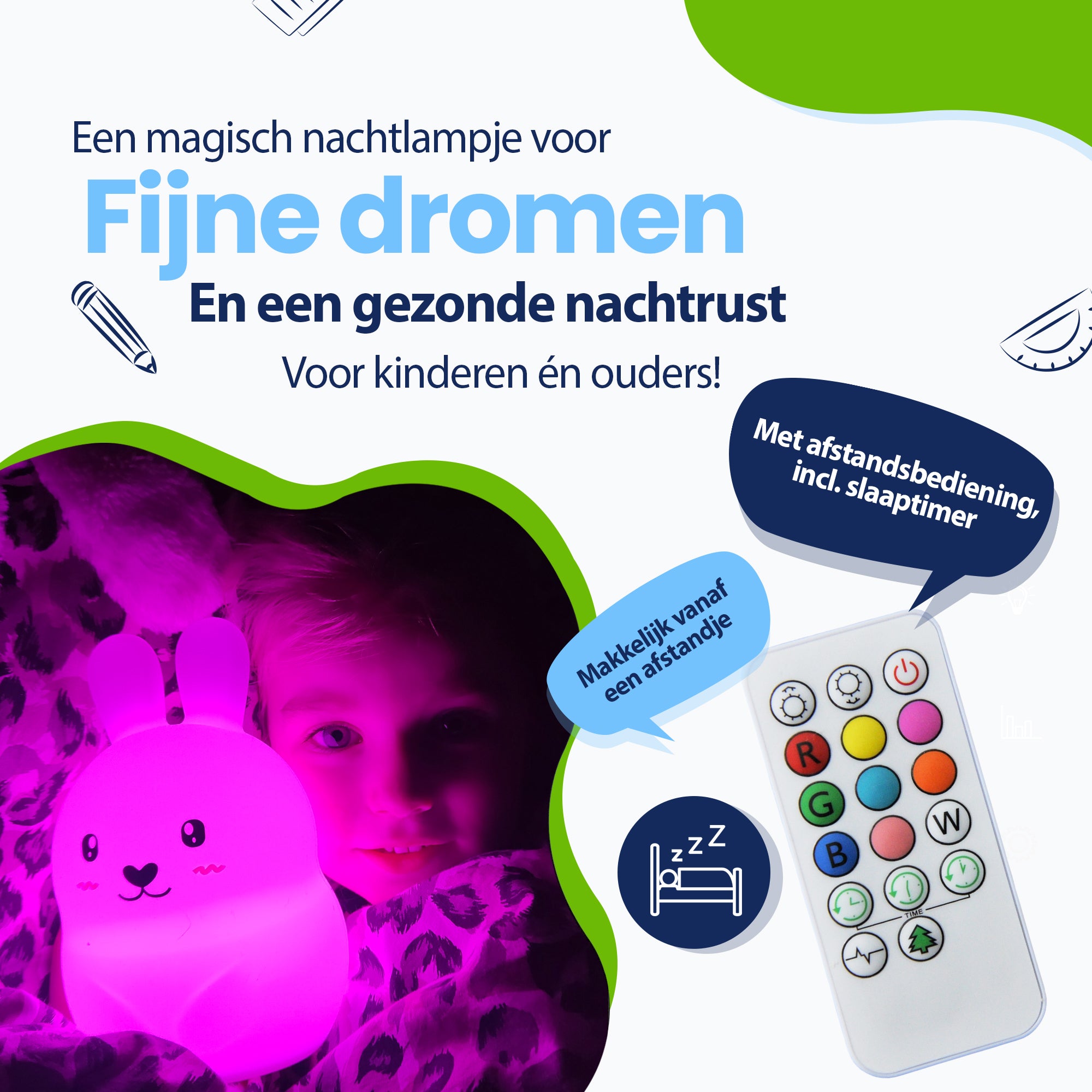
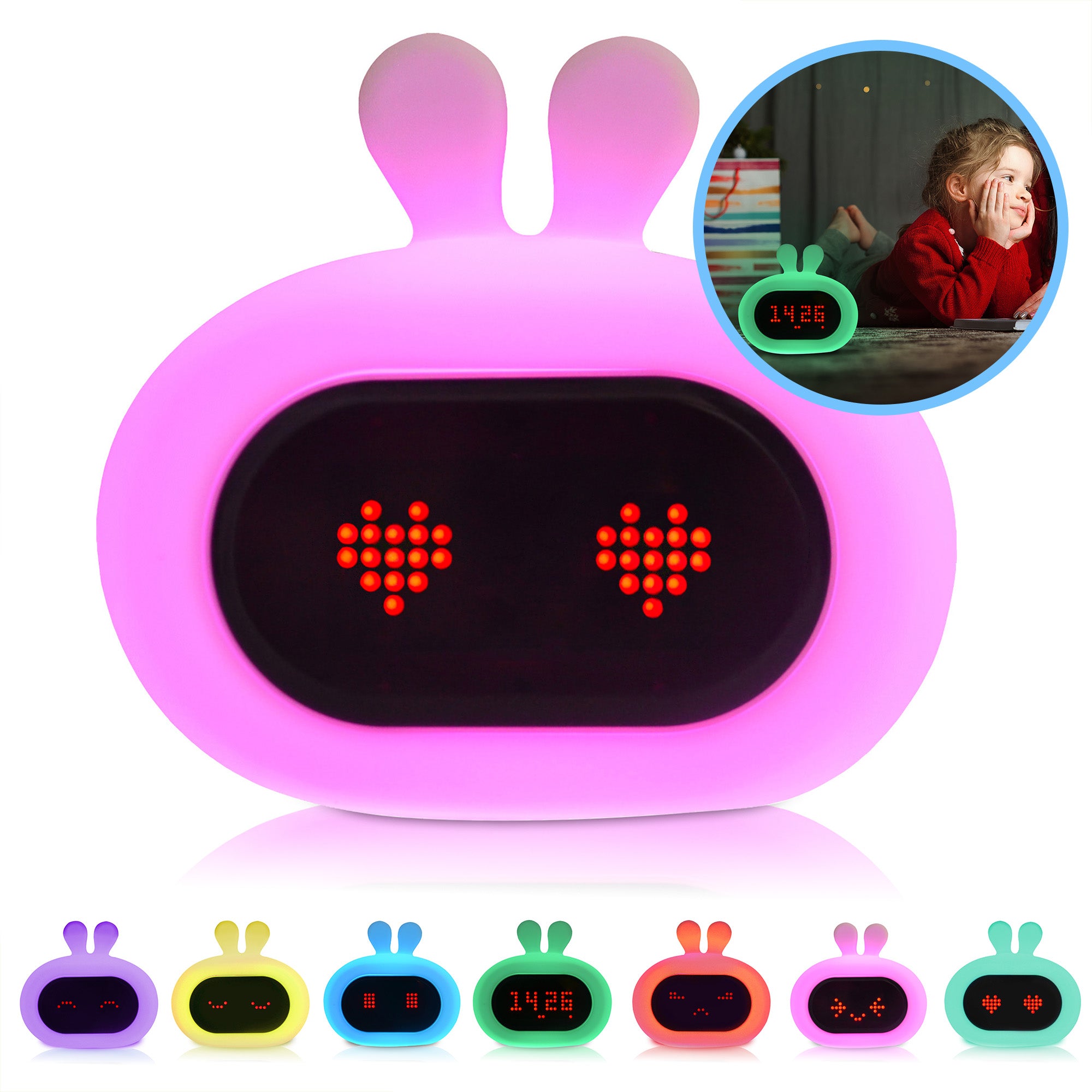
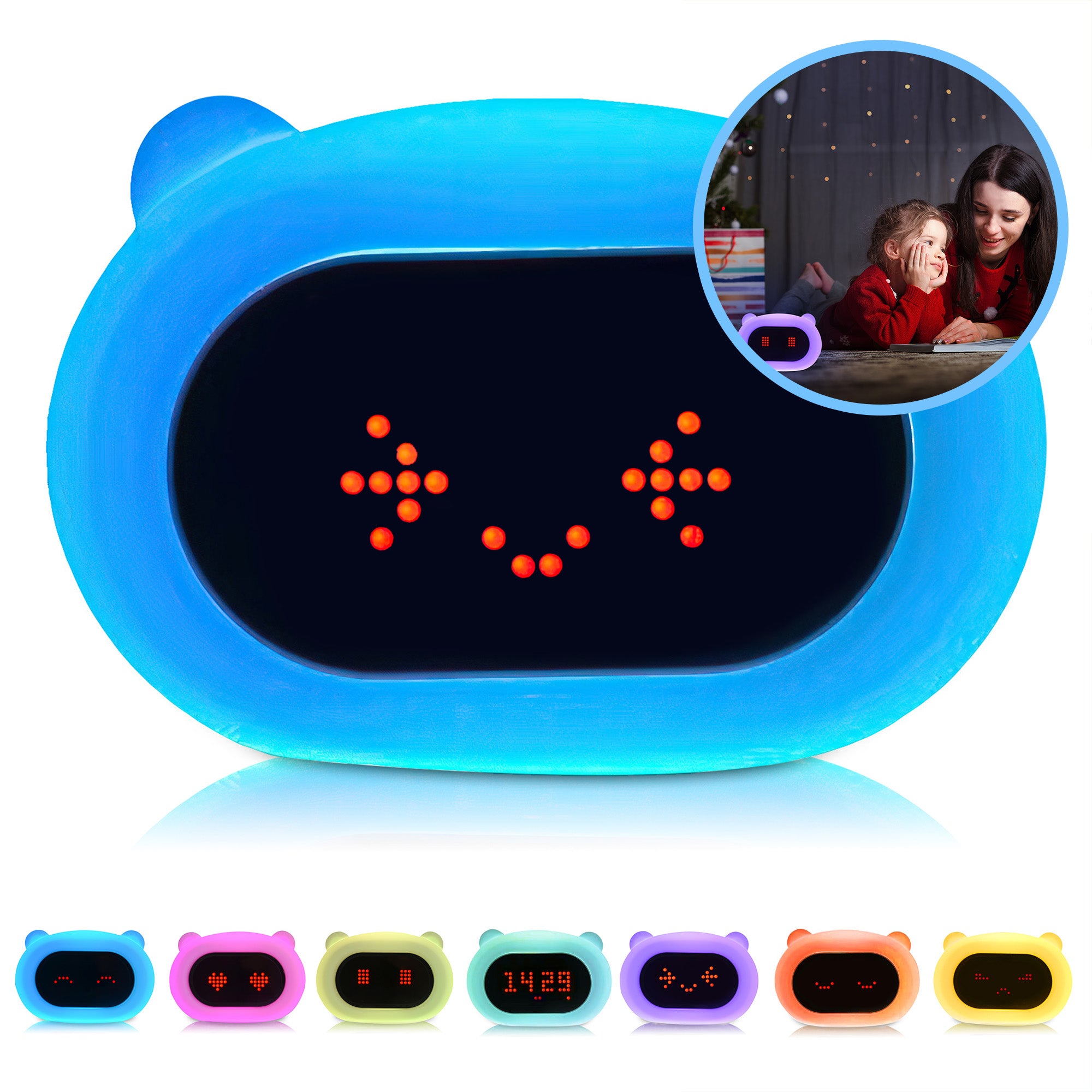
Some children fall asleep without any difficulty as soon as the lights go out. Others take one extra look towards the door, the corners of the room or the hallway. This is exactly where the question begins: when is a night light useful? For many families, it is not a luxury but a small tool that creates calm in the evening and provides reassurance during the night.
A night light is not necessary in every child's bedroom. That is why it helps to look closely at your child, their age and the moment when the restlessness appears. Sometimes a soft light is especially helpful at bedtime. In other cases, it is particularly useful when a toddler wakes up during the night and needs a moment to get their bearings. And sometimes it turns out that a child does not need any extra light at all, as long as the bedtime routine remains calm and predictable.
When Is a Night Light Useful for Babies, Toddlers and Preschoolers?
A night light is most useful when it solves a practical problem in everyday life. Think of children who become anxious as soon as the room gets dark, struggle to fall asleep independently or wake up upset during the night. A small, warm light can help keep the room familiar without making it too bright.
For babies, the situation is often different from toddlers and preschoolers. A baby generally does not need a night light for reassurance in the same way an older child might. However, a soft light can be very practical for parents during night feeds, nappy changes or quick nighttime checks. This allows you to avoid turning on the main light and helps maintain a calm atmosphere.
For toddlers, a night light often gains more emotional significance. The transition from being awake to falling asleep can feel big, especially after a busy day. A familiar source of light can become part of a predictable bedtime routine. Not as a magic solution, but as a form of support. Sometimes that small difference is enough to make evenings more relaxed.
Helpful for Fear of the Dark and Night-Time Wake-Ups
Many parents only realise how useful a night light can be when their child suddenly develops a fear of the dark. This often happens during the toddler or preschool years, when imagination and awareness grow rapidly. A jacket hanging on a chair is just a jacket during the day, but in the evening it can seem like something entirely different.
A gentle night light softens the contrast between light and darkness. The room remains calm but feels less unfamiliar. That alone can reduce tension. Not every child benefits from this, as some children actually sleep better in complete darkness. It therefore depends on what your child seems to need.
A night light can also help with waking during the night. A child who can see their favourite teddy bear, the bedroom door or a familiar piece of furniture often settles more quickly. This increases the chance that they will fall back asleep independently. For children learning to become a little more self-reliant at night, this can be especially valuable.
A Night Light as Part of the Bedtime Routine
The greatest strength of a night light often lies not in the light itself but in the predictability it creates. When brushing teeth, putting on pyjamas, reading a story and switching on the night light happen in the same order each evening, children know what comes next. That creates a sense of security.
This familiarity is particularly valuable in busy family life. Children need less mental adjustment at the moment they are becoming tired. A night light therefore becomes more than just a product; it becomes a familiar part of the evening. That fits perfectly within a bedroom environment designed to support both comfort and structure.
When Is a Night Light Less Useful?
Not every child sleeps better with a light in the room. Sometimes adding a night light seems like the logical solution, but it can actually create more distraction. This is especially true if the light is too bright, constantly changes colour or projects moving images onto the walls. In those situations, a child may become more alert rather than sleepier.
If you notice that your child is becoming increasingly dependent on different sleep aids, it may be worth taking a step back and reassessing the situation. A night light should support sleep, not become essential for every bedtime. The goal is calmness, not additional stimulation or complicated rituals that are difficult to change later.
For older children, it can help to discuss why the light is there. Is it for comfort, for finding their way to the bathroom at night or simply out of habit? Understanding the reason makes it easier to decide whether the night light is still serving a purpose.
What Should You Look for When Using a Night Light?
The colour and brightness of the light make a significant difference. Warm, soft lighting usually feels more calming than bright white or bluish light. In a bedroom, the aim is to create a relaxing atmosphere. The light should be visible enough to provide reassurance but not so bright that the room feels fully illuminated.
Placement also matters. Avoid positioning the light directly in your child's line of sight or shining it towards the bed. A subtle glow from a shelf, cupboard or lower wall often works better. This keeps the room comfortable without making the light the centre of attention.
For younger children, safety is of course essential. Choose a night light designed for children's bedrooms, one that does not become hot and can stand securely or be safely attached. In a room full of curious little hands, loose parts and fragile materials are best avoided.
When Is a Night Light Useful for Babies?
For babies, the question is often more practical than emotional. When is a night light useful? When you are feeding during the night, looking for a dummy or changing a nappy without waking everyone completely. In those moments, a soft light is particularly helpful. You can see what you are doing while maintaining a calm and sleepy atmosphere.
For the baby themselves, a night light does not necessarily need to stay on all night. Many parents use it only during nighttime care. That is often enough. This helps avoid unnecessary stimulation while still keeping the room dark when darkness is beneficial.
During the first few years, the role of a night light often changes naturally. What begins as a practical tool for parents may later become a source of familiarity and reassurance for the child. That is why a well-chosen night light often remains useful for much longer than expected.
A Night Light and Growing Independence
As children get older, a night light can also support independence. A toddler who is learning to get out of bed to use the toilet may benefit from a little extra visibility. A preschooler who wakes up early in the morning often feels more comfortable in a room that is not completely dark.
This is why a night light often works well alongside other calm bedroom tools, such as a consistent bedtime routine or a children's alarm clock that helps explain the difference between night and day. Together, these tools support not only sleep but also understanding and independence. They create more peace of mind for parents and more confidence in a child's own daily rhythm.
For families who consciously choose child-friendly and sustainable products, it is reassuring when a product is not only attractive but genuinely useful in everyday life. This practical and gentle approach fits perfectly with Kadoing's vision of children's bedrooms: less stress, more comforting moments together.
How Do You Know If a Night Light Is Helping?
You will usually notice within a few evenings whether a night light is having a positive effect. Does your child fall asleep more peacefully, call out less often due to uncertainty or wake up less distressed during the night? If so, the light is probably serving a useful purpose. If you notice more distraction, playing with the light or difficulties settling back to sleep, it may be worth adjusting the brightness, colour or timing.
Try not to judge its effectiveness after just one night. Children sometimes need time to adapt to changes in their room. Give it several days, but continue to observe honestly. Useful does not necessarily mean it works the same way for every child.
Sometimes the benefit is something small: a calmer evening, less tension around bedtime or a child who feels a little safer after waking from a bad dream. Those small improvements can make a significant difference to family life.
A night light does not have to be essential to be valuable. If it helps make bedtime feel gentler and more predictable, it is already doing exactly what many parents hope for: more calm for their child and a little more breathing space for themselves.
Frequently Asked Questions About Night Lights
What age is a night light suitable for?
A night light can be useful from infancy, especially during nighttime care. For toddlers and preschoolers, it is often used to provide comfort and reassurance.
Can a night light help with fear of the dark?
For many children, yes. A soft light can make the bedroom feel more familiar and reduce anxiety associated with darkness.
Can a night light disturb sleep?
It can if the light is too bright or constantly changes colour. This is why a warm, gentle light is usually the best option.
Should a night light stay on all night?
Not necessarily. Some families use it only while their child falls asleep, while others prefer a soft light throughout the night.