Sustainable toys are safe, educational and often last for many years. Discover why more and more parents are choosing them.
Sustainable toys: why more and more parents are choosing them
Sustainable toys are becoming increasingly popular. Parents are no longer looking only at what is fun to play with, but also at safety, quality, child development and environmental impact.
While much of the toy industry once relied heavily on plastic, more and more families are now choosing alternatives such as wood, FSC-certified materials, organic cotton and other sustainable resources.
This trend is hardly surprising. Sustainable toys offer benefits for both children and parents. They often last longer, encourage creativity and are usually made from safe materials.
What are sustainable toys?
Sustainable toys are toys that are produced with consideration for people, the environment and quality. This can mean they are made from natural materials, recycled resources or FSC-certified wood.
Durability is also an important factor. Sustainable toys often last much longer than inexpensive plastic toys and can even be passed down to siblings or future generations.
At Kadoing, sustainability is important to us. That is why we choose products that are built to last, safe for children and designed to support learning through play.
1. Sustainable toys are made from better materials
Many traditional toys are made from plastic. While not all plastic toys are problematic, many parents consciously choose alternatives that feel more natural and have a lower environmental impact.
Sustainable toys are often made from materials such as:
- FSC-certified wood
- Organic cotton
- Natural rubber
- Recycled materials
- Eco-friendly paints and coatings
These materials are durable, safe and often feel more pleasant than plastic.
2. Sustainable toys support sensory development
Children discover the world through their hands, eyes, ears and nose. That is why it is important for toys to engage multiple senses.
Wooden toys have a natural texture, weight and appearance. This allows children to experience differences in shape, texture and balance while playing.
These natural characteristics encourage sensory development in a calm way, without overwhelming children with excessive stimulation.
3. Sustainable toys encourage creativity
One of the greatest advantages of sustainable toys is that they encourage children to use their imagination.
While electronic toys often have a single fixed purpose, open-ended toys offer much more room for creativity. Examples include wooden blocks, puzzles, musical instruments and Montessori toys.
Children create their own stories, build structures and discover new ways to play. This helps develop creativity, problem-solving skills and self-confidence.
4. Montessori toys fit perfectly with sustainable play
Montessori toys are designed to encourage children to explore and learn independently. They often feature a simple design and focus on skills such as concentration, fine motor development and logical thinking.
Many Montessori toys are made from wood and other sustainable materials, making them a perfect match for a conscious and sustainable lifestyle.
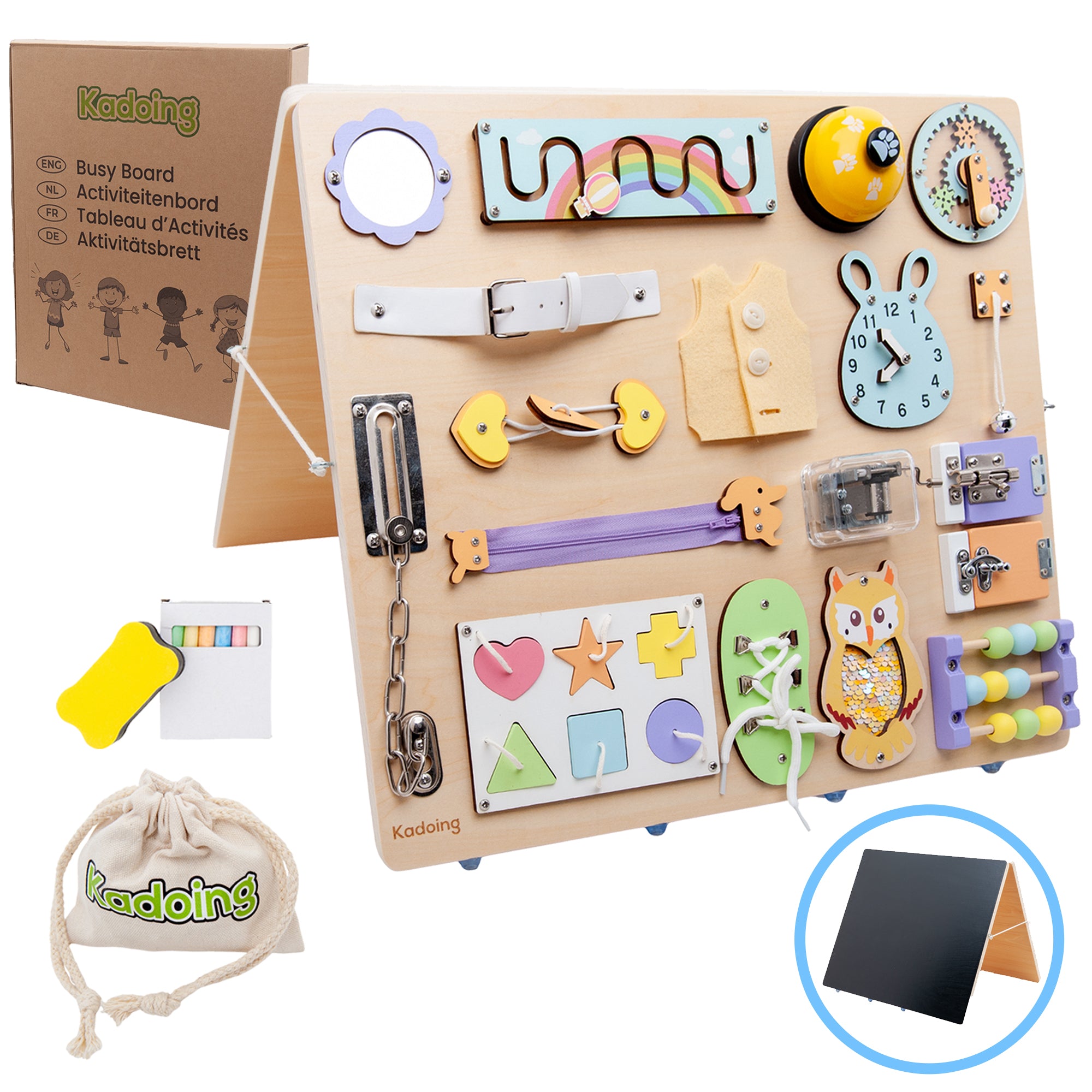
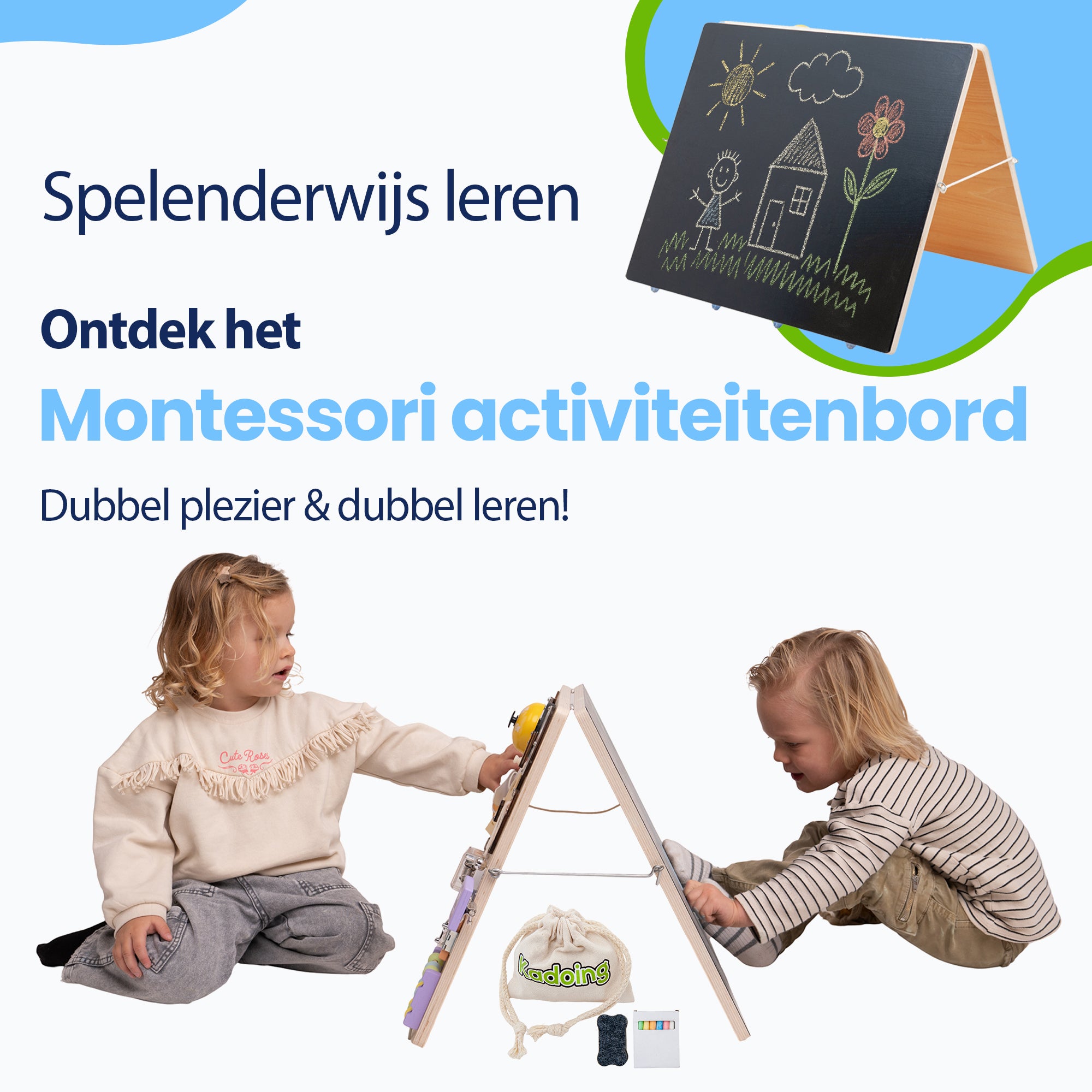
Take a look at our Kadoing Montessori Activity Board.
5. Sustainable toys are safer for children
Safety is a top priority for every parent. Sustainable toys often contain fewer harmful substances and are manufactured according to strict safety standards.
Wooden toys also tend to have sturdy components that are less likely to break than inexpensive plastic alternatives.
This makes sustainable toys not only more enjoyable to use but often safer for young children as well.
6. Sustainable toys last much longer
One of the biggest benefits of sustainable toys is their longevity. Wooden toys can last for years and often remain beautiful even after intensive use.
As a result, siblings and other children can enjoy them later on. This makes sustainable toys not only environmentally friendly but also cost-effective in the long term.
7. Sustainable toys are better for the environment
The production of sustainable toys often has a smaller environmental impact than the production of traditional plastic toys.
Materials such as FSC-certified wood come from responsibly managed forests. Recycled materials are given a second life, while organic cotton is grown using fewer harmful chemicals.
By choosing sustainable toys, you contribute to a cleaner world for future generations.
Why Kadoing chooses sustainable play
At Kadoing, we believe that toys should not only be fun, but also safe, educational and sustainable.
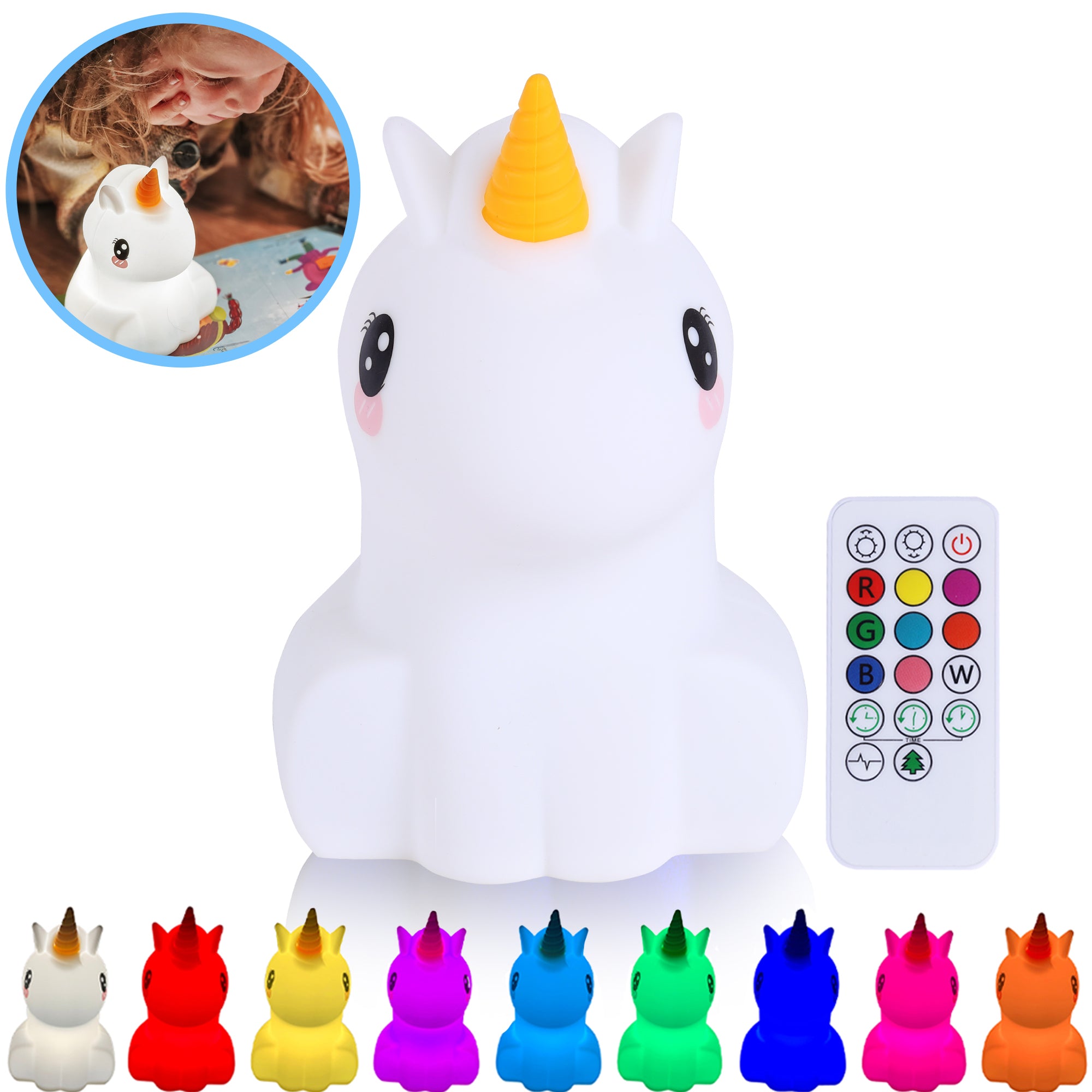
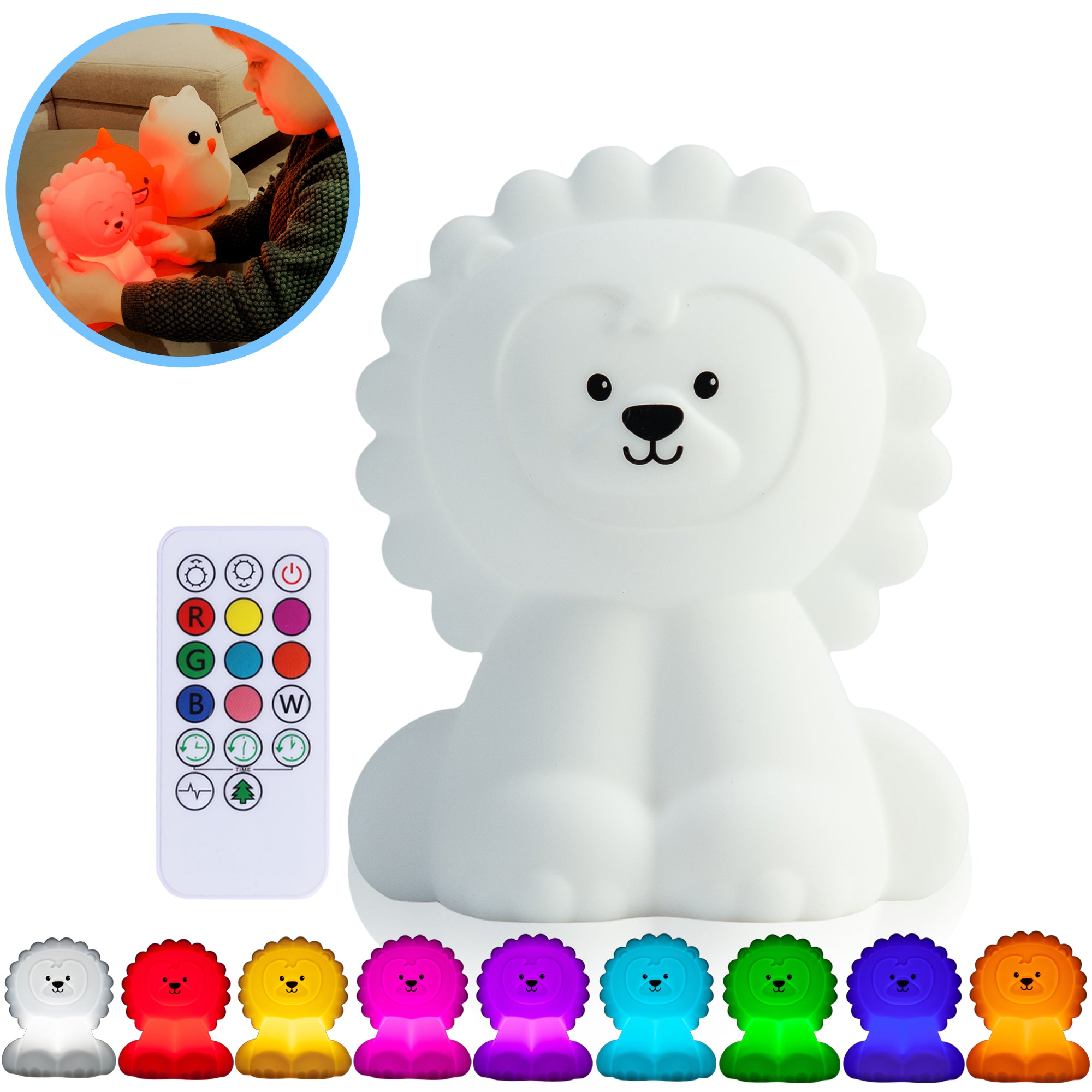
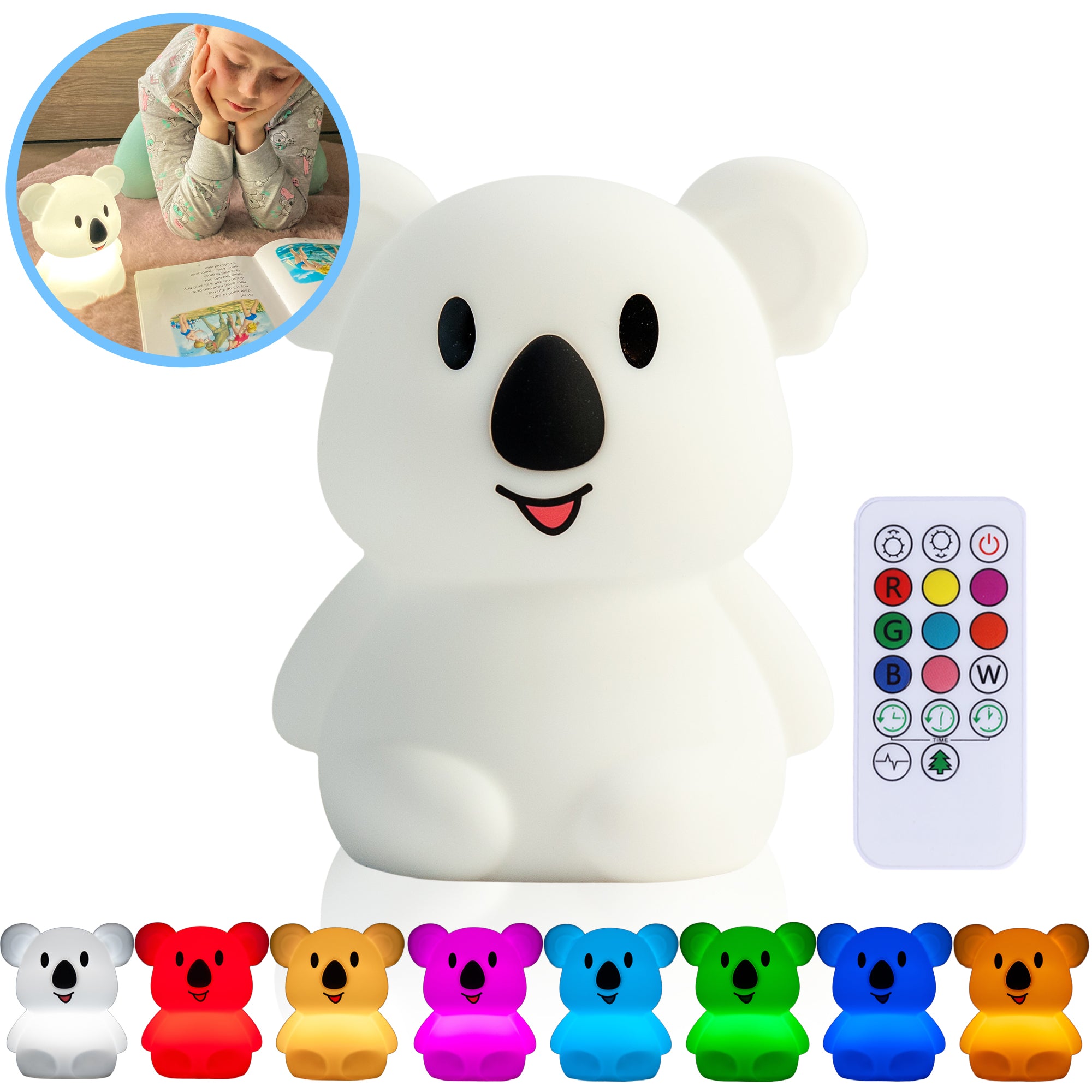
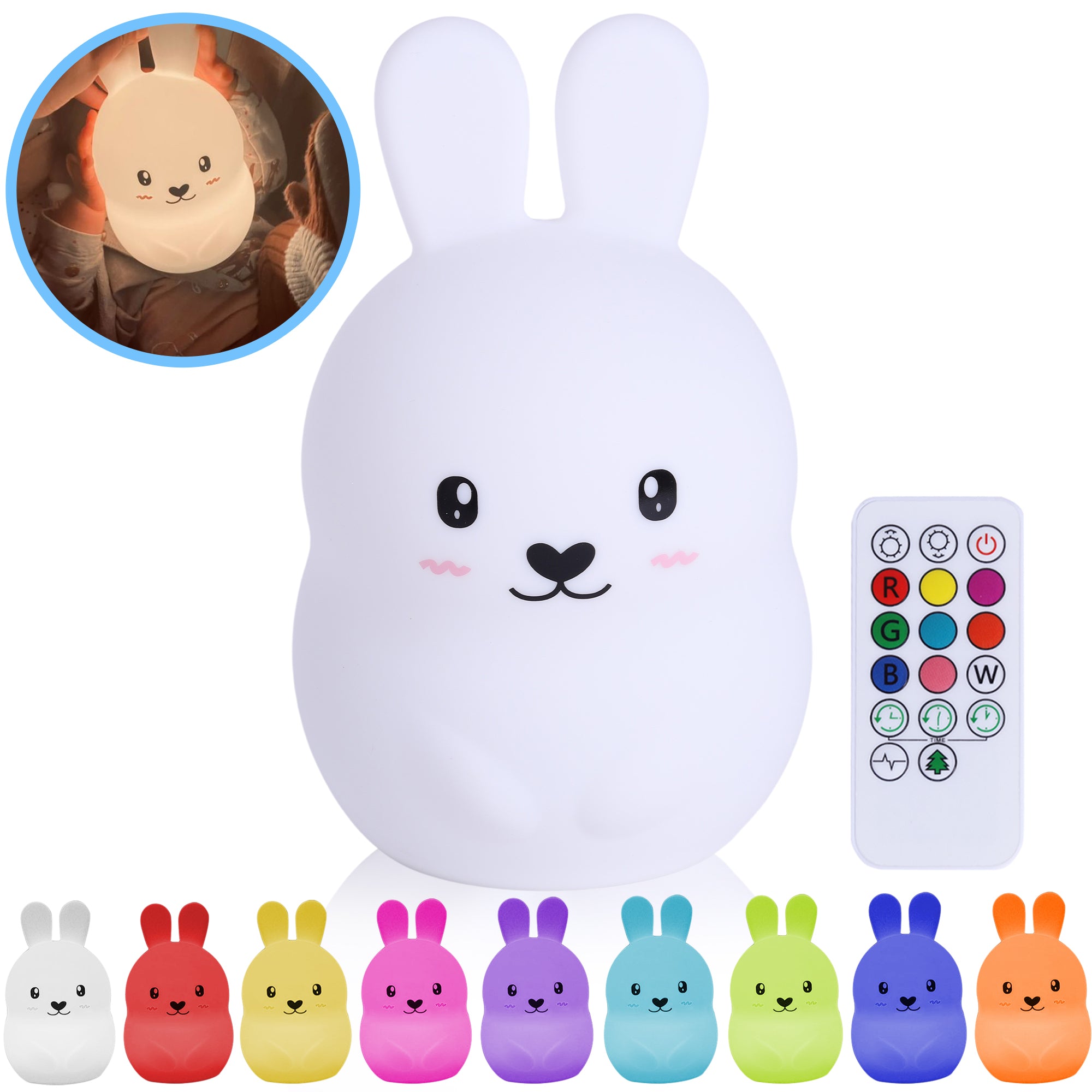
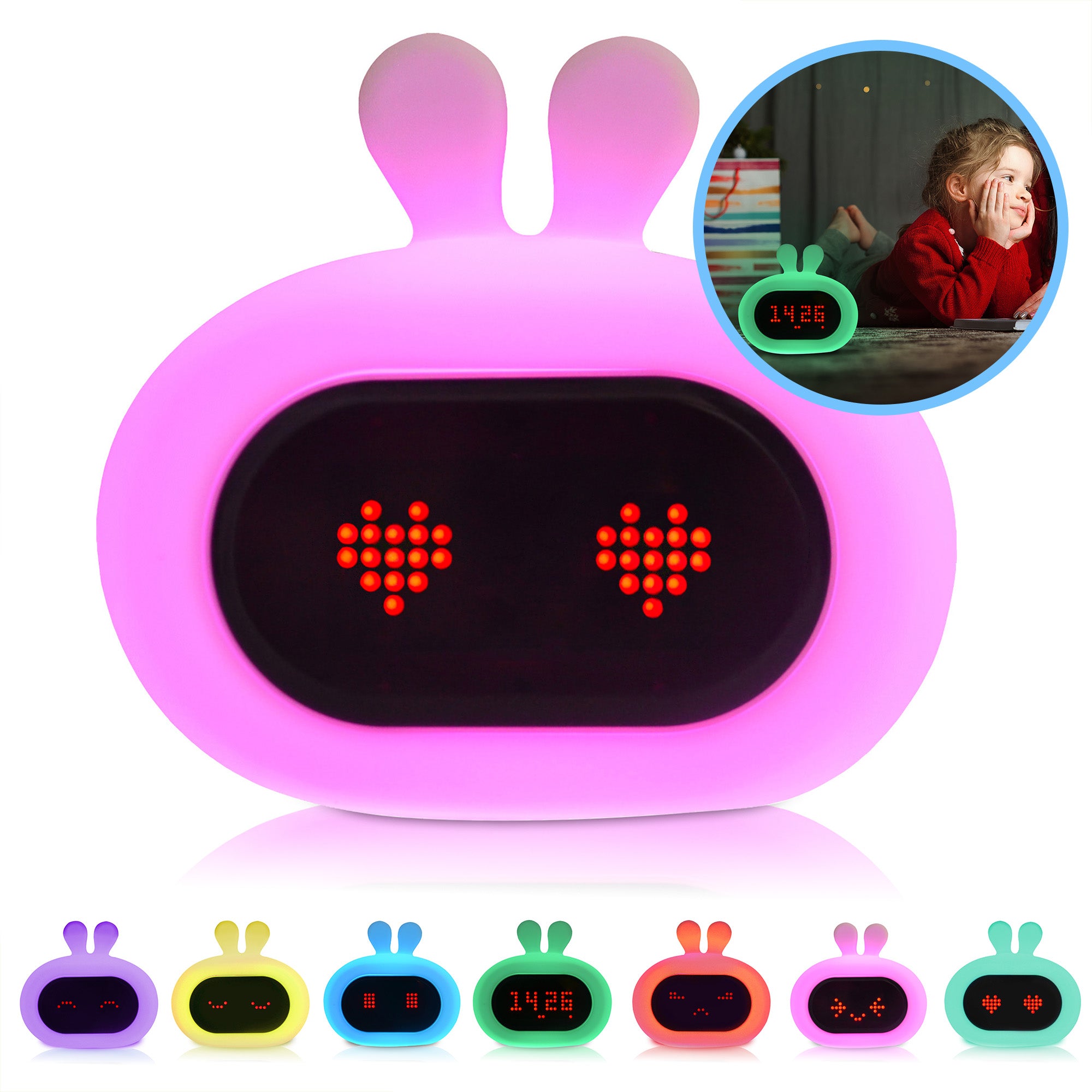
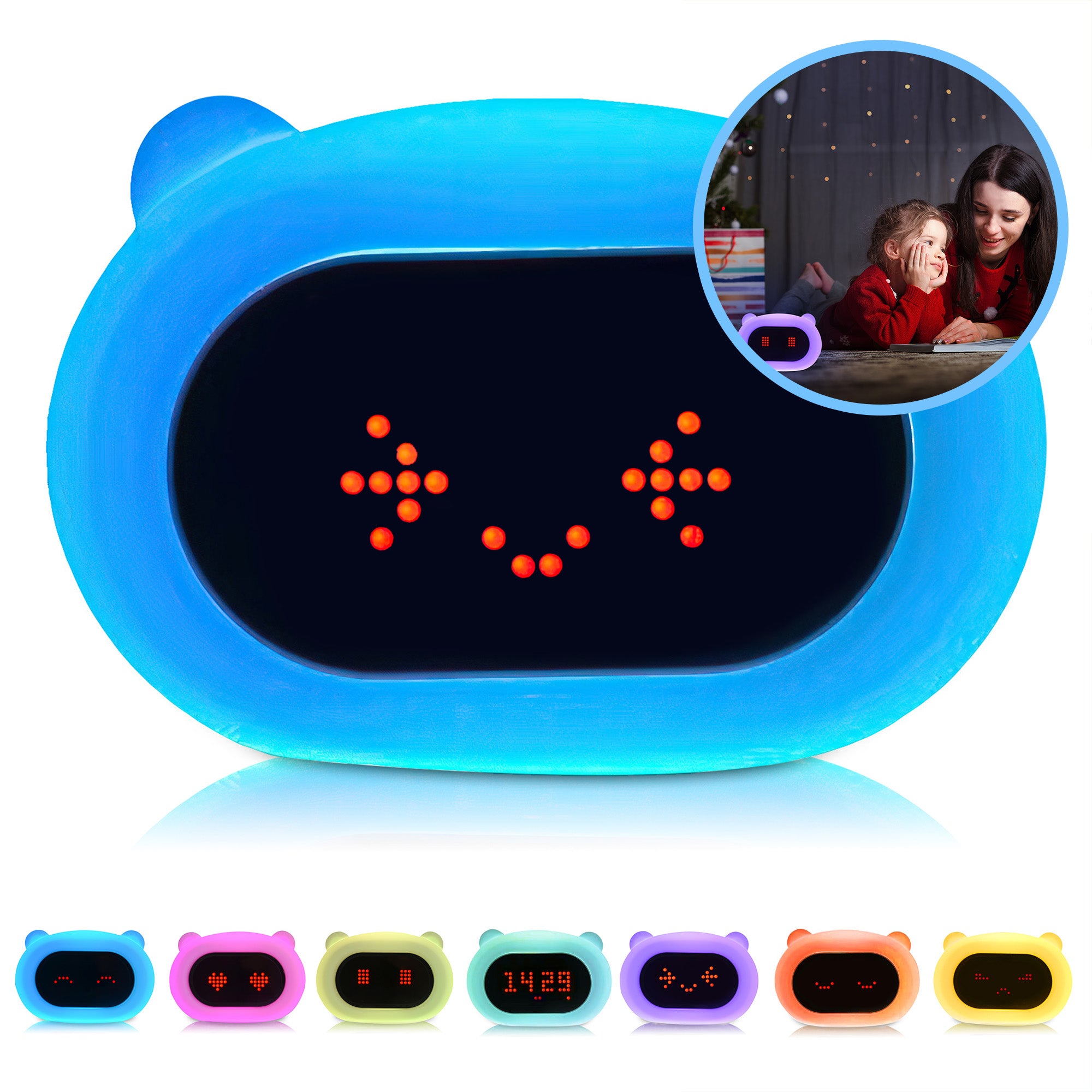
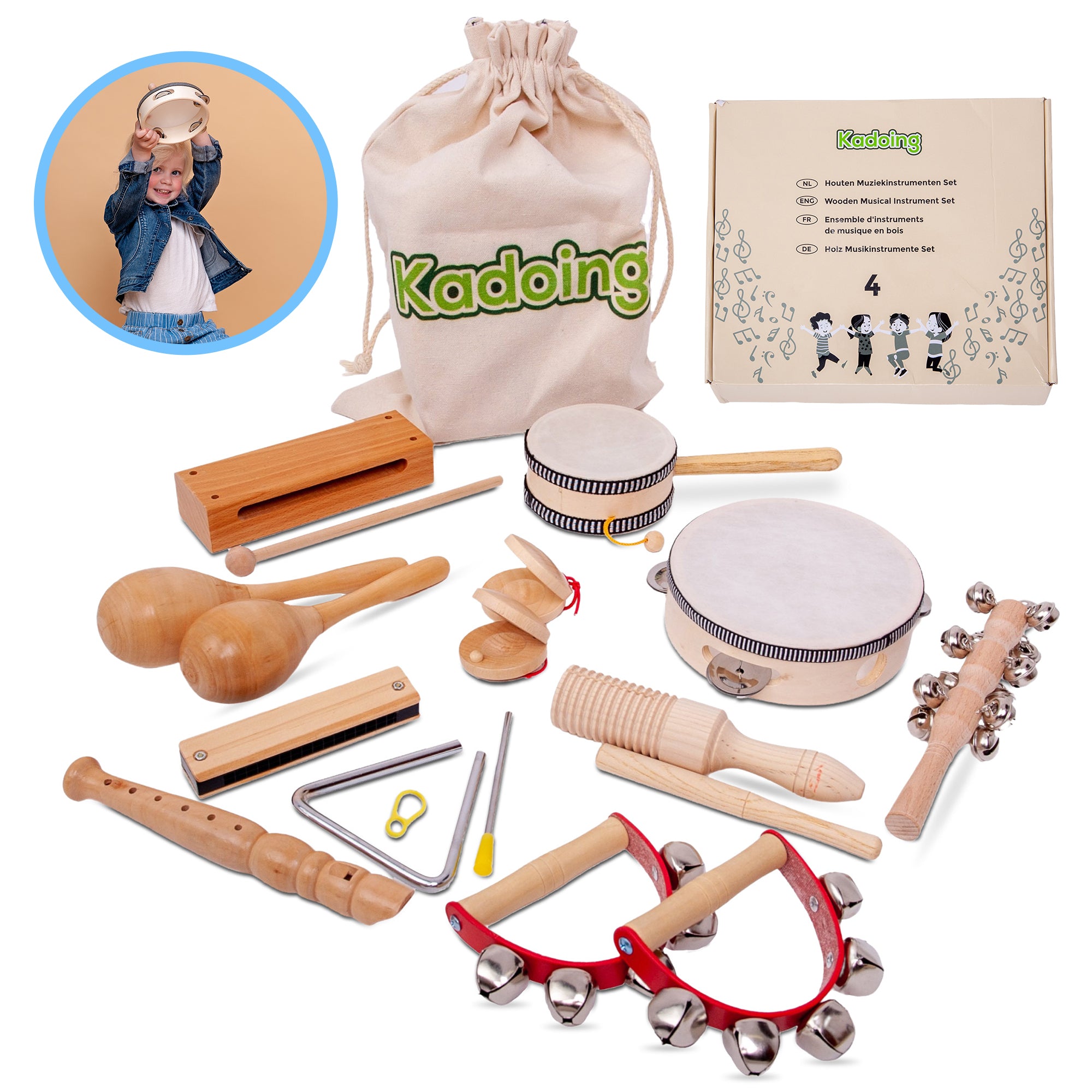
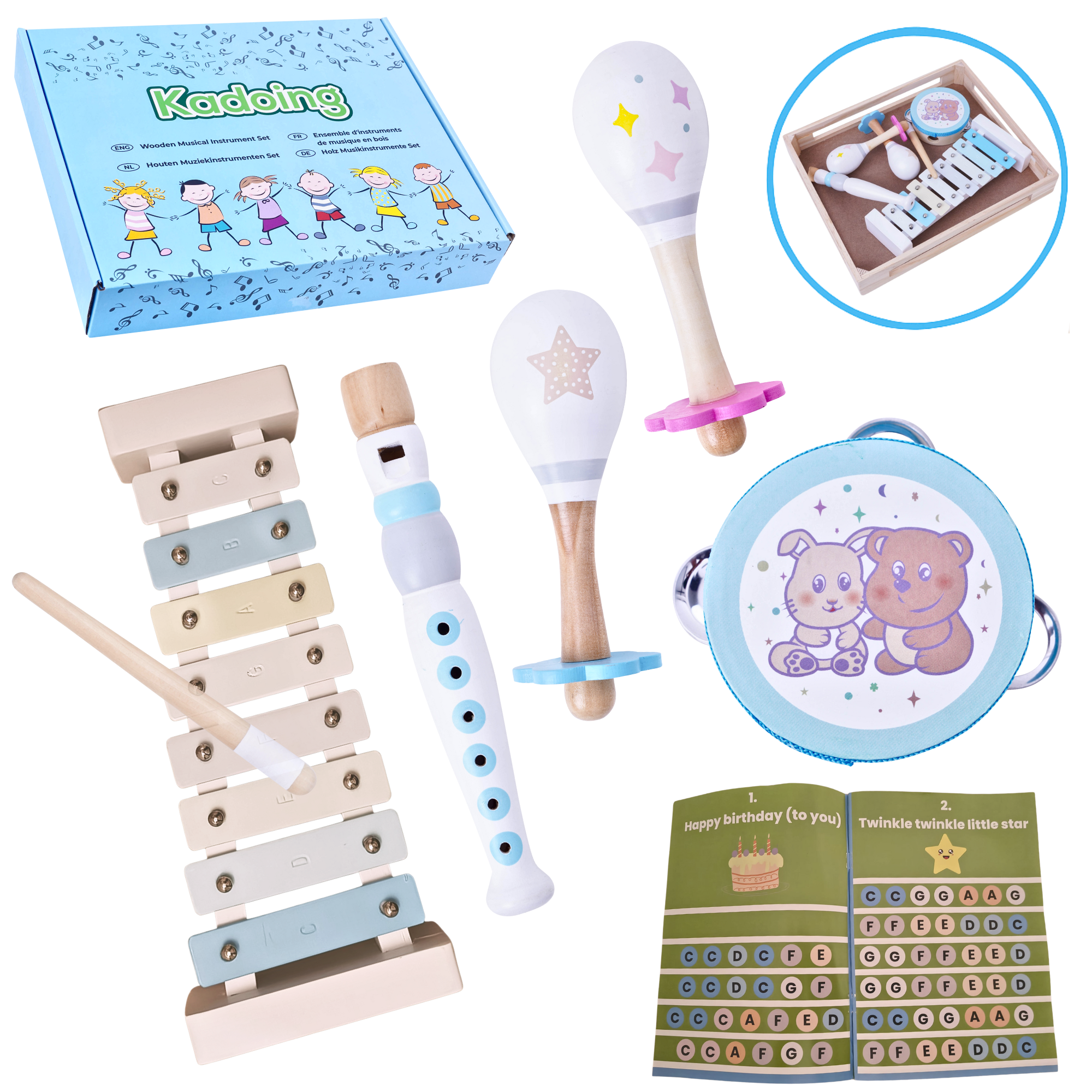
Our products are developed with a focus on quality, ease of use and child development. From wooden musical instruments to Montessori activity boards and child-friendly night lights, every product is designed to last.
Also explore:
How can you recognise high-quality sustainable toys?
When shopping for sustainable toys, look for the following features:
- FSC-certified wood
- Sturdy construction
- Safe water-based paints
- CE certification
- Natural materials
- Timeless design
- Educational value
If a toy meets these criteria, there is a good chance it will provide years of enjoyment.
Sustainable toys and educational play
Many sustainable toys also have educational value. Think of puzzles, musical instruments, sorting games and activity boards.
Through play, children develop important skills such as:
- Fine motor skills
- Hand-eye coordination
- Creativity
- Problem-solving abilities
- Concentration
- Independence
This makes sustainable toys not only fun but also highly valuable for your child’s development.
Frequently asked questions about sustainable toys
What are sustainable toys?
Sustainable toys are toys made from safe and environmentally friendly materials and designed to last for many years.
Why are wooden toys sustainable?
Wood is a renewable resource, highly durable and biodegradable. This makes wooden toys a more sustainable choice than many plastic alternatives.
Are sustainable toys safer?
Many sustainable toys contain fewer harmful substances and are made from natural materials, making them a safer choice for young children.
What is the difference between Montessori toys and sustainable toys?
Montessori toys focus on independent learning and child development. While many Montessori toys are made from sustainable materials, the two terms do not automatically mean the same thing.
Why are more parents choosing sustainable toys?
Because they are often safer, more environmentally friendly, more educational and more durable than many traditional toys.
Conclusion: sustainable toys are an investment in the future
Sustainable toys offer benefits for children, parents and the environment. They encourage creativity, support development, last longer and are often made from safe materials.
By choosing sustainable toys, you are investing not only in playtime but also in a healthier future for your child and the world around us.
Discover Kadoing's sustainable collection and choose toys that can bring joy for generations.