Good habits help children grow. With consistent routines, repetition, and positive encouragement, healthy behaviors become easier to develop.
New Year's Resolutions? Teach Your Children Good Habits Instead
After New Year's Day, many people start the year full of good intentions. Exercising more, eating healthier, going to bed earlier, or reducing screen time all sound like great goals. However, resolutions are often difficult to maintain, especially when they don't fit naturally into daily life.
That's why it's often more effective to focus on good habits. Habits are small, recurring actions that gradually become automatic. The earlier children become familiar with them, the easier it is for them to build positive routines.
At Kadoing, we believe children learn through discovery, repetition, and experience. Teaching good habits doesn't have to be strict or complicated. With clear routines, playful tools, and plenty of patience, you can achieve a lot.
Why Are Good Habits Important for Children?
Good habits provide children with structure and security. They create predictability throughout the day and help children understand what is expected of them. Think about brushing teeth before bedtime, tidying up after playing, or starting the day with a calm morning routine.
When children learn positive routines from a young age, they gradually build confidence. They discover that they can do things independently, that practice helps, and that repetition makes tasks easier.
Good habits can also create more peace at home. When children know what happens after dinner, before bedtime, or in the morning, there is often less discussion and more predictability.
From Resolution to Habit
A resolution is often broad and vague. A habit is small and specific. "Living healthier" is a resolution. "Brushing your teeth every evening after dinner" is a clear habit.
For children, starting small usually works best. Focus on one habit at a time and make it as simple as possible. Once that routine becomes familiar, you can introduce the next habit.
Examples of Good Habits for Children
Good habits don't need to be big. Small daily actions can make a huge difference over time.
- Getting up calmly and getting dressed every morning.
- Tidying up toys after playing.
- Brushing teeth before bed.
- Going to bed at roughly the same time every evening.
- Preparing a favorite book or plush toy before bedtime.
- Playing outside or being active after school.
- Saying thank you and helping others.
5 Tips for Teaching Children Good Habits
Good habits don't develop overnight. Children need time, repetition, and guidance. These tips can help you introduce new routines in a positive way.
- Start small and keep it achievable. Focus on one habit at a time. For example, start by putting on pajamas and brushing teeth together every evening. Once that becomes routine, you can expand it by adding a bedtime story or preparing clothes for the next day.
- Use positive encouragement. Praise your child when they complete a step successfully. Positive attention helps children feel noticed and appreciated, making them more motivated to repeat the behavior.
- Make expectations clear and specific. Children understand routines better when they know exactly what will happen. For example: "After dinner, we tidy up the blocks first, and then we read a story." This creates a recognizable sequence.
- Use natural consequences. Calmly explain what happens when something is or isn't done. Not brushing teeth can lead to unhealthy teeth. Not tidying up may result in toys getting lost. This helps children understand cause and effect.
- Repeat the routine every day. Repetition strengthens habits. A consistent bedtime or morning routine helps children start and end their day more calmly. You can also read our blog about why a bedtime reading routine works so well.
Make Routines Visual and Familiar
Young children often struggle to understand time. Concepts like "in five minutes" or "later" can feel abstract. That's why visual cues and consistent sequences often work better.
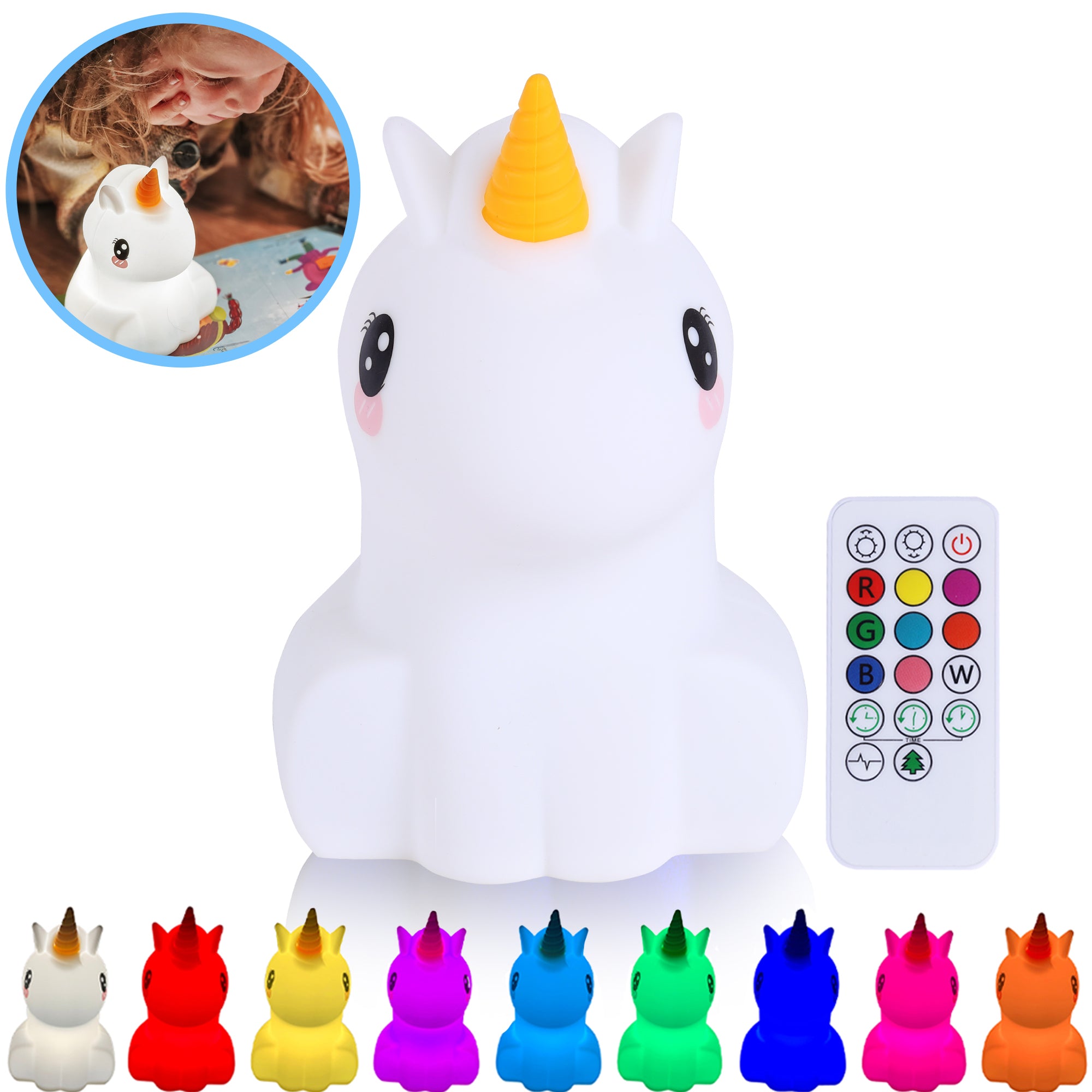
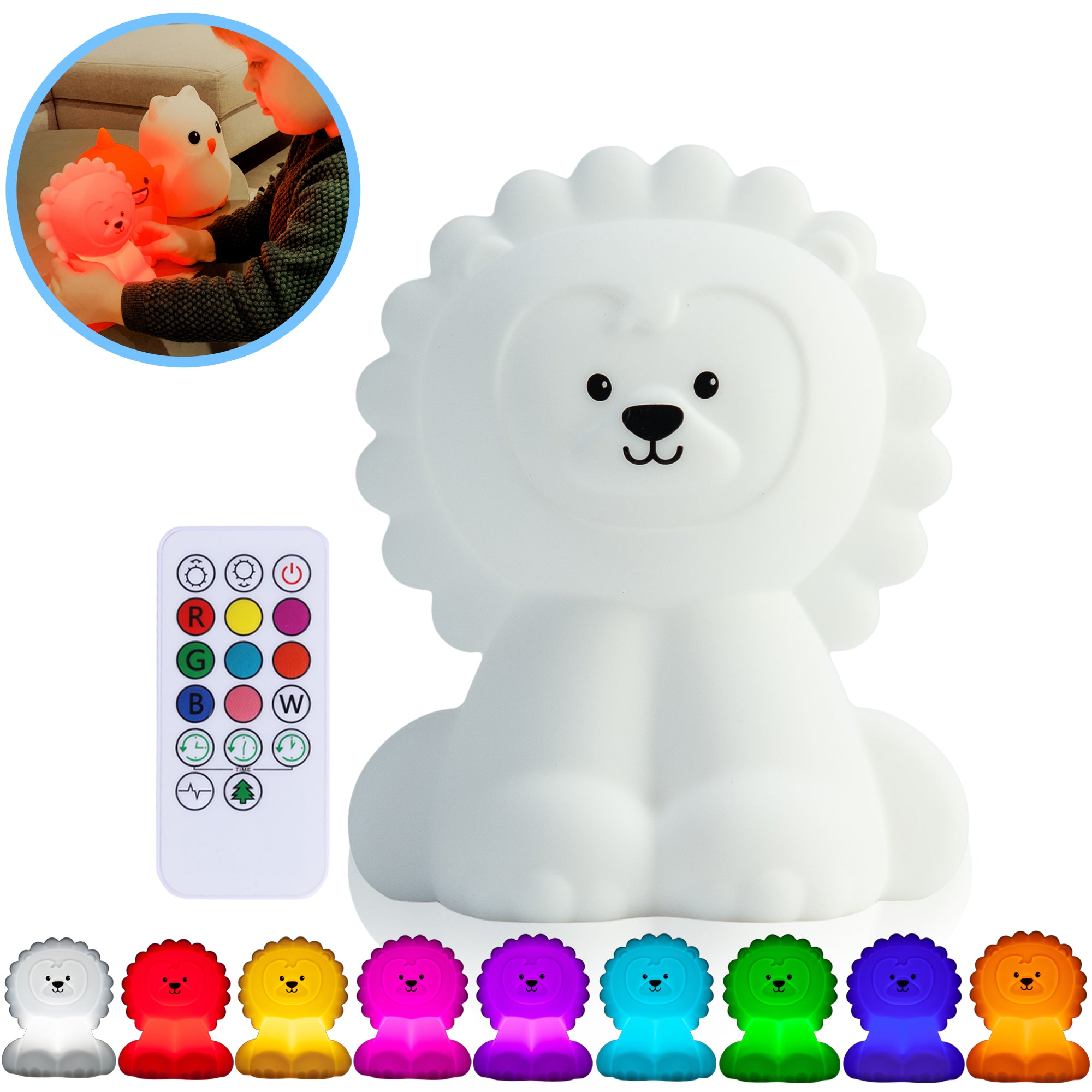
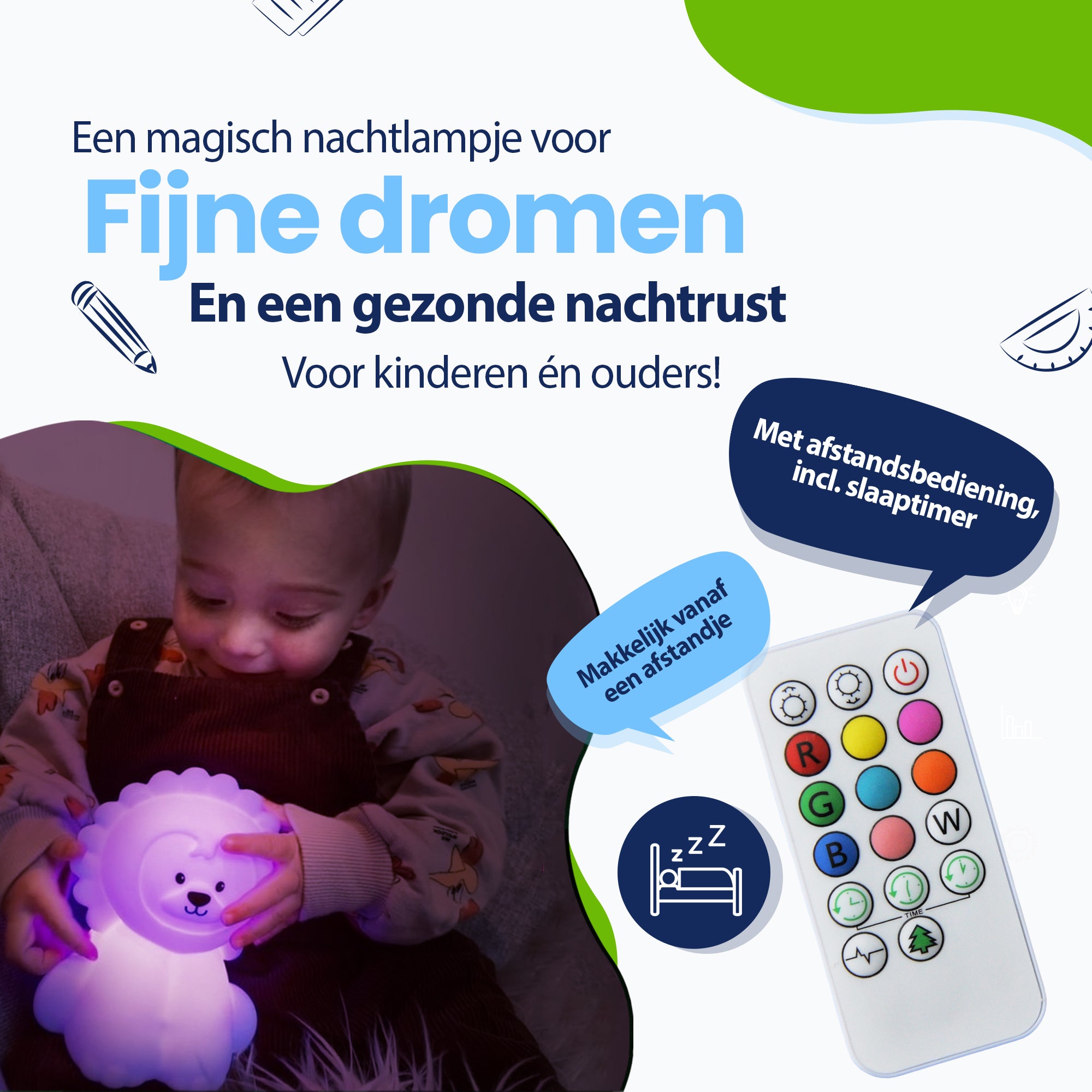
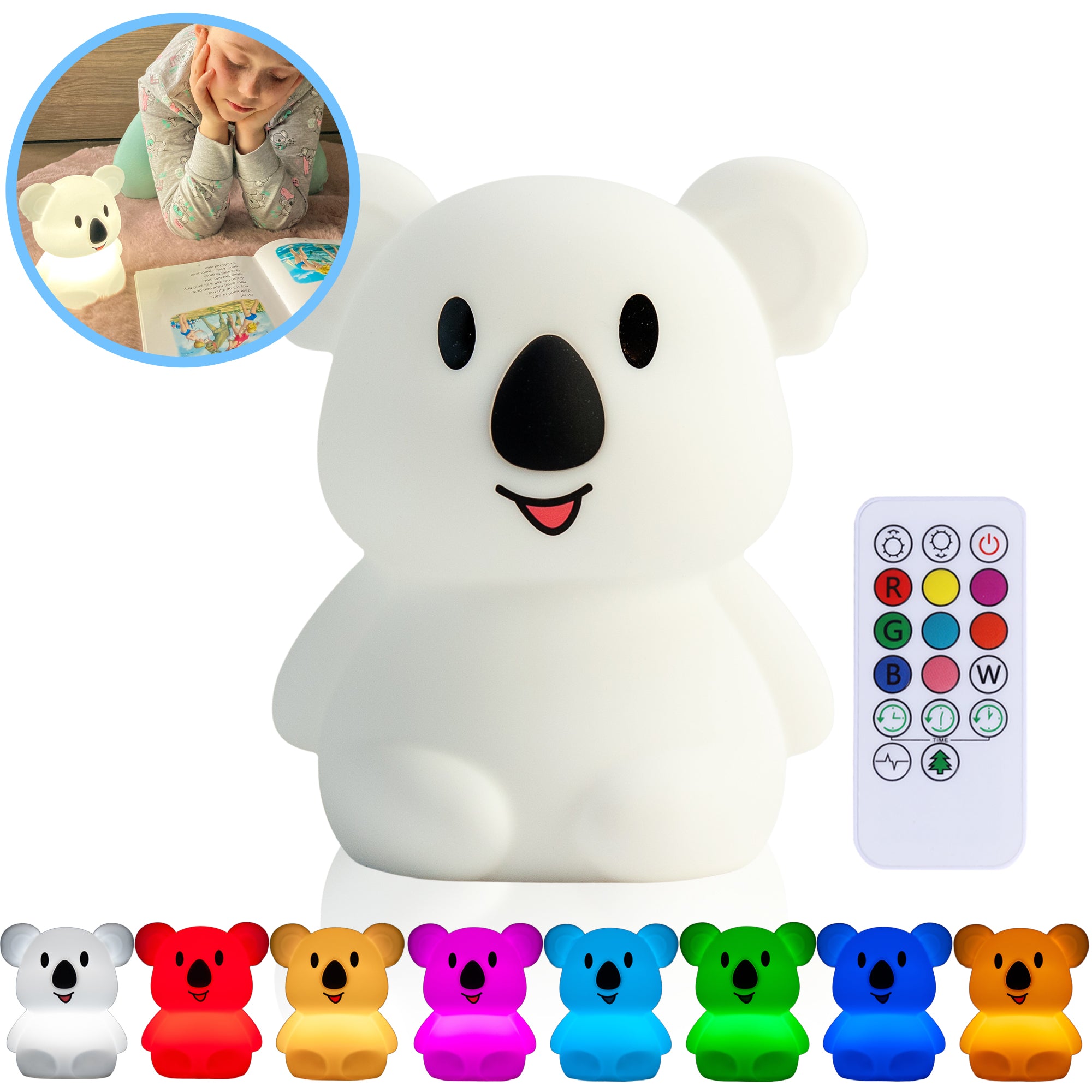
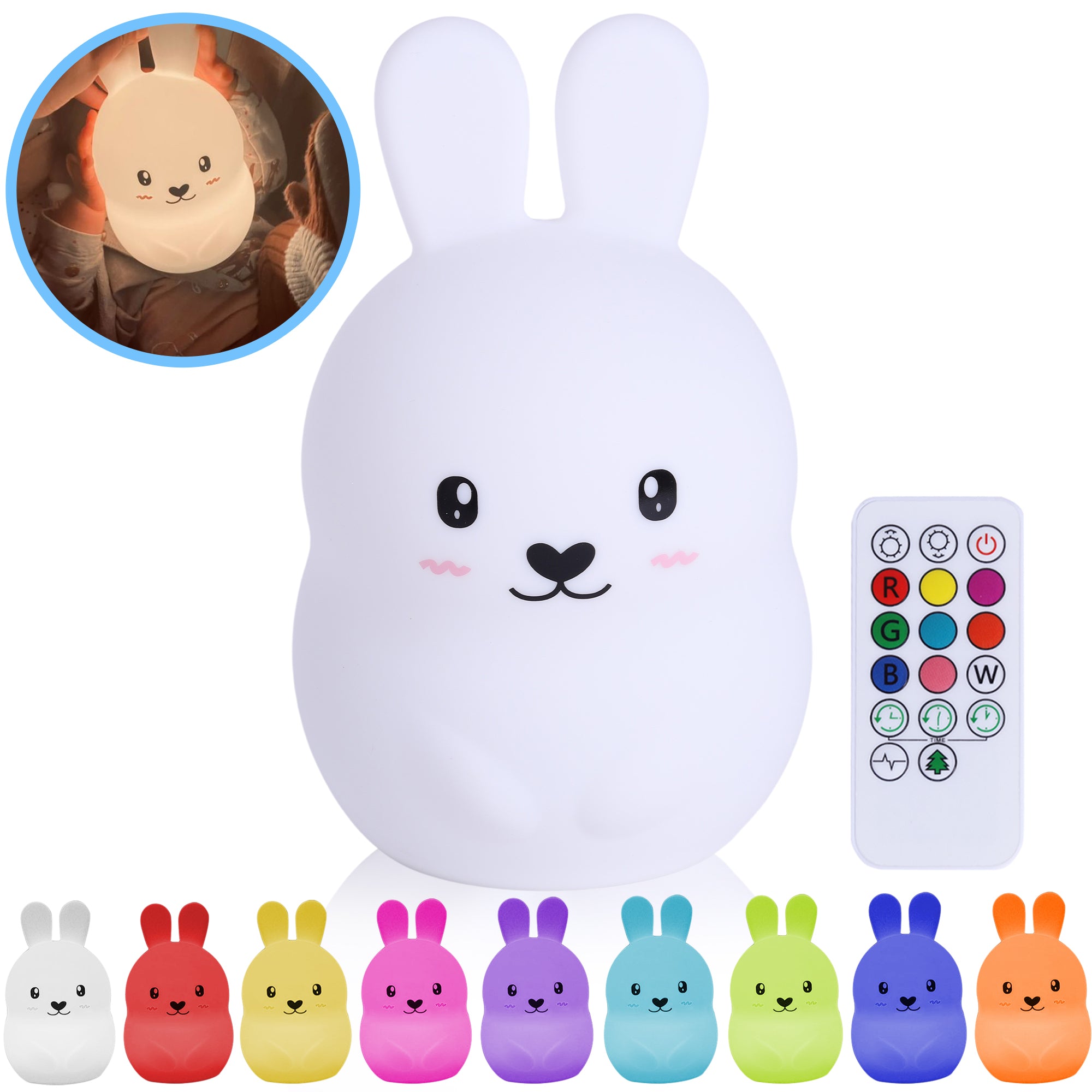
A bedtime routine, for example, might consist of: tidying up, brushing teeth, putting on pajamas, turning on a night light, reading a story, and going to sleep. Repeating these steps in the same order makes the routine familiar and predictable.
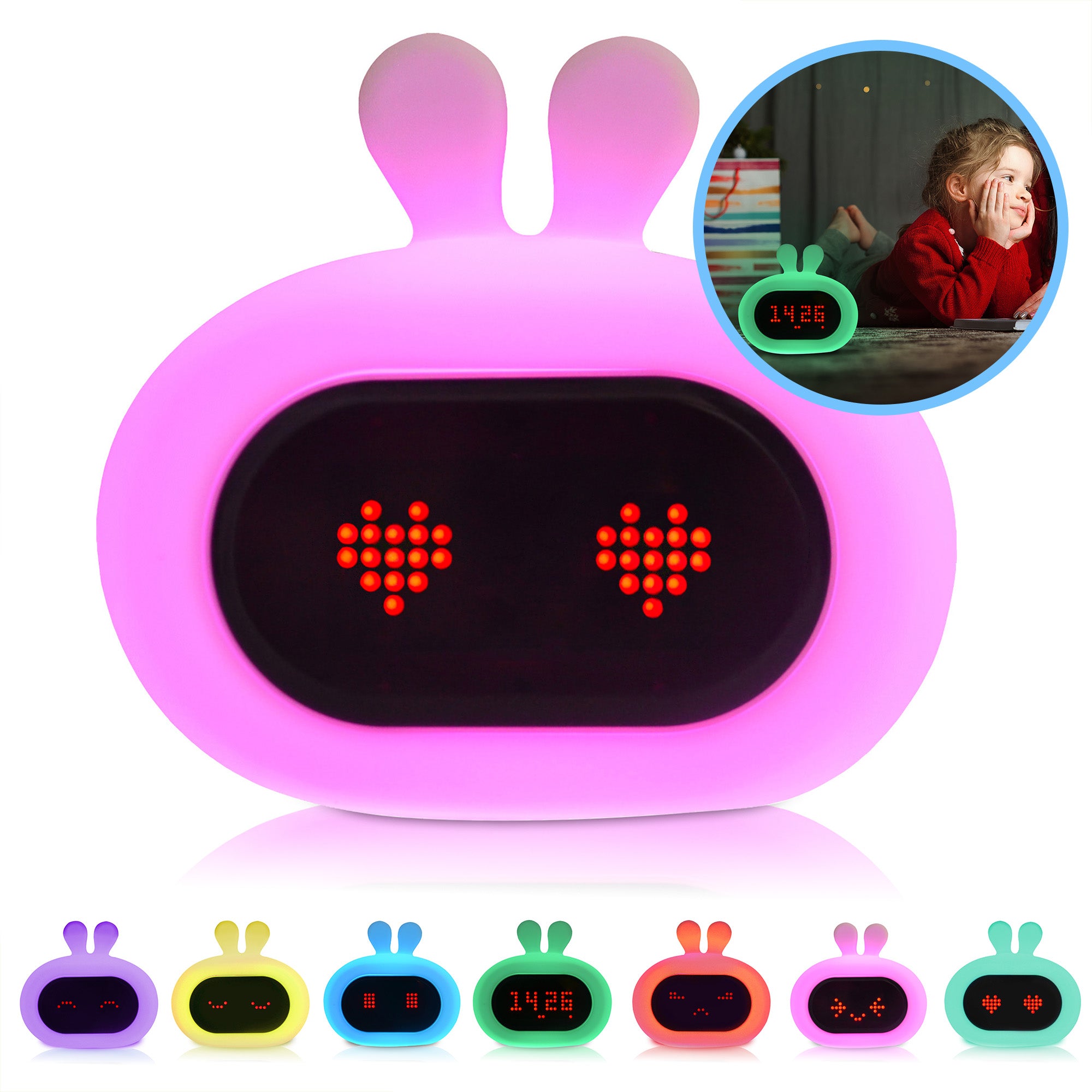
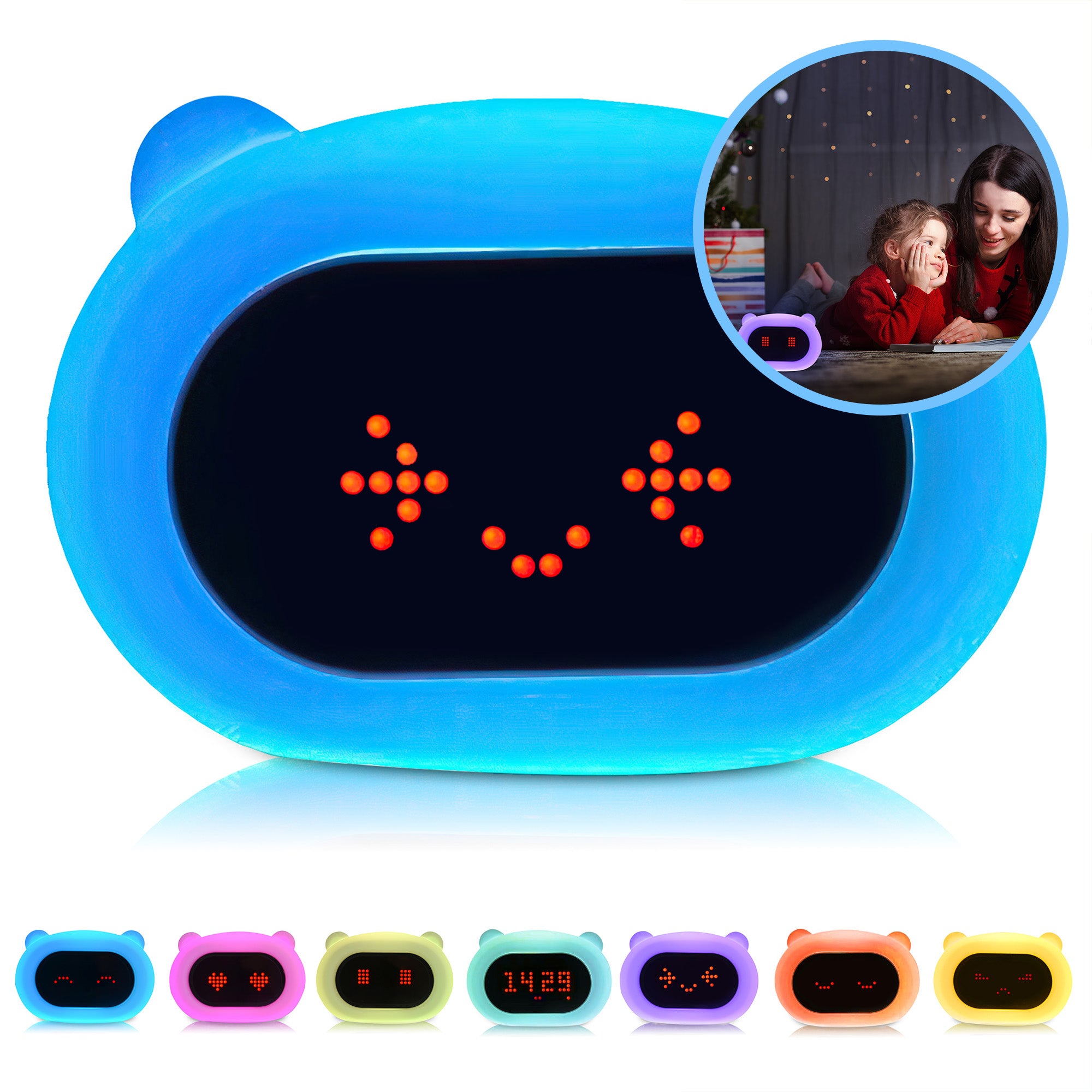
A children's alarm clock can help children develop a better sense of time in a playful way. It makes it easier to understand when it's time to sleep, wake up, or start the day calmly.
Lead by Example
Children learn a great deal by observing their parents. When you explain things calmly, tidy up, go to bed on time, or use screens mindfully, your child sees what these habits look like in daily life.
That doesn't mean everything has to be perfect. By practicing together and sometimes starting over, children learn that building habits takes time.
Make Good Habits Fun
Teaching good habits works best when it stays enjoyable and manageable. Turn tidying up into a game, sing a song while brushing teeth, or let your child choose which book to read before bed.
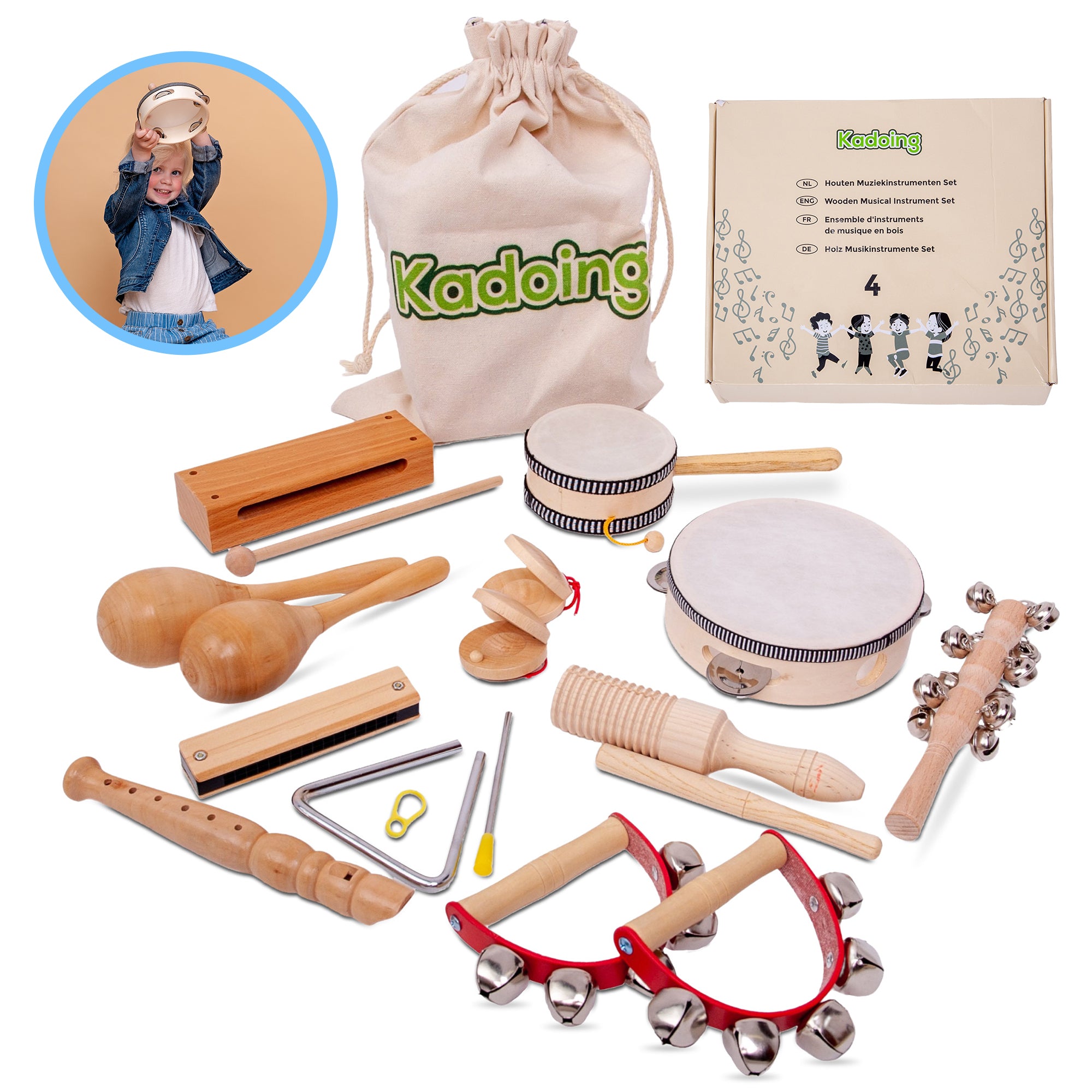
Toys can also support positive routines. After playing with creative or educational toys, for example, you can tidy up together as part of the play session. In our collection of durable wooden toys, you'll find products that encourage children to discover, practice, and play independently.
Why Patience Matters So Much
Developing a new habit takes time. It's completely normal for children to forget, resist, or need help again. Stay calm, repeat the routine, and praise them when they succeed.
By remaining loving and consistent, your child feels supported. This helps a new habit become something that naturally fits into everyday life rather than something that simply has to be done.
Frequently Asked Questions About Good Habits in Children
At what age can you start teaching children good habits?
You can begin introducing simple routines at a very young age, such as tidying up, brushing teeth, or following a bedtime routine. Keep the steps small and appropriate for your child's age.
How long does it take for a child to develop a habit?
This varies from child to child and from habit to habit. Repetition, clarity, and patience are more important than speed. Some routines feel natural after a few weeks, while others take longer.
What if my child doesn't want to cooperate?
Stay calm and make the task smaller. Offer simple choices, such as: "Would you like to put on your pajamas first or brush your teeth first?" This gives your child a sense of control within the routine.
Do rewards help with building good habits?
Positive attention and compliments can be very effective. Large rewards are usually unnecessary. Focus on what went well and why you're proud of your child's effort.
Which habits are most important for young children?
Important habits include consistent sleep routines, brushing teeth, tidying up, waking up calmly, eating together, playing outdoors, and treating others kindly.
Conclusion: Good Habits Grow Step by Step
New Year's resolutions sound inspiring, but good habits make the real difference in everyday life. By starting small, repeating routines, and staying positive, you help your child grow step by step.
With clear expectations, playful tools, and plenty of patience, healthy habits gradually become second nature. And that's a valuable gift children can benefit from for many years to come.