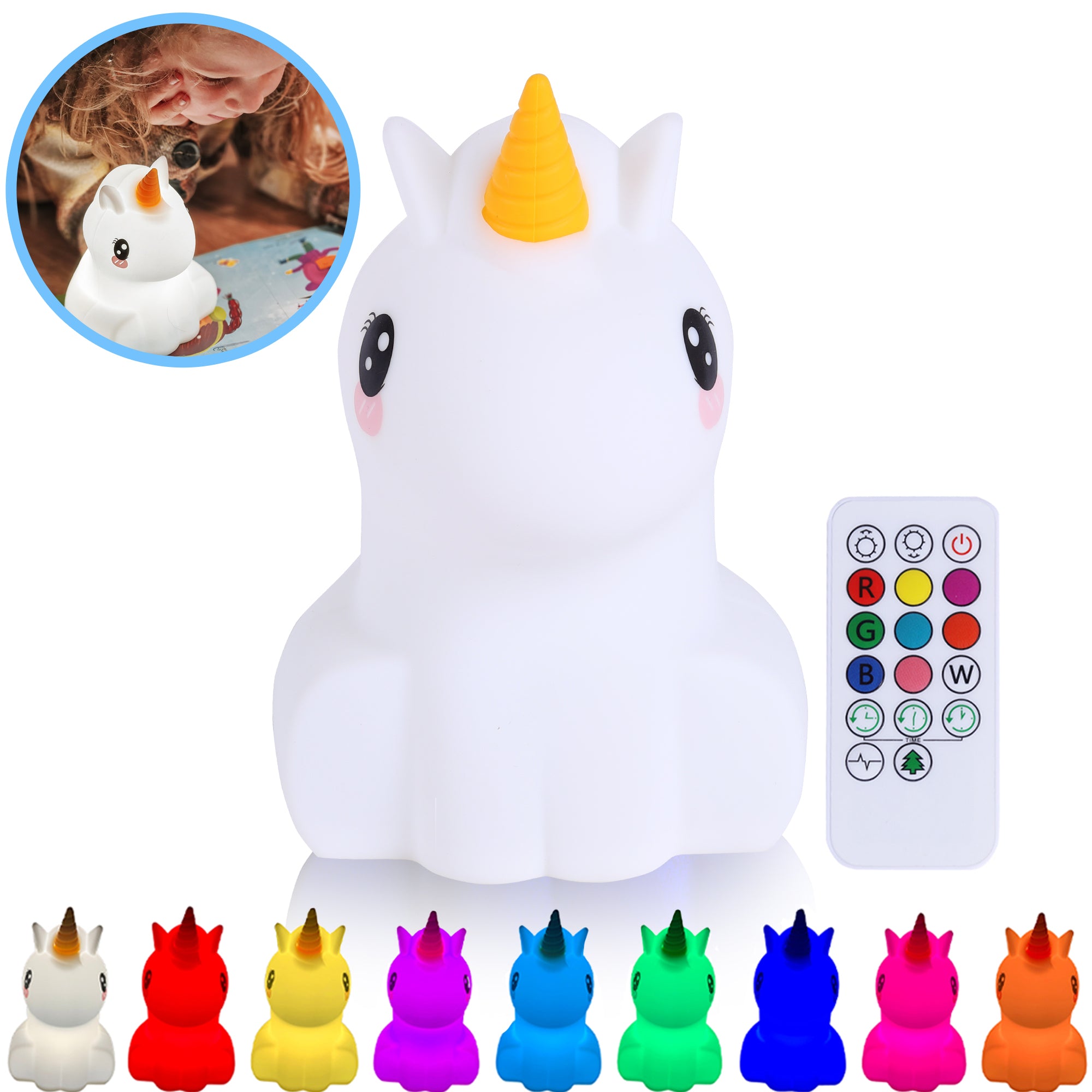
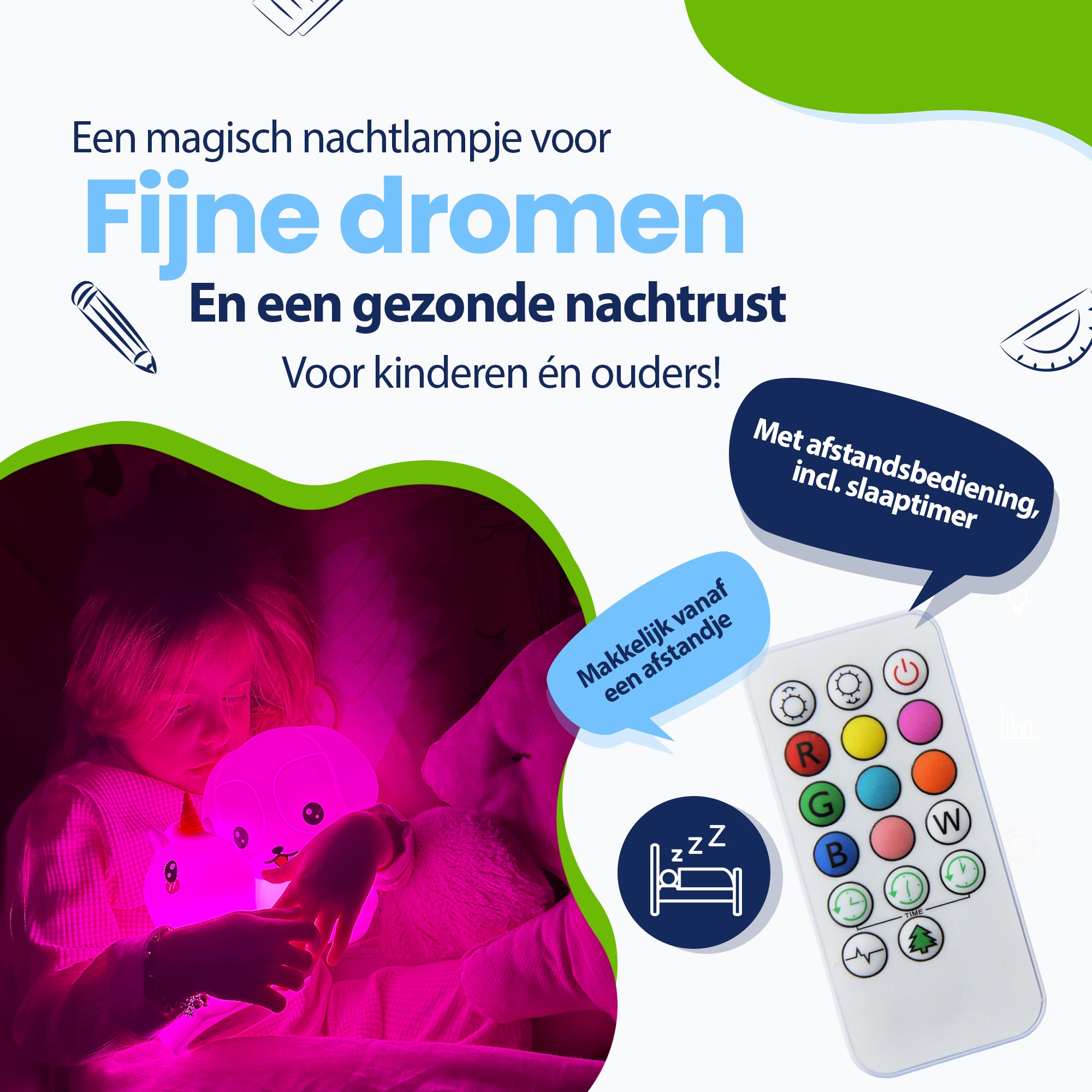
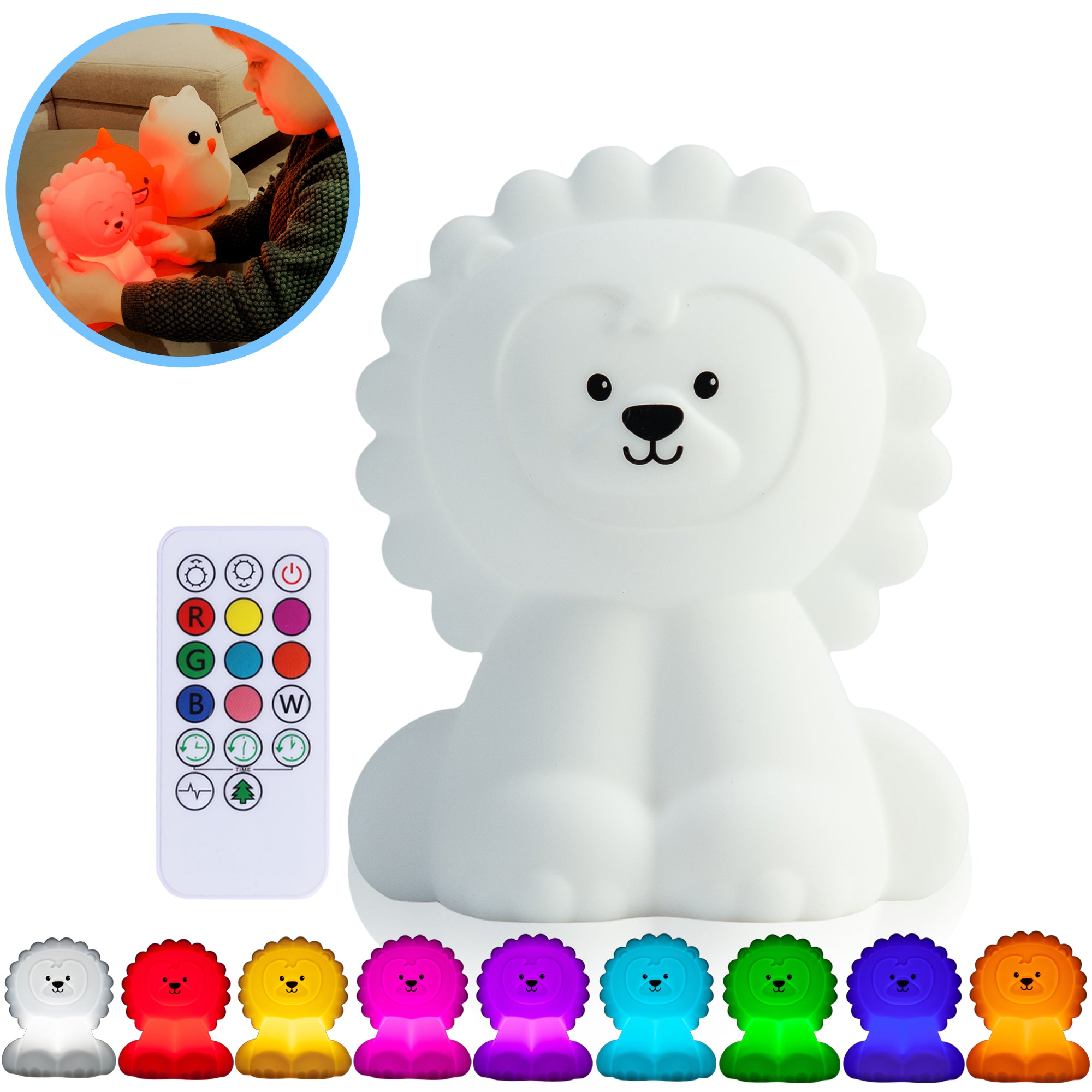
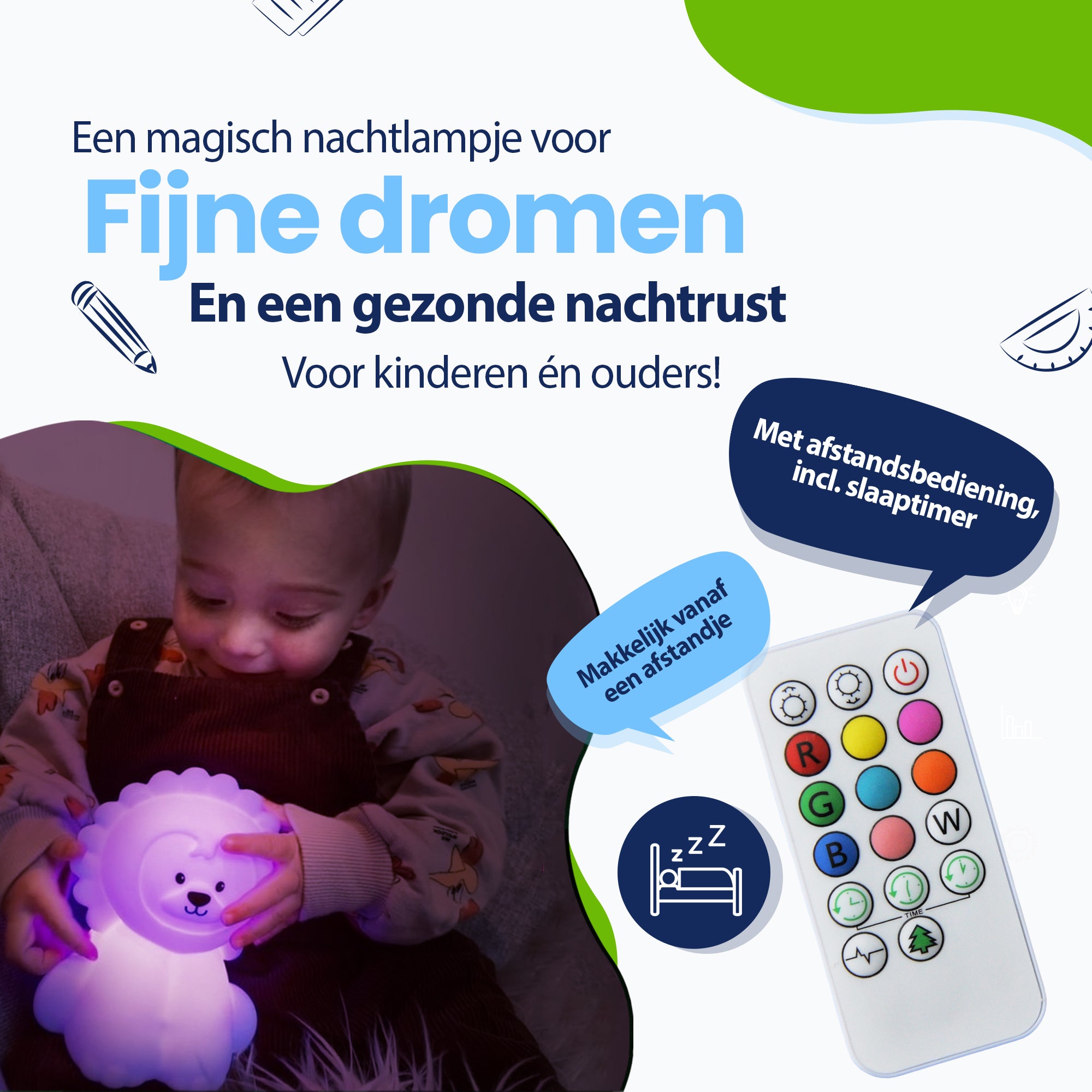
A children's alarm clock helps your child understand when it's time to get up and when it's okay to stay in bed a little longer.
Help your child sleep longer with a children's alarm clock
Many young children wake up early. Sometimes they are standing next to your bed before the day has even properly started. For parents, this can be exhausting, especially when it happens every morning.
A children's alarm clock or sleep trainer can help children learn in a calm and playful way when it's time to get up. Not through strict correction, but through clear signals that children can understand.
At Kadoing, we design children's alarm clocks that help children understand time, light, and sleep routines. This gives your child more clarity and creates a calmer start to the day.
Why do young children wake up so early?
Young children have little sense of time. When they wake up, they often don't know whether it's the middle of the night, early morning, or already time to get up.
For adults, a clock is easy to understand. For toddlers and preschoolers, numbers are often still abstract. That's why a regular alarm clock is usually less effective for young children.
A sleep trainer for children therefore uses light, colours, symbols, or facial expressions. This allows your child to see at a glance whether it's still sleeping time or whether the day may begin.
How does a children's alarm clock work?
A children's alarm clock is specially designed for young children. As a parent, you set a preferred bedtime, wake-up time, or routine. The alarm clock then uses light, sound, or display changes to indicate what should happen.
For example, as long as the light has not changed, your child knows they should stay in bed. When the set time is reached, the light changes or the alarm sounds. This helps your child gradually learn to stay in bed longer.
This makes a children's alarm clock especially useful for children who cannot yet tell the time but do respond well to visual cues.
Children's alarm clock or sleep trainer: what's the difference?
The terms children's alarm clock and sleep trainer are often used interchangeably. However, there is a small difference.
A children's alarm clock helps your child wake up at a specific time. A sleep trainer mainly helps your child understand when it's still sleeping time and when it's okay to get out of bed.
Many modern children's alarm clocks combine both functions. They work as an alarm clock, night light, and sleep trainer all in one. This is convenient because you can use one device for both the bedtime and morning routine.
Also read: at what age should you start using a sleep trainer?
The benefits of a children's alarm clock
A children's alarm clock can support your child's sleep routine in several ways.
- More clarity: your child can see when it's time to sleep or get up.
- Calmer mornings: children learn to stay in bed longer.
- Better understanding of time: your child learns about time through play.
- More independence: children learn to check the clock themselves.
- More rest for parents: mornings start less often too early.
- Consistent routine: the clock supports regular sleep and wake-up times.
How do you teach your child to stay in bed longer?
A children's alarm clock works best when introduced gradually. Explain what the clock does and what your child can expect. Keep it positive and clear rather than strict.
For example, start with a wake-up time close to when your child usually wakes up. Does your child normally wake up at 6:00 a.m.? Set the clock to 6:10 a.m. at first. Once that goes well, you can slowly move the time later.
This helps your child learn step by step that they can stay in bed until the alarm clock indicates that the day has started.
Use the children's alarm clock as part of a consistent routine
A children's alarm clock works better when it's part of a consistent evening and morning routine. Children thrive on repetition. It creates security and predictability.
A simple bedtime routine could look like this:
- Put on pyjamas
- Brush teeth
- Read a book
- Set the children's alarm clock
- Turn on the night light
- Cuddle with a favourite soft toy
- Go to sleep
By using the clock the same way every evening, it becomes a familiar part of bedtime.
Why a children's alarm clock with a wake-up light is so helpful
A wake-up light helps children wake up more gently. Instead of suddenly waking up to a loud alarm, the light gradually becomes brighter.
Kadoing children's alarm clocks feature a wake-up light function. Around 10 to 15 minutes before the alarm sounds, the light slowly begins to brighten. This makes waking up feel less abrupt and more pleasant.
This feature is especially useful during winter when it's still dark outside and children often find it harder to wake up.
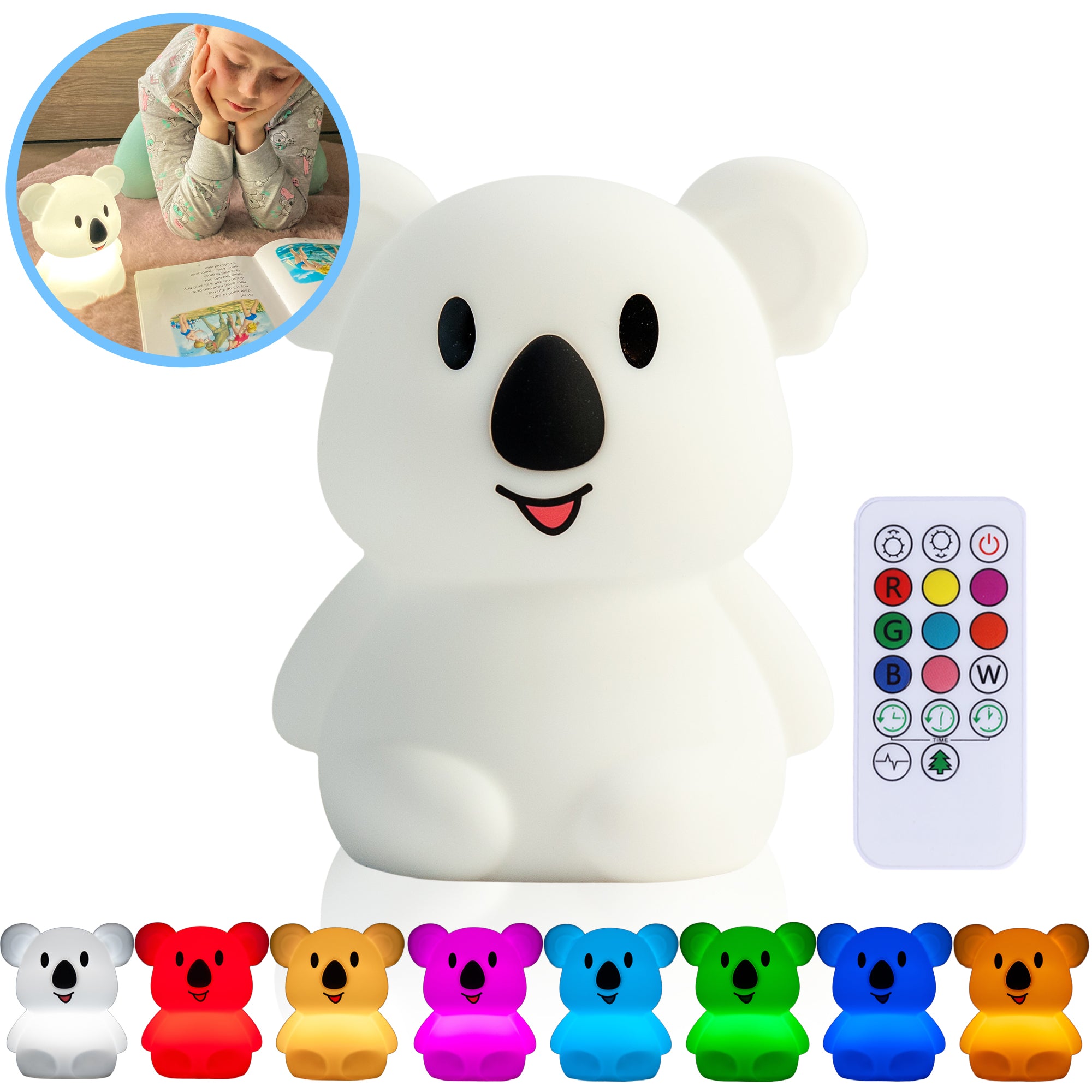
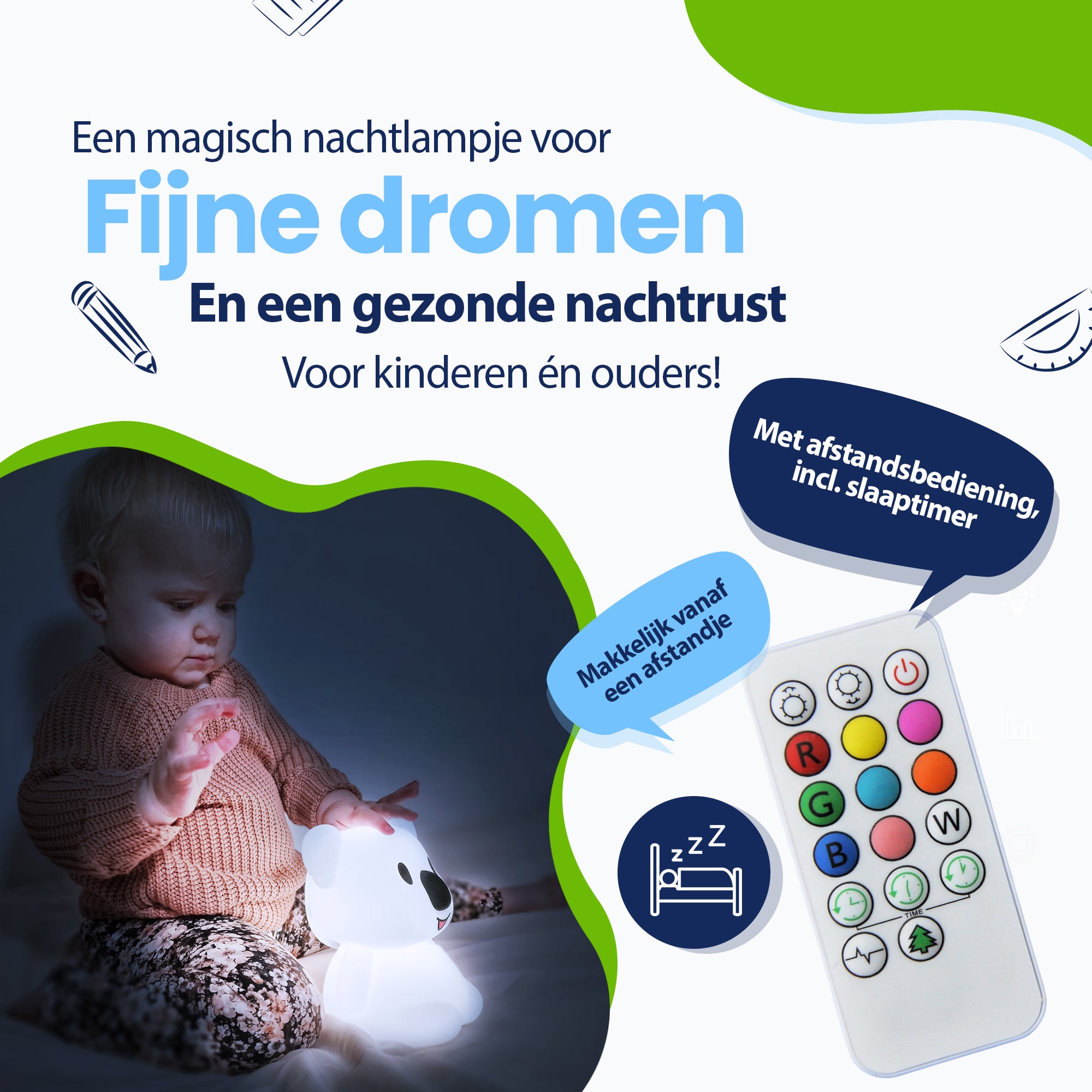
The Kadoing Bear children's alarm clock
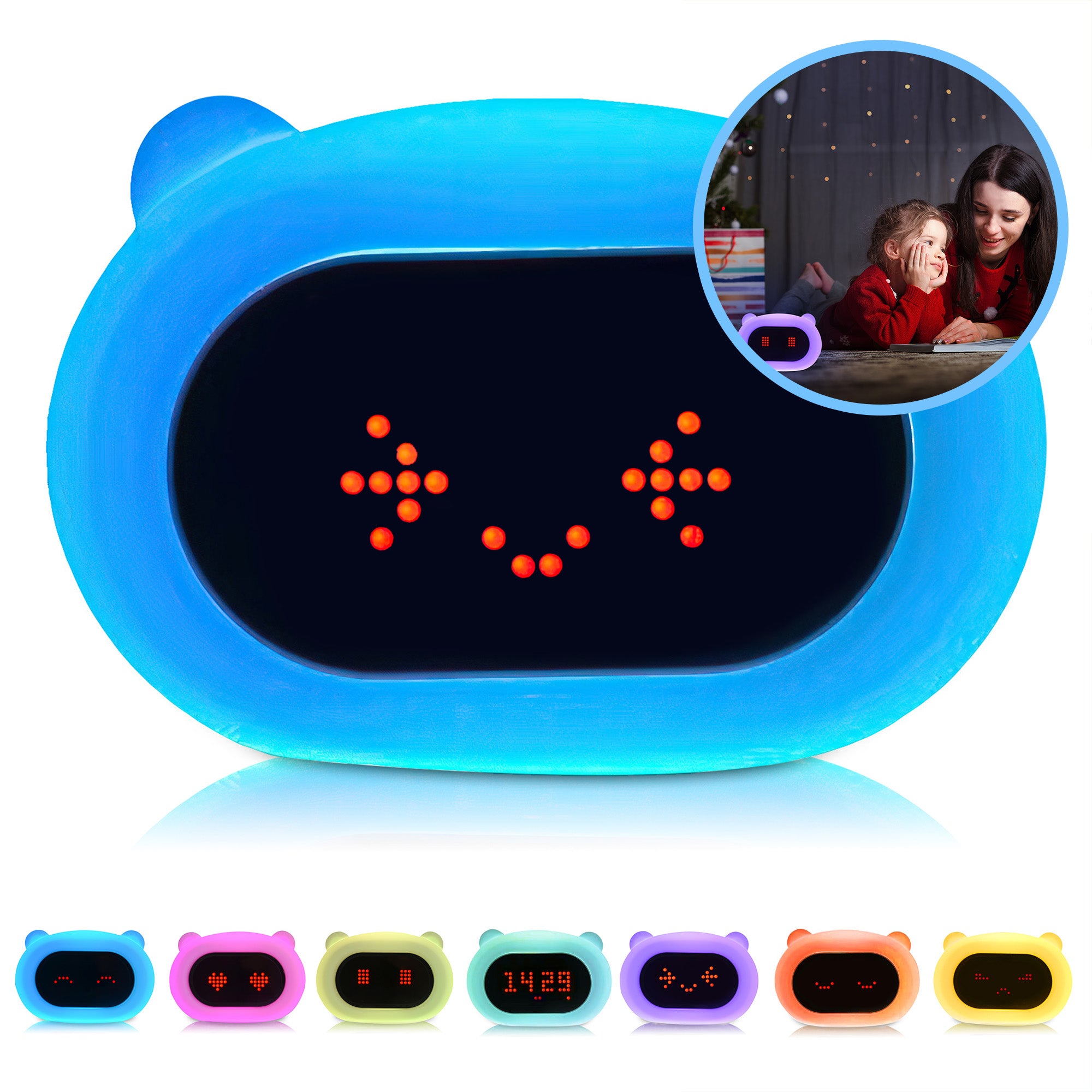
The Kadoing Bear children's alarm clock is designed for children who want to learn about sleeping, waking up, and time in a playful way.
The bear has a friendly design and fits perfectly in a child's bedroom. Thanks to the combination of alarm clock, sleep trainer, and night light, it's practical for parents and easy for children to understand.
The wake-up light function helps children wake up more gently. At the same time, the soft light creates a cosy atmosphere at bedtime.
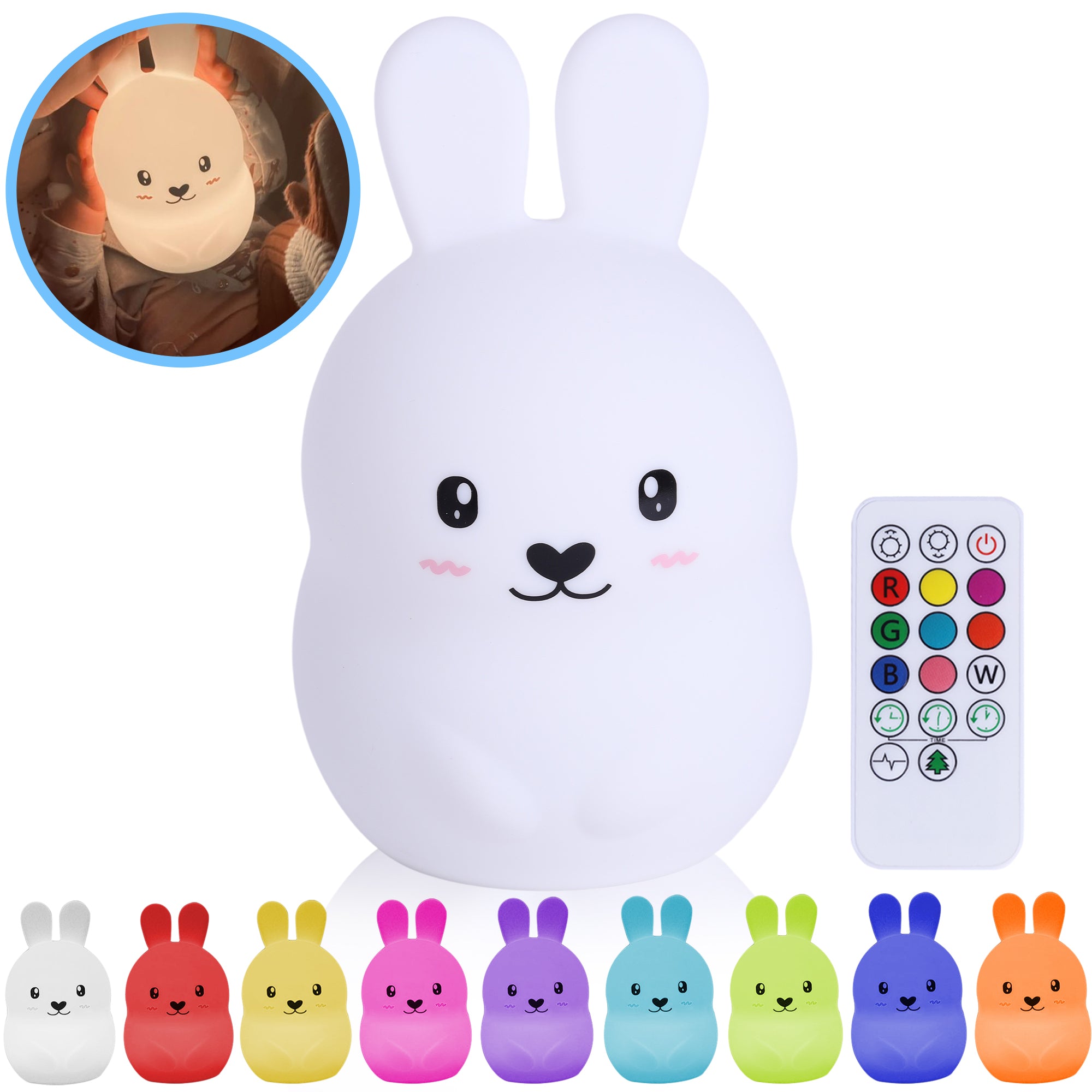
The Kadoing Rabbit children's alarm clock
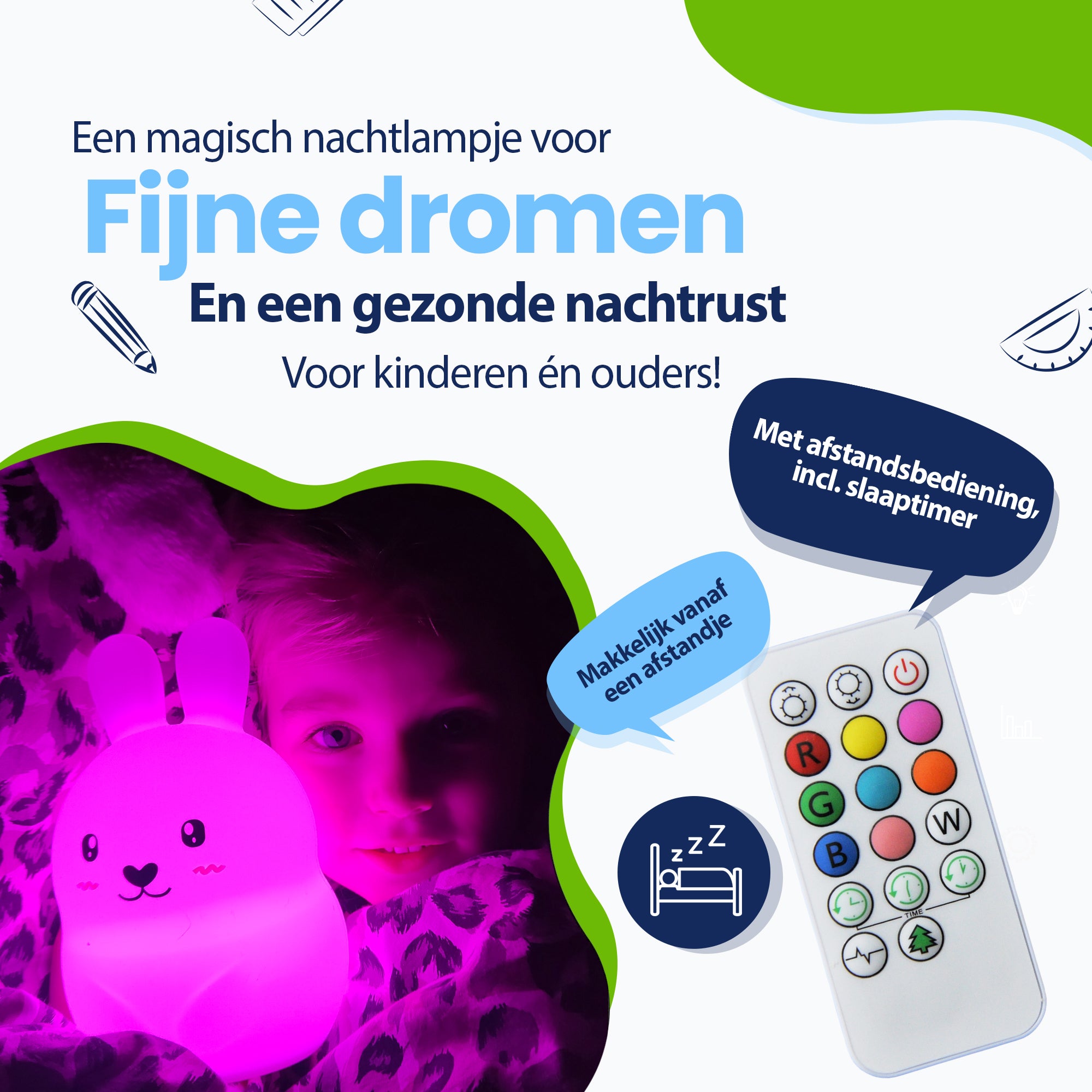
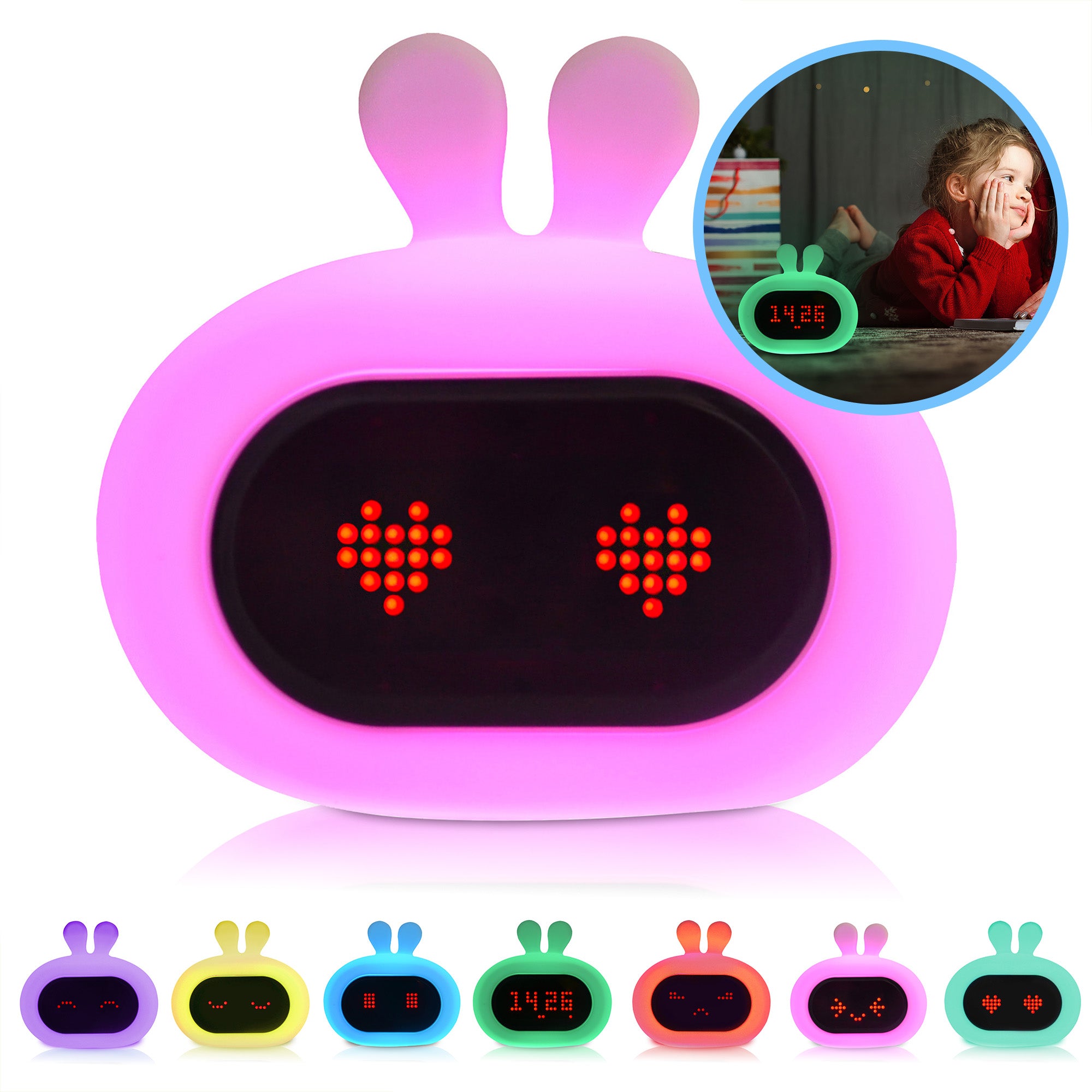
In addition to the bear, there is also the Kadoing Rabbit children's alarm clock. This version offers the same useful features but in a cute rabbit design.
The rabbit alarm clock is popular with children who love soft, friendly shapes. Like the bear, it helps build a clear sleep routine.
Both children's alarm clocks are rechargeable, child-friendly, and designed for everyday use.
View the collection of Kadoing children's alarm clocks and sleep trainers.
Children's alarm clock with night light
Many children feel more comfortable with a soft light on during the night. That's why a children's alarm clock with a built-in night light is especially practical.
The night light helps children feel safer in the dark while keeping the bedroom calm enough for a good night's sleep.
Does your child mainly struggle with darkness or sleeping alone? Then also read our blog: does a night light help with fear of the dark?.
At what age is a children's alarm clock useful?
Many parents start using a children's alarm clock or sleep trainer when their child is around 2 to 3 years old. At this age, children begin to understand simple routines and signals much better.
From around age 4, many children also become more interested in telling the time. At that point, a children's alarm clock becomes not only practical but also educational.
The most important thing is to introduce the clock gradually and explain what the signals mean.
Tips for successfully using a children's alarm clock
- Explain calmly how the clock works and when your child is allowed to get up.
- Start with small steps and don't immediately set the wake-up time much later.
- Use positive language and avoid turning it into a battle.
- Stick to the routine, including weekends whenever possible.
- Use soft lighting if your child is afraid of the dark.
- Give praise when your child waits until the clock signals it's time to get up.
Can a children's alarm clock really help with early waking?
A children's alarm clock is not a miracle cure, but it can certainly help. Especially for children who get out of bed too early because they don't know what time it is, a sleep trainer provides a lot of clarity.
Success mainly depends on consistent use. When you combine the alarm clock with a calm sleep routine, clear explanations, and patience, your child can gradually learn to stay in bed longer.
Also read: what is the best sleep trainer for toddlers?
Kadoing: sustainable, child-friendly, and Dutch designed
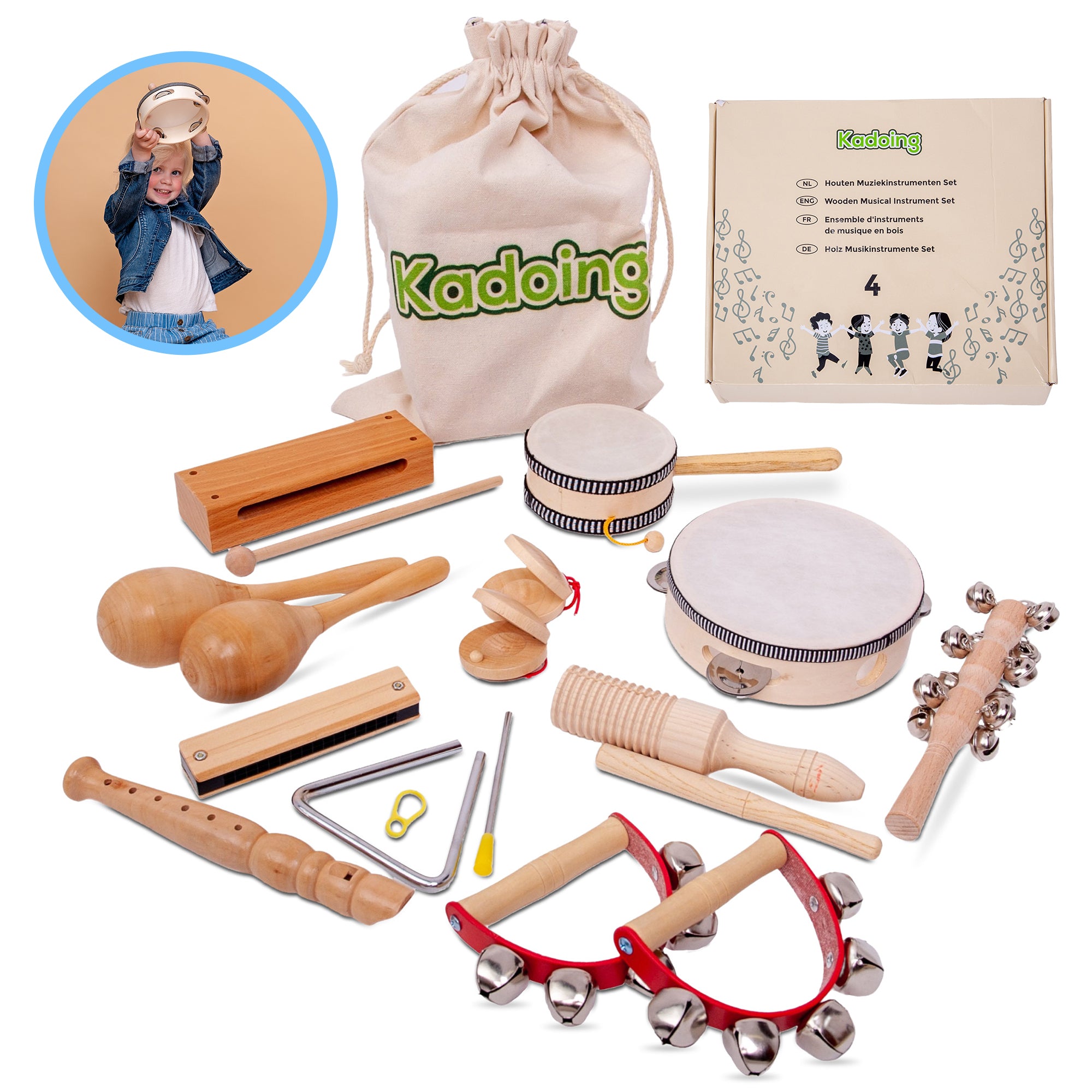
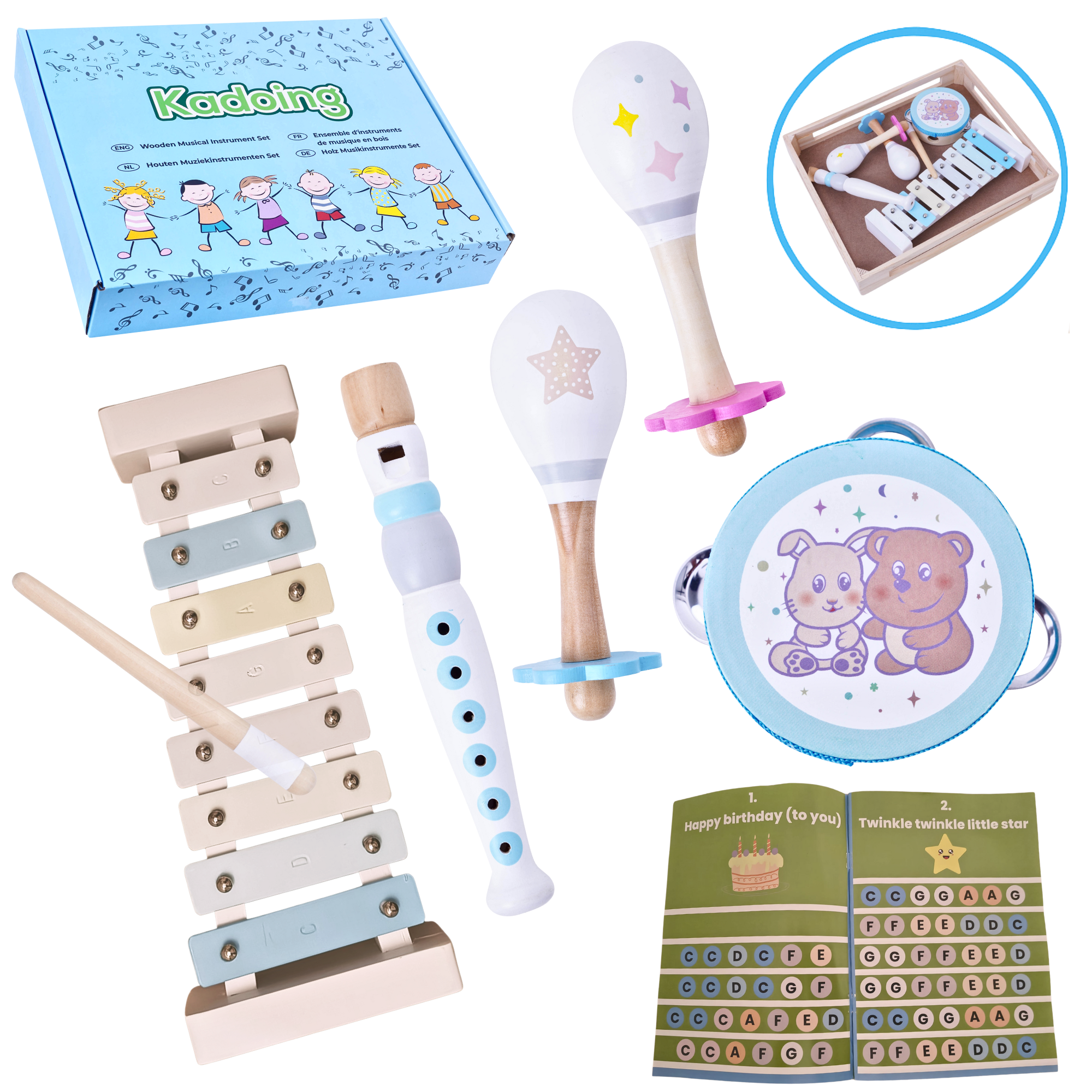
Kadoing develops products that support parents in everyday routines. Our children's alarm clocks, night lights, music sets, and Montessori toys are designed to combine calm, play, and development.
We believe children learn through repetition, recognition, and play. That's why our children's alarm clocks are not only practical but also friendly in design and easy to use.
This makes waking up easier, more enjoyable, and more relaxing for the whole family.
Frequently asked questions about children's alarm clocks
Can a children's alarm clock help my child sleep longer?
A children's alarm clock can help your child stay in bed longer. Young children especially learn through clear light and time signals when they are allowed to get up.
At what age should you use a children's alarm clock?
Many parents start using a children's alarm clock from around 2 to 3 years of age. At that stage, children become much better at understanding simple signals.
What's the difference between a children's alarm clock and a sleep trainer?
A children's alarm clock helps with waking up. A sleep trainer helps your child understand when it's still sleeping time and when it's okay to get up. Many models combine both functions.
Is a children's alarm clock with a night light useful?
Yes, especially for children who are afraid of the dark. The night light provides a sense of security and supports a calm sleep environment.
How do you use a sleep trainer most effectively?
Introduce the sleep trainer gradually, explain the signals, and use it consistently as part of the bedtime routine.
Conclusion: calmer mornings with a children's alarm clock
A children's alarm clock helps children understand in a playful way when it's time to sleep and when it's okay to get up. This creates clarity for your child and more peace of mind for parents.
The Kadoing Bear and Rabbit children's alarm clocks combine sleep trainer features, a wake-up light, and a night light in one child-friendly design. This helps support a calm sleep routine and a better start to the day.
Browse the collection of Kadoing children's alarm clocks and discover which sleep trainer is right for your child.