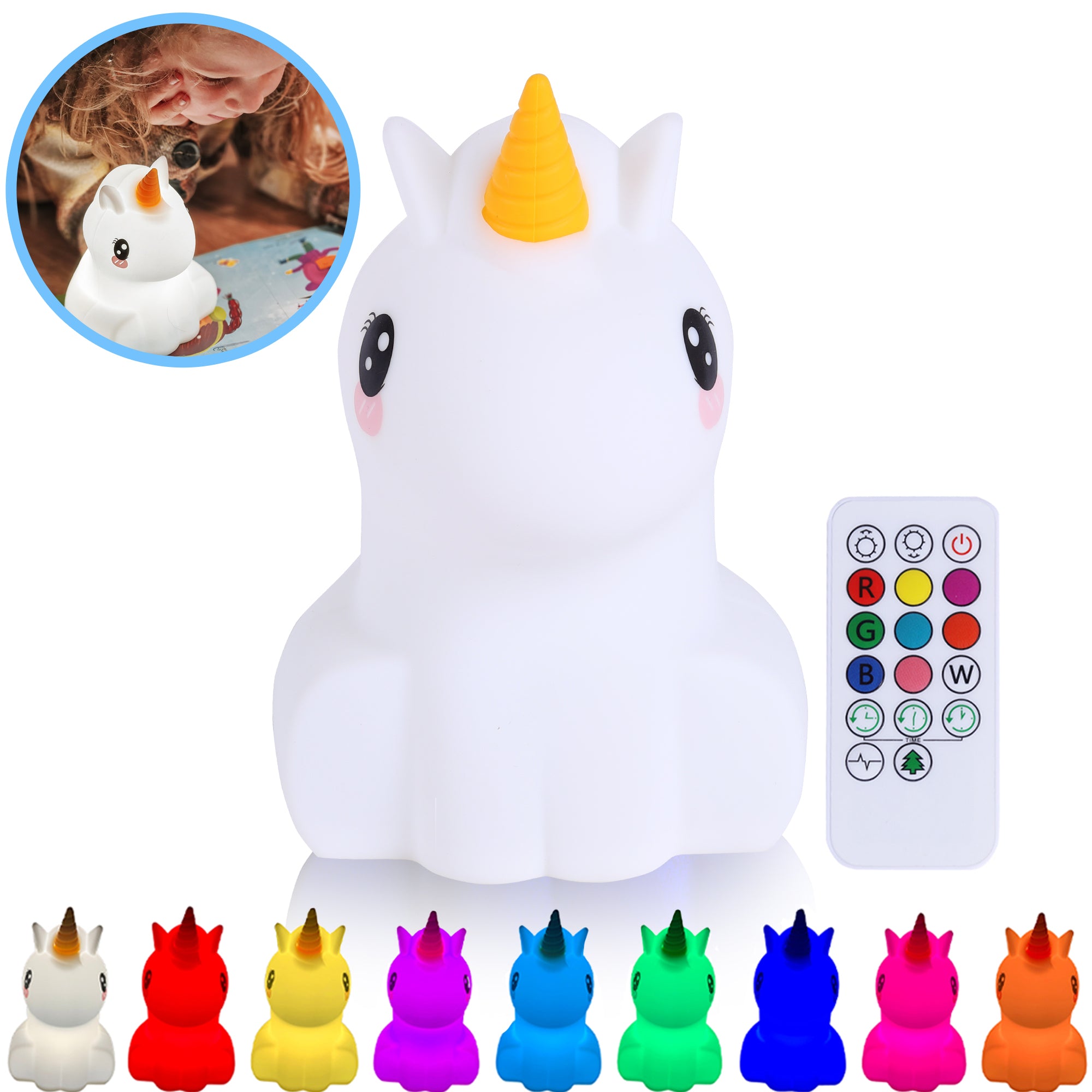
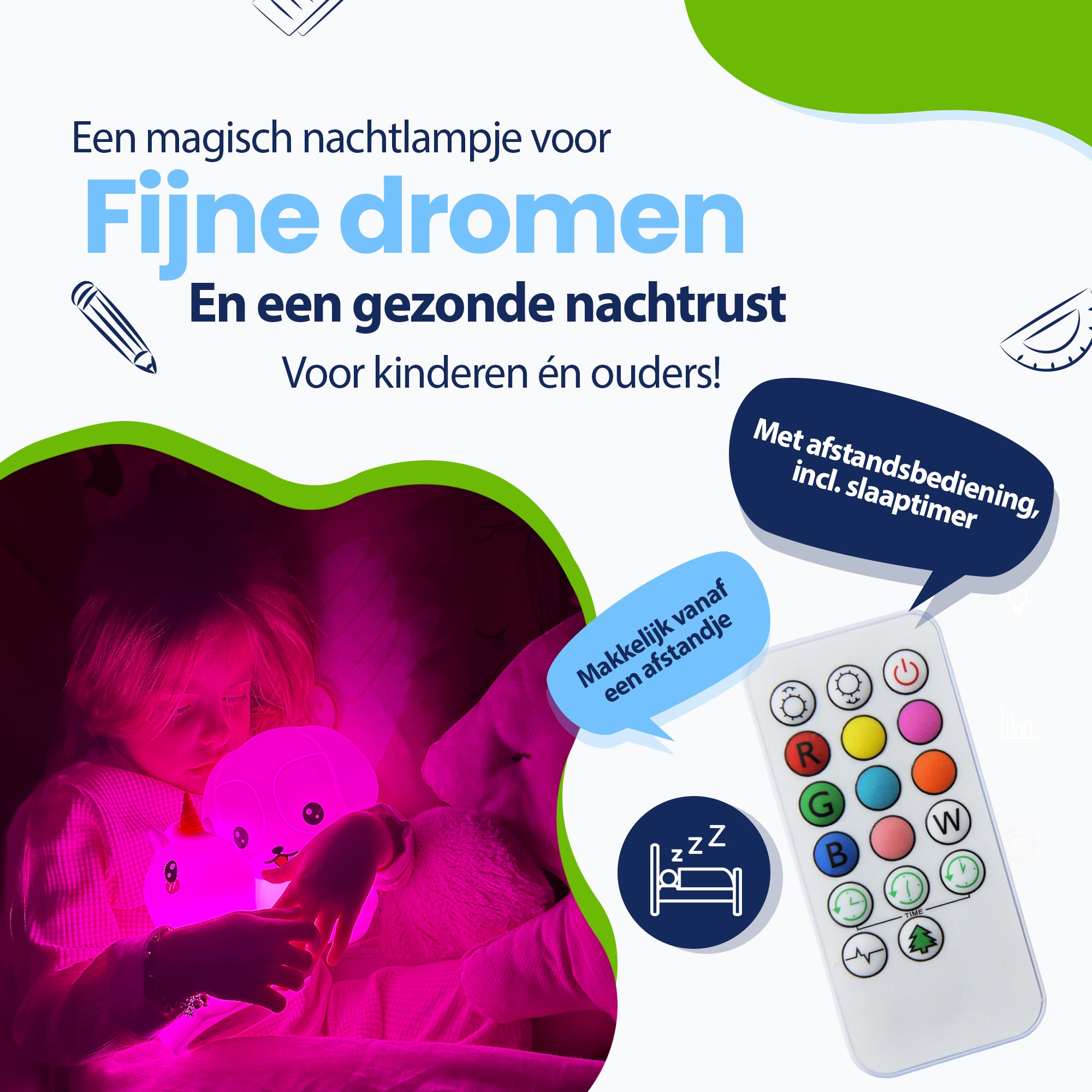
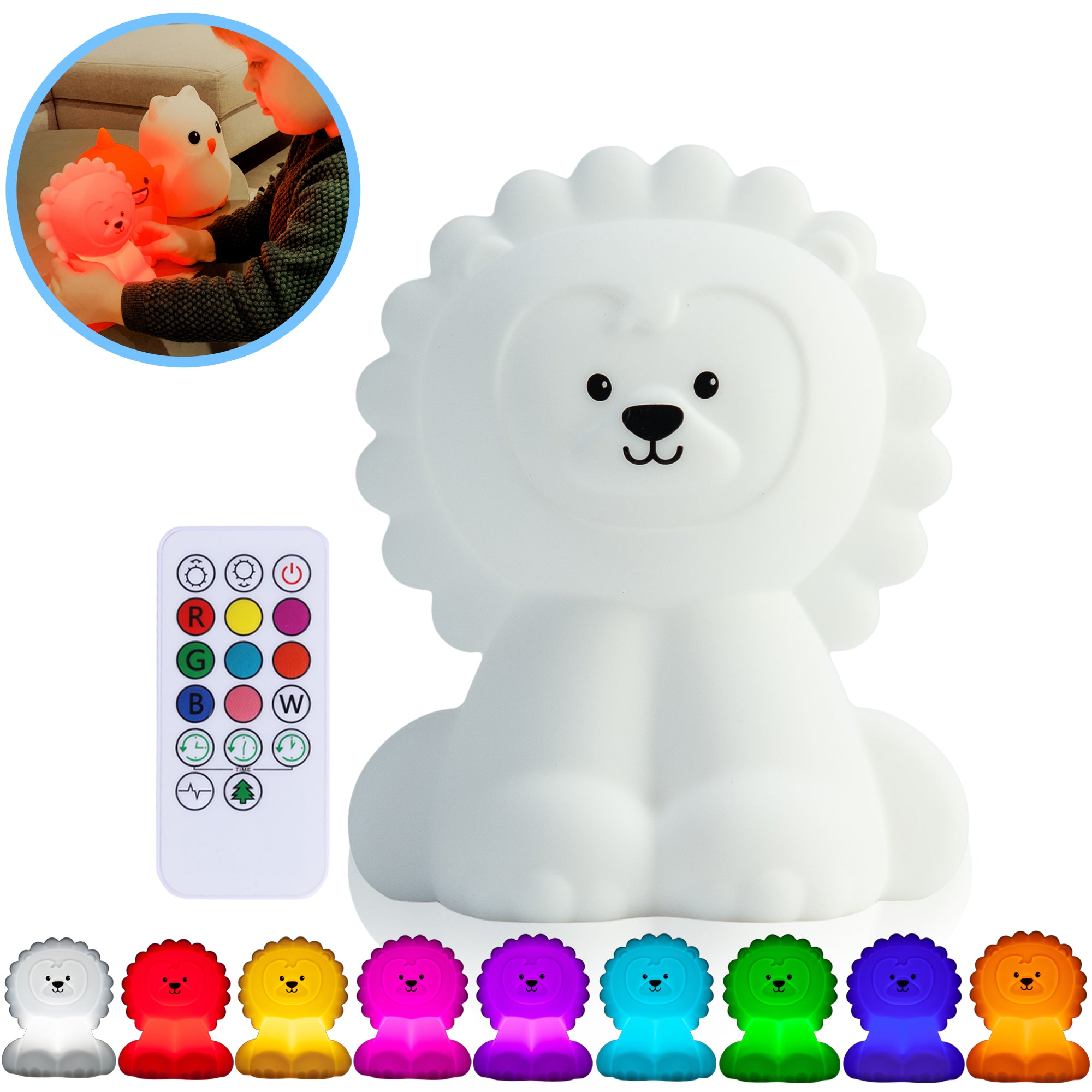
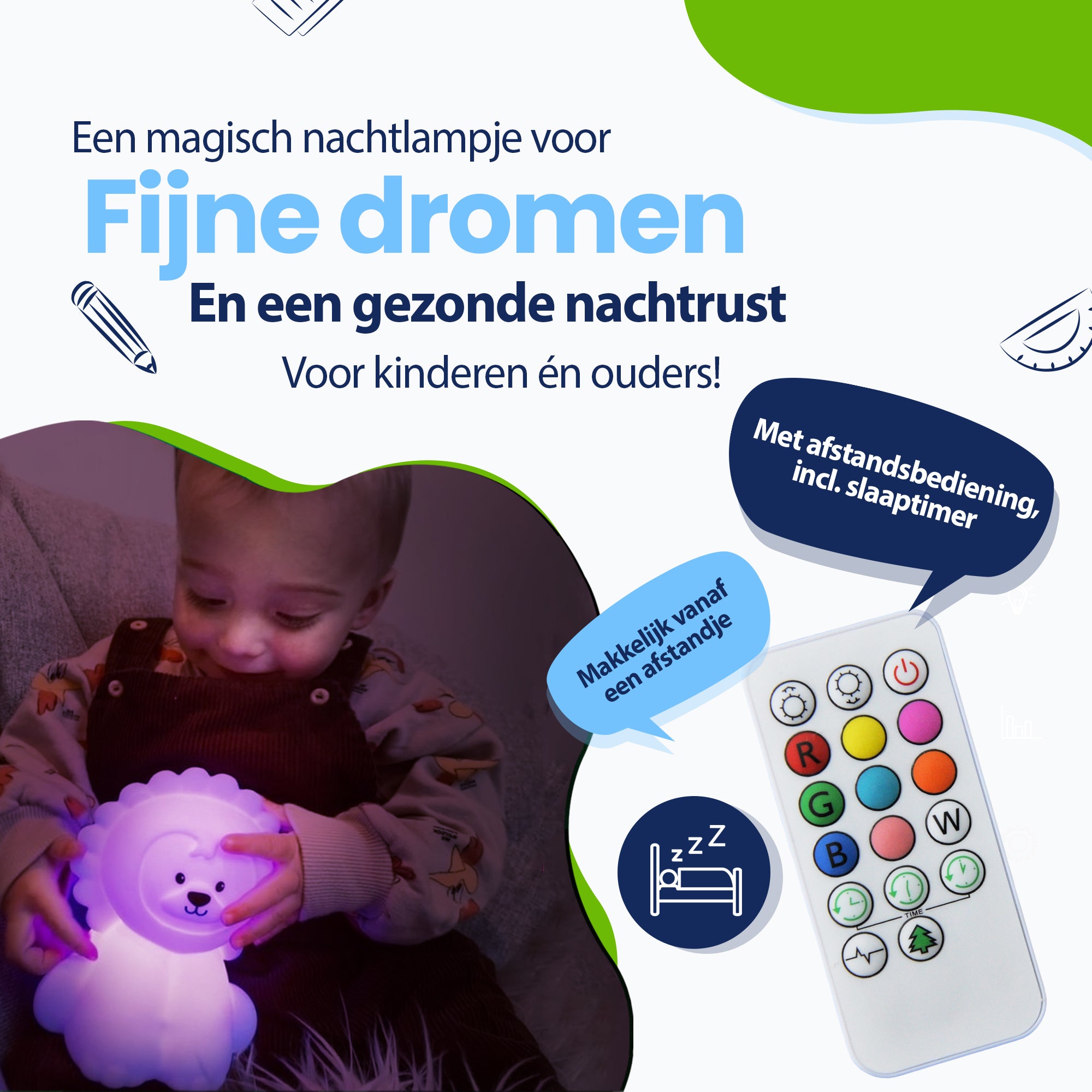
It is six o’clock, it is still quiet outside and your toddler is standing cheerfully beside your bed. Sound familiar? The question naturally follows: what age can you start using a sleep trainer clock? A sleep trainer clock can provide a recognisable visual signal for when the day begins, but there is no single set age. Your child’s development, temperament and daily rhythm matter at least as much as their age.
A sleep trainer is often introduced during the toddler years, but the point at which a child understands its signal varies. So do not look only at age; pay particular attention to your child’s interest in simple routines and agreements. The aim is not for your child to sleep longer straight away. It is about offering friendly, clear guidance around mornings and bedtime.
Why a sleep trainer clock is not yet right for every baby
A sleep trainer with agreed sleep and wake-up times is generally not intended for babies yet. At this stage, the focus is mainly on care, sleep and a familiar routine. A calm bedtime ritual might include a clean nappy, a sleeping bag and a song.
There is no need to rush into using a sleep trainer with younger toddlers either. They may find the light interesting, while their ability to understand the agreement behind it differs from child to child. That is absolutely fine. At first, see the clock as a familiar part of the room rather than a rule your child has to follow.
Once your child begins to understand simple agreements and familiar signals, a sleep trainer may become more useful. For example, you can use the same words each time the clock gives its visual signal. Not because a clock determines when morning begins, but because this lets you use the same recognisable cue instead of repeatedly explaining that it is still early.
Signs that a sleep trainer might suit your family
Age is a useful guideline, but your child’s behaviour often tells you more. A sleep trainer may suit your family if your child shows an interest in routines and simple agreements. Perhaps your child already points to the clock, asks when it is time to get up or understands a simple if-then sentence.
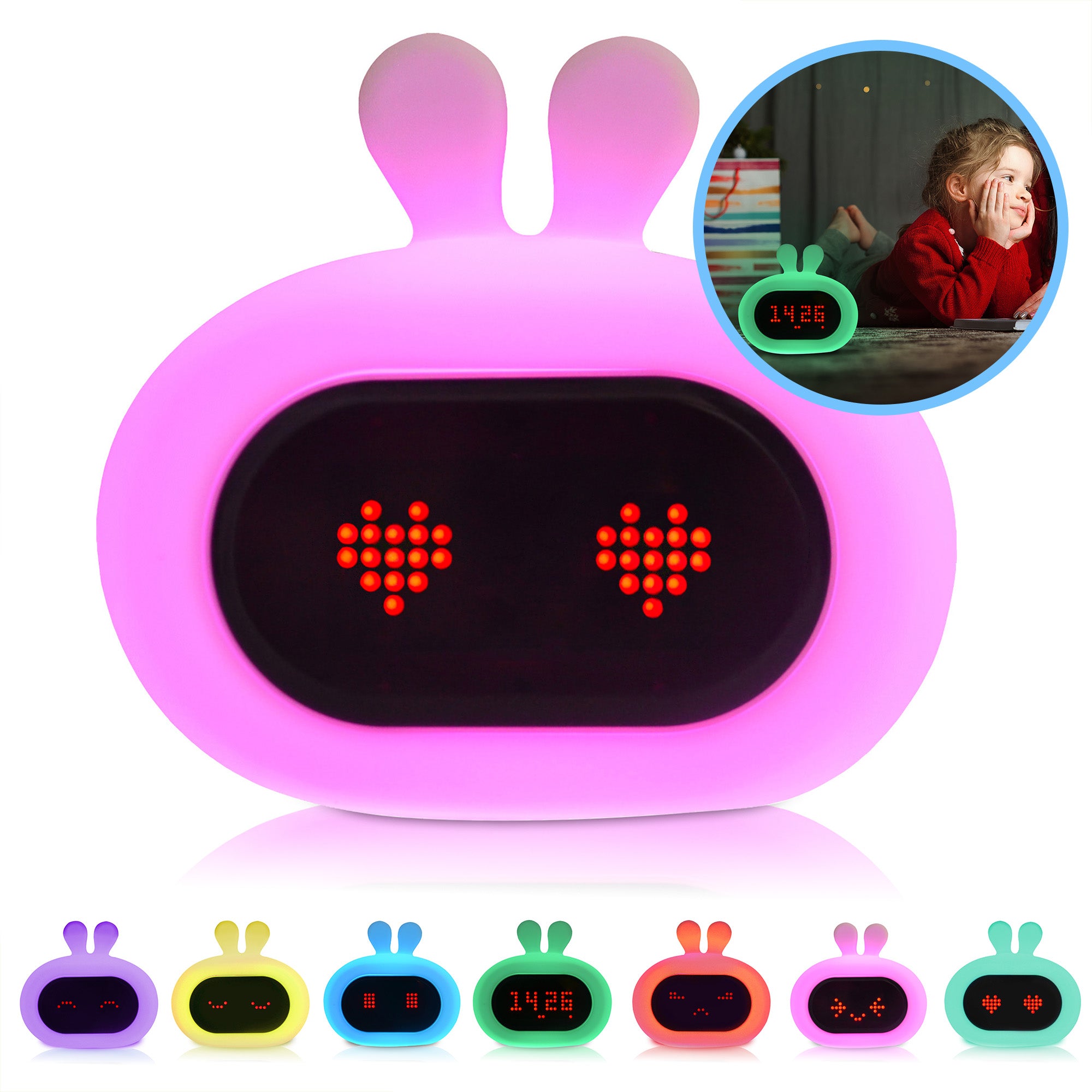
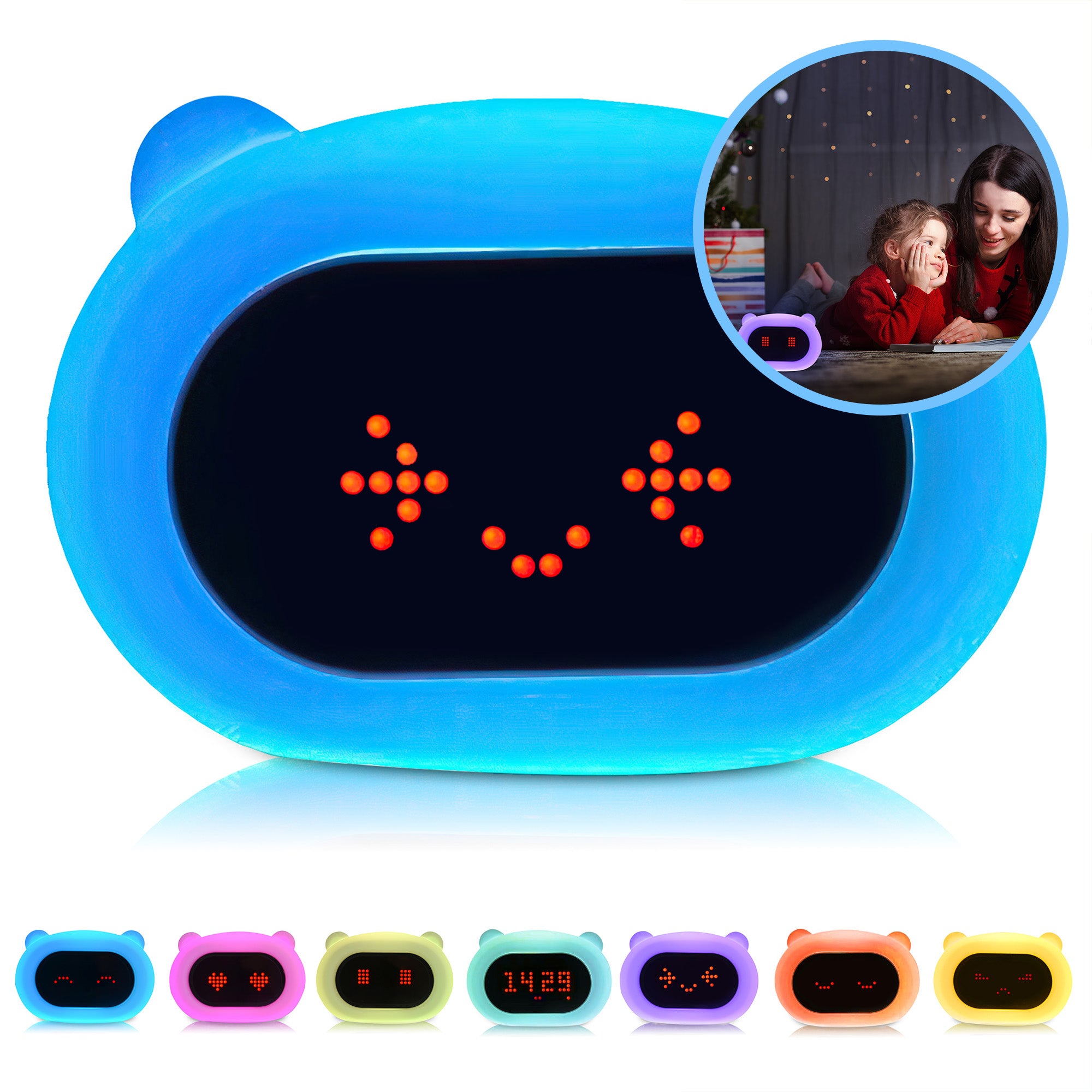
Also notice how your child responds to visual cues. Toddlers who recognise colours, suns, moons or animals often grasp the idea of a sleep trainer more quickly. A clock with a clear image is usually more helpful than numbers alone on a display.
It also helps if there is already a reasonably familiar rhythm around going to sleep and waking up. This rhythm does not need to be identical to the minute. Weekend mornings can be different from weekdays. It is helpful, however, if your child knows that after sleeping comes morning, getting dressed, breakfast and starting the day together. You can also read how to build a calm sleep routine for your toddler.
How to introduce a sleep trainer without conflict
The best time to start is during the day, when nobody is tired or in a hurry. Set up the sleep trainer together and explain what happens in very simple words. For example: ‘When the moon is shining, it is still quiet time. When the sun appears, you may call us or get out of bed.’ Choose words that suit your family.
Then turn it into a small ritual. Look at the clock together before bedtime and explain what you expect tomorrow. Repetition builds confidence. A toddler does not have to get it right straight away to learn from it.
Start with an achievable time too. If your child usually wakes at half past six, do not immediately set the sleep trainer to eight o’clock. That can be a big step. Choose a time close to when your child normally wakes. Once using the clock feels familiar, you can decide whether you want to adjust the time gradually. You can also read the step-by-step guide to setting up a sleep trainer for your toddler.
If your child wakes earlier, respond calmly and consistently. Briefly remind them about the light and, if appropriate, offer a quiet activity such as playing with a familiar cuddly toy or listening to gentle music. Do not expect every child to stay quietly in bed straight away. Some children need a few friendly reminders before the new ritual feels familiar.
Which sleep trainer clock suits which age?
A simple visual signal can be helpful for young children. Think of a moon and a sun, a closed and an open eye, or two clearly different colours. This means you do not have to explain quiet time and wake-up time using clock times alone.
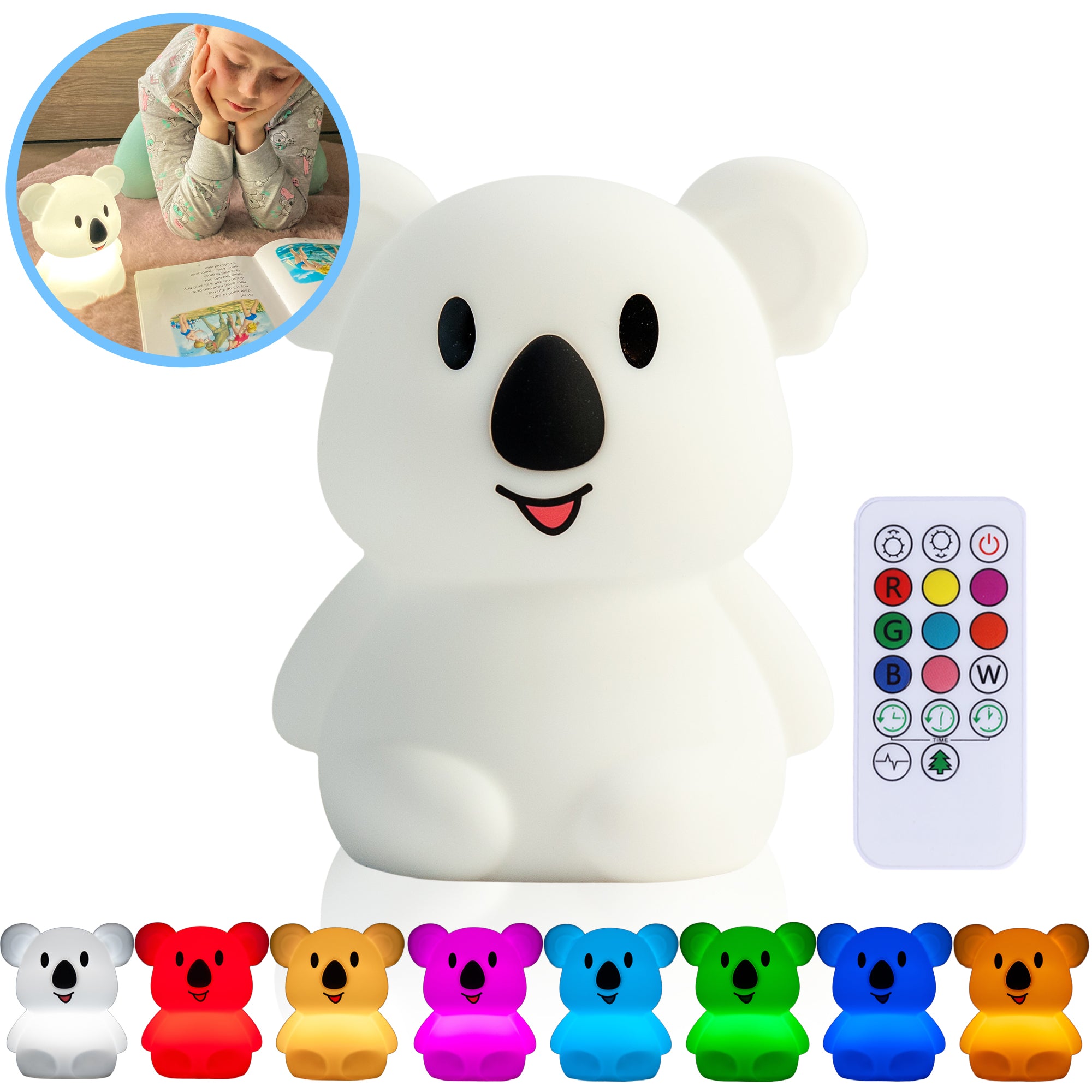
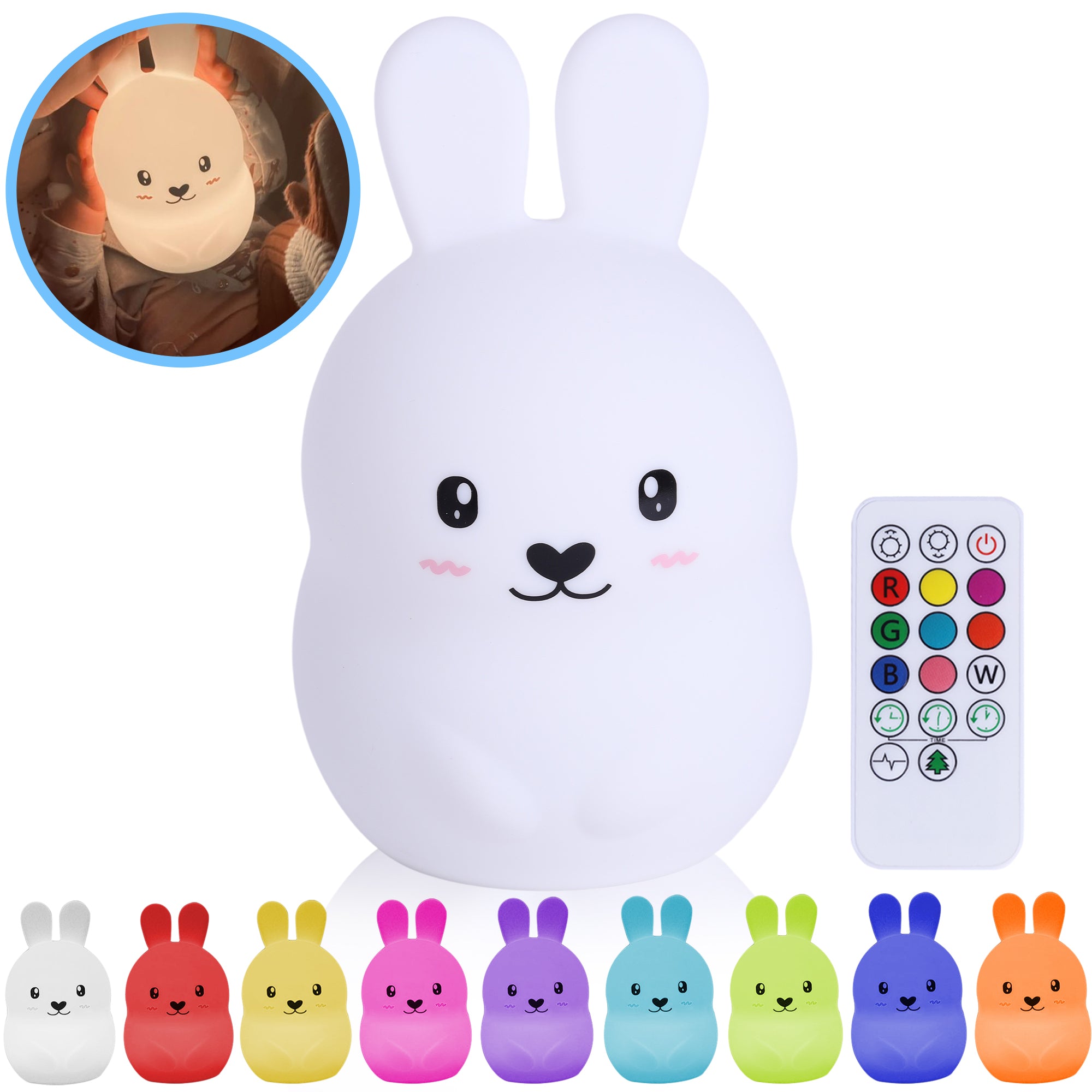
A soft night light for a toddler can be a lovely addition, especially if your child feels more comfortable with a little light in the room. Choose a gentle glow that makes the bedroom feel cosy without attracting too much attention. A simple setting around bedtime can help keep the sleep trainer’s signal clear and recognisable.
When your child starts to take an interest in numbers and telling the time, a simple clock display can be a fun extra. The visual signal can remain familiar alongside it.
When choosing, also consider practical details: the age guidance, safety information, sturdy construction, simple controls and a design that suits the child’s bedroom. At Kadoing, this combination of calm design, practical use and familiar routines is central.
Expectations that bring calm
A sleep trainer is a tool, not a solution that immediately changes every morning. Sleep patterns can also change from time to time, for example during a holiday or when daily routines change. At those times, you can temporarily offer more closeness and flexibility.
Try not to compare your routine too quickly with that of other families. One child naturally wakes early and is immediately well rested, while another sleeps longer. How the morning feels for your family matters more than the exact time. A calm, predictable start is often worth more than a few extra minutes of quiet.
Never use the sleep trainer as a reason to leave an upset child waiting alone. Do go and check on your child if they need you. You can gently explain what the light means, but connection always comes before following a schedule. By responding calmly and consistently, you can help the clock become part of your routine step by step.
Make getting up a pleasant transition
The value of a sleep trainer is not limited to the night. The first few minutes of the morning matter too. Give your child something small to look forward to when the sun appears: opening the curtains together, taking a cuddly toy downstairs or choosing a book to read on the sofa.
This way, getting up is not an abrupt end to quiet time but a familiar transition into a new day. The moment of getting up gains a recognisable place within your morning routine.
Give yourself and your child time to practise. A sleep trainer works best when it does not feel like a strict rule, but like a friendly little light that says every morning: now our day together begins.