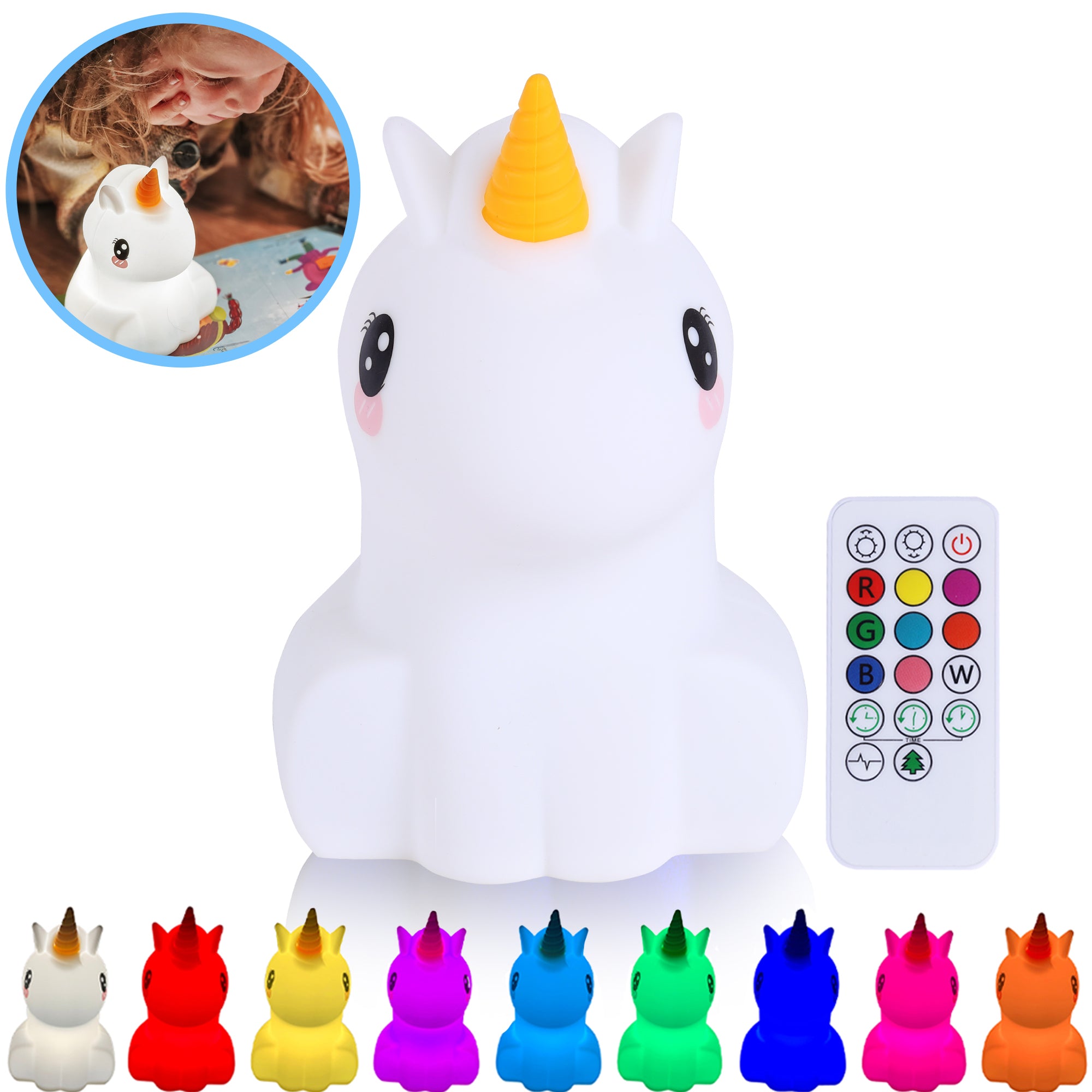
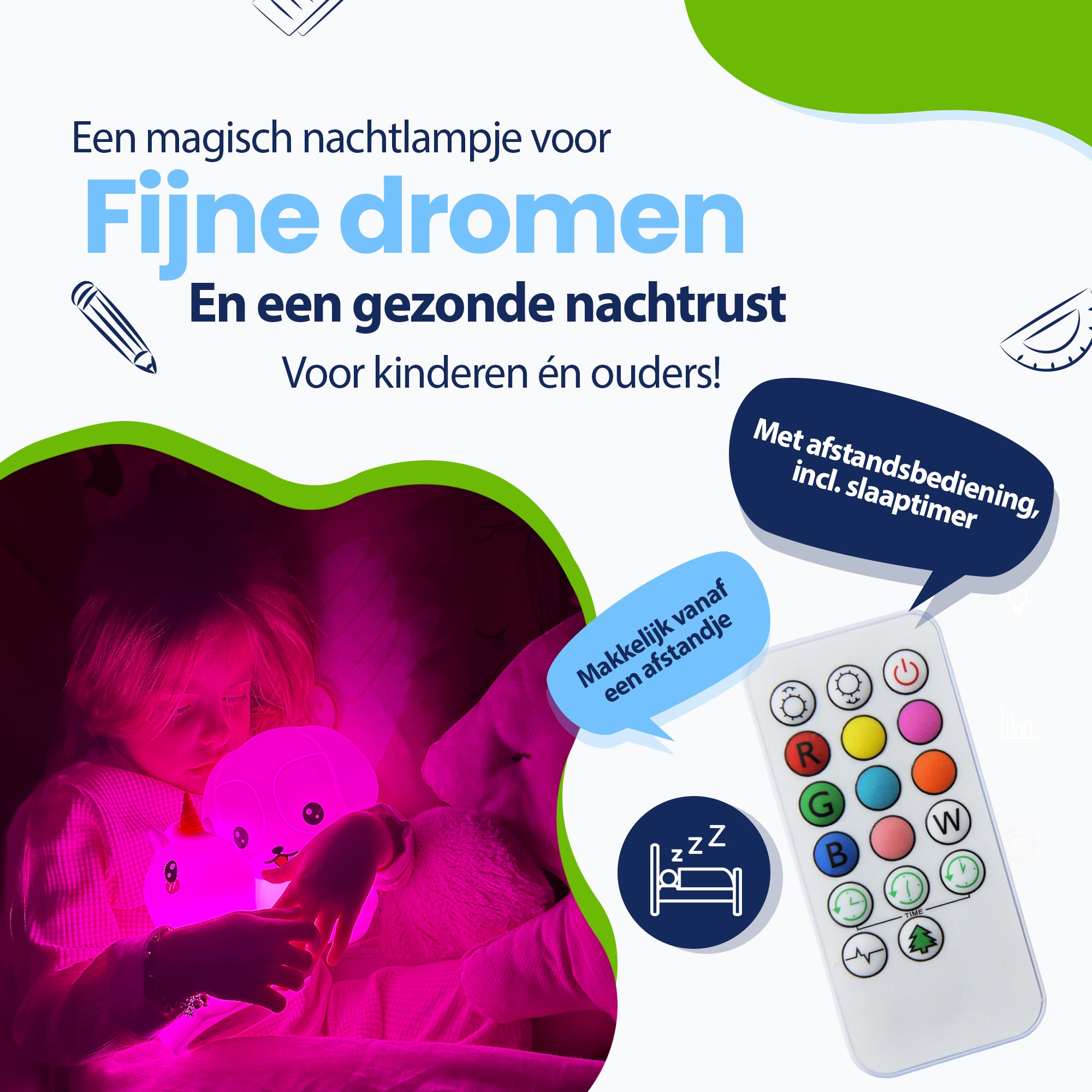
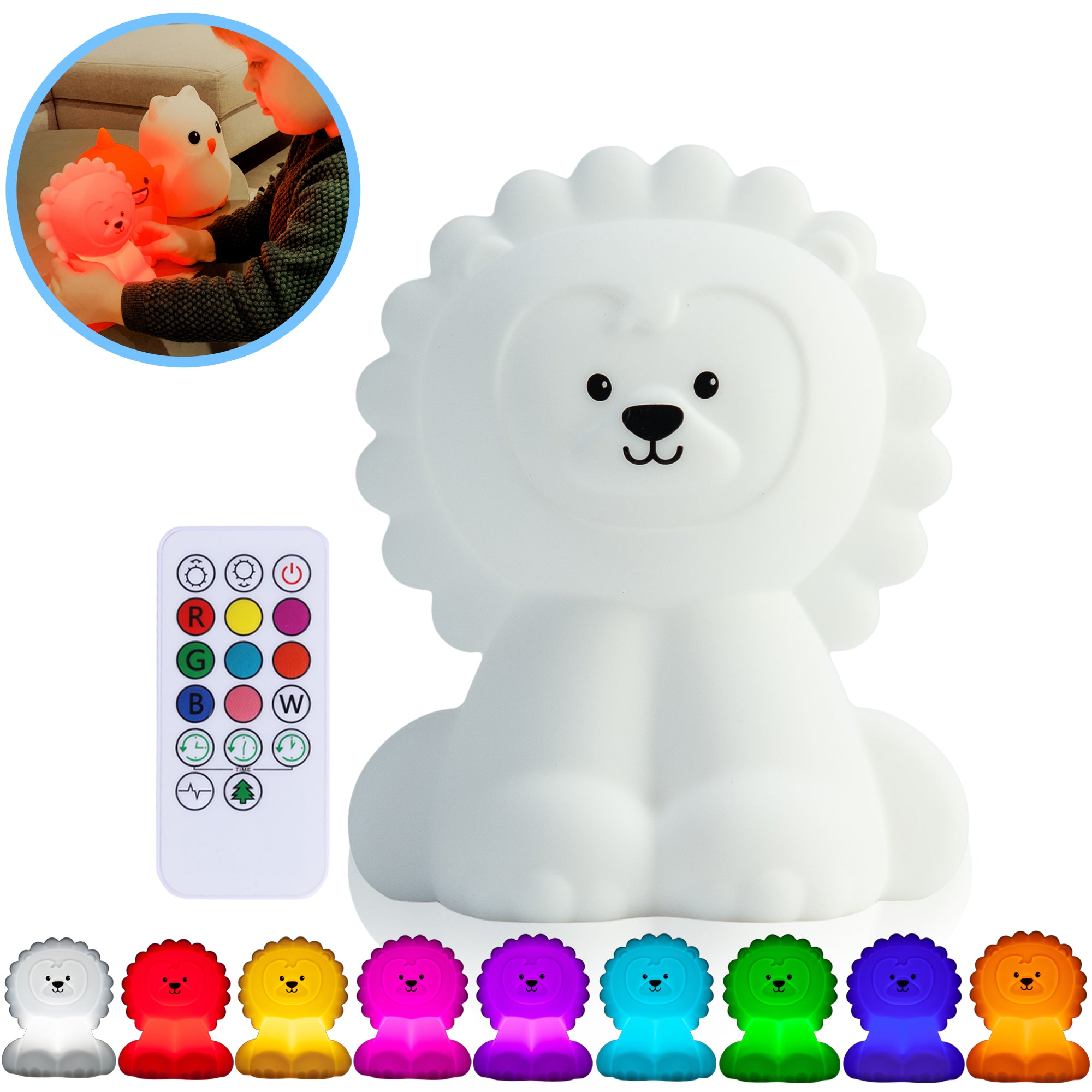
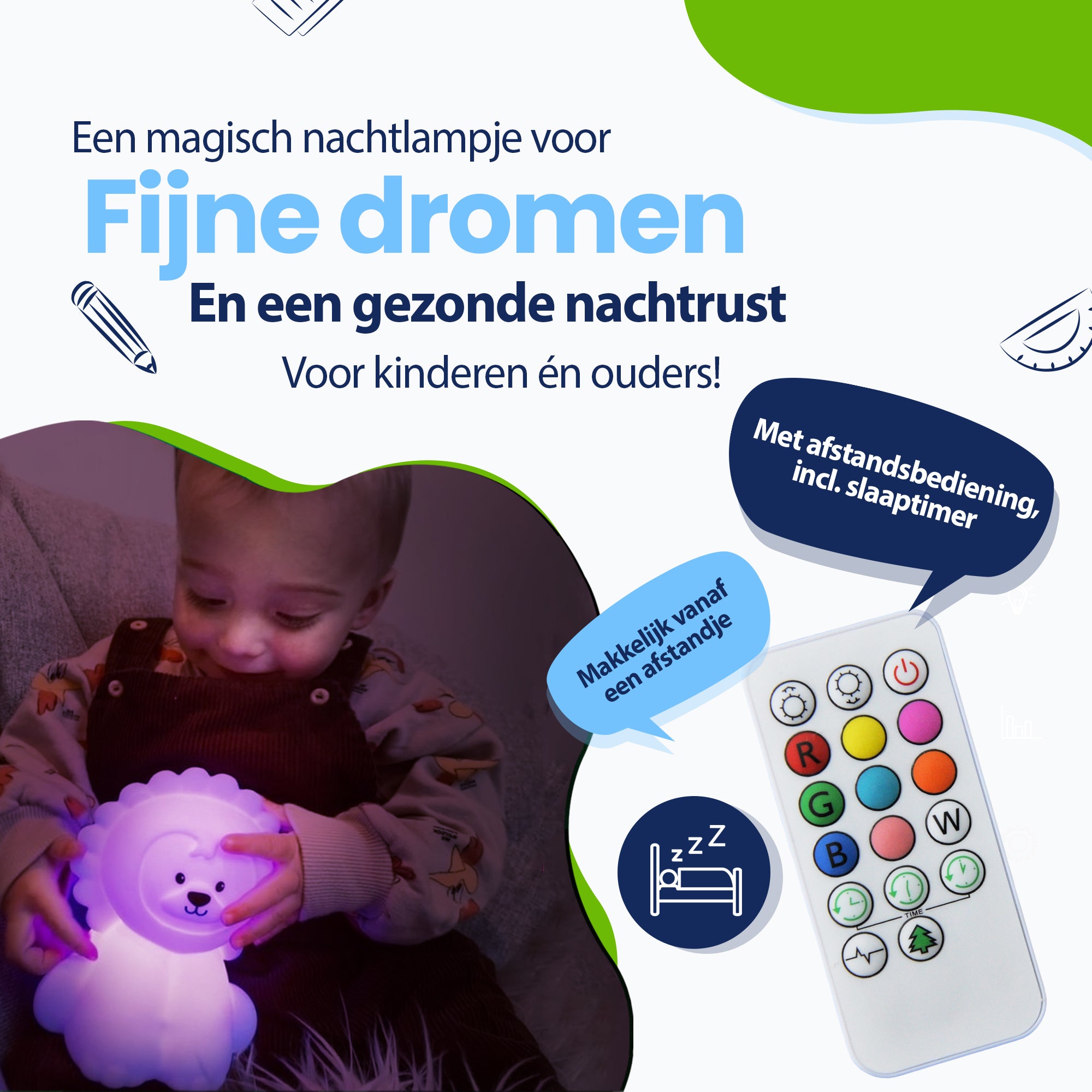
You probably know the moment: the lights go out, the bedroom door is almost closed, and suddenly you hear a small voice. One more look. Stay a little longer. Turn on one more light. Parents searching for which night light for toddlers are usually not just looking for a cute nursery accessory, but for a solution to bedtime struggles, waking up during the night, or fear of the dark.
A good night light can genuinely make a difference. Not because it solves every sleep problem, but because it helps the bedroom feel predictable, safe, and calm. Especially for toddlers, that often works better than long explanations, negotiations, or repeatedly turning the main light back on.
Which night light for toddlers works best?
The short answer is: it depends on what your child struggles with. If your toddler is afraid of the dark, a soft and constant light often helps most. If your child frequently wakes up and looks for orientation in the room, a subtle point of light may already be enough. If your toddler mainly struggles with falling asleep, it is usually better to look at the full bedtime routine rather than only the lamp itself.
Many parents first think about cute designs, and that makes sense. A lamp shaped like an animal or a cloud feels friendly and looks lovely in the room. Still, the practical side matters more. A light that is too bright, difficult buttons, or a lamp that becomes warm makes a night light less suitable for toddlers, no matter how adorable it looks.
What should you look for in a toddler night light?
Soft light instead of bright light
A toddler does not need a reading lamp. In fact, bright white or bluish light can actually feel stimulating. Before bedtime, you want light that supports relaxation. Warm light is usually the safest choice for a calm atmosphere. Think soft yellow or amber tones instead of bright white.
That does not mean darkness is always better. Some toddlers sleep perfectly well without a light, while others become upset as soon as the room is completely dark. For those children, a small amount of light can reduce tension without disrupting sleep too much.
Safe materials and low heat
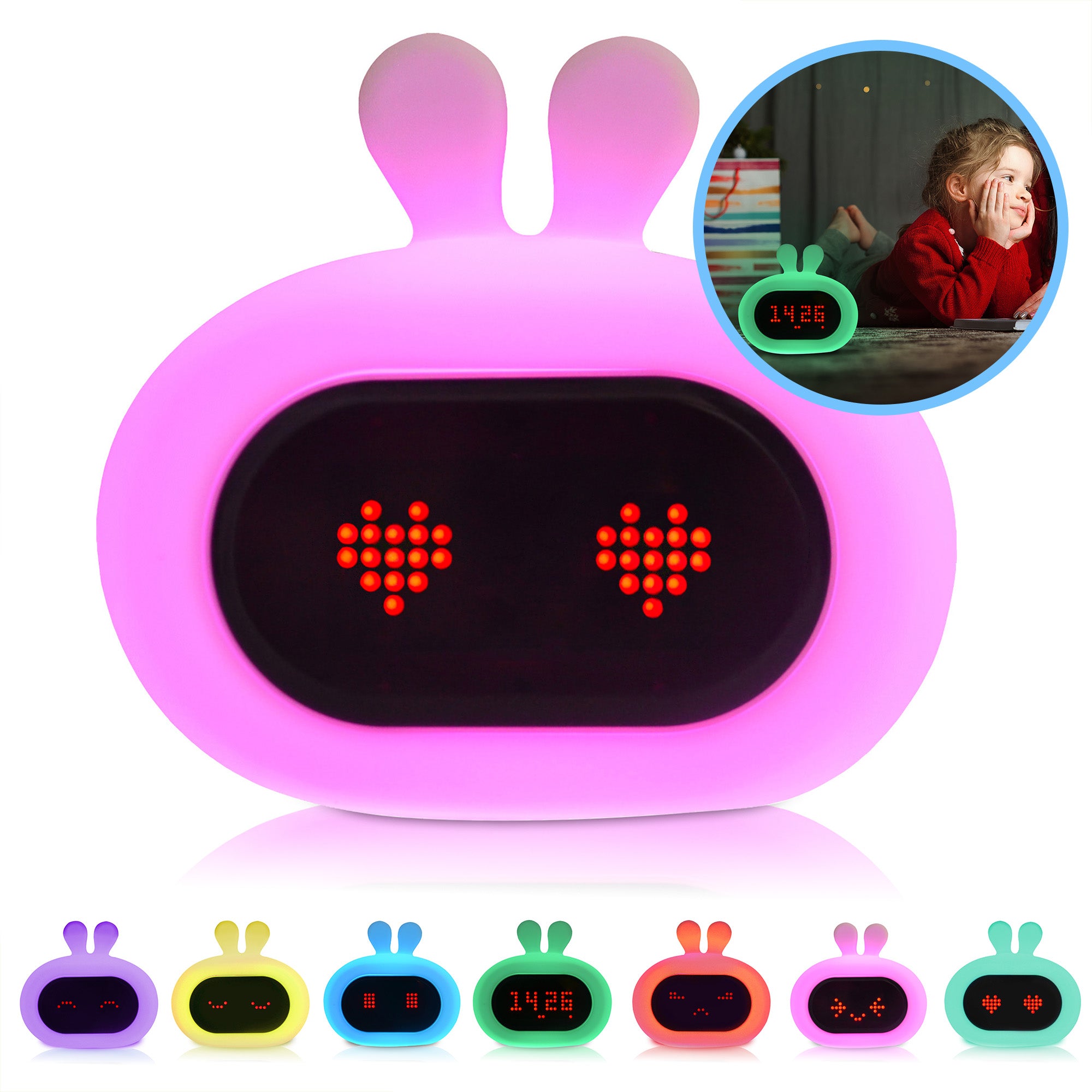
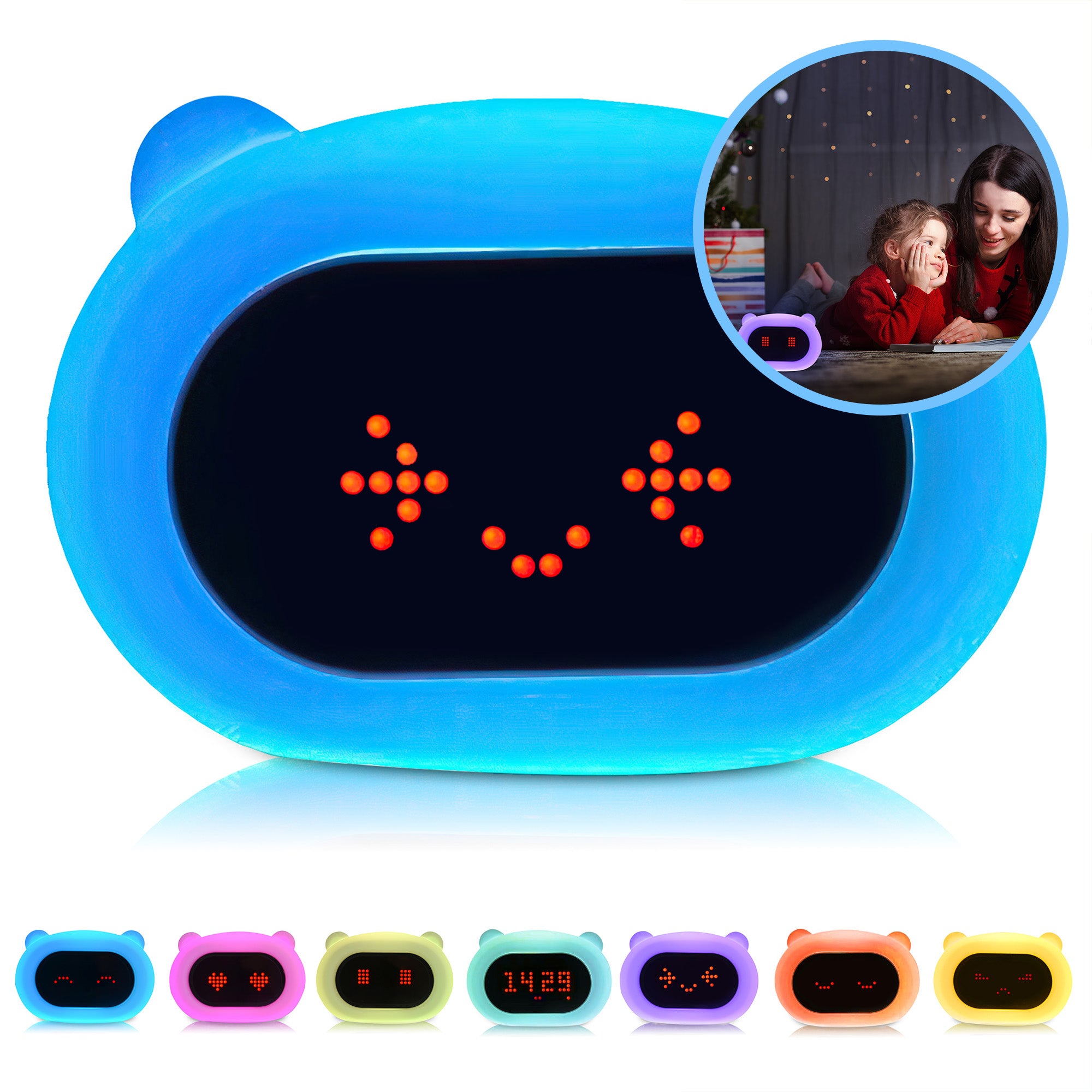
A night light for toddlers should first of all be safe to touch. Ideally, choose a lamp that stays cool and is made from child-friendly materials. Soft silicone exteriors are popular because they feel pleasant and can handle bumps and drops.
Also pay attention to loose parts. Toddlers explore everything with their hands — and sometimes still with their mouths. A night light should feel sturdy and not invite children to pull it apart.
Easy to use
In the middle of the night, you do not want to need an instruction manual. A good night light should be simple for both parent and child to use. Tap functions, clear on/off buttons, or one steady light setting often work better than complicated controls.
More features are not automatically better. Dimmable light can be useful, but lights with colour changes, music, and projections can actually overstimulate some toddlers. Especially children who are sensitive to busy environments often become calmer with simplicity.
Rechargeable or plug-in?
There is no universal best choice here. A rechargeable night light is convenient if you want flexibility and prefer not to have cables near the bed. You can easily place it on a shelf, bedside table, or bring it along for sleepovers.
A plug-in light has the advantage that the battery never runs empty. However, the socket needs to be placed safely and the cable should be tucked away carefully. For many toddler bedrooms, cordless options therefore feel calmer and safer.
Which type of night light fits your situation?
For toddlers who are afraid of the dark
In that case, predictability matters most. Choose a light that can stay on softly throughout the entire night. A timer that switches off after twenty minutes may sound energy efficient, but it is not ideal if your child needs reassurance after waking up during the night.
A steady point of light helps your toddler recognise the room. The wardrobe is still there, the cuddly toy is still in bed, and the door is still in the same place. That creates a sense of security.
For toddlers who keep getting out of bed
Sometimes the question which night light for toddlers is actually about something else: your child does not want to stay in bed. In that case, a regular night light may help, but often a combination with a bedtime routine or a sleep trainer clock makes more sense. A soft light creates calmness and safety, while a sleep trainer provides clear boundaries about when the day begins.
That difference matters. A lamp can comfort a child, but it does not create structure. If your toddler mainly seeks clarity, you may benefit more from routines than from extra light.
For toddlers who wake during the night
Then it is important to look at how bright the light actually is. You want enough visibility to prevent panic, but not so much that your child becomes fully awake. A low, warm light setting is usually ideal.
The placement matters too. A light directly next to the child’s face or at eye level often feels much brighter than the same lamp placed lower on a shelf. Indirect lighting usually creates more calm.
Common mistakes when choosing a night light
One of the most common mistakes is wanting too many functions. Parents sometimes think projections, changing colours, and sounds provide extra comfort. They can, but for toddlers cosy quickly turns into distracting. What helps during playtime does not always help during sleep.
Another mistake is choosing based on daytime appearance. A lamp that seems soft in a brightly lit shop or product photo may still feel very bright in a dark bedroom. So do not only look at the design — think about how the light will actually feel at night.
It is also important not to change too many things at once. If you are already working on a new bedtime routine, moving to a bigger bed, or potty training, a new night light can be helpful, but try to keep the rest of the evening routine stable. Toddlers usually sleep better with familiarity than with constant change.
How do you use a night light without it becoming a habit?
Many parents worry that their child will never sleep without a night light again. That concern is understandable, but usually unnecessary. A night light is not a bad habit if it helps create calmness and security. You can compare it to a cuddly toy or a bedtime song — it supports emotional safety.
It does help to use it consistently. Turn the light on the same way every evening, place it in the same spot, and make it part of the same bedtime routine. That way it becomes a predictable signal that nighttime has started instead of something to negotiate about.
If you want to phase it out later, do it gradually. First dim the light slightly, then move it further away from the bed, and only after that remove it completely if needed. Especially sensitive toddlers usually respond much better to gradual changes than sudden ones.
Can a night light also be a sustainable choice?
For many families, comfort is not the only thing that matters. Parents also think about what they bring into the home. That is why it helps to look at durability, materials, and rechargeability. A sturdy light that lasts a long time and does not need replacing after a few months is often the calmest choice for both child and parent.
Sustainability also means choosing something that truly fits your family. A lamp that is safe, looks nice in the room, and works effortlessly every evening is actually used — and that is what gives a product value in daily life.
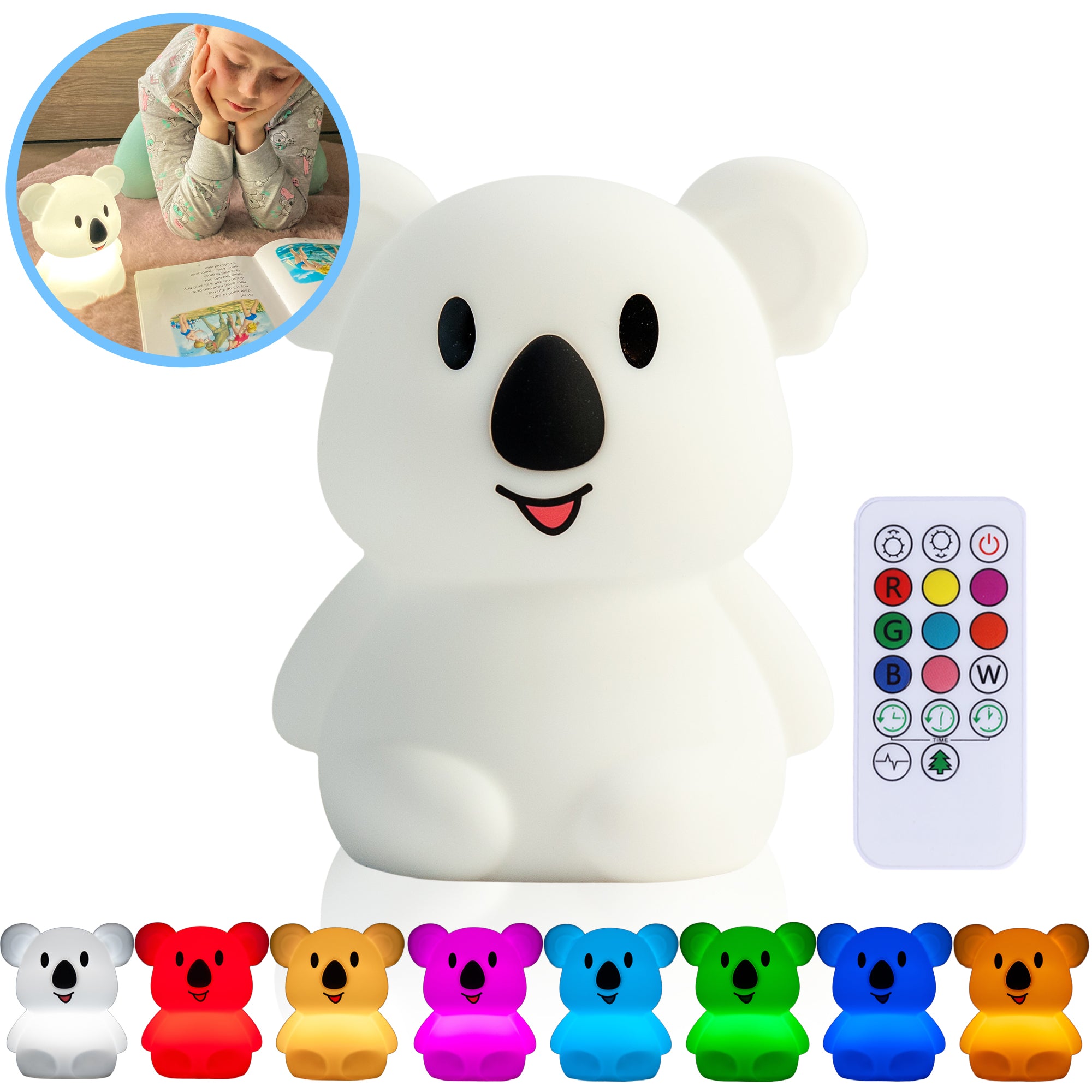
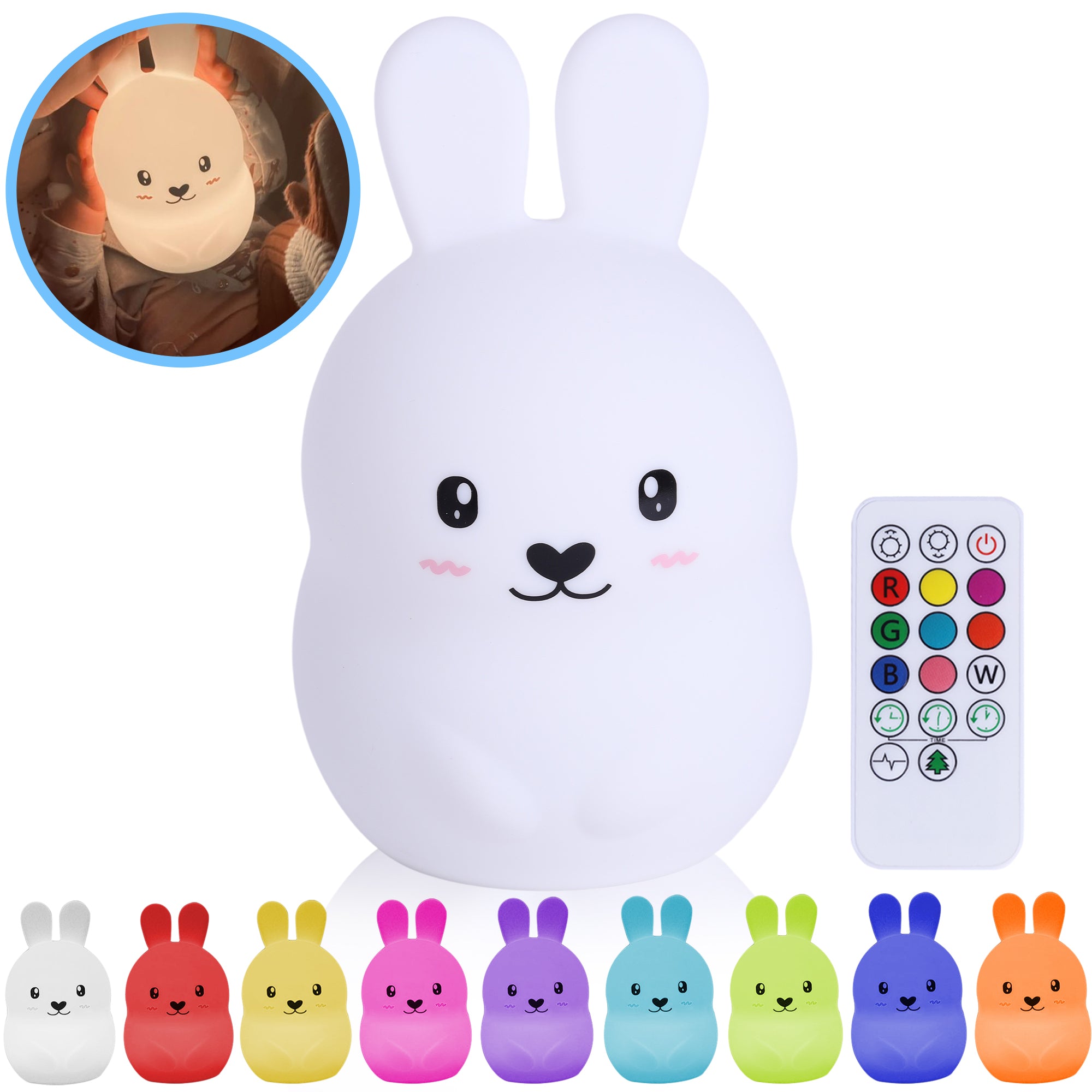
With a brand like Kadoing, you often see that combination: child-friendly designs that are not only cute, but also intended to bring calmness, structure, and comfort to bedtime routines.
When do you not need a night light?
That deserves to be said too. Not every toddler benefits from a night light. Some children actually sleep better in a completely dark room. If your child falls asleep calmly, is not afraid of the dark, and sleeps through the night well, there is no need to add a night light simply because other families use one.
Not sure? Try it calmly for a few evenings. If you notice more relaxation, less calling out, or easier falling back asleep after waking, the light probably has a useful role. If nothing changes or your toddler becomes more alert, a darker room may simply suit them better.
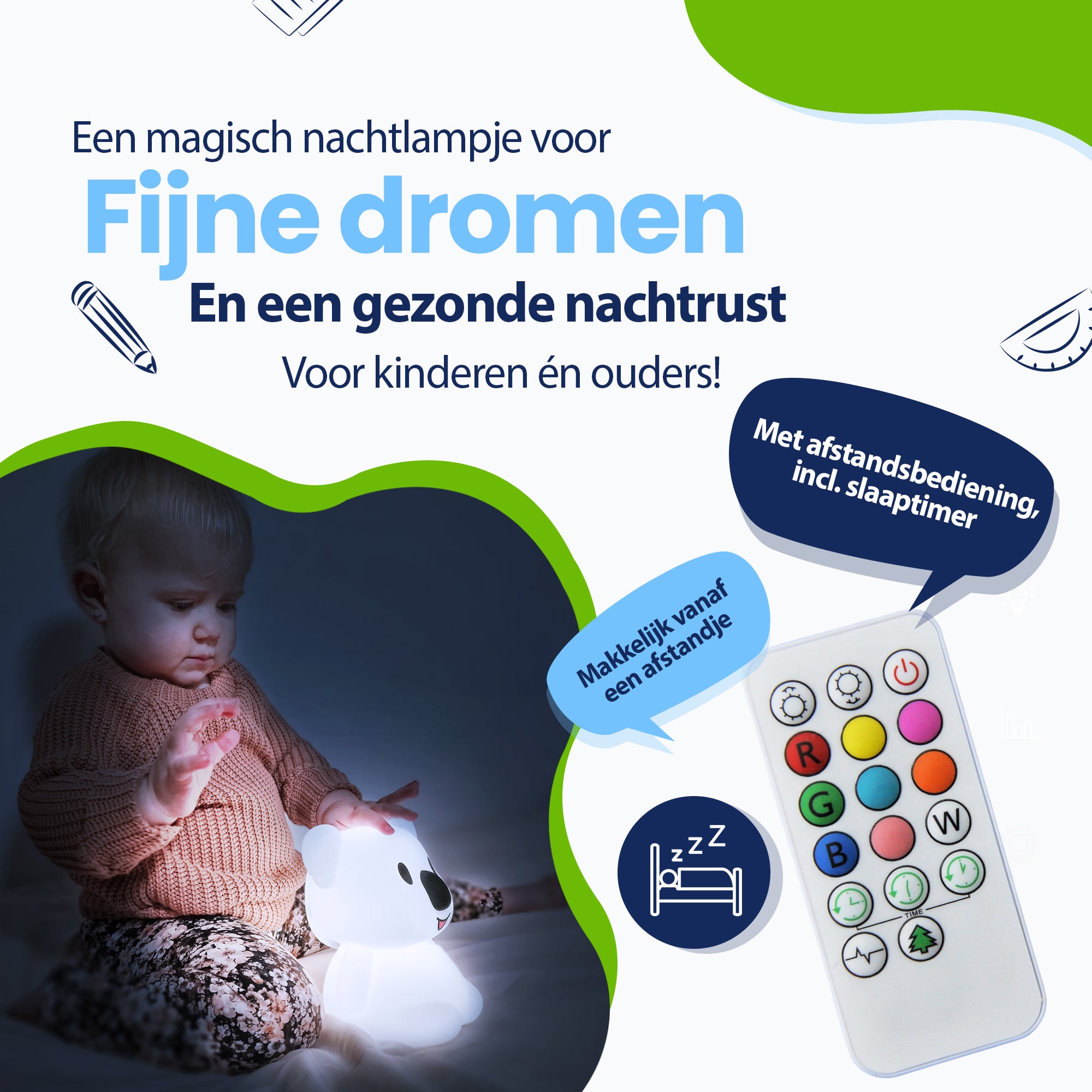
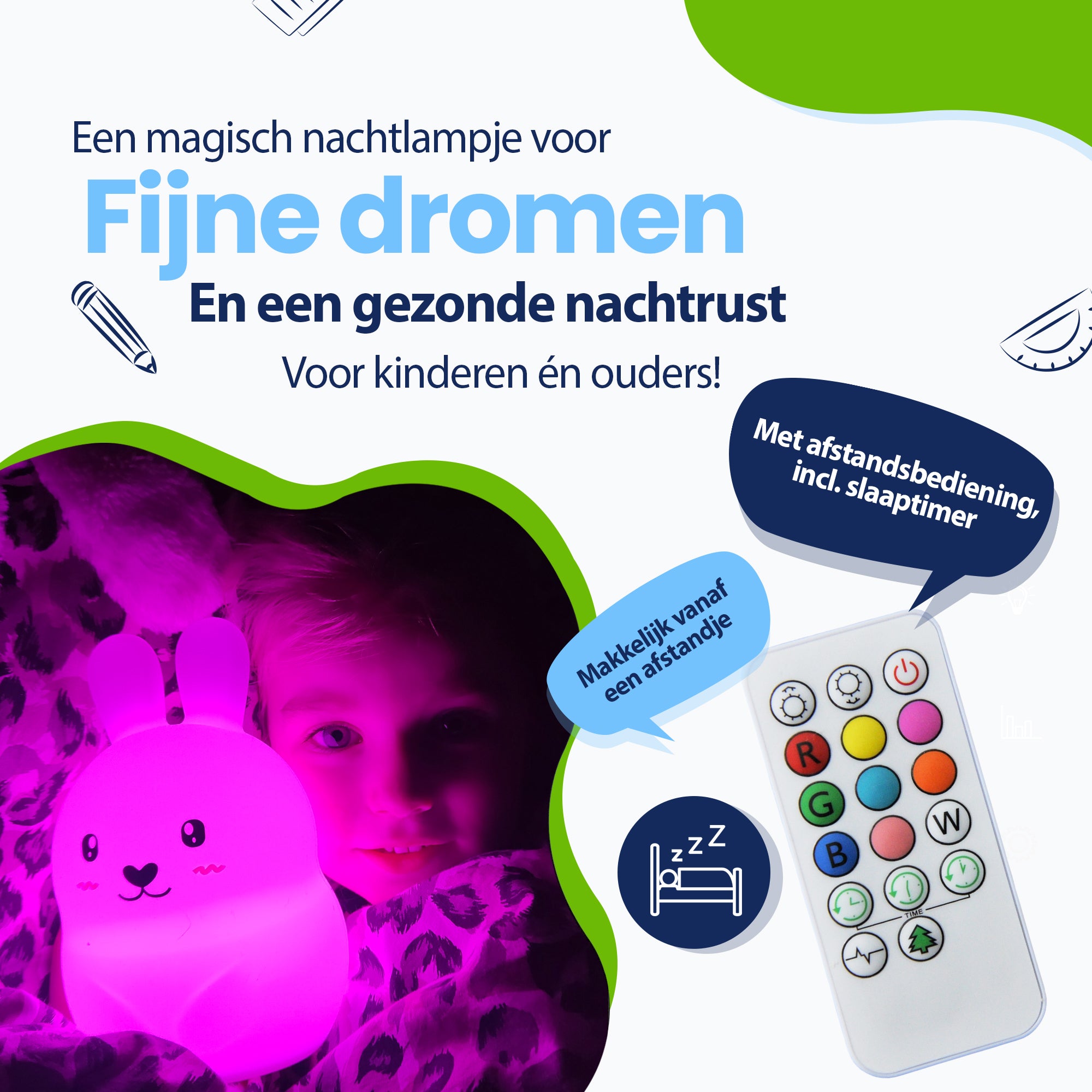
The best night light for toddlers is usually simple, safe, and provides a soft warm glow without being too bright. For parents looking for a calm and reliable option, there are models like those from Kadoing specially designed for toddlers: with warm soft light, easy controls, and child-friendly materials. That helps keep the bedroom a calm and comfortable place to fall asleep.
So what is ultimately the best choice?
The best night light for toddlers is usually simple, safe, warm in colour, and pleasant to use. The winner is not the most flashy model, but the light that quietly does its job during peaceful evenings.
So do not only look at what looks beautiful — look at what your child actually needs. A toddler seeking reassurance needs something different from a toddler testing boundaries or becoming overstimulated easily. Once you recognise that difference, choosing becomes much easier.
A good night light does not need to make every night perfect. Sometimes it is enough if it brings just a little more calmness, making bedtime feel less like a struggle and more like a gentle ending to the day.
Discover the best night lights for toddlers and choose the one that fits your child best