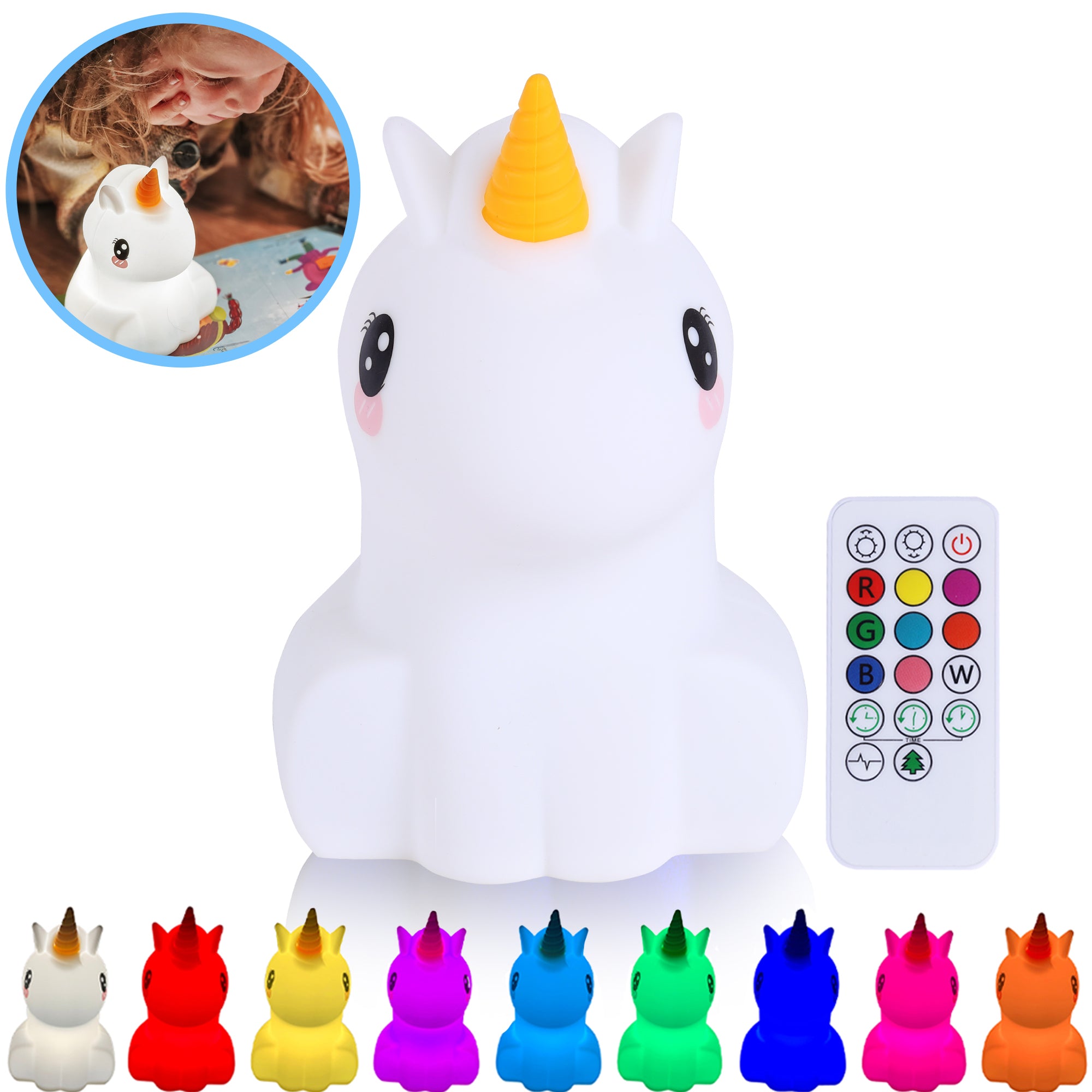
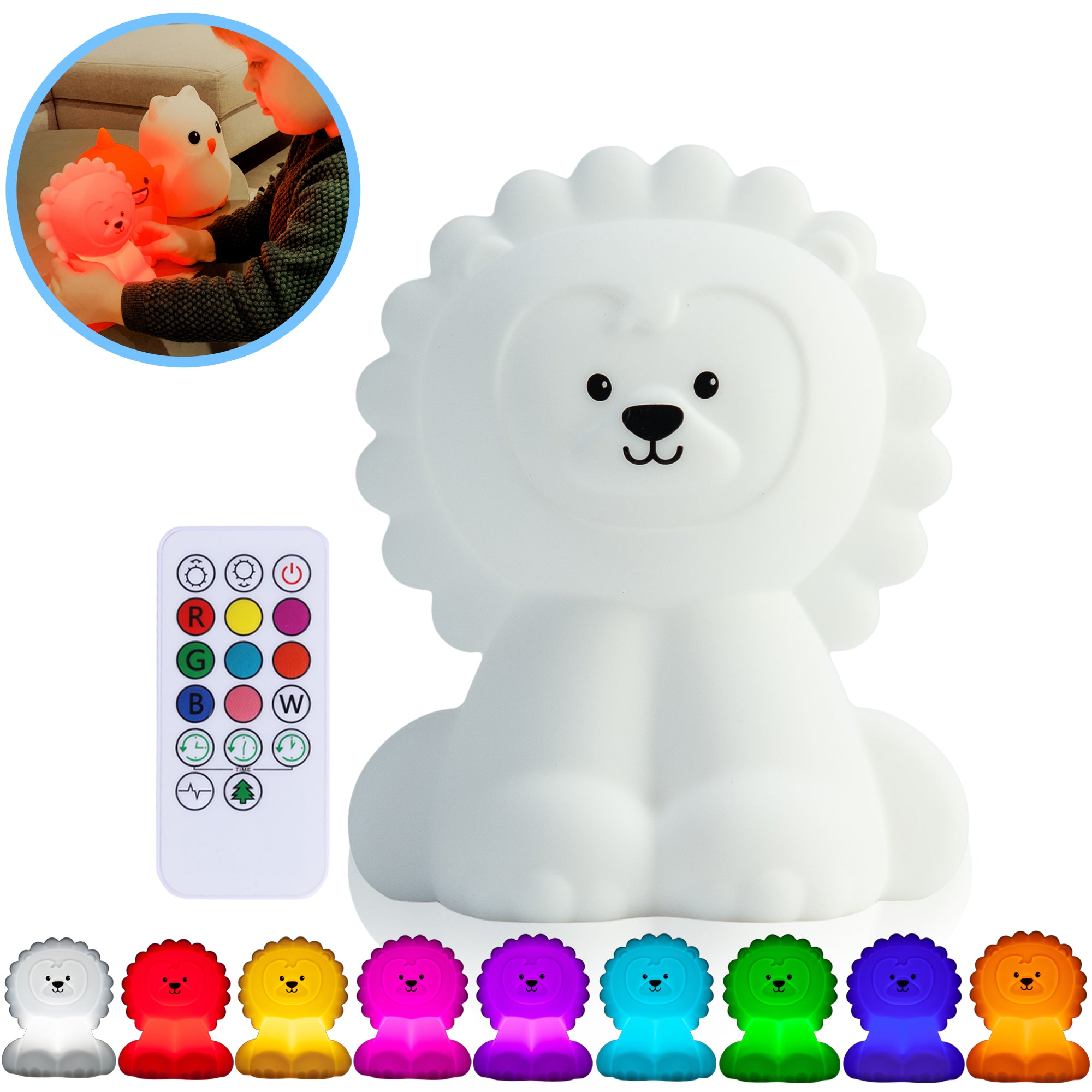
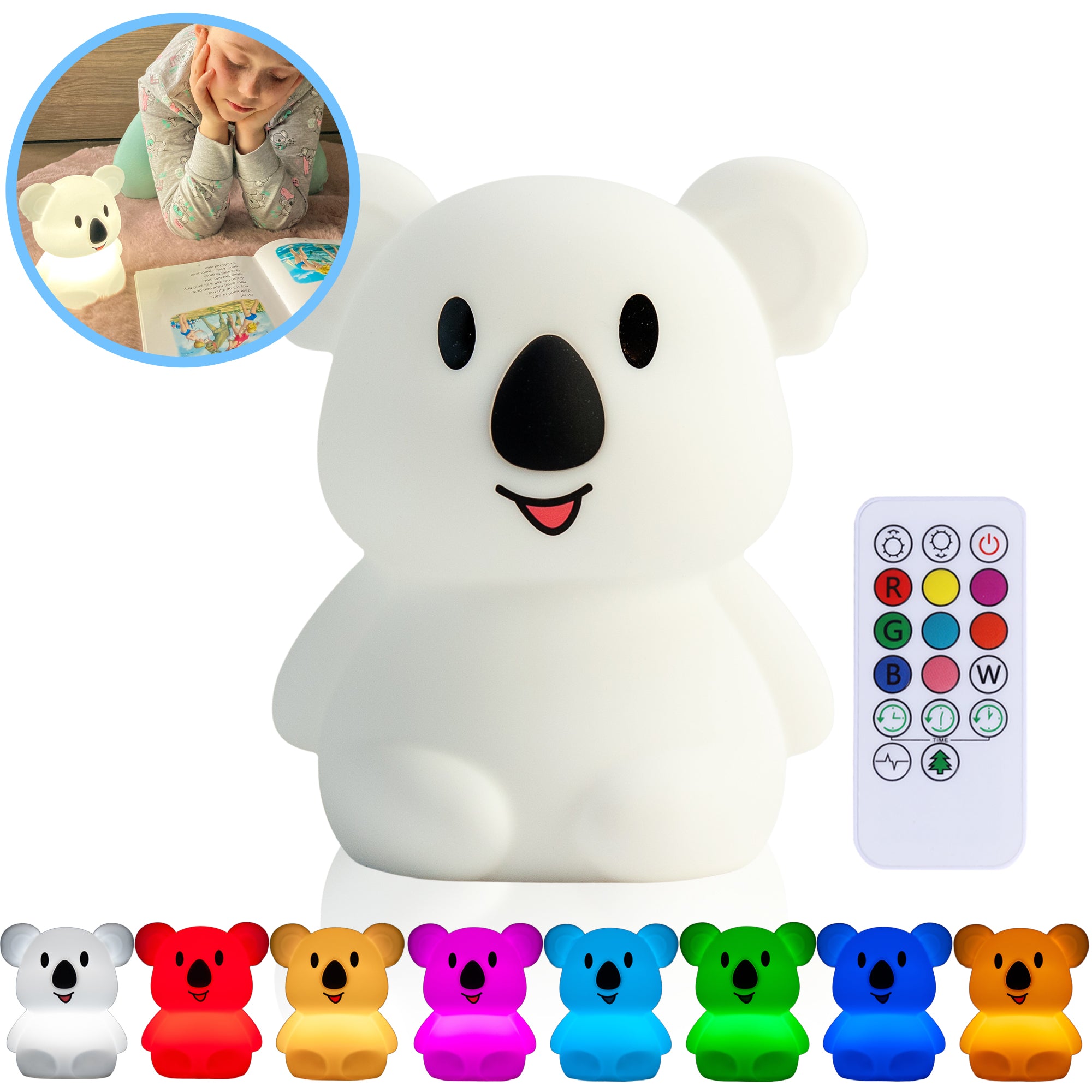
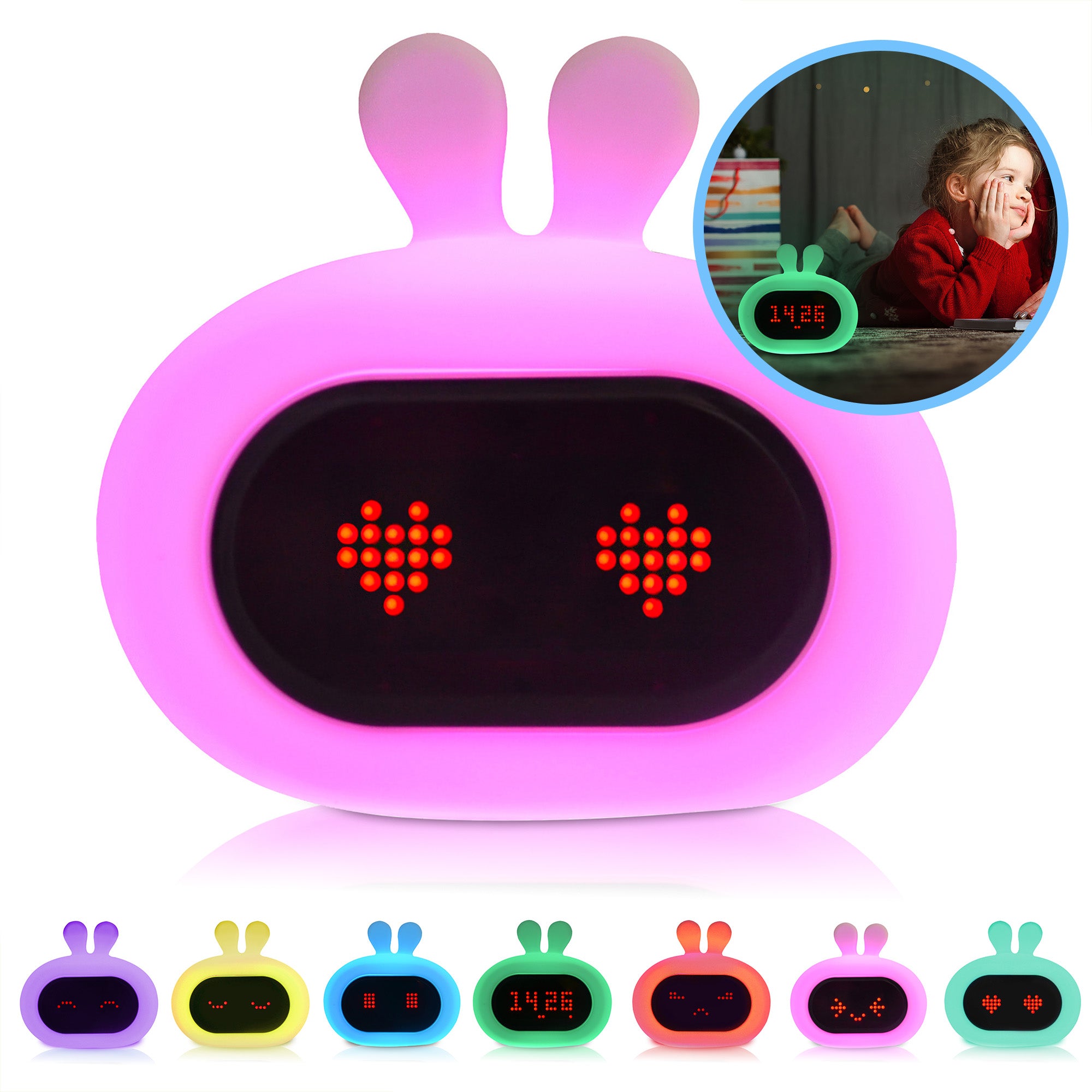
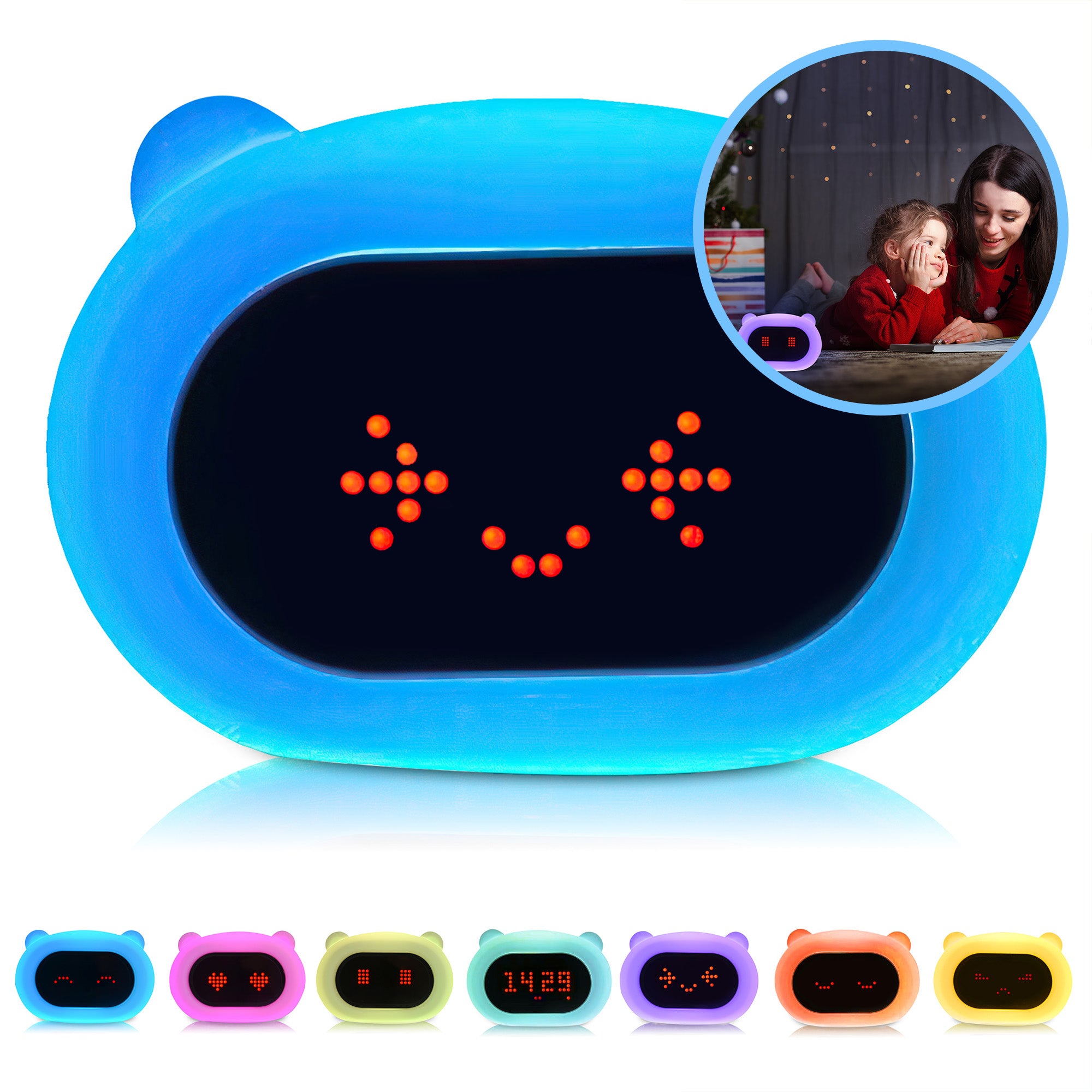
At 5:48 a.m., your toddler is standing beside your bed, ready for a new day. To you, it still feels like night, but your child finds it difficult to understand the difference between an early hour and when morning has truly begun. A sleep trainer gives time a clear, friendly face. Not as a strict rule, but as a recognisable aid: when the light, animal character or symbol says that the day can begin, your toddler knows what to expect.
A sleep trainer can become a familiar part of a calm sleep routine. So do not expect a toddler to stay in bed until seven o'clock by themselves after just one evening. Repetition, predictability and a calm response can help make the arrangement feel increasingly familiar. This may take some time, but it gives your child room to become accustomed to the new signal.
When is a sleep trainer suitable for a toddler?
Many families introduce a sleep trainer during the toddler years. Whether your child can already understand the signal depends on the individual child. Some children grasp the idea quickly, while others only show an interest in colours, pictures and consistent arrangements later on. Above all, watch your child. Do they understand simple sentences, recognise regular moments in the day and enjoy joining in with a small ritual? If so, you can make a gentle start.
Choose a trainer with a clear difference between sleeping and getting up. A moon and sun, closed and open eyes, or two distinct colours are often easier to understand than a clock with numbers. A toddler does not need to be able to tell the time yet. What matters is that the signal always means the same thing: it is still rest time now; the day will start later.
Also consider your child's sleep needs. A sleep trainer is not a reason to ignore a toddler who is clearly awake, frightened or very upset. You always remain available to your child. The trainer helps them wait for a calm moment; it is not intended to suppress their needs.
How to set up a toddler sleep trainer in 7 steps
1. Start by choosing an achievable wake-up time
Does your toddler usually wake at around 6:00 a.m.? Start by choosing a getting-up time that is not too far from this. When you notice that your child is beginning to get used to the arrangement, you can adjust the desired time in small steps if necessary. This keeps the new arrangement achievable and gives your child plenty of time to become accustomed to it.
2. Explain what it means during the day
Do not introduce the sleep trainer for the first time when everyone is tired. Put it on the table together during the day and explain what it does in short, positive sentences. For example: “When the moon is shining, we are still resting. When the sun appears, you can call us and we will get up.”
Let your child look at the signal themselves and perhaps press a button if possible. Then use a cuddly toy or doll to practise. The cuddly toy stays tucked up in bed while the moon is showing and only jumps up when the sun appears. Practising through play fits well with how toddlers learn.
3. Keep the arrangement very simple
The fewer words you use, the clearer the message. Choose one arrangement that suits your family. This could be: you stay in your bed until the getting-up signal appears. Or: you may play quietly with your cuddly toy until the getting-up signal appears.
The arrangement you choose depends on the bedroom and your child's age. For a young toddler, simply staying in bed is often enough. A slightly older toddler may be able to look quietly at a book in their room. In that case, make the space safe and uncluttered so that waiting independently feels comfortable.
4. Include the trainer in the bedtime routine
A sleep trainer becomes more meaningful when it features every evening. Switch it on together after brushing teeth, putting on pyjamas and reading a story. Say roughly the same thing each time: “Look, the moon is on. It is bedtime now. When the sun appears, our morning begins.”
This repetition is not a dull exercise. Predictability is exactly what gives young children a sense of security. Keep the ritual calm and brief. A soft night light, a favourite cuddly toy and a familiar song can all form part of this recognisable bedtime routine.
5. Respond calmly and consistently in the morning
Does your toddler wake before the signal changes? Respond as calmly as possible. You can gently repeat: “The moon is still on, so it is still rest time. You can stay cosy with your cuddly toy.” Briefly take your child back to bed if necessary, and avoid a long conversation, bright light or extended play.
This does not mean that every morning must unfold in the same way. Your toddler may be ill, have had a bad dream or you may have an early appointment. You can, of course, make an exception. Just explain it simply: “Today we are making an exception; tomorrow we will look for the sun again.” This keeps the arrangement familiar without making it harsh or impersonal.
6. Pay attention to what does go well
When your child comes to you after the signal, greet them warmly. Say specifically what went well: “You saw that the sun was on and you waited calmly. Well done.” Positive attention can help keep practising enjoyable.
Small improvements count too. Perhaps your child used to call at 5:45 a.m. and now waits until 5:55 a.m. That is a step forward. So take note of the little steps as well, without expecting every morning to be the same.
7. Review and adjust where necessary
Give your child time to become accustomed to the new routine before drawing any major conclusions. Do not just look at the exact time; consider the atmosphere too. Does your toddler understand the signal? How do they respond when they wake early? Can they manage to lie quietly for a little longer?
If the trainer is too bright, the light may be distracting. Choose a lower brightness, a dimmer night light or place the device a little further from the bed. Is the symbol not clear enough? Use the same words more often during the day and practise again with a cuddly toy. The right pace varies for every child and family.
Common mistakes when setting it up
The most common mistake is expecting too much too soon. A toddler who has been waking early for weeks will not usually change their rhythm in a single night. Another mistake is responding inconsistently: spending a long time playing downstairs before the sun appears one morning, then expecting your child to wait the next. This is understandable when you are tired, but difficult for a toddler to follow.
Also try not to create too many rules around the trainer. “No talking, no singing, no getting out of bed and no calling” is a long list for a young child. Keep it friendly and achievable instead: rest a little longer until the getting-up signal appears. If your child is frightened or genuinely needs help, they may always call you.
Make the morning something to look forward to
You can link the getting-up signal to a small, pleasant morning moment. You might open the curtains together, say good morning to a cuddly toy or have a calm breakfast at the table. This way, the sun does not only mark the end of waiting, but also the beginning of something familiar.
You do not need to create a perfect schedule to have better mornings. An easy-to-understand sleep trainer, an achievable time and calm repetition can work together to create a familiar morning routine. And if your toddler is standing beside your bed early one morning after all, a new opportunity simply begins again the following evening.