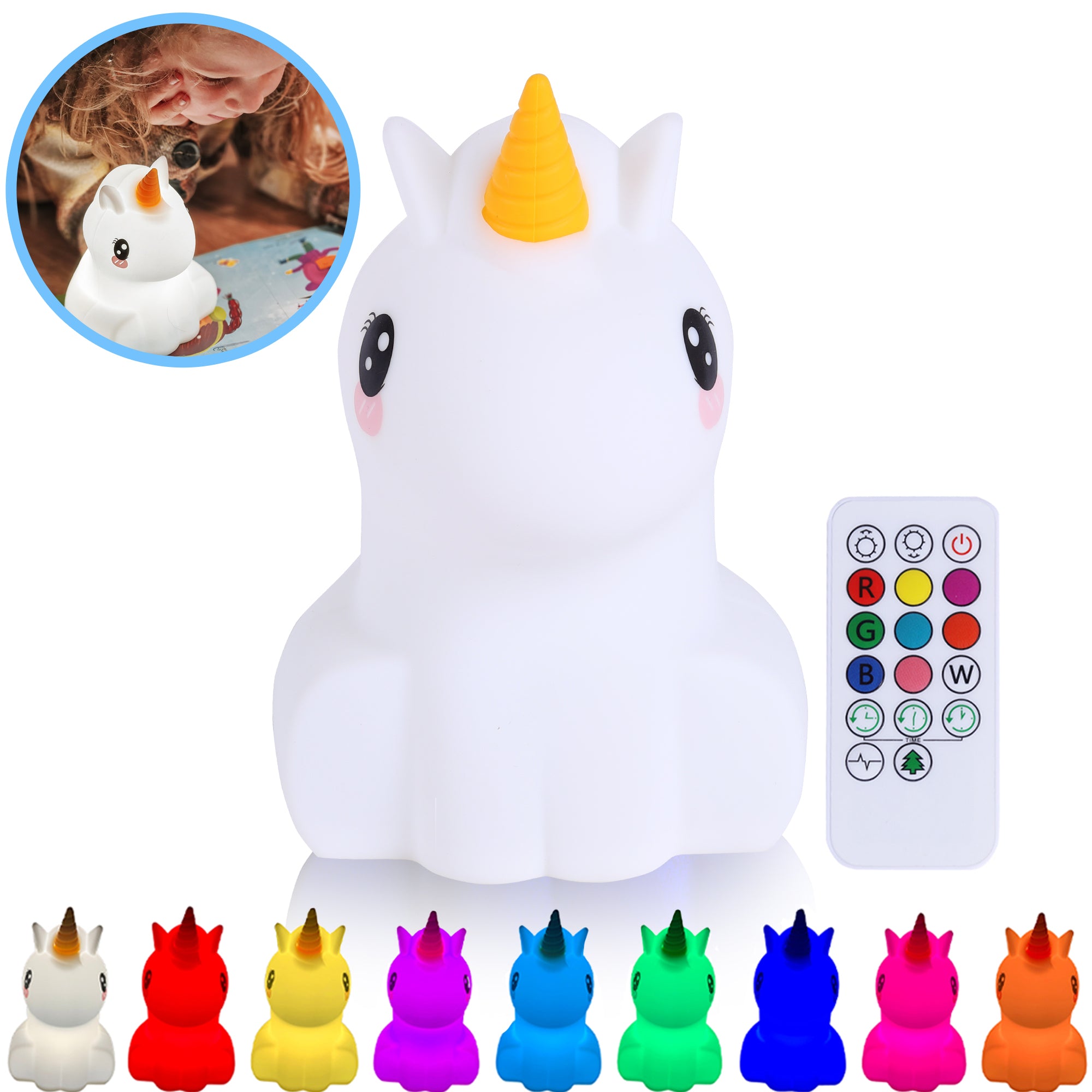
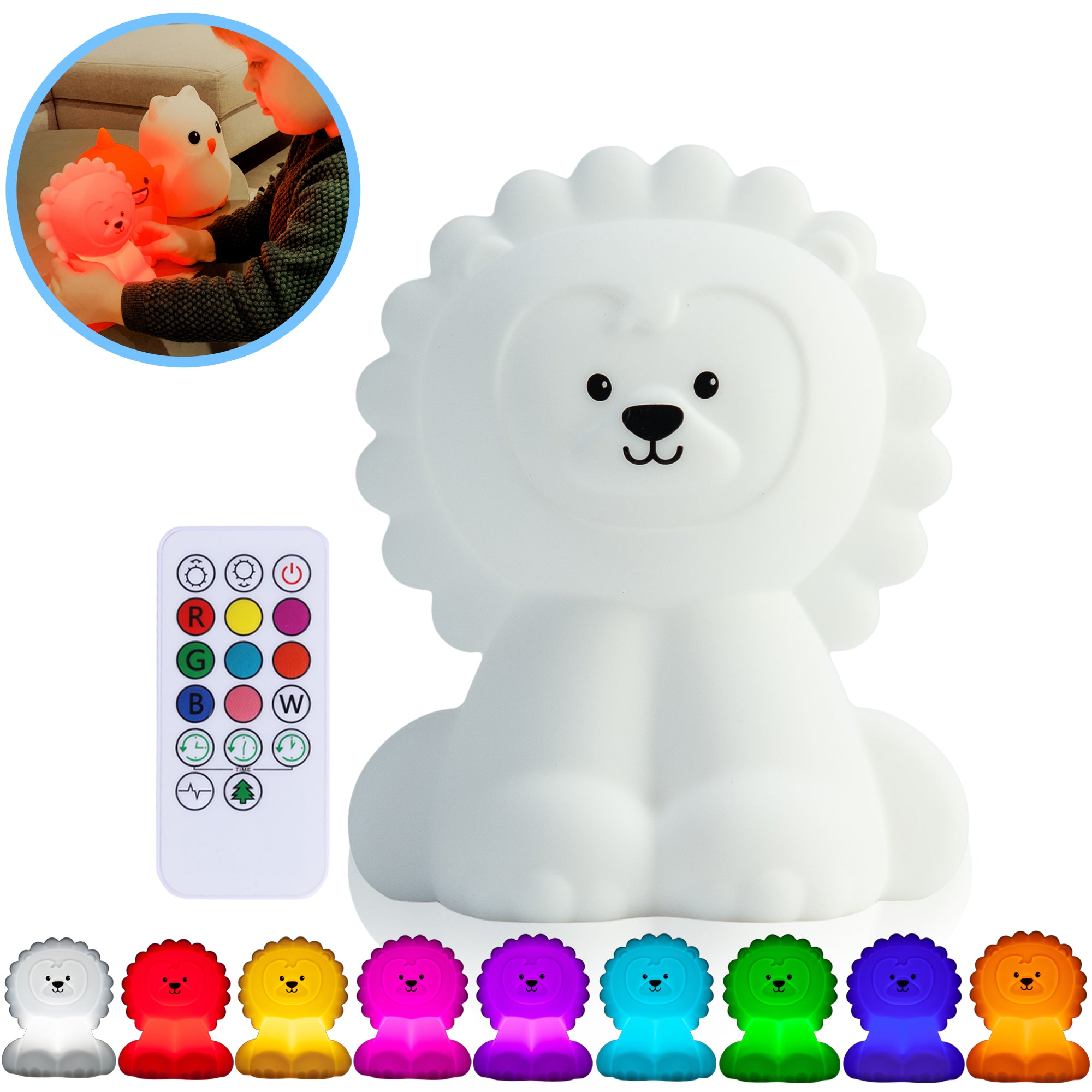
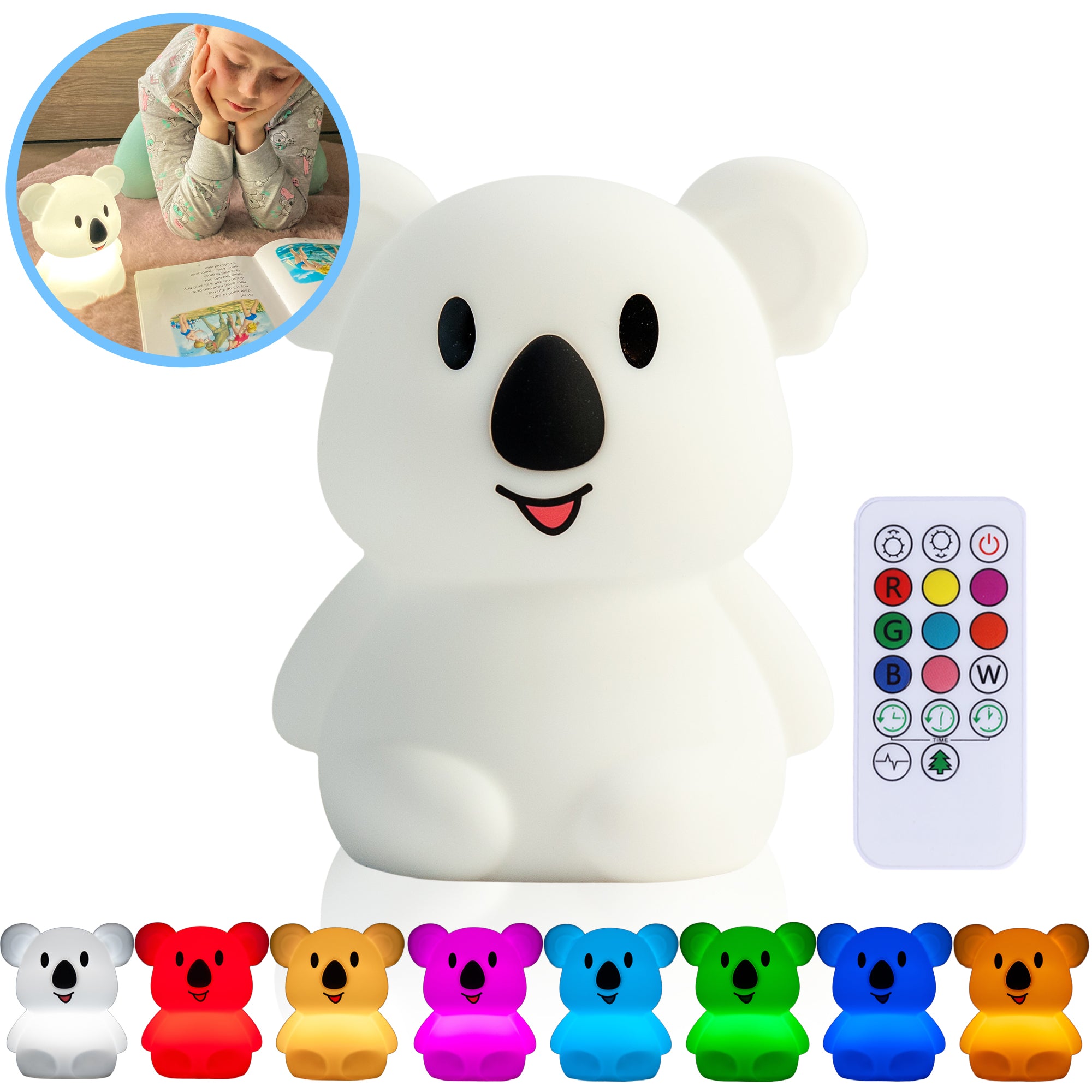
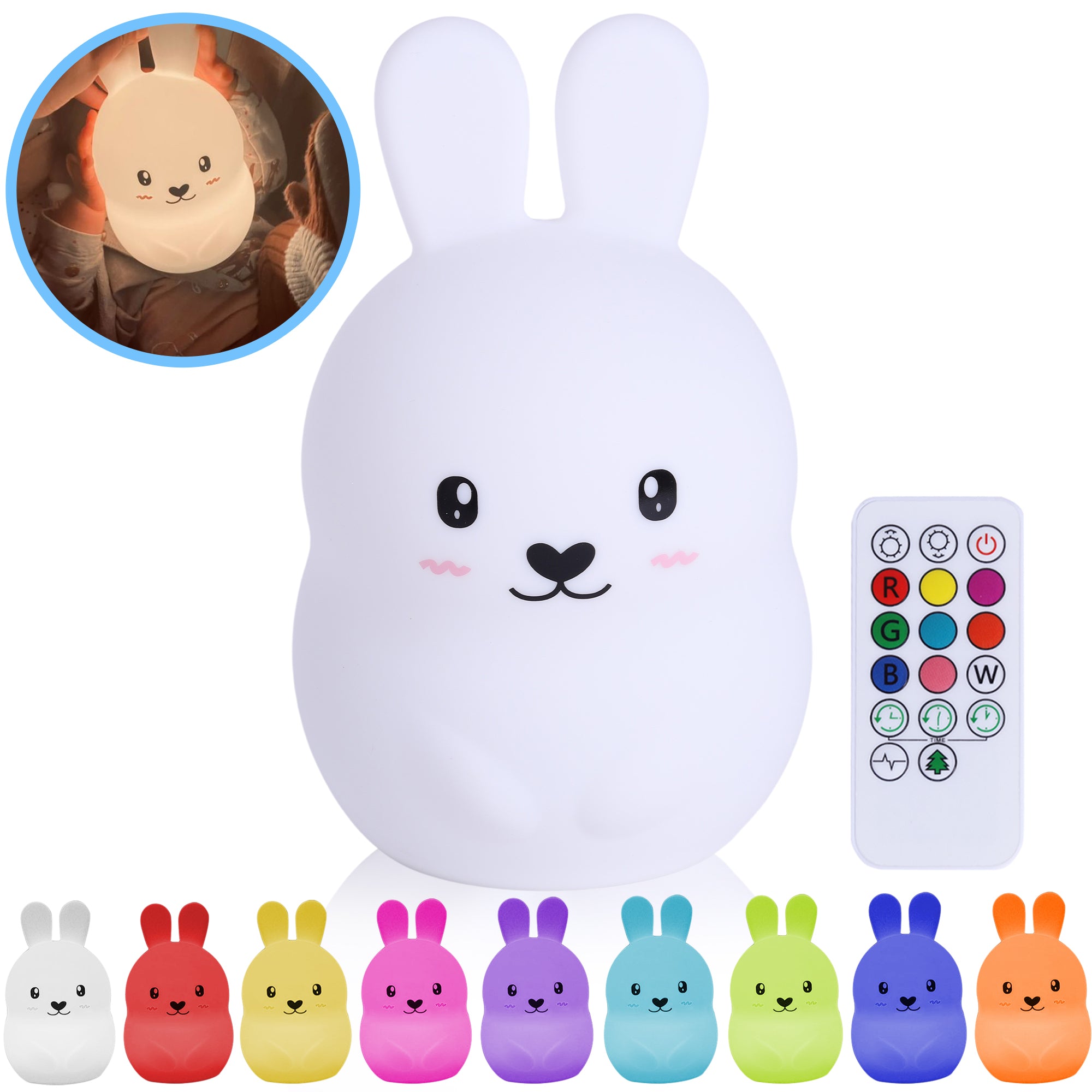
A child who calls out again after goodnight, finds the hallway unsettling or wakes in the middle of the night: for many families, it is part of this stage. Using a night light properly can make a small, familiar difference. Not by forcing sleep, but by making the bedroom feel recognisable, gentle and safe, even when you are not beside the bed.
The strength of a night light lies not in how much light it gives, but in the predictability around it. When your child learns that the same soft light comes on every evening, it becomes a friendly part of the ritual. This offers reassurance, especially during the toddler and preschool years, when imagination and independence develop rapidly.
Why a night light can bring calm
During the day, a child's bedroom is a place to play, build and invent stories. In the evening, that same room becomes a quiet place to let go. A small point of light helps make this transition visible. Your child can find their familiar cuddly toy, see where the door is and does not have to lie in a completely dark room straight away.
This does not mean every child needs a lamp. Some children sleep better in a dark room and are distracted by light instead. Above all, watch what your child shows you. Do they often ask for a light, feel afraid when the main light goes off or seem calmer with a consistent ritual? A night light may then be a welcome addition.
A night light is no substitute for your closeness either. A short chat, a kiss and a calm ending still matter. The light then supports the moment when your child continues to relax on their own.
Using a night light properly starts with soft light
Choose warm, dimmed light. Bright white or bluish light can make a room unnecessarily light, while a warm glow suits the peaceful end of the day better. You do not need to illuminate the whole room: enough light to recognise the surroundings is usually sufficient.
Do not place the lamp right beside your child's face or directly in their line of sight. A position on a bedside cabinet, shelf or chest of drawers often spreads the light more gently. Make sure it does not cast striking shadows either. Something insignificant to an adult can suddenly resemble a frightening figure to a young child.
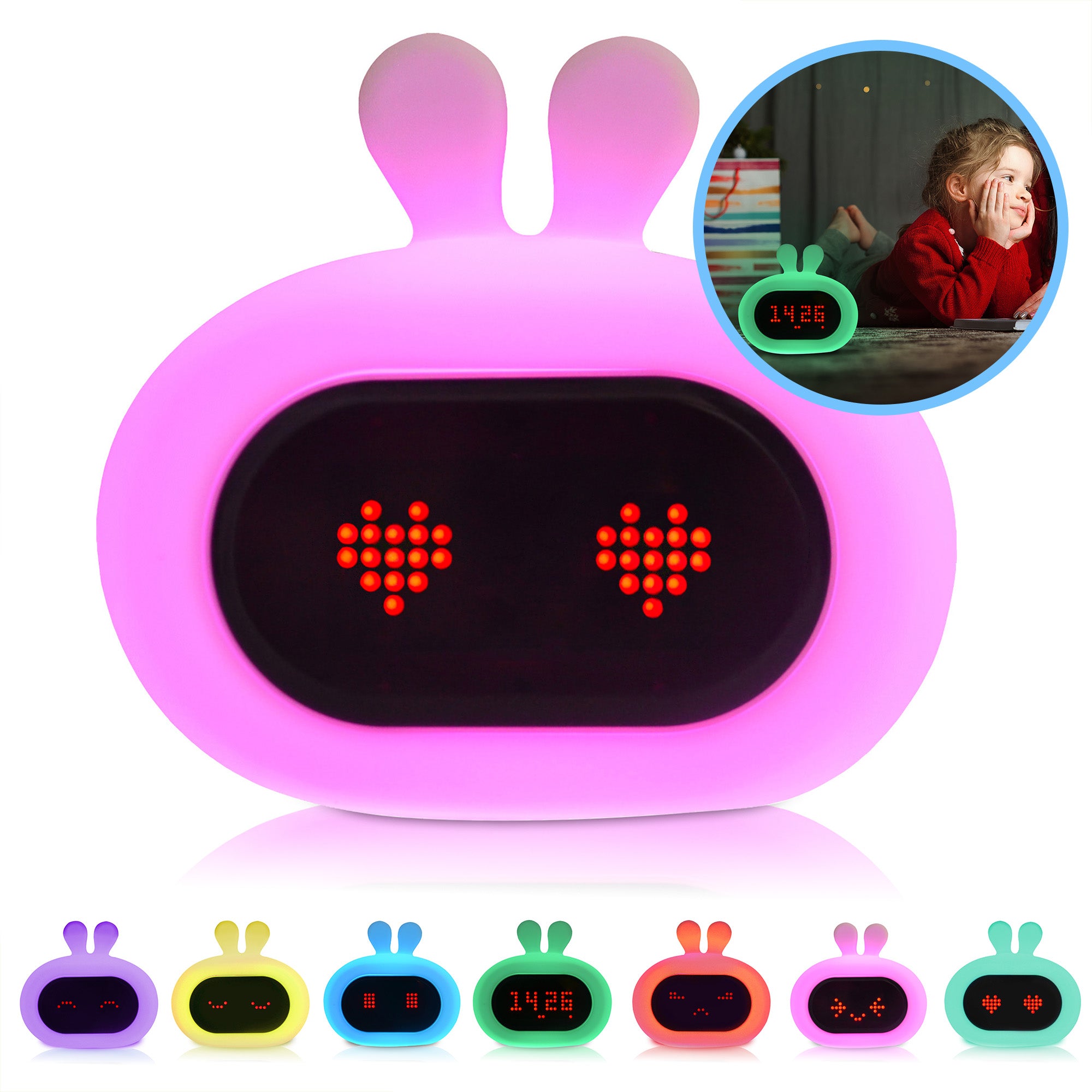
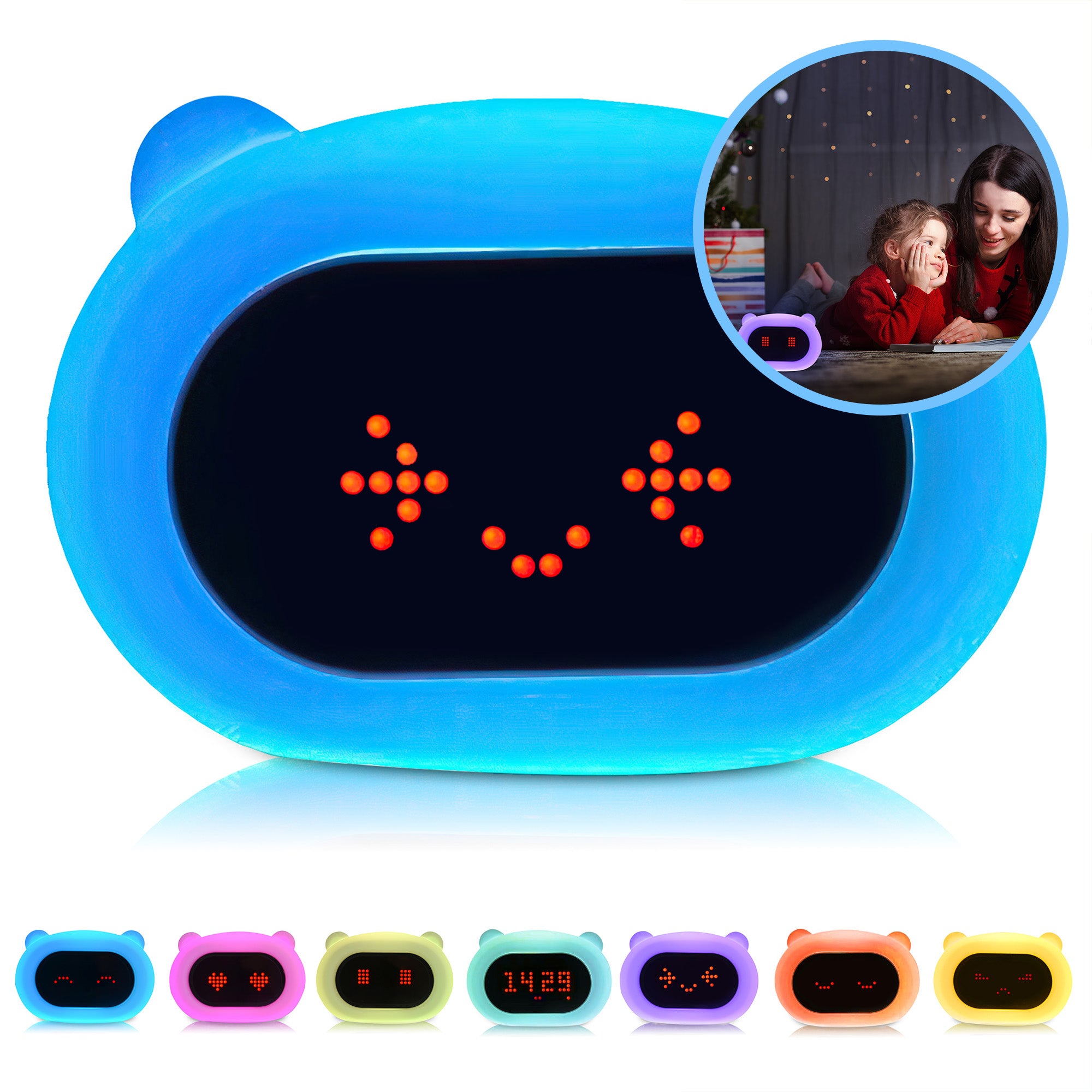
A dimmable night light is useful when you want to discover what works. Start with a low setting rather than too much light. You can always turn it up slightly, but an overly bright room makes a calm evening harder. Does your child's lamp offer different colours? Save bright or changing modes for daytime and choose one fixed, warm colour in the evening.
Make the light a consistent bedtime signal
A night light works best as part of a short routine that you follow in roughly the same way every evening. It need not be elaborate. A simple ritual is easier to maintain on busy days, after getting home late or when your child is tired and irritable.
You might tidy up first, then wash or brush teeth, put on pyjamas, read a book together and finally switch on the night light. Explain what is happening in simple words: “The little light is on; now it is time for a lovely rest.” Using the same phrase regularly makes its meaning clear without turning it into a long discussion.
For children who cannot yet tell the time, a sleep trainer alongside a night light can help distinguish morning from night. The night light provides comfort in the dark, while the sleep trainer uses a recognisable colour or picture to show when the day begins. Introduce both calmly and explain them step by step. Do not expect a child to understand after just one night.
Keep the routine manageable
A consistent routine is not a rigid script. Some evenings your child asks for two stories, is affected by a busy day or wants to tell you what happened. There can be room for that. The basis stays the same: you slow the pace, calm the room and end the day with attention.
Try not to use the night light as a bargaining tool. Phrases such as “if you don't sleep now, the light goes off” can remove the feeling of safety. It is better to remain clear and kind: the light may stay on, it is time to remain in bed and you will talk again tomorrow.
The best place for a night light in a child's bedroom
Safety is more important than appearance. Put a night light in a stable place where your child cannot easily pull it down or throw it. Keep any cable out of reach and do not hide it under a rug, cushion or blanket. A rechargeable lamp can be practical, provided you charge and check it according to the instructions.
Choose a model suited to your child's age. A simple, stable lamp with soft light is often enough for a baby's room. Toddlers and preschoolers sometimes like a friendly animal or character because it becomes a familiar companion. Check regularly that the product is intact and that loose parts cannot be reached.
Consider your own practical moments too. A lamp giving just enough light to look in, find a dummy or straighten a blanket means you need not switch on the bright ceiling light. This keeps the room calm for your child and for you.
Give your child time to get used to it
A night light may be especially interesting on the first evening. Your child may want to look at it, point to it or play with it. That is perfectly normal. Briefly introduce it during the day: show where it stands and how soft the light is, and explain that it helps make the room cosy and calm at night.
Is it distracting your child too much? Change one thing at a time. Move the lamp farther away, dim it more or choose a less striking colour. There is no need to change the entire bedtime routine at once. Small adjustments give you the chance to discover what suits you.
The duration can vary too. Some families leave a soft light on all night. Others use a timer so it goes off after the child falls asleep. Either can work well, provided your child is comfortable and the room does not become too bright. A timer is especially useful when the light is reassuring at bedtime but is no longer needed afterwards.
Common questions from parents
Should a night light be on every night?
No. It is a tool, not a rule. If your child sleeps peacefully without a lamp, that is absolutely fine. If the light temporarily offers extra support after a move, an overnight stay or an unsettling period, you can use it temporarily too. Follow what brings calm to your family at that moment.
What if my child will only sleep with a bright light?
Take small steps. Start with the main light off and a softer lamp on. If that goes well, you can later dim the night light slightly or move it farther from the bed. Point out what is working: “Look, you can still see your room with this little light.” This keeps the change friendly and manageable.
Can my child operate the night light?
That depends on their age, the design and the lamp's position. For some preschoolers, a simple button or tap function provides a pleasant sense of independence. Agree on a clear rule: the lamp is for evening and night, not for playing games in bed. With younger children, operation by a parent is usually calmer and safer.
A pleasant evening does not need to be perfect to be valuable. With a soft light, a familiar ritual and your calm presence, evening after evening you create a bedroom your child can approach with confidence.