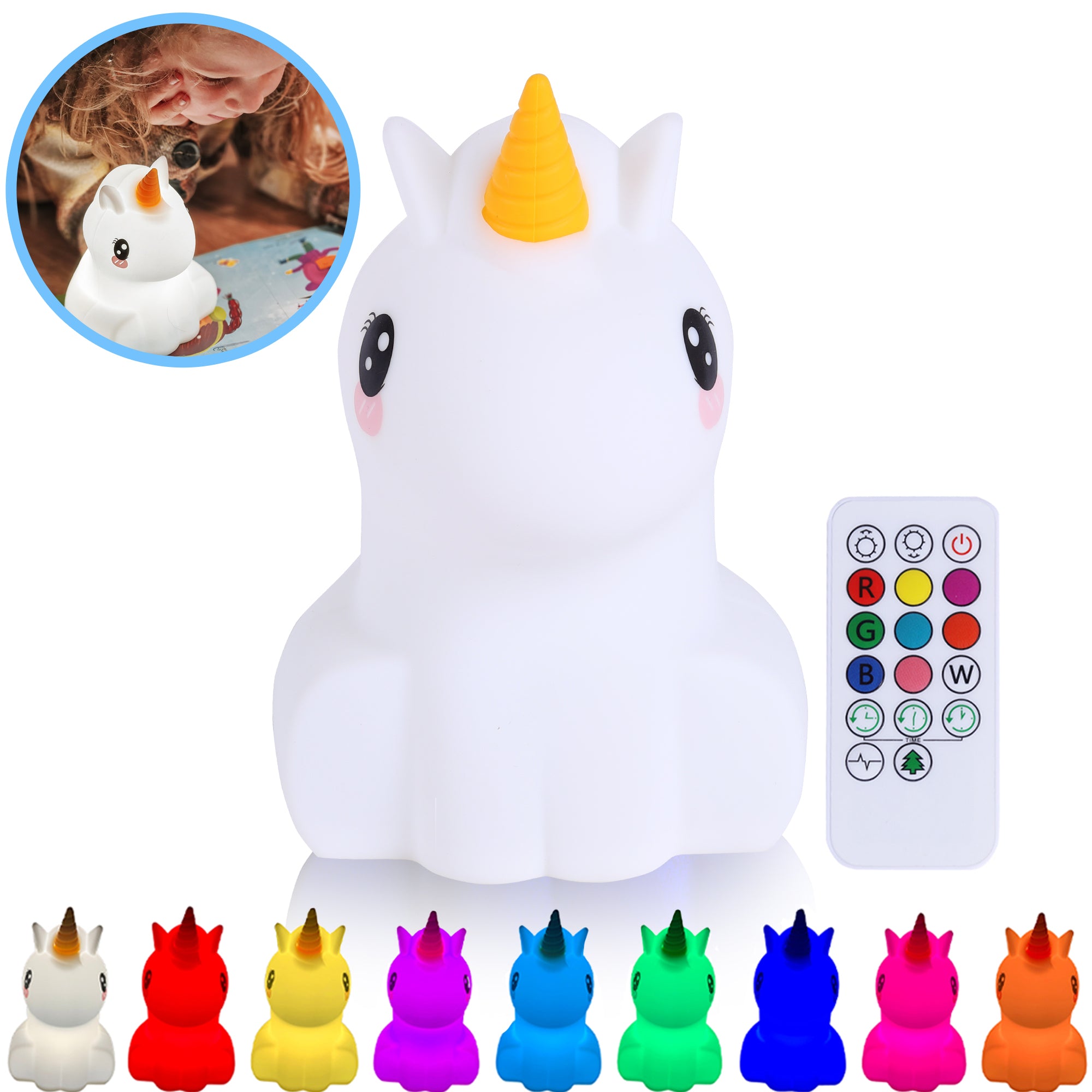
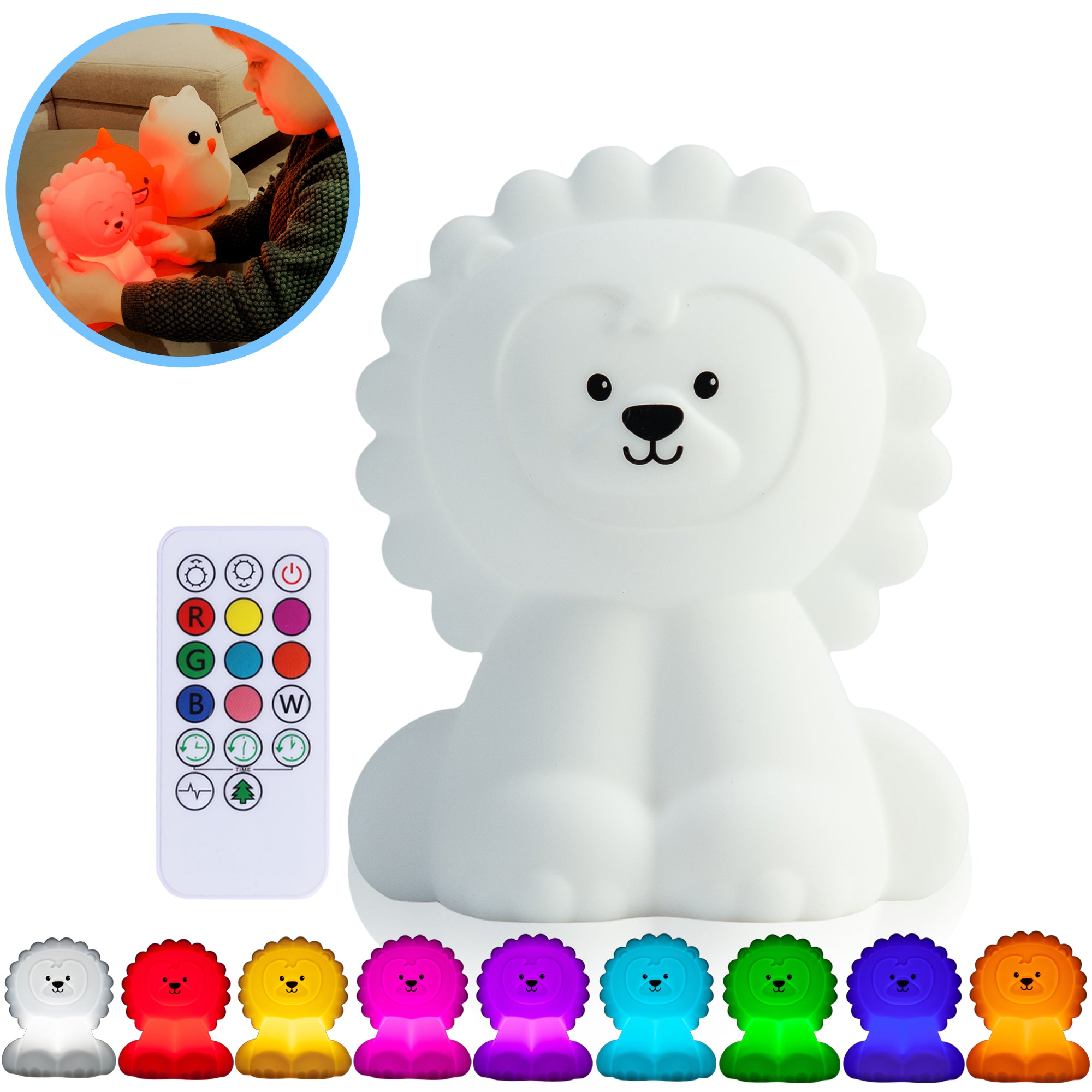
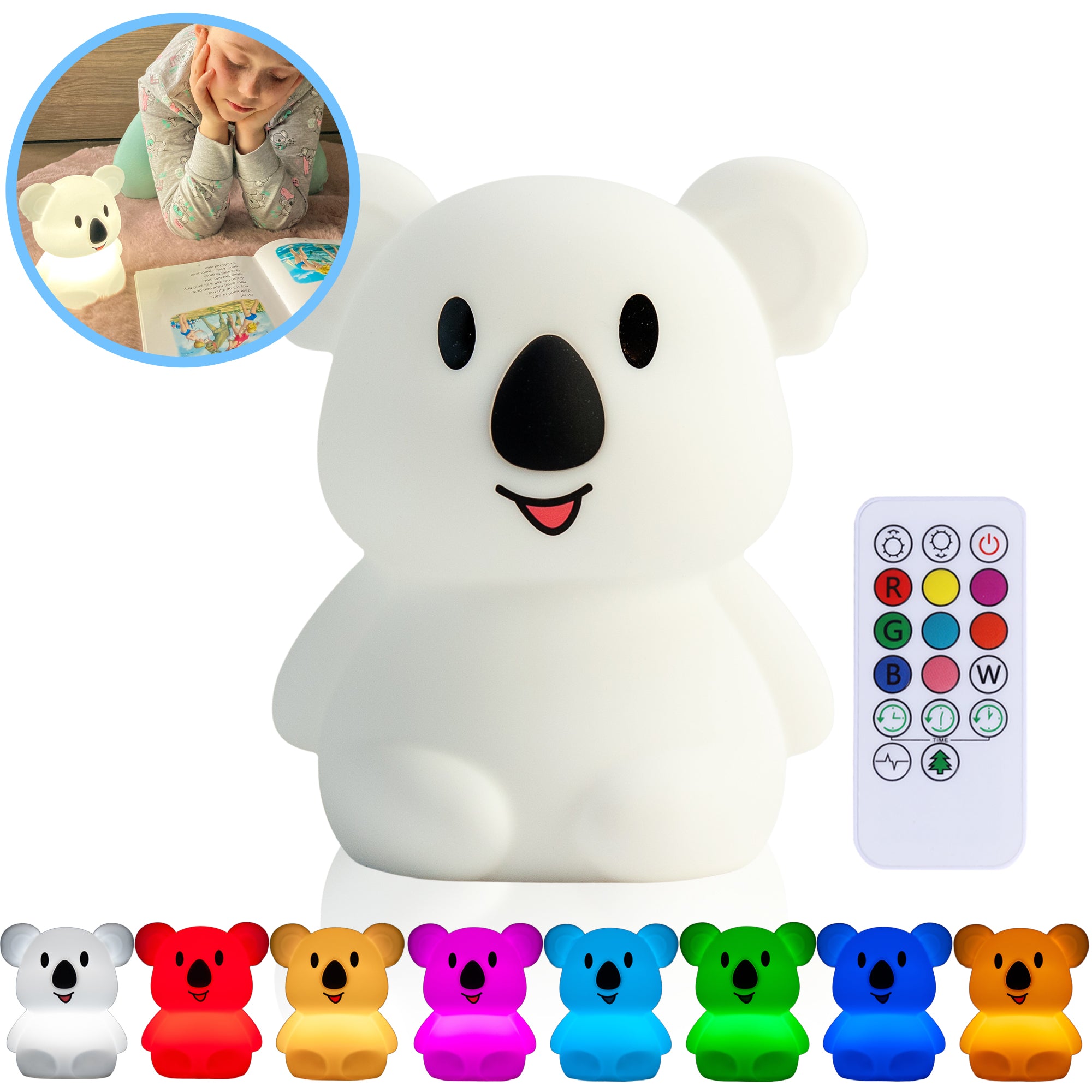
Some evenings seem to flow naturally. Pyjamas on, a book to read, a cuddly toy nearby and then off to sleep. On other evenings, even the walk to the bedroom can feel tense. That is exactly when a night light in the children's bedroom can make a real difference. Not as a miracle solution, but as a calm and familiar part of the bedtime routine.
A child experiences darkness differently from an adult. Where we mainly see a quiet bedroom, a toddler may suddenly notice shadows, unfamiliar shapes or sounds that barely stand out during the day. A soft point of light then offers recognition and reassurance. It makes the room feel easier to understand without disturbing the night. It is also helpful for parents: you can tuck your child in, comfort them or check on them without switching on the bright ceiling light.
Why a night light in the children's bedroom works so well
A night light does much more than simply provide light. It helps children move more easily from a busy day into a calm night. In combination with a calming bedtime routine, it creates a familiar rhythm. Bath time, brushing teeth, reading a story and then a soft light: that fixed order gives young children confidence.
For children who are sensitive to stimulation or who find it difficult to fall asleep, a familiar light source can provide extra calm. A warm, soft glow feels less sudden than complete darkness, while the room still remains dark enough to settle down.
That is also where an important difference lies. A good night light for the children's bedroom supports the evening routine, but does not take it over. The goal is not to light up the whole room, but to provide just enough light for a child to feel safe and for the bedroom to remain familiar.
What should you look for in a night light for the children's bedroom?
Not every night light suits every bedroom. That is why it is sensible to first think about what you want to use the light for. Is it meant for falling asleep, for nighttime care moments or to give your child a little more reassurance when they wake up at night? That determines which features are important.
For most children's bedrooms, warm, dimmed light is the best choice. Cool or bright white light is useful when getting dressed or tidying up, but just before bedtime it often feels less pleasant. Warm light creates a calm atmosphere and makes the transition to bed feel more natural.
The position of the night light also deserves attention. A light placed directly beside the pillow can be disturbing if it shines straight into the eyes. A spot on a changing table, wall shelf or small cabinet often works better. This allows the light to spread subtly through the room, giving enough orientation without making the bedroom too bright.
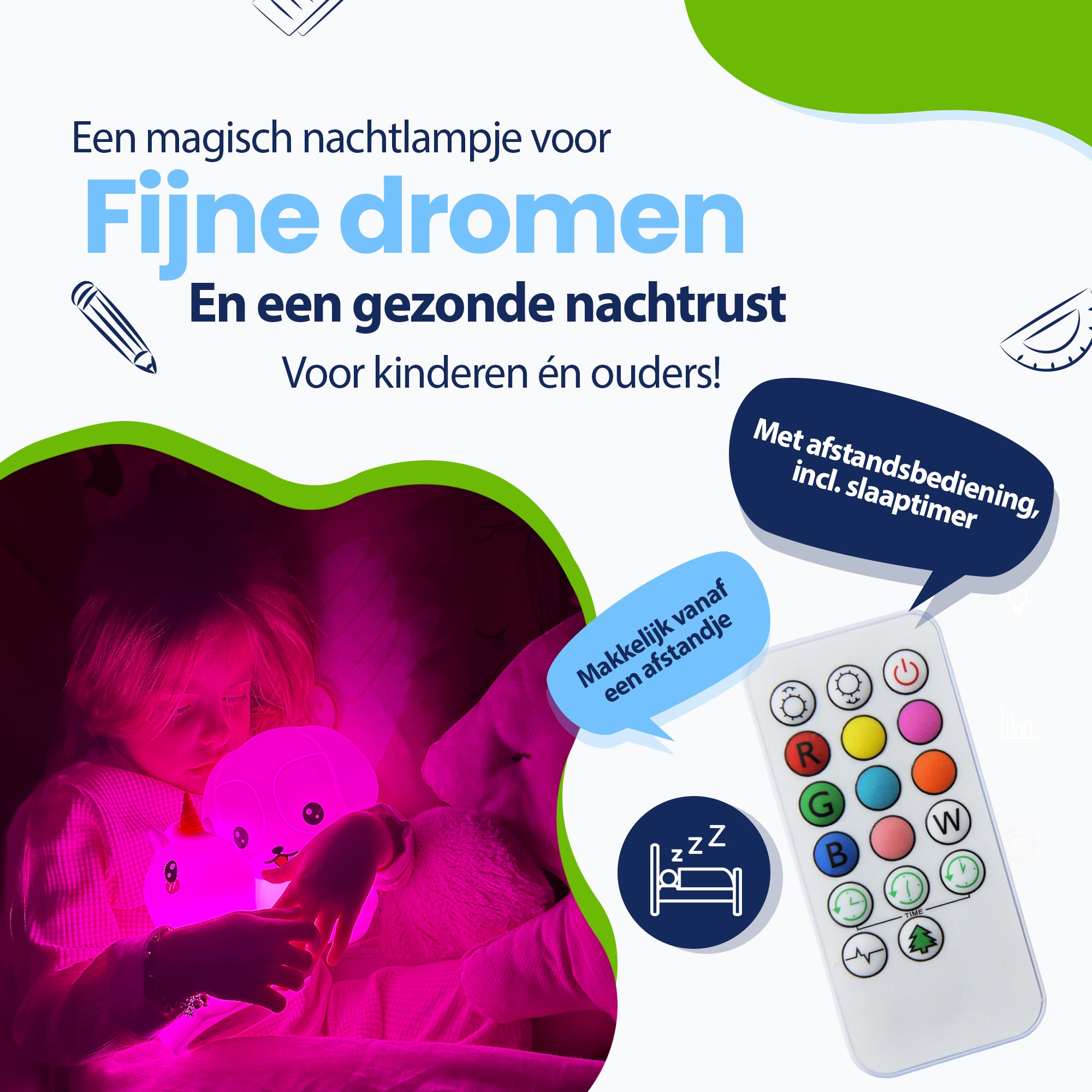
Ease of use also plays an important role. Many parents prefer a light that works simply: switch it on, dim it if needed and avoid complicated settings. For young children, one fixed light setting is often enough. That way, the night light remains a calm part of the evening instead of becoming something to play with. For older toddlers and preschoolers, a timer or dimming function can be useful, because you can adjust the light to the moment of the evening.
Also look at the material and finish. A night light in the children's bedroom is often used every day and is within reach of curious little hands. Choose a sturdy, child-friendly design that feels pleasant and is easy to keep clean. A beautiful appearance is nice, but in the end it is mainly about safety, durability and ease of use.
Warm light or a little more visibility?
Many parents look for a good balance between atmosphere and practical use. In a baby's room, a little more light is often useful during a feed or a quick check, without the whole room immediately becoming brightly lit. With toddlers and preschoolers, the focus is often more on a safe and familiar feeling while falling asleep. In that case, a small, constant light source is usually enough.
Does your child sometimes wake at night to go to the toilet or drink a sip of water? Then a night light can provide just that bit of extra orientation. Here too, warm, dimmed light is usually more pleasant than a bright light source.
Where should you place a night light in the children's bedroom?
The position of a night light largely determines how pleasant the light feels. A light does not have to stand next to the pillow to work well. A spot on a changing table, wall shelf or small cabinet often creates a calmer result. The light then spreads more evenly through the room without shining directly into your child's eyes.
Try to place the light so that important parts of the room, such as the door, the cuddly toy corner or the walking route to the bedroom door, remain subtly visible. This gives enough orientation without making the bedroom too bright.
The night light as part of the bedtime routine
A night light works best when it becomes part of a fixed evening routine. Children feel comfortable with predictability. When the same soft light turns on every evening after bath time, brushing teeth and reading together, a familiar moment of calm is created that helps with the transition into the night.
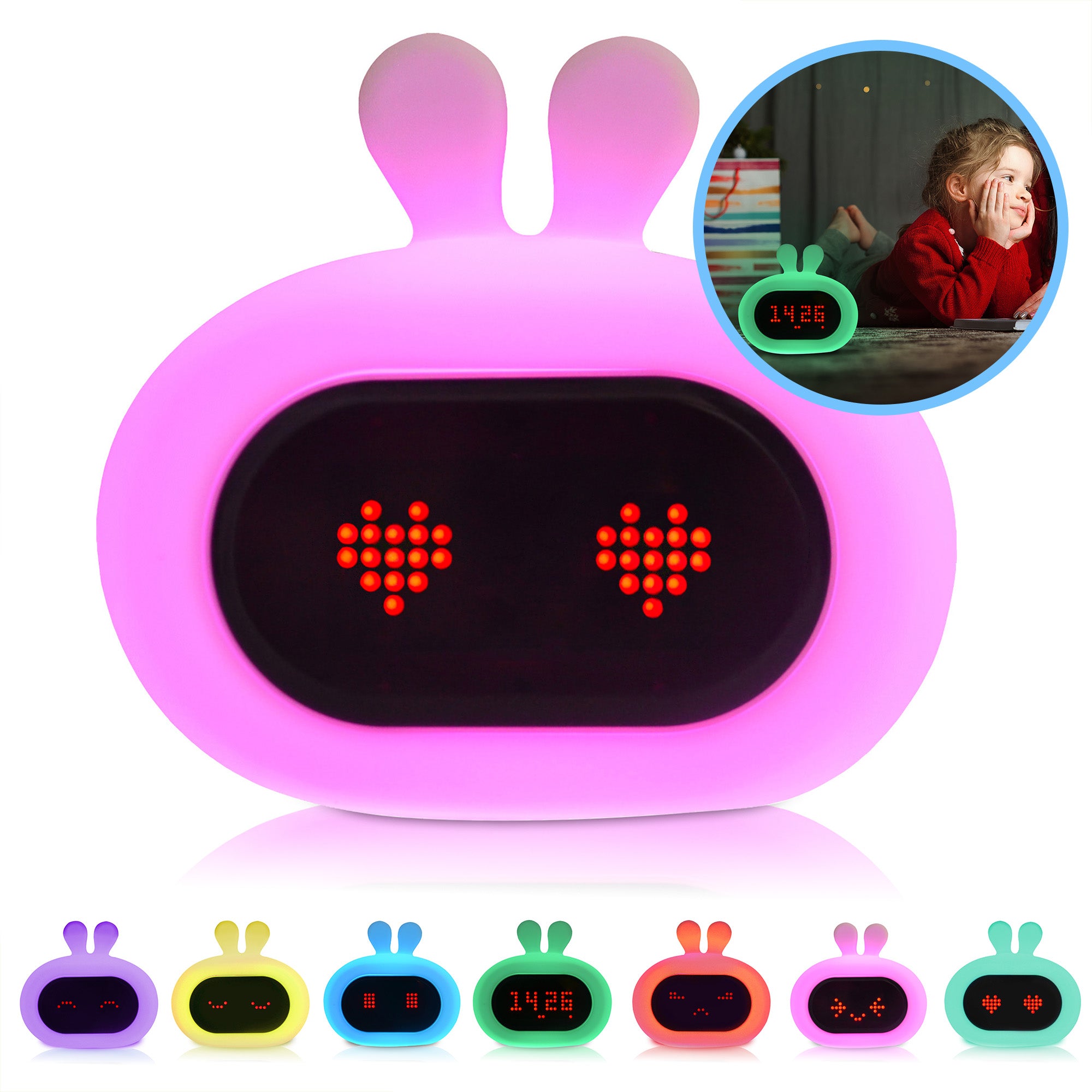
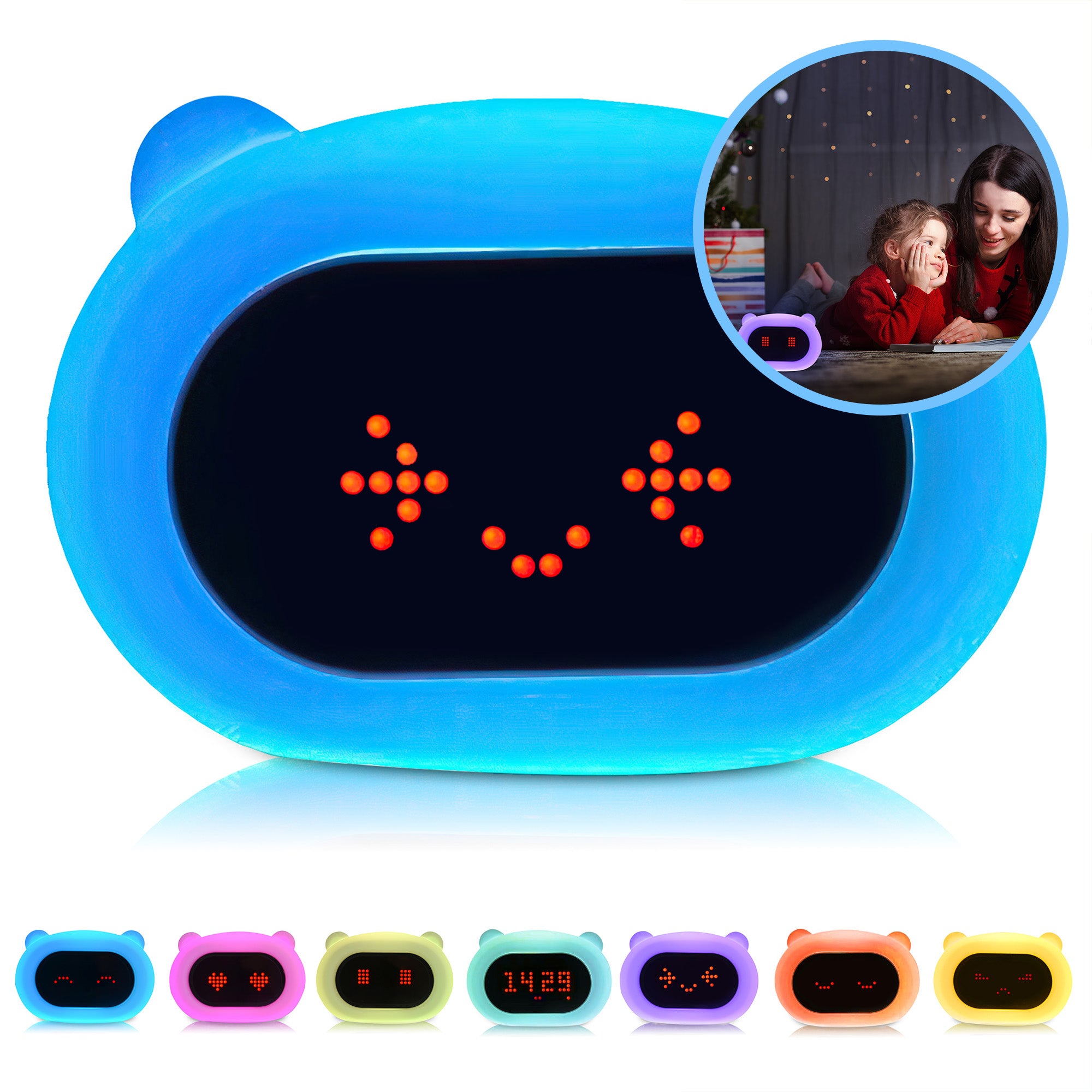
For some families, a night light works well together with a sleep trainer or children's alarm clock. The light creates a peaceful atmosphere, while the sleep trainer helps make clear when it is time to sleep and when it is time to get up.
It is best not to use a night light only when your child is afraid of the dark. By using it in the same way every evening, it becomes a trusted part of the bedtime ritual instead of a solution only for difficult moments.
Common mistakes when using a night light
A common mistake is using a night light that gives off too much light. This is understandable, because parents want to reassure their child. Still, a room that is too bright can actually make it harder to fall asleep. A night light is meant as subtle support, not as a replacement for normal room lighting.
Parents also sometimes choose as many extra features as possible. Projections, flashing colours or music can seem appealing, but they do not always contribute to calm. Especially just before bedtime, a simple night light often works better.
In addition, people often focus mainly on appearance. Of course, a night light may look nice in the children's bedroom, but pay at least as much attention to brightness, operation, safety and the quality of the material.
When a simple night light is the best choice
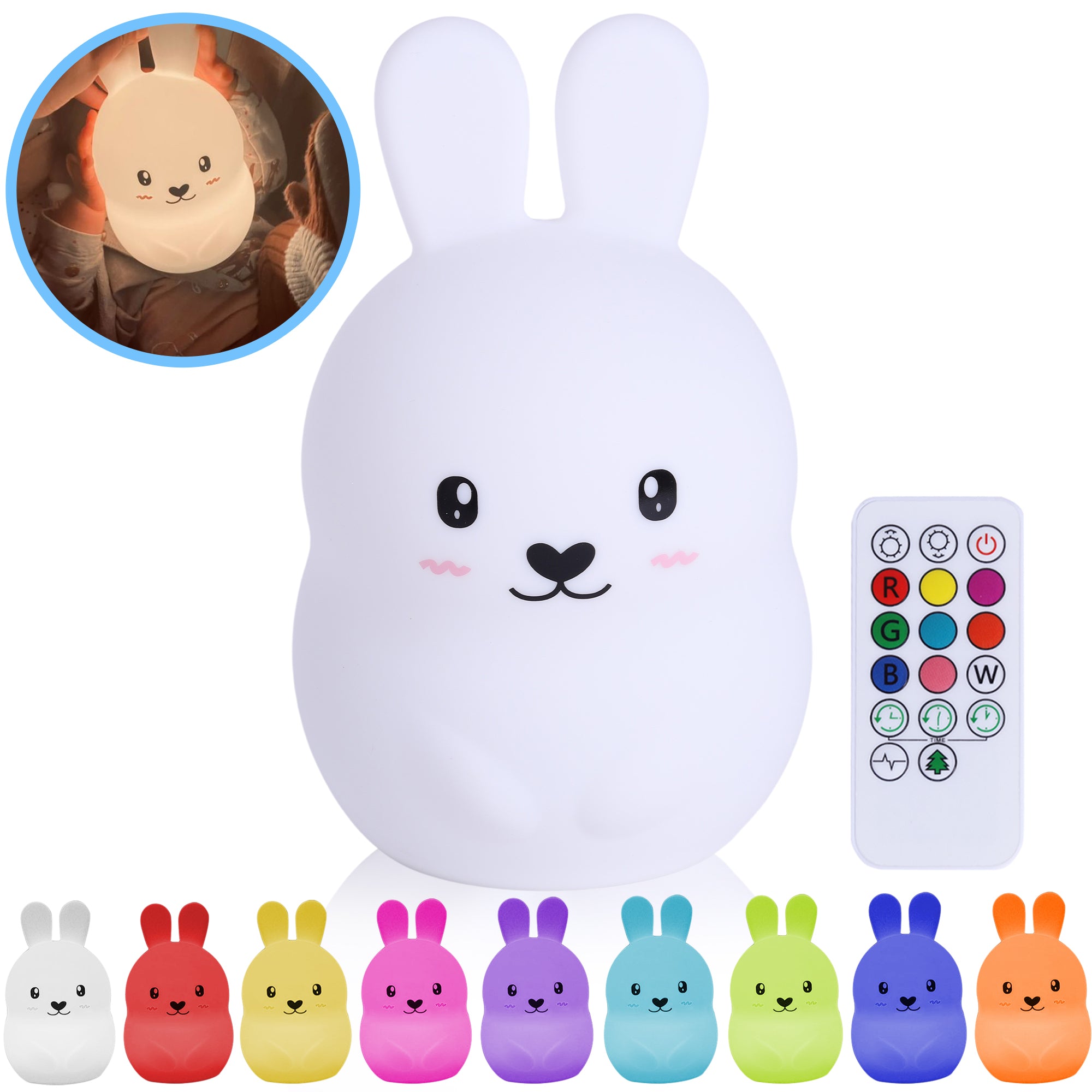
For babies and young toddlers, less is often more. A small light with a warm, constant glow provides enough comfort without adding extra stimulation. Older children may like a recognisable character, as long as the design remains calm and does not invite long play just before sleep.
How to choose a night light that suits your family
There is no night light that is perfect for every family. First think about the situation in which you want to use it. Is it mainly meant for falling asleep, for nighttime care moments or to give your child a little more reassurance when they wake up?
Then look at the bedroom itself. In a small room, a light may seem bright more quickly, while the same light can appear much more subtle in a larger space. The colour of the walls, the furniture and the position of the bed also influence how the light is experienced.
The best night light for the children's bedroom is not necessarily the one with the most features, but the one that contributes to a pleasant sleep environment every evening in a calm and predictable way.
Safety and durability remain important
Because a night light is used almost every day, safety and durability are important points to consider. Preferably choose a sturdy light that is suitable for children, easy to use and made to last. A durable choice means not only fewer replacements, but also more peace of mind in daily use.
For many families, a night light has now become more than a practical accessory. It has become a fixed part of the bedroom that helps with calm, comfort and a predictable evening routine. That fits well with the idea behind Kadoing: products that are not only beautiful, but above all contribute to a more relaxed family life.
A calm evening often starts with a small light
A night light does not take away every difficult bedtime moment. Children are children, and every evening is different. Still, a small, familiar point of light can mean a lot. It makes the bedroom feel recognisable, gives a sense of safety and supports a calm transition into the night.
That is why small, reliable anchors can make such a difference. Sometimes a soft light is exactly enough to help a child fall asleep with a reassured feeling, and to give parents that little bit of extra calm too.
Frequently asked questions about a night light in the children's bedroom
Does a child need a night light?
Not every child needs a night light, but many children feel more comfortable with a soft point of light while falling asleep or when they wake up at night. A night light can help the bedroom feel familiar and often supports a calm bedtime routine.
Where should you place a night light in the children's bedroom?
Preferably place a night light on a shelf, changing table or cabinet where it spreads indirect light. This provides enough orientation without shining directly into your child's eyes. Avoid placing it right next to the pillow if the light could be disturbing.
How bright should a night light be?
Choose warm, dimmed light that provides enough visibility without lighting up the whole room. A night light is meant as subtle support during the night and does not need to replace normal room lighting.
Can a night light stay on all night?
Yes, as long as the night light is suitable for that purpose. Some children sleep well with a small point of light throughout the night, while others prefer complete darkness. A timer function is useful if you only want to use the light while your child is falling asleep.
From what age is a night light suitable?
Many parents use a night light from the baby stage during feeds or short care moments. For toddlers and preschoolers, a soft light often helps build a familiar bedtime routine and makes the bedroom feel less scary.
What is the difference between a bedside lamp and a night light?
A bedside lamp is usually used while reading aloud or during the evening routine and often gives a little more light. A night light is specifically meant to provide a soft, constant light source during the night, so children feel safe without the bedroom becoming too bright.