Are you specifically looking for the best sleep trainer for toddlers? In this guide, we help you step by step to choose a model that suits your child and your family’s situation.
Your toddler is standing next to your bed at 5:24 AM, fully ready for the day. You know it’s still nighttime, but for young children, time is something abstract. That is exactly why many parents look for the best sleep trainer for toddlers — not as a miracle solution, but as a helpful tool that brings calm and predictability in the morning and at bedtime.
A good sleep trainer helps toddlers understand when it is time to sleep, play quietly, or get out of bed. It sounds simple, but in practice it often makes a big difference. Not only for your child, but for yourself as well. Less discussion, less confusion, and more structure during a phase where routines are incredibly valuable.
What makes the best sleep trainer for toddlers truly good?
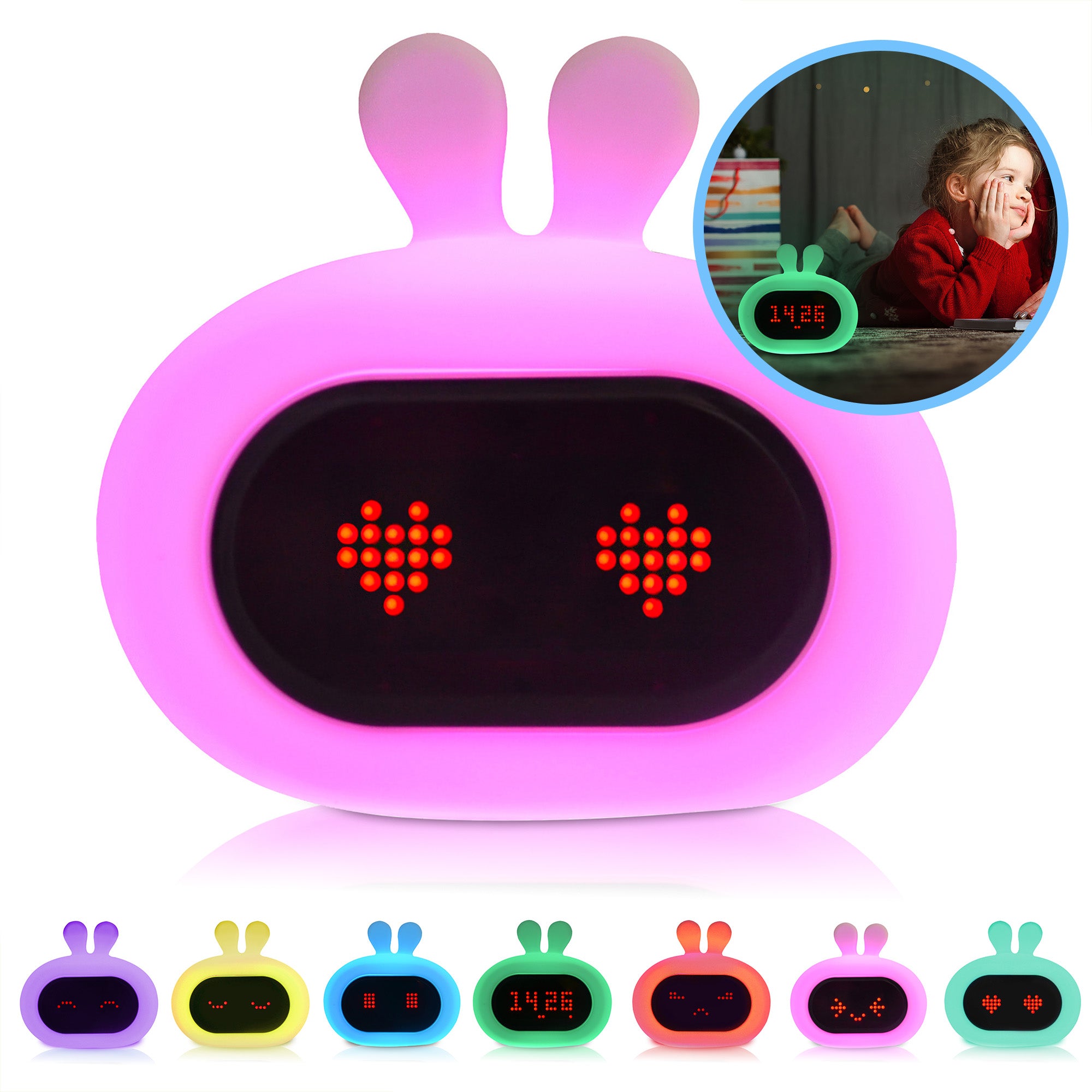
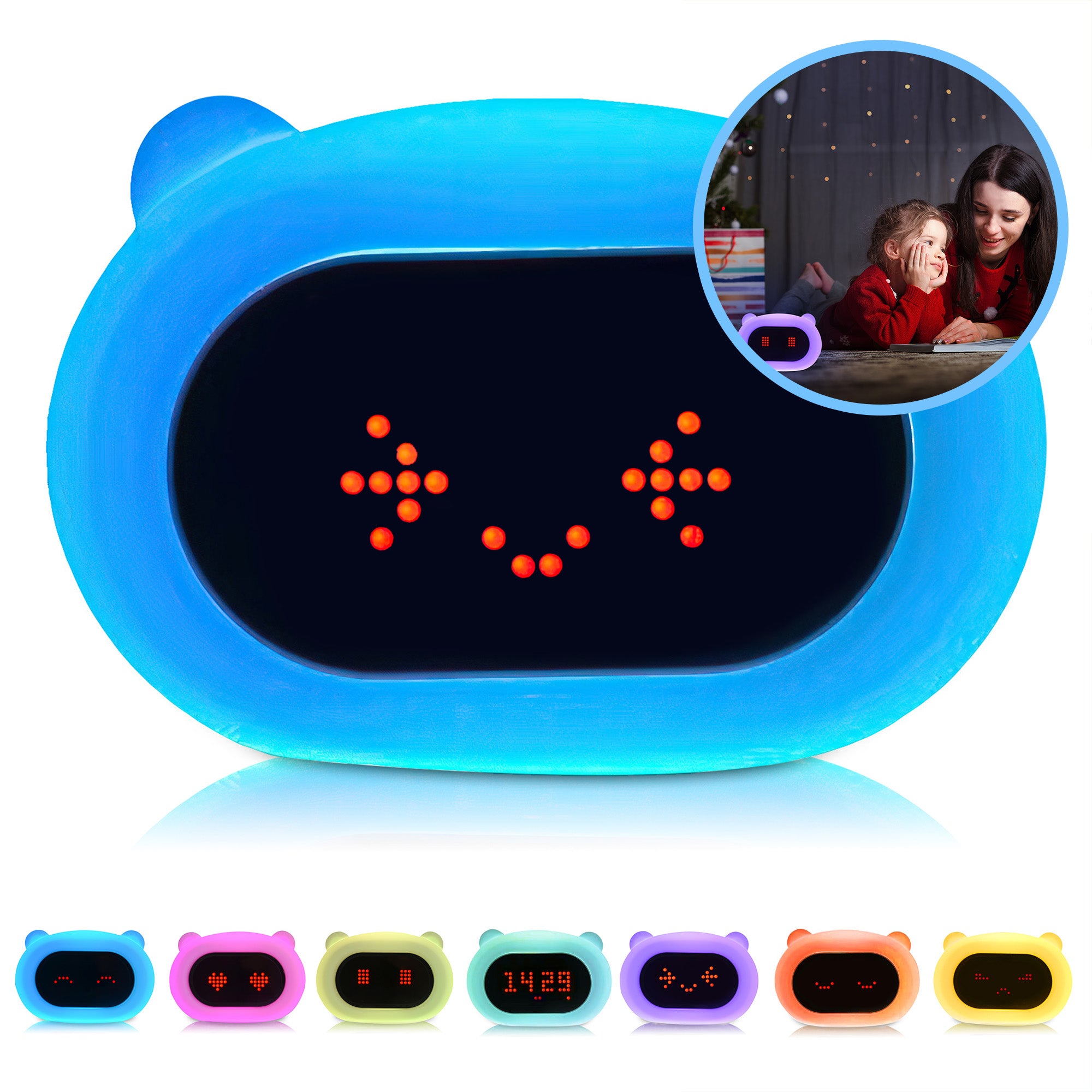
The best sleep trainer for toddlers is not necessarily the model with the most features. At this age, simplicity usually works best. A toddler should immediately understand what is expected. Think of a moon for sleeping, a sun for waking up, or a clear visual signal such as light and recognizable symbols on the display.
Ease of use is also just as important as the design. If you as a parent have to click through a complicated menu every evening, it becomes difficult to keep up during busy weeks. A sleep trainer should support your routine, not become another task.
Your child’s temperament also matters. Some toddlers respond very well to visual signals. Other children benefit more from a combination of light, consistent bedtime rituals, and repetition. That is why the question is not only what the best toddler sleep trainer is, but also which one fits your family best.
What should you look for when choosing one?
A clear day-and-night signal
Toddlers benefit from clarity. A sleep trainer with a simple symbol or color change is often more effective than a regular clock with numbers. A child aged two or three cannot yet tell time, but they do understand that a sleeping figure or calm light signal means: stay in bed a little longer.
Soft light instead of bright light
A sleep trainer is usually placed in the bedroom. That means you do not want a bright screen making the room feel restless. It is better to choose soft lighting that feels calming. Especially for children who are sensitive to stimuli or find darkness scary, a subtle night light can be a wonderful extra feature.
Easy controls for parents
The best choices are often surprisingly practical. Can you easily set the times? Does the device work reliably? Is it immediately clear how to use it? These things may seem small, but they make a daily difference.
A child-friendly design
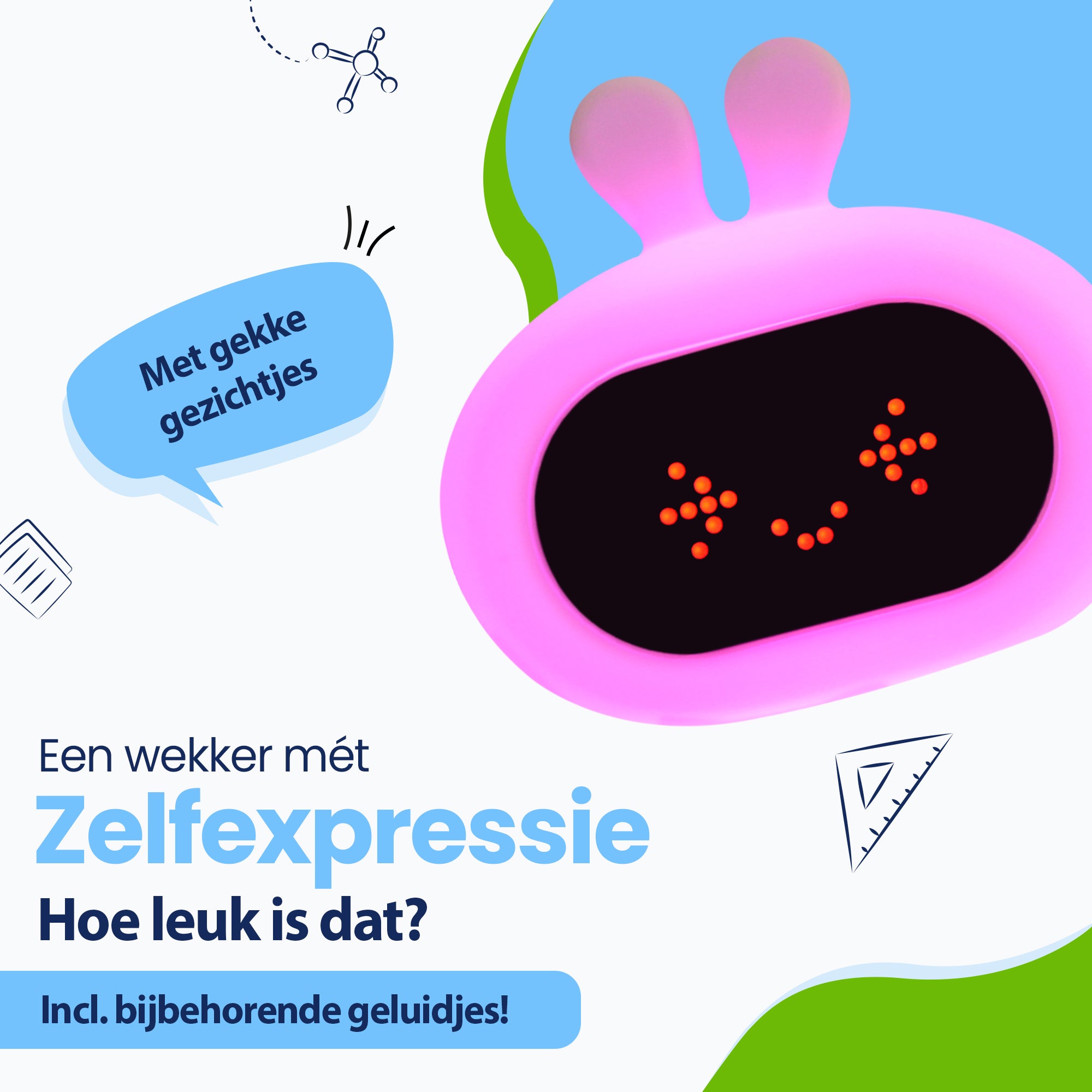
Toddlers react strongly to appearance. A friendly shape, soft colors, and a calm face can help a sleep trainer feel like a trusted part of the bedtime routine. However, keep in mind that the design should be cute without becoming too playful. If it looks too much like a toy, it may actually become stimulating instead of calming.
Safety and materials
Because this is a product for the nursery, safety is naturally important. Look for durable materials, stable placement, and a design that fits a calm sleeping environment. For many parents, sustainability also matters: it is better to choose a product that lasts a long time rather than something that needs replacing after only a few months.
Which features are actually useful — and which are less important?
When searching for the best sleep trainer for toddlers, you quickly come across models with music, multiple alarms, apps, and extensive settings. Sometimes that can be useful, but often the rule is: the younger the child, the less they actually need.
A wake-up light, sleep mode, and possibly a night light function are more than enough for most toddlers. Within our range of children’s alarm clocks with sleep trainer features, you will notice that simplicity often works best. An app can be convenient for parents who like to adjust everything precisely, but it is certainly not required. If a sleep trainer without a phone works faster and more clearly, that is often even better for many families.
Sound is a matter of preference. A gentle alarm sound or lullaby can help, but not every child responds calmly to it. Some toddlers sleep better in a quiet room and actually wake up more easily from extra sounds. It therefore depends on your child’s sensitivity and your existing routine.
At what age does a sleep trainer work?
In most cases, a sleep trainer works best from around the age of 2. Around this age, children start to understand cause and effect more clearly. Still, every child is different. A younger toddler may already find visual signals interesting, while an older toddler may understand the meaning more quickly.
Do not expect it to work overnight. A sleep trainer is not a switch you simply turn on. It is more of a visual aid that works together with repetition. If you consistently repeat the same message — the moon is sleeping, so you stay in bed a little longer — your child gradually learns what the signal means.
How do you use a sleep trainer without creating conflict?
The way you introduce it makes a big difference. Do not simply place the sleep trainer in the room and expect your toddler to cooperate immediately. Take a few days to practice together. Point at the symbol, explain what it means, and connect it to fixed moments.
For example, during the day you can already say: when the light is sleeping, it is still rest time. When the sun appears or the light turns green, you may call out or get out of bed. By repeating this not only in the morning but also playfully during the day, it becomes easier to understand.
Rewards can help, as long as they stay simple. A sticker for a calm morning is perfectly fine, but do not turn it into a big negotiation. The strength of a sleep trainer lies in predictability. Your child does not need to test the rule again every single day.
It is also important to stay realistic. A toddler who is afraid of the dark, sleeping poorly because of teething, or going through a developmental leap may need more than just a visual signal. In that case, a sleep trainer can still help, but it will not solve everything. That is not failure — it is simply part of growing up.
Common mistakes when choosing a sleep trainer
A common mistake is choosing based on appearance alone. Of course you want something that looks nice in the nursery, but functionality comes first. A beautiful design has little value if the signals are unclear or the controls are frustrating.
Another mistake is expecting too much from extra features. More options do not automatically mean better sleep. For toddlers, simplicity almost always works in their favor.
Timing also matters. If your child has just moved out of a crib, started daycare, or welcomed a new baby sibling, there may already be a lot of unrest. A sleep trainer can still be useful, but give the process more time. Not everything has to work perfectly all at once.
The best sleep trainer for toddlers and the bedtime routine
The best sleep trainer for toddlers works most effectively as part of a calm evening routine. Think of a consistent rhythm with brushing teeth, putting on pajamas, reading a bedtime story, and then making bedtime visible with the trainer. This way, the device becomes more than just another object on a shelf — it becomes a recognizable part of the transition into nighttime.
For the first independent sleep moments, this can mean a lot. Toddlers often feel safer when their environment is predictable. A soft light, a familiar cuddly toy, and a clear sleep signal together create calmness. That is exactly what many parents are looking for: not perfect nights, but less tension around sleep.
Brands that combine sleep support and comfort with child-friendly design often fit this need best. You can also see this philosophy at Kadoing: products that are not only beautiful in the nursery, but that genuinely help with daily family routines.
Which type of sleep trainer suits your child?
If your toddler mainly struggles with waking up too early, choose a model with a very clear morning signal. If the challenge is more about falling asleep and feeling reassured, then a sleep trainer with a soft night light is often the better option. And if your child gets distracted easily, a calm and simple model usually works better than a device with lots of sounds and buttons.
For sensitive children, atmosphere matters. Soft colors, warm light, and a friendly appearance can help create a feeling of safety. For very active toddlers, sturdiness can be more practical, so the device does not immediately fall over or end up being used as a toy.
So there is no single answer that works for every family. The best choice is the sleep trainer your child understands, that you can easily use, and that brings calmness instead of extra stimulation.
Parents searching for the best sleep trainer for toddlers are usually not only searching for a product. They are looking for a calmer start to the day, fewer bedtime struggles, and a little more breathing space as a parent. That is exactly why it is worth focusing less on having the most features, and more on what truly helps in your daily routine.
Looking for a sleep trainer that brings calmness and clarity?
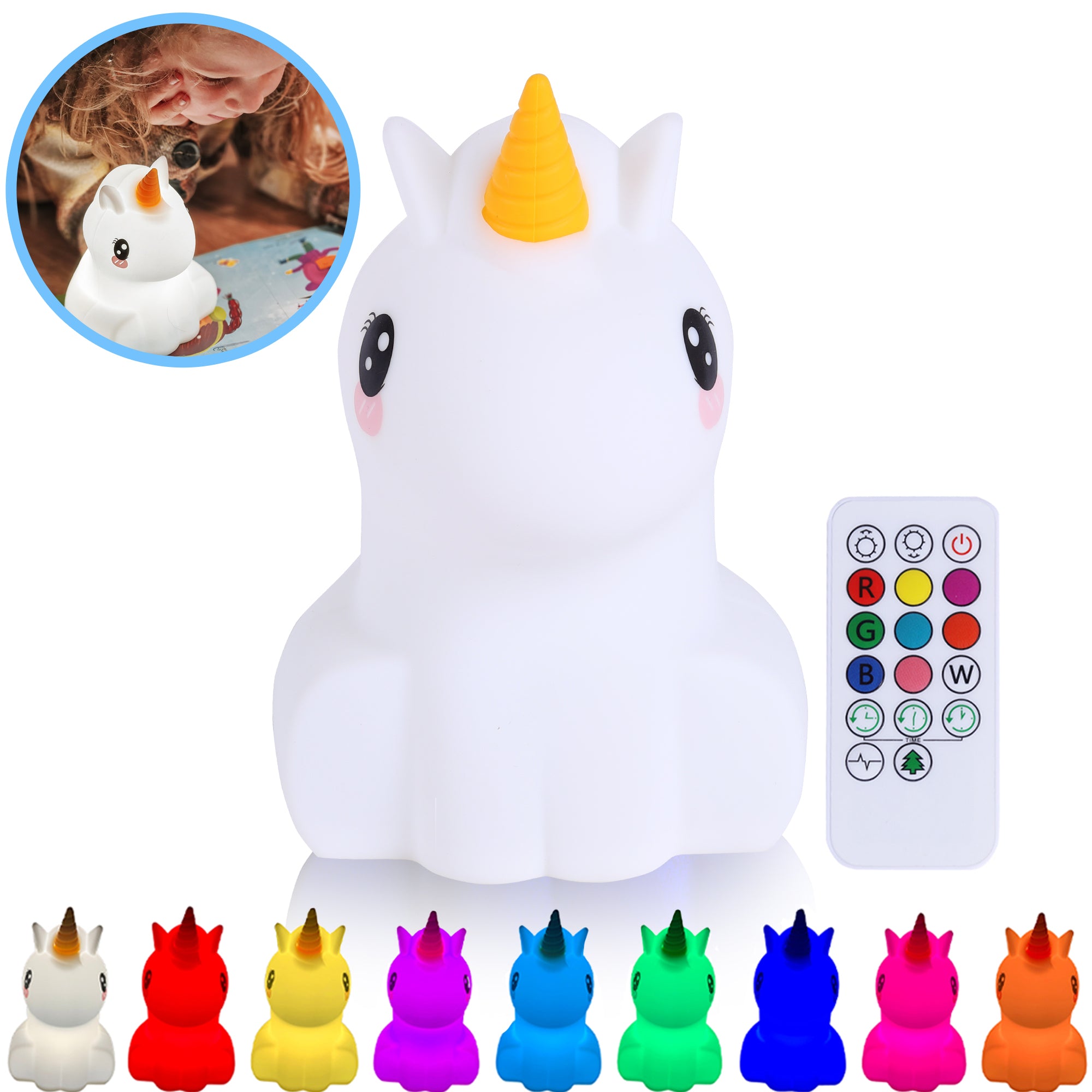
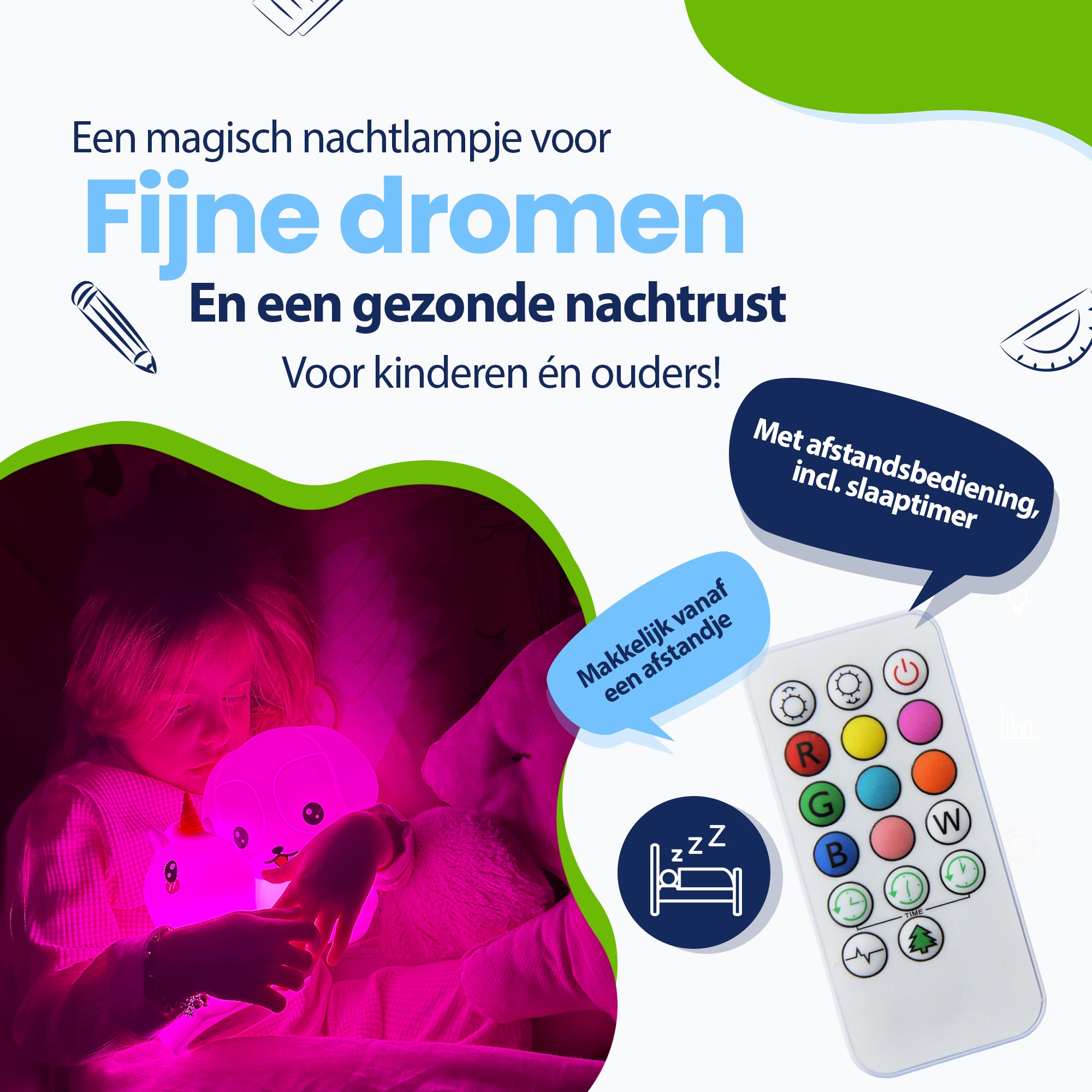
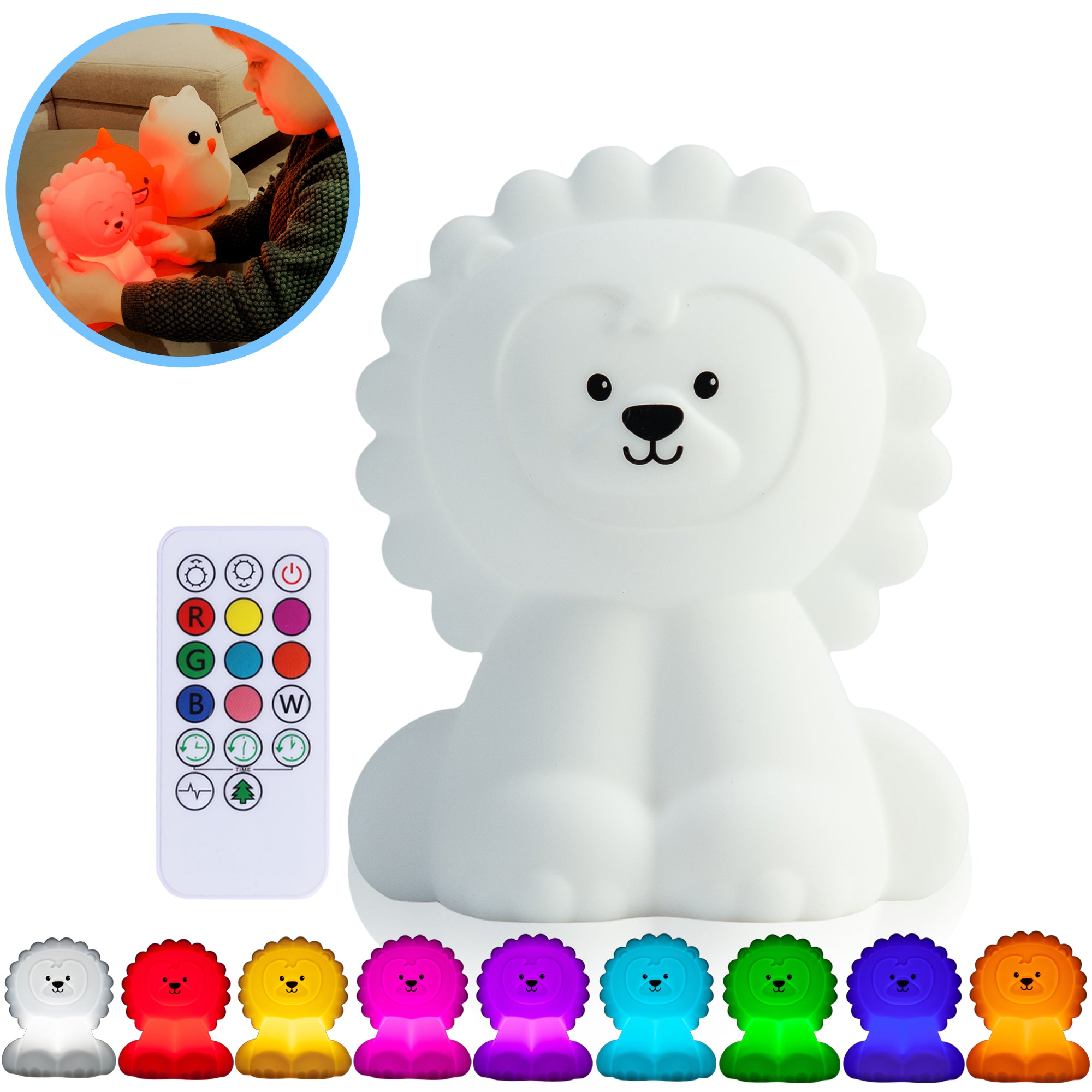
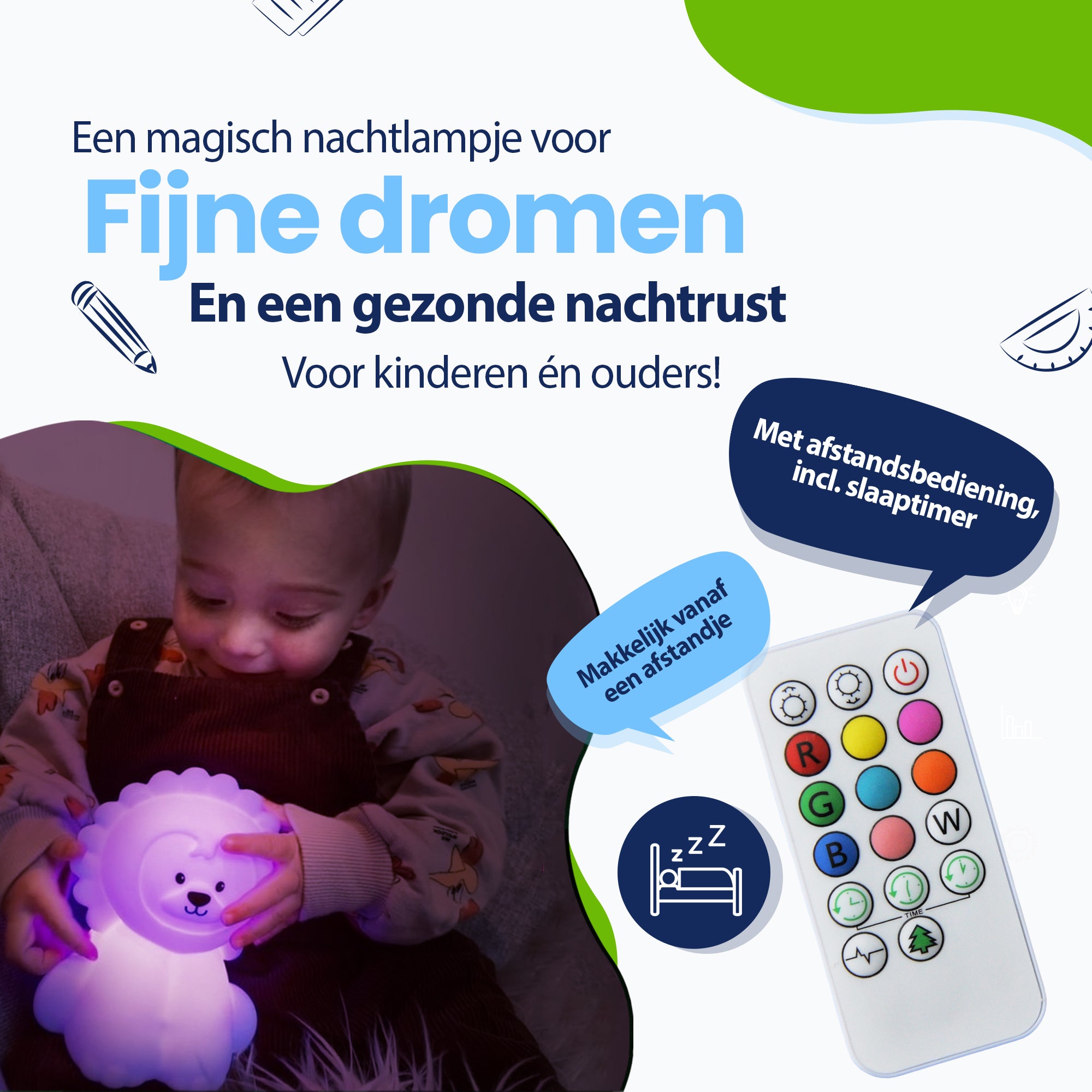
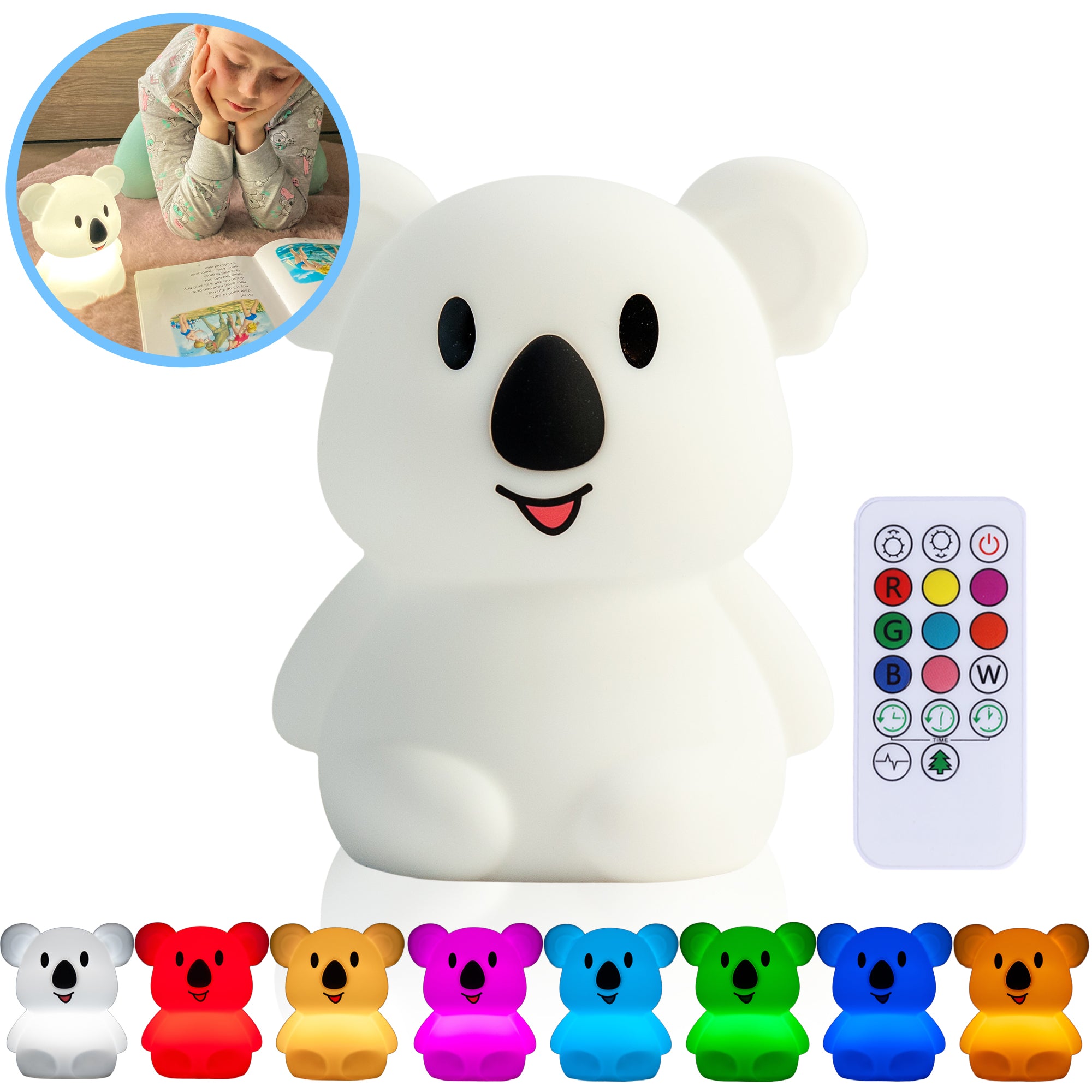
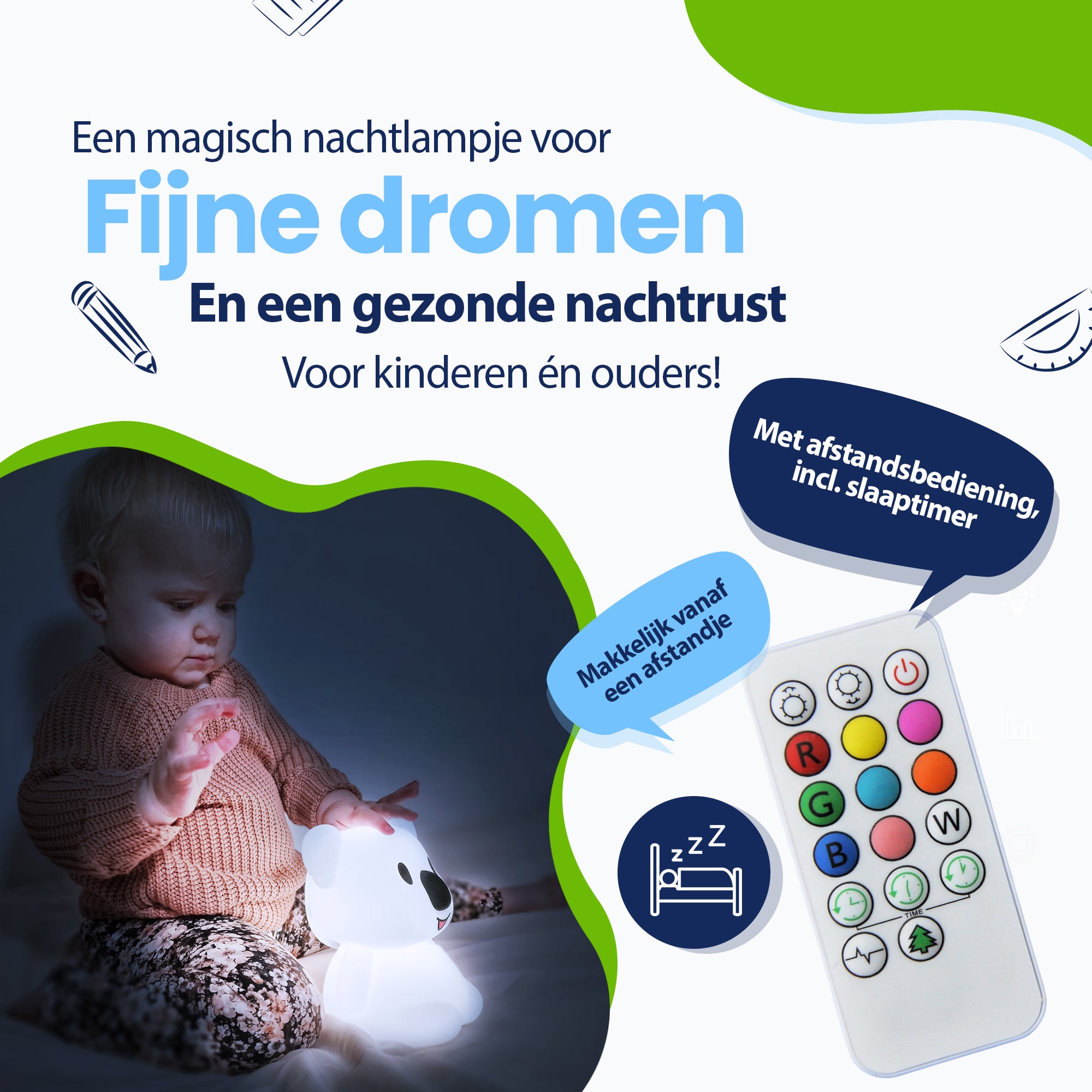
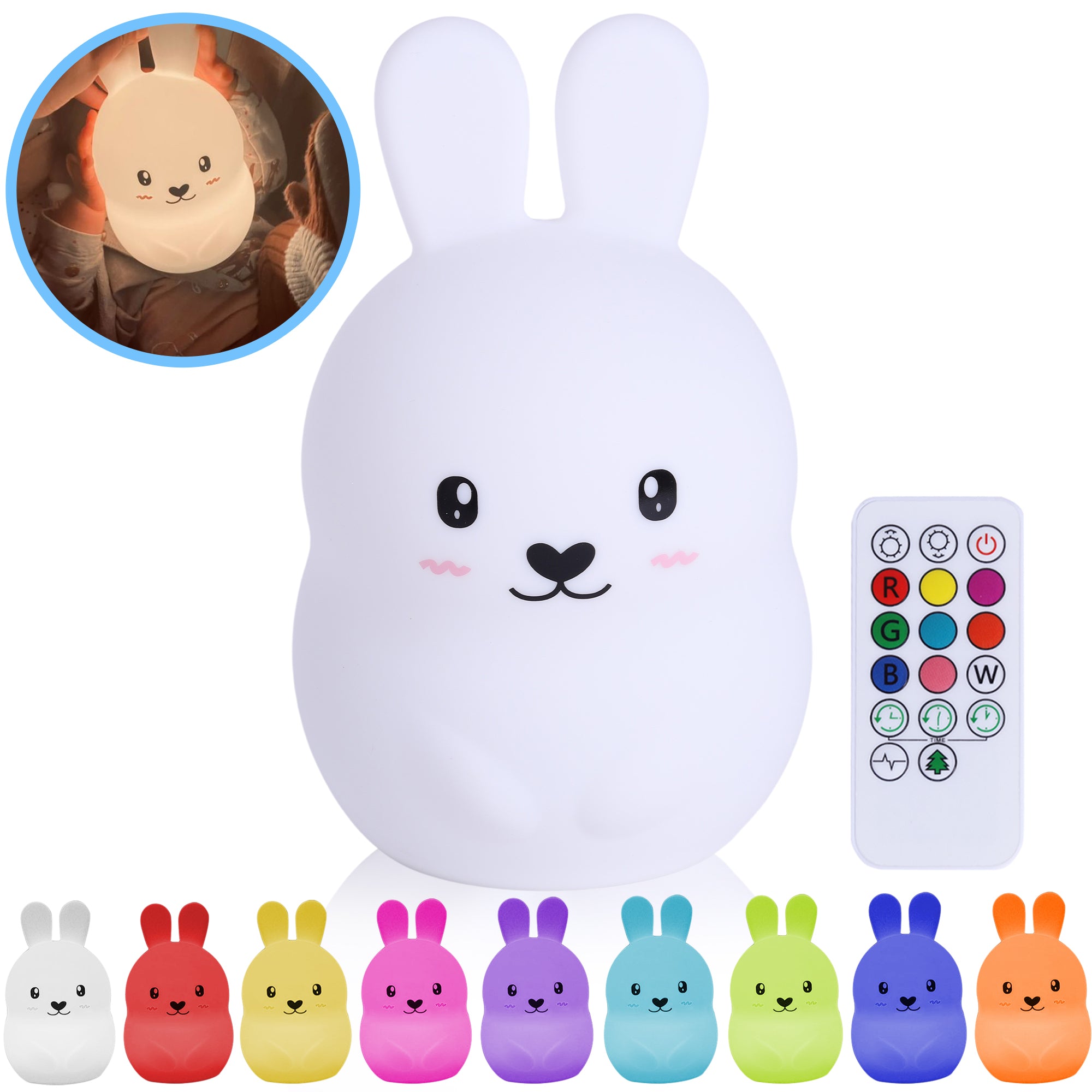
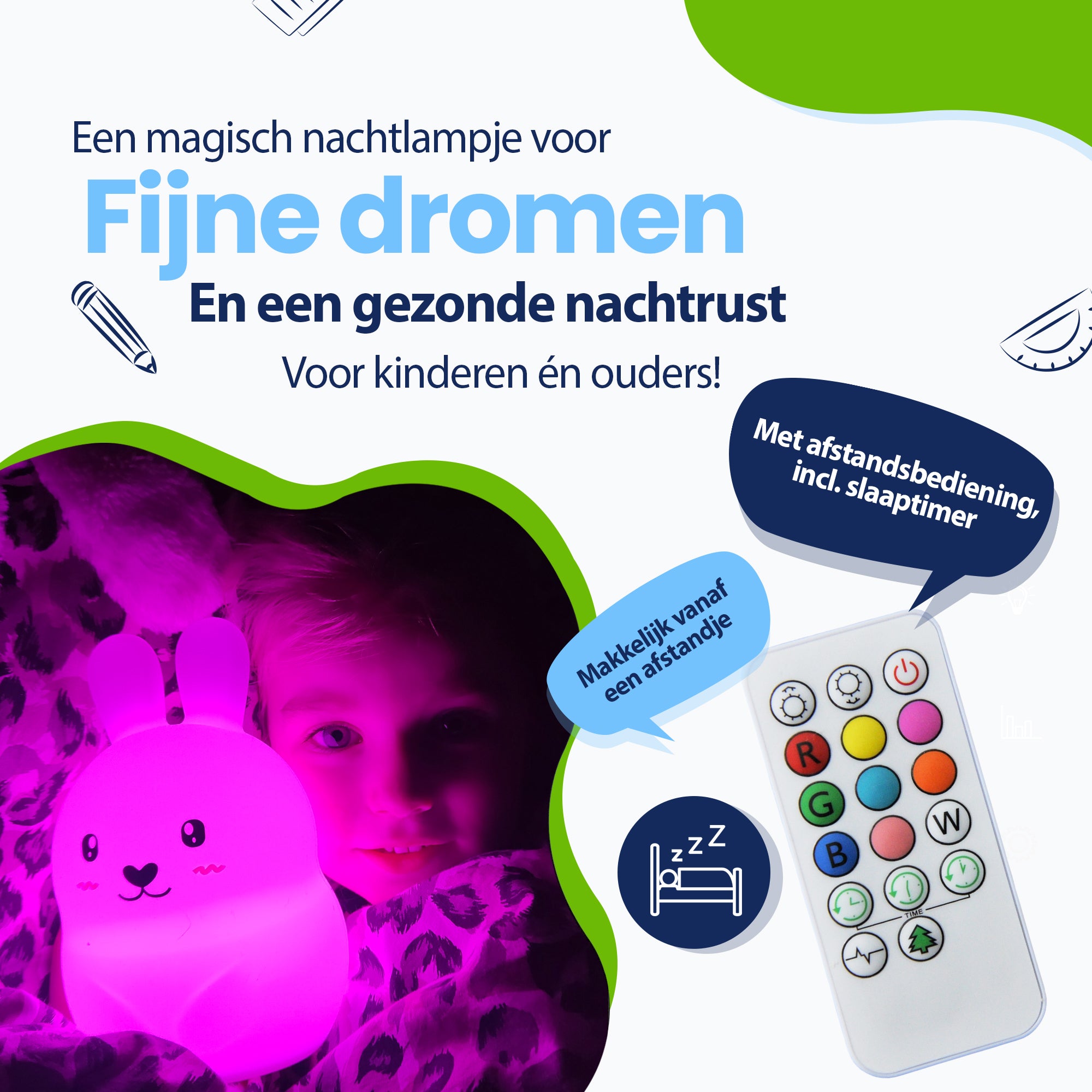
Discover the Kadoing sleep trainer for children with wake-up light, soft signals, and a child-friendly design for a calmer start to the day.