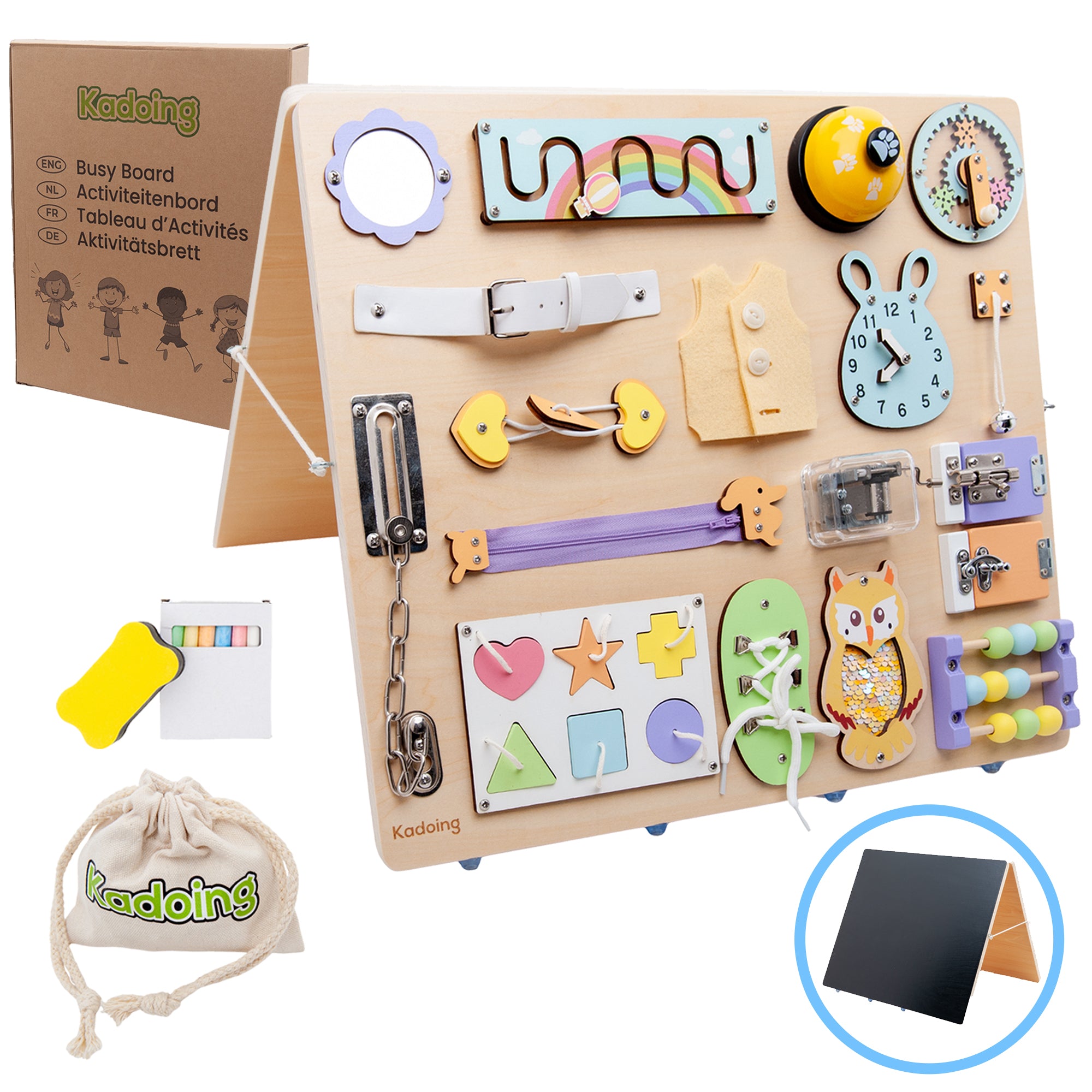
Your child gets a new toy in their hands and immediately does what children do: touch it, chew on it, throw it, pull it apart, and explore it. That is exactly why the question of how to recognize safe children's toys is not a minor detail, but one of the first things to pay attention to. Safe toys provide peace of mind—not only because they are sturdy and age-appropriate, but also because they match the way young children actually play.
How do you recognize safe children's toys in practice?
You rarely recognize safe toys from a single detail. It is the combination of materials, finish, size, age recommendation, and origin that tells the real story. A beautiful appearance is nice, but on its own it says very little. What matters is whether a product is designed for children's hands, children's mouths, and the sometimes surprisingly enthusiastic way children interact with toys.
Start by looking at the basics. Is the toy sturdy? Does it feel solid? Are the parts securely attached? For babies and toddlers, this is especially important because small loose pieces can quickly end up in their mouths. If something squeaks, rattles, or feels loose when it is not supposed to, that is a sign to take a closer look.
The finish also reveals a lot. Wooden toys should be smoothly sanded without splinters or sharp edges. Plush toys and soft items should have strong stitching so that seams do not easily come apart. With painted toys, an even and durable finish is a good sign. If paint comes off easily or you notice a strong chemical smell, it is wise to be cautious.
Pay attention to safety markings and product information
One of the clearest first checks is the product information. Toys sold in Europe should, in many cases, carry a CE marking. This does not mean you can stop paying attention afterward, but it is an important starting point. It shows that the manufacturer declares the product meets European requirements for safety, health, and environmental protection.
However, a safety marking is not a replacement for your own judgment. Read the packaging or product description as well. Is it clearly stated which age group the toy is intended for? Are the materials listed? Is there information about maintenance, warnings, and usage? Transparency builds trust. If this information remains vague, it is at best inconvenient and sometimes a reason to keep looking.
For parents and gift buyers, it helps to look for clear and complete product descriptions. A reliable seller does not just explain that something is fun but also why it is safe and suitable. Think of information about wood types, water-based paint, safe textiles, or securely attached components.
The age recommendation is more than just advice
Age recommendations are sometimes seen as general guidelines, but they are often much more important than that. A toy designed for children aged three and up may contain small parts that are simply not safe for a toddler. On the other hand, toys for babies may be too simple for older children, causing them to use them in ways they were not designed for.
Age is not only about interest but also about motor skills, strength, and behaviour. A toddler tests boundaries. A baby mainly explores with their mouth. A preschooler builds, takes things apart, and invents their own rules. Safe toys fit the child's stage of development. They cannot prevent every accident, but they do reduce the risk of a child using something in a way they are not yet ready for.
This also applies to toys that grow with your child. Multifunctional toys can be wonderful, especially when they are thoughtfully designed and encourage open-ended play. However, it is still important to check whether every part remains suitable at each stage. Sometimes a product can only be fully used from a certain age onward.
Materials really make a difference
If you want to know how to recognize safe children's toys, take a close look at the materials. Not because one material is always better than another, but because quality and finish make all the difference.
Wooden toys feel reassuring to many parents, and for good reason. Well-made wood is durable, sturdy, and often remains beautiful for years. However, pay attention to a smooth finish and safe paint or varnish. Wood that is rough or easily chips is less suitable for young children.
With plastic toys, it is smart to look for strong quality without brittle or thin parts. Good-quality plastic toys can be practical, lightweight, and easy to clean. Especially for toys that are used frequently, such as teething toys, bath toys, or products with moving parts, ease of maintenance is an important consideration.
Textiles and soft toys require something different. Strong seams, securely attached details, and washability are important factors. Loose button eyes or decorative ribbons are less suitable for young children. A safe cuddly toy is soft, but also well-made and durable.
Small parts, cords, and magnets
Some risks are less visible, which is exactly why they are worth checking carefully. Small parts are the best-known example. Think of wheels, beads, bells, or decorative elements that could come loose. With young children, the rule is simple: the sturdier and simpler, the better.
Cords, ribbons, and loops also deserve attention, especially on toys for babies and toddlers. What looks stylish is not always practical for everyday use. For the youngest children, it is best to avoid unnecessary cords or loose accessories.
Magnets require extra attention. Magnetic toys can be educational and fun for older children, but only if the magnets are securely enclosed. Loose magnets have absolutely no place in toys intended for young children.
Safe toys also support calm play
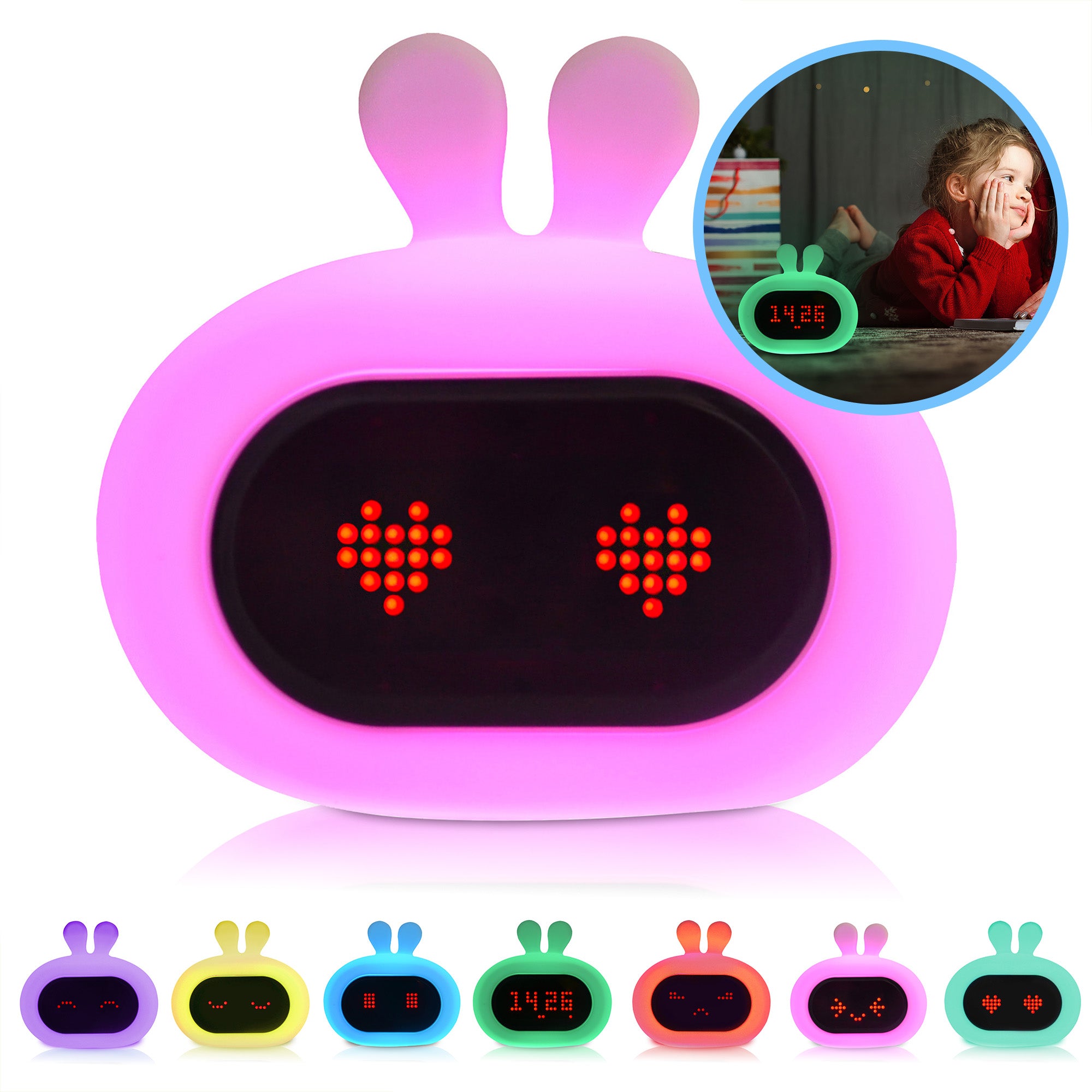
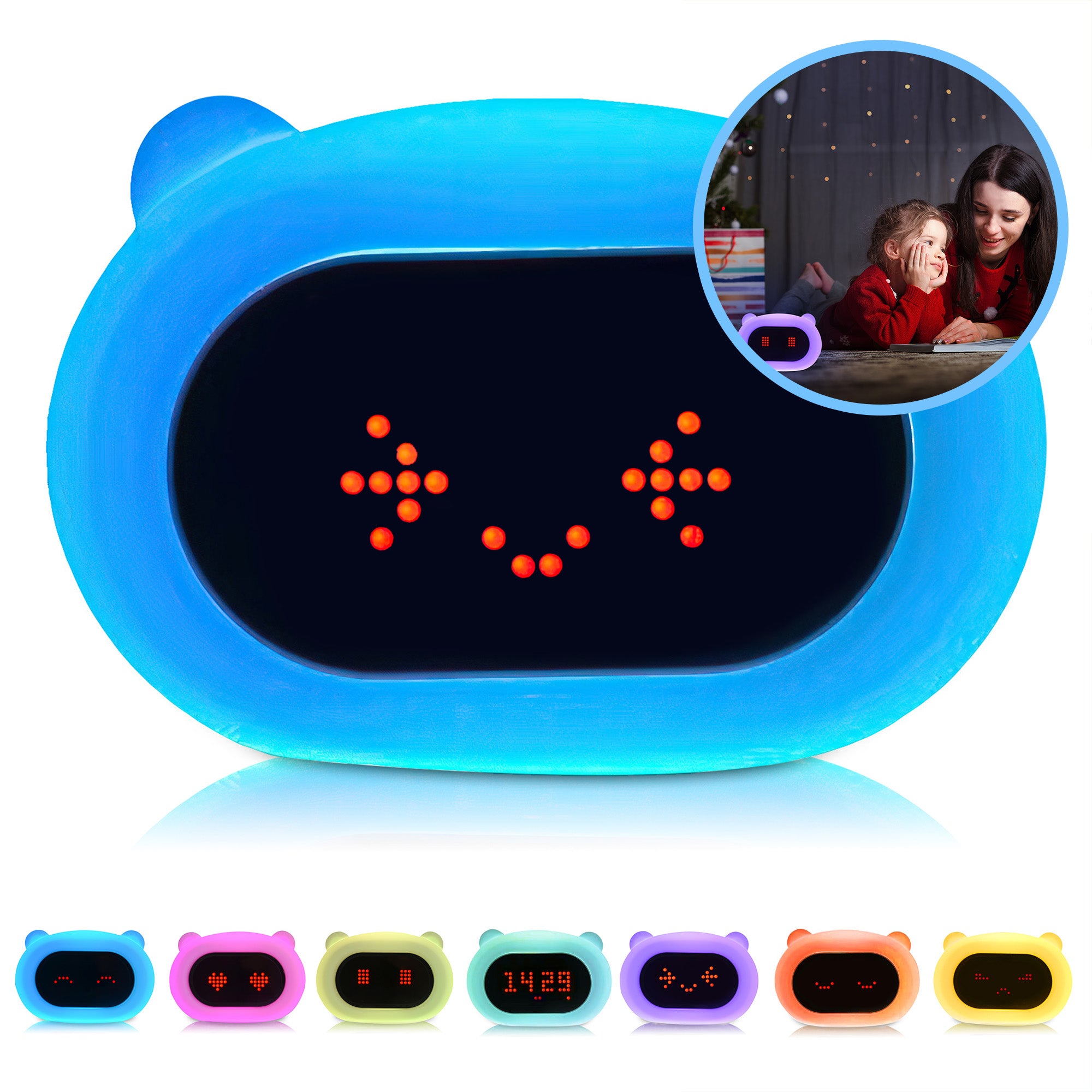
Safety is not only about what could go wrong. It is also about what a toy encourages. Toys that are overly stimulating, packed with features, or constantly bombard children with sounds, lights, and sensory input do not always match what a child needs at that moment. Especially at the end of the day, many parents consciously choose toys that create calm rather than additional excitement.
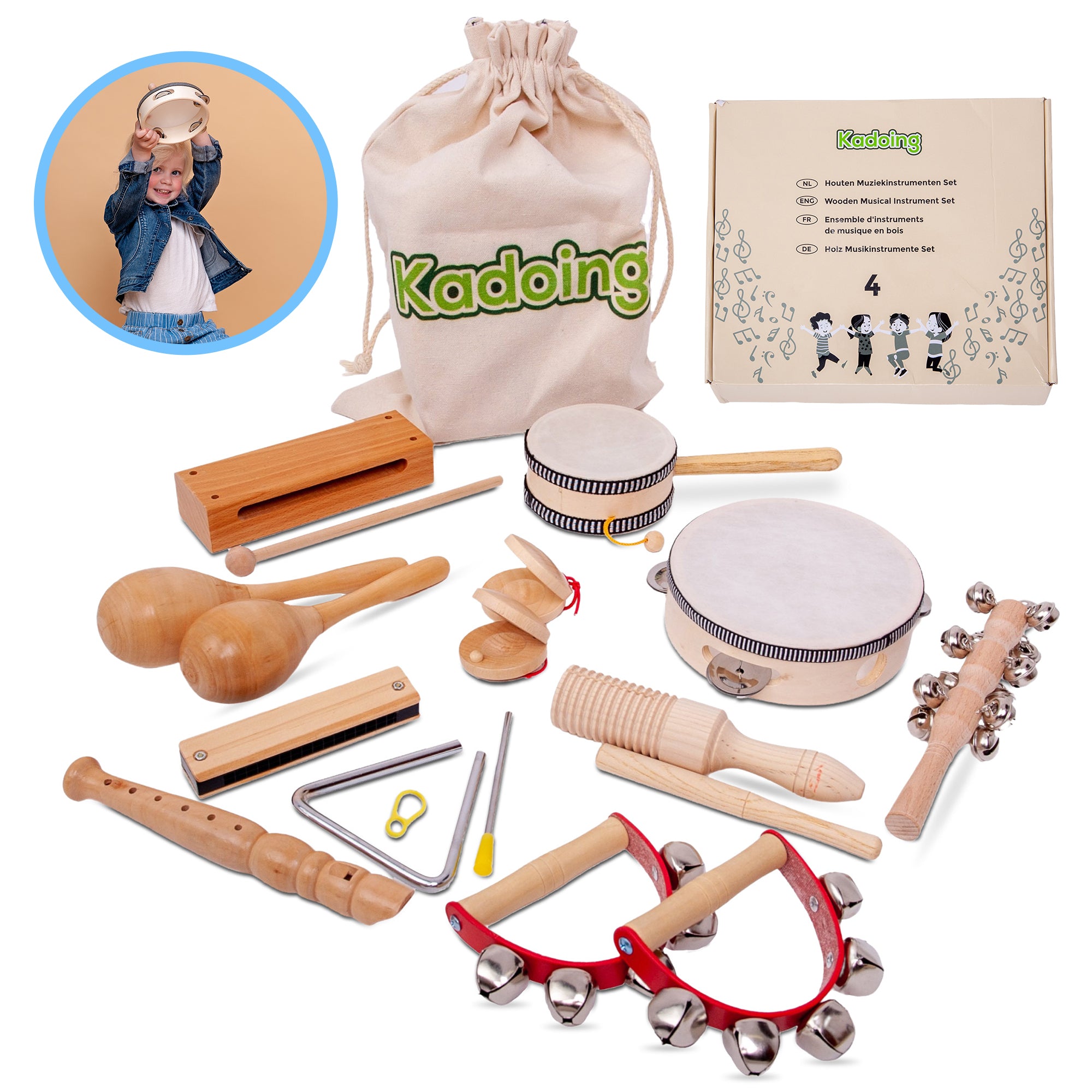
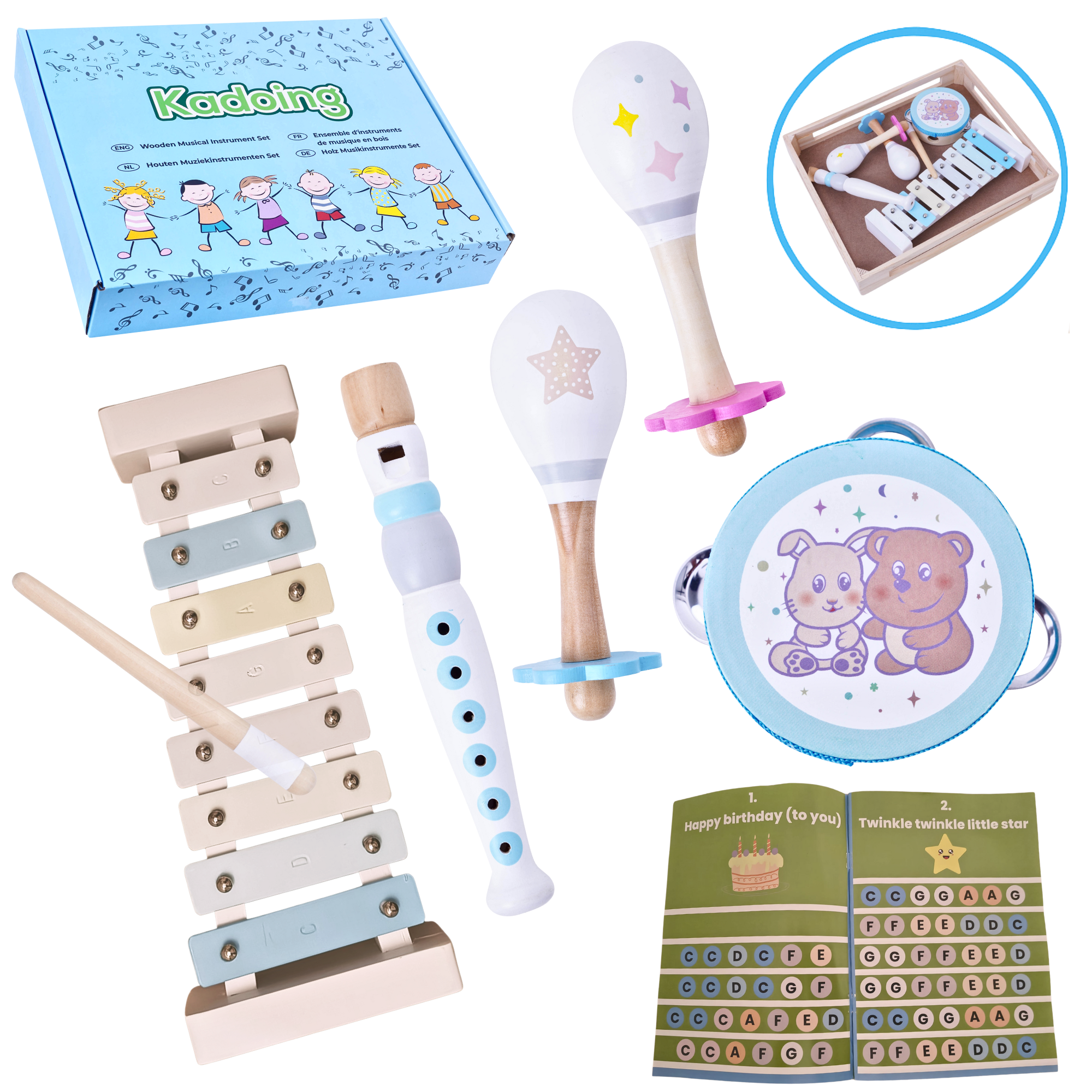
There is also a practical side to this. Simple toys with a clear purpose are often used in a calmer way. Think of wooden musical instruments with a pleasant finish, a soft cuddly toy for comfort, or an activity toy that encourages focused exploration. In that sense, safe does not only mean physically safe—it also means appropriate and reassuring.
For families who value thoughtful materials and everyday usability, this is often the difference between a toy that ends up forgotten in a corner and a toy that becomes part of the family's daily rhythm.
How to check toys after purchase
Even if you choose carefully, it is still wise to inspect toys regularly at home. Toys that are used intensively can wear over time. Every now and then, check whether screws are still tight, seams remain intact, and paint or parts are not coming loose. It does not have to be a major routine—a quick check while tidying up is often enough.
Also clean toys according to the manufacturer's instructions. Incorrect cleaning can damage materials. Wooden toys often require a different approach than textiles or plastic. Proper maintenance not only extends a toy's lifespan but also helps ensure safe use.
Do you have multiple children at home? Then remember that a toy suitable for an older child is not automatically safe for a younger sibling. Small building pieces, accessories, or craft materials can easily end up lying around. A safe play environment is therefore not only about buying wisely but also about storing toys responsibly.
When it is better to keep looking
Sometimes a toy simply does not feel right at first glance. The packaging is unclear, the age recommendation is missing, the material has a strong smell, or the finish looks careless. In those situations, it is often best to keep looking. Parents do not need to be product experts to take those signals seriously.
Reliable stores and brands make it easier to make informed choices. They provide clear information, think carefully about material selection, and show that toys are meant for more than just a few moments of fun. At Kadoing, that philosophy naturally aligns with products that combine comfort, development, and everyday convenience.
Ultimately, choosing safe toys means choosing something bigger than a beautiful gift. You are choosing confidence during play, less uncertainty in daily life, and small moments in which your child can simply be a child—curious, relaxed, and carefree.