



A long car journey often starts on a hopeful note: everyone is ready, the bag is within reach and cheerful chatter still comes from the back seat. An hour later, that same bag can make the difference between constantly looking for something new and a quiet moment with familiar toys. Choosing toys for travelling is therefore less about taking as much as possible and more about a small, thoughtful selection that suits your journey and your child.
The best travel toys do not need to be big, noisy or complicated. A few familiar objects that let a child do, look at or imagine something independently can be just right. Young children's attention naturally shifts quickly, especially in a car, train or waiting room. That is perfectly normal. Alternating between looking, doing and playing together often makes the journey more manageable for everyone.
Start with the journey, rather than the toy bag
Your choice of travel toys will be different for a 45-minute drive and a day of holiday travel with several stops. Keep hard, heavy toy sets or those with several separate pieces for a break or your destination, rather than offering them while the car is moving. First consider the space, the moment and how much attention you can give. In the car, toys that stay on a lap or a little table are usually more practical than pieces that easily roll under a seat. On the train, a small game you play together can be lovely, as there is more opportunity to interact.
The time of day matters too. Setting off early? Choose something calm and familiar, such as a soft toy, a touch-and-feel book or a small picture book. During a long afternoon, something creative or a simple activity may spark fresh interest. Do not expect one toy to fill an entire journey. A few short, varied moments often fit better with how children play on the move.
Take a limited selection rather than a full bag. Too much choice can feel unsettling and makes tidying up harder. You could divide the toys between two or three small bags. That way, you do not bring everything out at once, and the next playtime still feels fresh.
Choosing travel toys by age
Age guidance is a useful starting point, but your child's personality and interests matter just as much. One child enjoys looking at pictures for ages, while another prefers holding things, sorting or singing a song together. Focus on what they already enjoy using at home.
For babies: familiar and simple
There is often already plenty for babies to see, hear and feel while travelling. A light, soft fabric book or an age-appropriate rattle may be enough during an awake playtime. Choose toys without loose small parts or long cords that are comfortable to hold and easy to clean.
Before leaving, always check the age guidance and make sure toys are intact and clean. In a car seat, offer only light, soft toys that do not interfere with the harness and pose no risk during sudden braking. Do not attach toys to the car seat with cords or accessories unless these have been approved by the manufacturer. Loose soft toys and cloths do not belong in a baby's cot during sleep. A familiar soft toy can, of course, be part of a quiet moment together while your baby is awake.
For toddlers: doing, naming and repeating
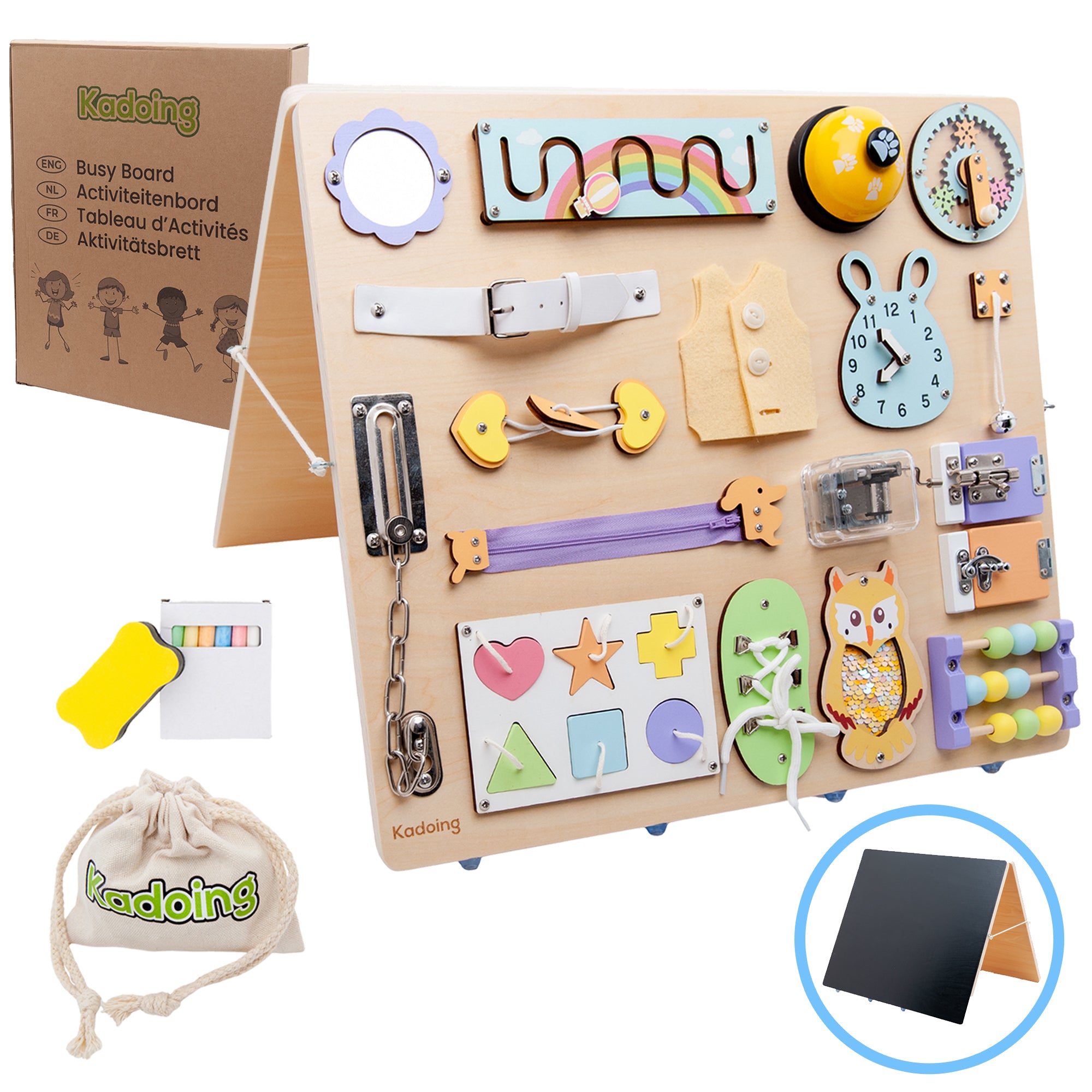
Toddlers enjoy learning through repetition. A small wooden figure, a simple sliding or turning toy, a picture book or a few large animal cards can offer plenty of ways to play. Name what you see together: a tractor outside, a dog on a card or the colour of a passing car. Toys then become a gentle starting point for a little conversation, without constantly needing something new.
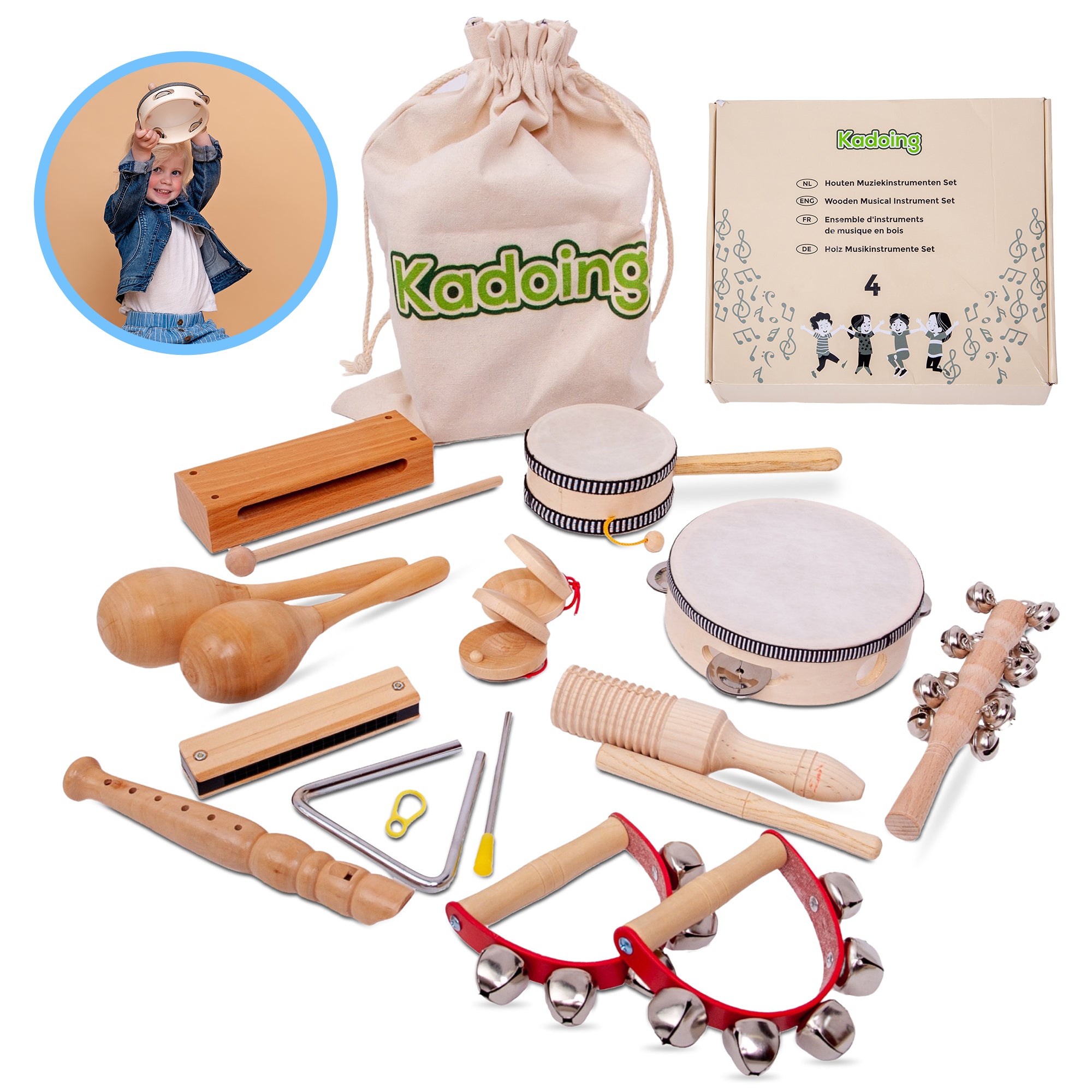
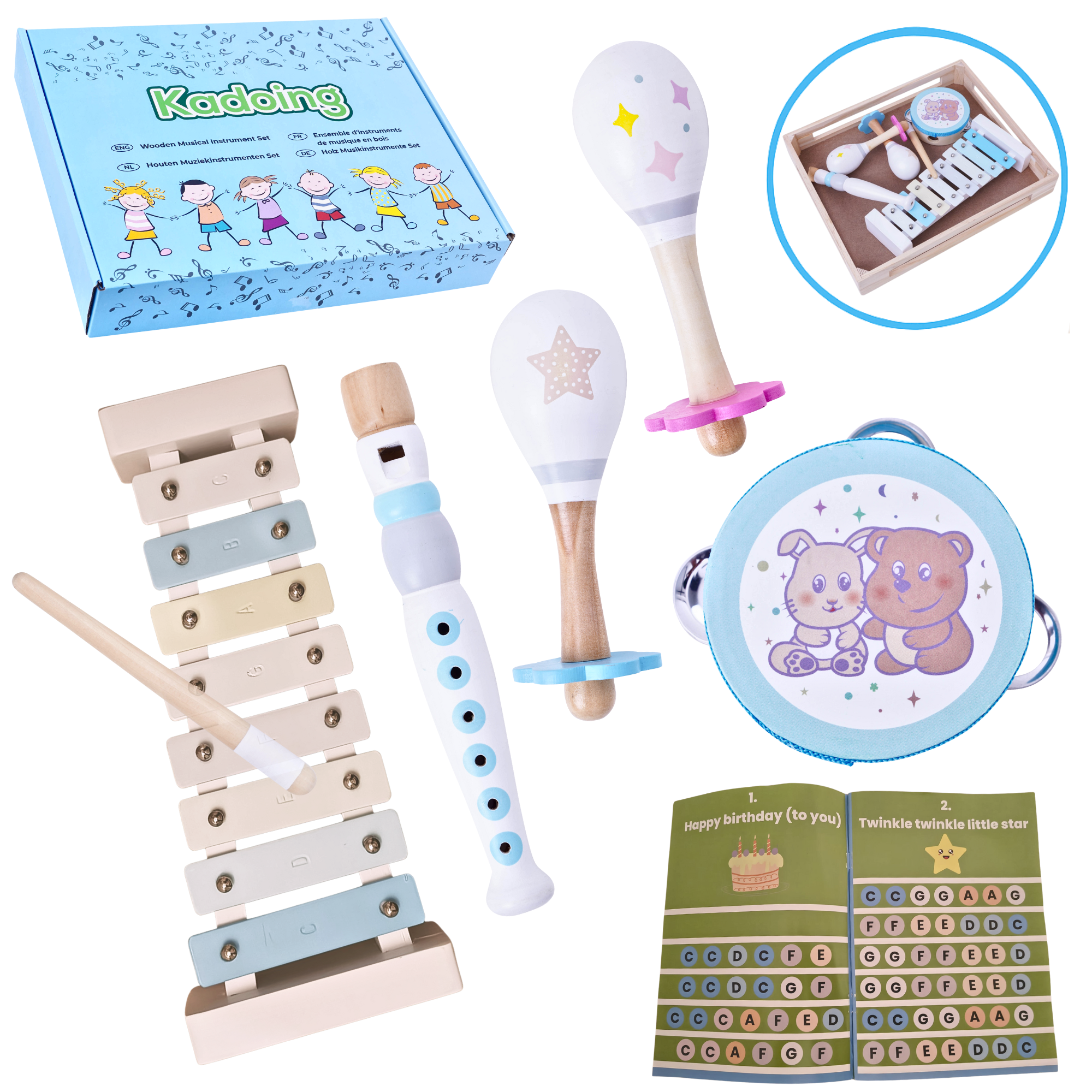
A compact musical toy can also be fun during a break or at your destination. While travelling, choose a quiet option deliberately or use it only at an appropriate moment. On a crowded train or during a tiring drive, fellow passengers and parents usually appreciate toys without loud sounds.
For preschoolers: a little story or a small challenge
Preschoolers can often spend longer absorbed in simple pretend play. A few wooden animals, a small vehicle or toy figures invite stories that keep changing. A child can build a farm in the hotel room, act out a train journey or let a soft toy have a picnic on a bench. Toys without a fixed end goal often stay interesting for longer than those where the play ends after one action.
A reusable drawing board, easy-peel stickers or a search-and-find activity book are lovely choices too. Keep it simple: travelling is not the best setting for activities with lots of small parts, glue or pens with no lids. Save more elaborate crafts for a quieter moment at your destination.
Choose compact, sturdy and quiet toys
Three questions are especially useful when choosing travel toys: does it fit in one hand, can it withstand a knock and is it easy to find again? A small size is useful, but tiny parts are not always practical. They easily disappear between car seats, inside a rucksack or under a restaurant table.
Materials make a difference too. Wooden toys often feel pleasant, can last for years and lend themselves well to open-ended play. At the same time, wood can be heavier than fabric or cardboard. For a flight with limited luggage space, a fabric book may make more sense; for a weekend away by car, a small wooden sorting toy could be ideal. Choosing sustainably does not mean every item must be made from the same material. What matters most is that toys last, are enjoyed and suit the way you travel.
Avoid toys that constantly need your help while travelling. A complicated game with rules can be great fun at home, but is less practical when you need to navigate, carry suitcases or make a connection. When driving, the driver must be able to focus on the traffic, so choose activities that need no help from the driver.
Make variety a simple ritual
Not every quiet moment needs to be filled with toys. Look out of the window together, sing a familiar song, count red cars or explain what will happen next. These little moments in between help toys feel worthwhile again when you bring them out later.
A practical sequence might be a book or soft toy first, then a small activity and only later a fresh toy from the bag. For children who like to know what is coming, it can help to explain simply: first we drive a little further, then we have a drink and after that you can get your animals out. Think of it as a gentle guide for the journey, rather than a strict timetable.
A surprise works best when it stays small. For example, tuck one familiar toy into a fabric bag or bring a new picture book that has not been looked at yet. A completely new activity can spark curiosity, but a familiar object often brings more calm. The right balance varies from child to child.
Think about breaks and your destination too
Children's play needs change as soon as you get out. At a restaurant, holiday cottage or family visit, toys you can quickly put on the table or floor are handy. A small set of animals, a soft ball for outdoors or a compact musical instrument can offer more at that point than a game that only works in the car.
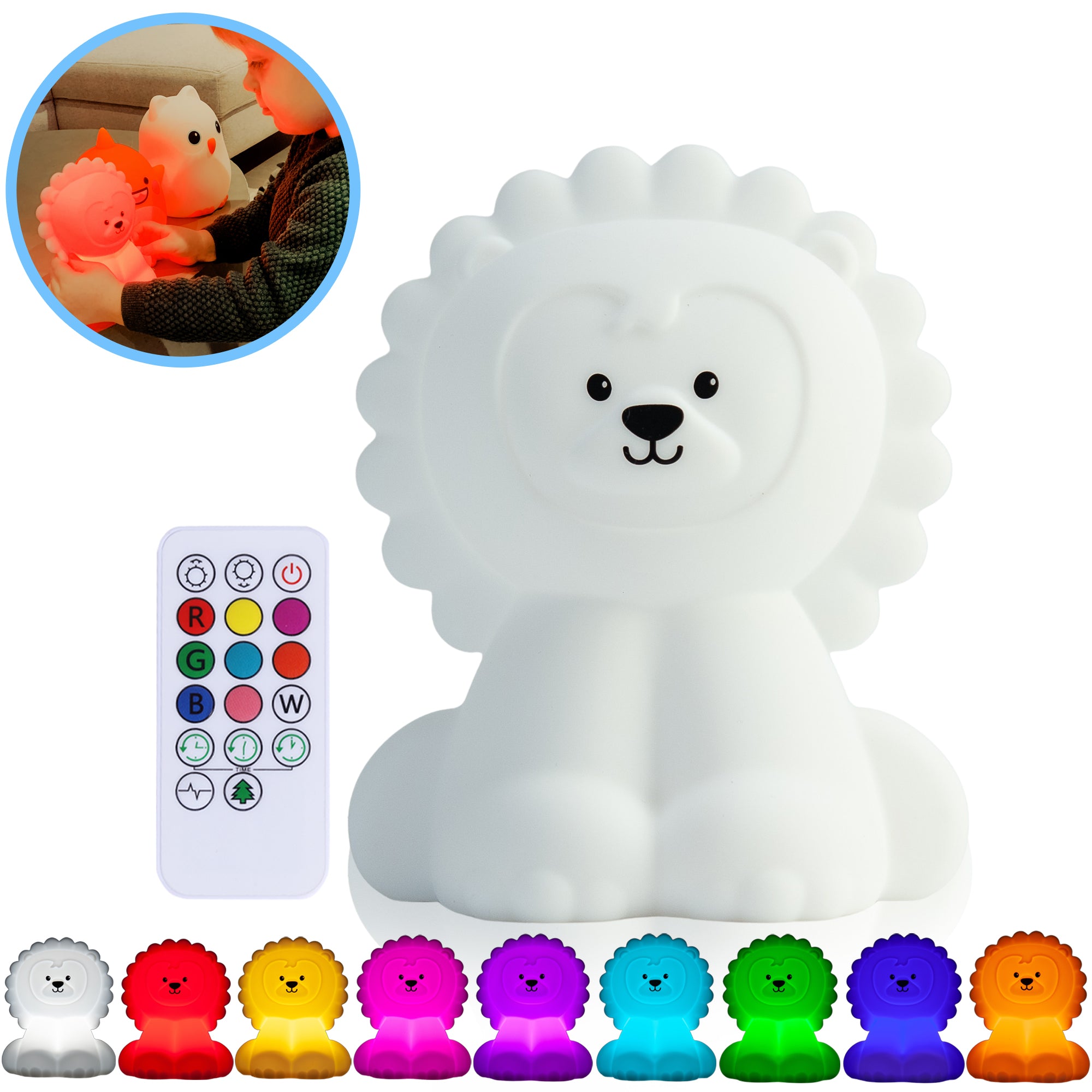
Also take something that is there as familiar company rather than entertainment. A favourite soft toy can be comforting during a quiet moment together in an unfamiliar bedroom, and a familiar book can become part of the bedtime routine. For babies, make sure the sleep space is safe and clear, without loose soft toys or other toys. This will not make a journey predictable, but it can help you bring a little of your usual routine along.
After every stop, quickly check that everything is still in the bag. A separate bag for used stickers, crumbs or damaged packaging keeps the rest of your luggage organised. It sounds like a small detail, but this preparation can prevent you from searching for a missing piece at the wrong moment.
Ultimately, the best travel toy bag is not the one with the most inside. It has a few familiar choices, room for a game together and enough calm to simply look at where you are going. Sometimes a soft toy, a song and a story about the journey are just enough.