A wooden train that travels through the living room every morning, blocks that first become a tower and later an animal enclosure: wooden toys can become part of everyday play in many different ways. For parents and gift-givers, they are an interesting choice when looking for toys that are enjoyable to use, match a child’s interests and may remain in use for a longer time.
Yet not every wooden toy is the same. Your child’s age, the finish, the type of play and where the toy will be used all make a difference. A few considered choices can help you find toys that suit both this stage and everyday life at home.
Why wooden toys are so versatile
Wood feels different from many other materials. It has weight, a distinct texture and a natural appearance. Young children may enjoy grasping shapes, stacking blocks or gently exploring a wooden instrument. The play does not have to be decided in advance. A set of blocks can become a garage, a bridge or an imaginary birthday cake.
This open-ended quality is one of the strengths of wooden toys. Toys without a fixed outcome can be used in different ways. A child can build or imagine something new each time. The child sets the pace. Some children build calmly and with concentration, while others immediately turn it into a whole adventure. Both ways of playing are perfectly valid.
Wooden toys are available in different shapes, colours and finishes. Some parents prefer simple designs that suit the look of the play area.
Choosing wooden toys by age
Age recommendations and safety warnings are important starting points when choosing toys. Always check the age for which a product is suitable and note warnings about small parts, for example. Also consider your child’s interests and abilities, as well as any younger children who may be able to reach the toy.
For babies and young toddlers
For babies and young toddlers, look for toys designed specifically for their age, such as certain rattles, stacking rings or large shapes that are easy to grasp. Always check the age recommendation and safety information.
For toddlers
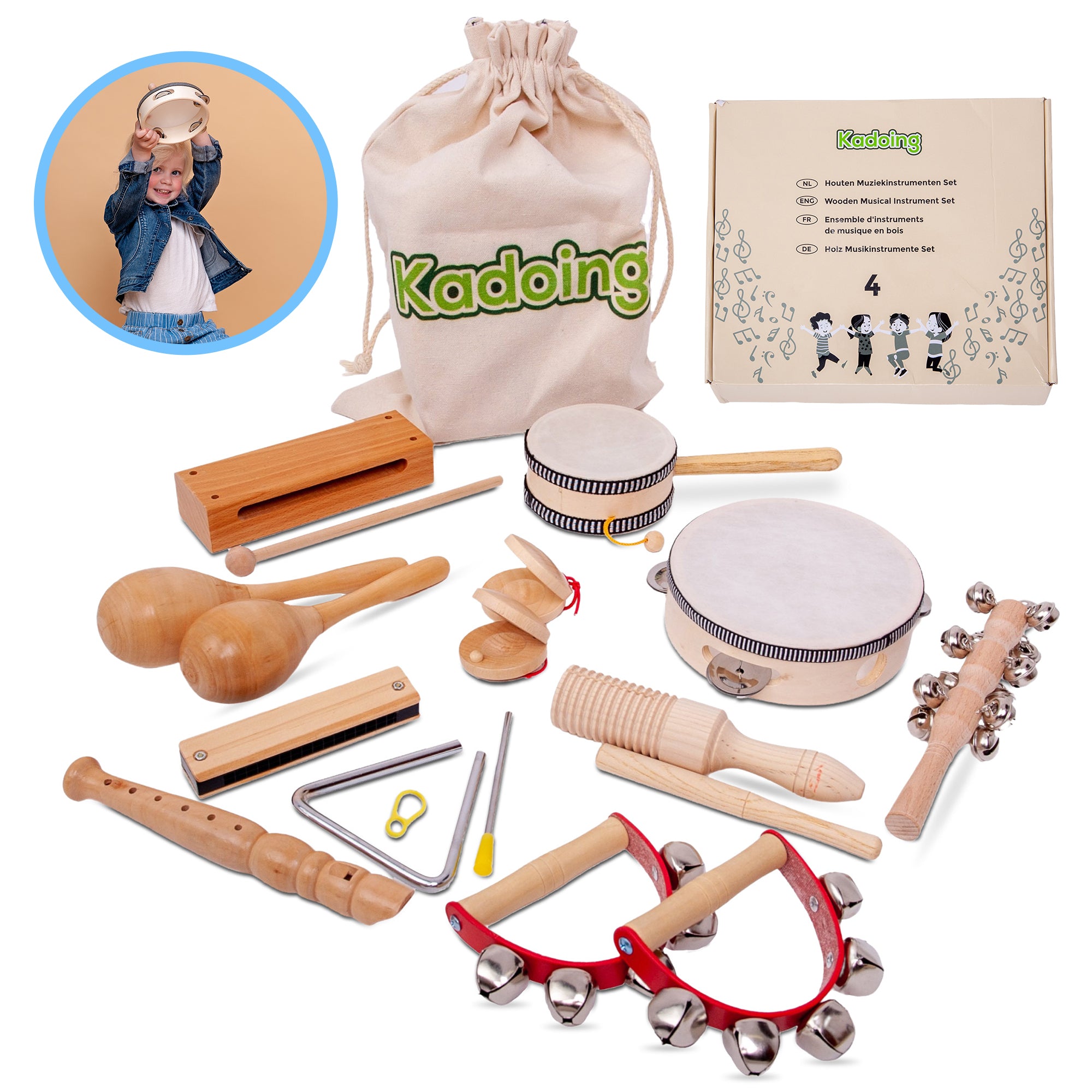
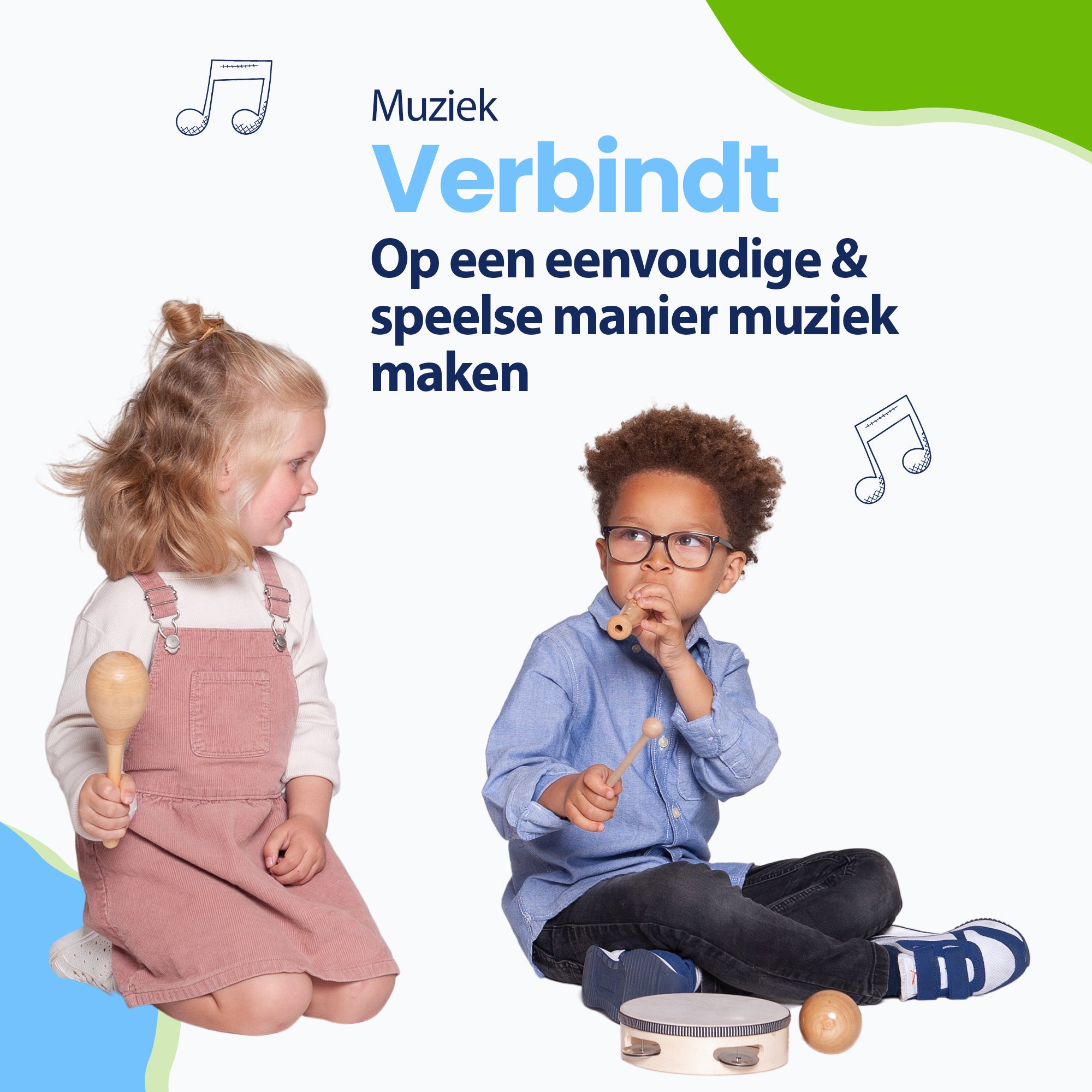
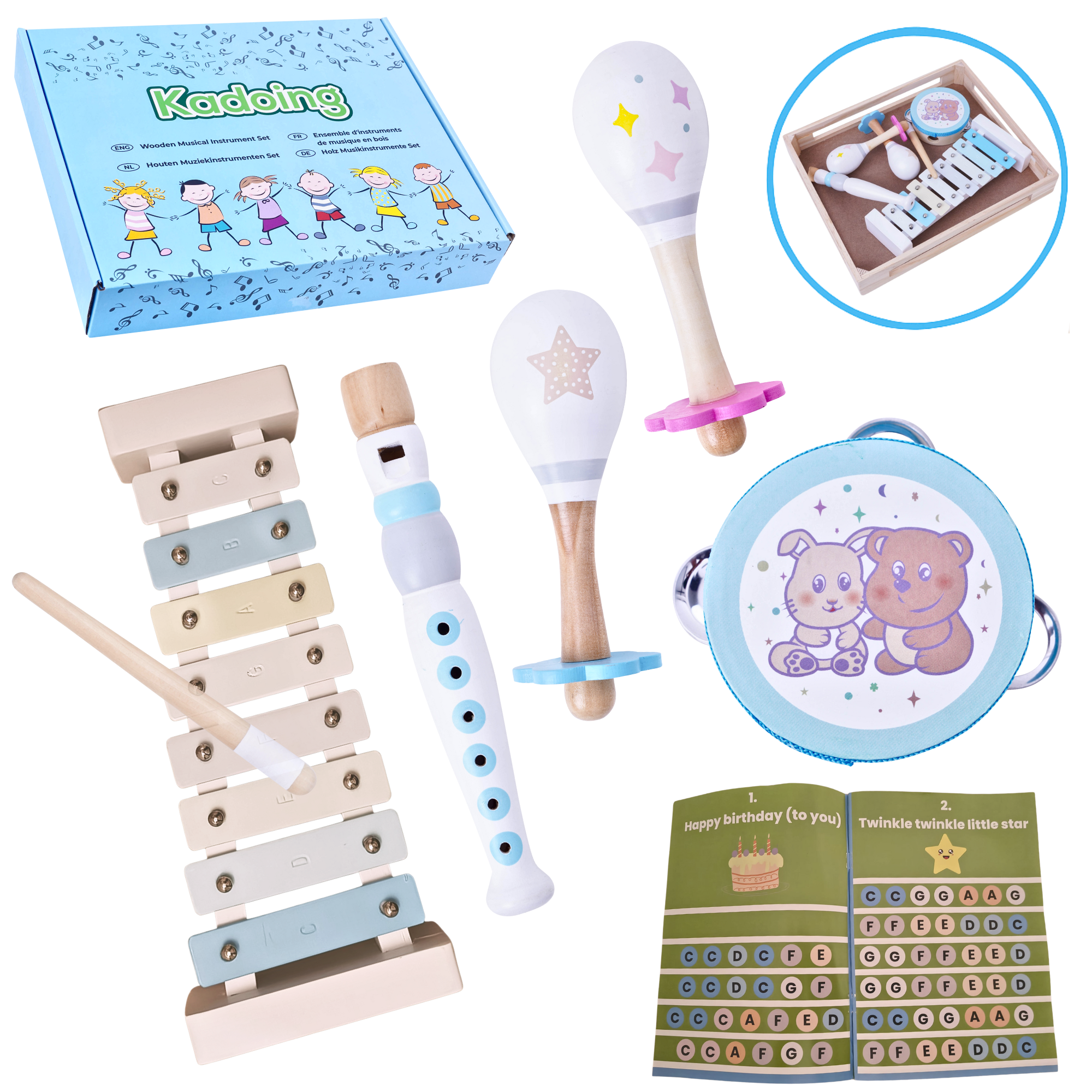
Toddlers often want to do things themselves. Sorting toys, simple puzzles, vehicles, stacking blocks and playsets are well suited to this. These toys allow children to pick up, position and combine objects and use them in their own play. A wooden kitchen accessory can become part of a restaurant, while animal figures form a farm together. Wooden musical instruments can also be interesting for toddlers, provided they are suitable for their age. You might listen to sounds together or make simple rhythms.
At this age, aim for a comfortable balance. Toys may offer a challenge, but they need not be so complicated that a child mainly needs help. Toys that can be used in different ways offer opportunities to vary play. What your child finds interesting differs according to age and personal preference.
For pre-school children
Pre-school children combine, build and tell increasingly elaborate stories. Building planks, magnetic construction sets with wooden elements, dolls’ houses, play shops and larger train sets offer plenty of possibilities. Music also remains a lovely way to play together: singing a song, copying a rhythm or putting on a performance for cuddly toys.
At this stage, it can help not to put everything out at once. You can temporarily store some toys and offer them again later. This keeps the available selection manageable without constantly buying new toys. It is not a set method that suits every family, but many parents find it helps to keep the play area organised.
What should you look for in terms of quality?
When buying wooden toys, you often hope they will last a long time. That starts with looking carefully at the material and finish, rather than appearance alone. Check that the toy bears the required CE marking and that the manufacturer provides clear age recommendations and safety warnings. The CE marking indicates that the manufacturer declares that the product meets the applicable European requirements. It is not an independent quality mark.
Also check for sharp edges, flaking paint or splinters. When ordering online, product descriptions and photos can help you see how the toy is finished. Make sure paint, varnish and other finishes are suitable for use on toys and meet the applicable safety requirements. A natural wood colour can be attractive, but coloured toys can be just as suitable when the finish has been chosen carefully.
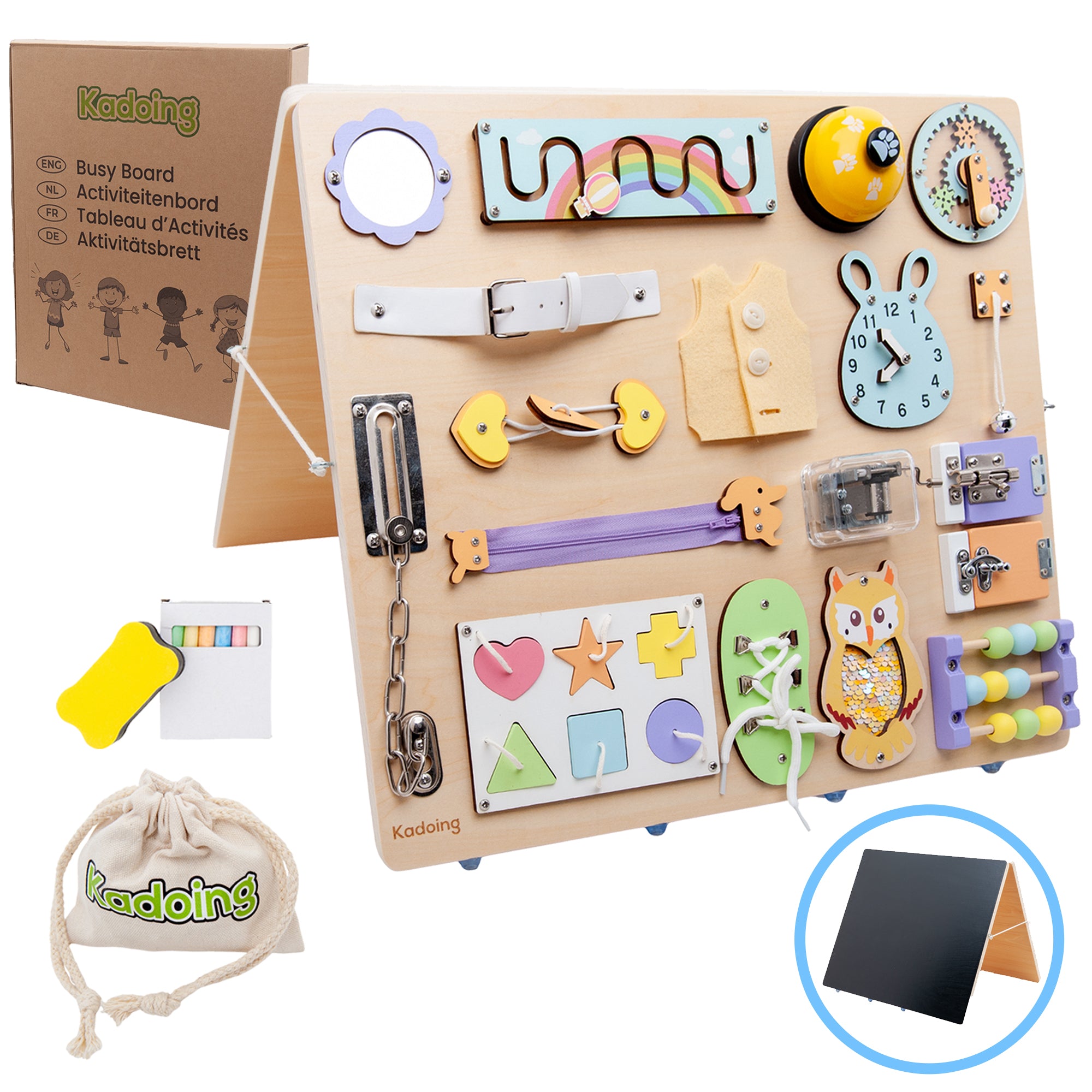
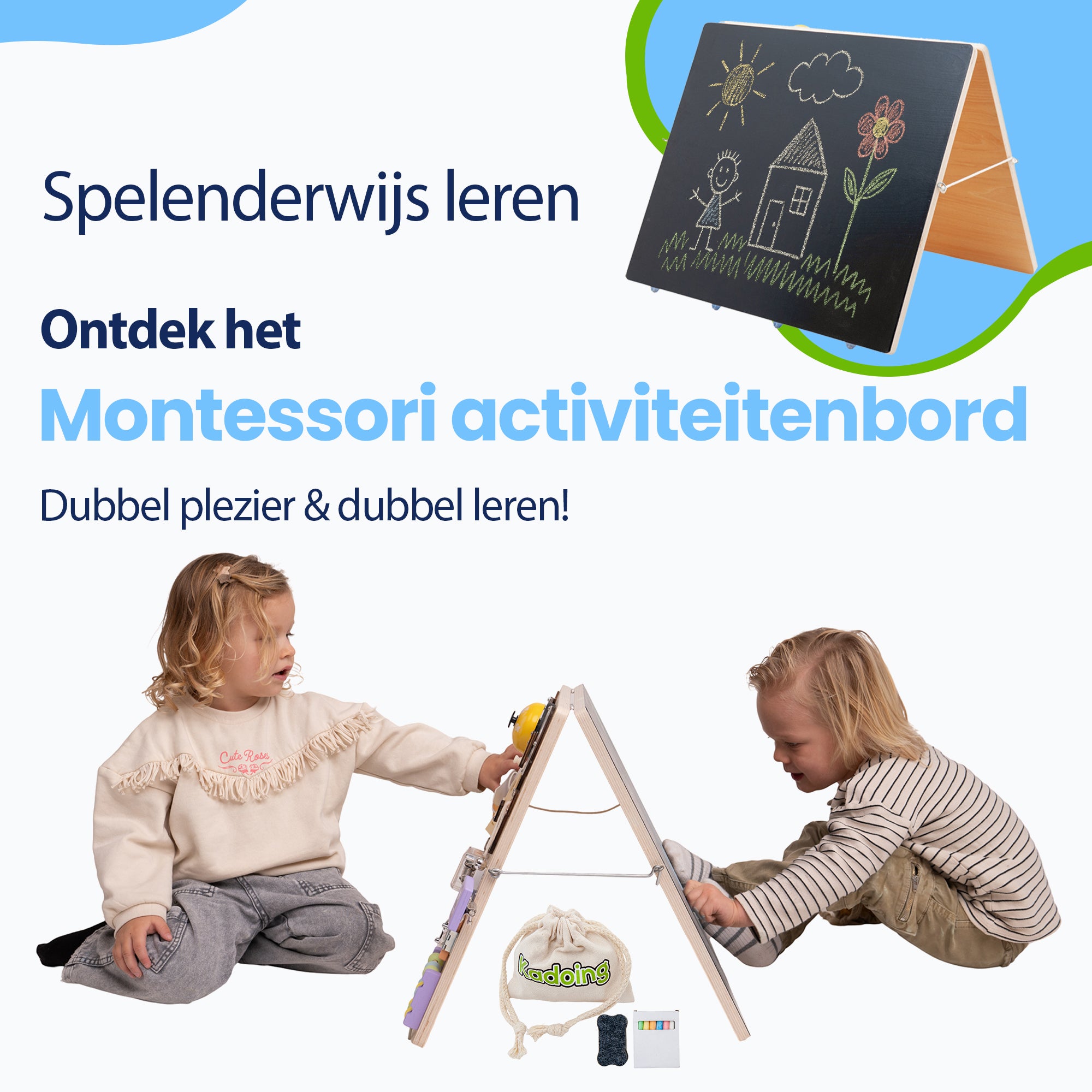
With more sustainable toys, you can consider the origin of the materials, durability, maintenance and whether the toy can later be passed on. Wood can be a suitable material choice, but lifespan also depends on construction and use. A wooden activity board that can be used in different ways can therefore be a lovely choice. But a simple set of blocks that remains in use for years is just as valuable.
Open-ended play leaves room for children’s own ideas
Some toys tell you exactly what to do with them: press a button, complete a task or follow an example. There is nothing wrong with that. Even so, it is helpful to have toys without a fixed end point as well. With wooden toys, the possibilities are often visible and tangible: a plank becomes a road, a cloth becomes a lake and a few animals become an entire story.
You do not have to direct that play all the time. An open question is often enough: “Where is the train going?” or “Who lives in this house?” Sometimes a child will want to answer, while at other times they would rather simply carry on playing. Sitting nearby without taking over leaves room for a calm moment together.
Activity boards and wooden musical instruments can also become part of play. They offer different ways to explore actions, shapes or sounds, depending on the design and the age for which they are suitable.
How to keep wooden toys looking good
Wood does not require complicated maintenance, but it does need a little care. Wipe toys regularly with a slightly damp cloth and dry them thoroughly afterwards. Do not leave them in water for long periods or use harsh cleaning products, as these may damage the finish. If in doubt, always follow the maker’s care instructions.
Preferably store wooden toys in a dry place and away from a heat source. Large changes in temperature or humidity can affect natural materials. Check regularly for splinters, cracks, loose parts and damaged finishes. Do not use damaged toys again until they have been safely repaired or replaced.
A basket, low shelf or open cupboard also helps children see what is available for themselves. You do not need to create a perfect playroom. A single accessible basket containing blocks and a few favourite figures is often invitation enough to get started.
A gift with a story of its own
Wooden toys can make a suitable gift for a birthday, festive occasion or new-baby visit, provided they match the child’s age and interests. You could ask what the child already has and which types of toys are popular at home. A small musical instrument, shape sorter or set of vehicles often feels more personal when it suits the child’s interests and the space available at home.
If you want to give a toy that may remain in use for longer, consider the different ways the child can play with it and the quality of its materials and construction. A child does not have to use everything straight away. Enjoyment often grows when a new detail only gains meaning later.
Choosing wooden toys that last starts with the right age recommendation, a safe finish and sturdy construction. Also consider your child’s interests and the possibilities for using the toy in different ways. With regular maintenance and careful use, wooden toys can remain part of everyday play for a long time.