You probably know the situation: you turn around for a moment to unload the dishwasher, and within a minute you hear it again: “Mom, Dad, will you come and play with me?” That is completely normal. Still, many parents wonder: how do you encourage independent play in young children without conflict, guilt, or a home filled with constant stimulation? The good news is that independent play is not a trick. It develops step by step when a child feels safe, knows what they can do, and is not constantly overstimulated.
What independent play really means
Independent play does not mean that a child sits alone in a corner for a long time without seeking contact. It means that a child can entertain themselves for a short or longer period in a way that matches their age and development. For a toddler, this may mean spending five focused minutes stacking blocks. For a preschooler, it may mean inventing a pretend play scenario and becoming absorbed in it for a while.
This distinction is important because expectations are often unintentionally too high. Young children need closeness and connection. Independent play actually develops more easily when you are nearby without constantly directing the activity. Think of being present without taking over. That creates both calm and confidence.
How do you encourage independent play in a calm way?
The best approach does not start with more toys but with less pressure. Children play more independently when their environment is clear, the materials are easy to understand, and the timing is right. If a child is tired, hungry, or has just had a very busy period, it is often harder for them to start playing on their own.
Start by looking at the rhythm of the day. Many children play independently most comfortably at predictable times, such as in the morning or after a quiet break. Having a dedicated play area also helps. A calm play corner with a few inviting materials often works better than a crowded shelf where everything is visible at once.
Start small and make it achievable
Independent play does not need to last twenty minutes right away. In fact, that often has the opposite effect. Start with a short and manageable period. For example, you might say: “I’m going to clear the table for a moment, and you can play with the train until I come back.” This way, your child knows what is expected and that you will be available again soon.
Starting small allows a child to experience success. That feeling of “I can do this myself” is exactly what you want to strengthen. Waiting too long or expecting too much often leads to frustration instead.
Provide a clear starting point
Some children are perfectly capable of playing but struggle to get started. An open-ended suggestion such as “go and play” is often too vague. It helps to give a gentle nudge without taking over the entire activity. For example, you can set out the blocks, place two animals next to a wooden farm, or open a puzzle and leave it ready.
That small beginning makes a big difference. You are creating an invitation while still leaving room for your child’s own ideas. That is exactly where independence grows.
Less toys, more play
It may sound contradictory, but having too many toys often makes independent play more difficult. When there are too many choices, young children do not always know where to begin. They move quickly from one activity to another and become restless more easily.
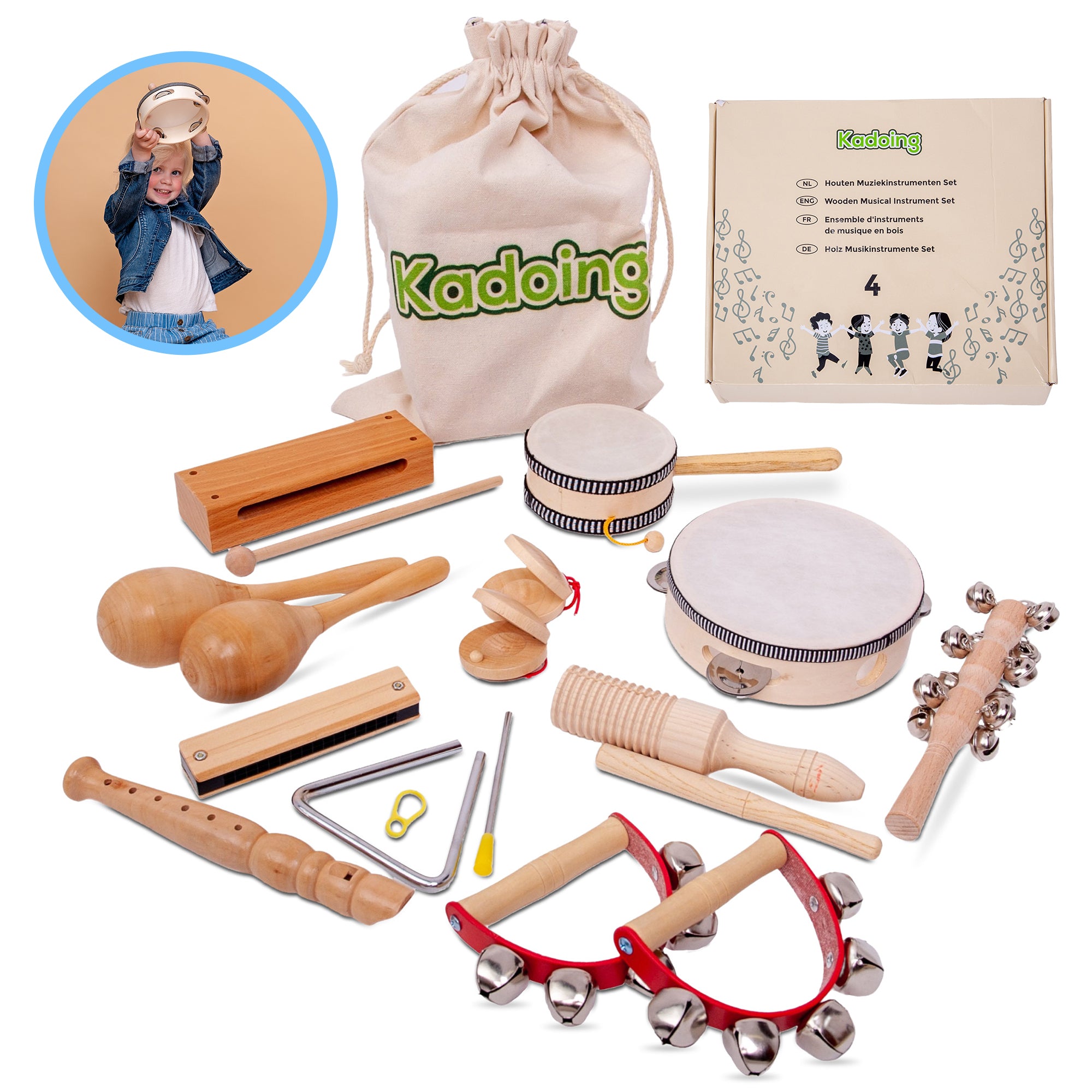
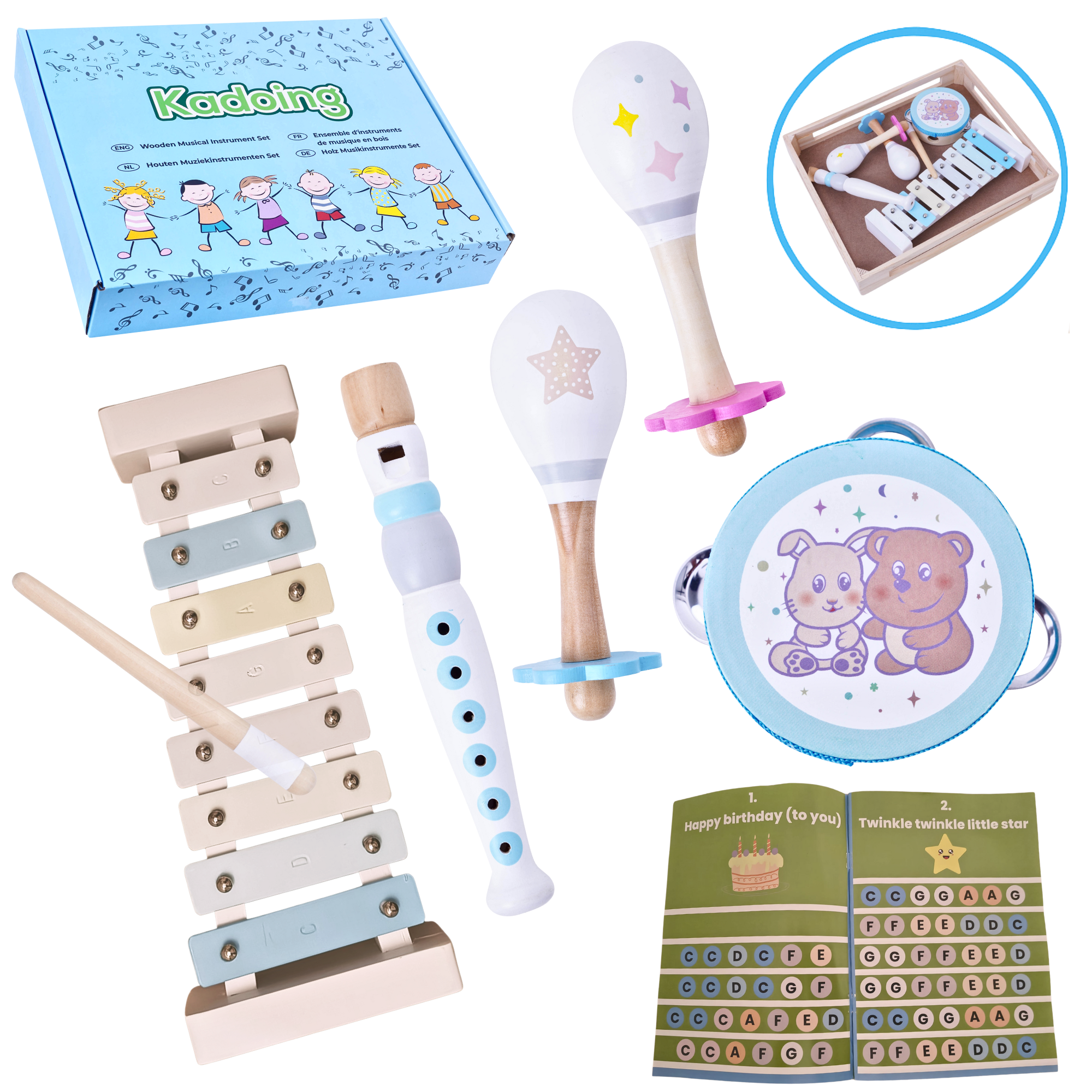
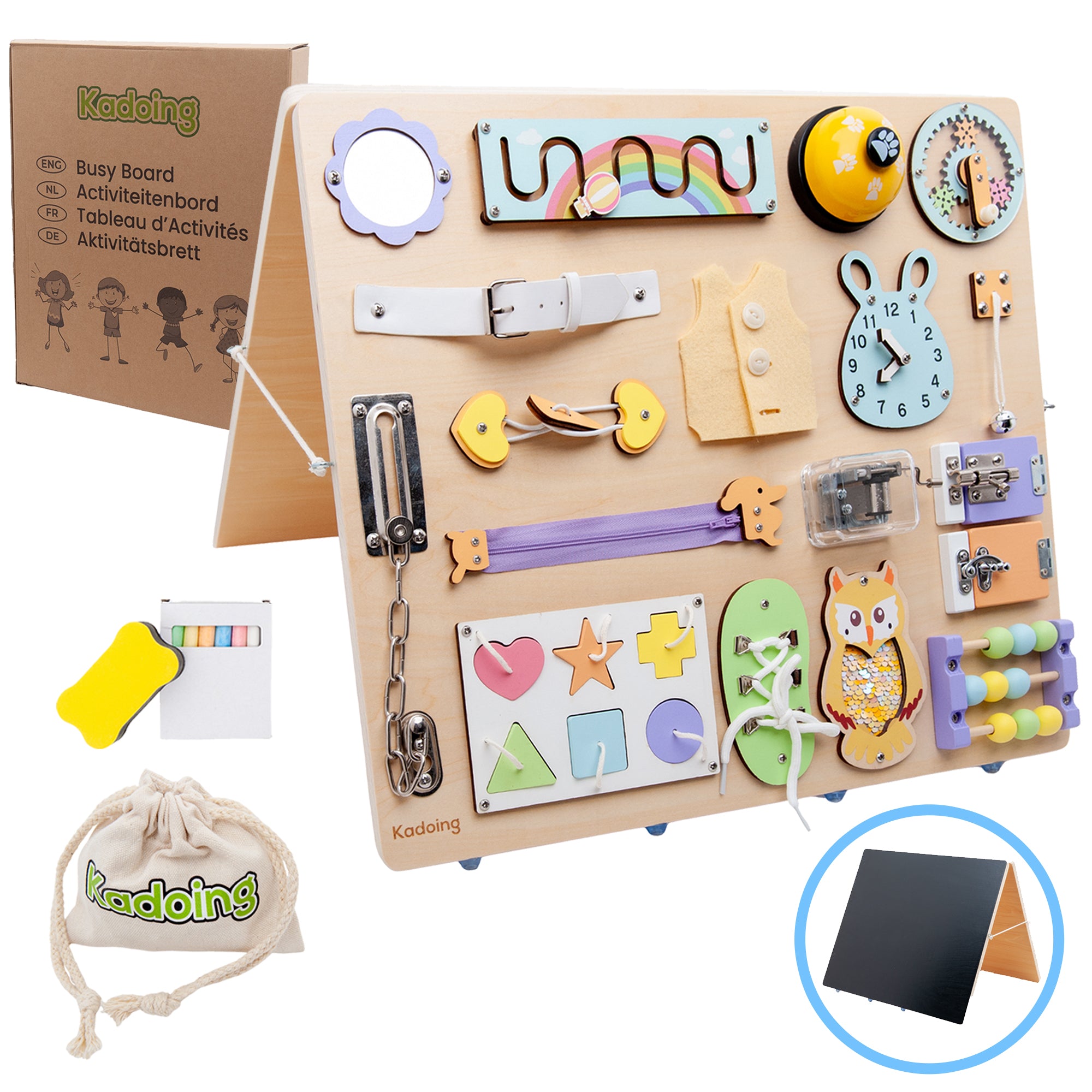
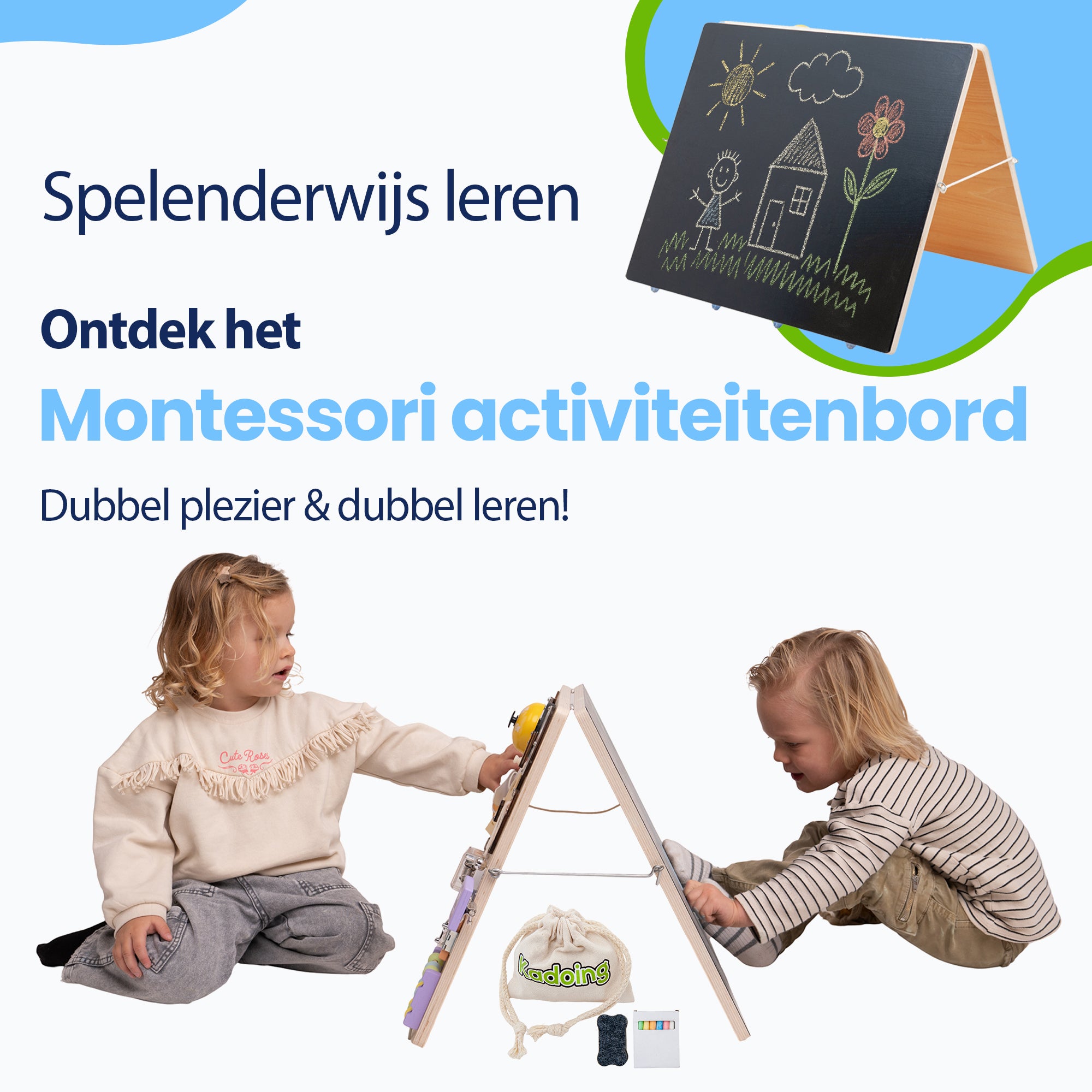
A smaller selection often works better. Keep a few types of toys visible and store the rest away temporarily. Wooden toys, open-ended toys, and simple activities often work especially well. A busy board, building blocks, stacking stones, train tracks, or animal figures leave more room for imagination than toys that already provide lights, sounds, and fixed functions.
That does not mean colorful or active toys are never a good choice. It is mainly about balance. For independent play, toys that do not become “finished” too quickly are often the most effective.
The role of boredom
Many parents find it difficult when a child says they are bored. Yet boredom is not always a problem that needs to be solved immediately. It is often the space between being entertained and creating something independently. That is where creativity develops.
Of course, context matters. If a child is overstimulated or tired, giving them more space may not help. But if you notice that your child is mainly waiting to be entertained, it is perfectly fine not to step in right away. A calm response such as “see what you can do with the blocks or animals” is often enough.
Boredom does not always need to disappear. Sometimes it simply needs a gentle boundary and a little time.
How do you encourage independent play at different ages?
Your child’s age makes a big difference. What is realistic for a young toddler is different from what works for a preschooler. That is why comparing children is rarely helpful.
Young toddlers
For younger children, independent play is mainly about short moments with lots of repetition. Putting things in and out of containers, stacking, pushing, touching, and copying are often favorite activities. They still need a great deal of closeness from you. That is not a sign that independent play is not working—it is simply a normal starting point.
A safe and organized space is most important here. Choose materials that are simple and durable. Think of wooden blocks, a busy board, or a few soft figures. Do not expect long periods of play; instead, appreciate those few minutes of focused attention.
Older toddlers and preschoolers
Toddlers and preschoolers can often stay engaged in a game for longer periods, especially when it involves pretend play, building, or sorting. They enjoy having a clear starting idea: a doll that needs to go to bed, a garage that needs to be built, or animals that need feeding.
Here it helps to provide themes without planning out the entire activity. For example, place a few wooden animals, a cloth, and some blocks together. That is often enough. If the materials are open-ended, your child will create the rest of the story themselves.
Your presence still matters
Independent play does not mean that you have to disappear. In fact, many children play better when they know you are nearby. This is often referred to as a secure base: your child feels that you are available, which gives them the confidence to explore independently.
That sometimes requires a different approach. Avoid correcting immediately, offering constant new ideas, or praising every single moment. Too much guidance often interrupts the concentration you are trying to build. A simple comment such as “I see you’re building a tall tower” is usually enough. It shows interest without taking over the play.
Structure helps more than spontaneity
For many families, independent play works better when it becomes part of the daily routine instead of something that is only attempted when parents urgently need time. A regular play moment after breakfast or while you prepare dinner feels predictable and safe.
It does not need to be strict or perfect. The goal is simply for your child to recognize: this is a time when I can play on my own, and Mom or Dad is nearby. That repetition makes it easier to develop the habit.
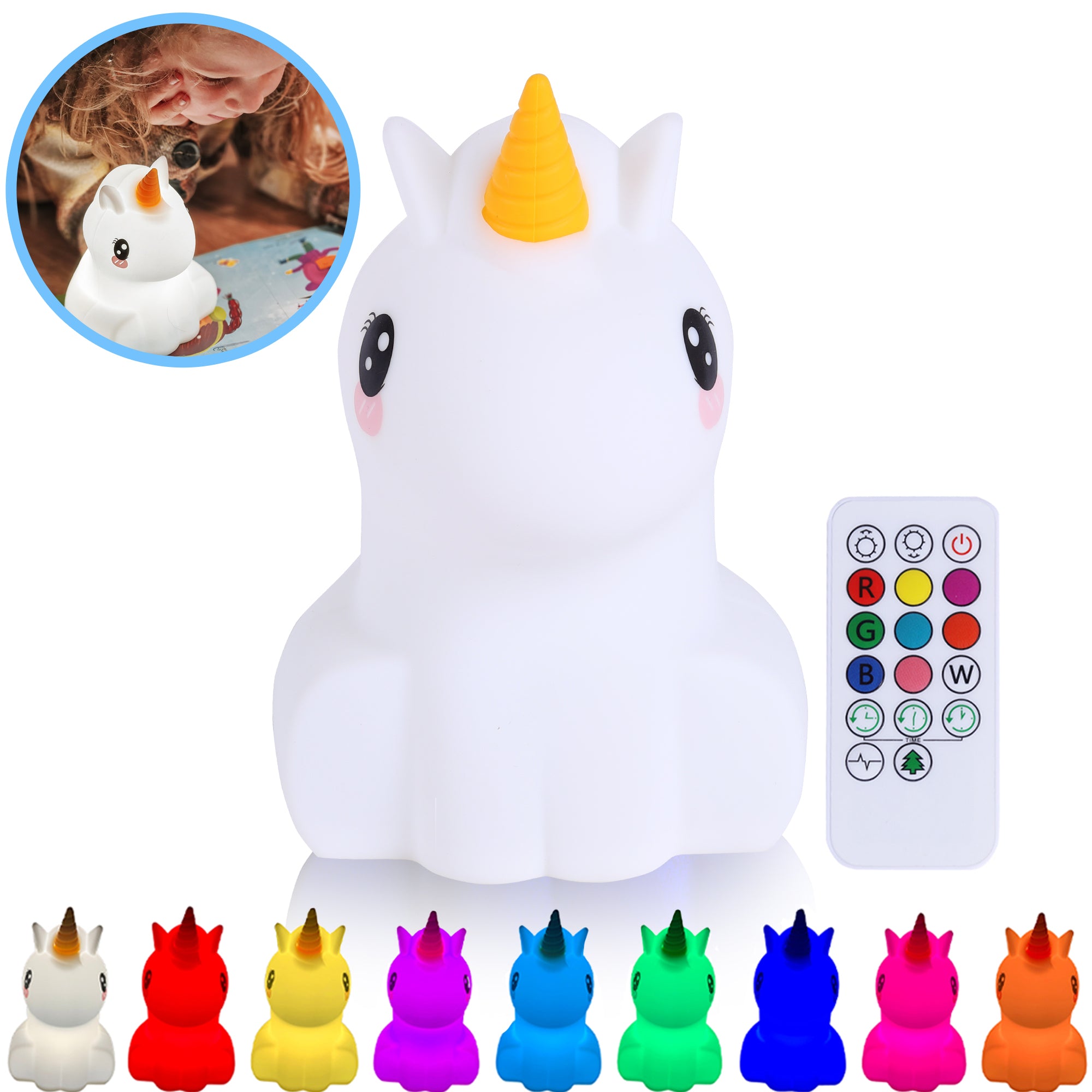
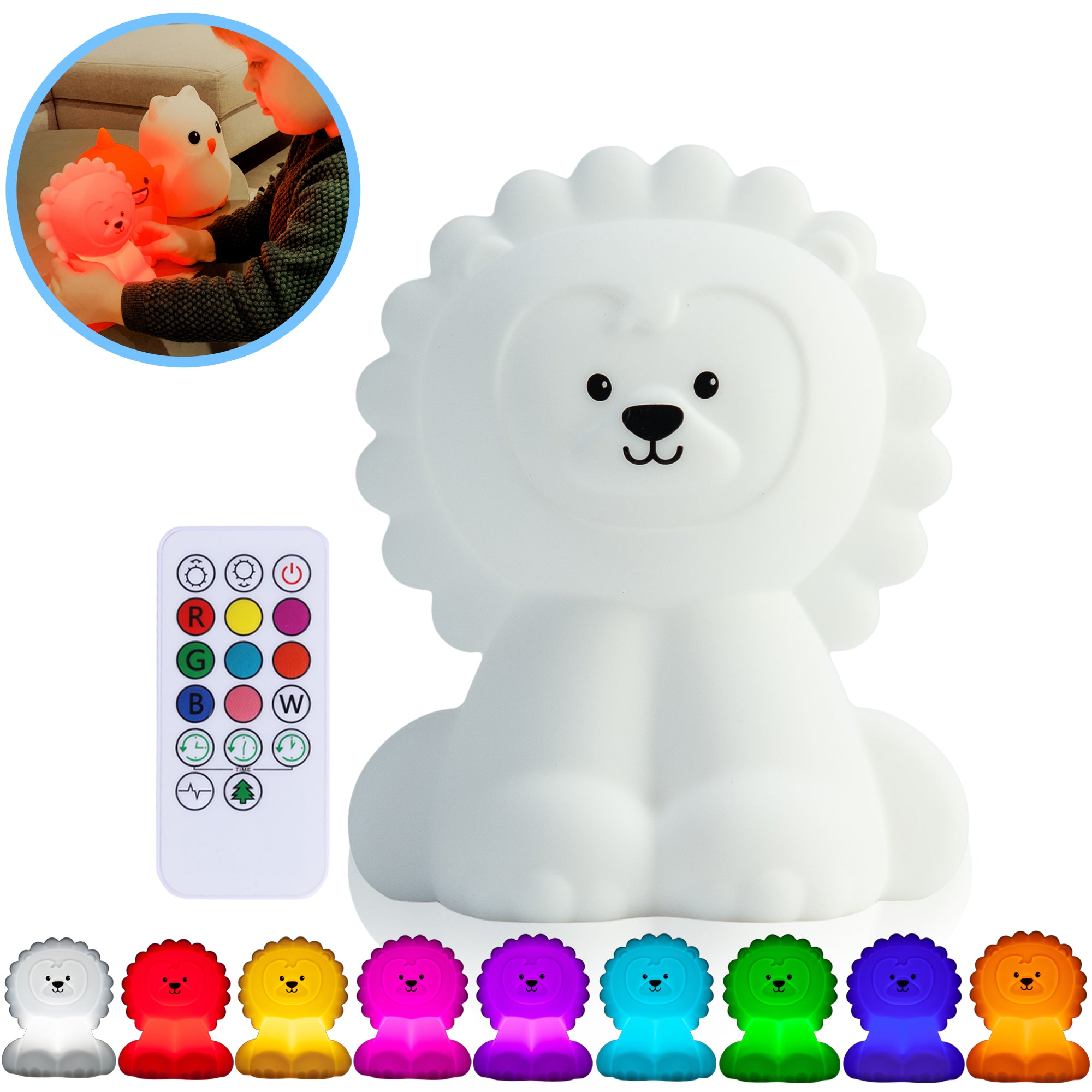
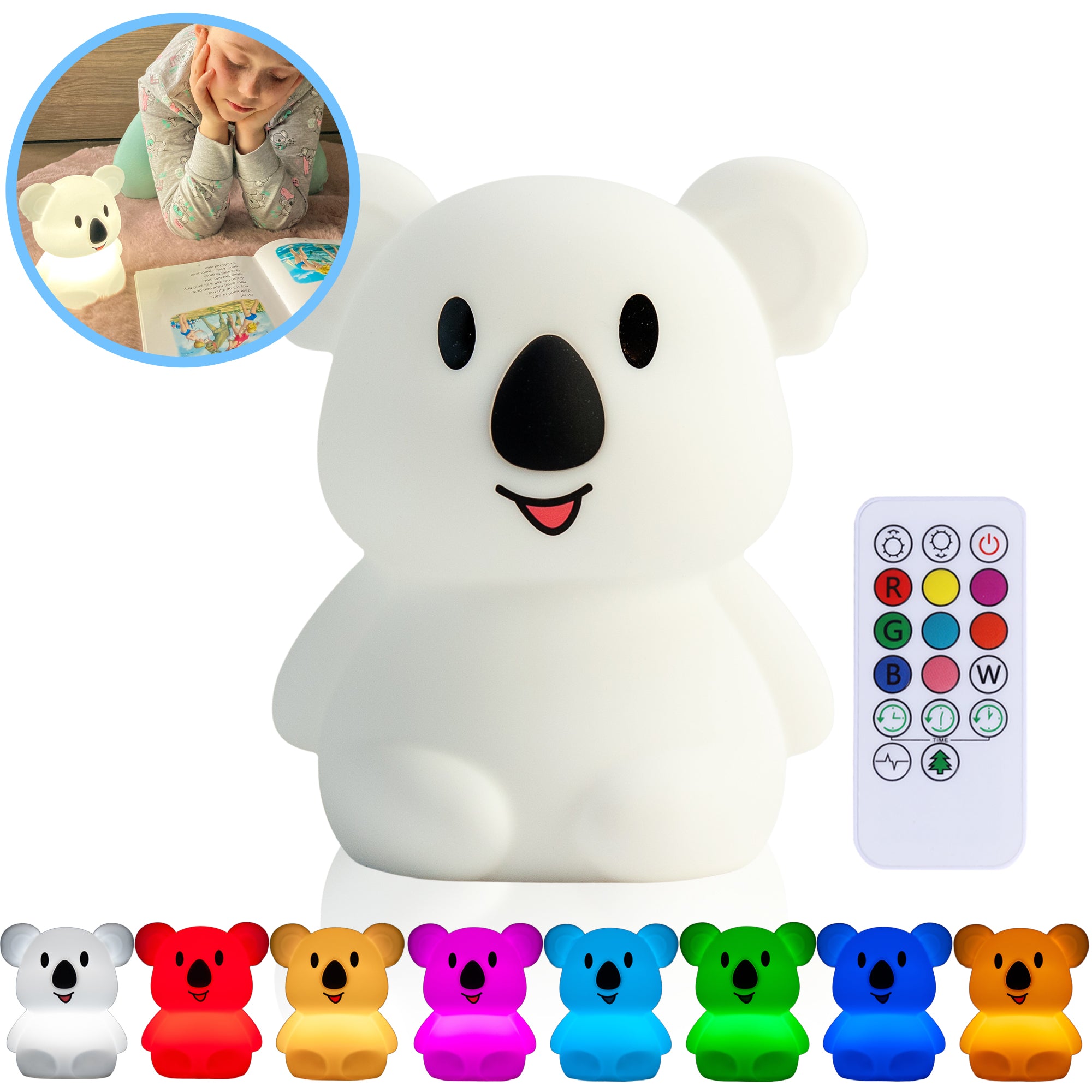
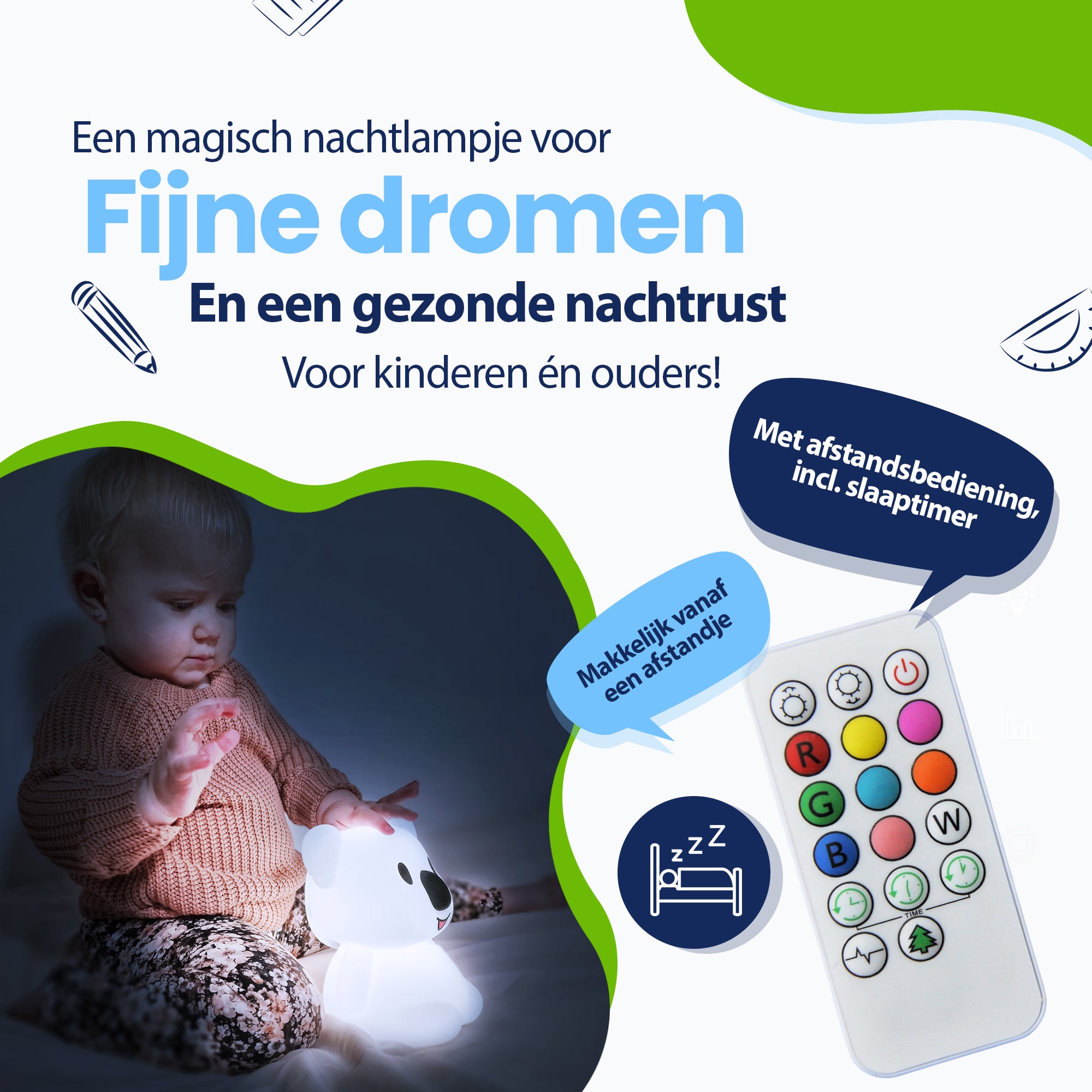
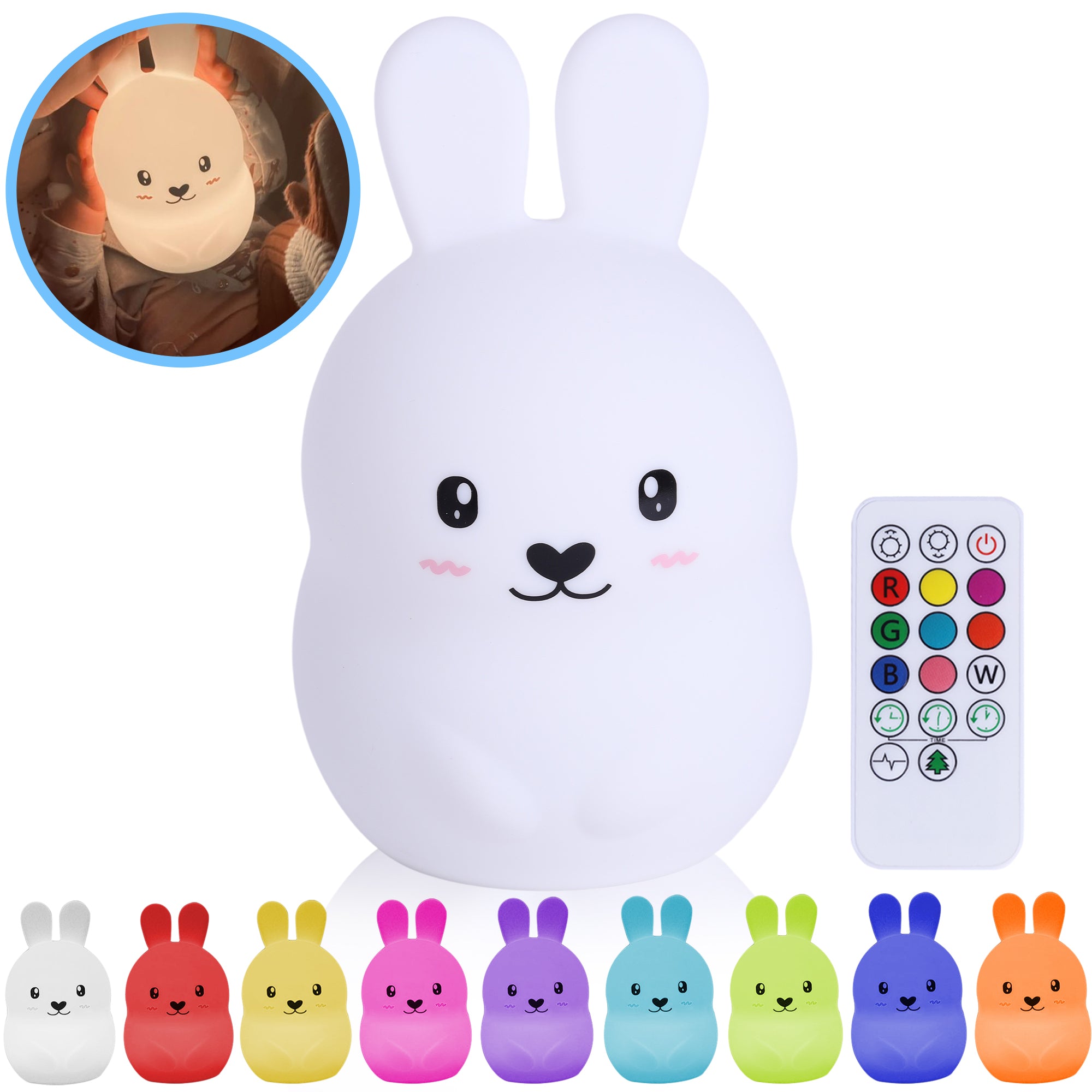
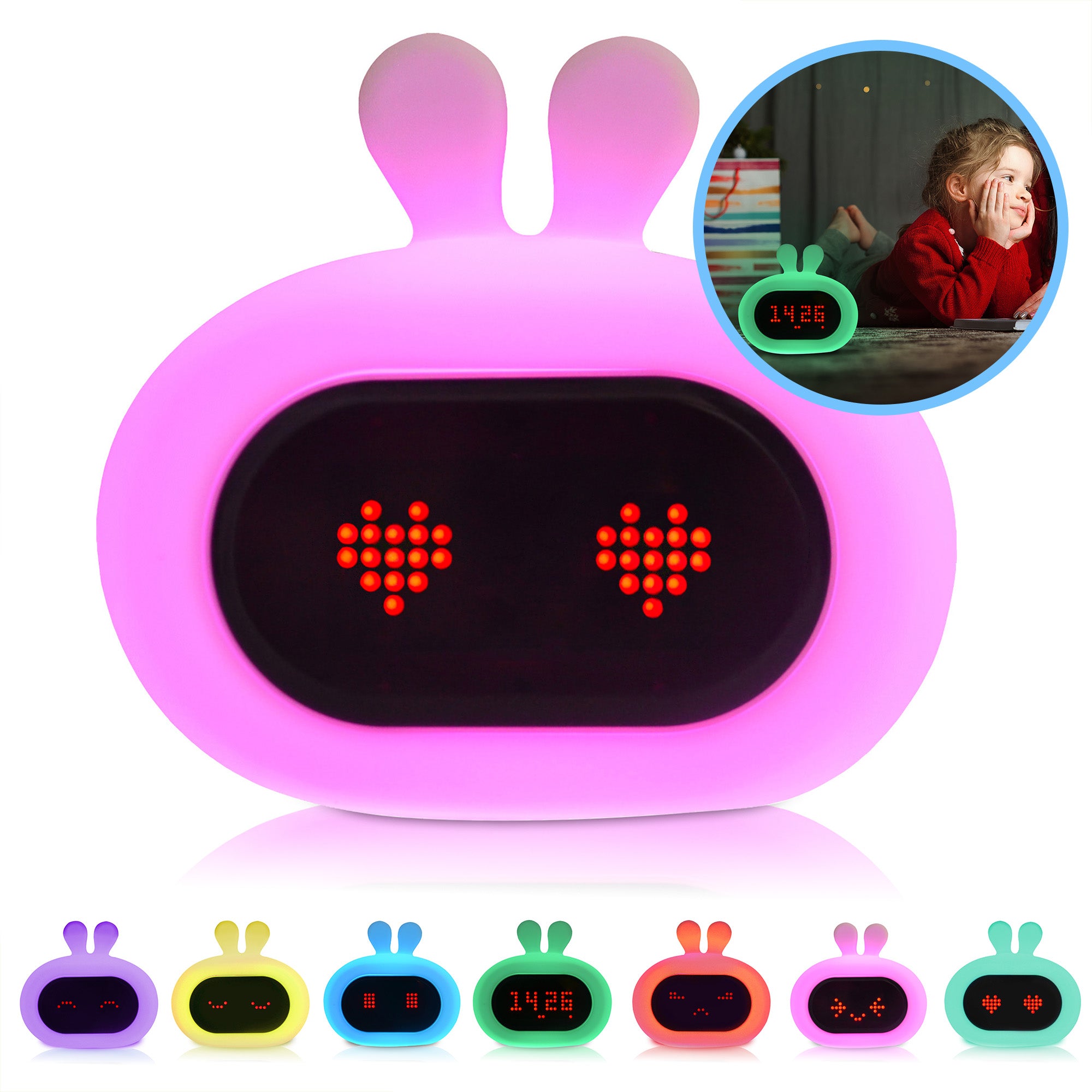
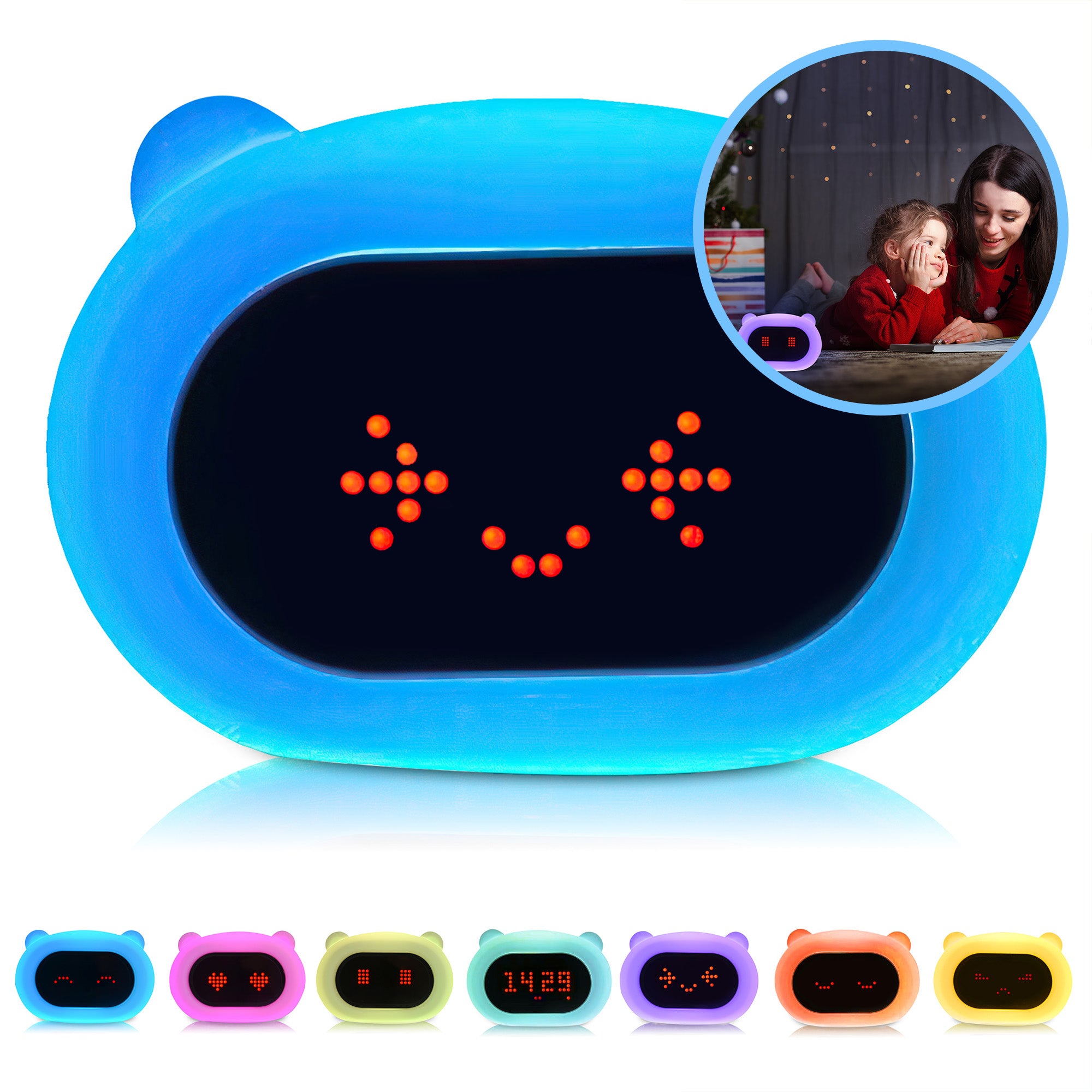
Some parents also notice that calm transitions help. A predictable morning or bedtime routine often makes it easier for children to play independently. Some families use tools such as a sleep trainer or a night light. Not as a miracle solution, but as part of creating predictability at home.
What if your child does not want to?
Not every child naturally takes to independent play. Some children seek a lot of interaction, others become frustrated quickly, and some simply find playing alone less appealing. That does not have to be a problem. Independent play is not a test that must be passed.
Instead, try to understand the reason. Does your child need help getting started? Is the toy too difficult or too simple? Is the environment too busy? Or are you expecting independent play at exactly the moment when your child needs connection?
Sometimes it helps to play together for ten minutes and then gradually step away. For example, you might say: “We’ll build one more bridge, then you can continue and I’m going to make some tea.” For many children, that transition feels much gentler than stopping abruptly.
Small choices that make a big difference
In practice, success often comes from simple adjustments. A low shelf with a few visible materials. Toys that genuinely match your child’s age. Less background noise. Fewer corrections. A consistent time of day. And above all: trust that even short periods of independent play are valuable.
For parents, that is sometimes the hardest step. We want to help, entertain, solve problems, and guide. But children also need space to create something on their own. It is in those small moments that they practice concentration, imagination, problem-solving skills, and self-confidence.
It does not have to be perfect. One day a child may happily play alone for ten minutes, and the next day it barely works at all. That is completely normal. How do you encourage independent play? Not by pushing, but by offering calm, rhythm, and an inviting environment where your child feels safe enough to begin on their own.
And perhaps that is the most important thing to remember: independent play does not develop because you step away, but because your child feels secure enough to start exploring independently.