The basket is full, but your toddler keeps pulling out the same toy - or moves on again after two minutes. It is a familiar scene. Toddlers do not always need more toys to enjoy playing; a smaller, manageable selection can create space for attention and ideas of their own. In this guide, you will discover how toy rotation for toddlers works and how to alternate toys without creating a complicated system.
What is toy rotation for toddlers?
With toy rotation, only some of the toys are within reach. You temporarily store the rest out of sight, for example in a cupboard, in the loft or in closed boxes. After a few weeks, or when interest fades, you swap some of them. Of course, there is no need to put away favourite cuddly toys, books or toys your child enjoys every day.
The aim is not to follow a rigid system or create a perfectly tidy playroom. What matters most is that your toddler can see what is available and has time to explore something. A wooden puzzle, stacking tower or musical instrument stands out more when it is not lost among twenty other choices.
For many families, toy rotation can also make tidying up calmer. Fewer things on the floor does not mean a toddler will never make a mess, but it often makes putting things back more manageable. And when an old toy returns after a while, it can feel surprisingly new.
Why fewer choices sometimes work better
Toddlers are busy trying, repeating and doing things themselves. They stack the same blocks again, put shapes in and out of a box or make music ten times in a row. That is simply play. When lots of toys are available at once, some children switch activities more quickly. Other toddlers play happily in a full room. Above all, look at your own child and what feels comfortable at home.
Toy rotation is not a rule that determines development. It is a practical way to adapt a play corner to this stage. Some parents notice their child stays with an activity longer when fewer things are visible. Others mainly appreciate the easier tidying up. Both are good reasons to give it a gentle try.
It can also be a helpful approach to choosing sustainably. By giving toys attention for longer, you can see more clearly what is truly loved, what still suits your child's age and what might be passed on. This makes you less likely to buy something extra because everything seems quickly forgotten.
Start small: a practical guide to toy rotation
You do not need to sort every toy box in one afternoon. Start with one place, such as the living room or a low cupboard in the play corner. Take everything out and put back just a modest selection. For many toddlers, six to ten different play options are plenty, but there is no magic number.
Offer variety without putting out duplicates of every type of toy. Think of something for building, something for imaginative play, something creative and something that lets your toddler explore or move. A few good choices together can be more inviting than a cupboard full of competing distractions.
A simple starting selection might include:
- blocks or a stacking toy for building and balancing;
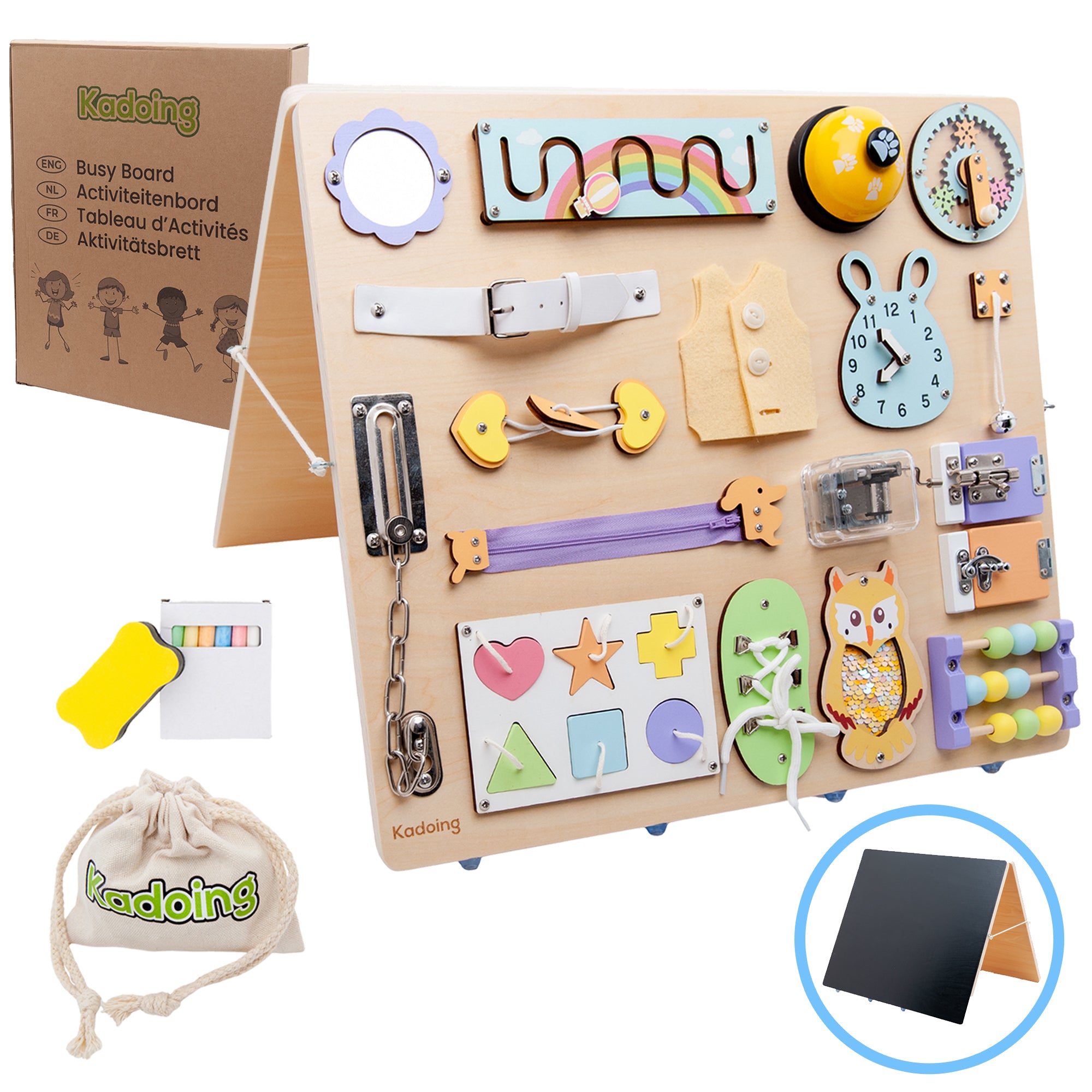
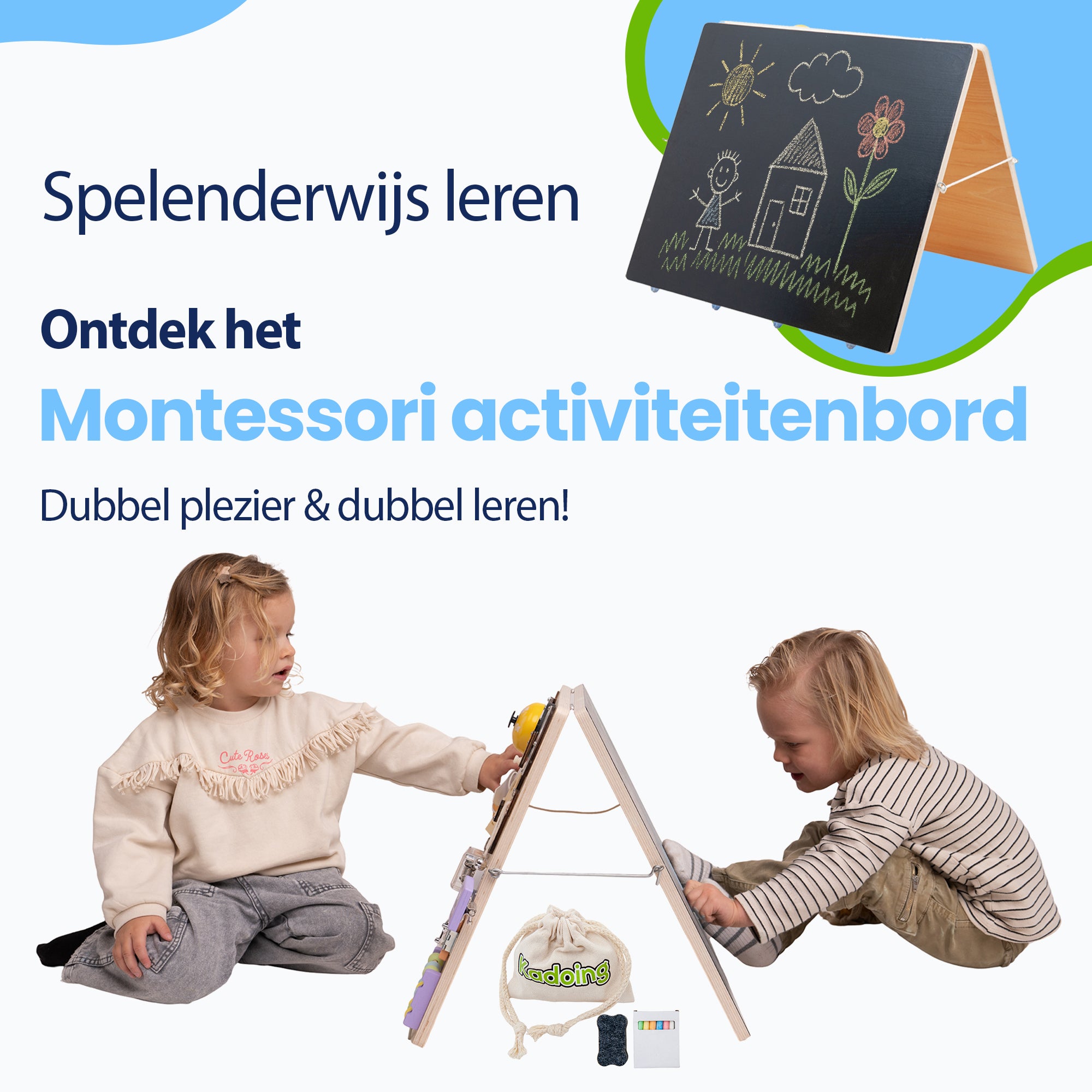
- a simple puzzle, shape sorter or activity board;
- a cuddly toy, doll or animal figures for little stories;
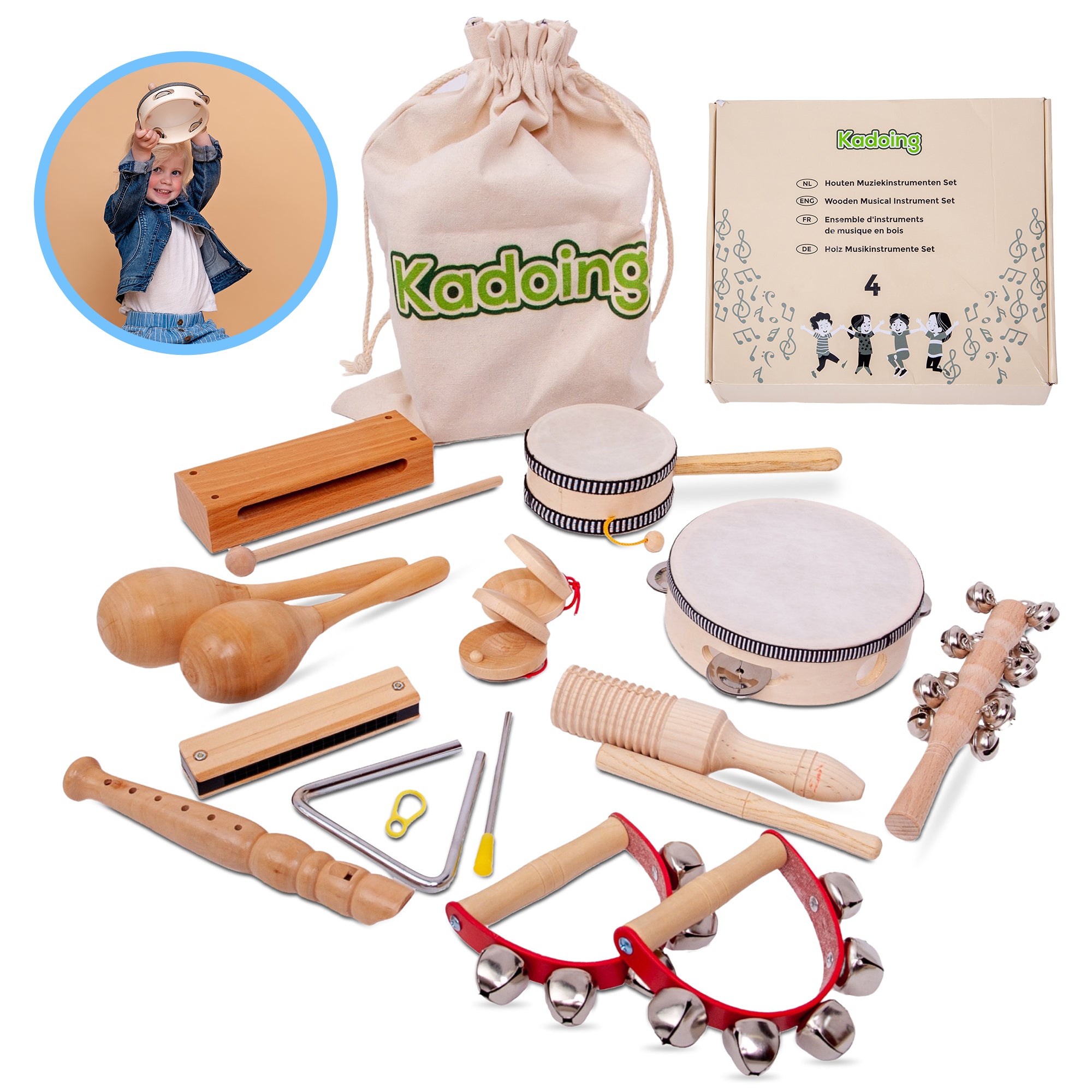
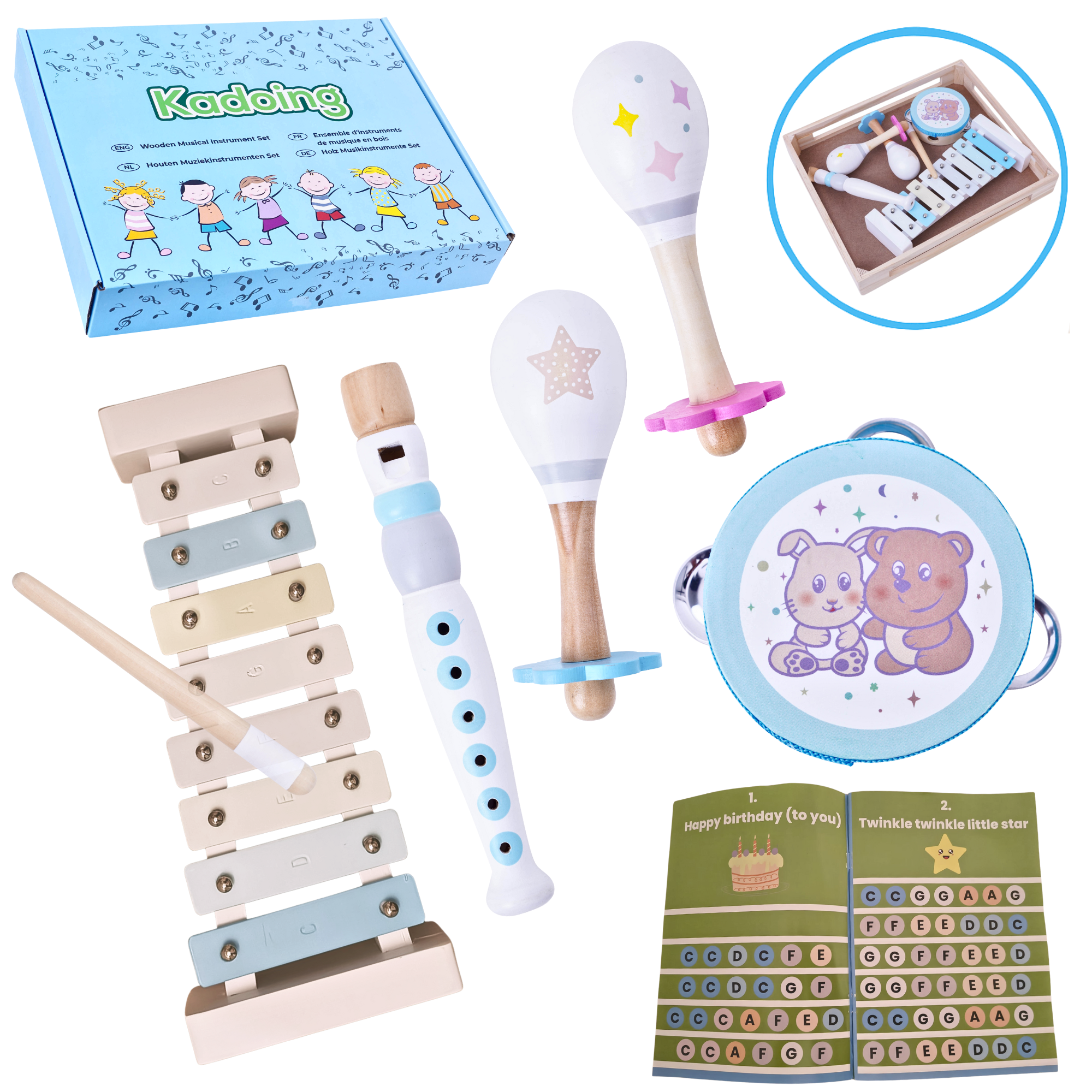
- a book and a musical instrument, such as a wooden xylophone;
- wax crayons with paper or a few play cloths.
Place toys low down, ideally in open baskets or on a shelf your toddler can reach. A regular place helps show where things belong. That makes choosing independently and tidying up together a little easier.
Choose toys that can be used in more than one way
Toys designed for open-ended play often remain interesting for longer. Blocks become a tower, garage, animal house or imaginary cake. Play cloths can be a cape, a picnic blanket or a little bed for a cuddly toy. This does not mean toys with one clear purpose are less valuable. A shape puzzle, for example, can be just right for a quiet moment at the table.
Variety comes from the combination. Do not put out three similar sorting games at once if your toddler usually finishes with them quickly. Save two for later and combine one with materials for free play. This creates a selection with both familiarity and new possibilities.
How often should you rotate toys?
There is no ideal schedule. Some families swap a few items every week; others do it once a month. Notice the signs in your everyday rhythm. If a toy is barely touched, you can put it away and bring it back later. If your toddler is completely absorbed in a train track or a set of animals, feel free to leave it out longer.
Swapping does not have to be all or nothing either. You can leave three things and change two. This offers familiarity while still leaving something new to discover. A regular day can be useful, such as Sunday afternoon, but only if it does not become an extra task. The system should lighten your load rather than become a new project.
Seasons and daily routines can offer a natural moment. In autumn, you might put out a book and materials for quiet table play more often. During holidays, building toys or imaginative play can have more space. For a calm transition into the evening, some families choose a basket with a cuddly toy, a book and a simple game. That can be a pleasant part of slowing down together without expecting toys to promise a particular bedtime outcome.
What should you keep and what can you let go?
Make three groups: toys that suit your child now, toys for later and toys you hardly use. The second group goes out of sight, ideally sorted by type in clearly organised boxes. A label with words or a simple drawing makes things easier to find again, including for other carers.
Be gentle with the third group. A gift can have emotional value even if your toddler rarely plays with it. You do not need to get rid of anything that does not fit the rotation straight away. Keep it for a while and look again later. If it is still intact, complete and clean, passing it on to family, a charity shop or a local initiative can be a lovely next step.
When choosing, also consider the condition and suitability of toys. Stop using toys with broken parts or pieces coming loose immediately. Toys that are safe but no longer match your child's interests or skills can be stored temporarily or passed on if they are still suitable for another child. Always follow the manufacturer's age recommendation and instructions. Supervision appropriate to your child's age is particularly important with small parts.
Make room for playing together, not perfection
A well-kept play corner is lovely, but it does not have to look like a picture from an interiors magazine. A toddler taking pans out of the kitchen cupboard, knocking over a tower or tipping out a basket is not trying to sabotage your system. Sometimes that rummaging is the play itself.
Toy rotation works best when it invites connection rather than becoming a new standard to meet. Sit on the floor now and then and follow what your child is doing. Ask if the bear can help build, make a rhythm on a drum together or name the colours you see. Five attentive minutes can already feel valuable.
Also choose toys made with care that can last a long time. Wooden toys, soft cuddly toys and simple musical items can be a calm, tangible addition to the play corner.
If your toddler asks for a toy from the cupboard
That does not mean the rotation has failed. You can get the requested toy out, agree together what goes back into the box instead, or save it for the next swap. There is certainly no reason to be strict about a favourite cuddly toy or book. Some things simply belong in everyday life.
A toddler who mainly wants to play with household objects does not necessarily need more toys either. An empty box, wooden spoon or laundry basket can sometimes provide just enough inspiration under your supervision. It is not about a carefully curated collection, but space for play that suits your child and your day.
Toy rotation for toddlers does not have to be complicated. Start with one shelf or toy basket, put out a varied selection and store the rest temporarily. Then notice what your child enjoys playing with and only swap things when needed. Step by step, you will discover what works for your family without fixed rules or having to buy extra toys.