But how many toys does a toddler need to enjoy playing and developing? It often helps to offer fewer toys at a time, rather than continually adding more. It is not the quantity, but the space, attention and repetition that make play a valuable experience.
A toddler does not need constant new entertainment. When there is not too much within reach at once, a child can become absorbed in an activity for longer. This creates calm at home and leaves room for imagination, practice and pride in small discoveries.
How many toys does a toddler need for enjoyable play?
There is no magic number that works for every family. It depends on your child's age, the available play space, siblings and their current interests. What often helps most is offering a limited, clearly arranged selection at any one time, so your toddler can easily see what there is to choose from.
By play activities, we do not just mean individual toys. A set of wooden blocks counts as one activity, just like a simple puzzle, a book or a basket of toy animals. This keeps the choice manageable without making it feel sparse.
Above all, watch your toddler's behaviour. Does your child regularly play with concentration, come up with ideas independently and help tidy up afterwards? Then the selection is probably suitable. Does your toddler constantly flit from one object to another, or does the room feel unsettled as soon as play begins? In that case, having fewer toys on display may help.
Why too much choice can make play more difficult
Toddlers learn through repetition. Knocking down a tower, turning a puzzle piece until it fits or singing the same song again and again may seem simple to adults. For a young child, it is serious learning. That takes time.
A large quantity of toys can cause a toddler to switch between activities more quickly. Not because the child is ungrateful or easily bored, but because too many choices at once can divide their attention.
Fewer toys does not mean less enjoyment. A few open-ended play materials, such as blocks, a wooden train set or figures for imaginative play, can become something different every time. Today a block is a garage, tomorrow a cake and next week a tall tower for a cuddly toy. Toys that offer several possibilities grow with your child's imagination, as it were.
That is helpful for parents too. A calm play area is easier to tidy and makes it simpler to join in for a while. A few minutes of genuine attention to what your child is building or discovering can add more to the play experience than offering even more toys.
A small, varied collection of essential toys
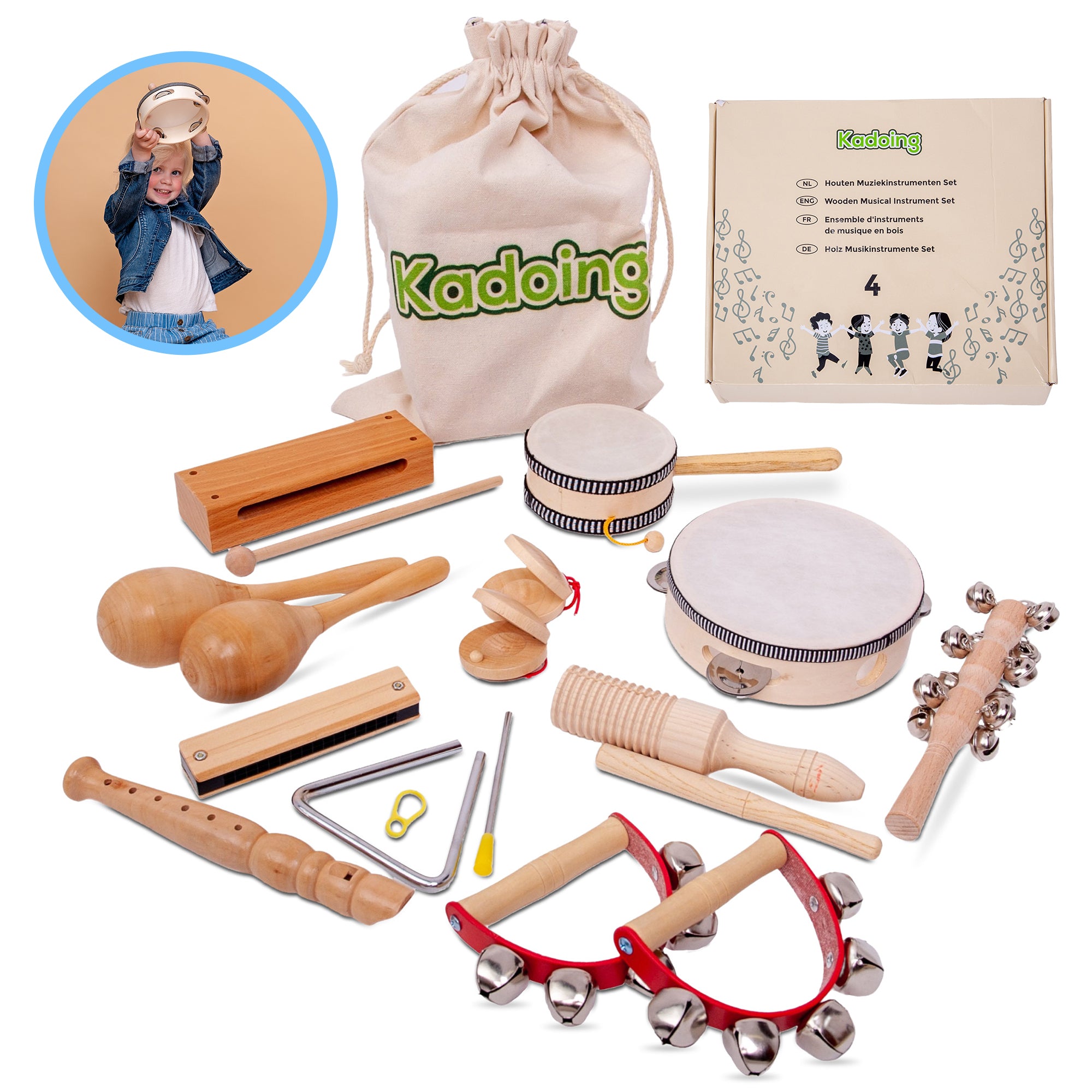
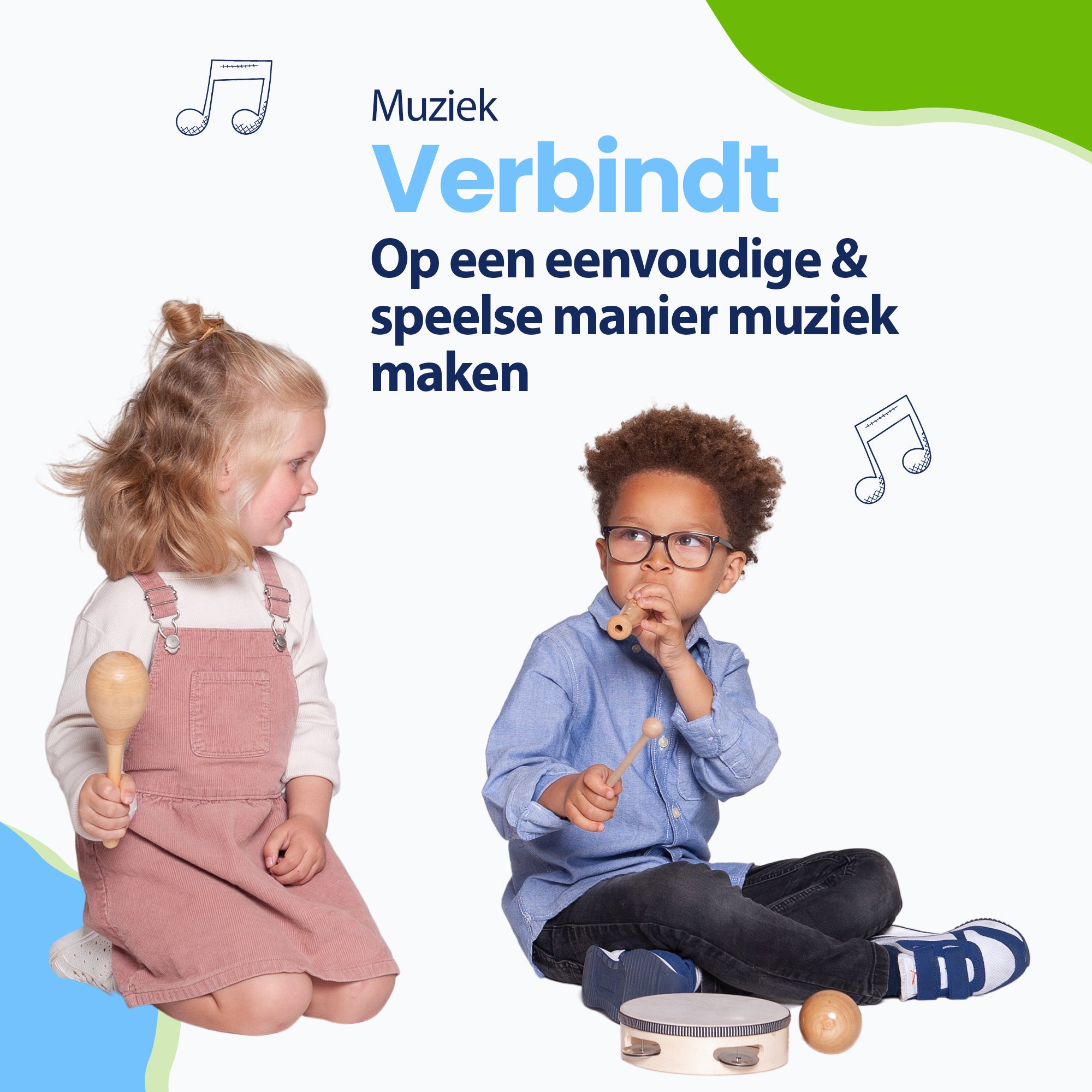
An enjoyable toy collection does not need to be large, but it can invite different kinds of play. Think of building and stacking, pretend play, creative activities and quietly looking at pictures or reading. Movement and music also deserve a place, especially for toddlers who like to explore with their whole body.
A possible selection could include building materials, a few vehicles or animals, a simple puzzle or sorting game, books, craft materials and one musical toy. A soft cuddly toy can also be a familiar companion during play, a car journey or a quiet moment before bed.
Do not choose solely according to the age stated on the packaging, but also consider what your child can already do and what sparks their curiosity. Depending on their developmental stage, a toddler may enjoy large shapes, simple cause-and-effect games or materials that are easy to hold. As skills and interests change, imaginative play, threading, more purposeful building or simple games may also become appealing.
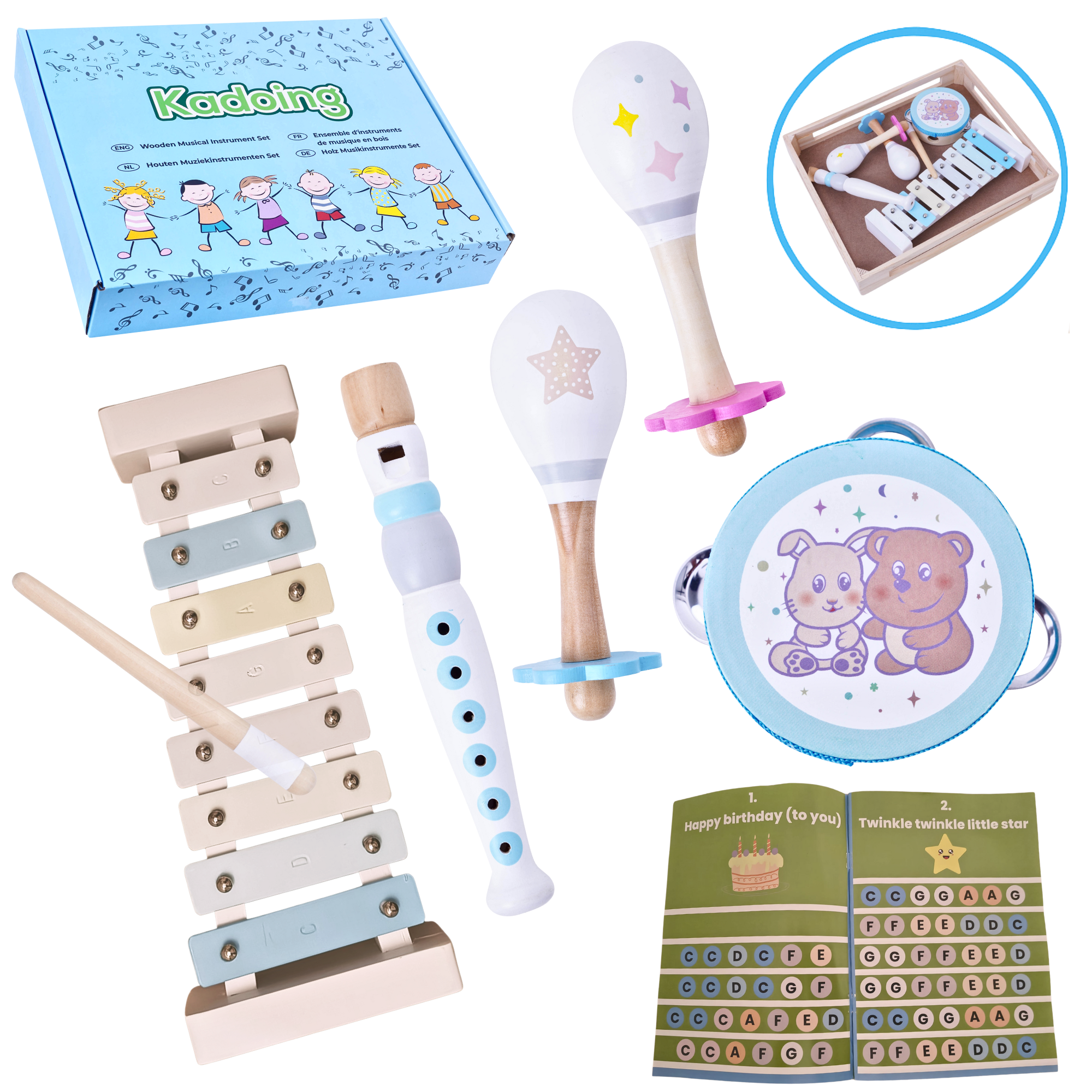
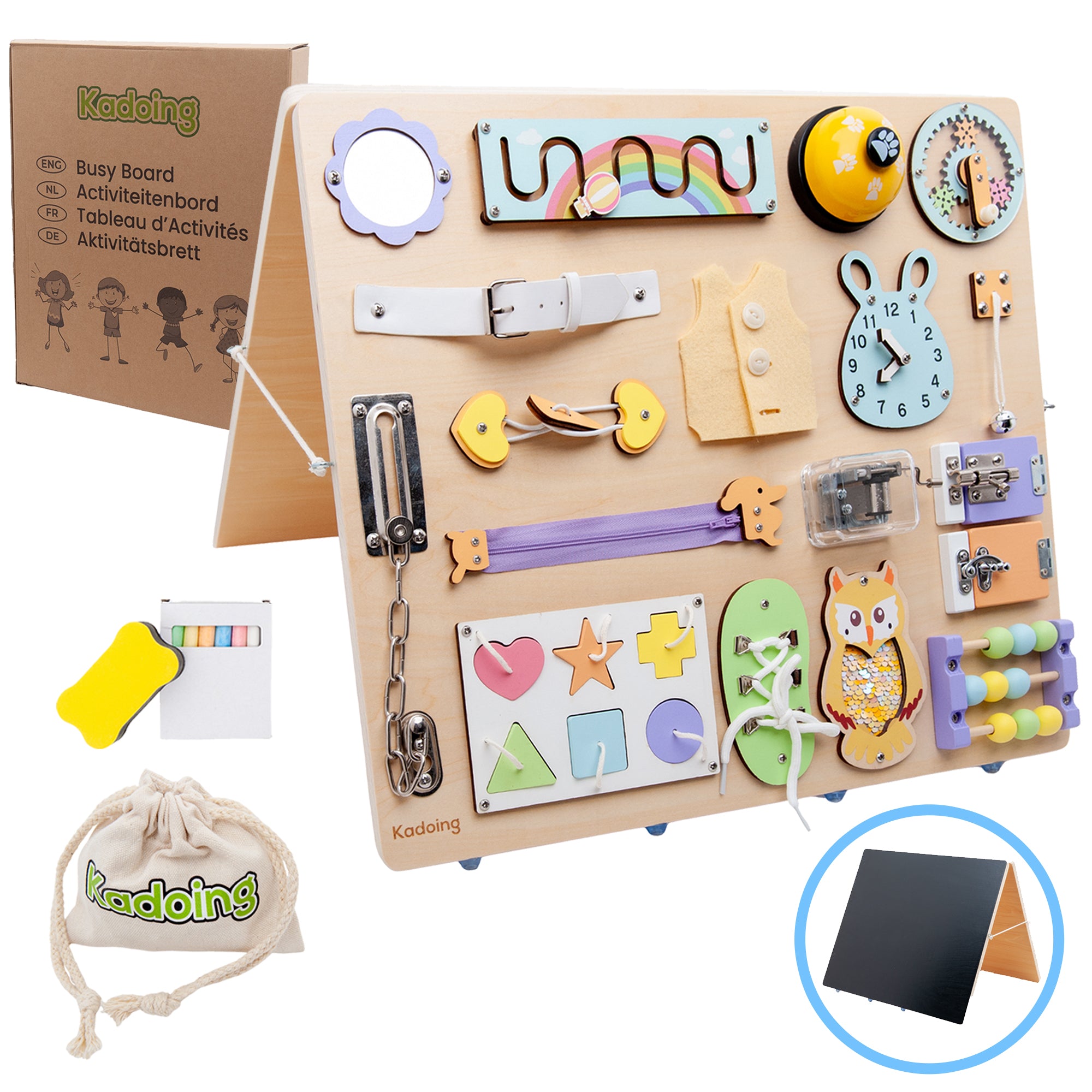
Robust toys that can last a long time are a practical choice here. They can withstand daily use and do not need to be replaced as soon as interest temporarily shifts. Wooden toys, an activity board or a simple musical instrument can encourage discovery, practice and independent play in different ways.
Rotating toys: fresh play without constantly buying something new
Rotating toys is a simple habit that can make a surprising difference. You temporarily put some toys out of sight and occasionally swap a few activities. This can make an old set of blocks or a forgotten puzzle interesting to your toddler again.
For example, keep some of the toys in a closed cupboard or storage box. Display the rest clearly, preferably on low shelves or in open baskets. When everything has a fixed place, your child can choose more easily and help with tidying up.
You do not need to follow a strict schedule. Have you noticed that the toy kitchen has been a favourite for days? Simply leave it out. Is a particular game barely being touched? Put it away temporarily and offer something else later. Follow your child's interests, not a perfect plan.
Rotation also works well around seasons and routines. In autumn, a basket containing animals and autumn colours may be interesting, while an outdoor or water-play set may get more use in summer. Just before a birthday or festive occasion, you can put a few things away first. That leaves both literal and figurative room for a new present.
When is a new toy a good idea?
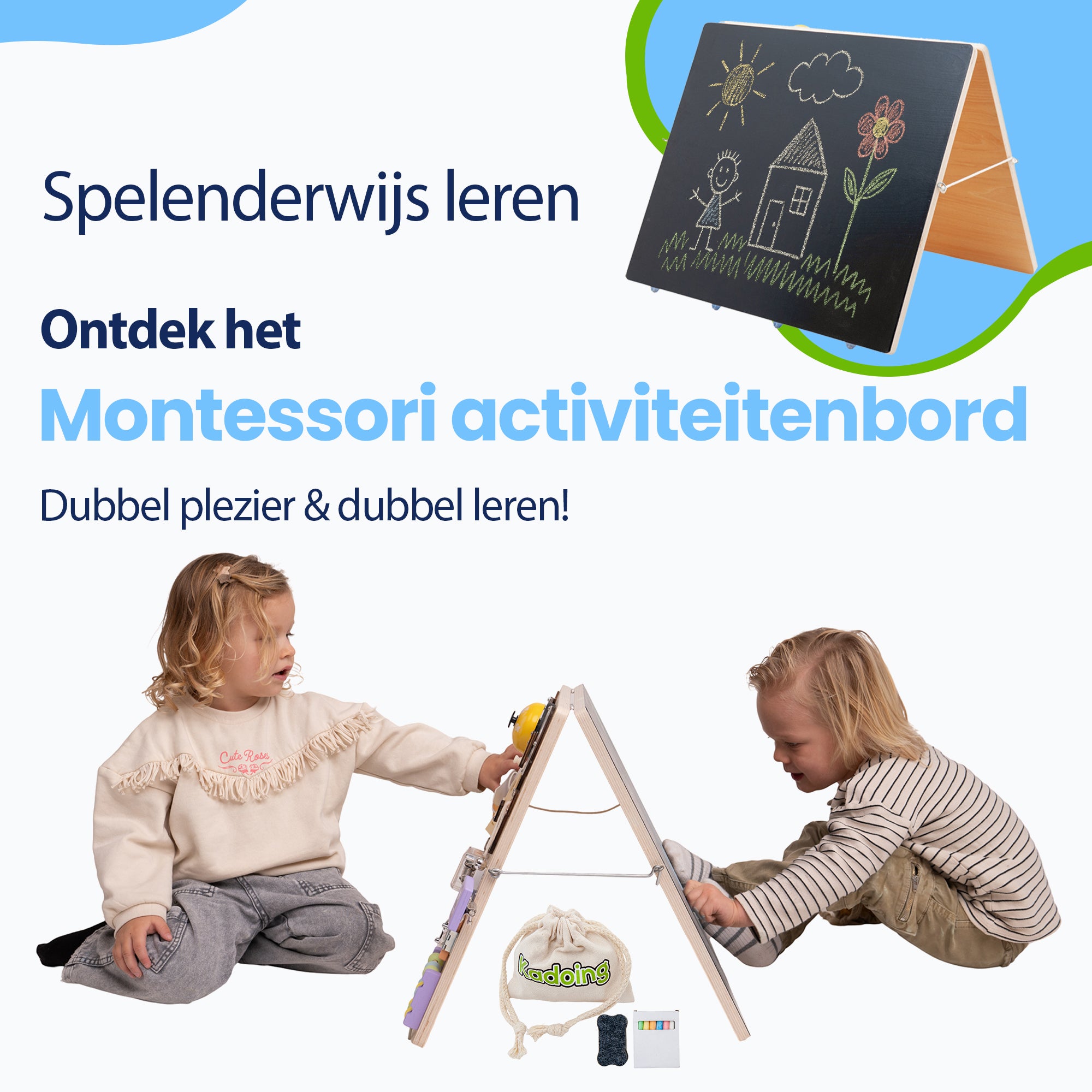
There is nothing wrong with new toys. Sometimes a new item fits nicely with a developmental step or an everyday challenge. A toddler who likes making rhythms may enjoy a wooden drum or xylophone. A child keen to do things independently may delight in exploring an activity board with fastenings, turning knobs and shapes.
Ask yourself beforehand: does this add something to what is already there? A new toy can be a good choice if it offers a different way to play, will last a long time or encourages playing together. It does not always have to be large. A carefully chosen book, craft set or musical instrument may offer more play value than several separate gadgets.
Gifts from family can also be part of the plan. Feel free to say that you would prefer one thoughtfully chosen present rather than lots of small items. You can suggest things that suit what your toddler currently enjoys or is still missing. This makes giving easier for grandparents and other loved ones, while keeping the play area pleasantly uncluttered.
How to recognise toys that last
Toys with lasting play value leave room for children's own ideas. They do not dictate exactly what a child should do, but provide a starting point. Blocks, dolls, cuddly toys, simple instruments and materials for building or sorting are excellent examples.
Also pay attention to safety, a finish that can withstand a toddler's hands and materials that feel pleasant. Objects that are too complicated sometimes go unused. Toys with many built-in functions can leave less room for children's own ideas, whereas simpler materials can be used in different ways. A good balance is often found in toys your child can try independently, but which also let you invent new games together.
At Kadoing, this combination of play, comfort and development is central. A calmly designed item that is genuinely used in everyday life often suits a family better than a cupboard full of short-lived distractions.
Make room for play beyond toys too
A toddler does not only learn while playing with toys. Joining in with everyday life also offers plenty of opportunities to discover and practise. Sorting laundry, stirring an empty bowl, looking for leaves, stacking cushions or singing a song together: these are small moments where language, motor skills and connection come together.
This also takes the pressure off the toy basket. If your child does not know what to do on a rainy morning, you do not need to offer something new straight away. Put out a few cups and a spoon, pick up a book or make music together. Play often follows naturally when a toddler feels seen and safe.
The best place to play is therefore not necessarily the place with the most toys, but the place where your toddler can choose freely, practise calmly and occasionally find your attention. Feel free to leave some empty space in the room and in the day. That is often where the loveliest little moments of play arise.