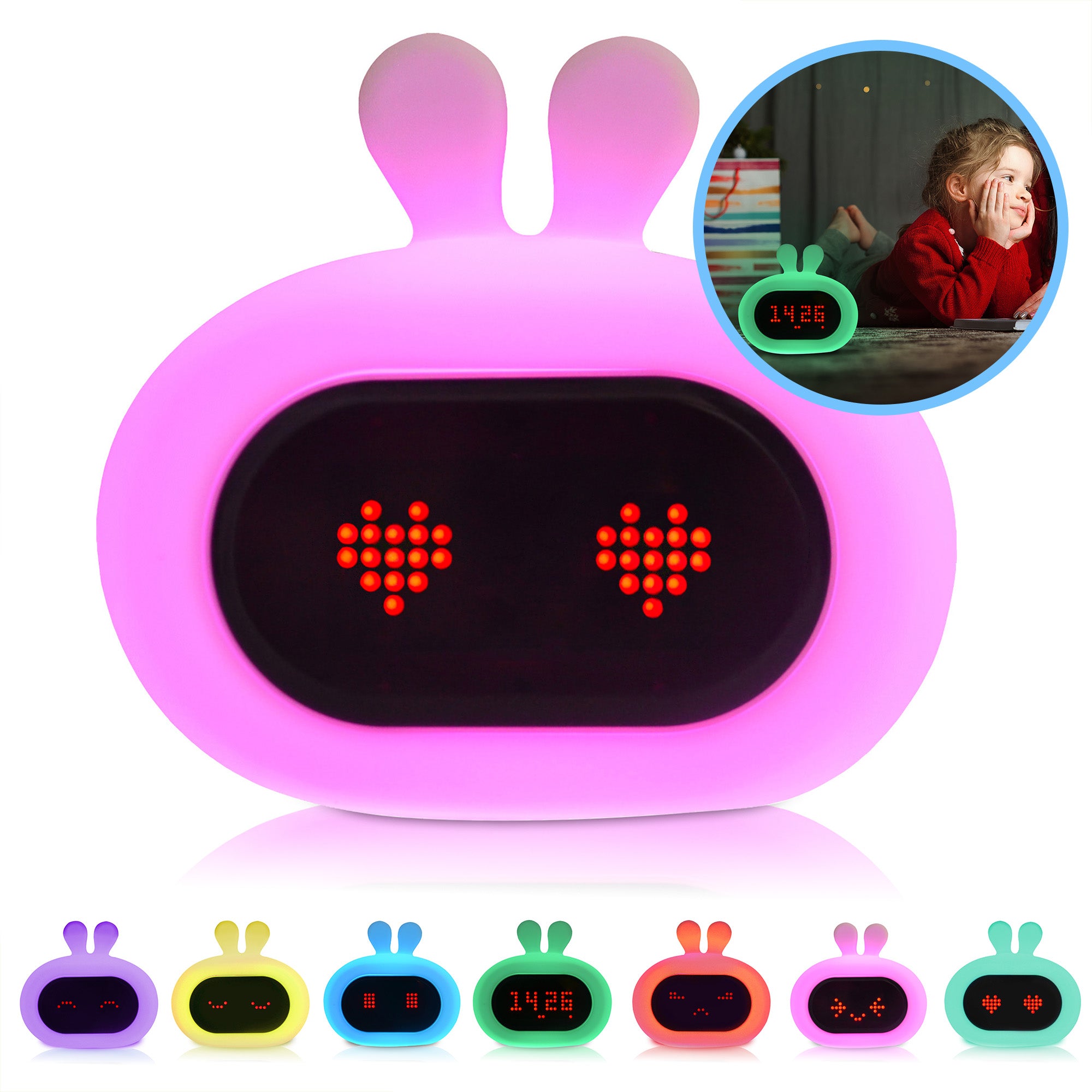
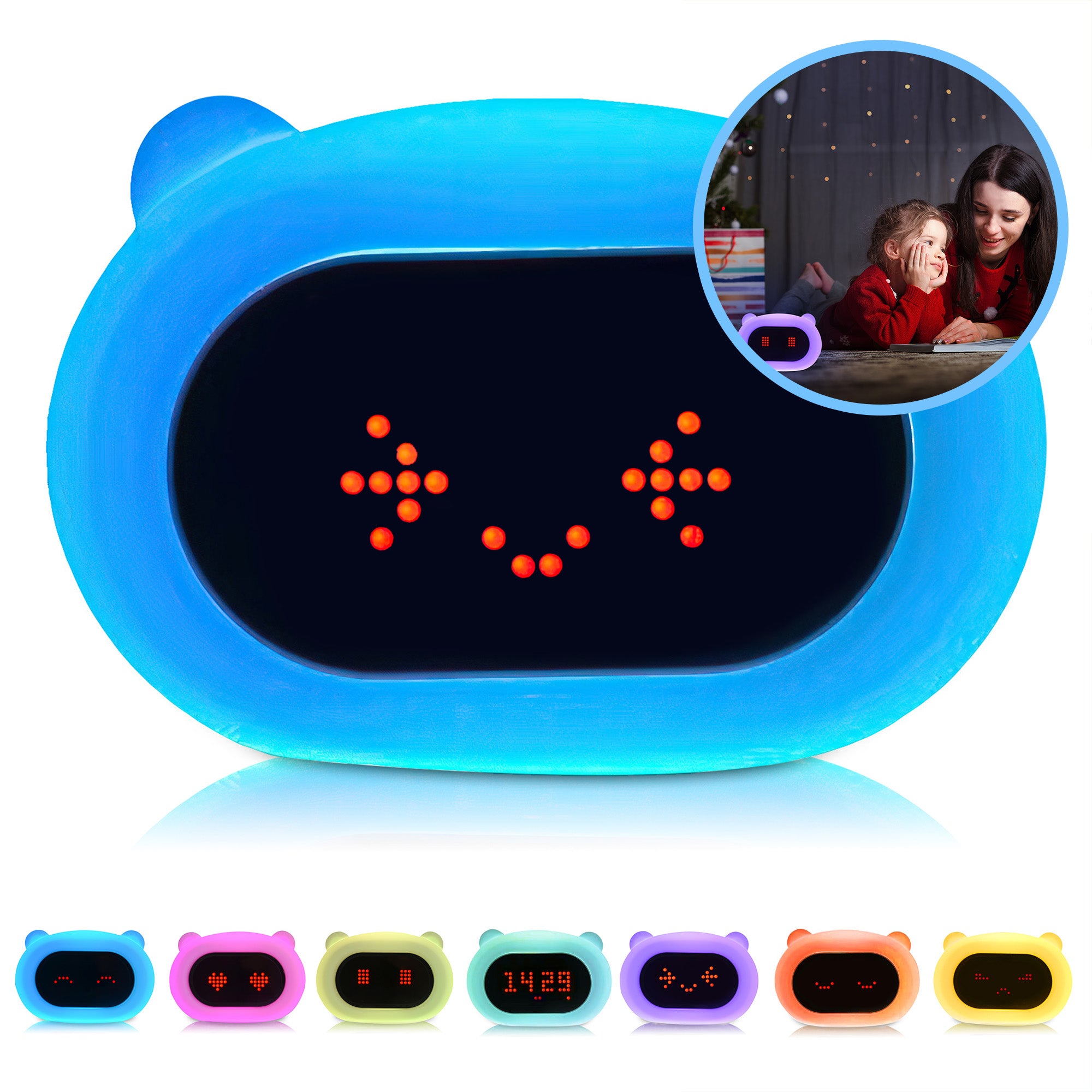
At 5.42 am, your toddler is standing beside the bed, ready for the day. To them it feels like morning; to you it feels like the middle of the night. At times like these, many families look for something to guide them. A toddler clock or sleep trainer can be a familiar aid. Not as a guarantee of later mornings, but as a visual cue that can become part of your familiar routine.
A toddler clock does more than simply tell the time. It makes time visible using a colour, a face, a sun or a moon. This means a young child does not yet need to be able to tell the time to recognise the agreed signal. The clock will not prevent every early morning, but it can offer a friendly and familiar answer to the question: can I get up yet?
What can a toddler clock make clear in the morning?
For young children, agreements such as “wait a little longer” can be abstract. A visual cue makes the agreement more concrete. Is the agreed night light or symbol still visible? According to your routine, it is still time to rest. Has the agreed morning signal appeared? Then the day can begin.
This gives parents a consistent cue to refer to, instead of having to explain again every morning when it is time to get up. Whether it creates more calm will, of course, vary between children and families.
Children differ in how quickly they understand the idea. Some also need more reassurance when they wake up. And a child who is awake because they are hungry, cold, have a full nappy or need closeness requires something other than a clock signal at that moment. A toddler clock is therefore primarily a tool within your routine, not a strict rule.
How a sleep trainer becomes part of the morning routine
A familiar morning routine can help young children understand what happens after they wake up. The toddler clock can become a regular part of that routine. First wait until the sun appears, then have a cuddle, get dressed and eat breakfast. Repeating that order regularly makes the morning ritual increasingly familiar.
A consistent agreement can be practical for parents too. Not because a clock guarantees that everyone will sleep longer, but because you will be less likely to have to invent a new boundary while tired. You have calmly agreed on it in advance. When your child wakes up, you can fall back on the same brief words: “Look, the moon is still there. We’re going to rest a little longer.”
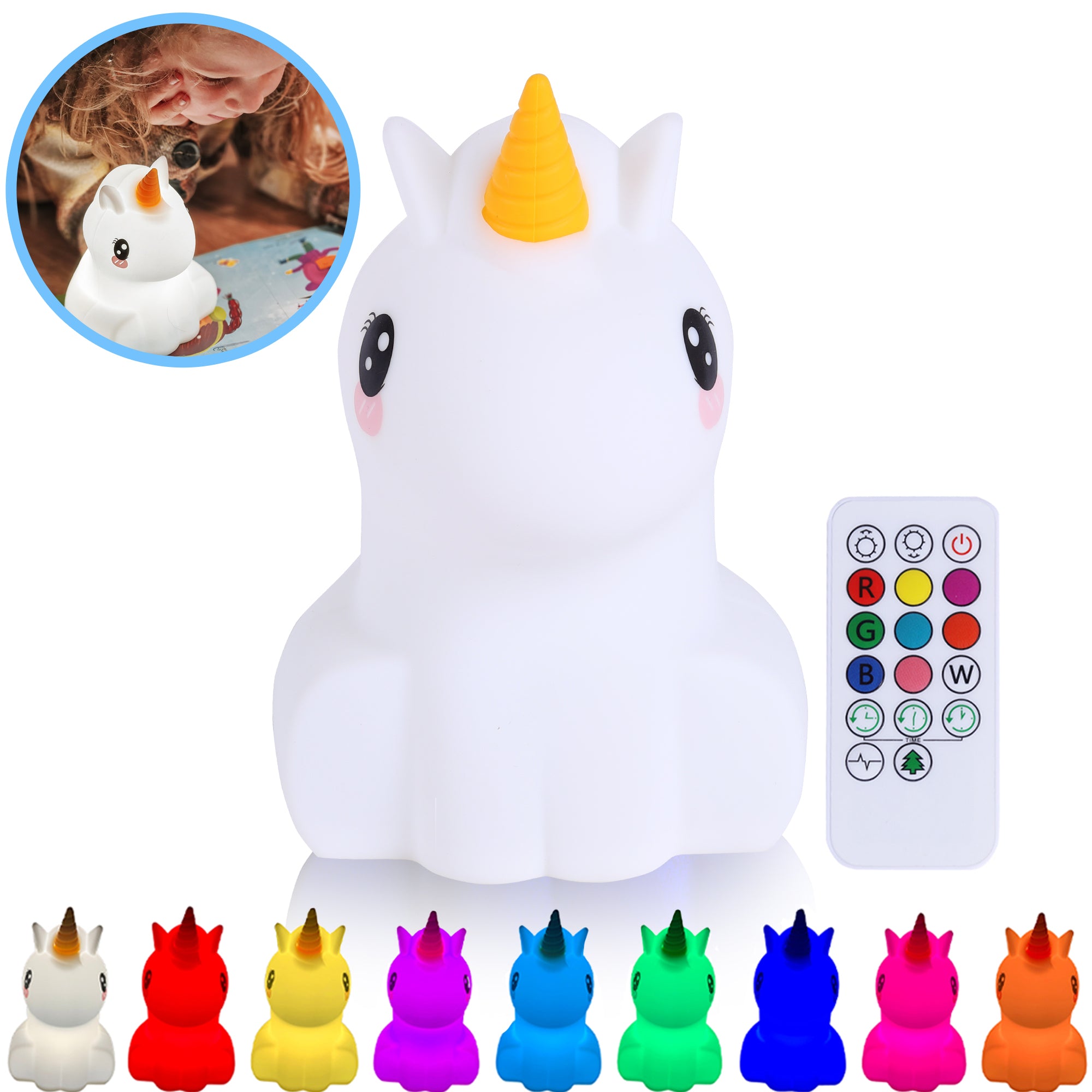
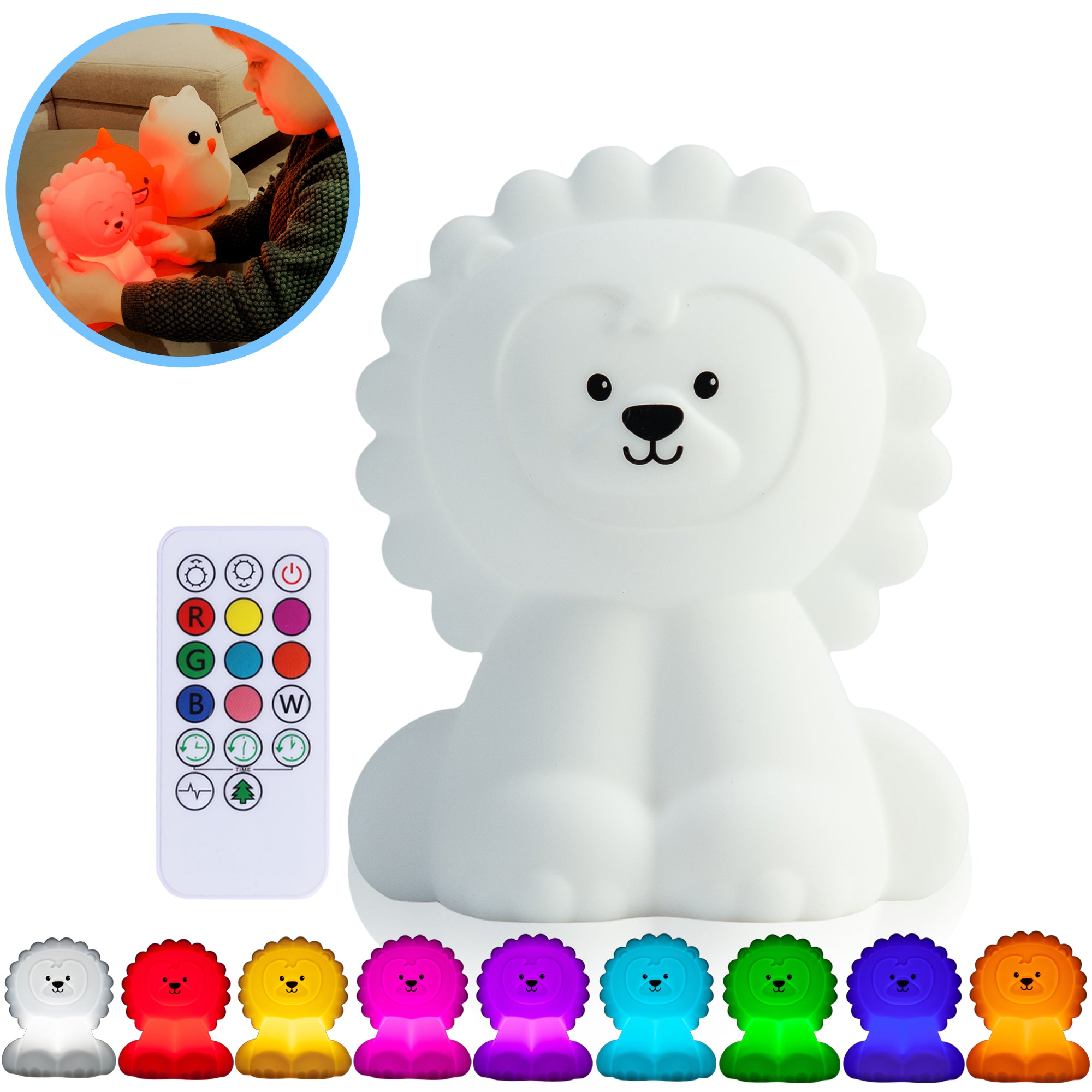
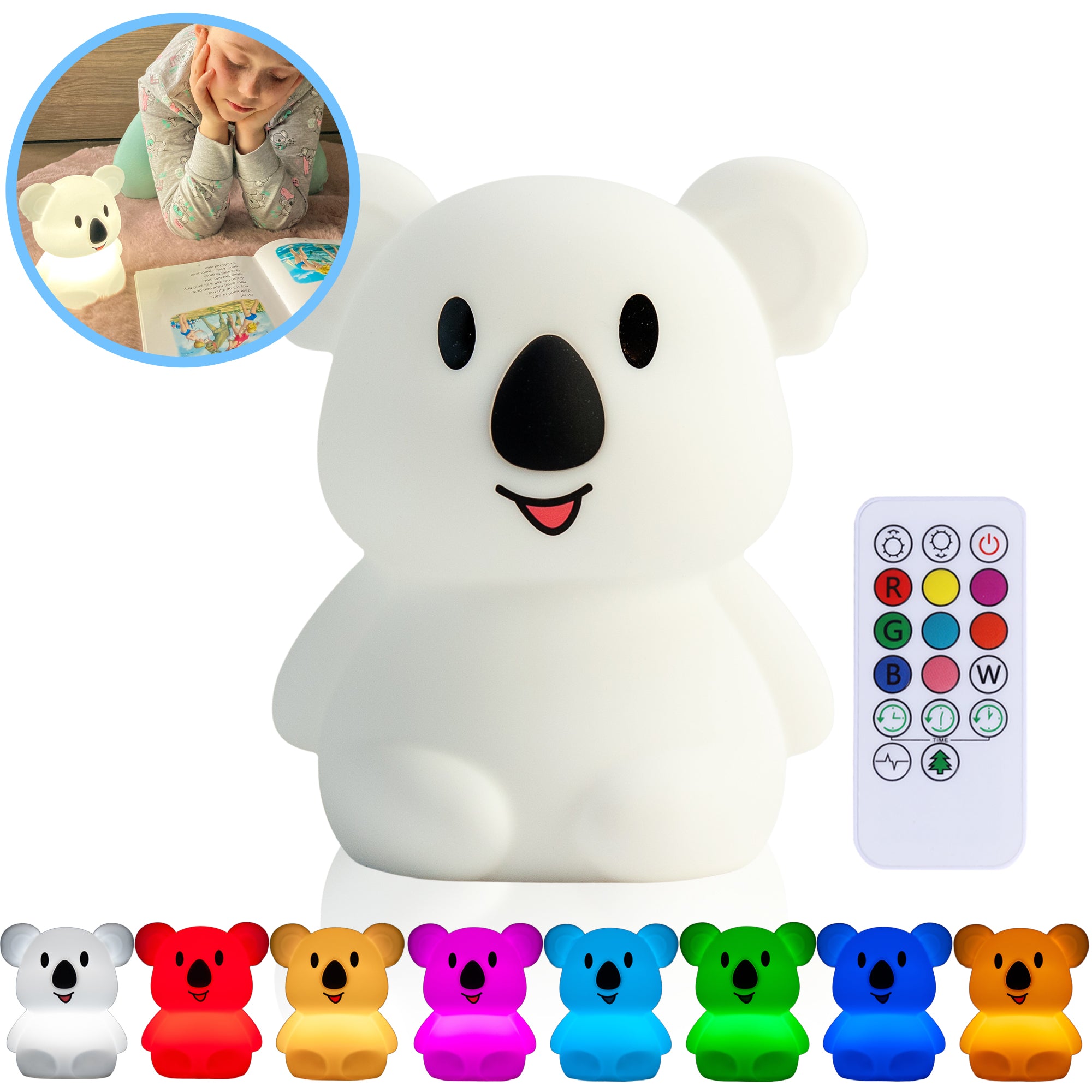
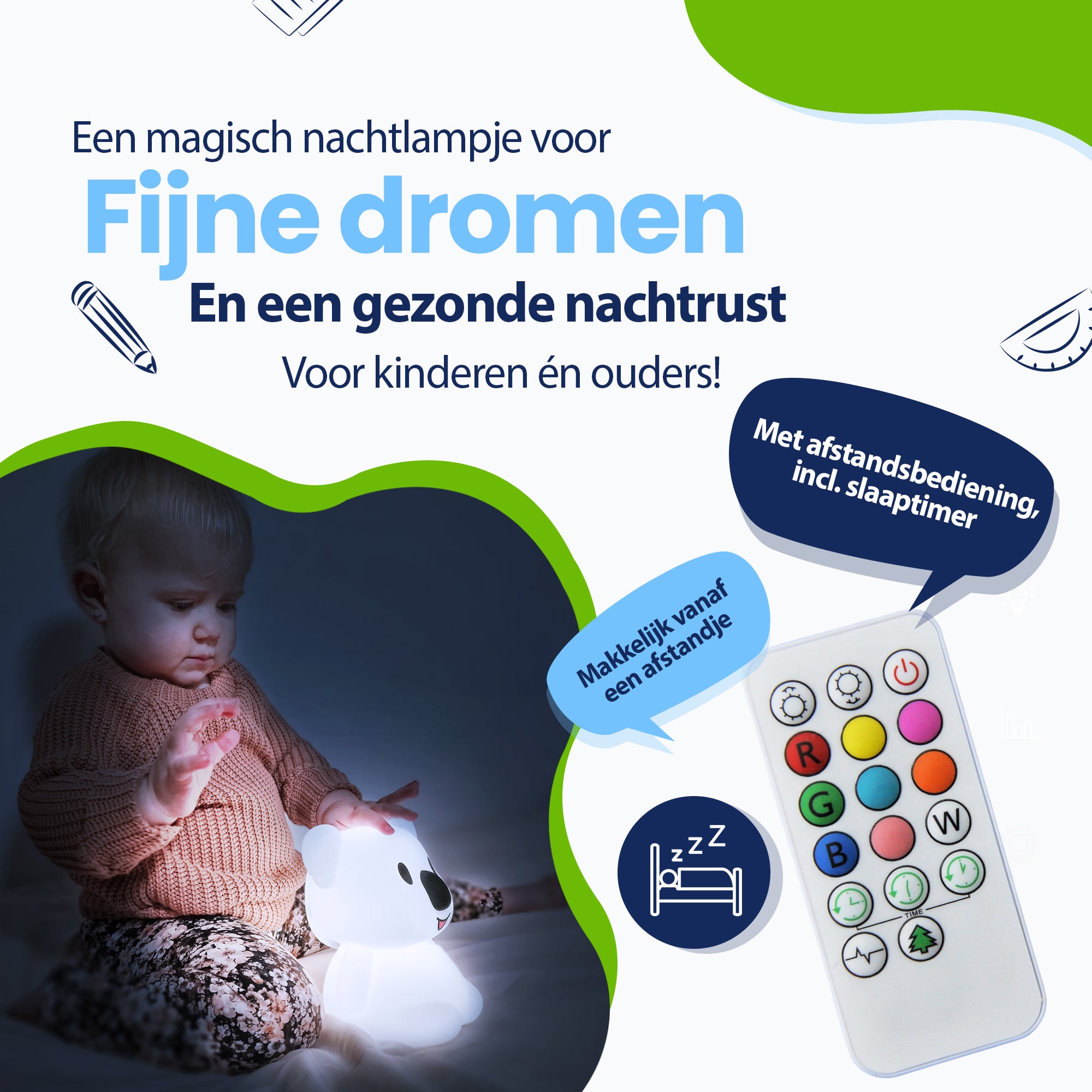
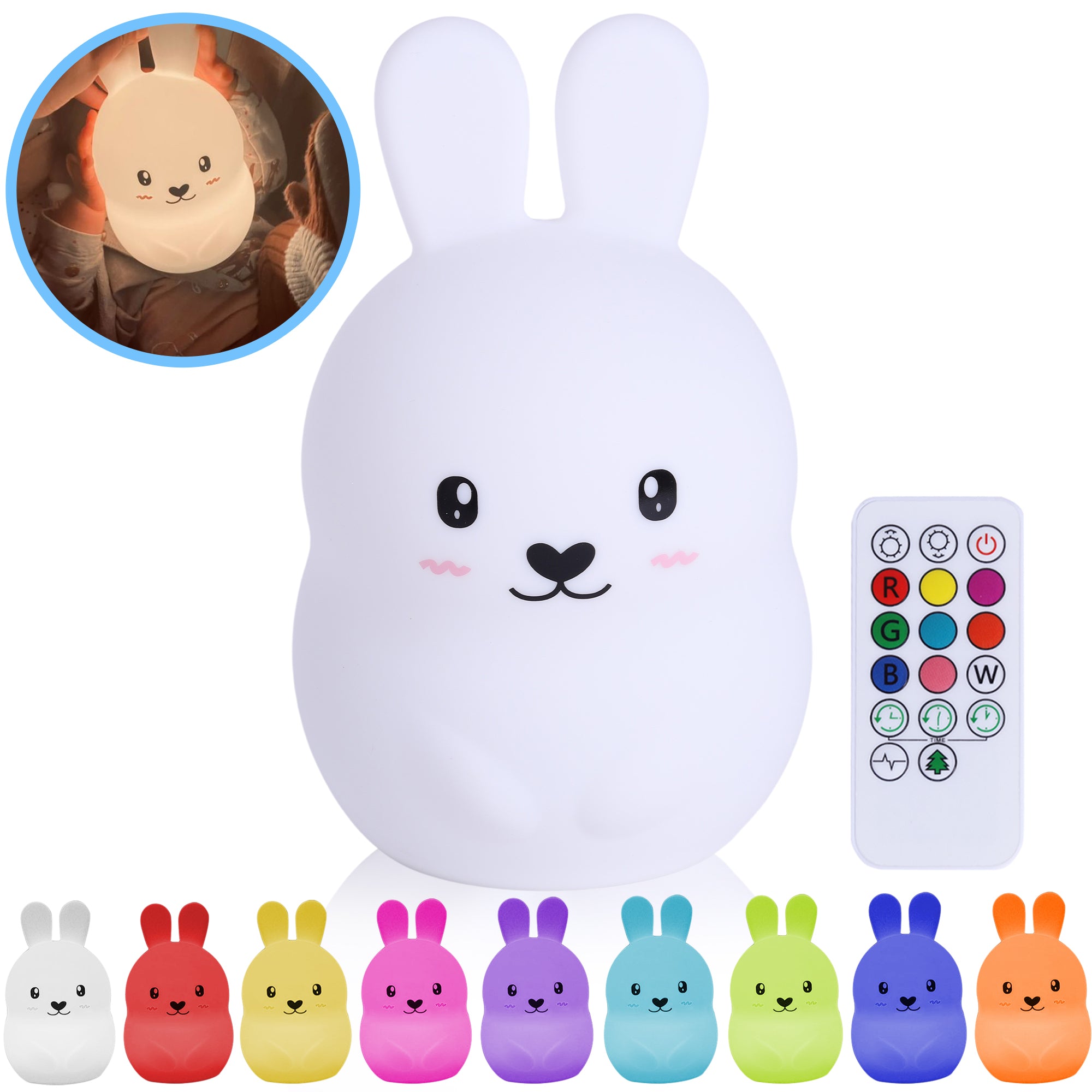
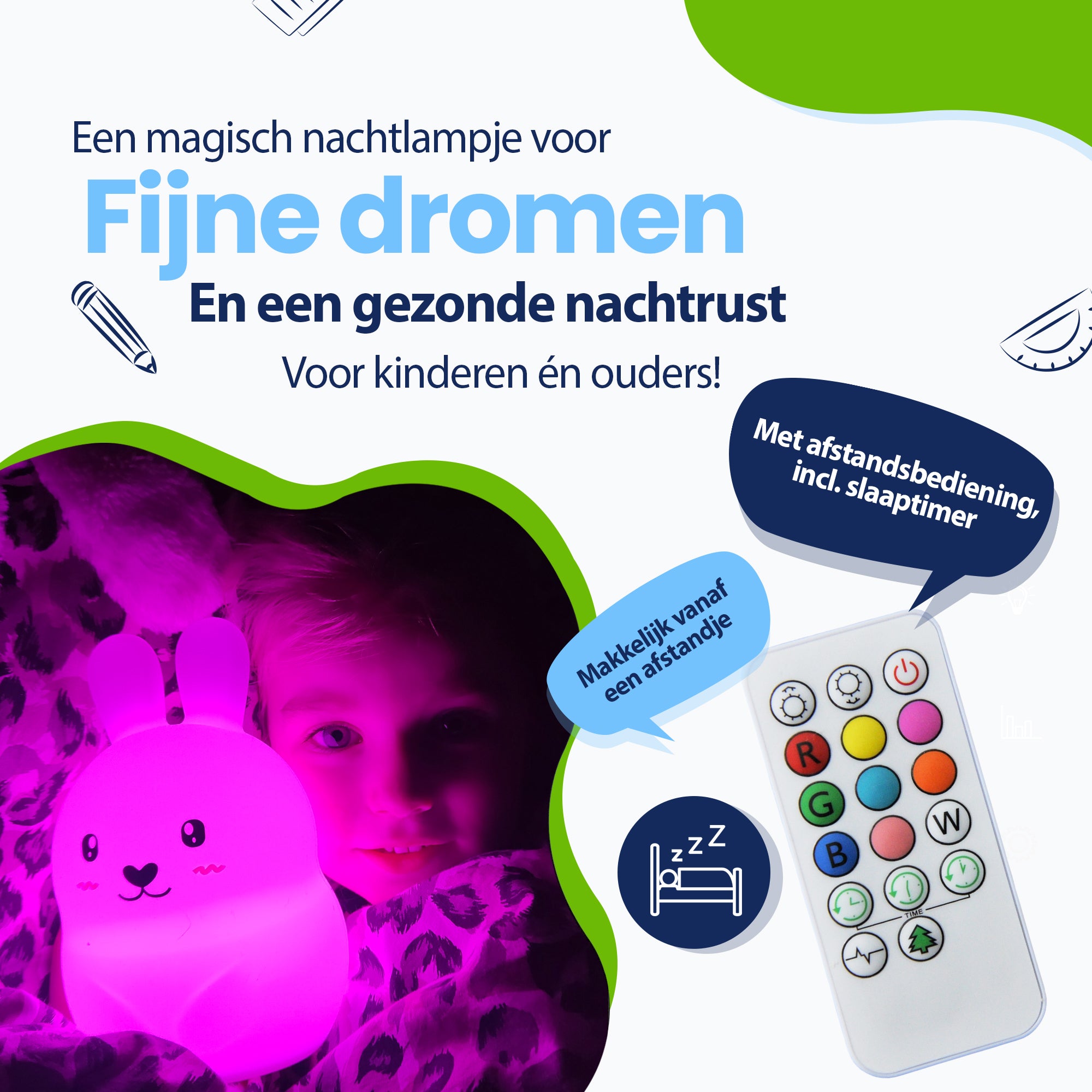
Some sleep trainers combine the visual cue with a night light. Look for adjustable brightness and choose a setting that is comfortable for your child without making the bedroom unnecessarily bright.
Parents’ experiences with toddler clocks: give it time
How quickly a sleep trainer becomes familiar varies from child to child. Using it is new to a toddler: your child is learning what the symbol means and what agreement goes with it.
So do not start with a time that feels unachievable for your child. Does your toddler usually wake at around six o’clock? Begin with a time close to when your child normally wakes. Once using the clock has become familiar, you can consider whether you want to adjust the time gradually.
Explain the clock during the day, when no one is tired or in a hurry. Act it out together: the moon is sleeping, so we speak softly or play quietly in bed. The sun is awake, so now you can call out and come for a cuddle. Briefly practising during the day gives your child a chance to learn the signal at a relaxed moment. You can also read how to set up a sleep trainer for your toddler.
You do not need to attach an elaborate reward system to it straight away. You can simply acknowledge what went well: “You looked at your clock.” Some families agree that if the child wakes early, they may stay in bed for a little while with a cuddly toy or a book. Choose something that keeps things calm and suits your morning.
How to choose a clock that suits your toddler
The best toddler clock is not necessarily the one with the most features. For a young child, what matters most is that the signal is clear and pleasant. A clear difference between the agreed night-time and morning signals makes the agreement easy to recognise. A friendly character, a distinct colour or a sun-and-moon display may be easier for young children to recognise than numbers alone on a screen.
Consider where you place it in the bedroom too. Your child should be able to see the clock from bed without the light being disruptive. A sturdy model is useful for curious little hands, while simple buttons make it easier for parents to adjust the settings. If you use an audible signal, choose a gentle sound. You can also choose to use only the visual cue if that suits your routine.
Also consider practical features such as the power supply, adjustable brightness and the option to turn off the sound. Always follow the product’s safety information when positioning and using it.
At Kadoing, that combination of calm, child-friendly design, practical use and familiar routines is central.
What if your toddler still gets out of bed early?
It happens, even with the most carefully chosen clock. Try to respond calmly and consistently. Briefly point to the clock and repeat the agreement without turning it into a long conversation. If your child really cannot sleep any longer, waiting does not always have to mean staying in bed. You might agree that they can lie quietly in your room or look at a book, depending on what is safe and manageable for your family.
Consider the circumstances as well. A busy day, holiday, sleepover, different bedroom or change in the daily routine can temporarily make mornings go differently. That does not mean the clock has failed. Afterwards, you can return to the same simple agreement.
It is also perfectly fine not to use the clock yet if it makes your child angry or frightened. The age at which you can start using a sleep trainer varies from child to child. Focus above all on how your child responds to simple agreements and visual cues. Calm does not come from following a schedule perfectly, but from an approach that both of you can maintain.
A calm routine matters more than the perfect time
A toddler clock is most helpful when it fits into a broader sleep routine for your toddler. Calming down before bed, a familiar story, a favourite cuddly toy and the same words when saying goodnight can together create a familiar bedtime ritual. The clock then becomes more than a separate device on the bedside table: it becomes a familiar part of the day.
Do not expect every morning to go the same way immediately. At first, your child may only look at the light, or you may still need to repeat the agreement regularly. Even small changes can show that the signal is becoming more familiar. Give your child time to practise and keep the agreement simple and recognisable. Step by step, the toddler clock can then find its place within your morning routine.