A trolley of blocks that rolls through the living room for years, a soft toy chosen time and again or a musical instrument that accompanies new songs: toys that get used often are especially worth choosing with care. In this review of sustainable toys, you will discover six points to help you assess toys critically. We look beyond green labels and appealing promises. Sustainability involves the material, where the toy comes from, how long it lasts, its play value and whether it suits your family.
What makes a toy truly sustainable?
Sustainable toys take into account the materials used, how they are made, how long they last and whether they can be reused. It sounds like a broad idea, and it is. A wooden toy is not automatically the best choice, just as plastic is not necessarily unsuitable. The main question is: is it well made, enjoyable to use over time and suited to your child's age and interests?
For many families, making a considered choice starts with buying fewer, better things. A basket full of toys does not necessarily bring more enjoyment. Sometimes that one little train, activity table or soft toy remains a favourite for years. Open-ended toys that children can play with in different ways often grow with them more easily than toys with just one fixed function.
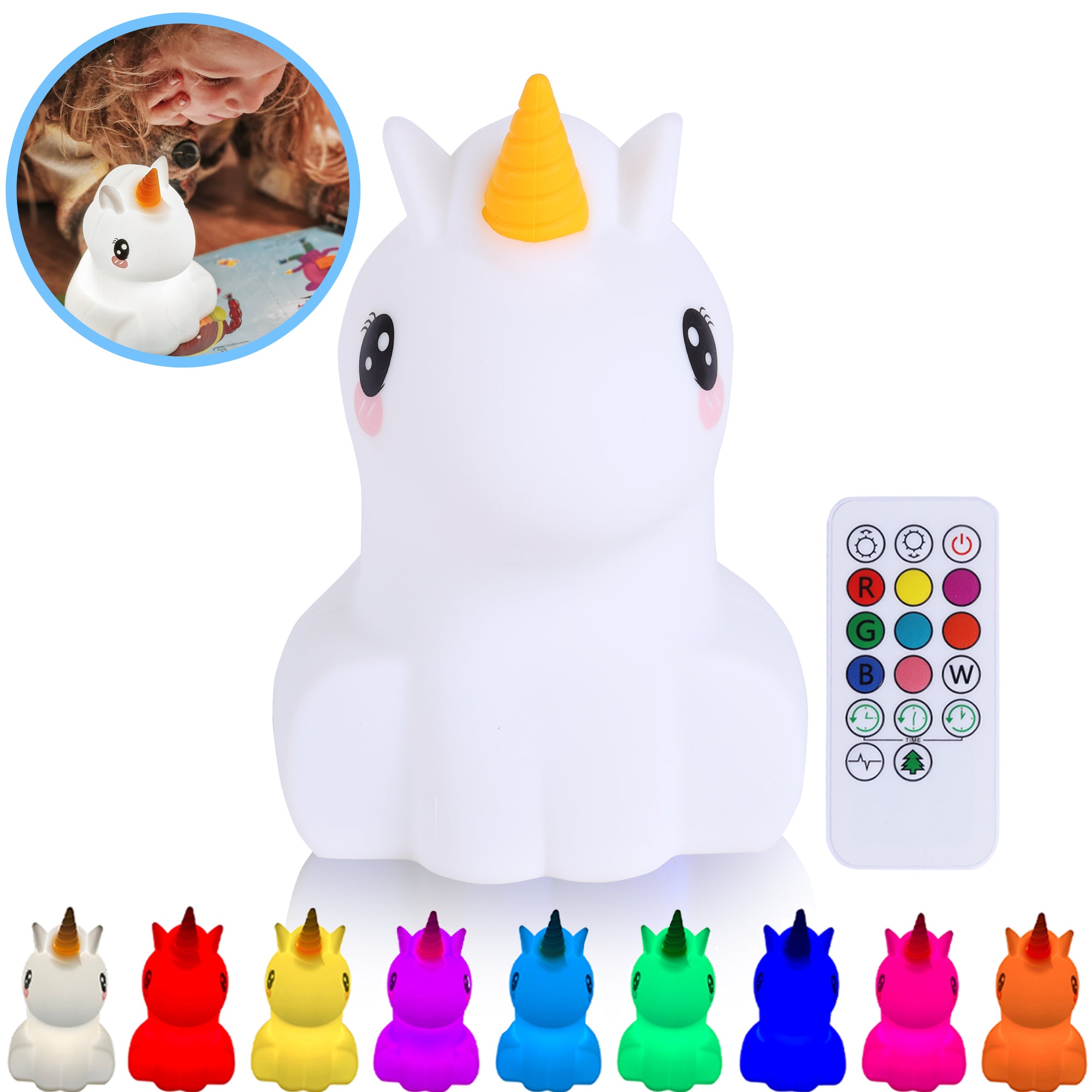
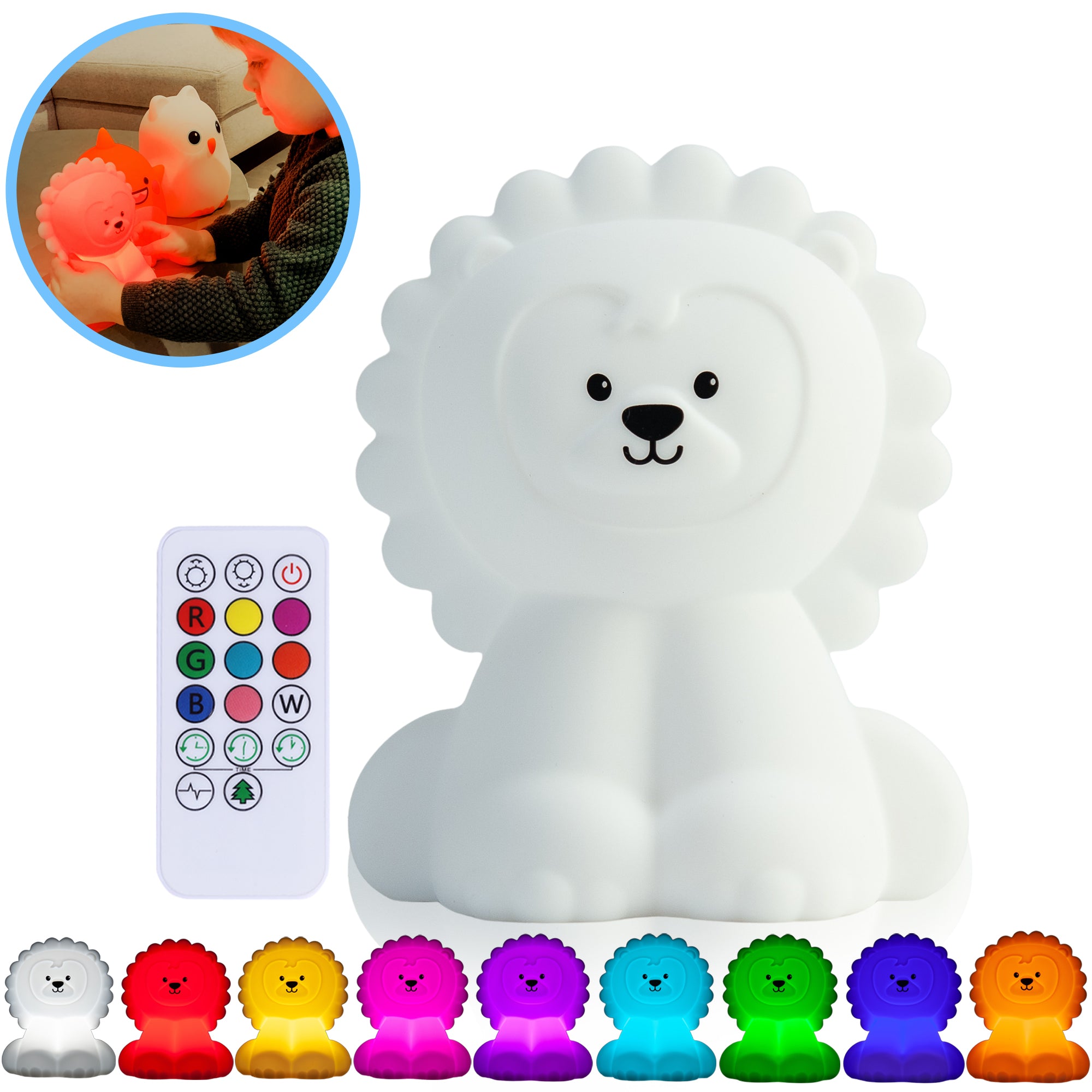
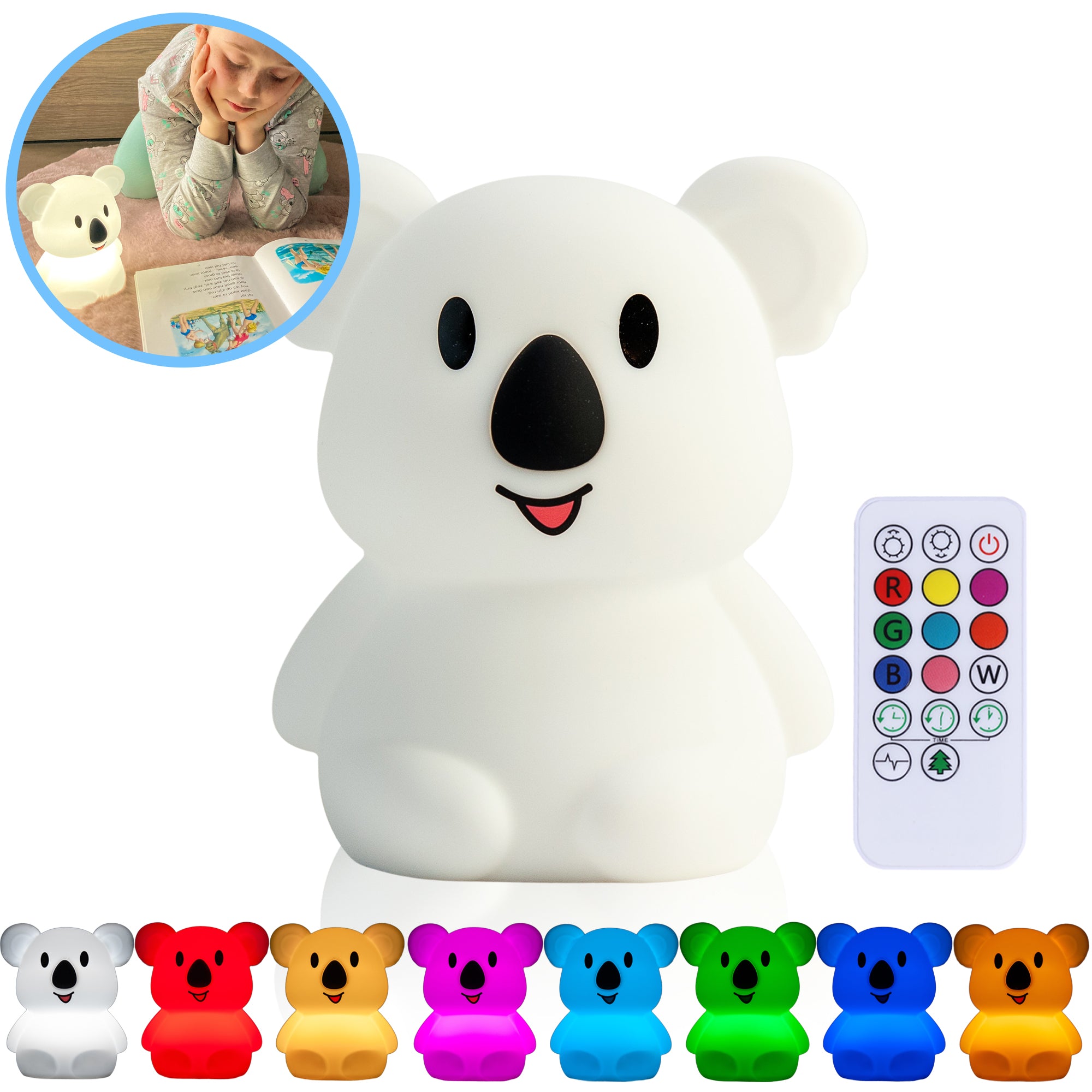
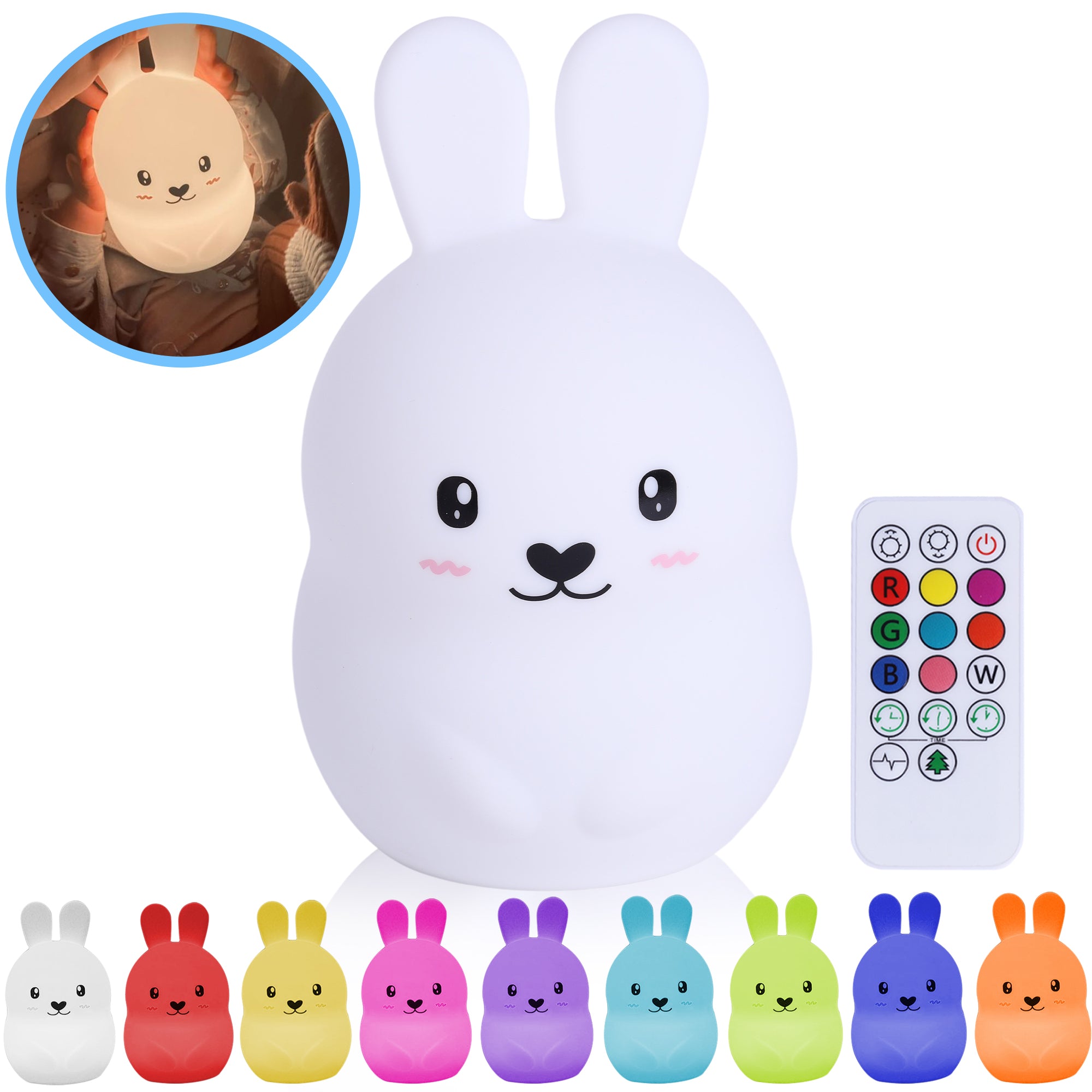
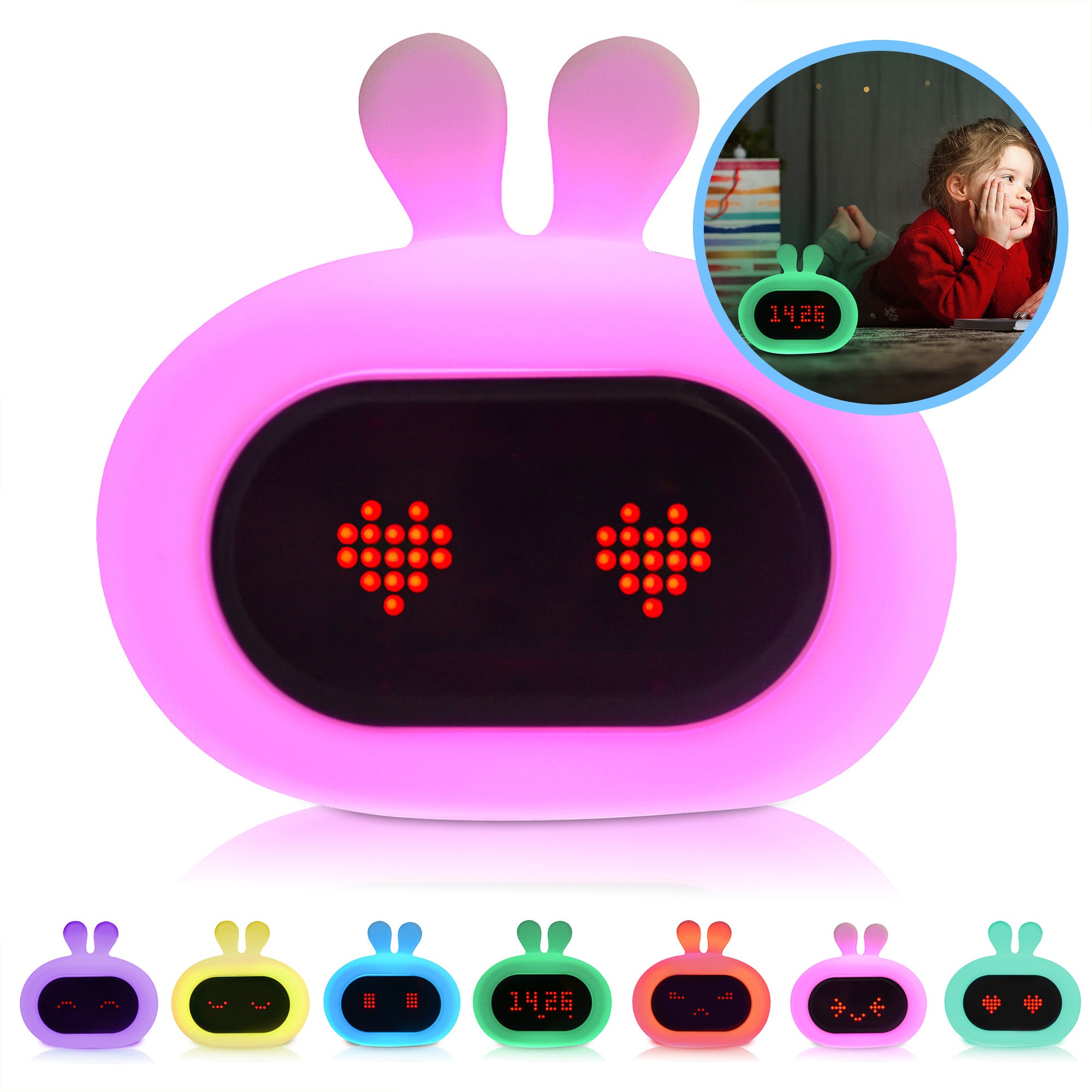
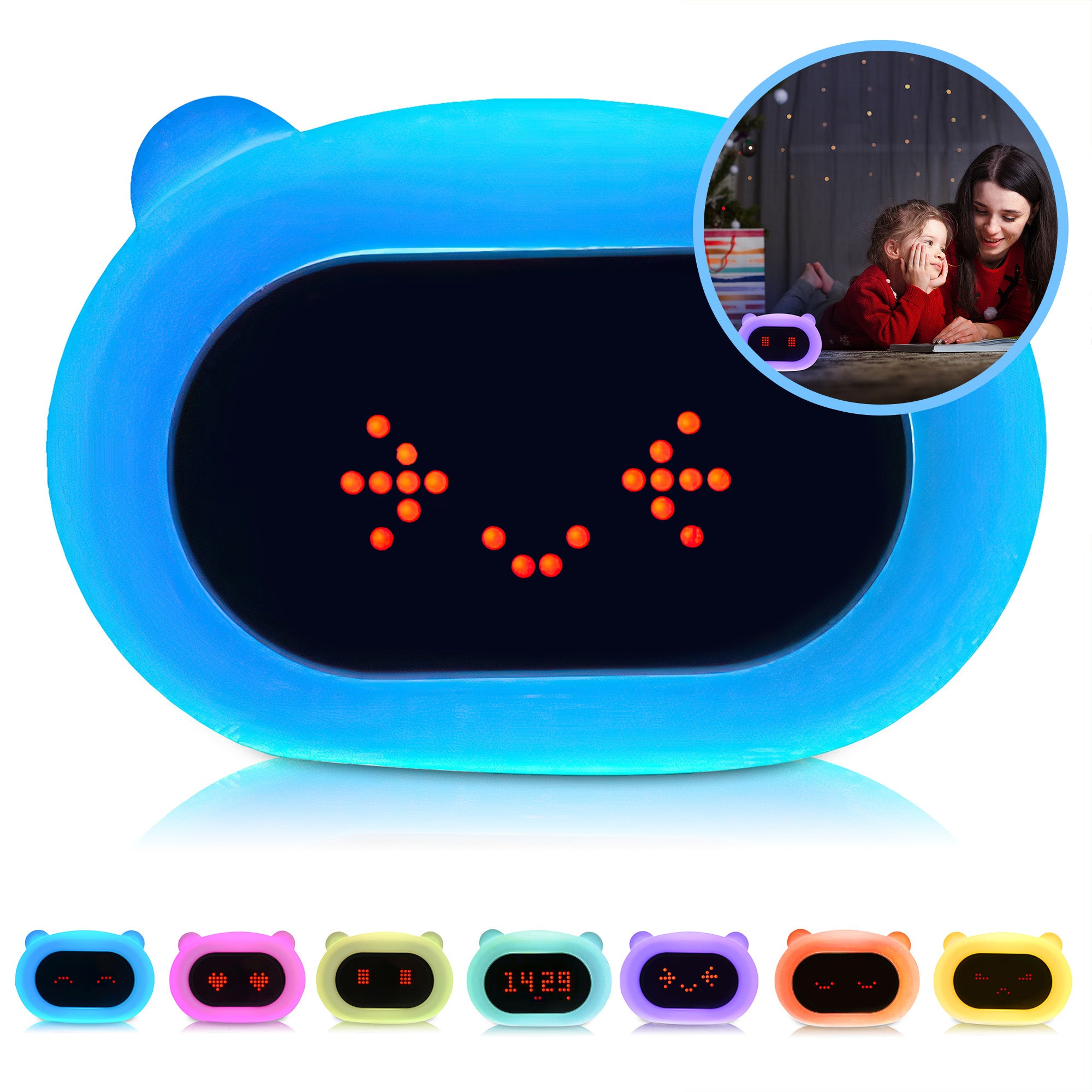
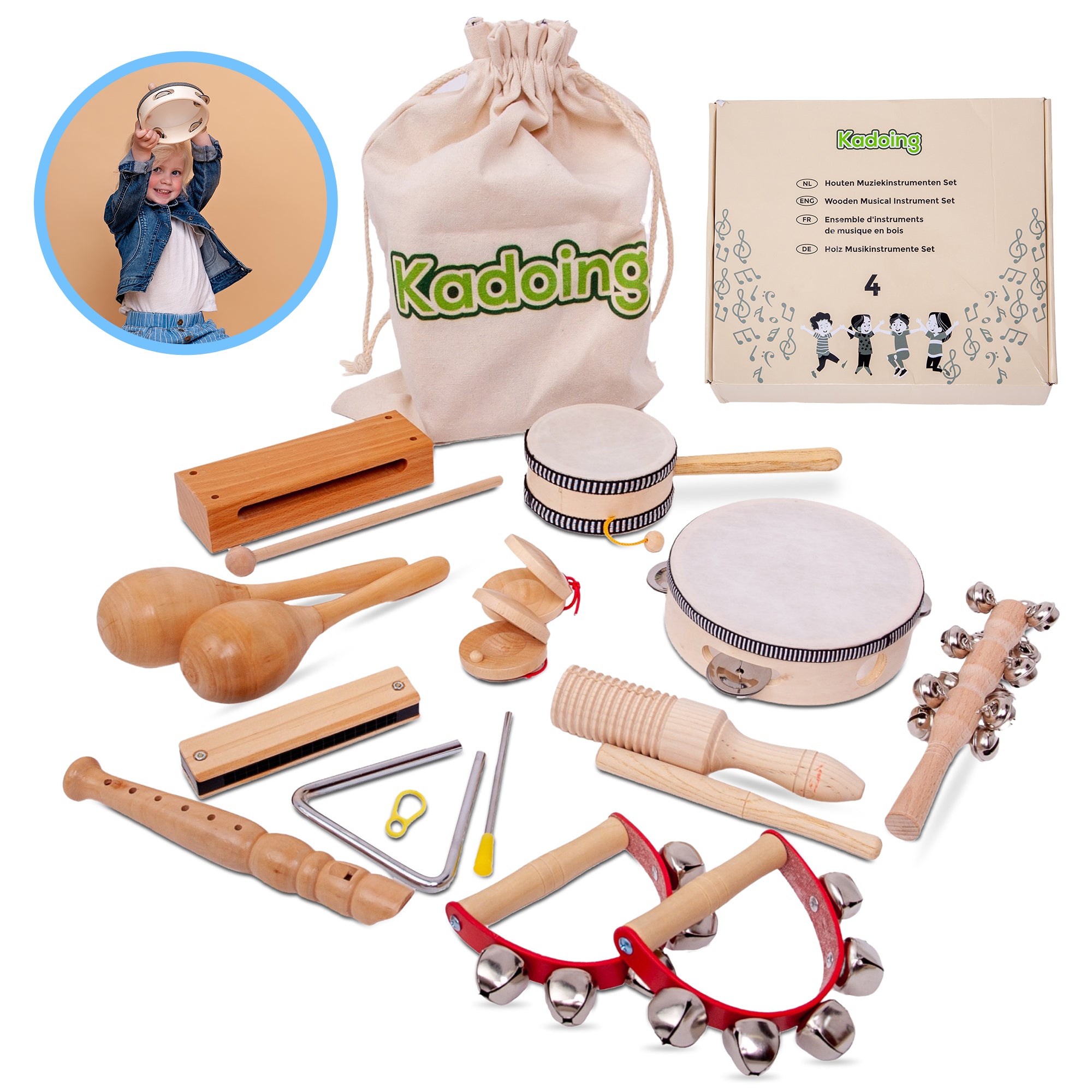
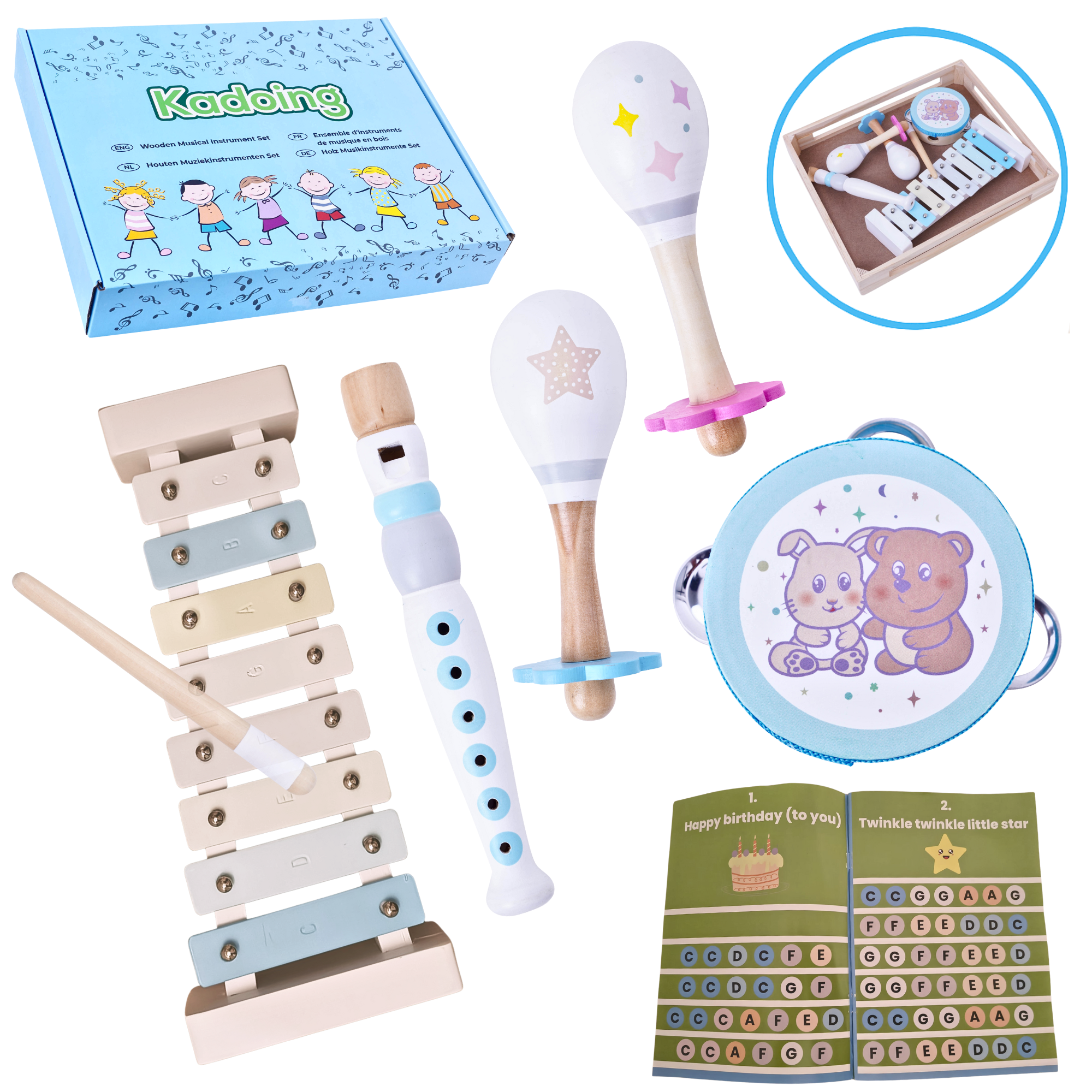
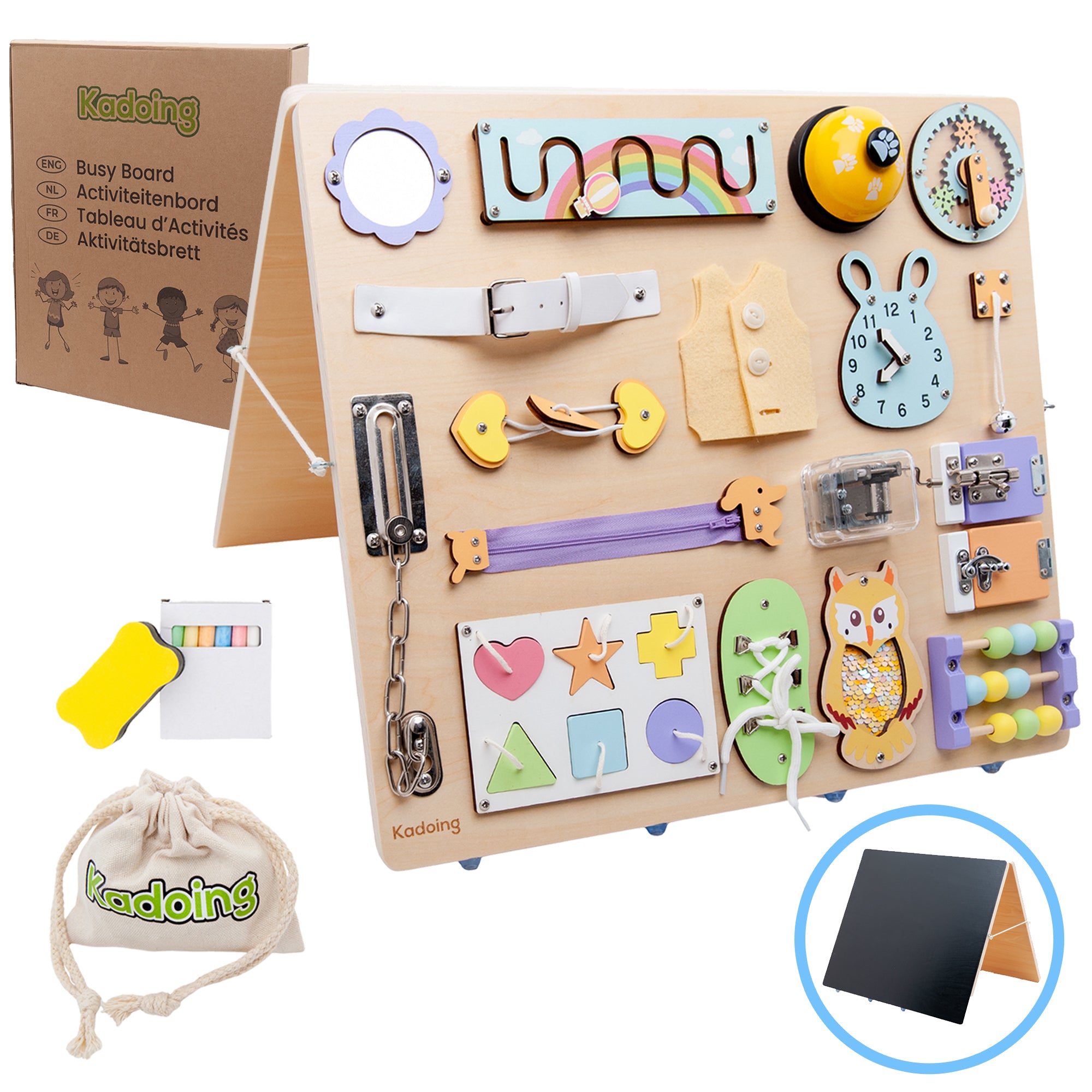
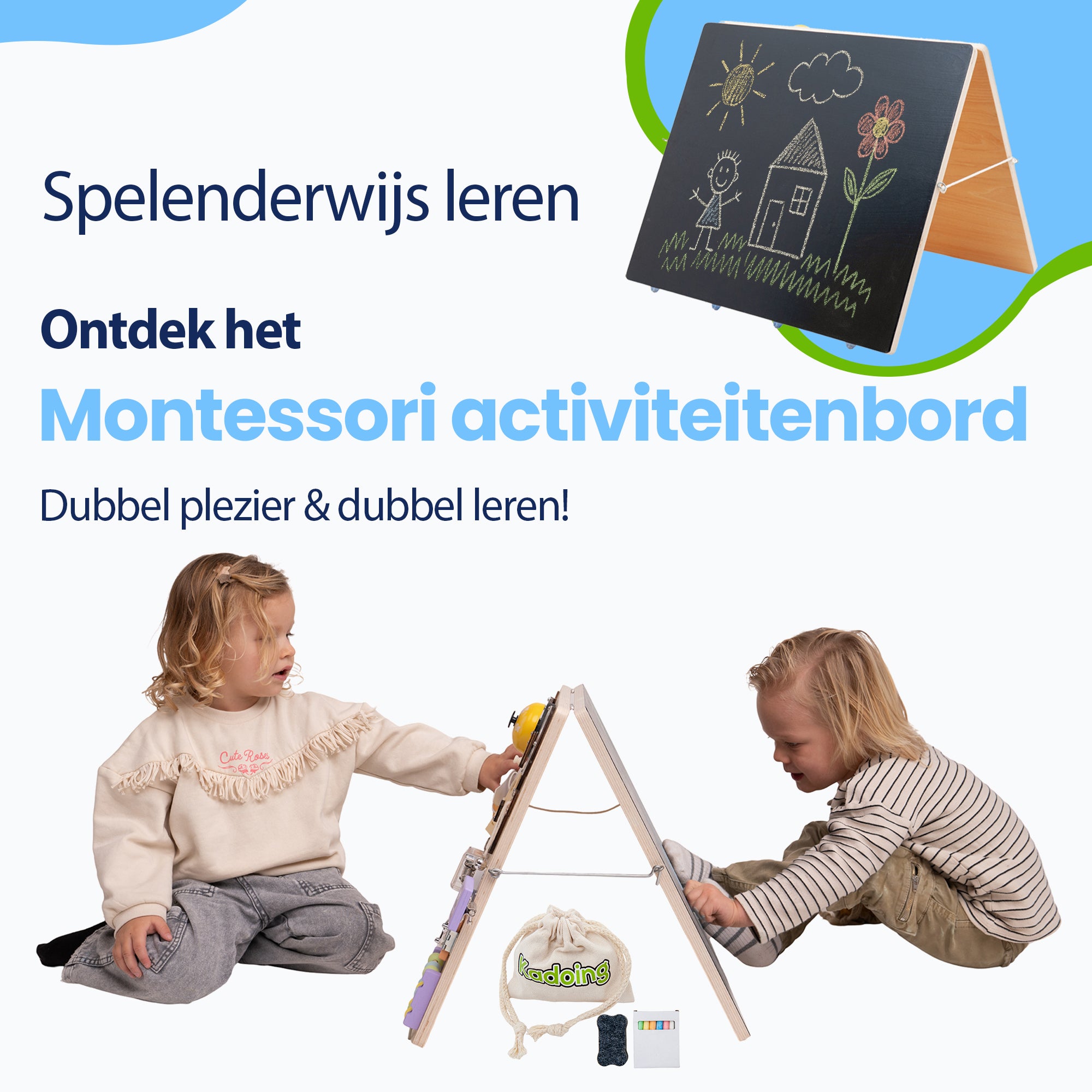
Practical use matters too. A night light that becomes a familiar part of the evening routine, a wooden musical toy to sing along with or an activity board that invites quiet exploration: products like these can find a clear place in family life. They can bring enjoyment in the moment and have lasting value too.
Sustainable toys review: 6 key points to consider
A good assessment takes more than looking at colour, price or a single claim on the packaging. These six points can help you compare toys without rushing.
1. Materials and finish
Wood, textiles, recycled plastic and silicone can all be considered choices, depending on the product. With wooden toys, look for a smooth finish, sturdy joints and information about the paint or varnish used. For soft toys and fabric toys, it is useful if they are washable and well finished, especially if a favourite often comes along on outings.
The material also affects how a toy looks and feels. Natural wood can look timeless and fit easily into the home, while soft materials can be comforting and inviting. Look beyond what sounds sustainable and choose what suits how your child plays and how you want to use the product.
2. Expected lifespan
Toys that can take a knock are less likely to need replacing soon. Look for securely attached parts, strong seams and a design without unnecessarily fragile details. For toys with separate pieces, it also helps if the parts are easy to store together so the set stays complete.
Lifespan is also about interest. A shape sorter may get a lot of use for a while before giving way to pretend play. That is perfectly normal. A product does not have to suit every age to be a responsible purchase. It helps if it suits your child's current stage and gives them space to practise skills at their own pace.
3. Play value without excess
A good toy does not need to keep making sounds, giving off light or giving instructions to stay interesting. Some children find a musical element enjoyable and engaging, while others like to decide what happens themselves. There is no single formula that works for every family.
Look at what the toy invites your child to do. Can they build, feel, sort, sing, care for something or make up stories? That often leaves room for repetition and ideas of their own. It is useful for parents too: a toy that can be used in several ways can come in handy on quiet afternoons and during a short play break.
4. Suited to age and daily routines
Age labels and safety warnings are important starting points when choosing toys. Check whether the product is suitable for your child's age and stage of development. Look out for small parts that could pose a choking hazard, sharp edges, loose fittings and damage. Think about younger siblings who might be able to reach the toy. A toy that is unsuitable for children under three does not automatically become safe because an older child handles it carefully.
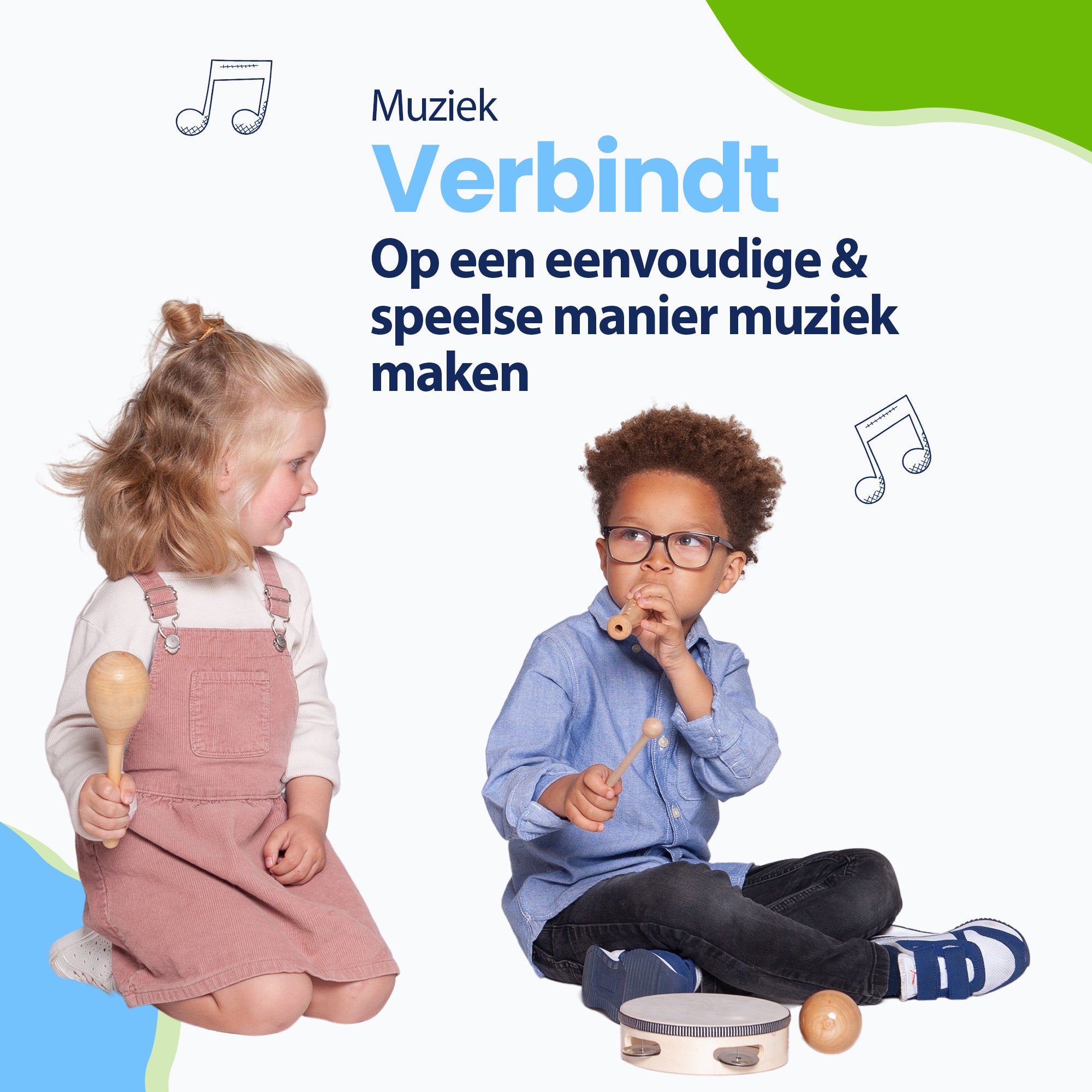
Consider when the product will be used too. An activity board for quiet play may suit a moment beside you on the sofa. A wooden drum or xylophone may be best when there is room to make music together. In the evening, some families prefer soft light, a quiet story or a familiar soft toy while relaxing together. Keep babies' sleep spaces free of loose soft toys and other toys. Linking a toy to a regular time helps keep the play space manageable.
5. Information about origin and production
Transparency is a good sign. A brand does not have to put every detail on the packaging, but clear information about materials, care and production helps you make a more considered choice. Look for specific descriptions rather than vague terms. Words such as ‘natural’ and ‘green’ are not in themselves evidence of a sustainable approach.
Certifications for wood or textiles can offer extra guidance, but you do not have to investigate everything in depth. Start with the information that matters to you: what is it made from, how do you care for it and can you expect it to last? A brand that answers these questions clearly makes choosing easier.
6. Packaging, care and a second life
Compact packaging with little unnecessary material is a plus, particularly for a gift. Still, the packaging usually matters less than the product itself. A well-made toy that lasts for years is often worth more than a beautifully packaged item that soon breaks or is forgotten.
Care helps toys stay enjoyable for longer. Keep wooden toys dry and clean them according to the manufacturer's instructions. Washable fabric products are handy when they get a lot of use. When your child loses interest in something, you can pass it on to family, swap it with friends or save it for a younger child. A good product then gets another round of play.
Wood, fabric or plastic: what should you choose?
No material comes out on top in every situation. Wooden toys are popular for their understated look, sturdiness and timeless play value. They can be heavier, though, and sometimes need extra care when cleaning. Fabric toys are often soft, light and good for cuddles, and it helps if they are washable.
Plastic has a less sustainable image, but it can be practical for some products. Think of parts that often get wet, need to be easy to clean or must remain lightweight. A carefully chosen, sturdy product that gets used for a long time is usually a better choice than something easily replaced, whatever it is made of.
How to avoid a toy cupboard full of poor purchases
A short pause before ordering can make a big difference. Ask yourself what the toy is for: a birthday gift, a quiet moment at home, making music together or supporting a regular routine? When the answer is clear, it is easier to pass up special offers and impulse purchases.
Next, look at what you already have. A child who enjoys caring for dolls may get more from a few suitable accessories than a whole new theme. A toddler who likes opening, turning and sliding things may find a good activity board more interesting than another toy car. This helps you choose with a purpose, without everything having to be perfect or complete.
When buying a gift, feel free to ask the parents what would be welcome. A small, thoughtful addition is often appreciated more than something that ends up in the cupboard as a duplicate. A joint gift can be lovely too: one good-quality product a child can really use often feels more personal than several separate items.
Choosing sustainably can be practical too
Buying toys thoughtfully does not mean every item has to meet every possible condition. The family budget, preferences, available space and your child's age all play a part. Sometimes you choose a second-hand find; other times, a new product suits a special occasion or daily routine.
The most useful question is still simple: do we expect this toy to be used and enjoyed often? If the answer is yes and you have considered the material, finish and play value for your child, you are already making a careful choice. A toy that is cherished, played with together and perhaps passed on later takes on more meaning than simply having a place in the cupboard.