At 5:30 a.m., a toddler suddenly appears next to your bed. Ready to start the day while the rest of the house is still quiet. In moments like these, many parents wonder: should you choose a sleep trainer or a night light? Both can help with bedtime, but they serve very different purposes for your child and your family’s evening routine.
Sleep Trainer or Night Light: What’s the Difference?
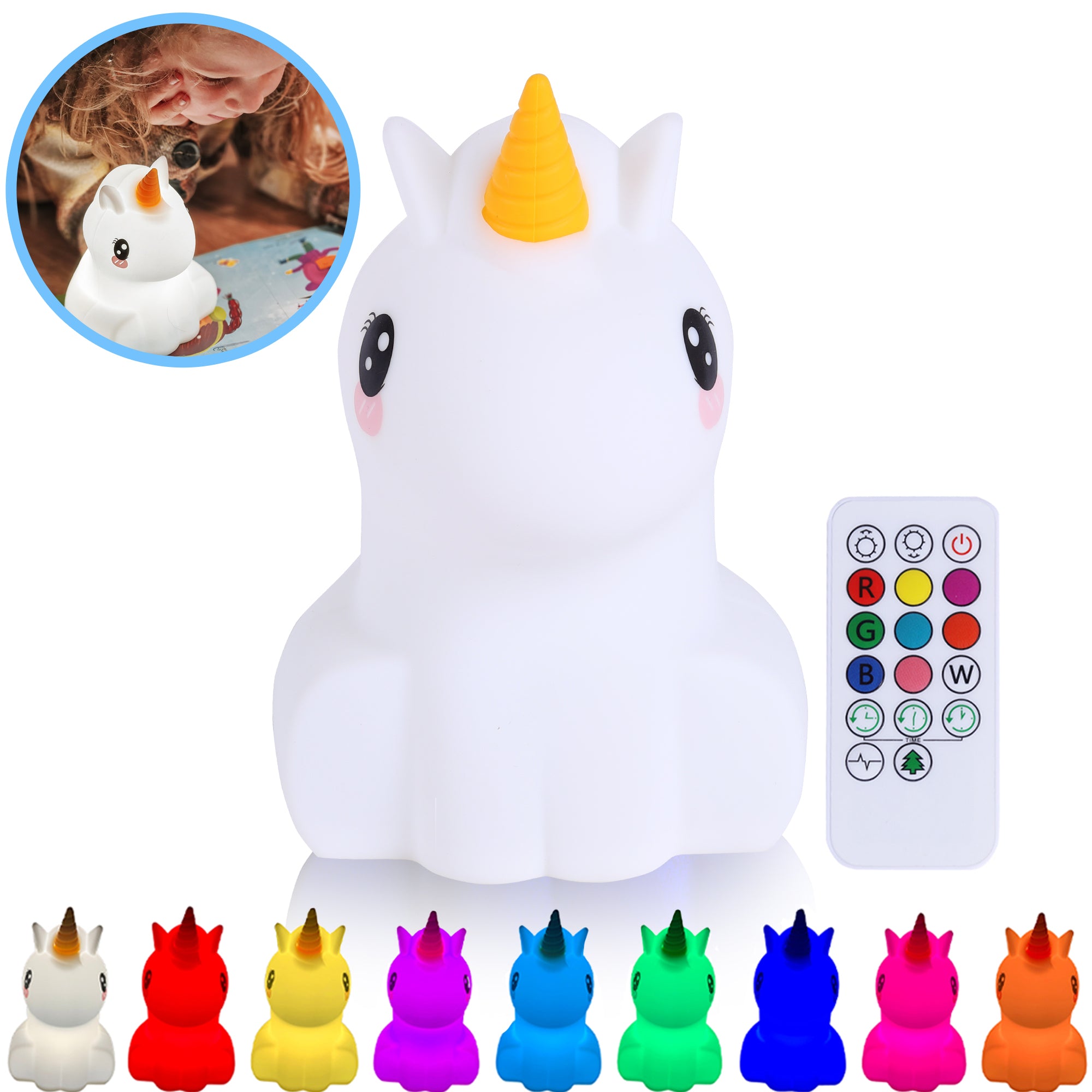
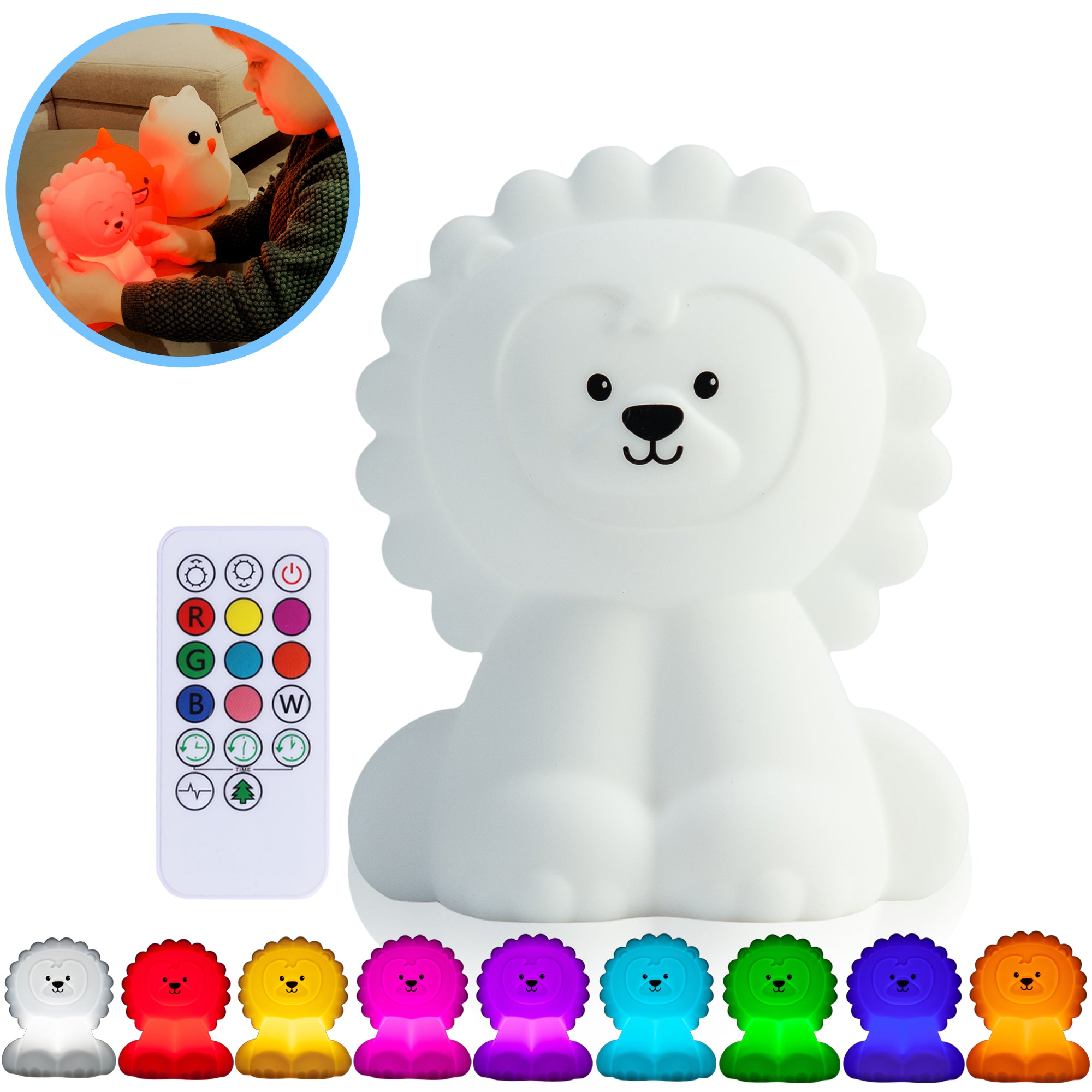
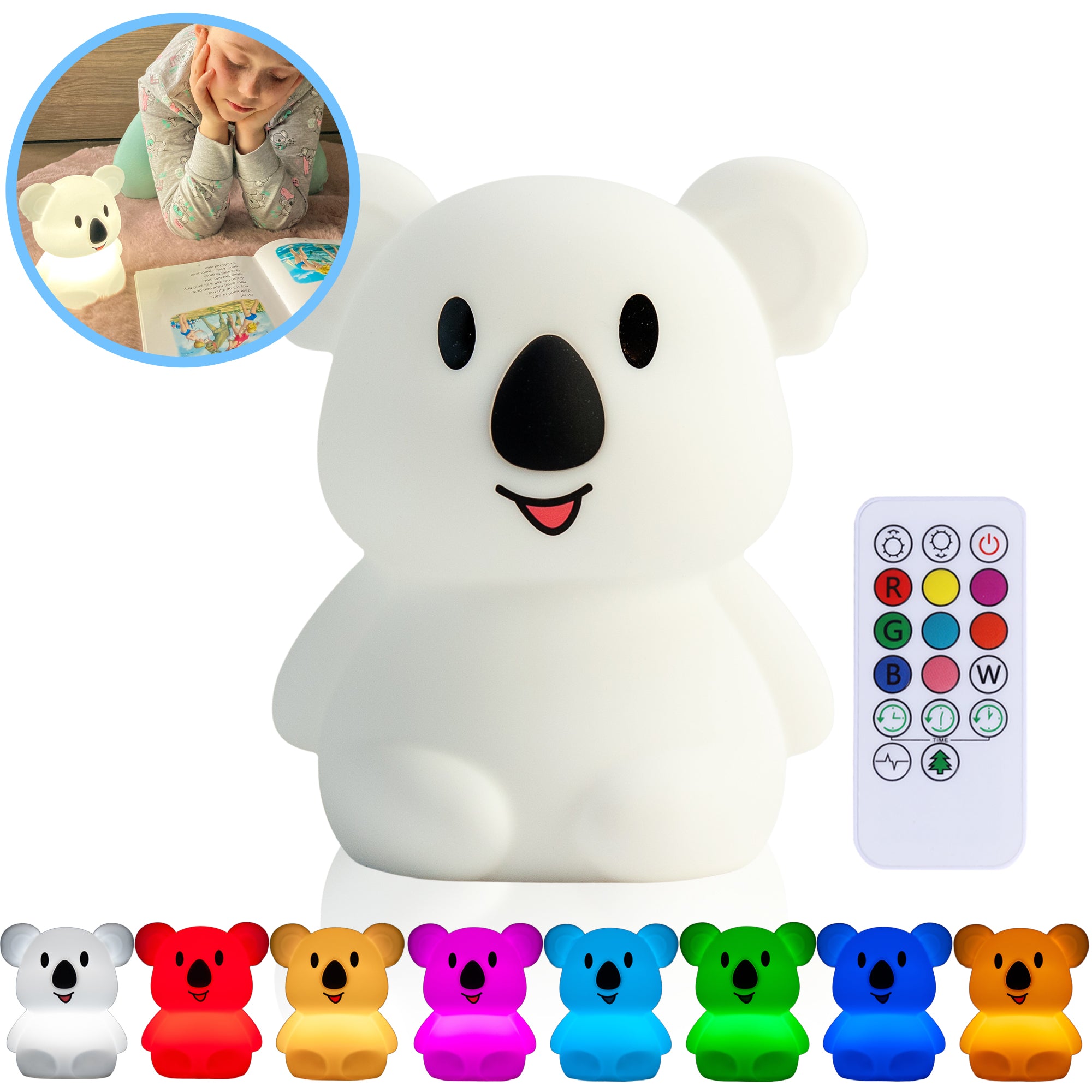
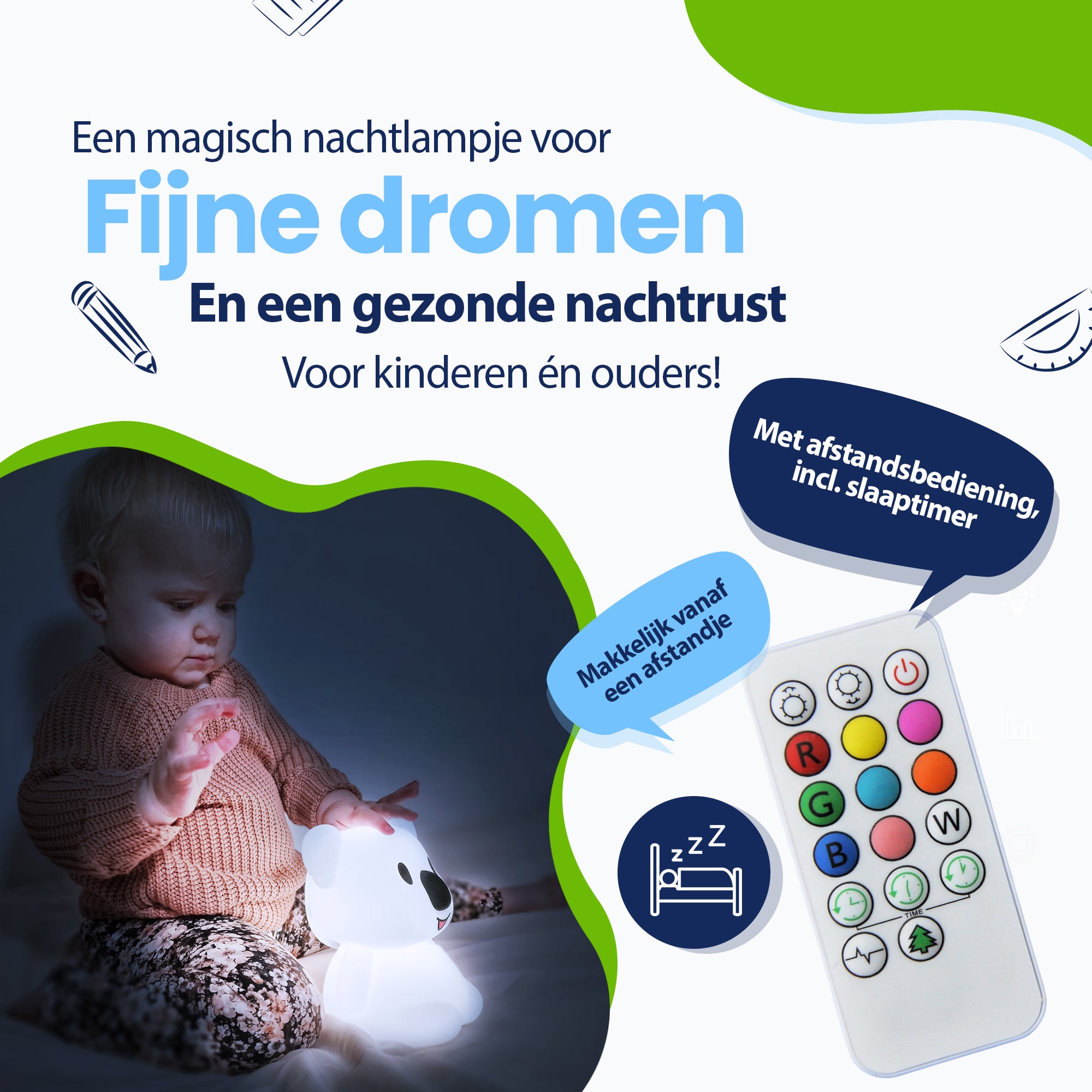
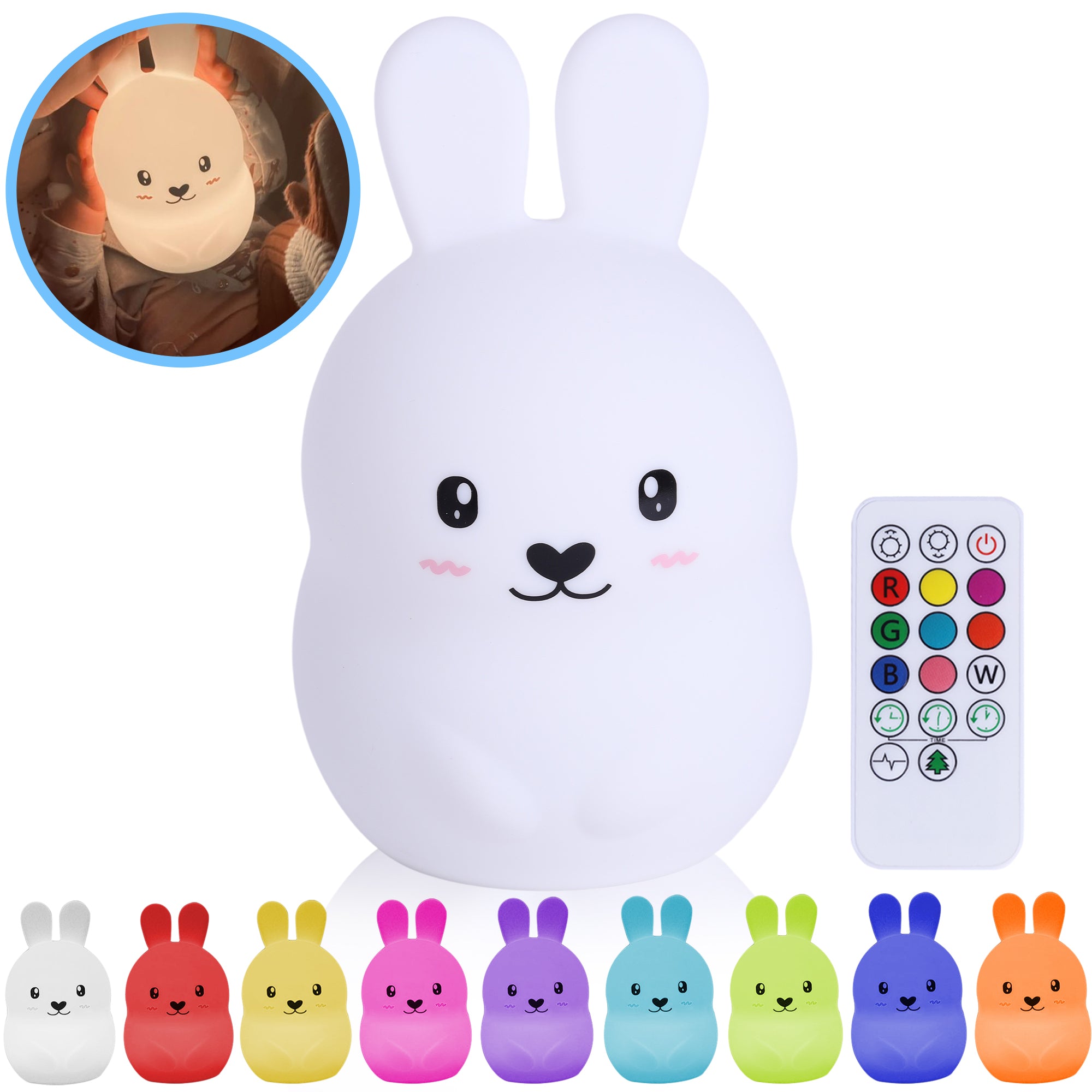
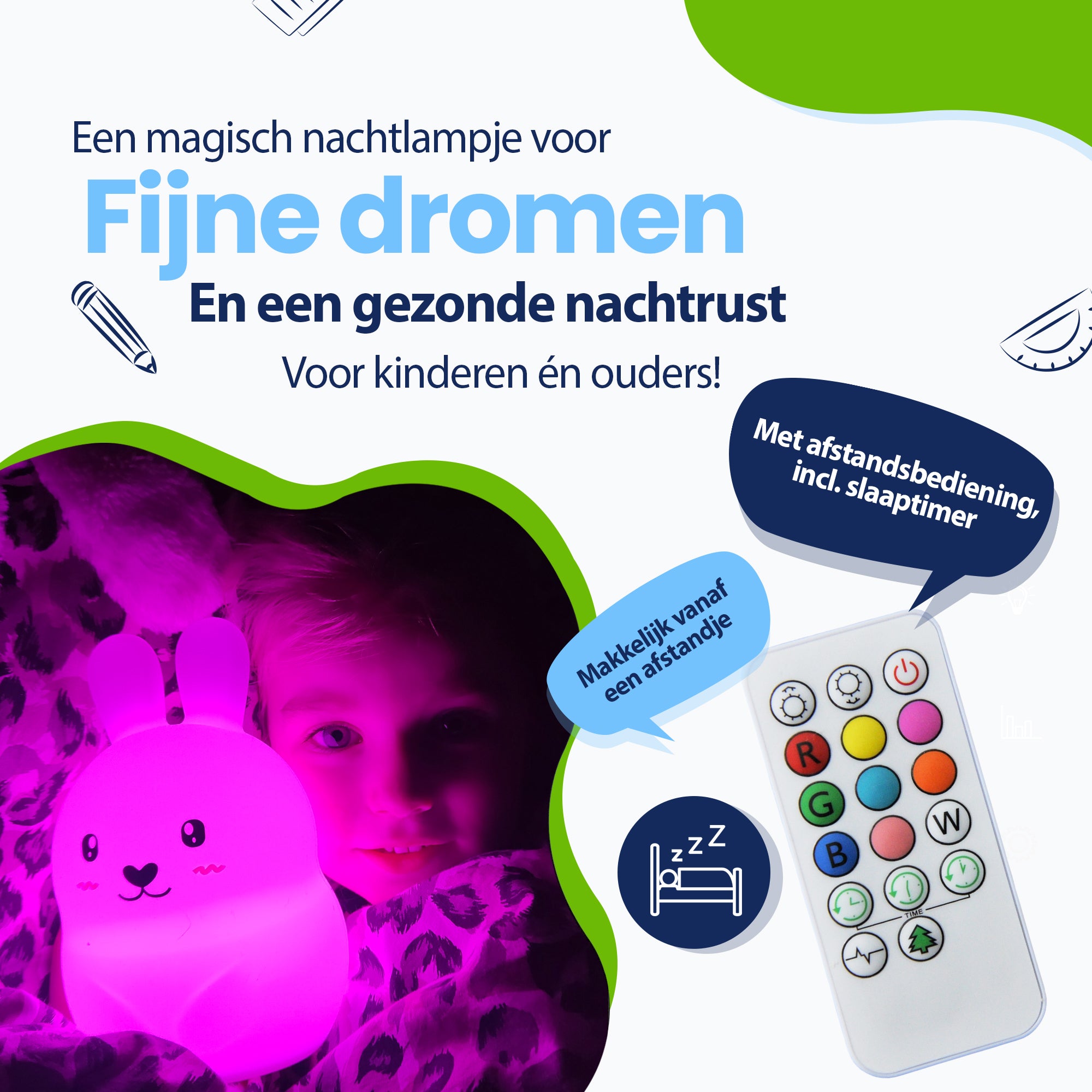
A night light mainly provides comfort in the dark. It makes the room feel softer, less intimidating and more welcoming for children who are still getting used to sleeping in a dark bedroom. For many babies and toddlers, that sense of familiarity feels reassuring. It is also practical for parents during nighttime feeds, quick check-ins or bedtime stories.
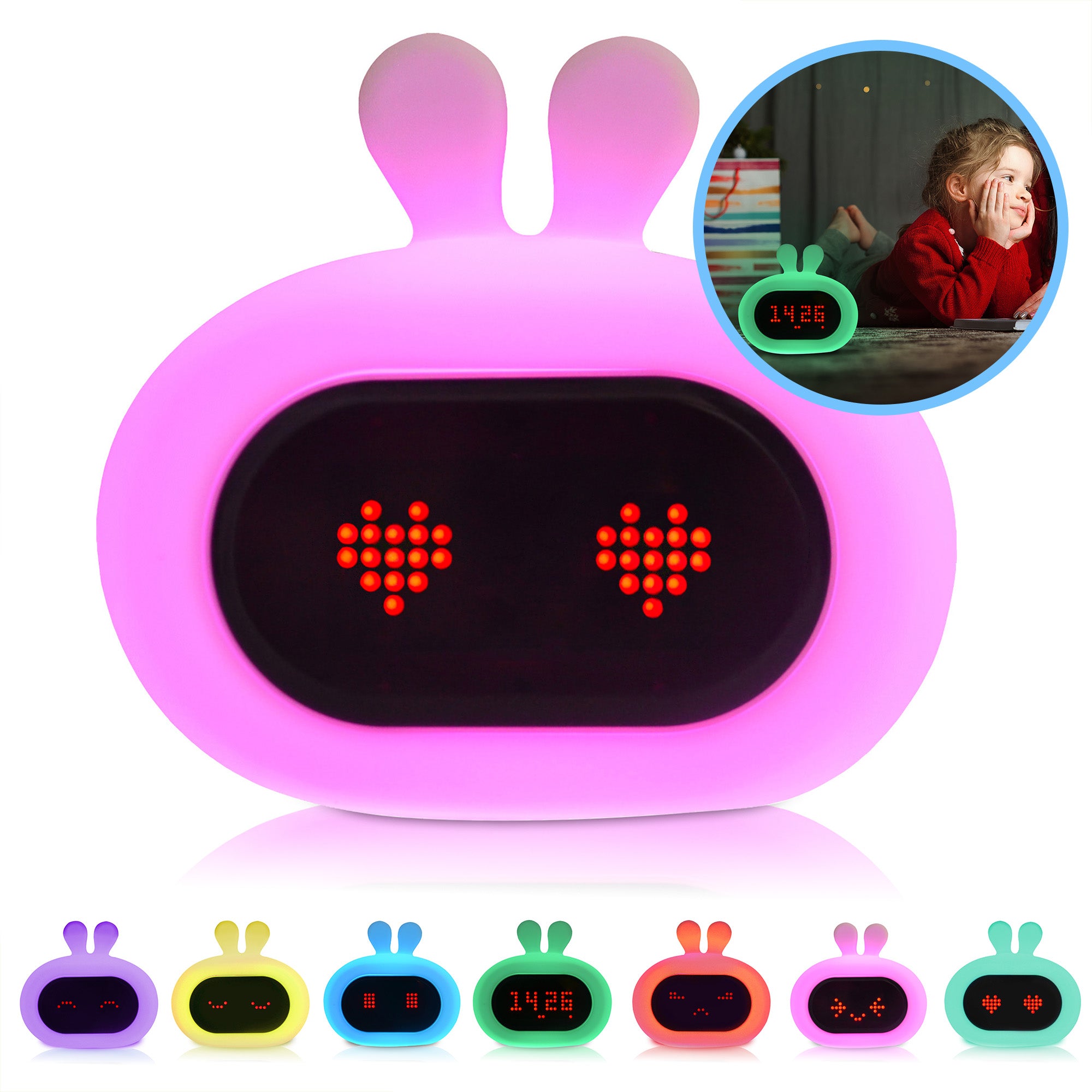
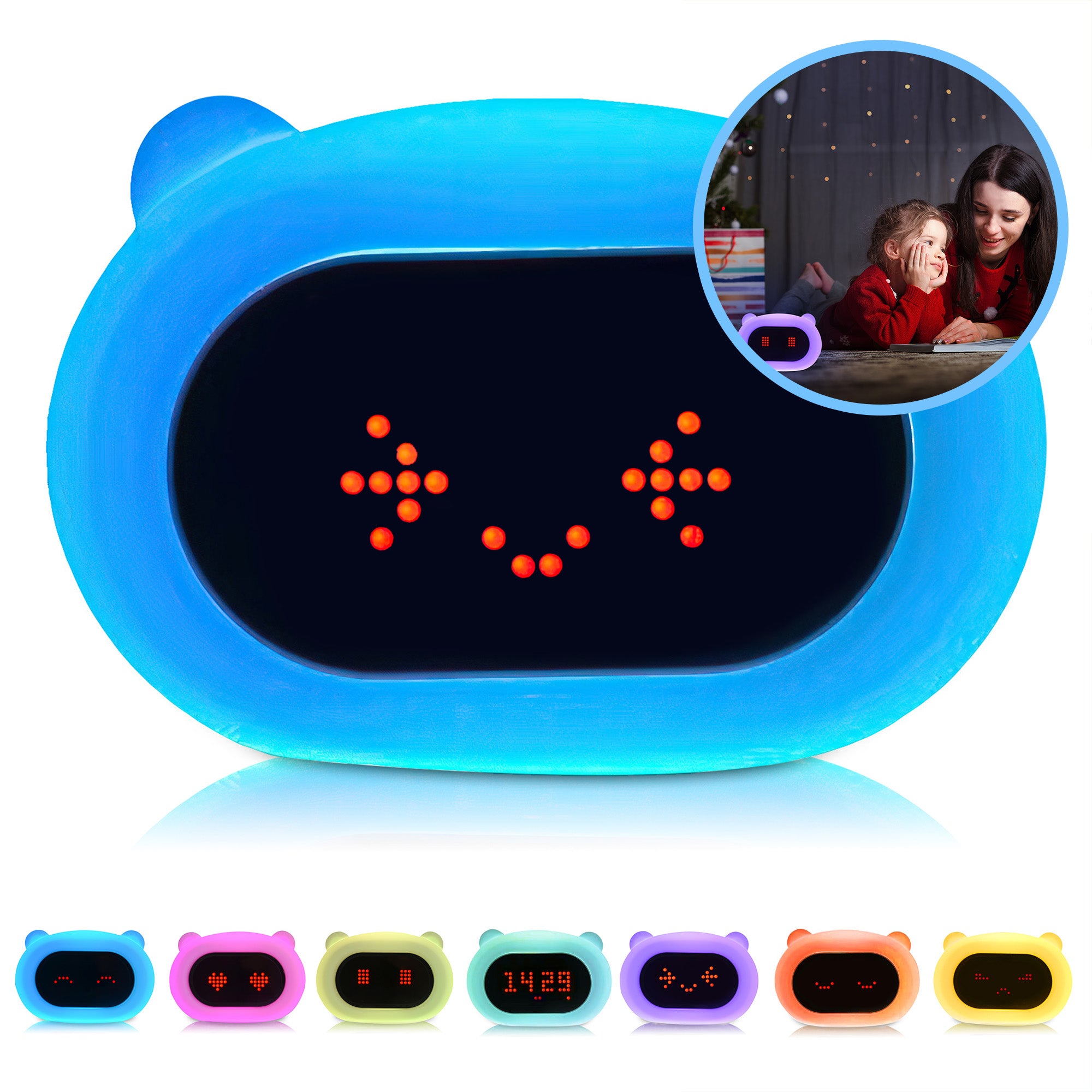
A sleep trainer has a different role. It helps children understand when it is time to sleep and when it is okay to start the day. This is usually done through colours, symbols or simple light signals. For toddlers and preschoolers who cannot yet tell time but can recognise patterns, this can provide a great deal of clarity.
The difference is not just in the product itself, but in its purpose. A night light supports comfort and security. A sleep trainer supports structure and routine. Some families only need one of the two, while others find that a combination works best.
When Is a Night Light the Best Choice?
A night light is often a great option for young children who mainly need reassurance in the evening or during the night. This may include babies who still wake for feeds, toddlers who become unsettled in a completely dark room, or children who feel anxious when the lights go out.
At this stage, simplicity is often best. Your child does not need to understand or learn anything. The light is simply there as a calm and predictable part of the bedtime routine. It can help ease the transition from playtime to sleep. Not because light solves every bedtime struggle, but because a familiar atmosphere can make a big difference.
A night light is also useful during nighttime moments. You do not need to switch on a bright overhead light, which helps the room maintain a calm and relaxing feeling. For young children especially, this can be a gentler way to keep the night as peaceful as possible.
There is one important consideration, however. Not every child sleeps better with light in the room. Some children become distracted by a night light, especially if it is too bright or changes colour. In those cases, a very subtle light often works better than a more noticeable one.
What Age Is a Night Light Suitable For?
A night light can be helpful from infancy onwards, provided it gives off a soft glow and is safe to use. For toddlers and preschoolers, it often remains valuable as a source of comfort. The reason simply changes. For babies, it is mostly about atmosphere and practicality, while for toddlers it is often more about reassurance.
When Should You Choose a Sleep Trainer?
A sleep trainer becomes particularly useful once a child can understand simple rules and routines. This often happens during the toddler years, although it varies from child to child. If you notice that your child wakes up very early and does not yet understand why they cannot get out of bed straight away, a sleep trainer can be a helpful solution.
Children do not naturally think in terms of clocks and minutes. They think in pictures, colours and repetition. A sleep trainer turns an abstract concept into something tangible: it is still nighttime now, morning comes later. This can create a sense of calm because the message does not always have to come from a parent.
That does not mean a sleep trainer instantly solves everything. It takes practice, repetition and patience. During the first few days or weeks, your child may still call out or get out of bed. However, because the signal remains the same every day, understanding often develops gradually.
A sleep trainer can also help with naps, quiet time and a consistent bedtime routine. Not as a strict system, but as a friendly guide. Children know what to expect, and that often creates a more relaxed atmosphere at home.
Sleep Trainer or Night Light for Toddlers and Preschoolers
The question of whether to choose a sleep trainer or a night light is especially relevant for toddlers and preschoolers. This is the age when imagination grows, but so does the need for clear boundaries and routines. A child may be afraid of the dark while also waking up too early without understanding the concept of time.
That is why it helps to identify the real issue first. Does your child mainly struggle to fall asleep because the room feels dark and intimidating? Then a night light may be the better option. Does your child have difficulty understanding the difference between nighttime and morning? Then a sleep trainer is often the more logical choice.
Sometimes both challenges exist at the same time. A child may want a light on and still appear next to your bed at 5:30 a.m. In that case, it does not have to be an either-or decision. Many families use a soft night light for comfort and a sleep trainer for routine. As long as the room remains calm and the products are easy to use, this combination can work very well.
What Parents Often Struggle With
Many parents are not really looking for a lamp or a clock. They are looking for more peace around bedtime and fewer early wake-ups. That is completely understandable. Still, it helps to stay realistic. No product can take over an entire sleep routine. The greatest benefits usually come from a combination of repetition, predictability and a tool that suits your child’s age.
If you choose a sleep trainer while your child is mainly afraid of the dark, it may quickly feel like the wrong solution. The reverse is also true: a night light is unlikely to help a child who believes the day starts at five o’clock every morning.
How Do You Make the Right Choice?
Start by looking at the behaviour you see most often. It sounds simple, but it can help prevent an expensive mistake. Observe a few evenings and mornings carefully. Where does your child struggle most? Falling asleep, coping with the dark, being alone in their room, or waking up too early?
Then consider your child’s stage of development. Younger children usually benefit more from comfort than explanations. Older toddlers and preschoolers can often understand visual signals and simple rules. If your child enjoys routines and repetition, a sleep trainer is often a good fit.
It is also worth paying attention to stimulation levels. Products in a child’s bedroom should promote calm, not demand more attention. Soft lighting, simple controls and a peaceful design are usually preferable to loud sounds, bright colours or too many features. At bedtime, less is often more.
For families who value sustainability and a calm home environment, it is helpful when a product is not only practical but also durable and suited to a peaceful sleep space. That often proves more useful in daily life than a solution that needs replacing after a short time.
If You’re Still Unsure Between the Two
If you are still undecided between a sleep trainer and a night light, ask yourself one simple question: am I mainly trying to provide comfort, or am I trying to support a sleep routine? The answer will usually point you in the right direction.
Comfort and reassurance often point towards a night light. Structure and clear morning boundaries point towards a sleep trainer. If your child needs both, a combination can make perfect sense, provided it remains simple and not confusing.
Some parents start with a night light during the early years and later switch to a sleep trainer once their child understands routines and expectations better. That is a natural progression. Other families find that a sleep trainer with a gentle light works well from the beginning. There is no single approach that works for every child.
What Suits Your Child Better: A Sleep Trainer or a Night Light?
Every child sleeps differently, responds differently to darkness and develops at their own pace. That is why the best choice is not necessarily the most popular one, but the one that fits your child, your mornings, your evenings and your family’s routines.
At Kadoing, we believe that calm routines can create small moments of quality time. A gentle light, a clear morning signal and a predictable bedtime ritual will not make parenting perfect, but they can make it feel a little easier.
So do not just look at what a product can do. Pay attention to what your child is trying to tell you through their behaviour. That is usually where the most reassuring choice begins.
Frequently Asked Questions About Sleep Trainers and Night Lights
What age is a sleep trainer suitable for?
Most children can understand a sleep trainer from around 2 to 3 years old, depending on their development and understanding of routines.
Can a night light help with fear of the dark?
Yes, a soft night light can help children feel safer and more relaxed when falling asleep and during the night.
Can you combine a sleep trainer and a night light?
Yes, many families use a night light for comfort and a sleep trainer for structure. This combination can work very well as long as the bedroom remains calm and uncluttered.
What helps better with early waking?
A sleep trainer is often more effective for early waking because it clearly shows when the day begins.
What should I choose for a 2-year-old toddler?
That depends on the situation. If your child mainly needs reassurance, a night light is often the best choice. If the challenge is routine and waking up too early, a sleep trainer may be more helpful.