Is your child afraid of the dark? With understanding, structure, and a safe sleep environment, you can help your child feel more confident.
Why are children afraid of the dark?
Many children go through a phase where they are afraid of the dark. Toddlers and preschoolers, in particular, have vivid imaginations. Once the lights go out, ordinary objects can suddenly turn into monsters, ghosts, or other scary figures.
Events like Halloween can sometimes intensify these feelings. Costumes, spooky stories, and frightening decorations can leave a strong impression on young children. However, fear of the dark can also be triggered by other changes, such as starting school for the first time, moving house, sleeping in a new bedroom, or experiencing other significant life events.
It is important to know that fear of the dark is a normal part of development for many children.
How can you recognize a fear of the dark?
Children do not all show fear in the same way. Some children will openly tell you they are afraid, while others find it difficult to express their feelings.
Common signs include:
- Not wanting to go to bed alone.
- Frequently getting out of bed.
- Nightmares or restless sleep.
- Crying at bedtime.
- Not wanting to be alone in a dark room.
- Waking up more often during the night.
1. Take your child's fear seriously
Even though you know there are no monsters under the bed, the fear feels very real to your child. That is why it helps to respond with understanding.
You could say, "I understand that this feels scary." This acknowledges the feeling without confirming the fear itself.
Children feel heard and safe when their emotions are taken seriously.
2. Offer reassurance and confidence
Tell your child that they are safe and that you are nearby. Often, children mainly need reassurance, security, and predictability.
Try to stay calm and confident. Children often mirror the emotions of their parents.
3. Create a bedtime routine together
A consistent bedtime routine helps children feel secure. Following the same steps every evening allows your child to know exactly what to expect.
For example:
- Brushing teeth.
- Putting on pajamas.
- Reading a story.
- Cuddling together.
- Saying goodnight calmly.
Predictability creates a sense of security and helps children relax before bedtime.
4. Use the power of imagination
With younger children, it can sometimes help to approach their imagination playfully.
Check the room together, look under the bed, or create a funny ritual where you "send the monsters away." This can help your child feel more in control of the situation.
The goal is not to make monsters seem real, but to help your child feel more confident.
5. Create a familiar sleep environment
A safe and calming bedroom helps children relax more easily. A favorite cuddly toy, a familiar blanket, or a consistent routine can already make a big difference.
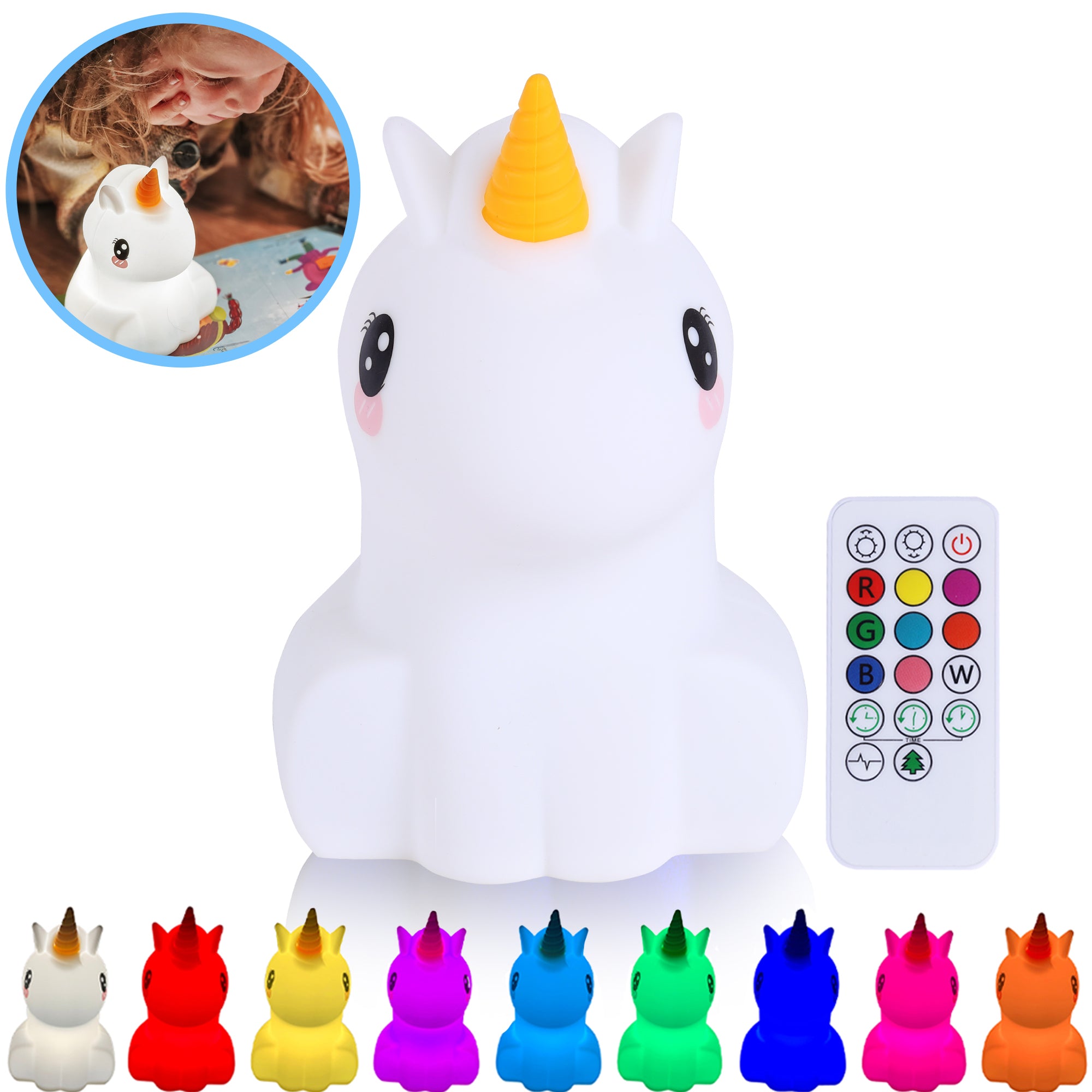
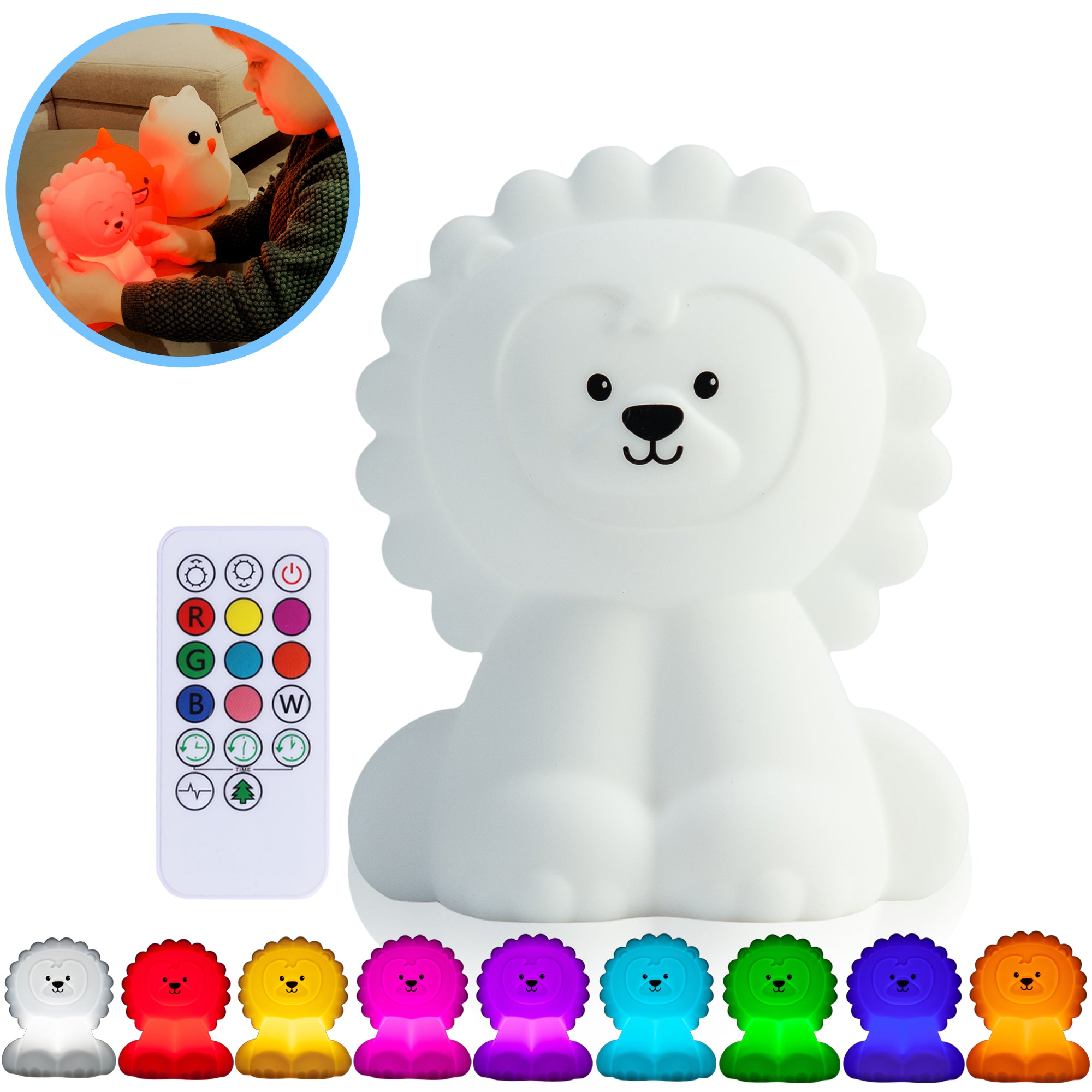
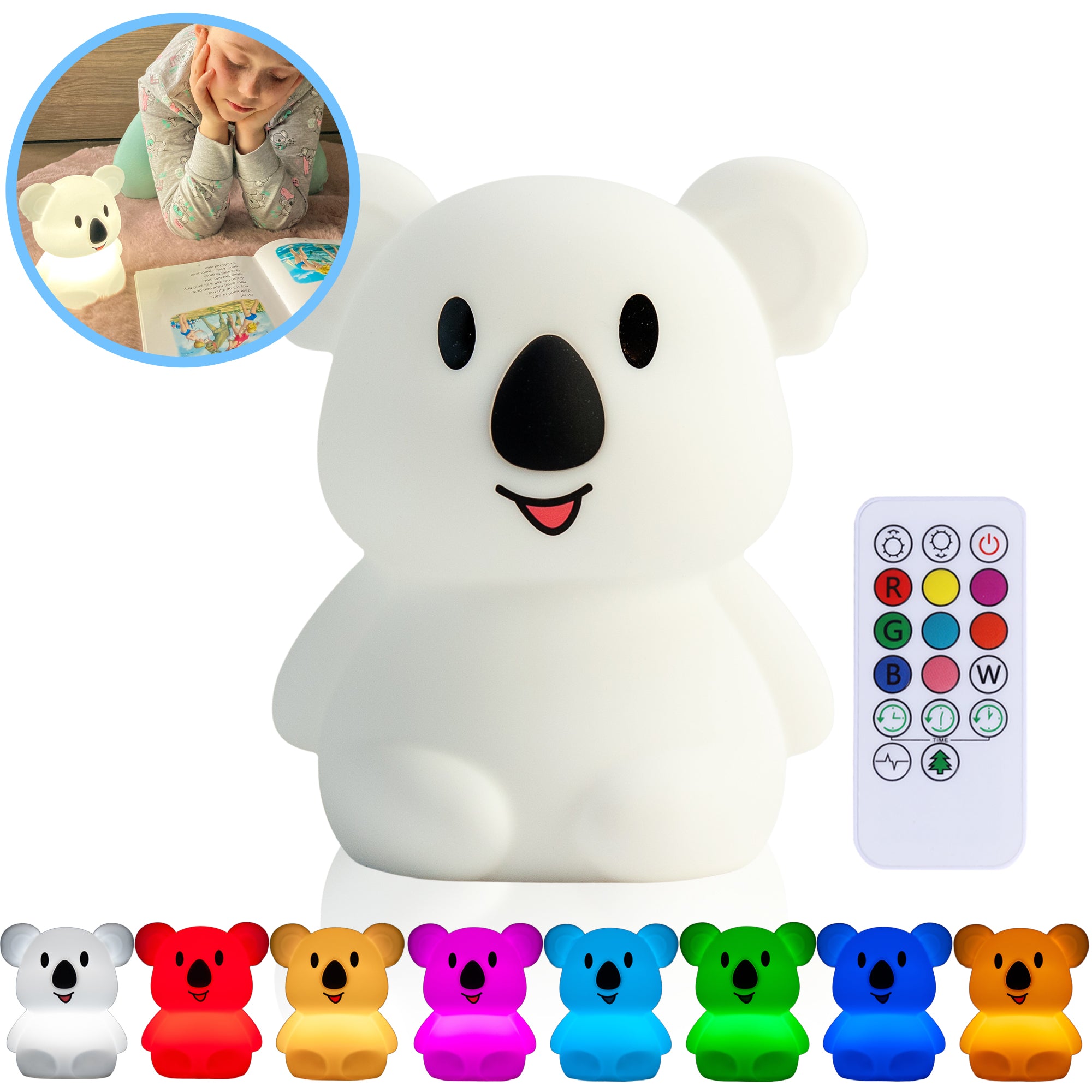
For some children, a gentle light in the room can also help. Take a look at our night lights for children, designed to create a warm and reassuring atmosphere throughout the night.
6. Avoid scary images before bedtime
Movies, videos, spooky stories, or frightening images can stay in a child's mind for a long time.
Especially before bedtime, it is better to choose calming activities such as reading together, drawing, or talking about the day.
This helps the brain wind down before sleep.
7. Give your child more control over the night
Children often feel safer when they understand what is going to happen. A consistent bedtime and predictable morning routine can help provide that reassurance.
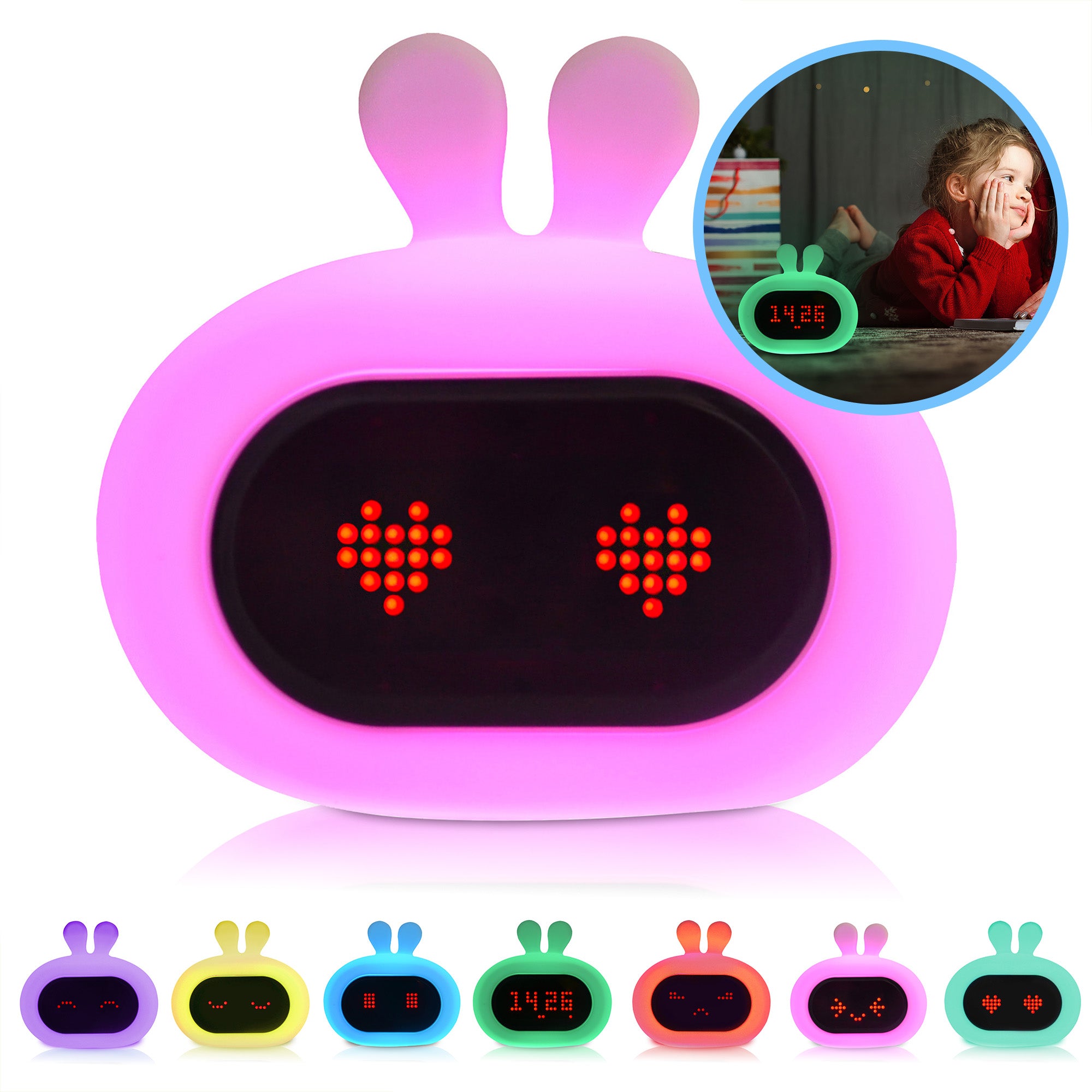
A children's alarm clock with sleep trainer can help children develop a clear sleep routine and provide more structure around bedtime and waking up.
When does fear of the dark go away?
For most children, fear of the dark gradually fades as they grow older. Their imagination remains active, but they become better at distinguishing between reality and fantasy.
Patience, understanding, and a safe environment make a huge difference.
Daytime activities can also help build confidence. Creative play, exploration, and taking on age-appropriate challenges help children feel stronger and more capable. For example, explore our collection of Montessori-inspired wooden toys that encourage independence through play.
Helping your child sleep with confidence
Being afraid of the dark is a normal part of growing up for many children. Fortunately, there is a lot you can do as a parent to support them.
By responding with understanding, maintaining consistent routines, and creating a safe sleep environment, you give your child the confidence they need to fall asleep peacefully.
And before you know it, those monsters, ghosts, and shadows will once again be nothing more than a chair, a jacket, or a pile of toys in the corner of the room.