Sustainability starts at home. Discover how to involve children in making mindful choices in and around the house in a fun and engaging way.
Sustainable living can sometimes sound like a big concept, but for children, it starts with small everyday actions. Turning off lights, sorting waste, taking care of toys, or exploring nature outdoors are all simple habits that help build awareness. By involving children in sustainability from an early age, they learn through play how to care for the world around them.
What Is Sustainability?
Sustainability means taking good care of the world around us. We use energy, water, materials, and natural resources in a way that benefits both current and future generations. This helps ensure that children can enjoy a healthy environment both now and in the future.
For young children, sustainability does not need to be explained in complicated terms. You can keep it simple: taking care of belongings, avoiding food waste, cleaning up litter, and being kind to nature.
Why Involve Children in Sustainability?
Children learn best by doing. When sustainability becomes part of everyday routines, it naturally becomes a normal part of life. Think about shopping together, sorting waste, repairing toys, or exploring the outdoors.
This helps sustainability become something positive—not an obligation, but a fun way to live more consciously together.
1. Teach Children to Sort Waste and Recycle
Recycling is an easy first step. Create clearly labeled bins at home for paper, plastic, glass, and general waste. You can even use colors or pictures so children can help independently.
Turn it into a game: Where does an empty package belong? What can be reused? This teaches children that materials have value and do not always need to be thrown away.
2. Save Energy Together at Home
Saving energy does not have to be difficult. Encourage children to help by turning off lights, switching off unused devices, and closing doors when the heating is on.
A fun idea is to create a colorful reminder sign near light switches with messages such as “Lights Off?” or “Think of the Earth!” This makes energy-saving habits visible and easy to remember.
3. Choose Sustainable Toys
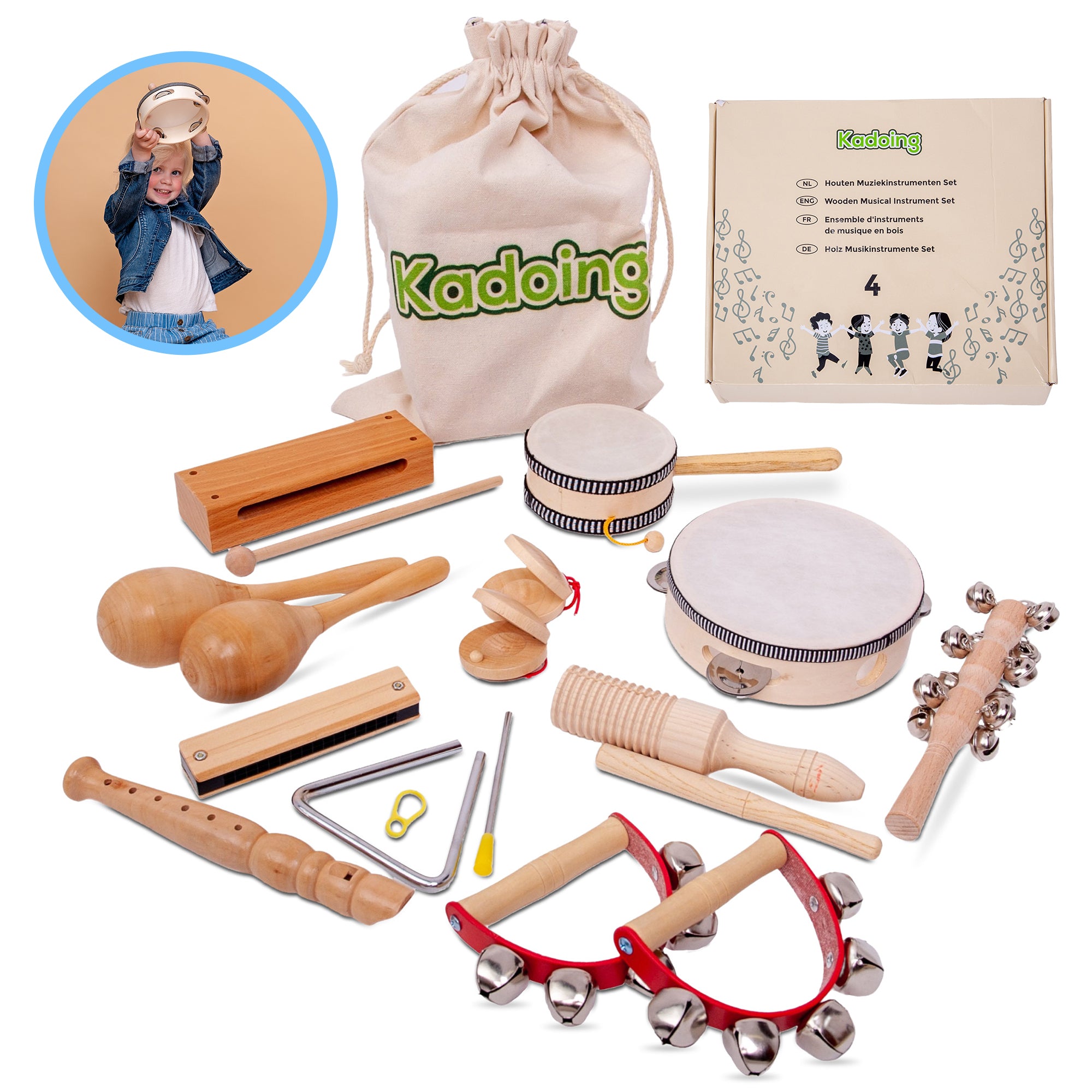
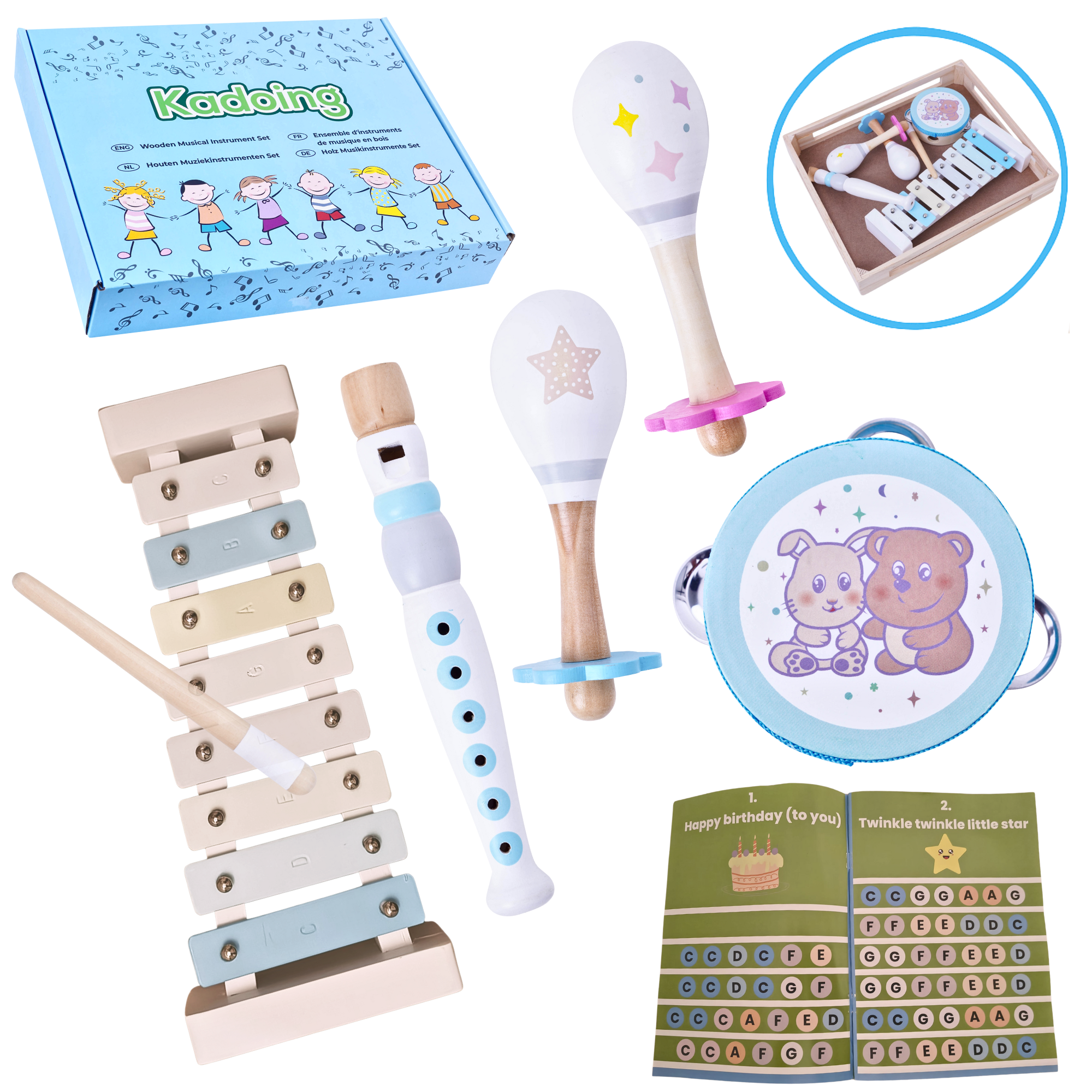
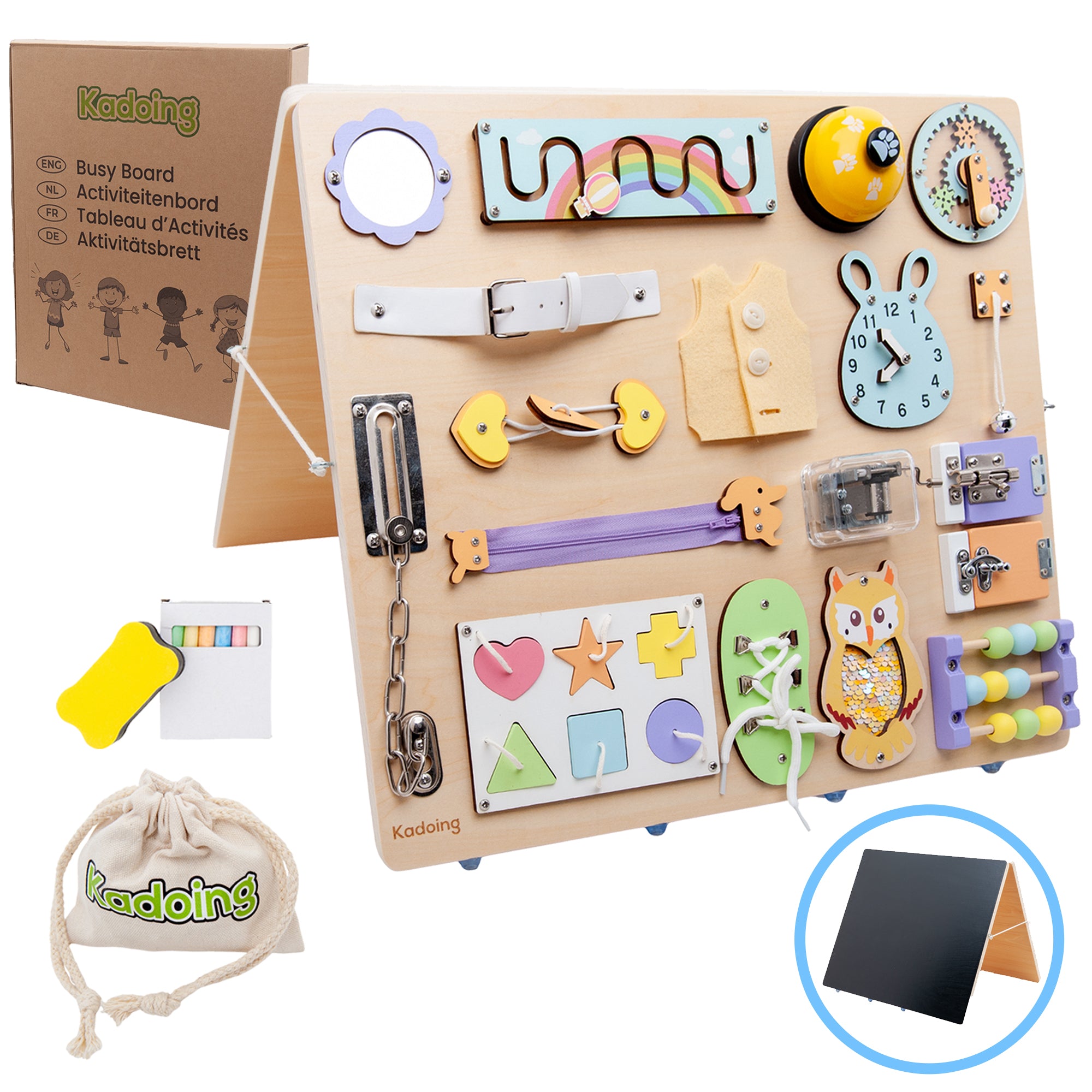
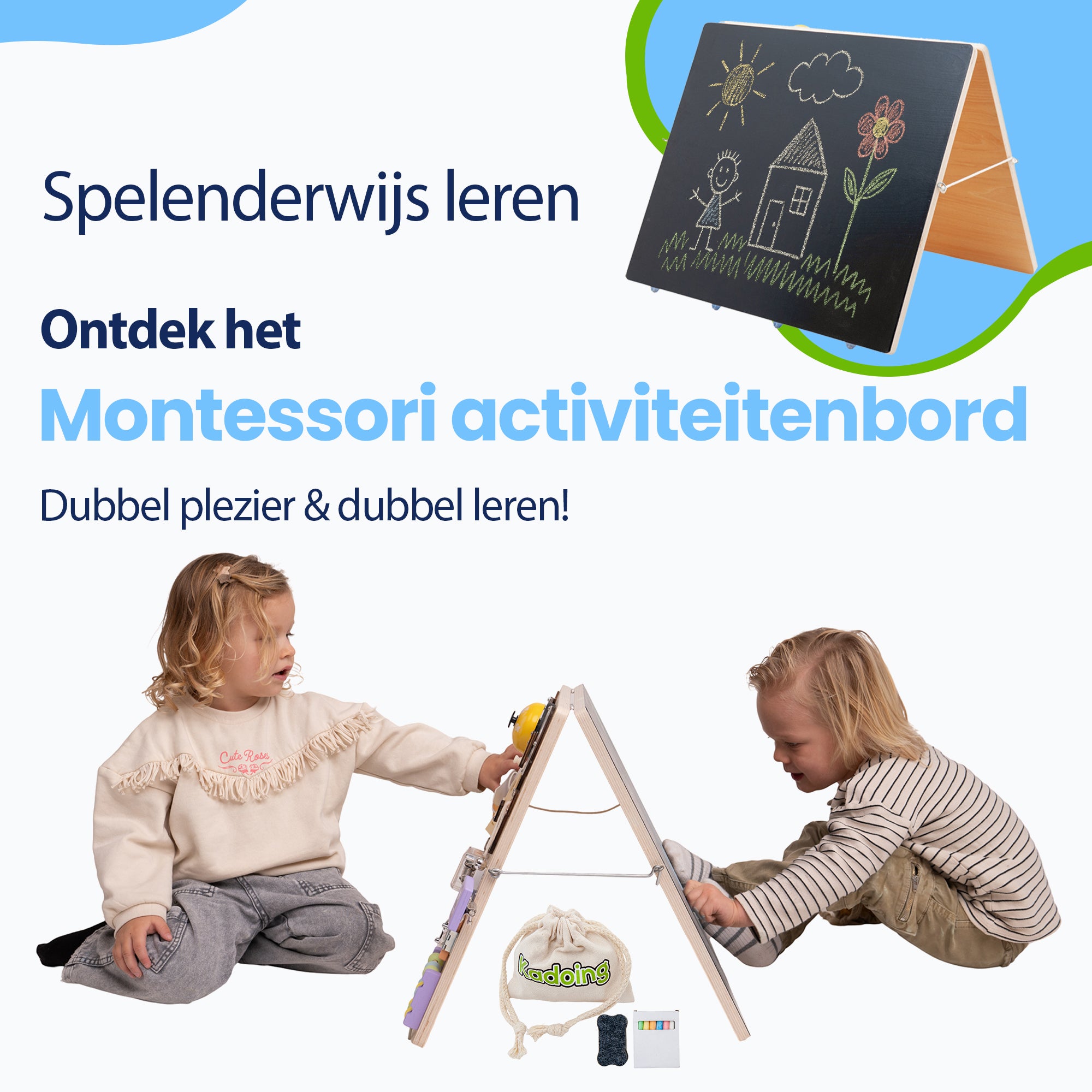
Toys also play a role in sustainability. Whenever possible, choose durable toys that last a long time, can be reused, and encourage creative play.
At Kadoing, we believe in sustainable play experiences: products that are not only fun but also support children's development. Explore our collection of durable wooden toys, designed to encourage children to discover, build, move, and learn.
4. Explore Nature Together
Children develop a greater appreciation for nature when they experience it firsthand. Take a walk through the woods, collect leaves, observe insects, or listen to birds.
You can even pick up litter together in your neighborhood. With gloves and a trash bag, this becomes an educational activity that shows children they can make a positive difference themselves.
5. Reuse Materials for Creative Projects
Empty boxes, toilet paper rolls, old magazines, and packaging materials can be transformed into artwork, rockets, houses, or animals. Crafting with recycled materials teaches children that not everything needs to be new.
This not only promotes sustainable thinking but also encourages creativity and problem-solving skills.
6. Make Sustainable Habits Fun and Familiar
Sustainability works best when it fits naturally into your child's daily routine. Turn small actions into regular habits, such as tidying up toys, turning off the tap while brushing teeth, or passing along clothes and belongings to others.
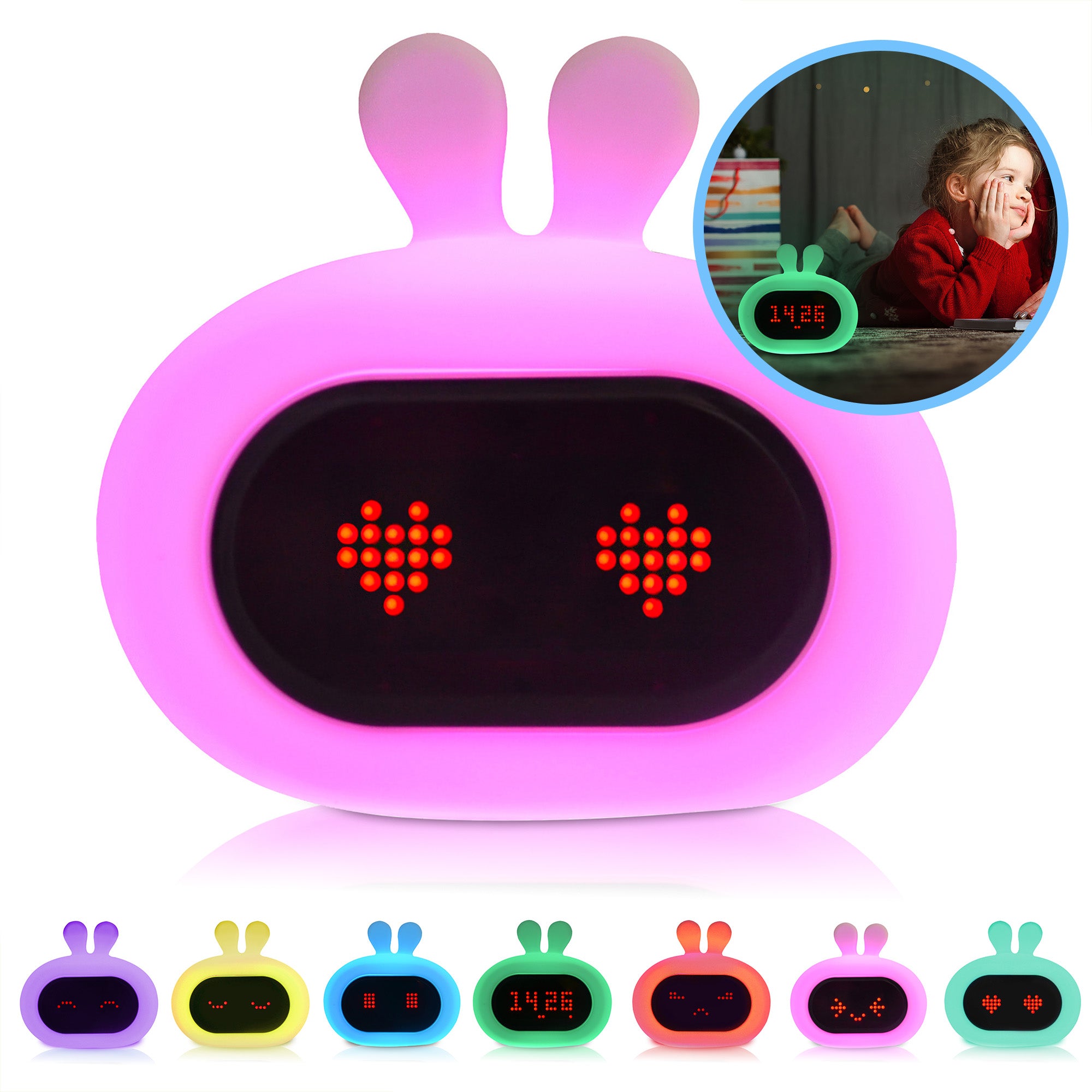
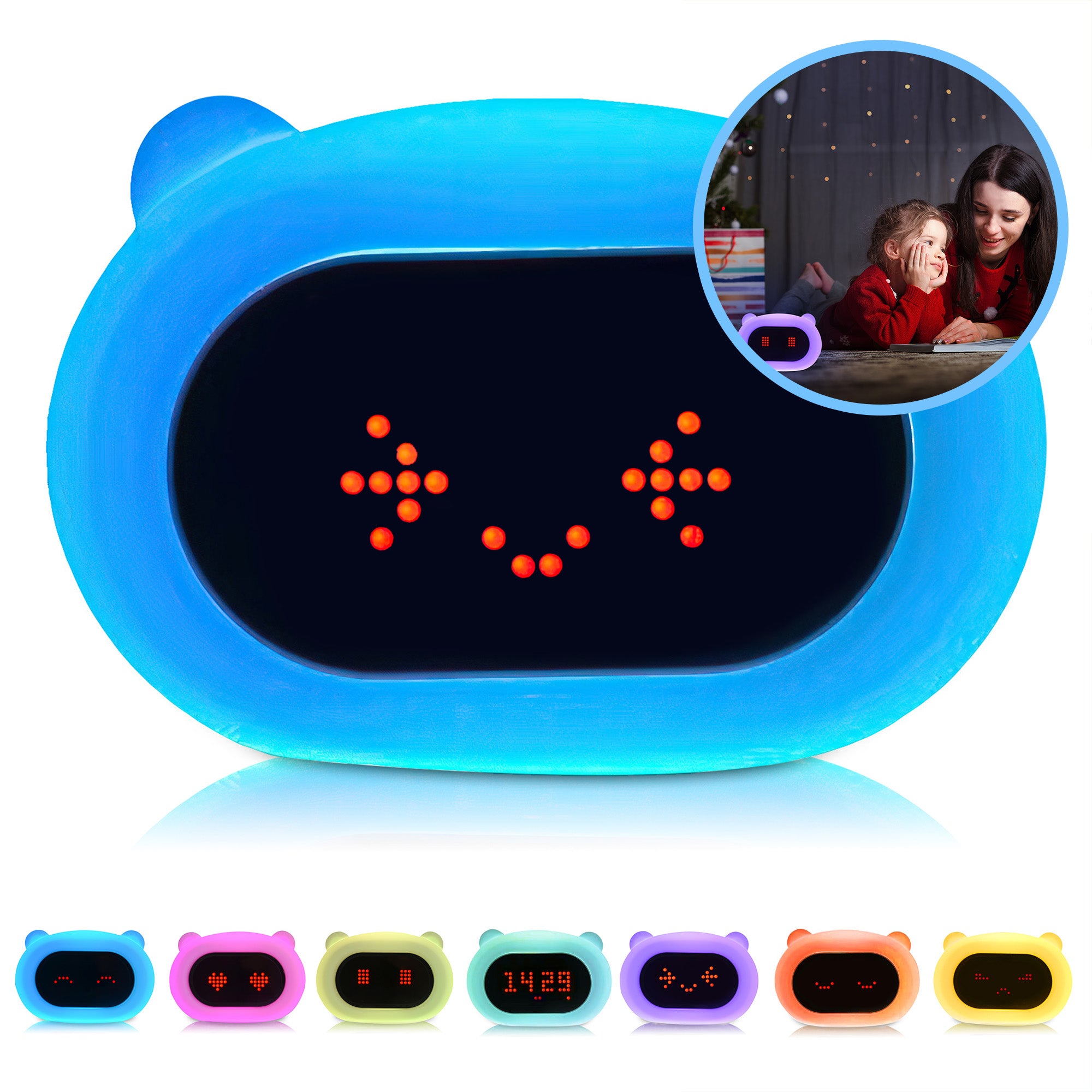
A clear daily routine can help with this. For example, a children's alarm clock can help children understand time, routines, and independence in a playful way.
Sustainability Starts with Small Steps
Your family does not have to do everything perfectly right away. Small, manageable steps often make the biggest difference. By involving children, you help them develop valuable habits they can carry with them throughout life.
Whether it is sorting waste, saving energy, or choosing toys consciously, every moment is an opportunity to teach children how to care for the world around them.
Conclusion
Sustainability at home does not have to be complicated. By involving children in recycling, energy conservation, nature exploration, and mindful choices through play, they gradually learn what it means to care for our planet.
Would you like to choose toys that are built to last while supporting your child's development? Explore Kadoing's collection of sustainable wooden toys.