A toddler feeling different fabrics, listening closely to a gentle bell or gazing in wonder at light and shadow is busy discovering. In this guide to sensory play, you will find simple ways to make these little moments part of your day. You do not need a house full of materials or a strict activity plan, just attention, repetition and things that suit your child's age and interests.
Sensory play can be messy, but it does not have to be. For many families, a quiet corner of the table, a tray on the floor or a few minutes together after breakfast works well. The aim is not for your child to make something beautiful. The experience itself comes first: touching, looking, listening, smelling and moving.
What is sensory play?
Sensory play is play in which children explore the world through their senses. They feel the difference between smooth and rough wood, hear how a drum sounds different from a rattle and see what happens when colours or shapes sit side by side. Young children learn a lot through repetition. That is why the same basket of blocks or fabric scraps can stay interesting for weeks.
Movement matters alongside the familiar five senses. Balancing, pushing, turning, stacking and walking around things give children information about their bodies and the space around them. This makes sensory play a broad idea: it can be a quiet moment on your lap or dancing to music in the living room.
There is no fixed age at which a particular activity belongs. Some children want to spend a long time feeling and sorting, while others would rather build, sing or move straight away. Focus on what your child enjoys and keep the play simple enough for them to explore independently.
Why little moments of discovery can be valuable
In busy family life, play can feel like something to fit in between appointments. Yet short moments of undivided attention can be lovely. Listening to a wooden instrument together, sorting blocks by colour or watching a little light in a quiet room gives a child space to explore at their own pace.
Sensory play also gives words to everyday experiences. You can casually describe what is happening: “That feels soft”, “Can you hear the high sound?” or “This block is heavy.” There is no need to turn it into a lesson. A few gentle words followed by a pause for your child to respond are often enough.
It can help parents not to expect too much from an activity like this. One day your child stays interested for five minutes; another day everything is on the floor after thirty seconds. Both are normal ways of exploring. Follow your child's attention and finish before it becomes too much.
Sensory play: simple ideas for each sense
Touch: textures without complicated preparation
A sensory basket is an easy place to start. Put in a few safe, sturdy objects with different surfaces, such as a smooth wooden ball, a soft cloth, a ridged container or a large sponge. Let your child choose, hold and compare. For younger children, it is helpful to stay with them and keep the number of objects small.
Water can also invite calm exploration. A shallow container with a little water, a cup and a spoon is often enough. Stay close and actively supervise water play at all times, even with a small amount of water. Put a towel underneath and choose a moment when there is no rush. Does your child dislike wet hands? Dry, age-appropriate materials such as large wooden shapes or sturdy fabric objects are a good alternative.
Hearing: music as play, rather than a performance
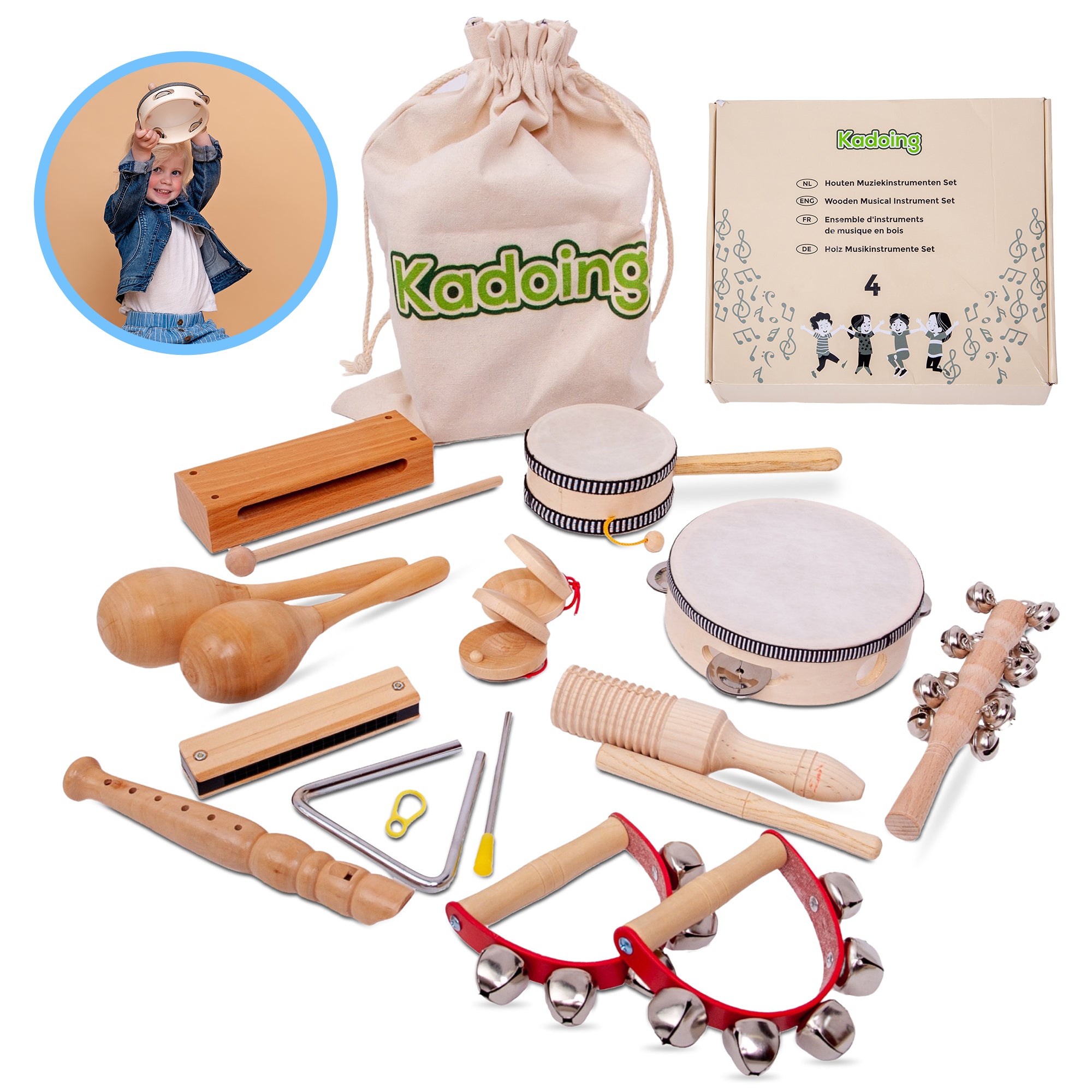
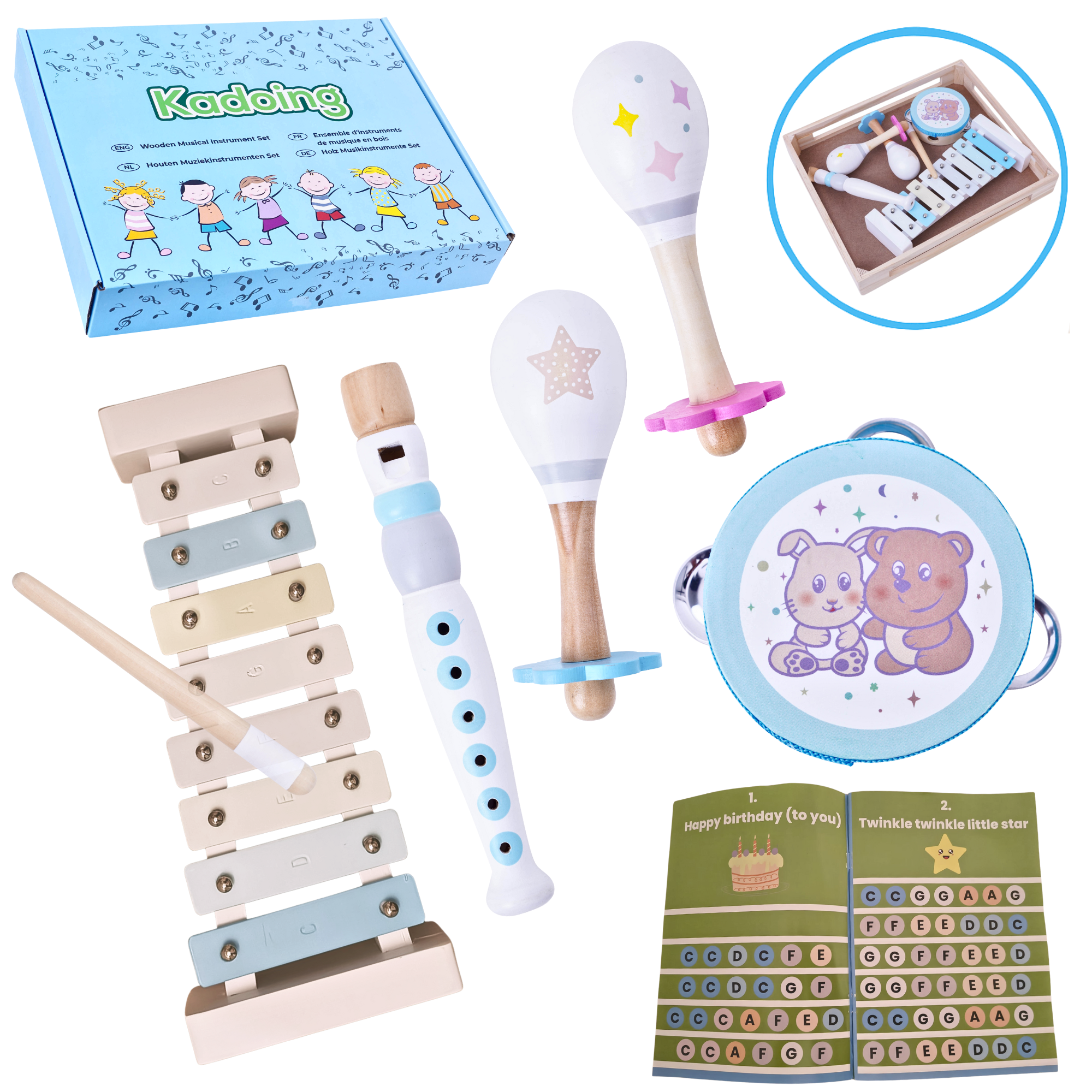
Making sounds does not have to be loud. Tap two wooden blocks together, shake a rattle slowly and quickly, or listen together to the difference between clapping and stamping. A simple wooden musical instrument can be a lovely invitation, because a child immediately hears what a movement does.
Sing familiar children's songs and try changing the tempo or your voice. Stop halfway through a line and see whether your child adds the sound or action. Some children join in eagerly; others prefer listening. Both ways of taking part count. Turn the music down or choose a quieter game when you notice that lots of sound is not welcome at that moment.
Sight: light, colour and arranging
Young children do not always need a bright, stimulating play area to become interested. For example, place three or four colourful wooden shapes on a plain rug and let your child move them, sort them or put them in a basket. A calm background often makes it easier to see what draws their attention.
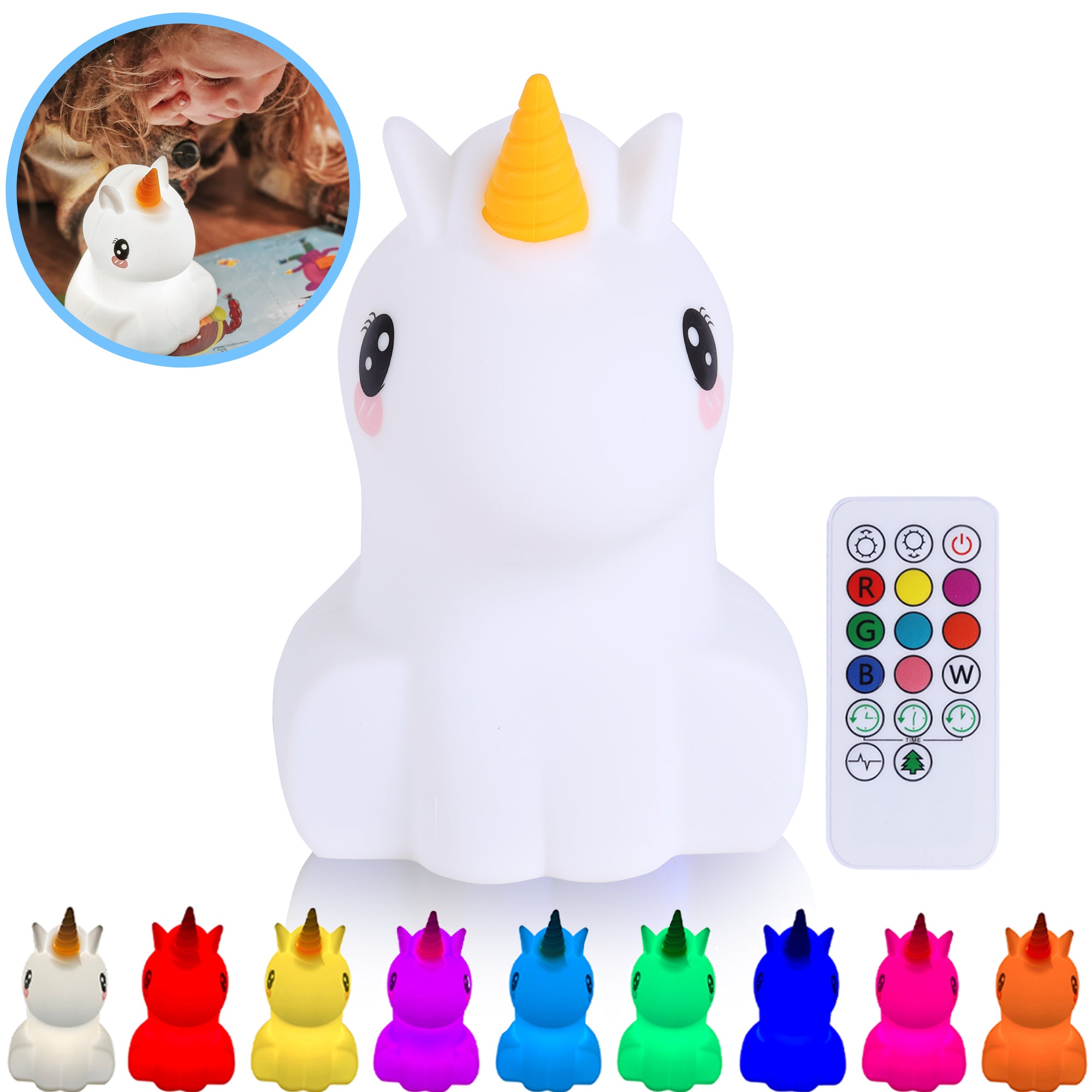
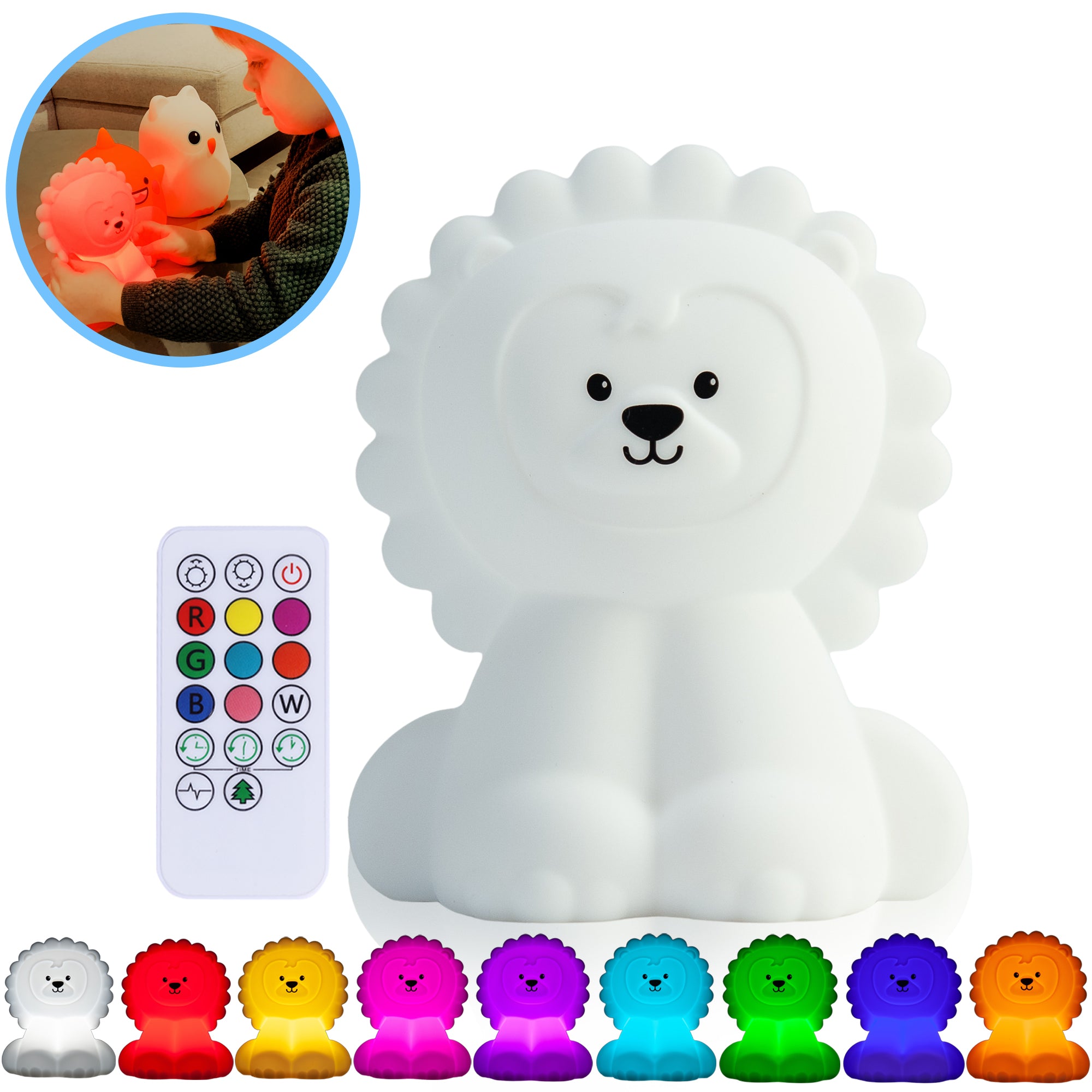
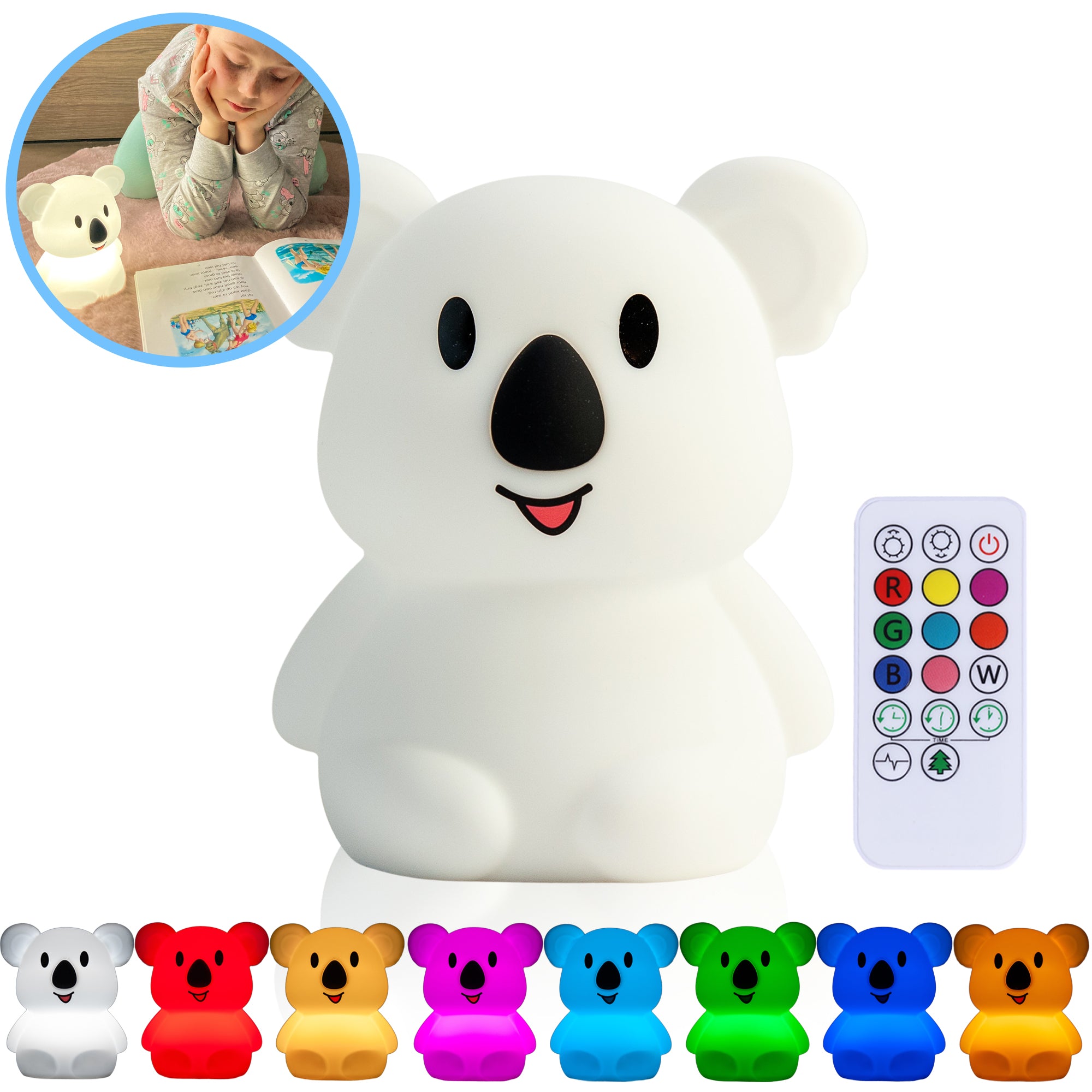
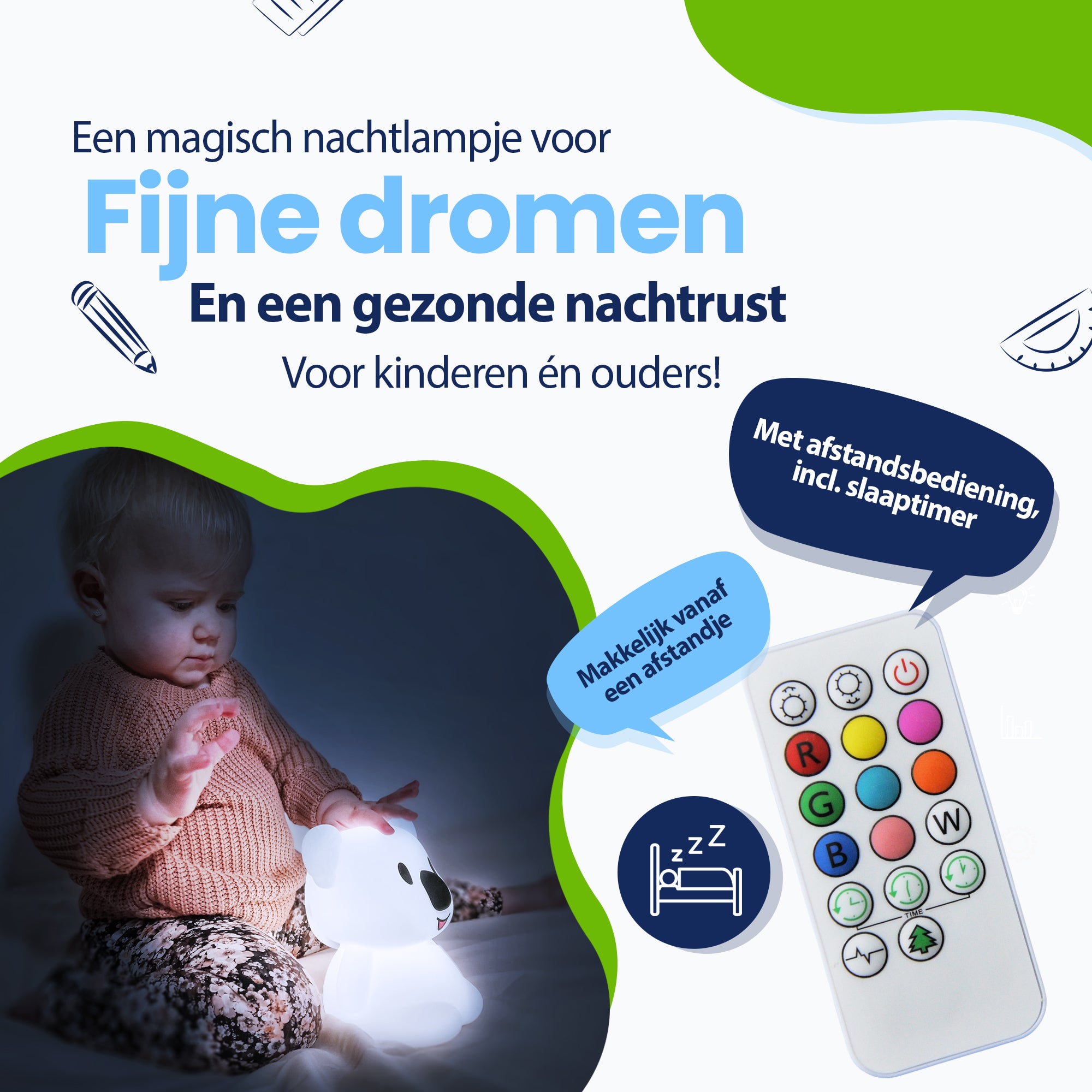
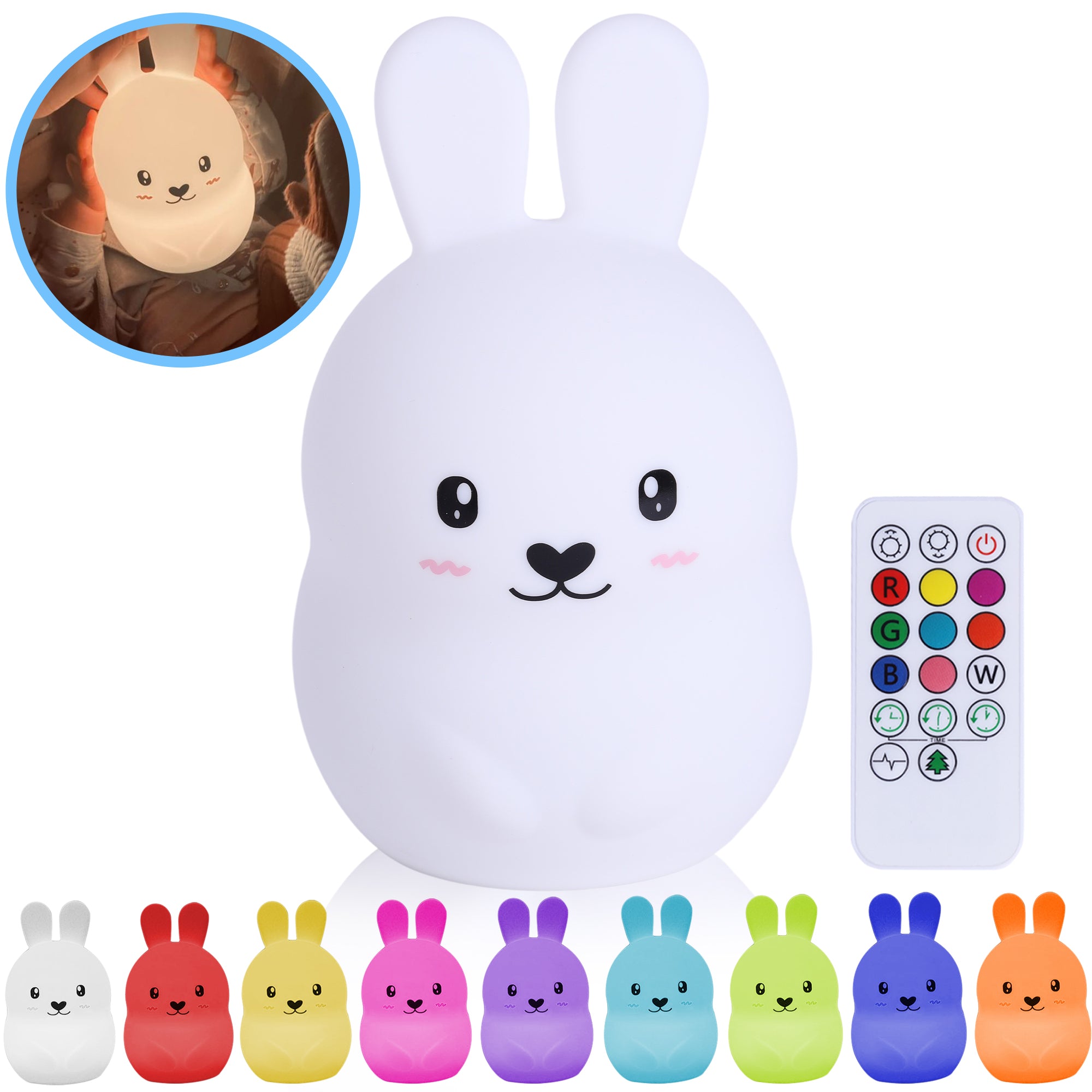
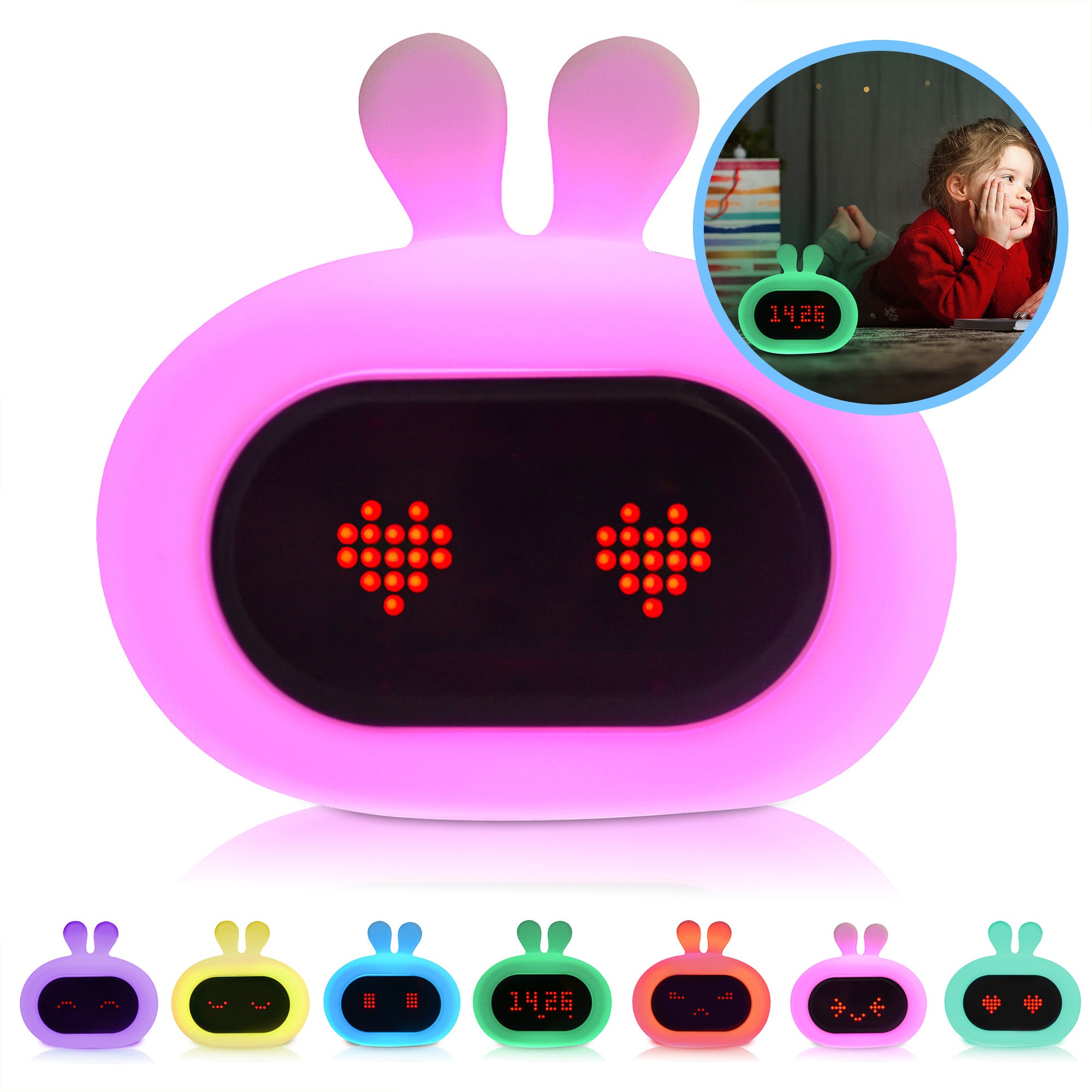
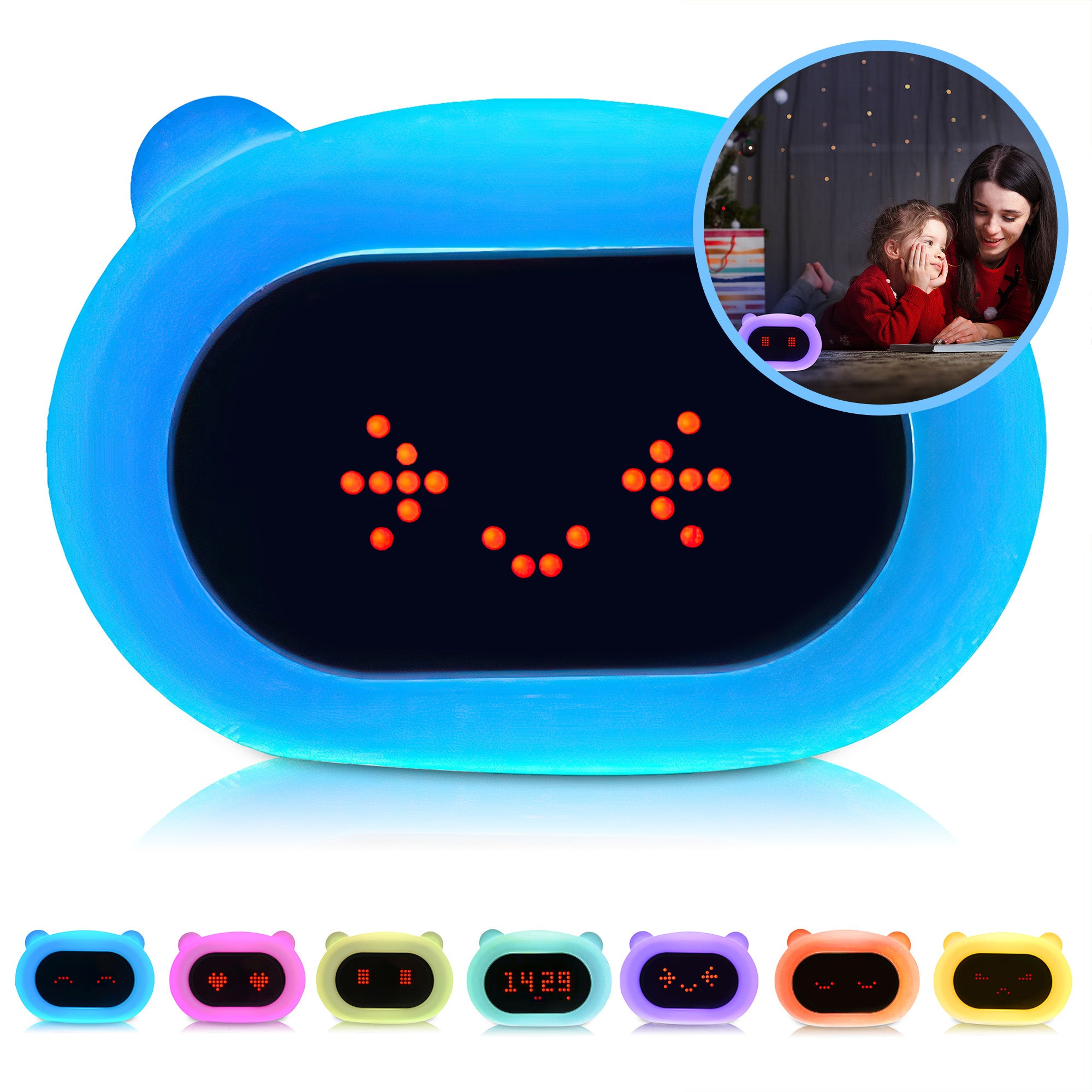
Light and shadow can be fascinating too. During the day, watch together as the shadow of a plant or hand changes on the wall. In the evening, a soft night light can be part of a quiet moment of looking, perhaps with a book or a gentle song. The activity does not need to achieve anything, but it can fit into a predictable transition towards bedtime.
Smell and taste: part of everyday life
Smells often turn up naturally in the kitchen or garden. Smell an orange, a mint leaf or freshly baked bread together and describe what you notice. Only let a child taste ordinary, suitable foods they can already eat safely, and stay with them. During sensory play with food, it can help to keep play and eating gently separate if that suits your child.
Some children find strong smells or sticky textures less appealing. Forcing them rarely helps. Offer something at a distance, let looking be enough and try again another day. Curiosity often grows more readily when a child can decide how close to get.
Creating an inviting play space
A good play space does not need to be large. Choose a low basket, a tray or a shelf with a few materials set out clearly. Offering less at once makes it easier for a child to choose. Do not change everything every day. Familiar things give them room to keep discovering new possibilities.
Consider age, skills and how materials will be used when choosing them. Pick sturdy items without loose small parts for children who still put a lot of things in their mouths. Check toys regularly for damage and always stay close to supervise play with water, natural materials or unusual objects. The manufacturer's instructions remain the guide.
Durable materials such as wood, cotton and metal can feel pleasant and often last a long time when cared for properly. That does not mean plastic has no place. A simple measuring jug, container or funnel can be just as good a starting point for enjoyable play. It is less about the perfect material and more about a calm, suitable invitation to play.
How it fits into an ordinary day
You do not need to set aside a separate hour for sensory play. While getting dressed, you can talk about a soft sock or a warm jumper. Outside, listen to rain on a coat, collect leaves or walk through sand. While you cook, your child can look at ingredients or feel dough, if it suits their age and with supervision.
Routines offer opportunities too. A regular tidying-up song, a soft toy with different fabrics for a quiet moment or a few gentle notes on an instrument before bath time can become familiar. The same habits will not suit every family. Try one small ritual for a while and see whether it feels natural for you.
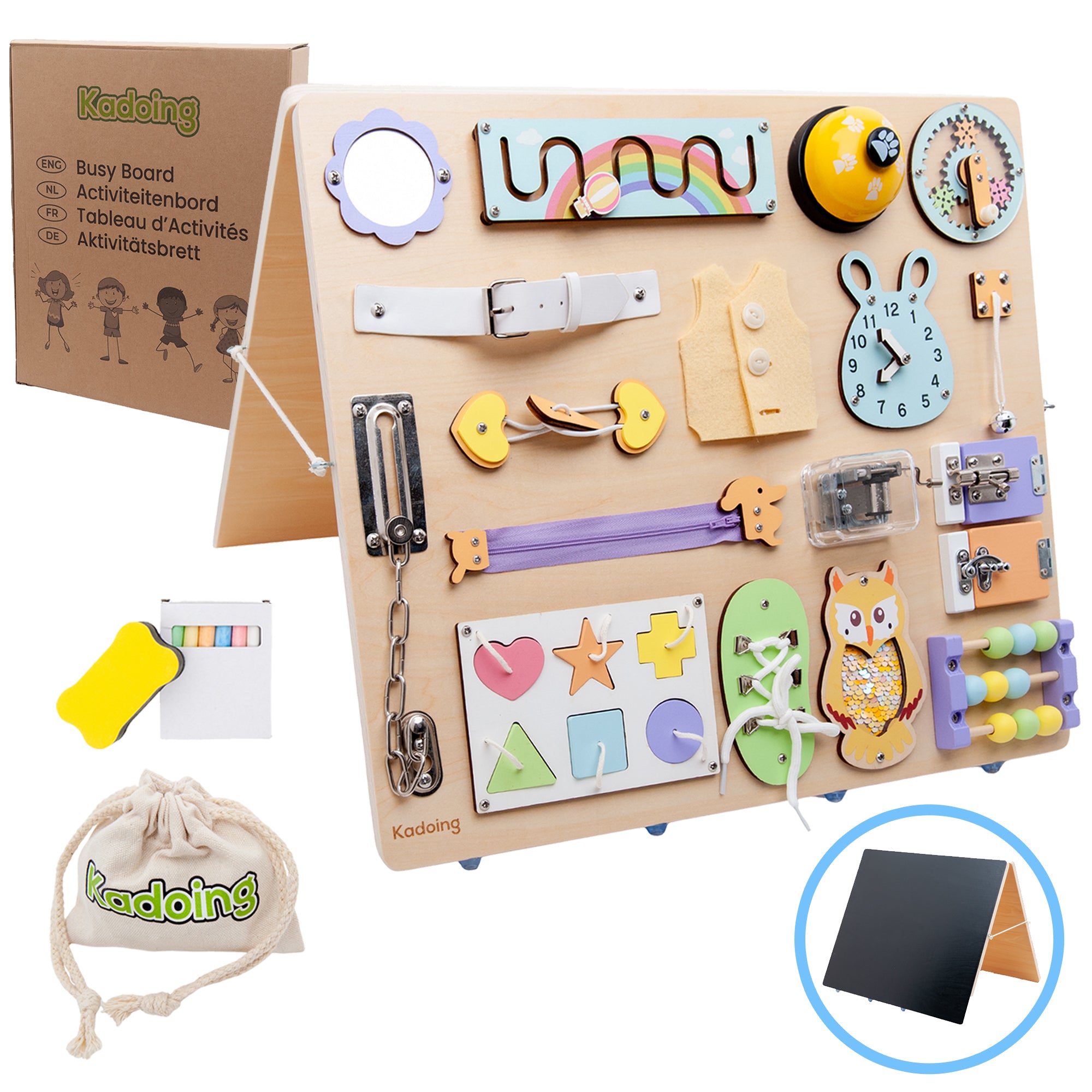
This idea fits Kadoing well: toys and familiar objects can be fun while also being part of warm, ordinary moments together. A wooden instrument, activity board or soft light is most valuable when it suits your own rhythm, without taking over the day.
When less really is more
Sometimes a child seems to want everything at once, but this makes play feel unsettled. Put some things away and offer one clear activity. Turn off the sound, clear some space on the table or choose something familiar. A child does not need constant stimulation to play.
Notice how your child reacts. Looking away, pushing materials aside or visible discomfort may be signs that an activity is no longer enjoyable. Throwing things or switching between activities can also simply be part of exploring. Look at the whole picture and offer quiet or something different when you notice your child needs it.
Tomorrow, an empty box may suddenly be more interesting than the loveliest toy. Go along with it, make time for wonder together and leave room for a little mess. It is often in these simple moments that the joy of discovering together grows.