A child who suddenly gets upset because a sock does not feel right, starts crying after a busy birthday party, or completely shuts down after daycare - many parents recognise it. These are exactly the moments when many parents look for toys that can help with overstimulation and finding calm. Not just to keep a child occupied, but to offer calm, structure, and a sense of safety again.
Why calm toys can make such a big difference
Overstimulation often happens when many impressions come in within a short period of time. Sounds, light, busyness, expectations, new experiences - for young children, it can quickly build up. One child may seek comfort, another movement, and another may want to withdraw for a while.
Toys can be surprisingly helpful in these moments, as long as they do not demand even more of a child's attention. Flashing lights, loud sounds, and lots of separate functions may seem attractive, but they often add extra input. Calm toys do the opposite. They help a child slow down, do something with their hands, and regain a sense of connection with their own body and feelings.
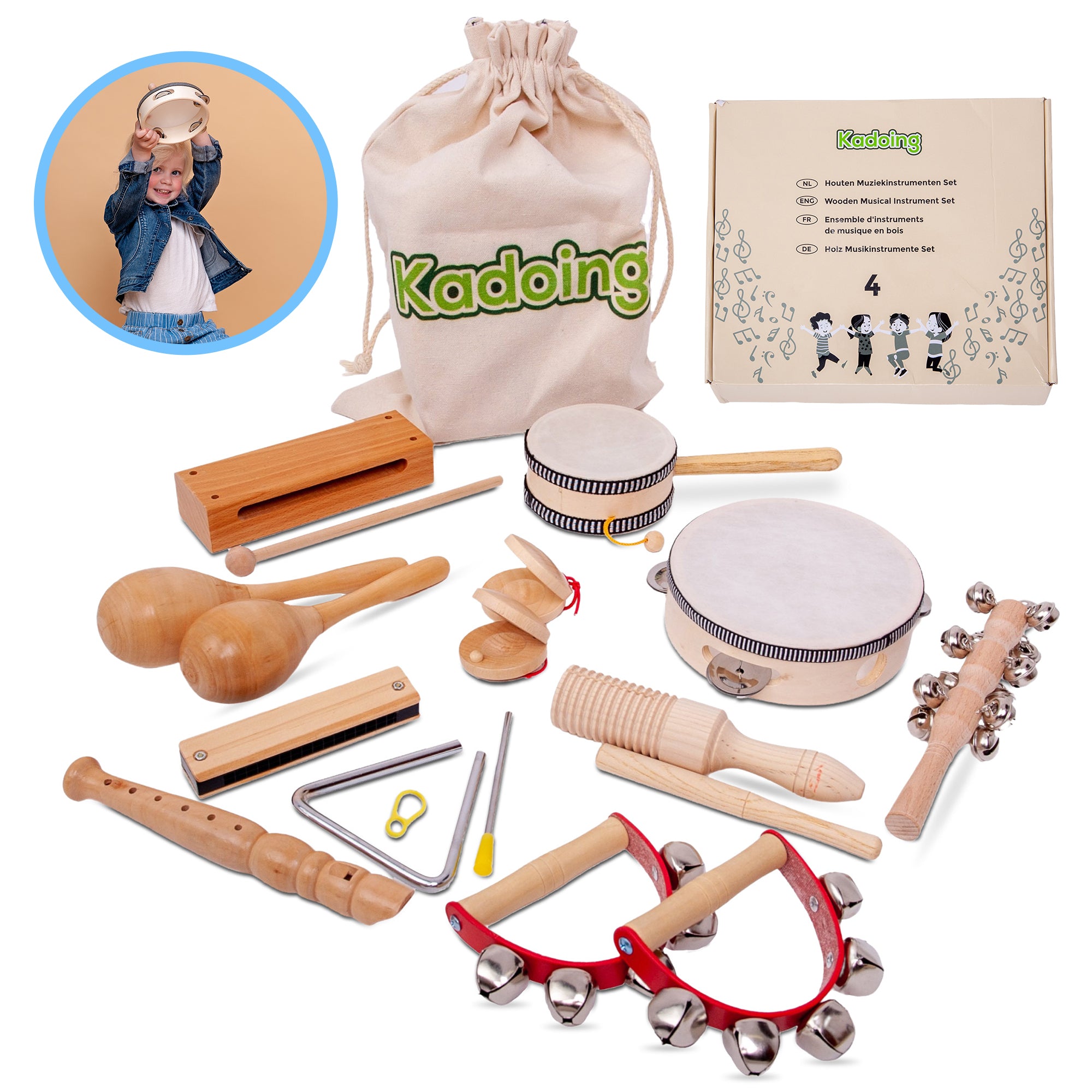
That is also why parents often notice that a simple object works better than a busy electronic toy. A soft cuddly toy, a wooden musical instrument with a warm sound, or a sensory toy with predictable movement can bring more calm than a toy that constantly does “something new”.
What should you look for in toys for overstimulated children?
Choosing well does not start with what is popular, but with what your child needs during tense or busy moments. Some children calm down through touching and fidgeting, others through rhythm, repetition, or having a familiar object nearby.
Choose predictability
Toys that are clear and simple often feel safer. Think of toys where a child immediately understands what they can do. Stacking, sliding, pressing, holding, or making a soft sound. When a child does not first have to figure out how something works, relaxation comes more quickly.
Pay attention to sound, light, and pace
Not every sound is unsettling. A soft, warm tone can actually be calming. Still, it is wise to look critically at toys that light up brightly, suddenly make noise, or quickly switch between functions. When a child is tired or tense, those unexpected stimuli are often too much.
Choose materials that feel pleasant
Wood, silicone, cotton, plush, or other soft materials can feel much nicer than toys that feel hard, sharp, or slippery. Tactile experience plays a big role in calming down. Children often naturally seek something that feels good in the hand, can be cuddled, or brings comfort through repetition.
Fewer options are often better
A full toy basket does not always help. In fact, too much choice can create restlessness. A few calm items that you use intentionally during busy moments usually work better than a room full of stimuli.
Which toys can help children calm down?
There is no single perfect type of toy for children who quickly become overstimulated. What helps depends on age, temperament, and the time of day. Still, certain types of toys often fit well with the need for calm.
Cuddly toys and soft comfort items
A cuddly toy is more than decoration on the bed. For many young children, it is a familiar anchor. Something recognisable that travels from the sofa to the bed and from a busy day into a calm bedtime routine. Especially after exciting moments, a soft cuddly toy can help release tension.
Simple wooden toys
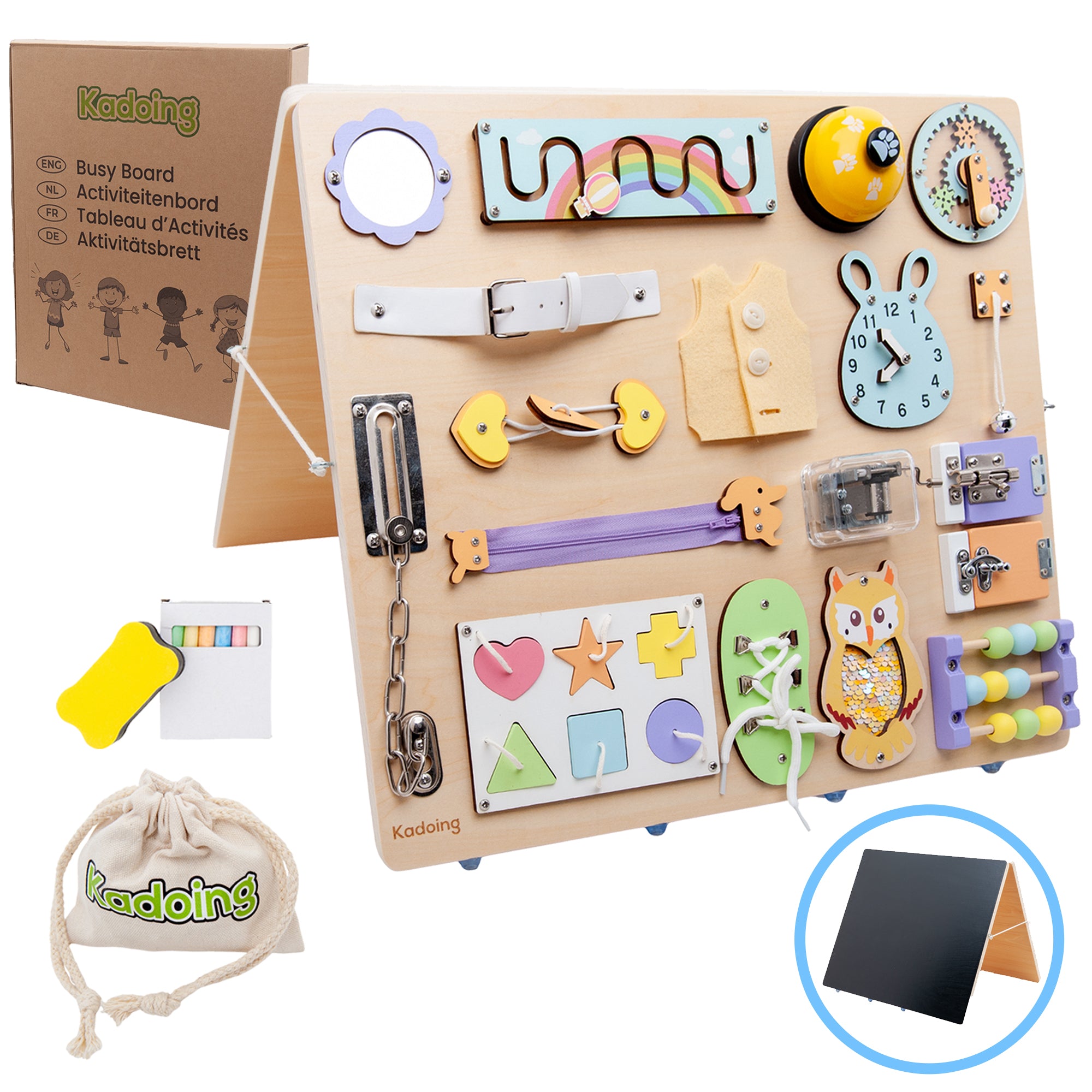
Wooden toys often have a calm appearance and invite focused play. Think of stacking towers, shape boards, or activity boards with clear actions. The advantage is that play remains open-ended, without loud effects or excess. That gives space for the child's own pace.
Gentle musical instruments or calm sounds
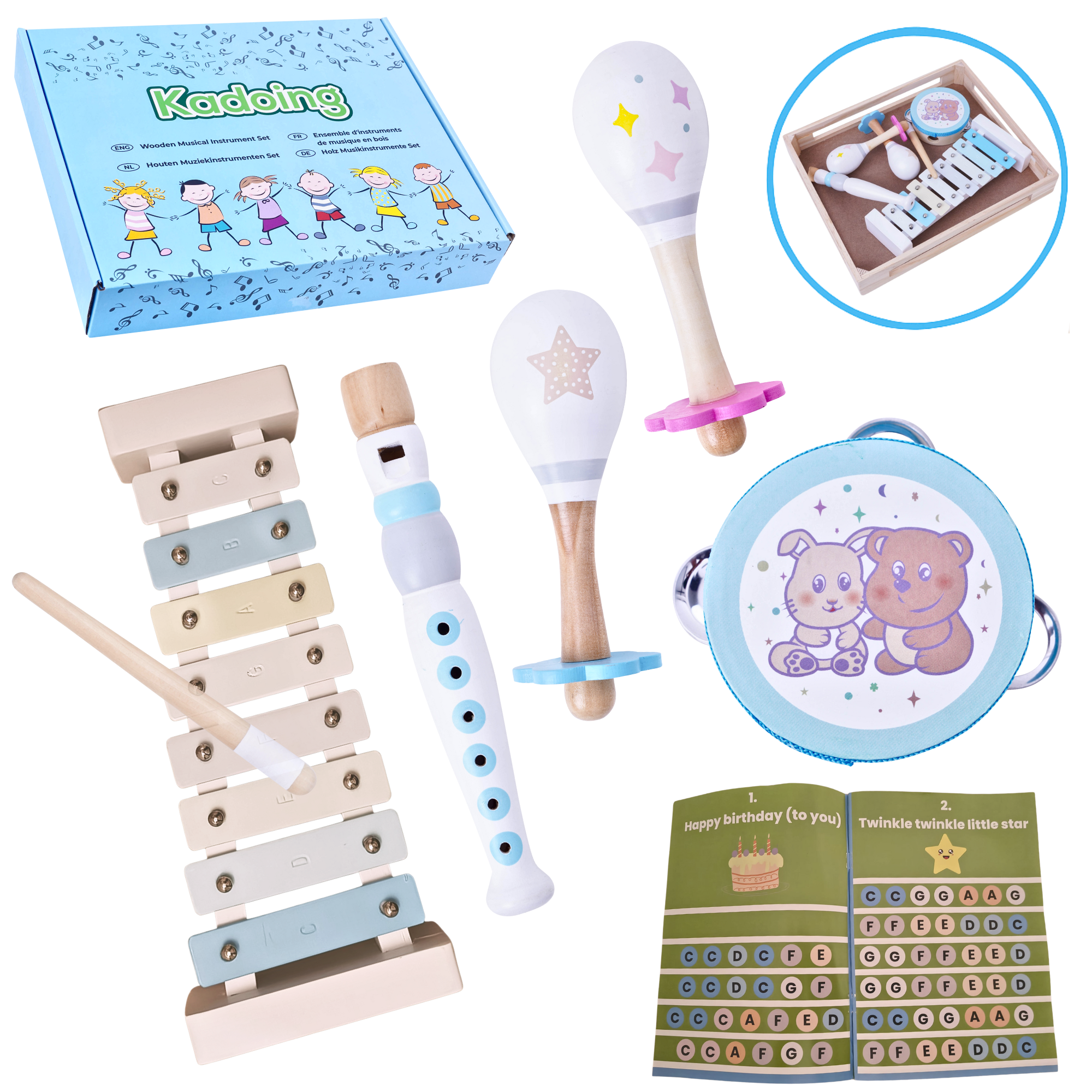
Music can be connecting and reassuring, but it strongly depends on the type of sound. A wooden xylophone or another simple instrument with a mild tone can be pleasant when a child wants to tap, listen, and repeat calmly. It is not about performance, but about rhythm and predictability.
Fidget and sensory materials
Some children process tension through their hands. Squeezing, twisting, stroking, pushing, or rolling helps them return to their body. In that case, simple sensory toys can be suitable, as long as they are not too bright or too busy in design.
Night lights and soothing sleep items
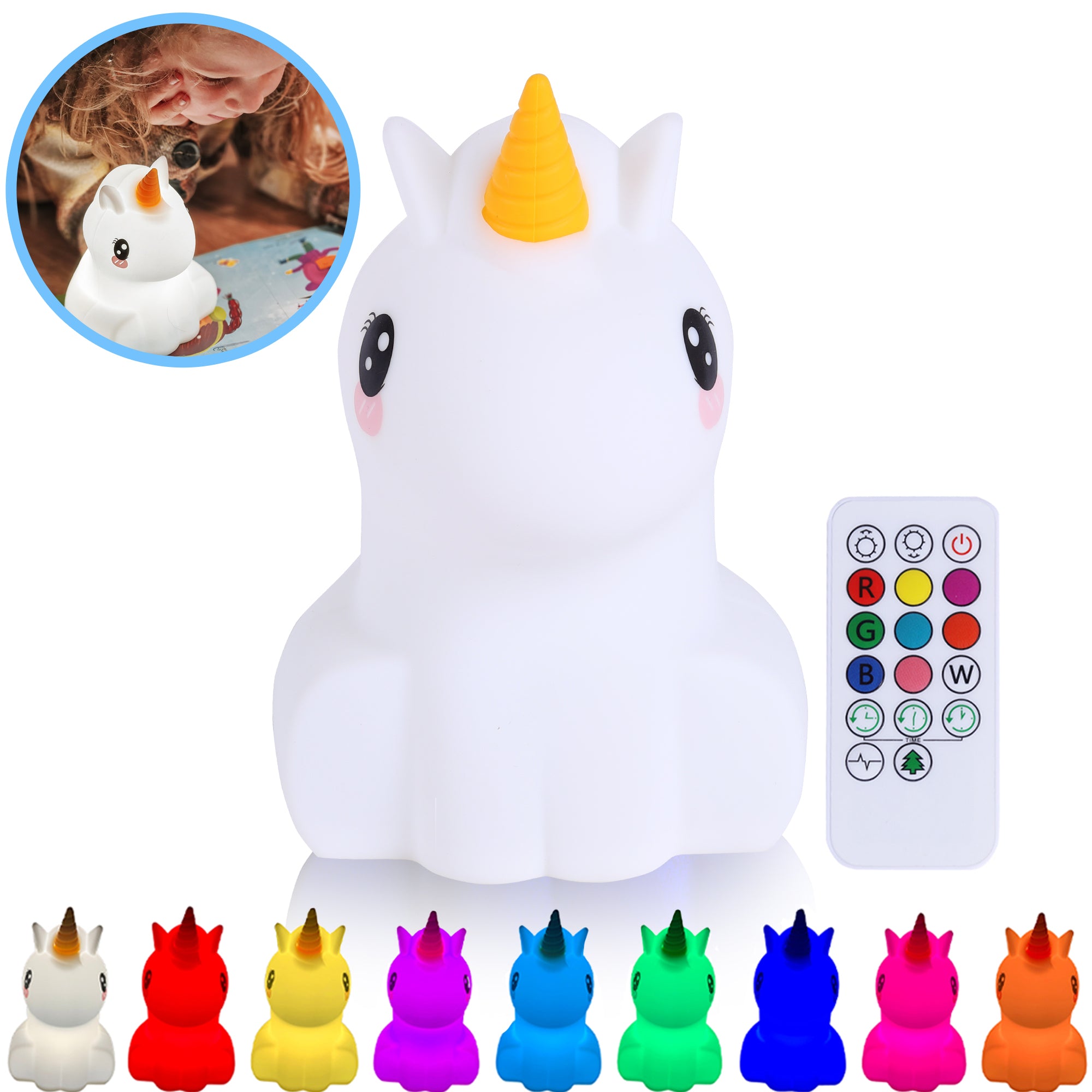
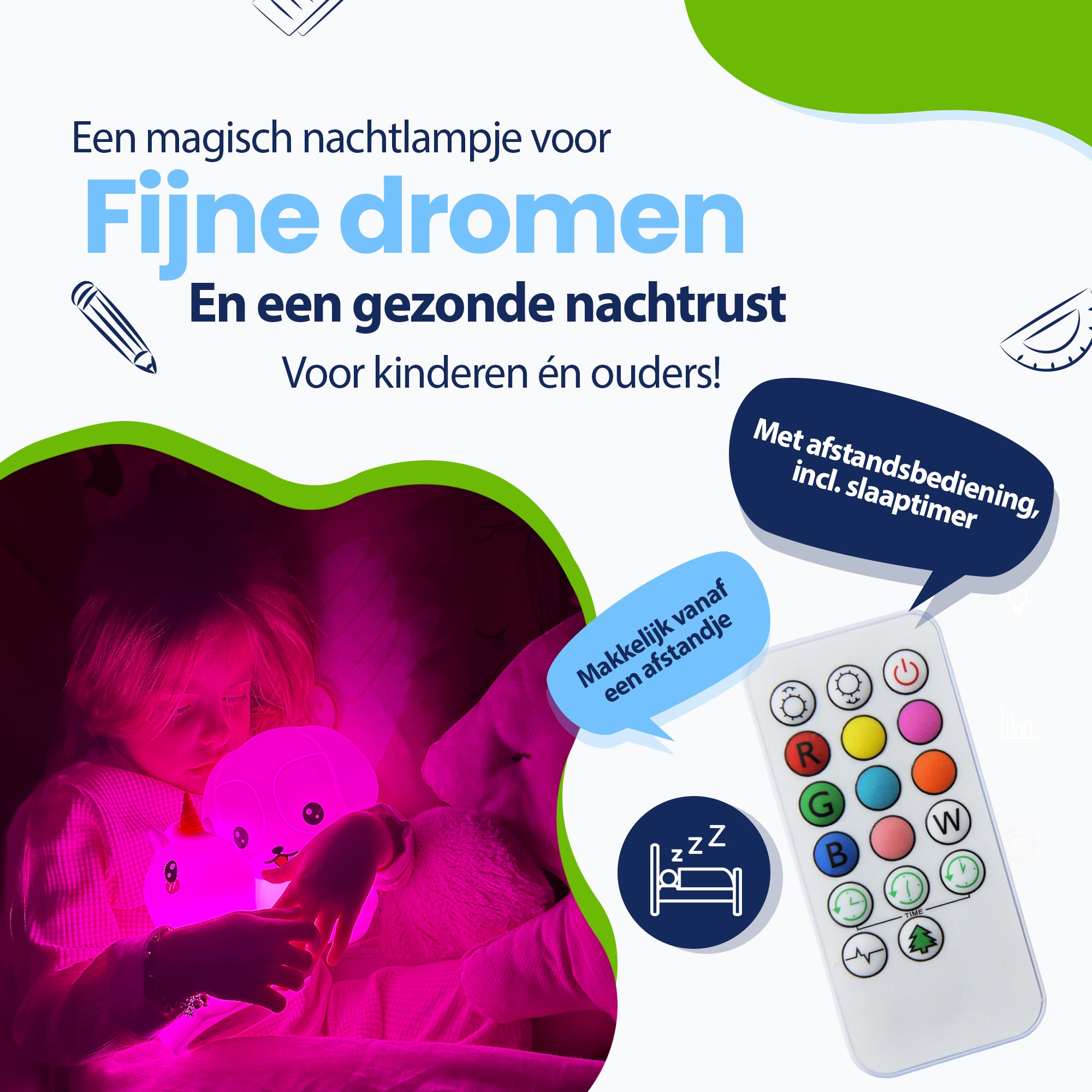
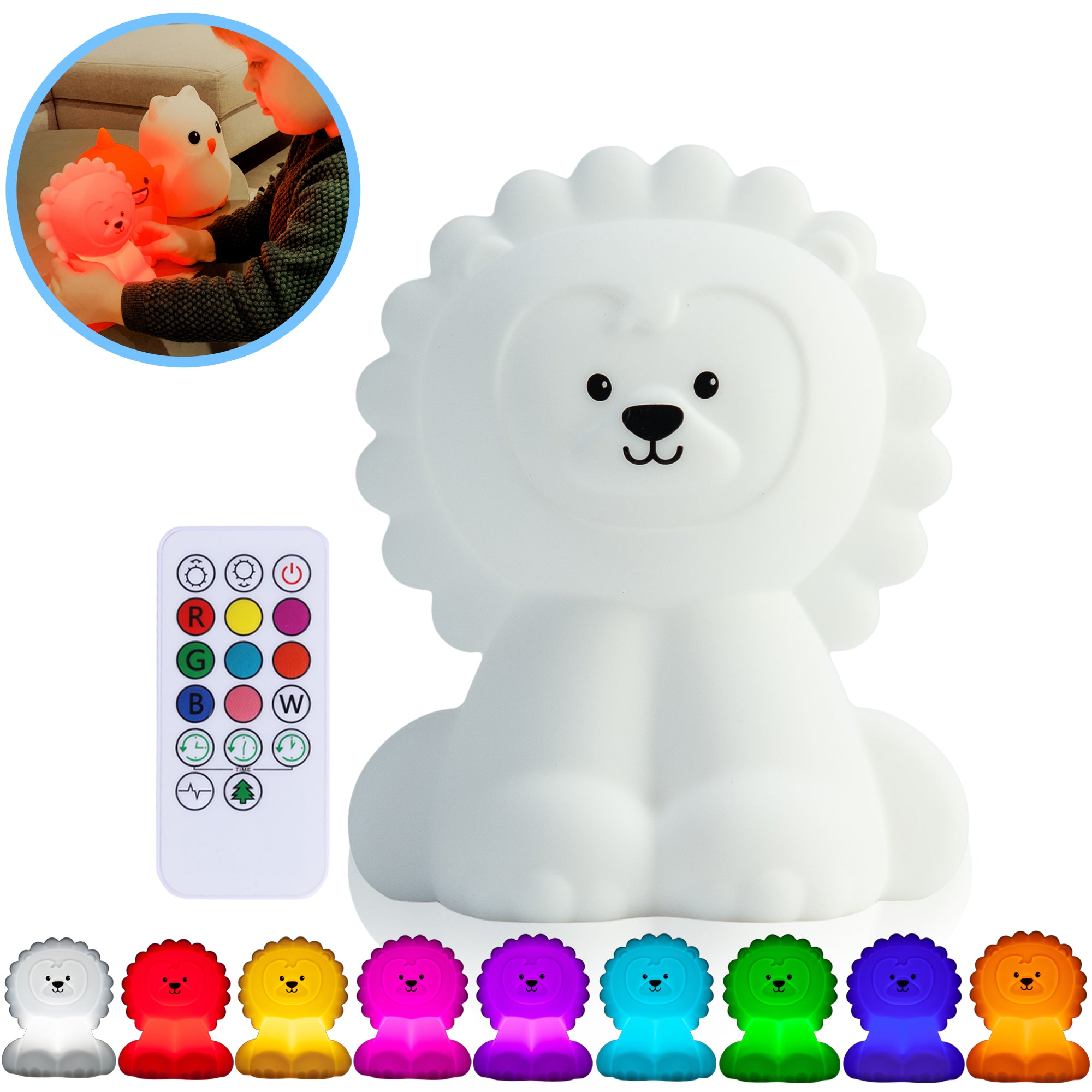
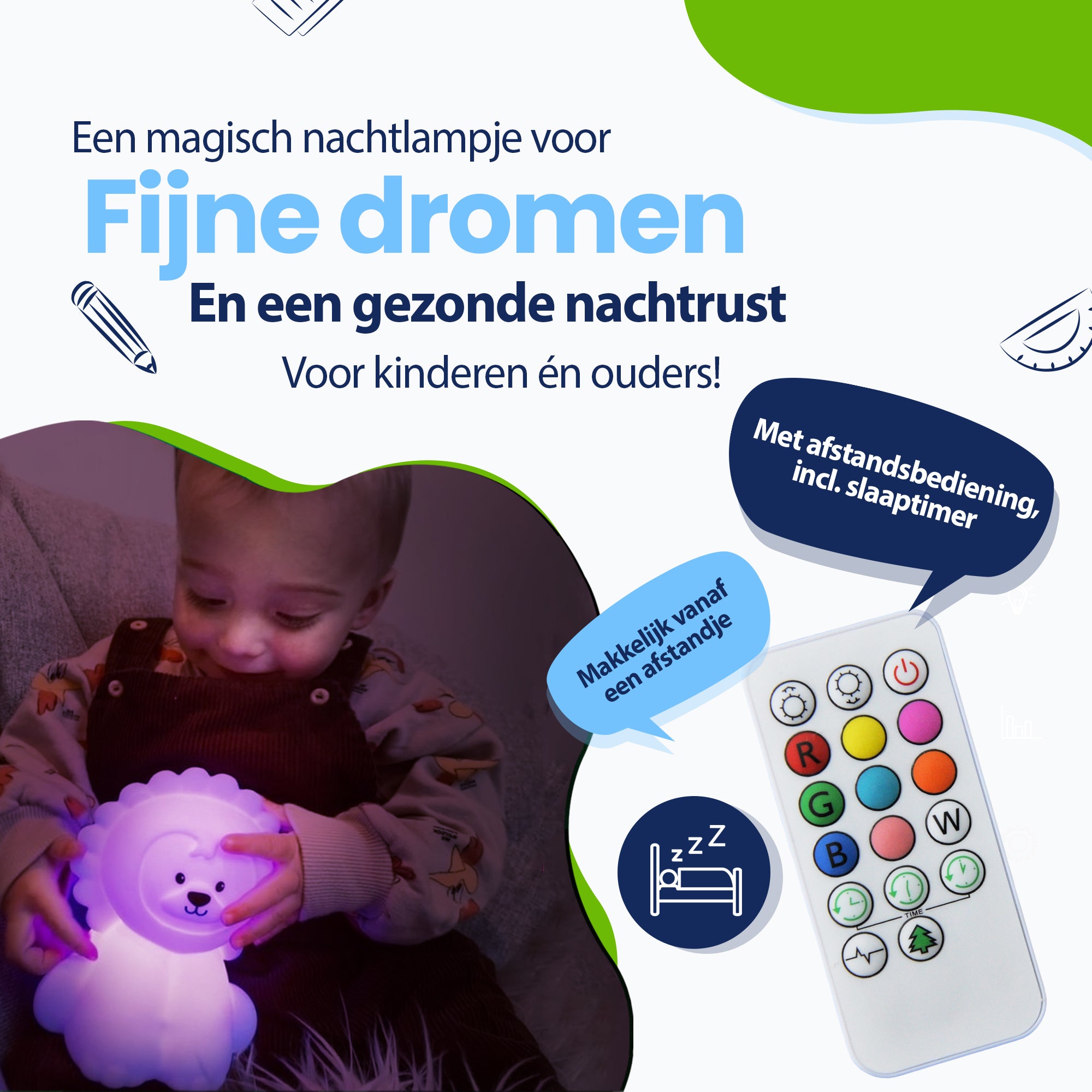
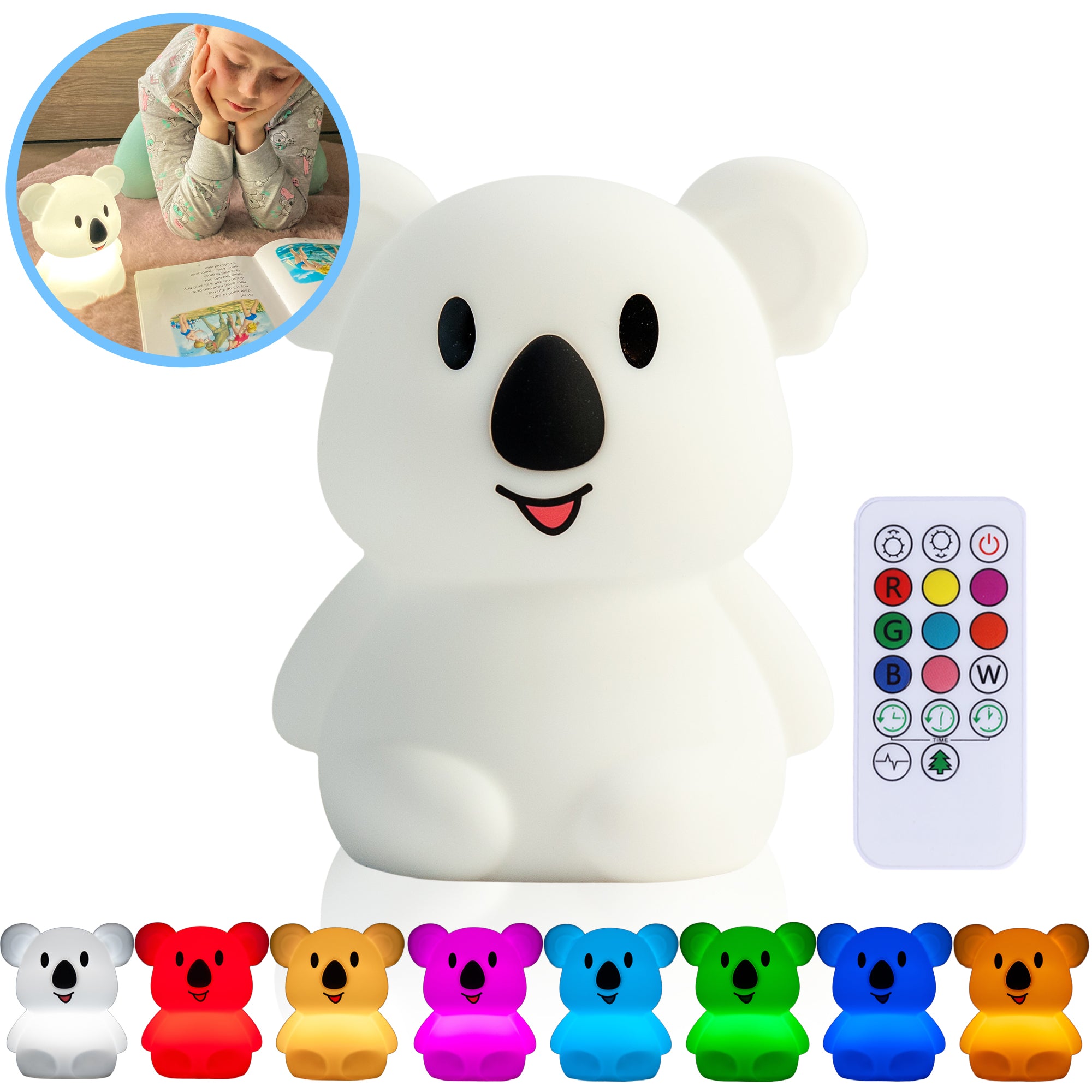
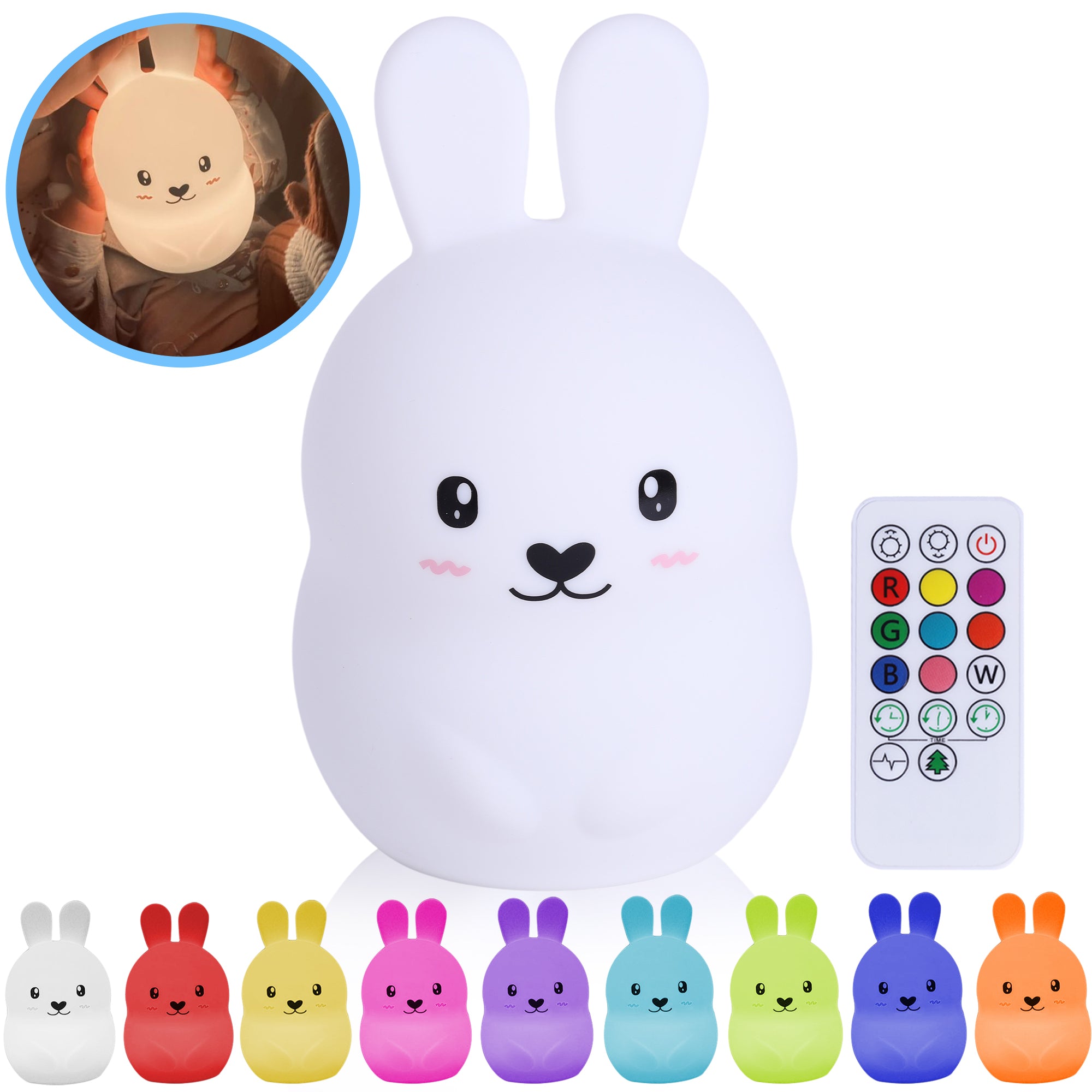
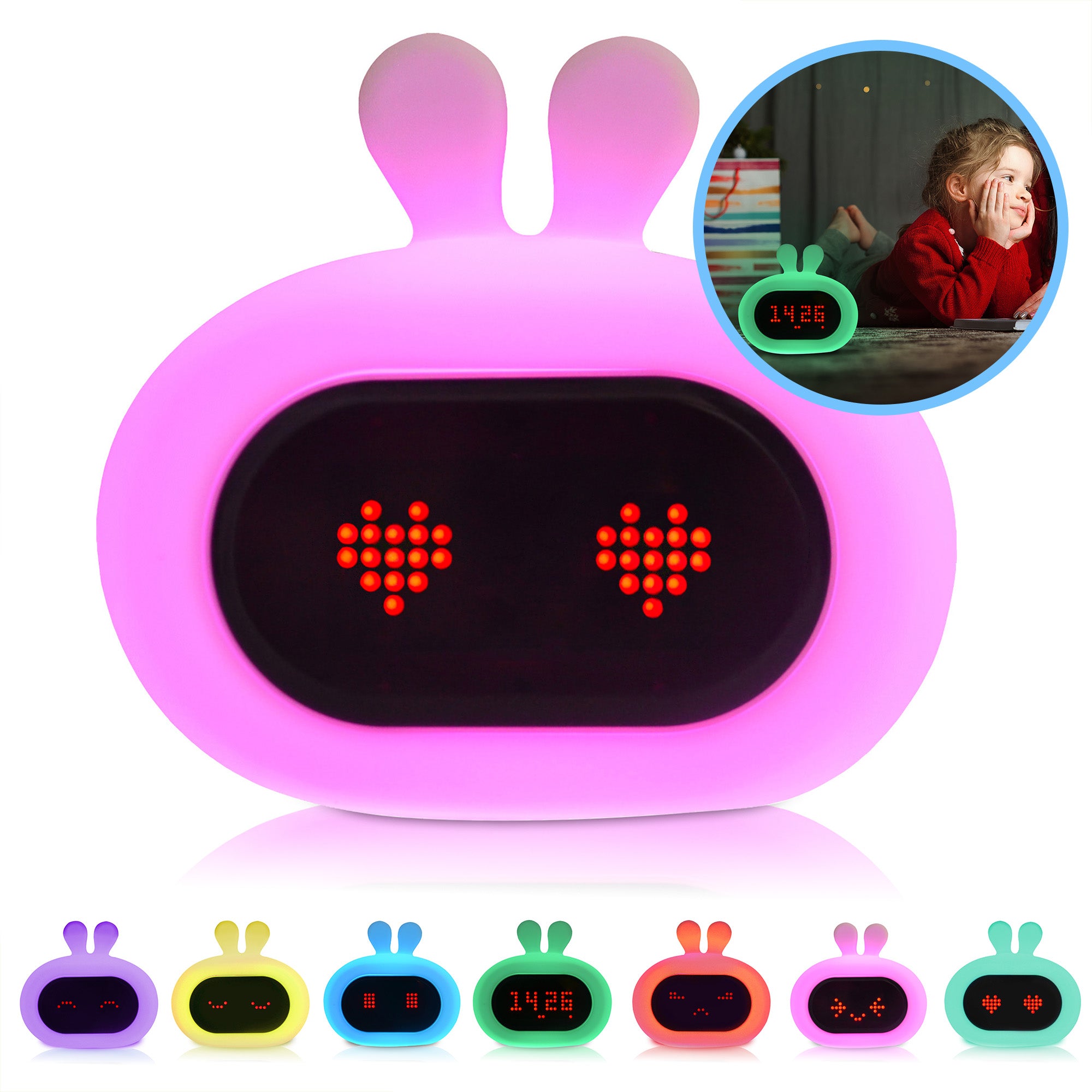
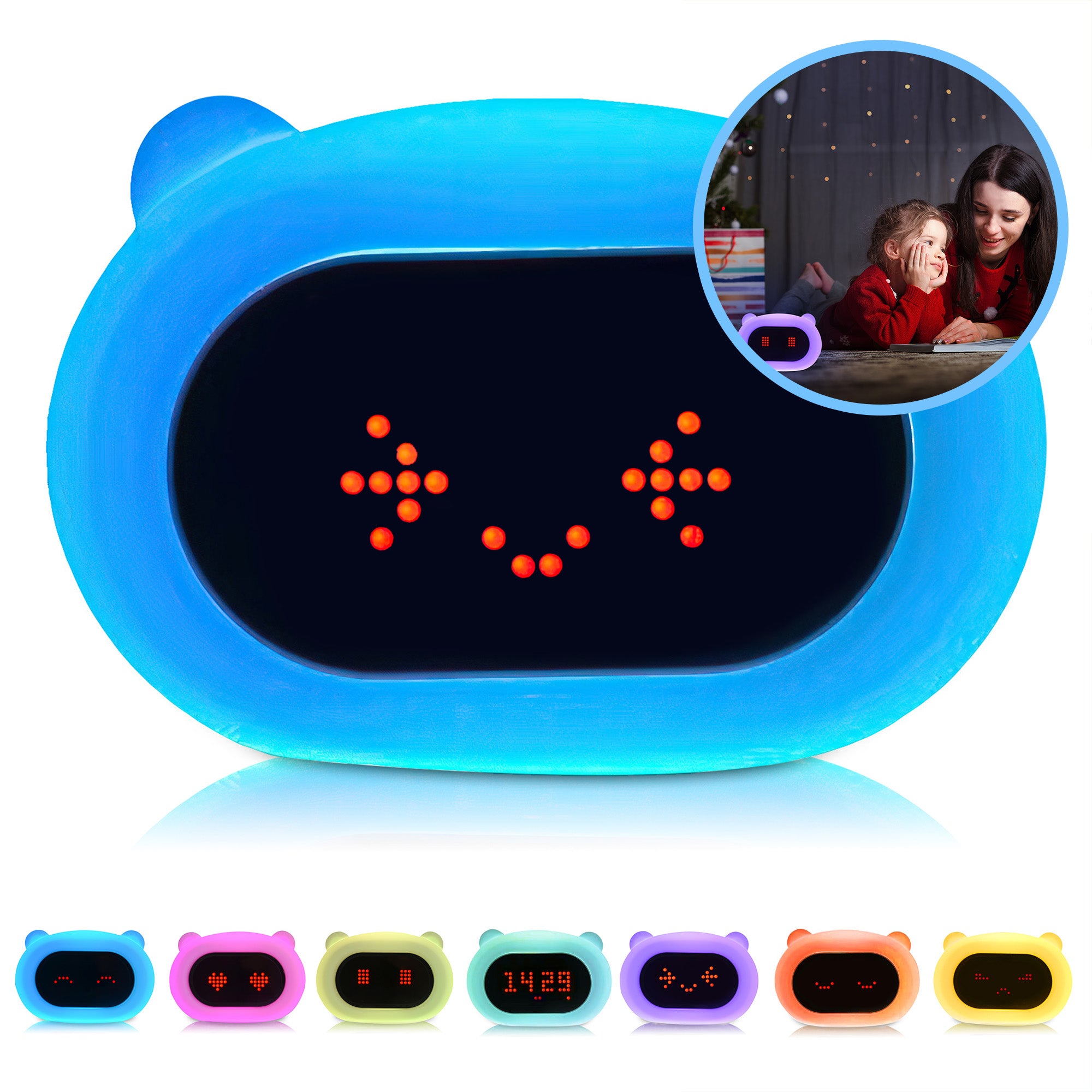
Not everything that helps with calming down is classic play equipment. A soft night light or a familiar part of the bedtime routine can also contribute to calm. Especially at the end of the day, when many children only then show how many impressions they have taken in.
When toys do not help
Sometimes the first instinct is to offer something straight away. Yet that does not always work. If a child is already completely overwhelmed, even well-meant toys can be too much. In that case, closeness often helps more than activity. Sitting together, dimming the light, speaking little, and waiting until there is space again.
Timing is also important. A child who is overwhelmed after school or daycare may first need silence, something to eat, or time alone. Only after that can toys become supportive. Forcing calm with a “calming” toy rarely works.
How to create a calm play corner at home
You do not need to redesign an entire room to bring more calm. Often, a small fixed spot already makes a difference. A basket with a few familiar items, a soft rug, dimmed light, and little visual clutter can together create a safe corner that a child learns to go to independently.
Do not place everything you have there, but choose intentionally. For example, a cuddly toy, a simple wooden toy, a sensory item, and something for a calm evening moment. By keeping that corner clear and simple, it remains genuinely soothing.
For many families, it helps to use this place not only when a child is upset, but also preventively. A moment to land after school, after visitors, or before bedtime. This way, calm becomes something familiar instead of an emergency solution.
Toys for overstimulation in children by age
Age matters, although it does not say everything. Young babies mainly benefit from simplicity, contrast that is not too strong, and materials that feel soft and safe. Toddlers more often seek movement, repetition, and doing things themselves. Preschoolers may already need more pretend play or their own calming ritual, but even then simplicity often remains the key.
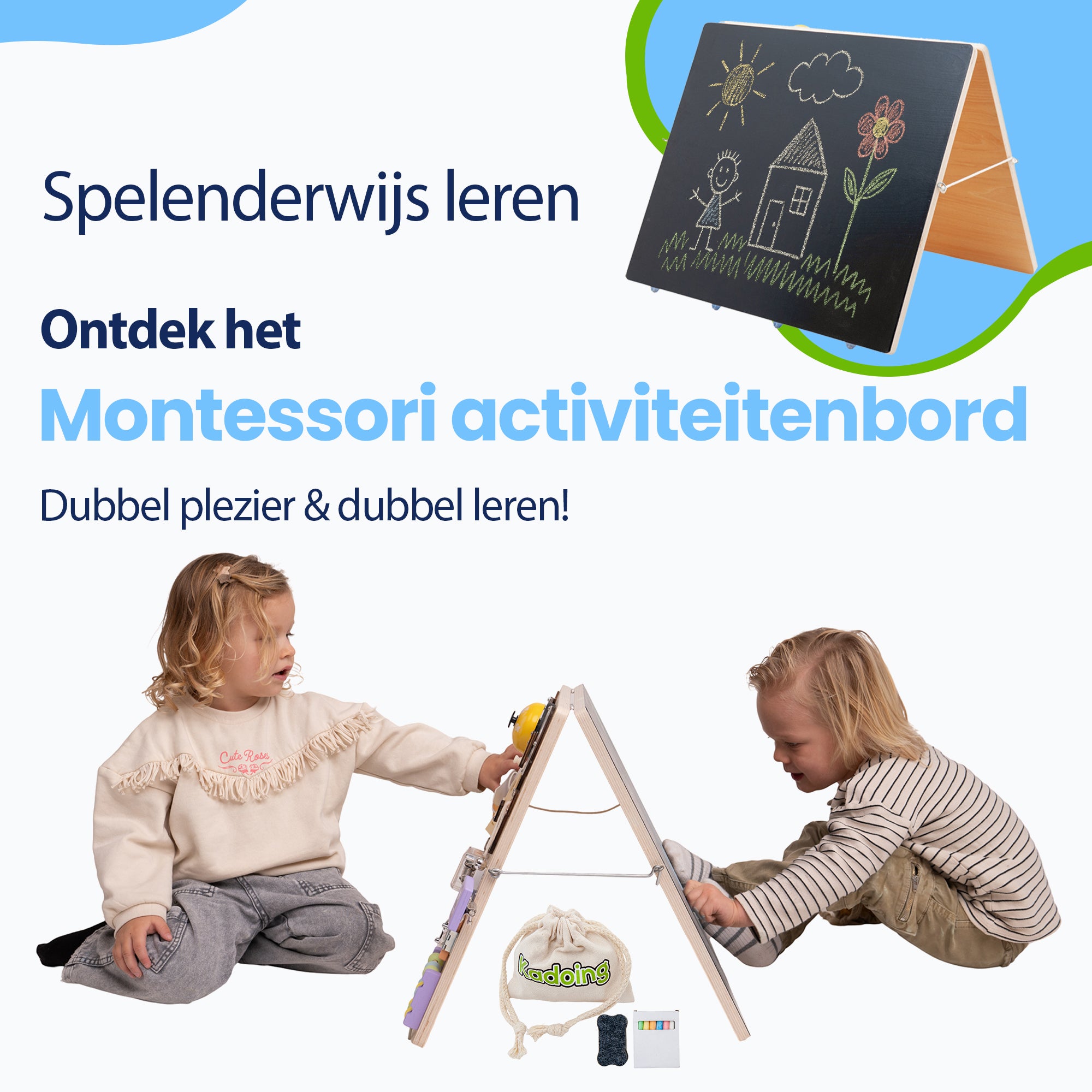
For a toddler, a Montessori activity board can be very pleasant because the actions are clear. For a preschooler, a combination of a cuddly toy, soft light, and calm music play may work better. It is less about the category and more about the question: does this help my child switch off, or does it add more stimulation?
Choosing sustainably is also choosing calmly
For many parents, it feels natural to choose calm materials for calm moments. Sustainable toys made from wood, cotton, or other sturdy materials often have a softer appearance and last longer. That is not only nice for later, but also for now. Less waste, less clutter, fewer stimuli.
Sustainable toys also often invite slower play. No overload of effects, but attention to touching, discovering, and repeating. That fits especially well with children who benefit from structure and comfort in their play environment.
How do you know you have chosen well?
The right toy is usually not recognised by loud excitement, but by relaxation. A child who breathes more calmly, plays more quietly, stays engaged with something for longer, or naturally seeks contact again often shows that the toy fits the moment.
Sometimes something works well for weeks and then less so. That is normal. Needs change with age, phase, and situation. So keep observing without being too hard on yourself. You do not have to find the perfect solution. It often already helps enormously to make a few conscious choices at home that support safety and calm.
At Kadoing, we believe toys should make everyday family life lighter. Not busier, not more complicated, but softer and more manageable.
Calm often starts small
Toys for overstimulation in children do not have to be spectacular. It is often the quiet, simple things that make the biggest difference. A familiar cuddly toy, a calm sound, something pleasant in small hands - these do not give a child extra stimulation, but a place to catch their breath again.
And sometimes that is exactly what a busy day needs.