Most parents know the situation: it’s still early, you would love to sleep a little longer, but your child is already standing next to your bed. That is often when the question comes up: how do you use a sleep trainer in a way that actually helps? The short answer is simple: calmly, consistently, and in a way that matches your child’s age. A sleep trainer usually works best as part of a predictable routine, not as a standalone solution that changes everything overnight.
How do you use a sleep trainer in the beginning?
The start often determines whether a sleep trainer feels comfortable and reassuring to your child. So don’t make it too complicated. First, calmly explain what the device does. With young children, simple language works best: when the light or character is sleeping, it is still rest time. When it wakes up or changes color, you may get up.
Let your child become familiar with the sleep trainer during the day. Turn it on together, point out the colors or symbols, and practice through play. It may seem like a small thing, but it helps. For a toddler, a sleep trainer is not a clock but a visual tool. The more concrete you make it, the easier it becomes to understand.
During the first few days, choose a wake-up time that is realistic. If your child normally wakes up at 6:00 a.m., setting the trainer for 7:30 a.m. is often too ambitious. Start with 6:15 or 6:30 a.m. instead. This helps prevent frustration. A sleep trainer is not a button that instantly shifts sleep patterns; it is a tool that provides structure, clarity, and reassurance.
What exactly does a sleep trainer do?
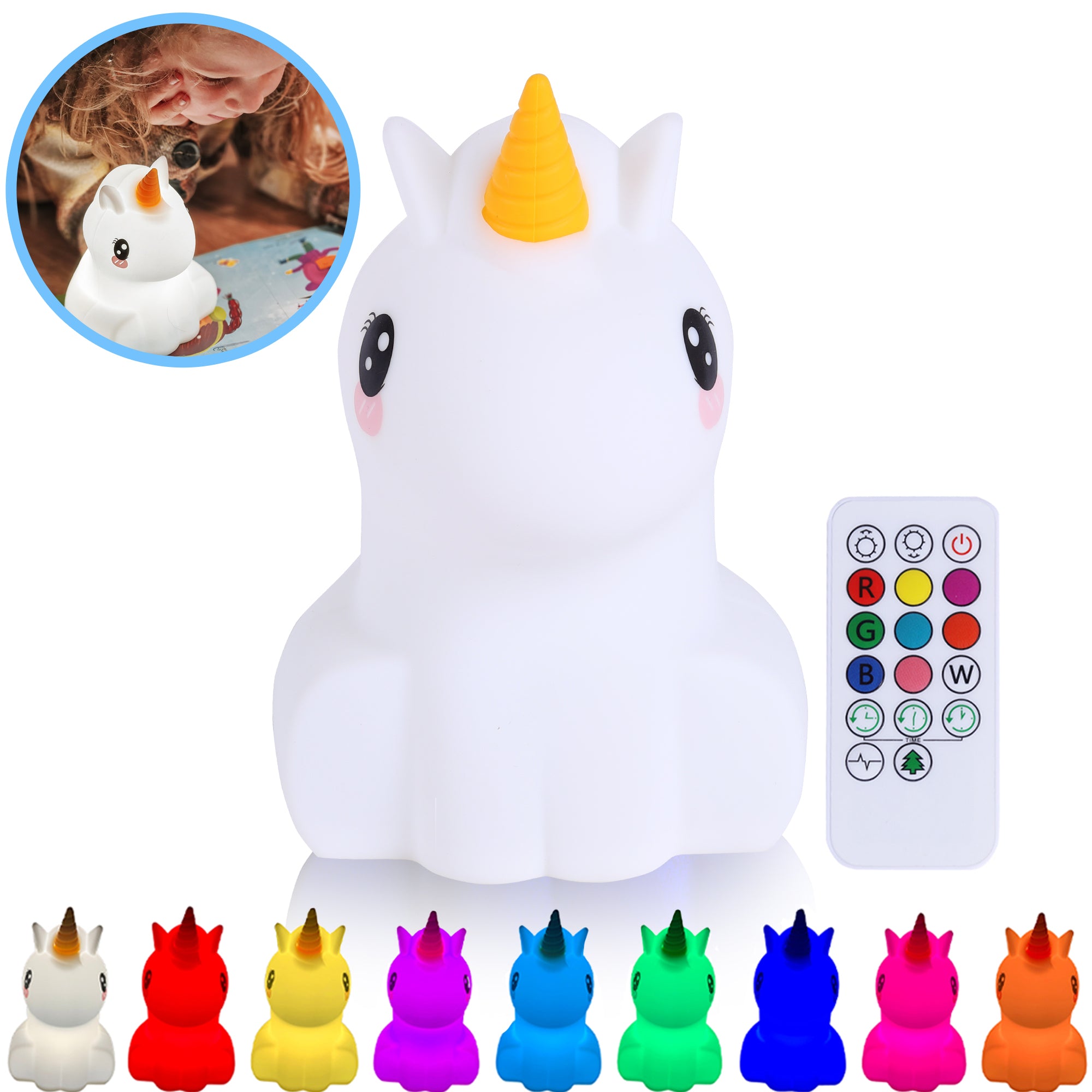
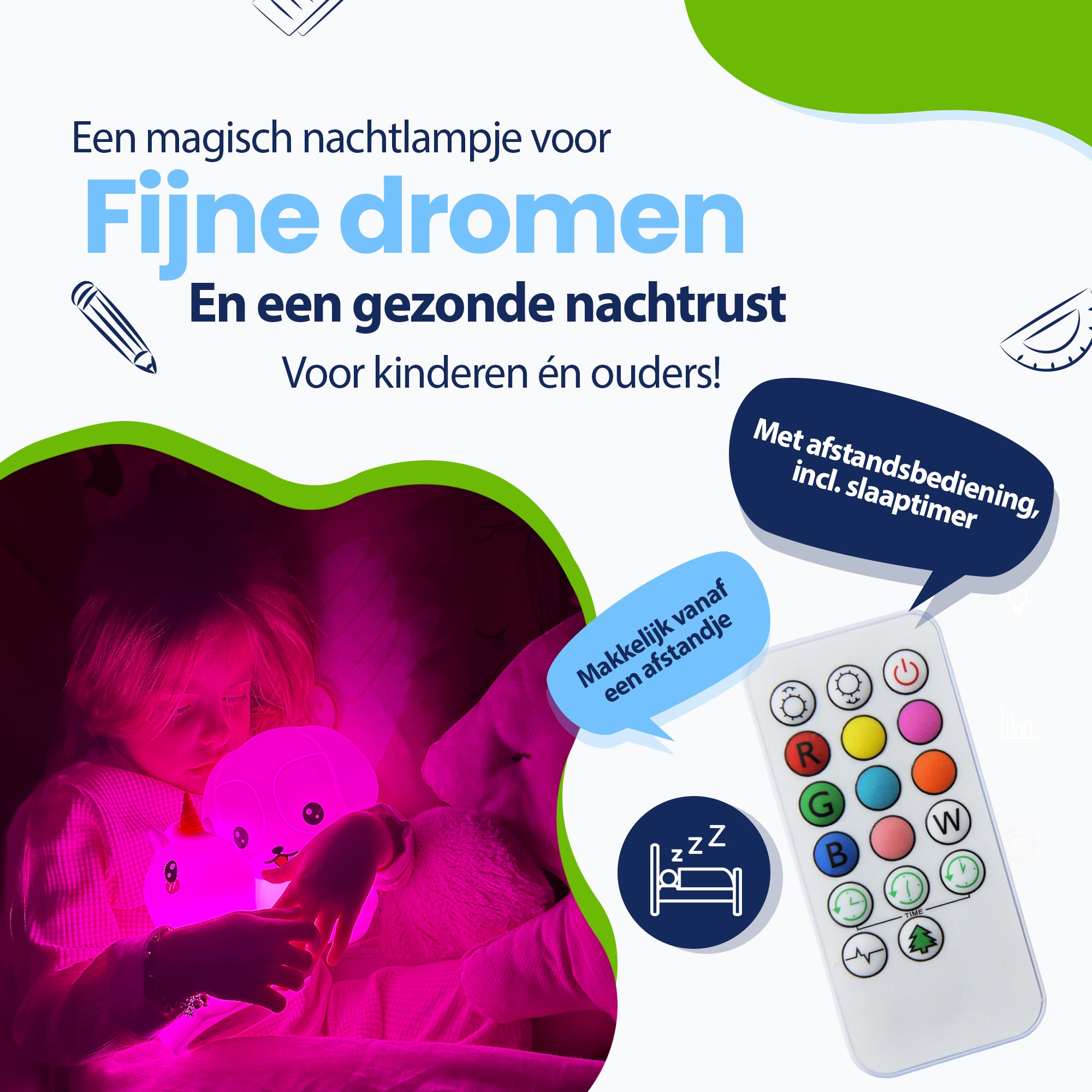
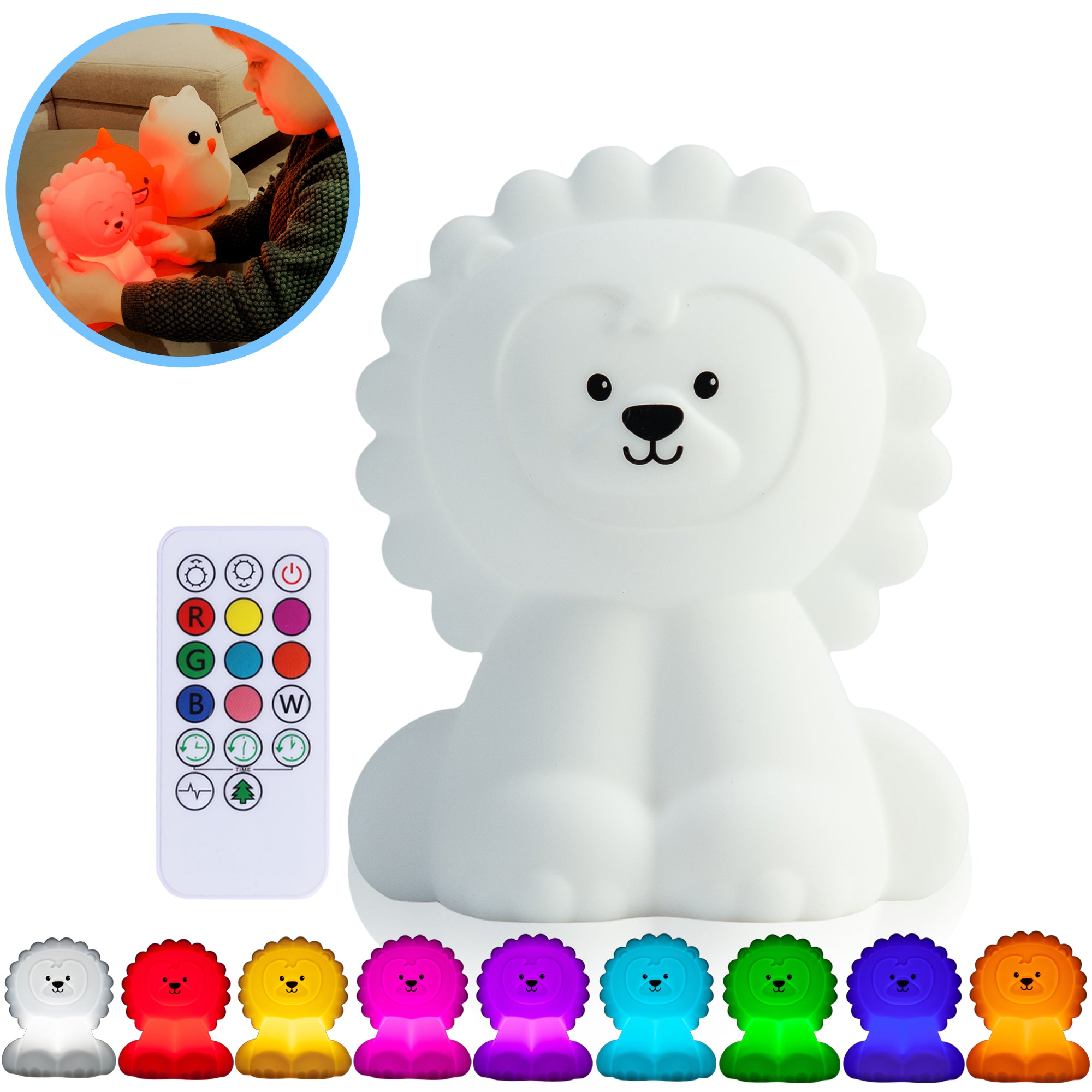
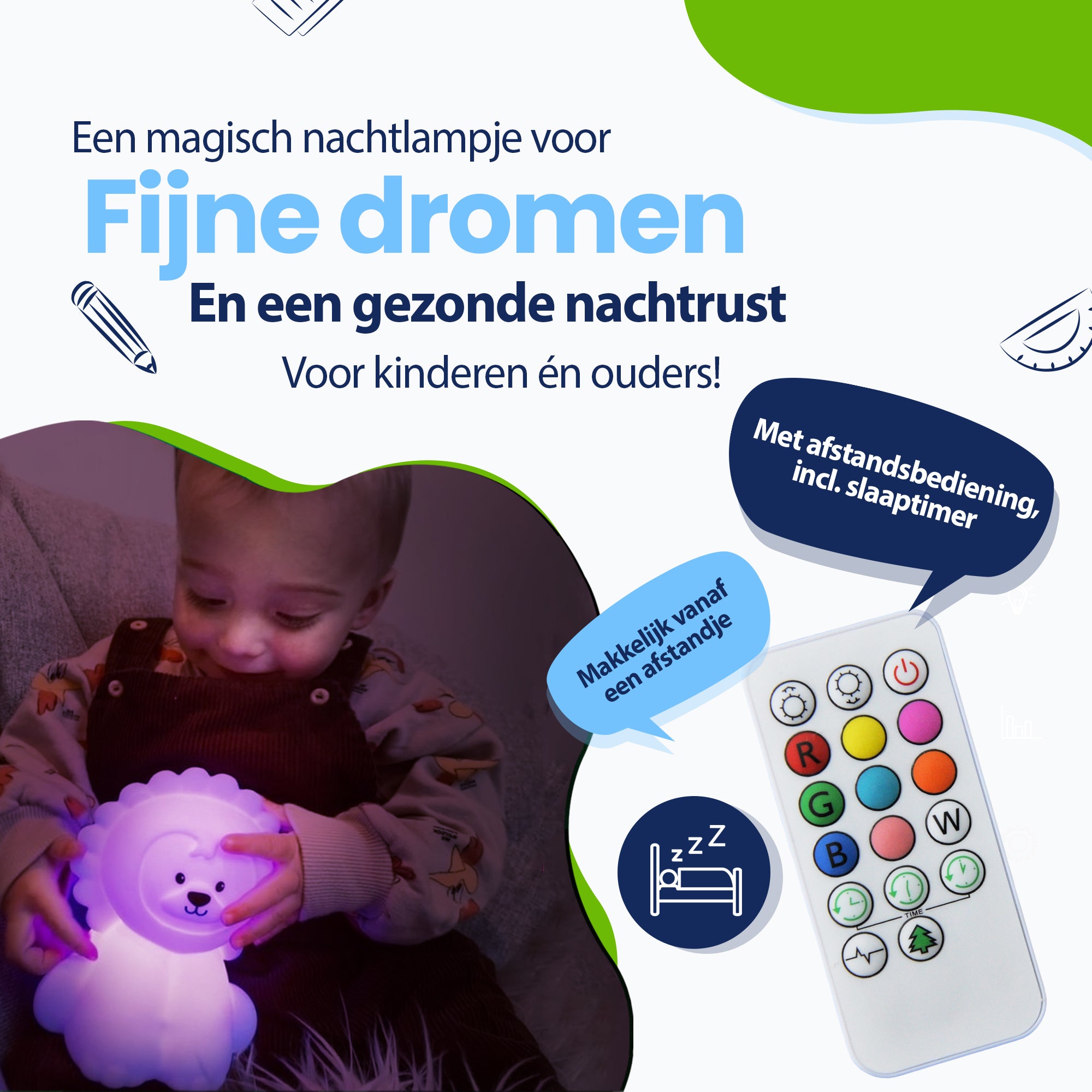
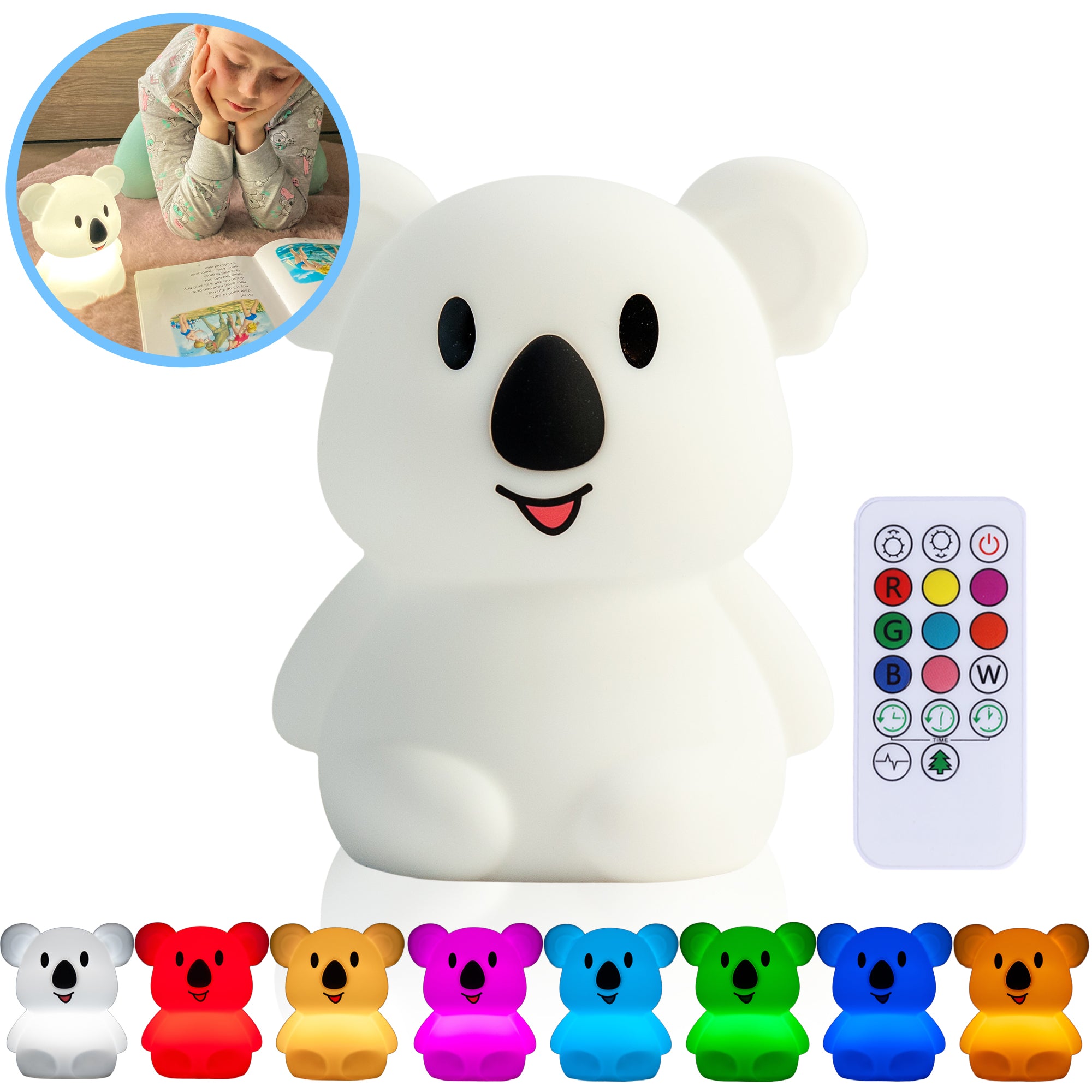
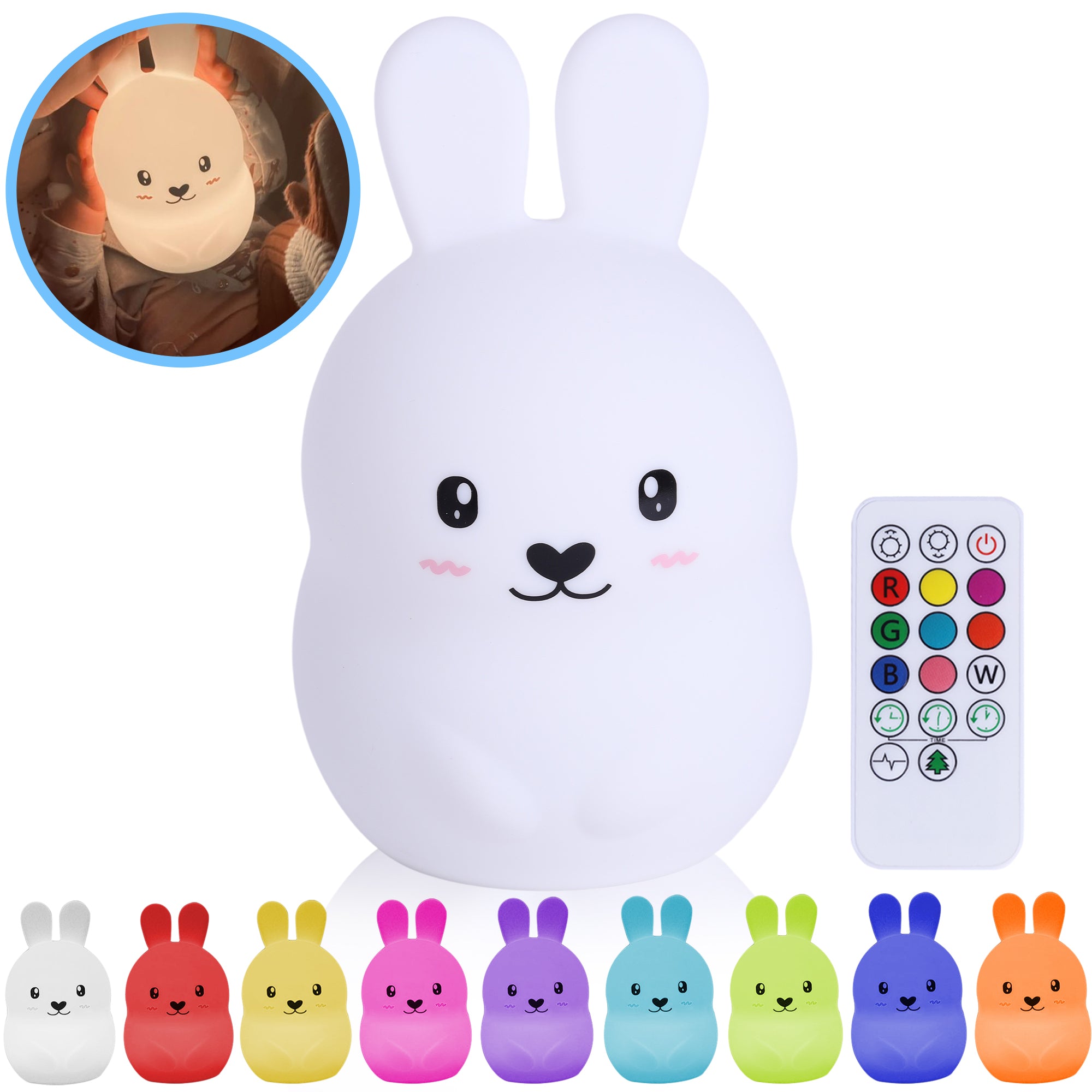
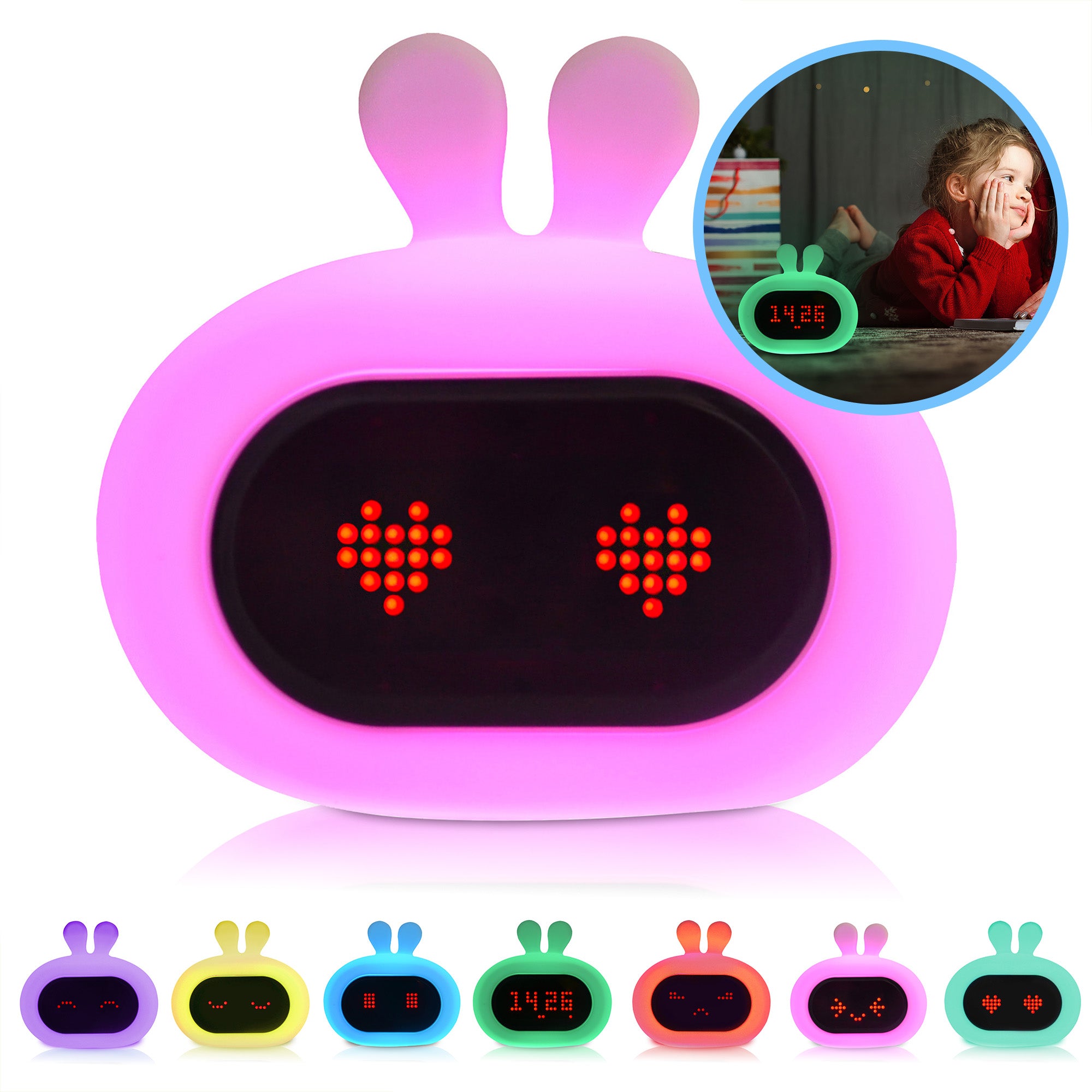
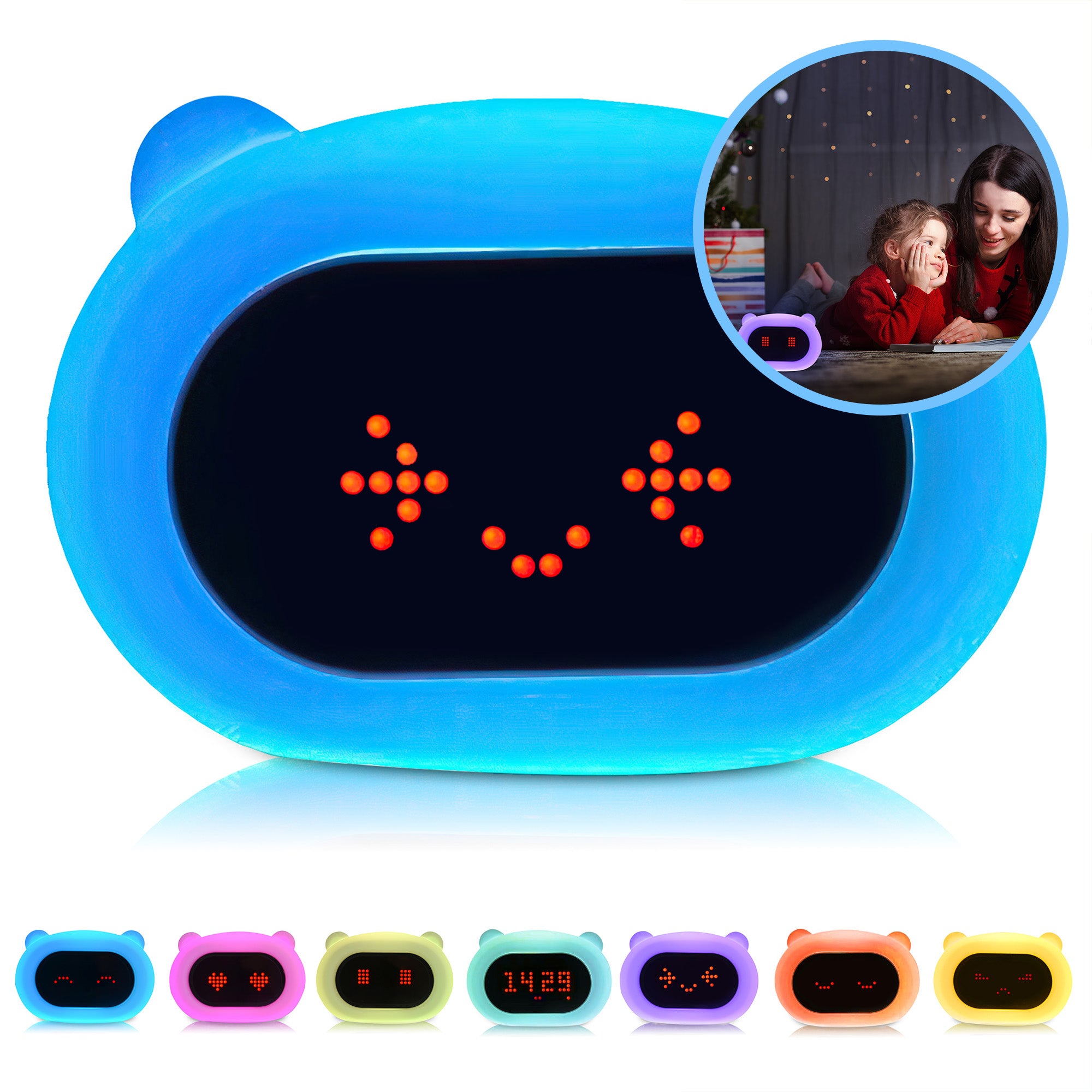
A sleep trainer gives your child a clear signal for sleeping, resting, and getting up. It may use colors, lights, faces, or symbols such as the moon and sun. Young children often understand these visual cues much faster than a specific time shown on a regular clock.
That is also where its strength lies. Children benefit from predictability. When the same signal appears every morning, it becomes familiar. This creates a sense of security, especially for children who wake up early or struggle to understand when the day has truly begun.
However, it is important to stay realistic. A sleep trainer mainly teaches a child when it is time to stay in bed or play quietly. It does not automatically make a child sleep longer. Some children learn this quickly, while others need more repetition and practice.
Choosing the right times
A common mistake is setting the sleep trainer to a time that mainly suits the parents. While understandable, it only works if it also fits your child’s natural rhythm. Start by observing your child’s routine for a few days. What time do they usually wake up? How does nap time go? And what time do they normally go to bed?
For toddlers and preschoolers, small changes are often more effective than large ones. If you want to move wake-up time from 6:00 a.m. to 6:30 a.m., gradually work towards it instead of immediately switching to 7:00 a.m. The same applies to bedtime. A sleep trainer can also indicate when it is time to go to bed, but this works best when there is already a familiar bedtime routine in place.
If your child still takes an afternoon nap, you may sometimes use the sleep trainer for that as well. Not every child responds in the same way. For some children, it provides extra structure, while for others one use per day is enough. Pay attention to what works best for your family’s routine.
Making the sleep trainer part of the routine
A sleep trainer works best when it becomes part of a consistent sequence of activities. Think about tidying up, putting on pajamas, brushing teeth, reading a story, grabbing a favorite stuffed animal, and then checking the sleep trainer together. This turns the device into a familiar part of bedtime rather than just another object in the room.
Keep your explanation the same every day. For example: “Now the sleep light is going to sleep, and when it wakes up, you can get up too.” This repetition is more helpful than constantly creating new explanations. Children learn through routine, tone of voice, and predictability.
The same applies in the morning. If your child wakes up too early, respond calmly and consistently. Point to the sleep trainer and keep the interaction simple. This can be difficult when you are tired, but it is important. If one morning you insist on following the rule and the next morning you immediately allow your child out of bed, the message becomes unclear.
What if your child still gets up too early?
This happens frequently in the beginning. And honestly, it can still happen from time to time afterward. It does not automatically mean that the sleep trainer is not working. Your child is learning a new skill, and that takes time.
First, try to look at what exactly is happening. Does your child wake up and immediately call for you? Do they get out of bed and come to your room? Or do they stay in bed but become restless? These differences matter. A child who cannot yet wait independently often needs more support than just a light that changes color.
You can agree on what is allowed before the wake-up signal appears. For example, cuddling a stuffed animal, looking at a picture book, or resting quietly in bed. For some children, this makes waiting much easier. The goal is not always to sleep until the set time right away, but to learn how to calmly handle the time before getting up.
Give compliments when it goes well, even if it is only for a few minutes. Keep it warm and genuine rather than overly enthusiastic. Children quickly notice when they have succeeded at something, and this helps build confidence.
How do you use a sleep trainer at different ages?
For younger toddlers, simplicity works best. One clear signal is often enough. Too many colors, times, or functions can become confusing. A recognizable sleep and wake-up symbol is usually sufficient.
Preschoolers often understand more. You can explain the purpose more clearly and talk about why waiting is sometimes necessary. Even so, it is wise to keep things visual. A child who can already count or understands clock times may still struggle with those concepts early in the morning.
For older children, a sleep trainer can help encourage independence. They often enjoy being able to see for themselves when it is morning instead of needing to call for a parent. At that stage, the trainer shifts from being mainly about boundaries to supporting self-management.
Common mistakes you can easily avoid
The biggest mistake is expecting results too quickly. A sleep trainer usually works better after days or weeks of repetition than after a single night. That is completely normal.
Unclear rules can also make things more difficult. If your child has to wait for the signal on weekdays but is suddenly allowed out of bed much earlier every weekend, that can be confusing. Of course, not every day has to be exactly the same, but a consistent foundation helps.
Another mistake is using a sleep trainer without emotional support. Some children find waiting difficult or feel alone in the dark. In those cases, a technical solution on its own is often less effective. It is the combination of structure, reassurance, and repetition that makes the difference.
Also pay attention to where the sleep trainer is placed in the room. It should be visible to your child but not distractingly bright. Soft lighting and a calm design generally work best in a relaxing sleep environment.
When do you notice that it is working?
Often, you will notice small signs before major changes. Your child may start asking whether the sleep trainer is awake yet. Or they may stay calm in bed a little longer in the morning. Perhaps bedtime becomes smoother because the routine has become familiar. These are valuable steps forward.
Sometimes the biggest difference is simply fewer discussions. For many families, that alone is a significant improvement. Not because everything becomes perfect, but because there is more clarity during a sensitive part of the day. That creates calm for both your child and yourself.
This idea fits perfectly with a brand like Kadoing: products for children should be soft, attractive, and enjoyable to use, but above all they should support everyday family life. That is where more room for meaningful family moments is created.
What does your child need from you?
Ultimately, a sleep trainer is not a replacement for your guidance. It is a tool that works best when you build trust, consistency, and calm around it. Children take many cues from your reactions. If you remain relaxed and predictable, the device feels safe and logical.
That does not mean you have to do everything perfectly. There will be mornings when you give in, times when you need to start again, and phases when your child suddenly begins waking up earlier once more. That is part of the process. Sleep patterns and routines naturally change with growth, development, and busy periods.
So try not to focus only on the device itself, but on the bigger picture. Is bedtime still appropriate? Is the room pleasantly dark and calm? Does your child have enough reassurance in the evening? The stronger the foundation, the easier it is for a sleep trainer to do its job.
Sometimes the best solution is surprisingly small: setting the wake-up time fifteen minutes later, giving a calmer explanation, or repeating the same sentence together every evening. It is precisely this small, loving repetition that transforms a sleep trainer from a gadget into a valuable support tool within your daily routine.