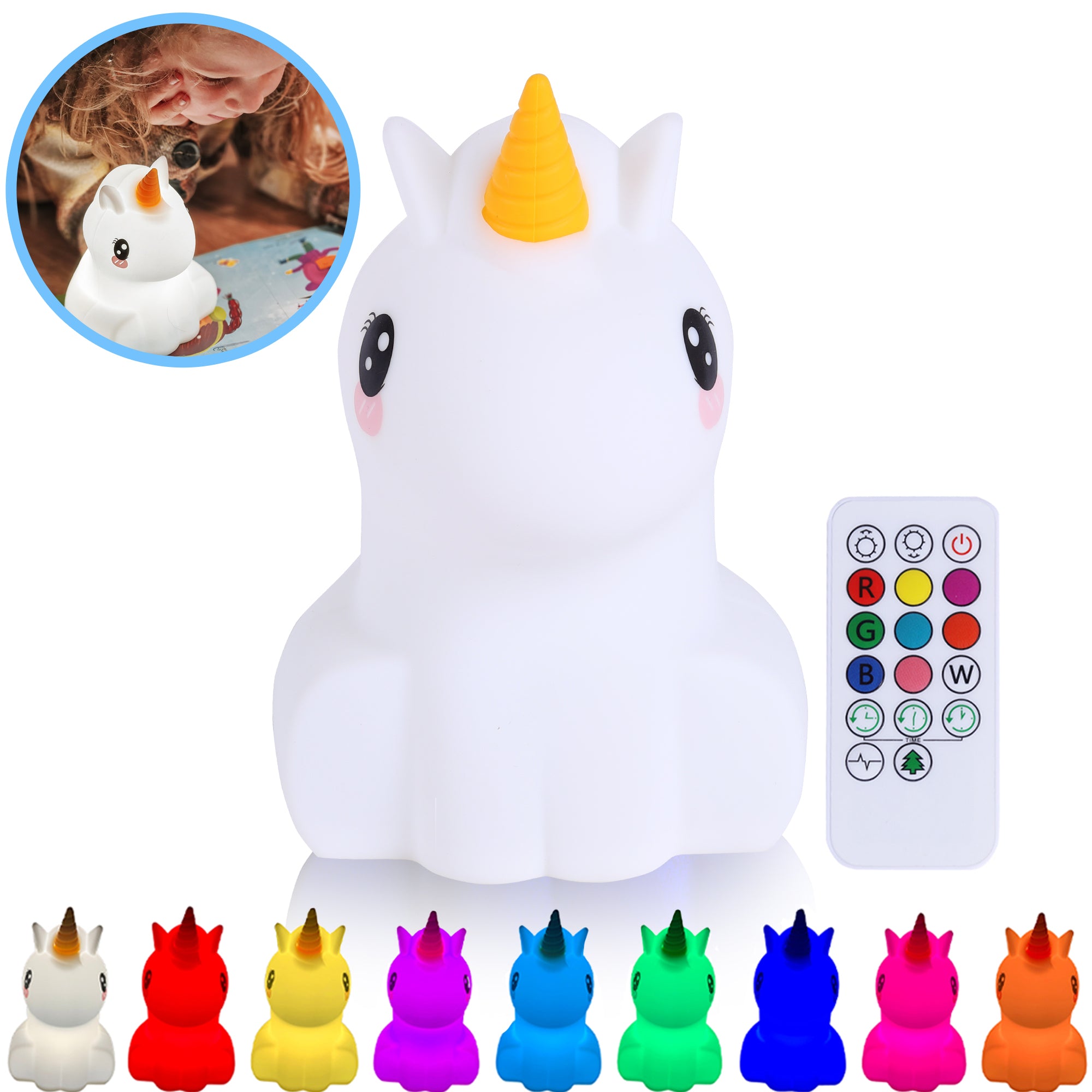
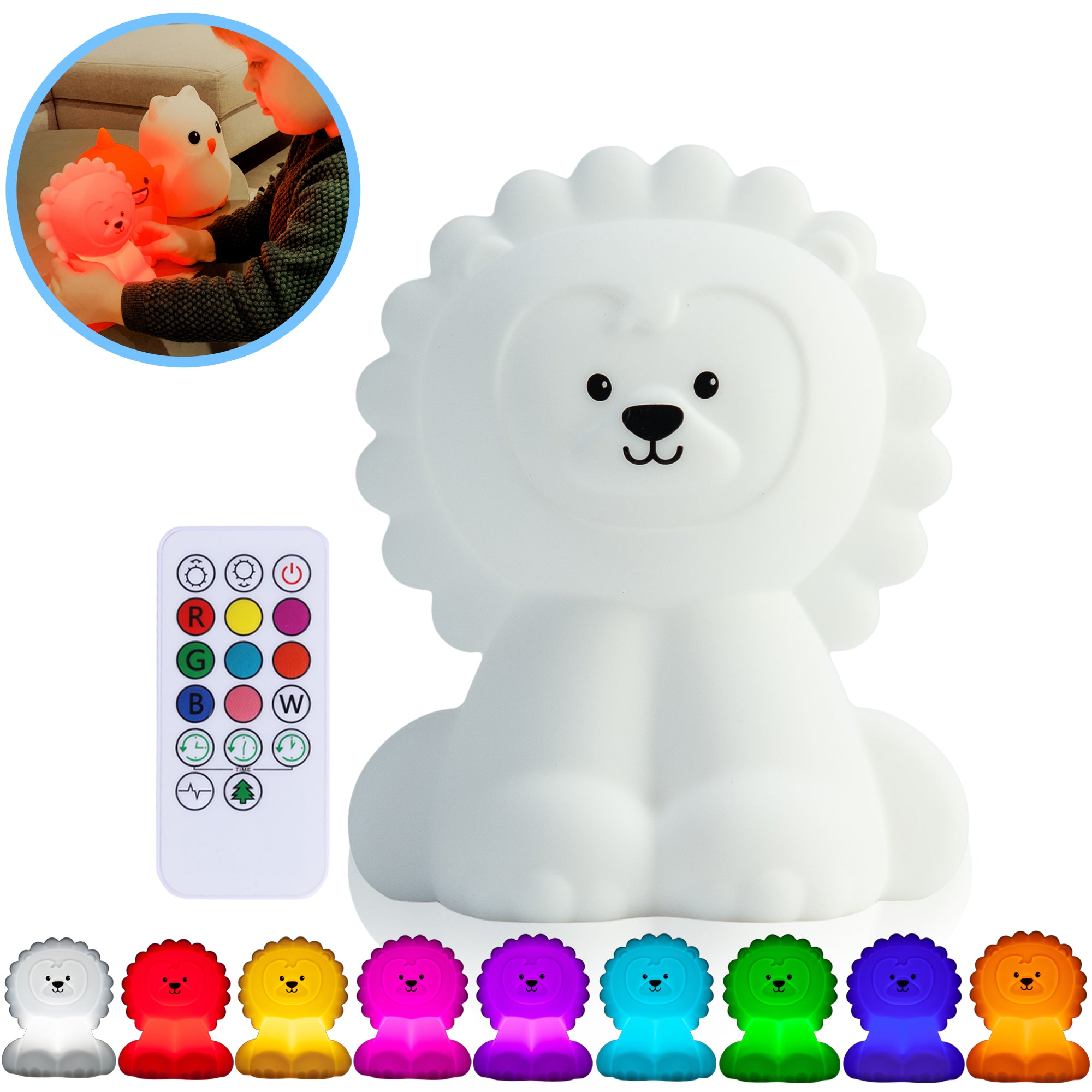
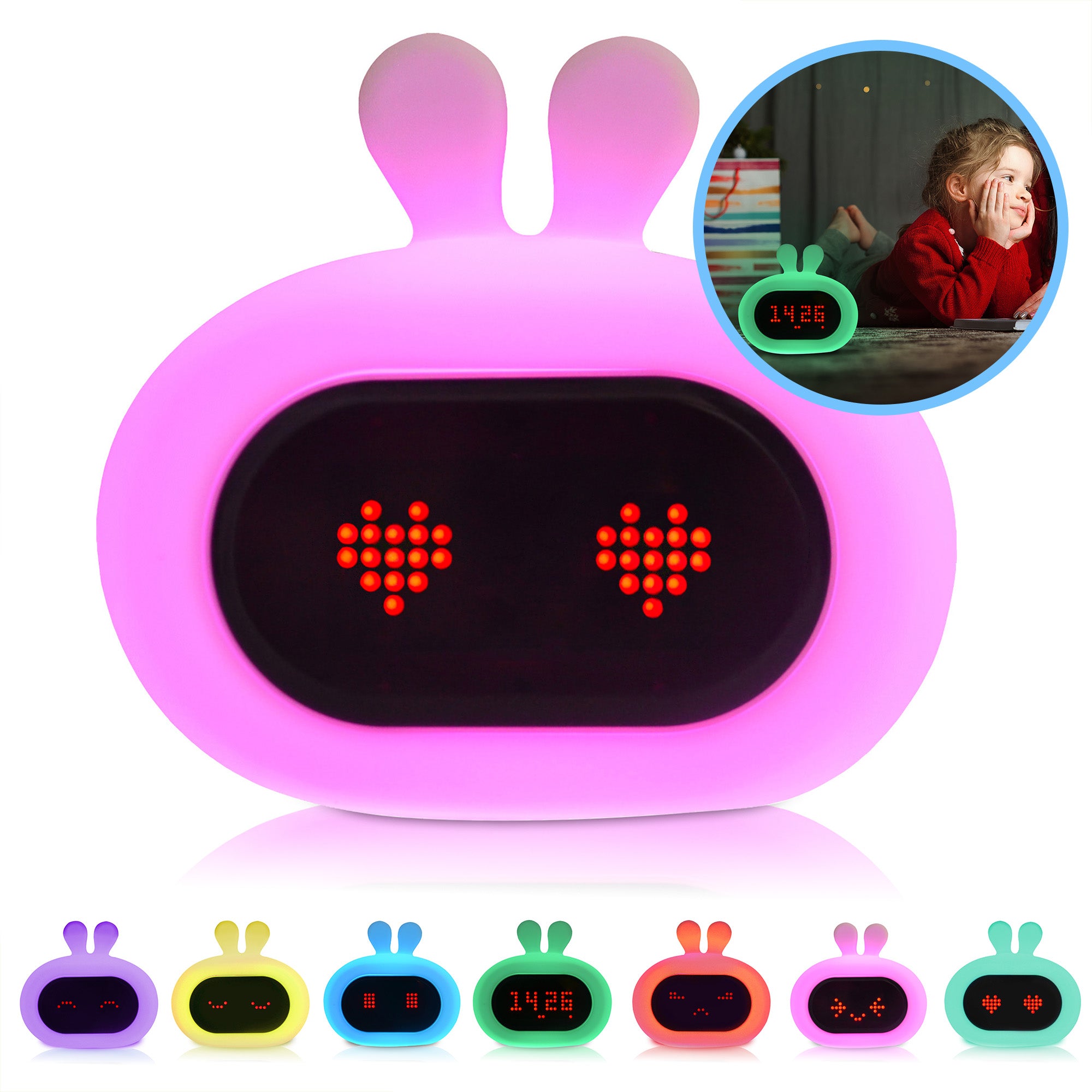
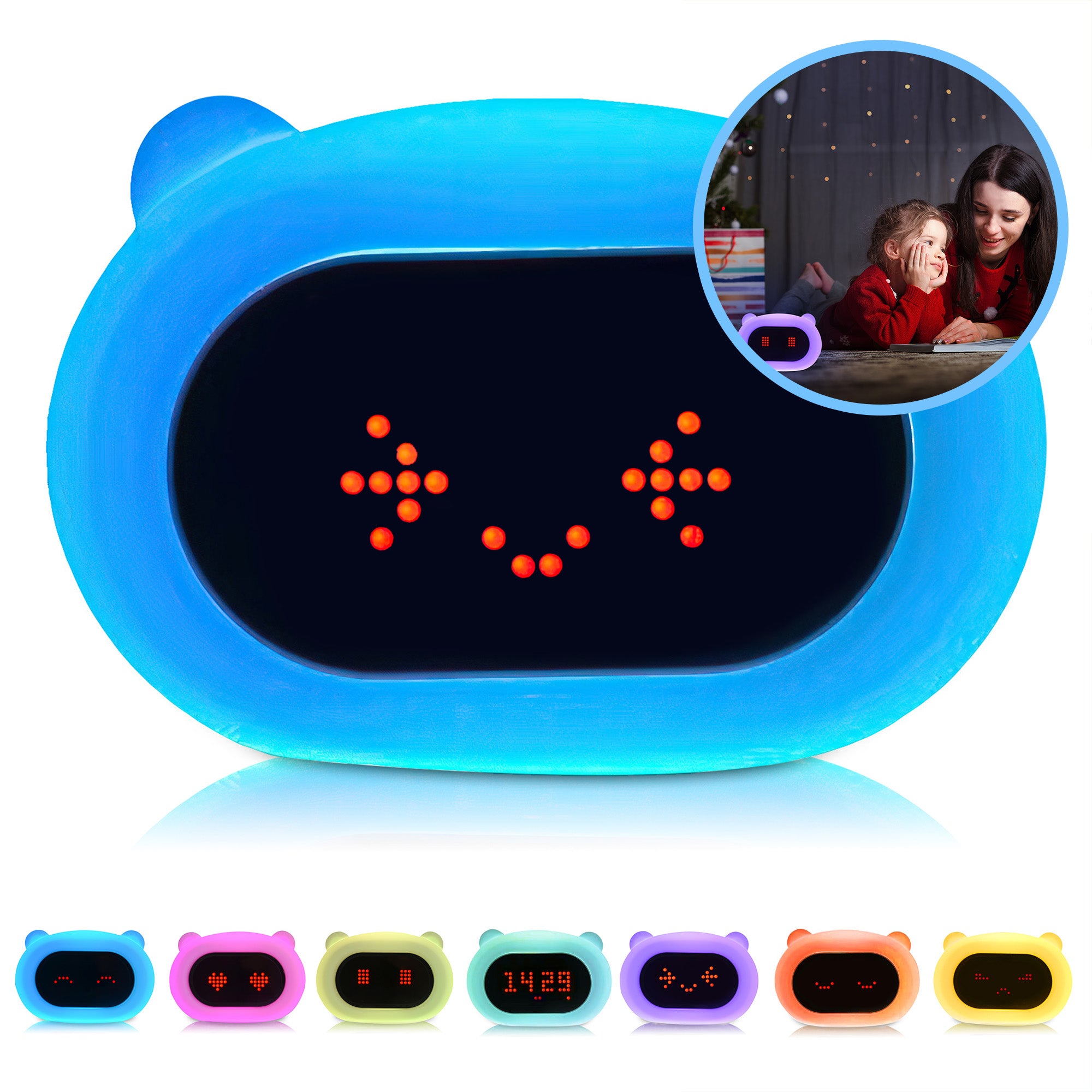
Standing next to your bed at 5:37 AM with a child who is completely ready for the day — many parents know the feeling. That is exactly when the same question comes up: how does a sleep trainer for children work? The short answer is simple: a sleep trainer makes time visible for young children, so they better understand when it is still sleep time and when the day really begins.
For toddlers and preschoolers, time is still something abstract. “Wait a little longer” sounds logical to adults, but for a three-year-old it means very little. A sleep trainer translates that invisible concept into something concrete, often using colors, lights, faces, or a sun and moon. This creates calmness, predictability, and less struggle in the early morning.
Sleep trainer for children: how does it work in practice?
A sleep trainer for children usually works with a simple signal. During the night or early morning, the clock may show a moon, red light, or sleeping face. That means: it is still time to stay in bed. At the set time, that signal changes into a sun, green light, or awake face. Then your child knows they are allowed to get up.
For adults, this may seem almost too simple to be effective. Yet that simplicity is exactly why it works so well. Young children respond more strongly to fixed visual signals than to clocks and times. They do not need to count minutes or understand numbers. They simply see: the moon is still on, so I stay in bed a little longer or play quietly.
With some models, you can also set nap times, use a night light, or activate an alarm sound. That can be helpful, but the most important thing stays the same: the sleep trainer gives a clear, repeatable signal that matches your child’s rhythm.
Why a regular clock is not enough
A regular alarm clock tells what time it is. A children’s sleep trainer tells what that moment means. That difference is huge.
A preschooler may recognize that the number 6 is on the clock, but they do not automatically know whether 6:00 AM is early, normal, or wake-up time. A sleep trainer immediately connects an action to it. Red means wait. Green means get up. This makes mornings less dependent on discussions and more based on a clear routine.
That helps not only children, but parents too. Less shouting from the bedroom, fewer negotiations at the side of the bed, and often a calmer start to the day. Especially for children who wake up early, need a lot of predictability, or struggle with sleep boundaries, this can make a big difference.
At what age does a sleep trainer work?
Usually, a sleep trainer works best from around 2.5 to 3 years old. Around that age, children begin to better understand cause and effect and recognize repeating patterns. They can then learn: if the light is still red, I stay in bed.
That does not mean it works at exactly the same age for every child. Some toddlers understand it quickly, while others only truly understand it around the age of four. That is completely normal. Temperament, language development, and sleep behavior all play a role.
With younger children, you can already introduce a sleep trainer as part of the bedtime routine, but do not expect independent morning behavior right away. At that stage, it mainly works as preparation for later.
How do you teach your child to use it?
Simply placing the sleep trainer in the room is not enough. The real benefit lies in how you introduce it. During the day, at a calm moment, explain what the signals mean. Keep it simple and concrete. For example: “When you see the moon, it is still sleep time. When you see the sun, you may call mommy or daddy.”
Practicing often works surprisingly well. You can play a little game together where your child shows what they do with red or green light. That way, it does not feel like a random new rule, but something familiar and safe.
During the first days, repetition is important. Does your child still wake up too early and stand next to your bed? Calmly guide them back to the agreement. Without punishment, without long explanations. Just friendly and clear: “Look, the moon is still on. It is still rest time.” That repetition makes the difference.
How long does it take before it works?
Sometimes you notice improvement within a few days. More often, it takes one to three weeks before a child truly gets used to the new routine. That depends on age, personality, and the reason your child wakes up early.
If your child wakes up early out of habit and immediately seeks contact, the sleep trainer can quickly provide structure. If there is fear of the dark, restless nights, or sleep deprivation, the clock is usually only part of the solution. In that case, it helps best in combination with a suitable bedtime, a calm evening routine, and enough comfort and security.
So do not expect a miracle solution. See it more as a friendly tool that creates structure. That is exactly why it works so well for many families.
When does a sleep trainer work less well?
A sleep trainer is useful, but not equally effective in every situation. If a child consistently gets too little sleep, they will often still wake up early — even with the best trainer. Their body mainly follows its own rhythm.
For children who are very sensitive to light or sound, it is smart to carefully look at the model you choose. A bright display or unexpected sound may actually create more restlessness. Some children also become frustrated if they understand the rule but still find waiting difficult. In that case, extra guidance is needed.
That does not mean it has failed. Usually, it simply means your child needs a little more time or the expectations need adjusting. Sometimes it helps to start with a realistic goal first, such as getting up at 6:15 instead of immediately aiming for 7:00.
Which features are really useful?
A night light can be comforting for children who need reassurance in the dark. A nap function is useful if your child still takes daytime naps. And an alarm sound can be helpful for older children, but for younger children the visual signal is often already enough.
Not every sleep trainer works with fixed colors such as red and green. Some models use a combination of light, sound, and visual signals instead. A gradually increasing wake-up light can create a natural transition into the morning, while friendly icons on the screen help children understand that the day has started.
Also pay attention to ease of use. If you constantly have to search through difficult settings as a parent, part of the calmness you are looking for in a bedtime routine disappears.
How does a sleep trainer help with early waking?
With early waking, a sleep trainer mainly works as both a boundary and reassurance. Your child no longer has to guess whether it is already morning. The signal removes that uncertainty. This can help a lot with children who immediately call for their parents as soon as they open their eyes.
At the same time, it is important to stay realistic: a sleep trainer does not always make a child sleep longer. Often, a child first learns how to wait more calmly until the set time. That alone is already valuable. Instead of sitting downstairs at 5:30 AM, your child may cuddle, rest, or quietly play in bed for a while longer.
And that is exactly where many families experience more breathing room. Not because everything suddenly becomes perfect, but because mornings become more predictable.
How to increase the chance of success
A sleep trainer works best when it is part of a broader sleep routine. A fixed evening structure — putting on pajamas, brushing teeth, reading a story, dimming the lights — gives children the security of recognition. The sleep trainer fits perfectly into that because it also provides the same clarity in the morning.
Also take your child’s rhythm into account. A toddler who goes to bed too late will not automatically wake up later. Overtiredness can actually lead to restless nights and early mornings. So always look at the bigger picture.
Rewards can help, as long as they stay light and simple. A sticker for waiting until the sun appears can be motivating. But often the biggest reward is the positive attention afterward: “Well done for waiting until your clock turned green.”
For many parents, a sleep trainer is so valuable because it does something small with a big effect. It makes expectations soft but clear. It helps children gradually become more independent in their sleep routine. And it gives families something they often really need: a calmer start to the day.
If you are looking for more calm around sleeping and waking up, a sleep trainer is not a strict rule in device form, but rather a friendly helper designed for children. That is what makes it fit so naturally into everyday family life — and often where more quality time together begins.
Still unsure at what age a sleep trainer works best? Also read: Sleep trainer for kids: when to start?
Looking for a sleep trainer that brings calmness and clarity?
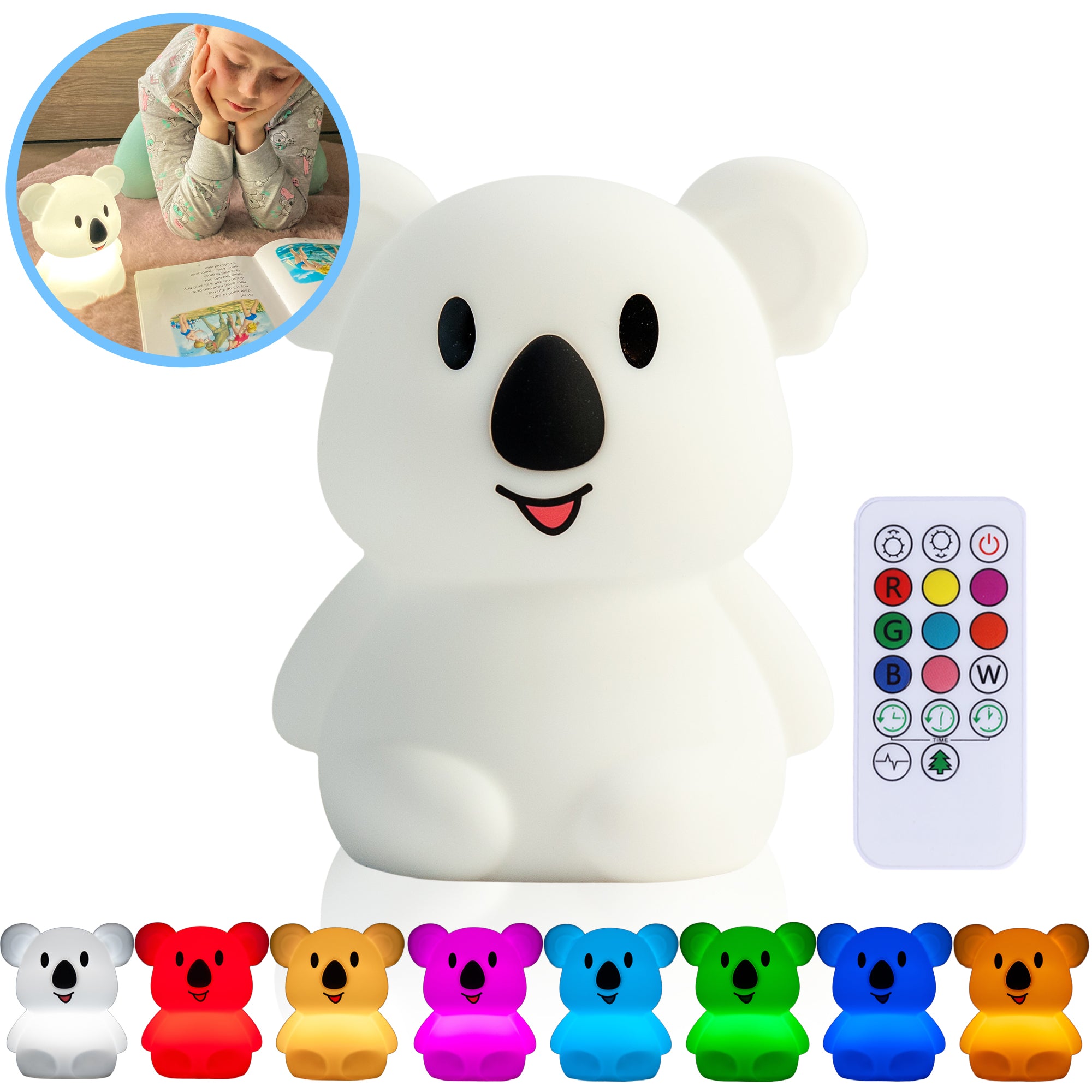
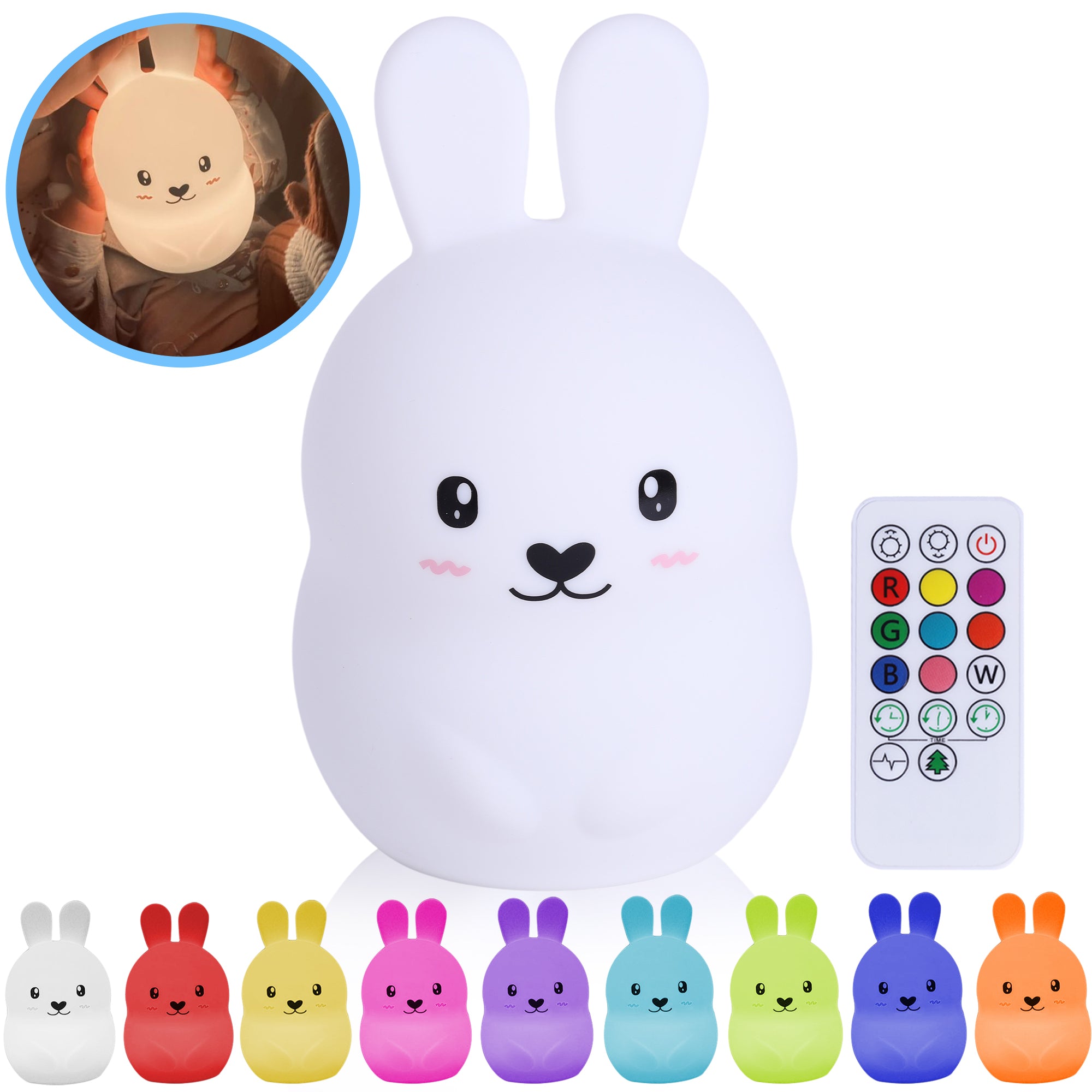
Take a look at the Kadoing sleep trainer for children with wake-up light and child-friendly signals for a calm start to the day.