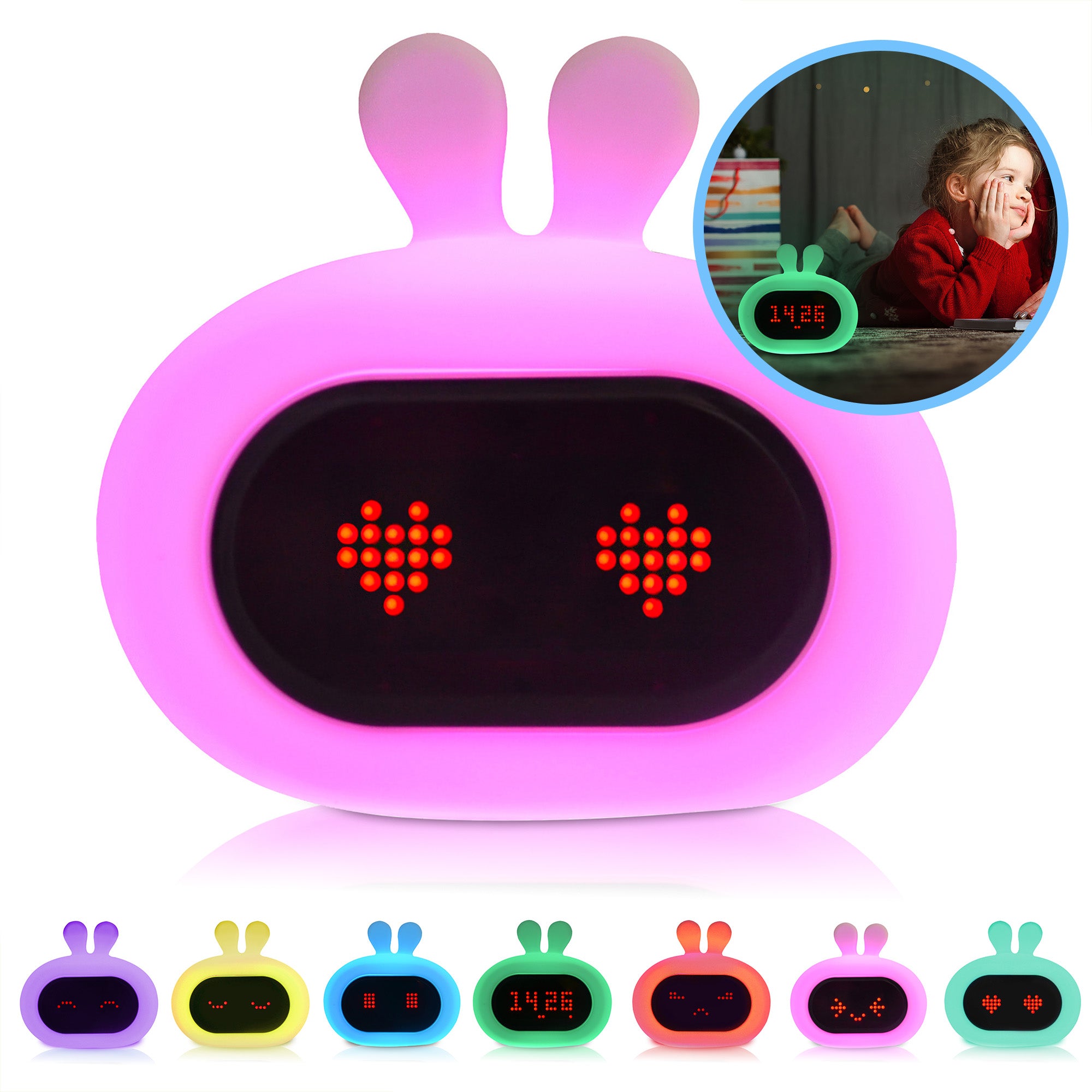
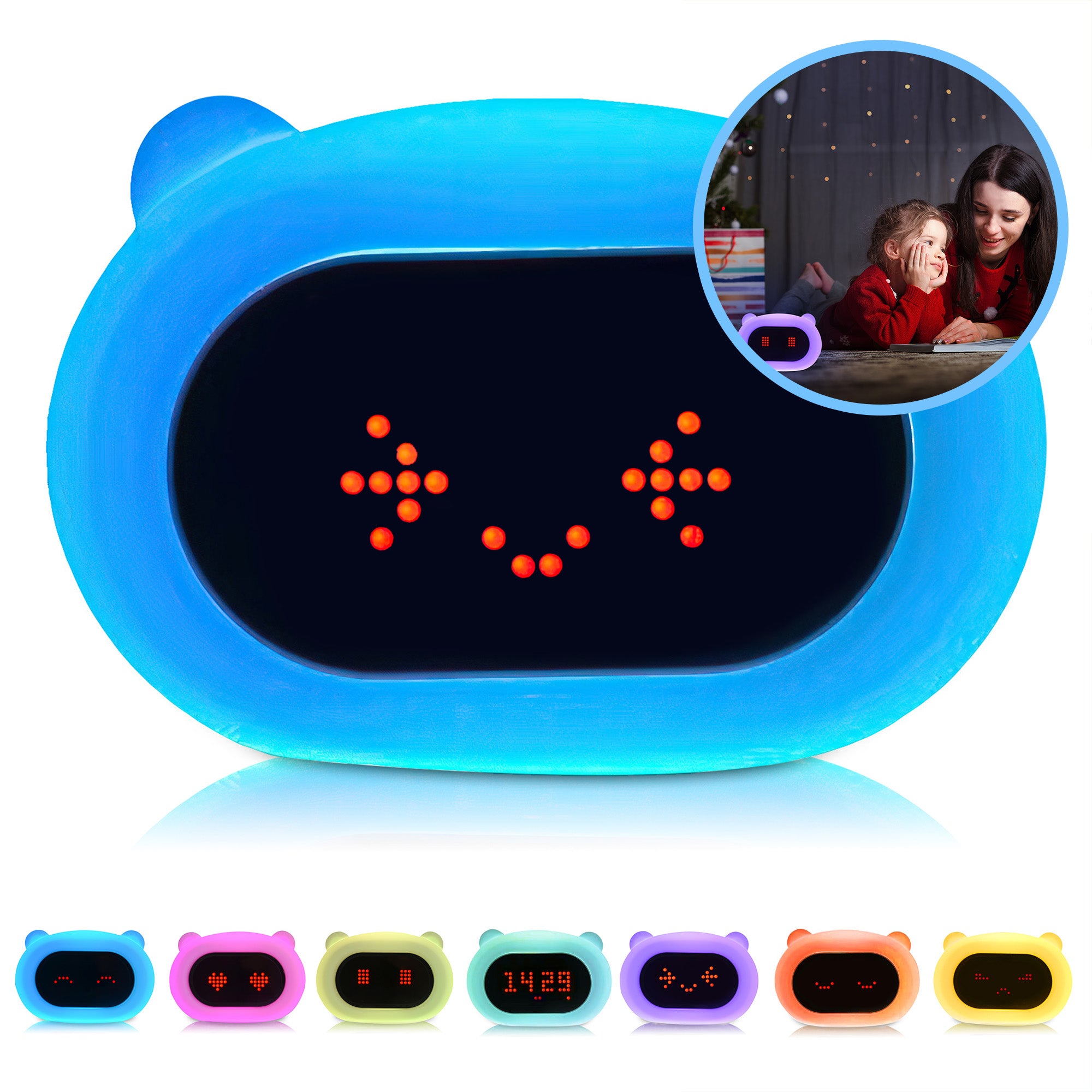
Some children don’t wake up because of a sound, but because of the silence. That’s exactly why a night light for fear of the dark can make a big difference. Not as a miracle cure, but as a small and familiar source of comfort that makes the bedroom feel softer, safer and more predictable.
Many parents will recognise this. Everything seems fine during the day, but as soon as the lights go out, the questions, tears or bedtime delays begin. A child who appears brave during the day can suddenly become afraid of shadows, unfamiliar corners or the feeling of being alone. This is completely normal. A child’s imagination often develops faster than their ability to put those feelings into perspective.
Why a night light can help with fear of the dark
Fear of the dark is often not just about darkness itself. More often, it is about what a child imagines might be hiding in the dark. A chair becomes a figure, a coat hanging on a hook suddenly looks frightening. Soft light does not always remove that uncertainty completely, but it makes shapes recognisable again. That brings reassurance.
A consistent source of light also helps with the transition from activity to sleep. With a small night light, the bedroom feels less dramatically different from the living room or hallway. For young children, that transition can be significant. A calm, warm glow helps the room remain familiar, even when it is time to let go of the day and fall asleep.
That does not mean brighter is always better. Too much light can actually make it harder to sleep. A good night light supports the bedtime routine without disrupting the sleep environment. The goal is reassurance, not extra stimulation.
What should you look for in a night light for fear of the dark?
Many parents first focus on appearance when choosing a night light. That makes sense, as it should look friendly and fit the style of the nursery or bedroom. However, the real value often lies in a few practical details.
Choose soft, warm light
Warm white or amber-coloured light usually feels calmer than cool, bright white light. Cool tones can appear harsher, especially in a dark room. For a sensitive child, a gentle glow is often more comforting. The night light does not need to illuminate the entire room. In fact, a subtle point of light often works better than a bright light source.
If you are choosing between different settings, dimmable brightness is helpful. What feels comfortable during story time may still be too bright for falling asleep. Adjustable brightness allows you to find the level that works best for your child.
Consider ease of use in the evening
If a child feels afraid, the last thing you want is complicated buttons, apps or settings. A simple night light creates calm. Touch activation, a simple switch or automatic operation at a set time may be all you need. Especially in the evening, simplicity is valuable. Parents often need fewer tasks at bedtime, not more.
A timer can also be useful. Some children fall asleep easily with a light on but sleep better later in the night if the light switches off automatically. Other children benefit from a gentle glow that stays on all night. As always, it depends on your child’s age, personality and sensitivity.
Safety and materials matter
A night light is often placed close to the bed and handled regularly. That means it should be sturdy, child-friendly and safe to use. Materials should feel pleasant and free from sharp edges or fragile parts. Rechargeable models are practical for many families because they reduce the need for batteries and are easy to move around.
For parents who make conscious purchasing decisions, sustainability is also important. A product that lasts, stays attractive and can support a child through multiple stages of development often feels like a more reassuring purchase.
Not every child needs the same thing
While one child may be perfectly happy with a small light on a shelf, another may want something tangible close by. Age plays a role, but personality matters even more. Toddlers often seek visible reassurance. Preschoolers are more likely to struggle with imaginative fears and may become attached to a night light in a friendly shape. Older children sometimes prefer something more neutral so that it does not feel too babyish.
The cause of the anxiety also matters. Is it mainly the transition from a busy day to a quiet night? Then a calming bedtime routine combined with soft lighting is often the most effective approach. Is the child afraid after a nightmare or a stressful phase? In that case, closeness and reassurance are usually more helpful than a light alone. A night light supports, but does not replace attention and comfort.
That is perhaps the most important point. A night light does not solve everything. It works best as part of a calm and consistent bedtime routine.
Making the night light a familiar part of bedtime
A night light is most effective when used consistently. Instead of turning it on only when fear has already appeared, make it part of the regular bedtime routine. For example, after brushing teeth, during story time or just before the final cuddle. This turns the night light into a familiar signal that bedtime is beginning rather than an emergency solution.
You can also describe it in age-appropriate terms. For example: “This little light will keep watch while you sleep.” For young children, a simple image like this is often more effective than a long explanation about fear. It provides reassurance without making the fear seem bigger than it needs to be.
Some parents notice that their child enjoys turning the light on themselves. That small sense of control can be helpful. Especially for children who struggle to let go at bedtime, participating actively can increase confidence. They experience not only comfort, but also a sense of control.
Common choices that are often less effective
A common mistake is choosing a night light that is too stimulating. Projections, colour changes or music may seem attractive, but they can be distracting at bedtime. These features can be fun during playtime, but they do not always support sleep. Children who are sensitive to stimulation often benefit more from simplicity.
A light that is too bright is also often less helpful than parents expect. If the room remains almost as bright as it is during the day, it becomes harder to truly relax. The child can see everything, but does not receive a clear signal that it is time to sleep.
Another pitfall is constantly changing solutions. A night light on the bedside table one day, one in the hallway the next, and something completely different the following week. Children who experience anxiety often respond best to consistency. A fixed place and a fixed routine usually provide more comfort than constant experimentation.
Combining a night light with other calming tools
The best results often come when several small comforts work together. A night light, a favourite cuddly toy, a short bedtime song or a consistent reading moment can reinforce each other. Together they create a bedtime ritual built around familiarity and comfort rather than rushing through the evening.
For some families, a sleep trainer or children's alarm clock is also helpful, particularly if a child benefits from more clarity around bedtime and wake-up time. This adds not only comfort but also structure to the bedroom. That can create a greater sense of calm without feeling complicated.
A peaceful bedroom environment also helps. Less clutter, soft colours and an organised sleeping space make the room feel more predictable. It may sound like a small detail, but young children are highly sensitive to atmosphere. The calmer the environment, the easier it is for a night light to do its job.
How do you know you've chosen the right night light?
Not necessarily because your child falls asleep instantly without any difficulty. A better measure is often a reduction in bedtime tension. Less delaying, fewer questions about whether the door will stay open, and less concern about dark corners. Sometimes the signs are subtle: a child who relaxes more quickly during story time or no longer asks for the hallway light to stay on.
A well-chosen night light soon feels like a natural part of the evening. It becomes part of the routine without demanding attention. And that is often exactly what parents are looking for: something small that brings calm without making bedtime more complicated.
Parents who choose child-friendly design and practical simplicity often find that comfort and ease of use go hand in hand. That also reflects the way Kadoing approaches children's products: not just cute or attractive, but genuinely supportive during real family moments.
A child does not need to bravely conquer the night alone. Sometimes a soft glow, in the right place and at the right moment, is enough to make the darkness feel a little smaller.
Frequently asked questions about night lights for fear of the dark
Can a night light help with fear of the dark?
For many children, yes. A gentle light can make the bedroom feel more familiar and reduce anxiety around bedtime.
What colour light works best?
Warm white or amber-coloured light is generally considered more calming than cool white light.
Should a night light stay on all night?
That depends on the child. Some only need light while falling asleep, while others feel more comfortable if the light remains softly on throughout the night.
At what age is a night light suitable?
Many children benefit from a night light from toddler age onwards, especially when imagination develops and fear of the dark becomes more common.