A basket filled with soft fabrics, a wooden rattle, or an activity board can instantly spark a child's curiosity. But how do you introduce sensory toys without it becoming overwhelming? The answer rarely lies in having more toys. Starting gently, paying attention to your child's reactions, and playing together can help make discovering the toys a pleasant experience.
Sensory toys invite children to touch, look, listen, move, and sometimes explore using their mouths, offering various opportunities for discovery through play. At the same time, every child has their own pace and preferences;while one child might immediately want to touch buttons and different textures, another might prefer to watch from the safety of a lap first.
What makes sensory toys so valuable?
Young children learn not only through explanation but, above all, through experience. A smooth wooden surface, the soft sound of a bell, or opening a small door on an activity board invites them to touch, listen, and experiment. In doing so, a child can discover that their own actions cause something to move, open, or make a sound.
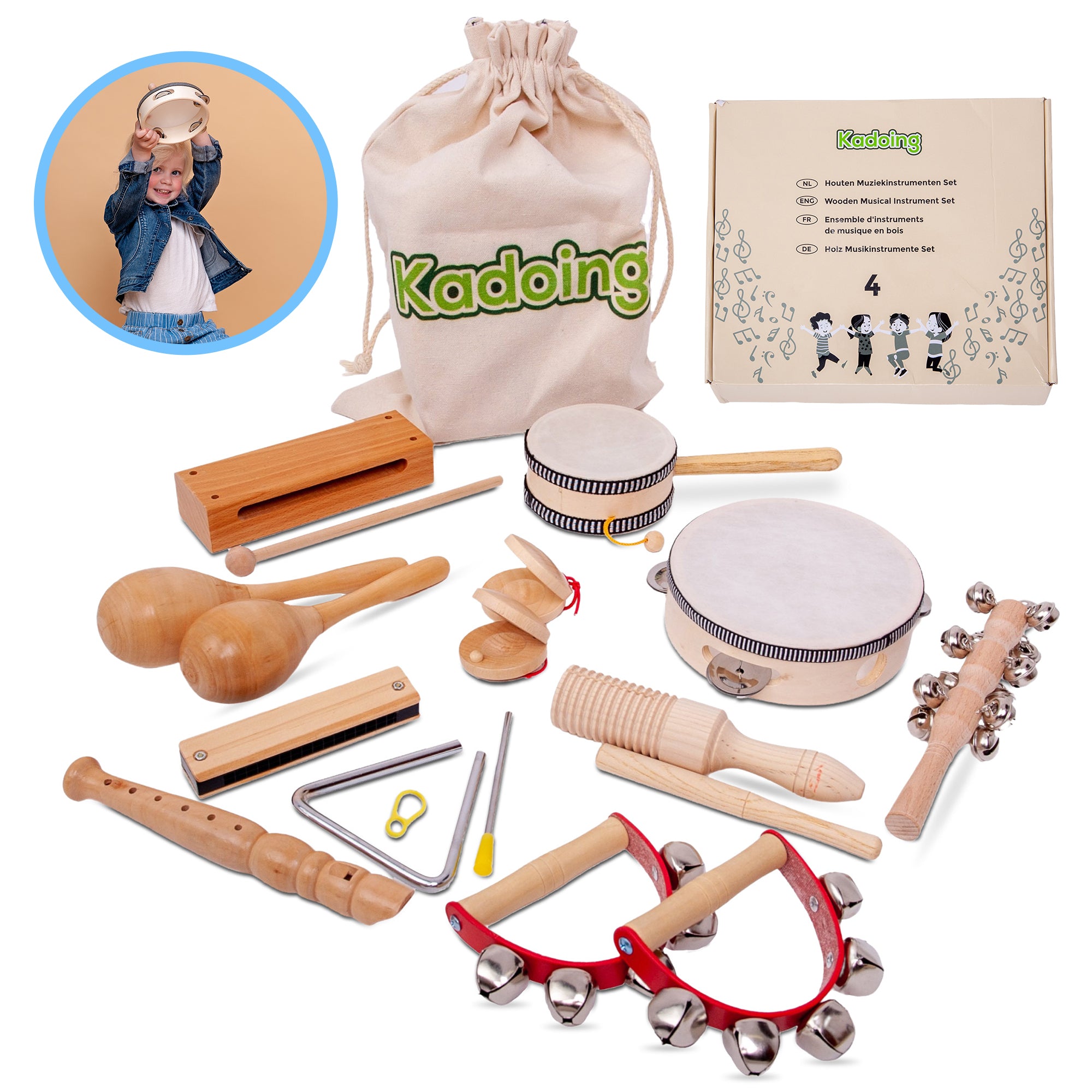
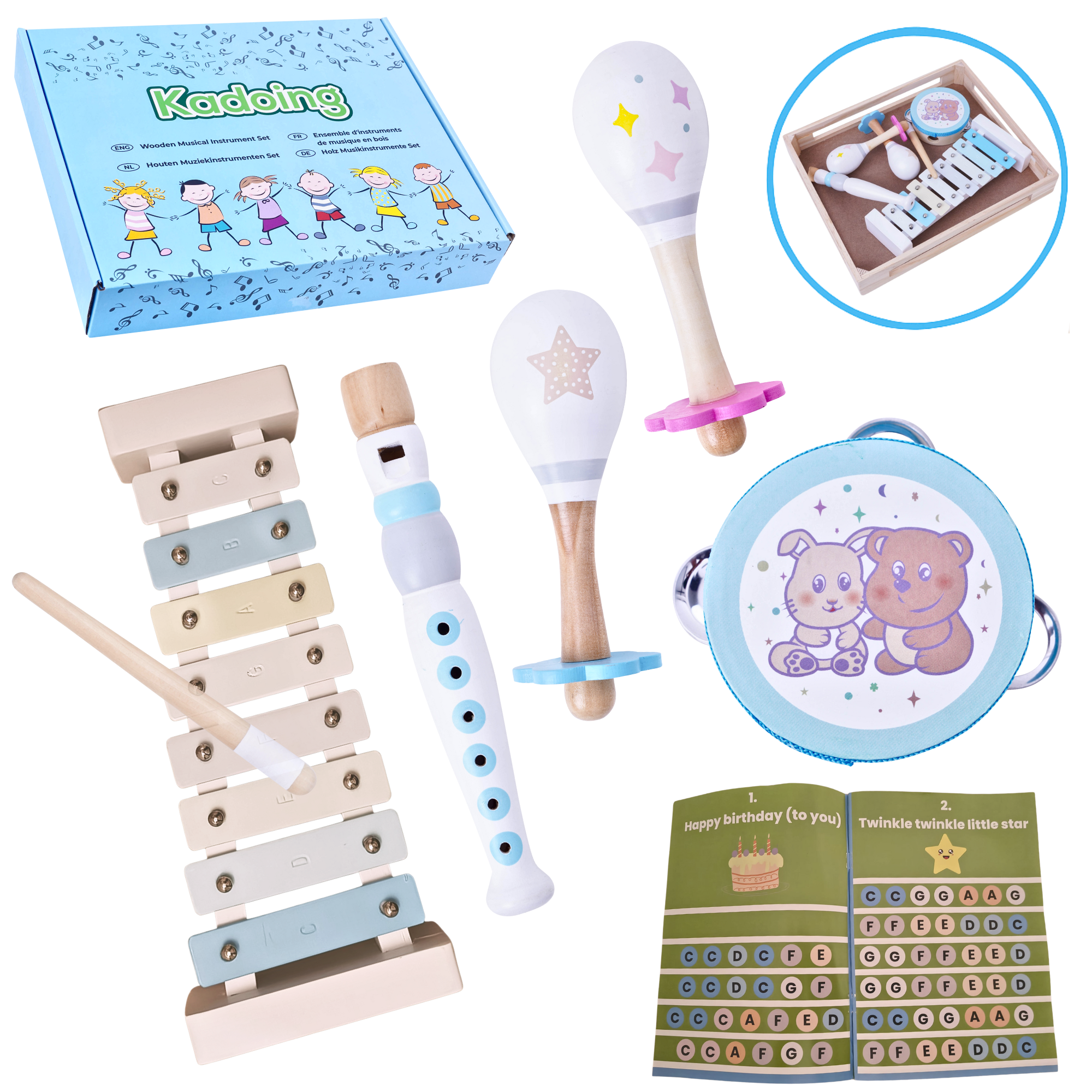
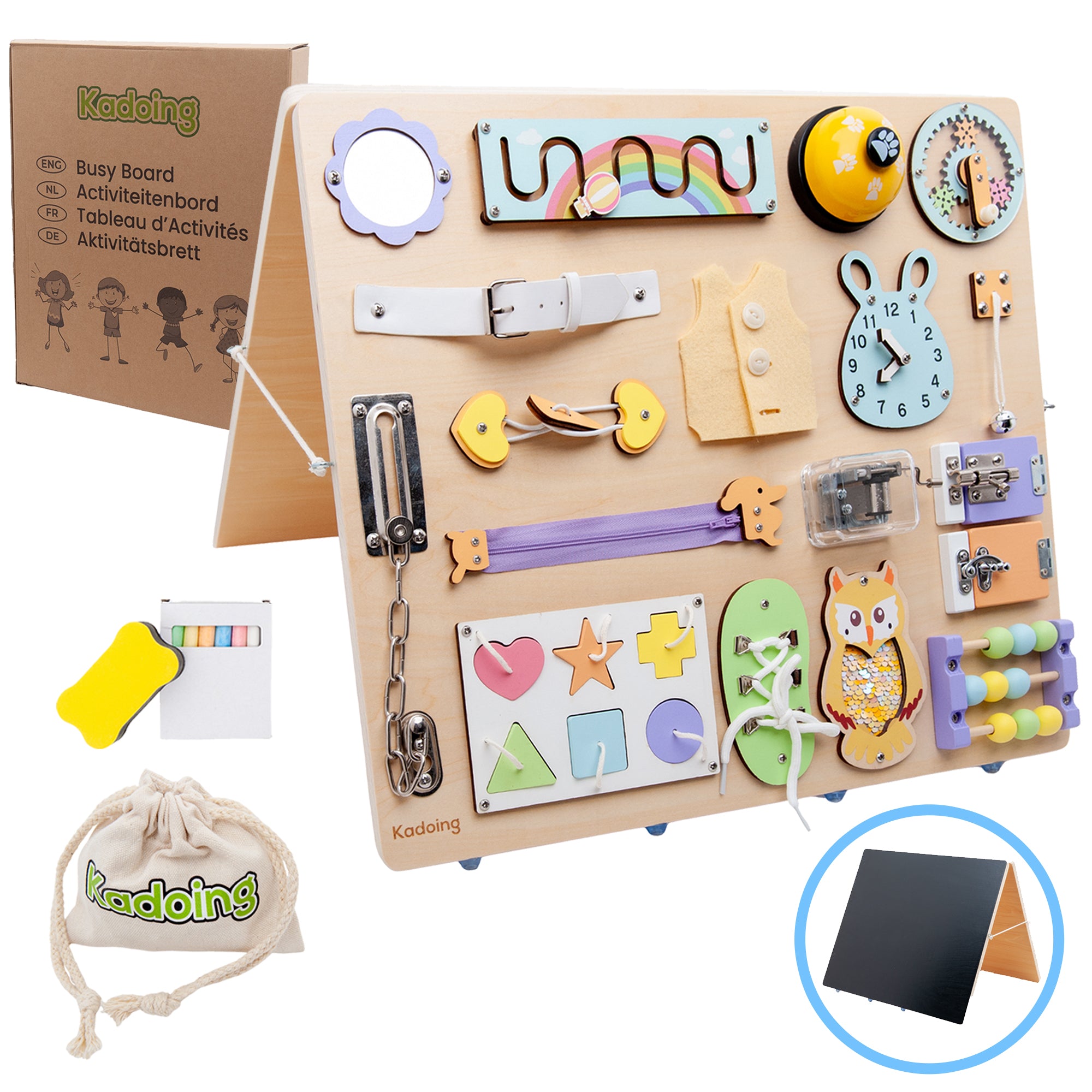
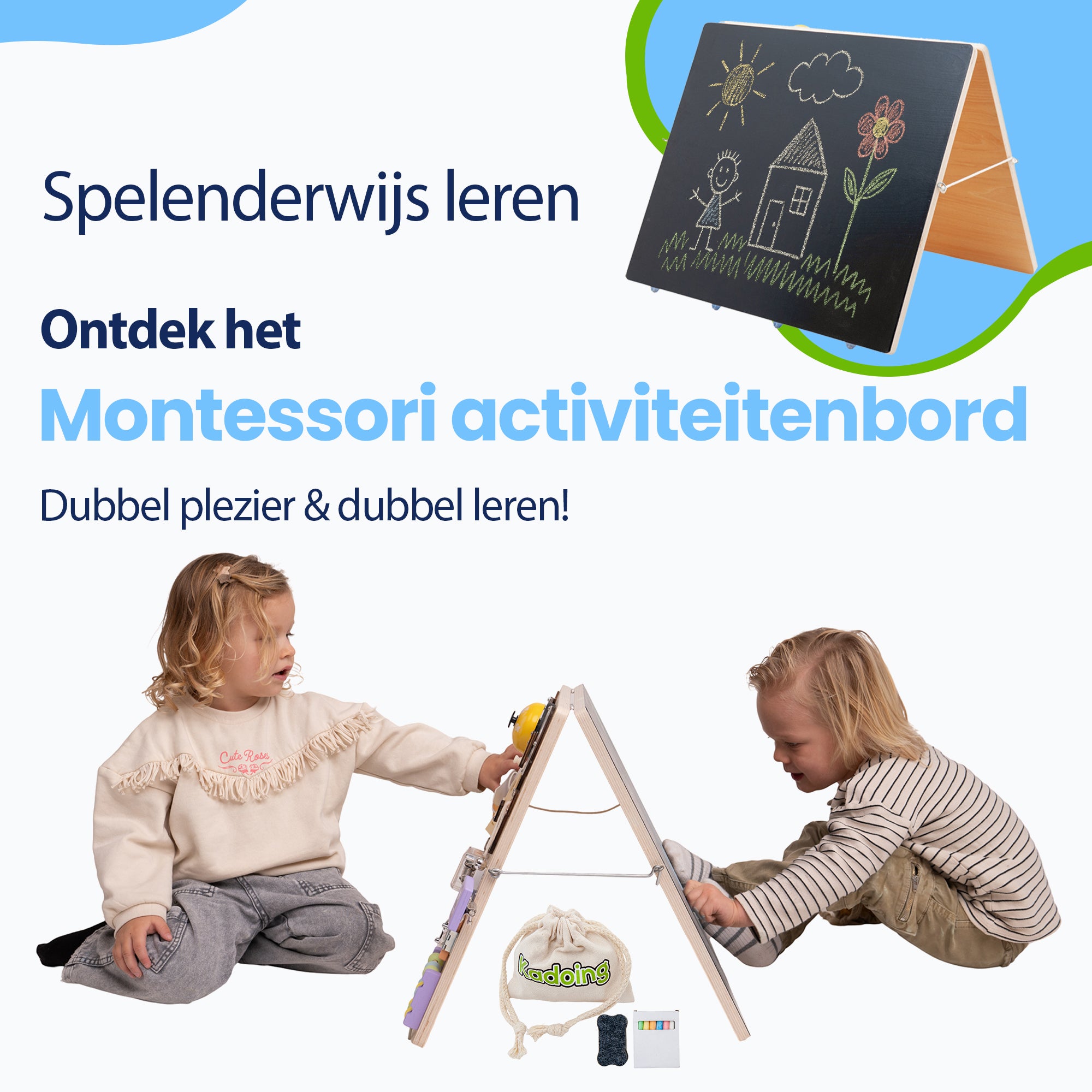
Sensory play doesn't have to be hectic, flashy, or complicated. A simple setup can actually be pleasant and easy to navigate. Think of a wooden musical instrument with a warm tone, shapes with different textures, or a Montessori activity board featuring fasteners that your child can explore step by step. By not offering too many things at once, the play environment remains uncluttered, giving your child the space to explore a single object.
There is also value in simply being together. You can put into words what is happening: “Feel this—the fabric is soft” or “You opened the little door all by yourself. ”In this way, you connect simple words to what your child is seeing, feeling, or doing at that moment. It is precisely these moments that make playtime valuable for both of you.
How do you introduce sensory toys step by step?
Start in a familiar setting—for example, on a play mat in the living room or on your lap after a calm meal. Choose a single object and place it within reach. You don’t need to demonstrate how everything works right away;first, give your child the chance to look at it, grasp it, turn it over, or even ignore it for a moment.
Then, demonstrate what is possible with a single, simple action. For example, gently shake a rattle or undo one latch on an activity board. Then, wait. By not taking over completely, you leave room for the child to make their own discoveries. A toddler who cannot yet perform an action often benefits most from your calm presence and a few repeated opportunities.
Keep the first play session brief and observe your child's level of interest. If your child remains interested, the play can naturally continue. If they look away, put the toy aside, or become restless, it might be a good time to wrap things up.
Start simply and build up gradually.
A musical toy, a bright light, various textures, and your enthusiastic explanation can quickly become overwhelming when combined. You don’t need to combine all sorts of stimuli right away;start with one simple object, for example, and see how your child reacts to it.
Once your child becomes familiar with an object, you can introduce variations. Place a soft cuddly toy next to a wooden toy, or sing a simple song while using a musical instrument. By building things up gradually, you will discover which stimuli your child enjoys and when a break is welcome.
Consider both age and interests.
Always check the toy's age rating and safety warnings first. Once you have identified toys suitable for your child's age, you can then look at what already interests them and what they enjoy trying out. Does your baby like grasping objects? Then a lightweight rattle that is easy to hold might be appealing. Does your toddler enjoy practicing opening and closing things? Then a simple activity board could offer something new for them to discover.
Pay special attention to safety. and the level of difficulty. Toys should be appropriate for the child's developmental stage, sturdy, and free of small, loose parts unsuitable for young children. Regularly check for wear and tear, loose pieces, and sharp edges. Also, follow the instructions for use and cleaning, especially for toys that young children frequently put in their mouths.
A quiet play environment helps.
You don’t need to create a separate play corner for successful sensory play. A tidy spot with a rug and a small basket is often enough. By setting out just a few options, you keep the selection manageable and give your child the space to explore a single object for a little longer.
Wooden toys and materials in muted colors can blend beautifully with such an environment. That does not mean bright colors are wrong. The most important thing is to keep the selection uncluttered and suited to your child. Rotate the toys rather than offering everything at once. It is perfectly fine to leave the same item out for a few days; by offering the same toy repeatedly, you give your child fresh opportunities to explore with it.
The time of day matters, too. Just before leaving, during a busy visit, or when your child is clearly tired, a new toy might be less appealing. Instead, choose a quiet moment when there is no rush. For a child, sitting on the floor together for a few minutes often feels more important than a long play session.
Responding to various comments
Not every child reacts the same way to a sound, texture, or movement. Some children laugh immediately at the sound of a tinkling bell. Others pull their hand away from a rough fabric or turn their heads away from a sound. Both reactions are perfectly valid.
Don’t force the experience with phrases like “Come on, just feel it. ”You can simply leave the toy nearby and continue playing calmly yourself. Curiosity often returns naturally later on. This way, your child learns that it is safe to explore on their own terms.
If you notice your child losing interest or becoming restless, a break might be welcome. For example, you can look out for behaviors such as:
• looking away or turning one's head;
• repeatedly pushing toys away;
• crying or becoming visibly agitated;
• clearly divert attention away from the game.
In that case, step back from the object for a moment, perhaps offer a familiar cuddly toy, and try presenting the toy again at another quiet moment. Children process new experiences in their own way.
Don't turn sensory play into a performance.
It is tempting to want to see your child zip up a zipper, sort shapes, or mimic a melody. Yet the process is more important than the result. Perhaps today your child simply feels the wood of a musical toy. Tomorrow, they discover that a sound is produced when they tap it. Both moments are meaningful.
Name what you see without judging: “You’re turning the little wheel,” “That sounds soft,” or “You’re looking closely at the little light. ”Such words offer attention without pressure. Avoid giving too many instructions in a row. Silence is also part of discovering things together.
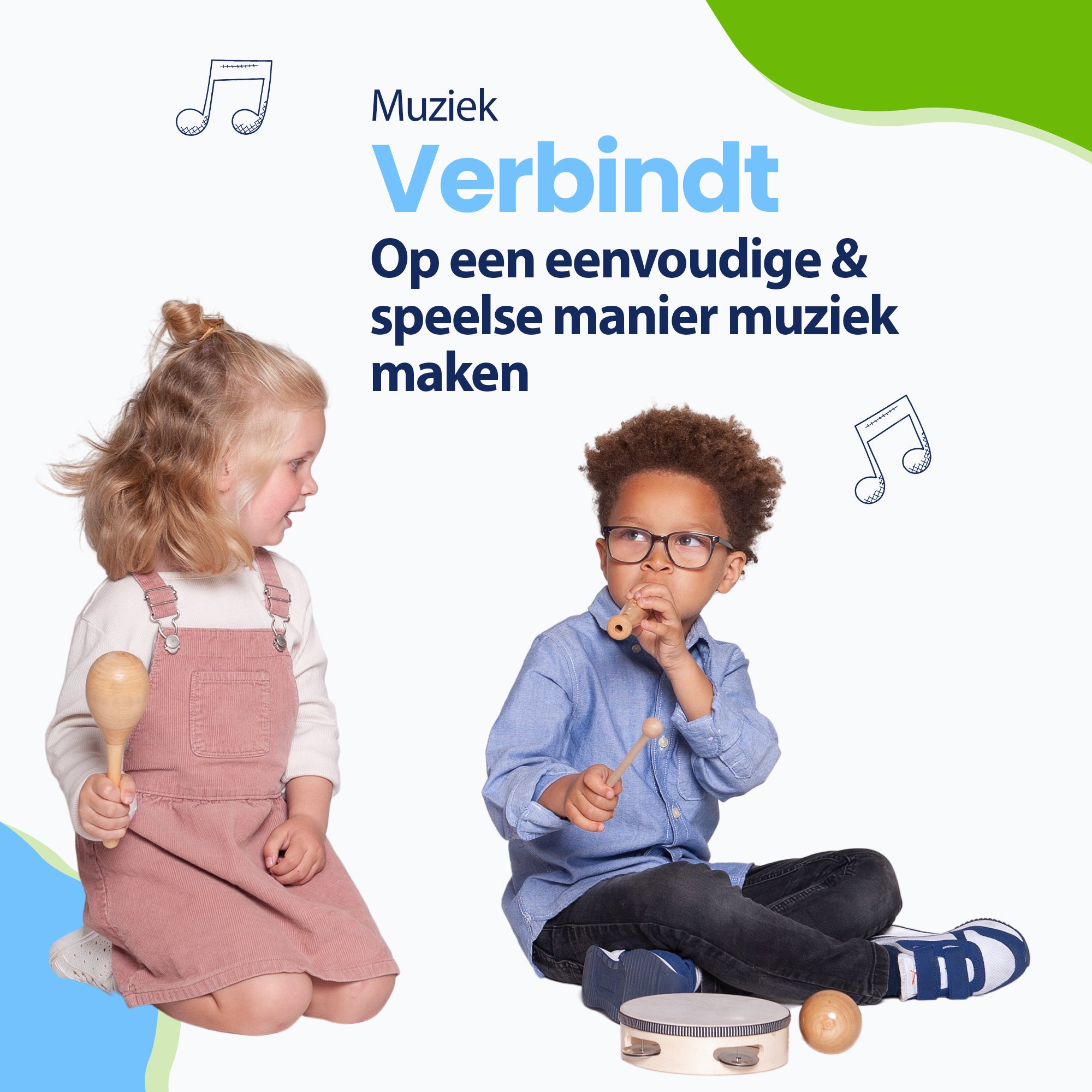
For older toddlers, you can make play more inviting with a short story. The bear is looking for a soft blanket, or the doll wants to hear a song. This provides direction without there being a single right outcome.Musical wooden toys fit in beautifully: clapping to a steady rhythm, humming a tune, and listening together turn practicing into a warm ritual.
Incorporating sensory toys into everyday life
The best moments for play are often not perfectly planned. Have a touch-and-feel book ready for after getting dressed, keep a small instrument in the living room for a quick musical interlude, or offer an activity board while you settle in at home together. Short, familiar play sessions can fit nicely into the day without the need to fill it with scheduled activities.
At Kadoing, this philosophy aligns with toys that are not only fun to give but also become part of daily rituals. A thoughtfully chosen wooden toy can last a long time, be rediscovered, and even be passed down from one child to another. It is better to consciously choose something that suits your family than to constantly buy new items that end up in the toy basket after just one afternoon.
Above all, keep an eye on your child's interests and pace. By introducing things gently, staying close, and allowing space for them to explore on their own, sensory play doesn't have to turn into a lesson. It can simply be a quiet moment to feel, look, listen, and discover together.