A child standing wide awake next to your bed at 5:12 AM feels like the start of a very long day for many parents—before the day has even properly begun. That is exactly why a practical guide to better sleep for young children is not a luxury, but a source of support. Not to force every child into the same schedule, but to create more predictability, relaxation and confidence during evenings and nights.
Why sleep can be challenging for young children
Young children do not simply fall asleep the way adults often do. Their days are filled with new experiences, growth, emotions and transitions. That makes sleep something completely normal, but not always something easy. A toddler who has experienced a lot during the day may actually need extra closeness in the evening. A preschooler who is becoming more independent may suddenly protest bedtime, even when they are tired.
On top of that, sleep changes with age. A baby follows a different rhythm than a toddler, and a preschool child may start struggling with darkness, sleeping alone or waking up very early. The question is therefore rarely: what is the perfect routine? More often, the better question is: what helps this child, at this stage, feel safe and calm enough to sleep?
A practical guide to better sleep for young children
The foundation of a peaceful night usually does not begin in bed, but in the hour before bedtime. Children thrive on repetition. That does not mean following a strict military-style schedule. It simply helps when the order of events is familiar. For example: tidy up, put on pyjamas, brush teeth, read a book, enjoy a cuddle and then dim the lights. The more often that sequence returns, the clearer the message becomes: the day is gently coming to an end.
Calm evenings also mean fewer transitions. A child who is still playing energetically right before bedtime, surrounded by bright lights or receiving lots of stimulation, often needs more time to settle down. That does not mean children should sit quietly on the sofa all evening. It simply helps if energy levels gradually decrease. Think of quiet play, a familiar song, a bedtime story or a few peaceful moments together without rushing.
Another factor that often makes a difference is consistency in your own response. If parents are strict one evening, allow several extra rounds the next evening and are unsure what works on another evening, bedtime can become unclear. That is completely understandable, especially after a long day. Still, children feel a great deal of comfort when you remain calm and predictable. Not perfect, just consistent.
Pay attention to signals, not just the clock
A fixed bedtime is helpful, but it does not tell the whole story. Some children become hyperactive when they are tired, while others become emotional or extra clingy. When you focus only on the clock, you may miss the signs that your child has already gone beyond their natural sleep window. And an overtired child often finds it harder—not easier—to fall asleep.
Pay attention to small clues. Frequent yawning, rubbing eyes, becoming frustrated more quickly, wanting more cuddles or suddenly acting restless can all mean that the sleep window is open. That window varies from child to child and even from day to day. After a busy day at daycare or a family visit, the need for rest may be greater than after a calm day at home.
Safety and familiarity often make the difference
For young children, sleep also means letting go. The day ends, you disappear from view for a while, and the room becomes quieter and darker. That can feel overwhelming, even in a comfortable bedroom. A familiar comfort toy, soft lighting or a recognisable sound can help make that transition easier.
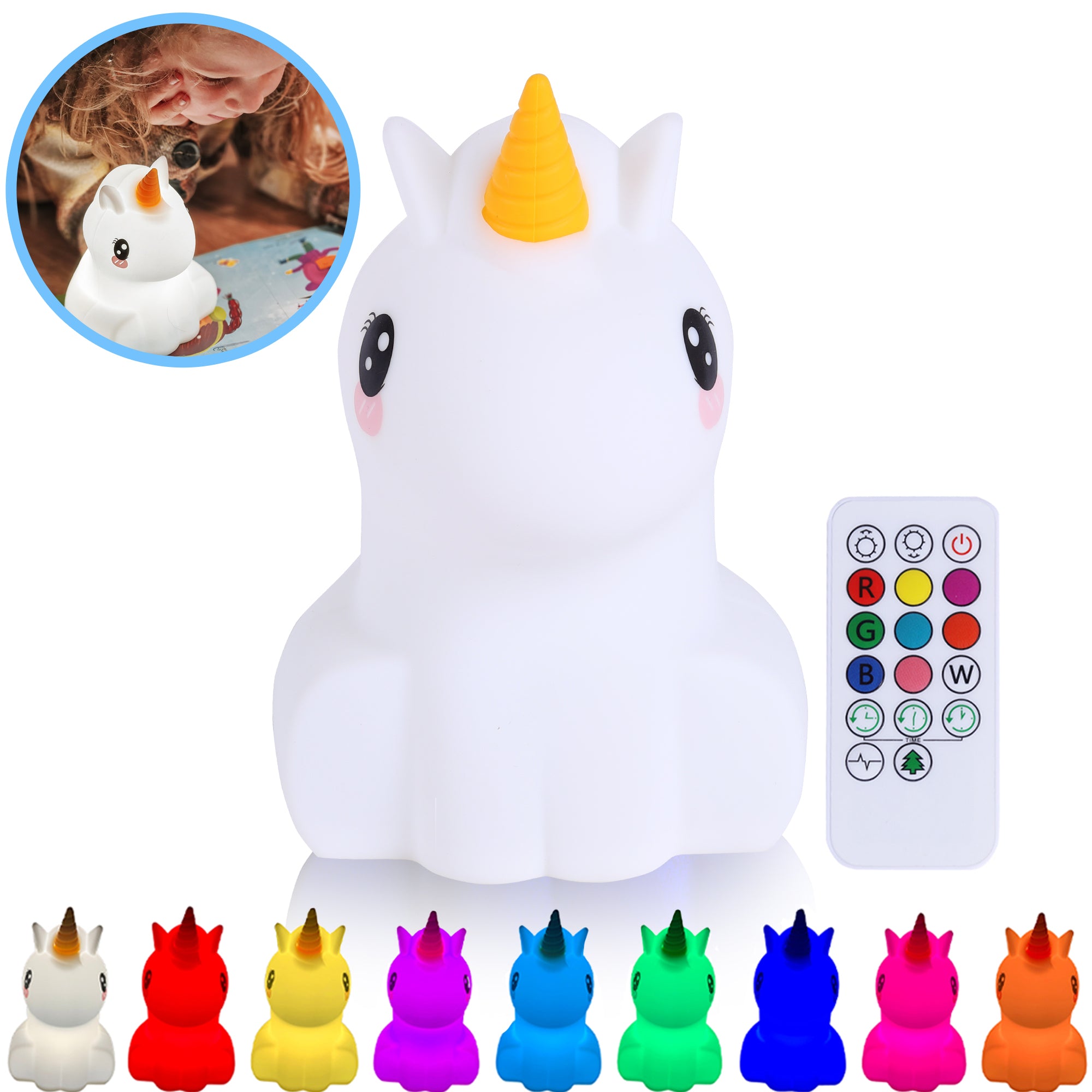
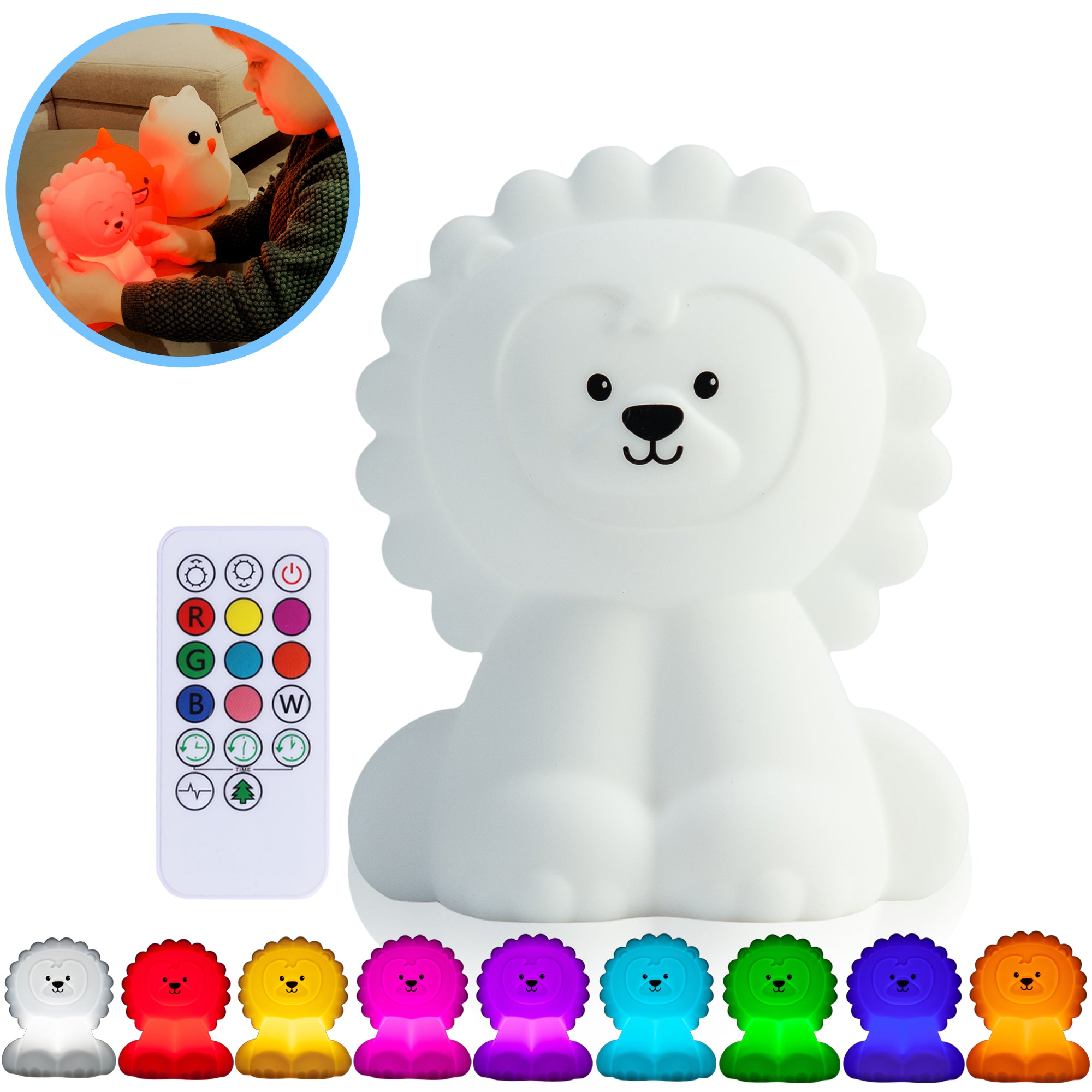
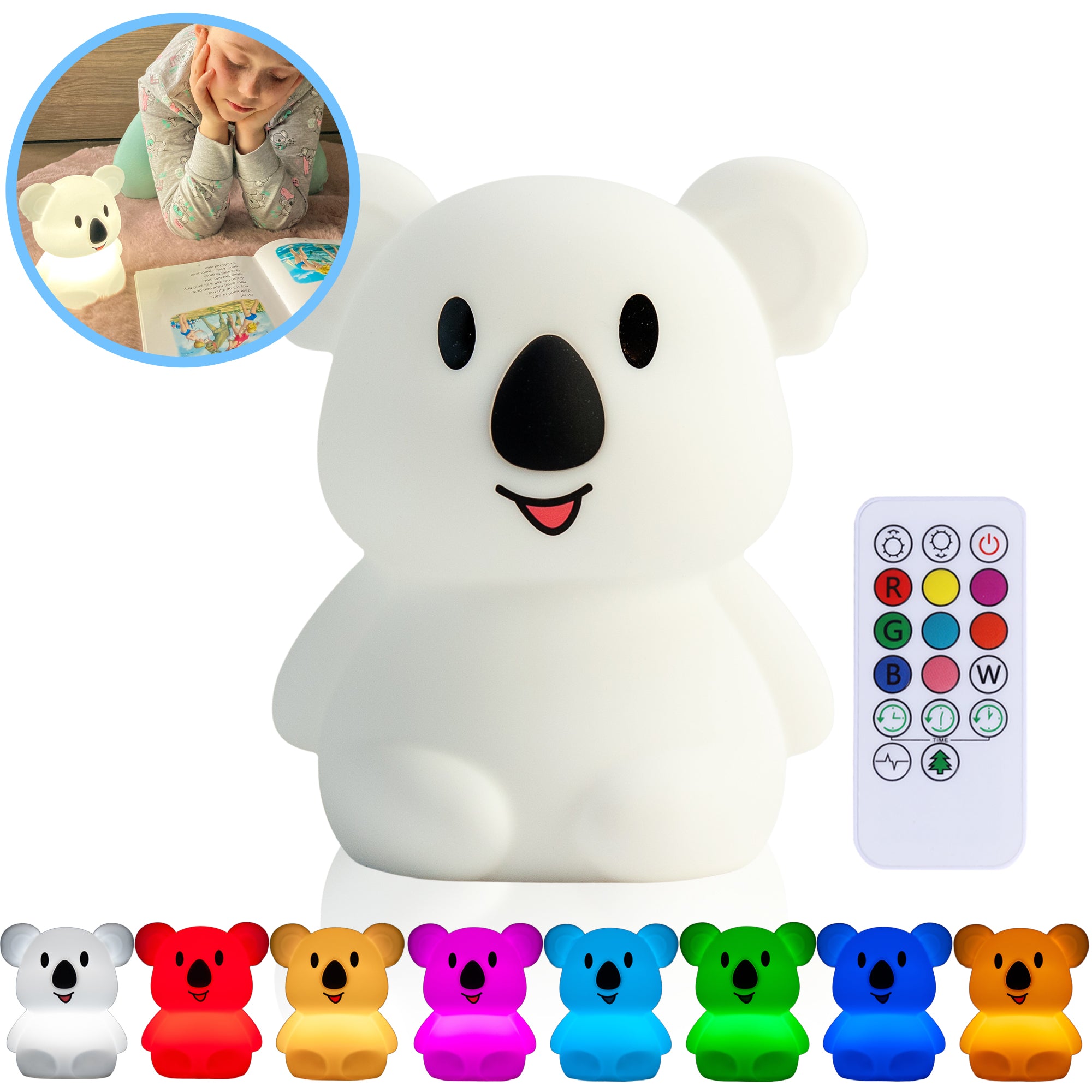
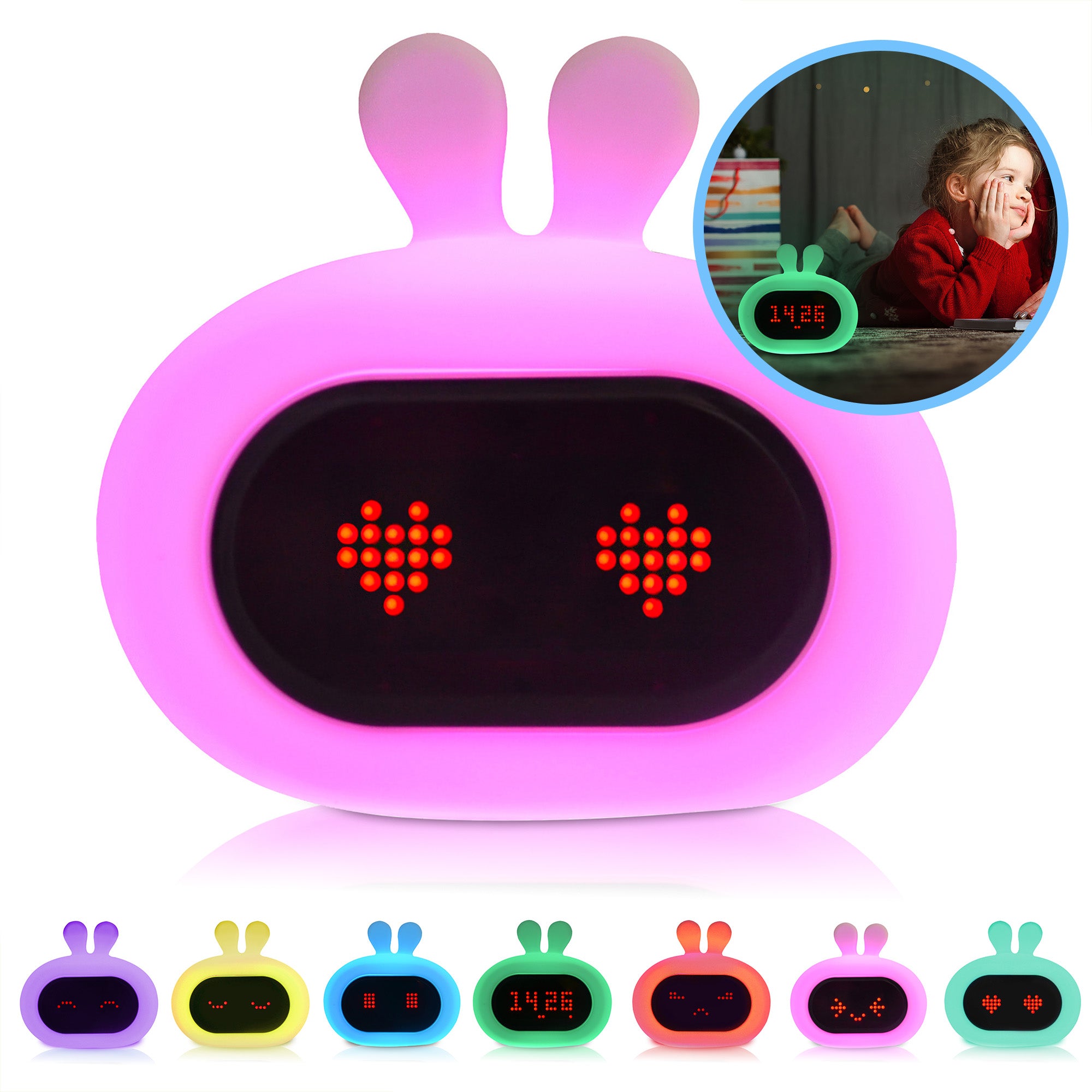
For toddlers and preschoolers, having a sense of clarity is especially important. They want to know what is happening. Is it still nighttime? When can I get up? When will you come and check on me again? Instead of dismissing those questions, answering them through a clear bedtime routine makes bedtime feel less daunting. A sleep trainer or child-friendly night light can be helpful because it makes something abstract more visible and understandable.
What helps when there is resistance at bedtime?
Almost every family experiences periods of bedtime delaying tactics. One more sip of water, one more cuddle, one more story, one more trip to the toilet. Often, this is not stubbornness but a need for connection or difficulty with the transition. It helps to combine loving boundaries with closeness. You can be warm and clear at the same time.
For example, explain what will happen instead of only focusing on what will not. “We’ll read one more story, and then the light goes soft.” This gives children something to hold on to. If you notice that your child is mainly seeking extra connection, try to build that into the routine before saying goodnight. Five calm minutes together can sometimes achieve more than returning to the bedroom ten times.
Sometimes a child appears tired but is not quite ready to sleep. In those cases, an earlier bedtime is not always better. It depends on age, daytime naps and how the day has gone. If falling asleep consistently takes a long time, it is often better to look at the bigger picture rather than focusing only on bedtime itself.
The bedroom does not need to be full, just peaceful
A good sleep environment does not need to be complicated. Young children often sleep better in a room that feels simple and calm. Less visual clutter means fewer distractions. Soft colours, a tidy space and dim lighting help the body understand that it is time to wind down.
Temperature, sound and lighting also play a role. A room that is too warm, noisy or brightly lit often makes relaxing more difficult. A subtle night light can be comforting for children who find darkness scary, as long as the light remains soft. The goal is not to make the room more interesting, but more reassuring.
Tools that support a bedtime routine
Some tools are useful because they make life easier for parents while giving children more clarity. A sleep trainer is a good example. Not as a miracle solution, but as a visual anchor. For young children, “wait until tomorrow” is a vague concept. A familiar light signal is much easier to understand.
A favourite comfort toy, music box or night light can also help, provided it becomes part of a calm routine rather than another source of stimulation. One child benefits greatly from soft lighting, while another responds best to a familiar lullaby. As always, it depends on the child's personality and developmental stage. Practical sleep aids work best when they suit the child, not just the idea of a perfect bedroom.
When sleep remains unpredictable
Even with a solid routine, some nights will still be unsettled. Growth spurts, developmental leaps, exciting days, changes in childcare or simply a new phase can temporarily disrupt sleep. That does not automatically mean your approach is not working. With young children, sleep rarely follows a perfectly straight line.
When that happens, it helps to return to the basics. Is the evening predictable? Is there enough calm before bedtime? Does your child receive clear signals that nighttime is beginning? And perhaps even more importantly: does the routine feel manageable for your family? A routine that looks perfect on paper but creates stress at home is often difficult to maintain.
That is why simplicity is often best. A small, warm ritual every evening that consistently works is far more valuable than an elaborate schedule that disappears after three days. Children benefit more from repetition than from perfection.
Better sleep for young children also requires something from parents
Anyone helping a young child sleep knows that good sleep is a family matter. It is not only the child learning to build a rhythm; parents are also trying to balance closeness, boundaries and their own energy. That often requires patience at exactly the moments when there is very little patience left.
So be kind to yourself. A difficult evening does not mean you are doing something wrong. And a good week does not mean things will stay that way forever. Parenting and sleep both come in phases. It often helps to focus on progress rather than perfection. Ten minutes less bedtime resistance, a calmer goodbye or a child who better understands when the day begins—those are meaningful achievements.
For many families, relief comes from small, thoughtful choices. A calmer evening routine. Less rushing during the final half hour. A bedroom that feels safe and comforting. A tool that provides clarity without pressure. That is also where Kadoing aims to support parents: with child-friendly solutions that bring together comfort, structure and calm.
Not every night will be perfect, and it does not need to be. If your child feels safe, evenings become more predictable and there is a little more breathing room at home, you have already come a long way. Calm often grows in small steps—and those small steps make a big difference, both for your child and for you.