Some children only truly settle down when a soft ear, paw or comfort cloth is allowed to come along to bed. A sleep comfort toy for a child is not just an extra item for many families, but a fixed part of the bedtime routine. That makes perfect sense: falling asleep requires letting go of the day, and at exactly that moment, something familiar can make a big difference in how safe and relaxed a child feels.
Why a comfort toy at bedtime can be so helpful
For young children, the transition from a busy day to a quiet bedroom can feel significant. During the day there is play, interaction, noise and movement. Once they are in bed, everything suddenly becomes calm. A comfort toy provides something to hold on to. Not because a child is necessarily dependent on it, but because familiarity helps reduce tension.
Many parents notice the same pattern. As soon as the pyjamas are on and the favourite comfort toy appears, the restlessness starts to fade. That familiar feeling is valuable. A bedtime comfort toy is often linked to predictability: we wash, read, cuddle and go to sleep. It is precisely this repetition that helps children feel calm.
There is also an emotional side to it. For a child, a comfort toy is often much more than fabric and stuffing. It is a friend, a source of comfort and sometimes even a brave helper in the dark. That may sound dramatic, but in the world of a toddler or preschooler, it feels very real.
When does a sleep comfort toy work best?
Not every child has the same needs. One toddler may quickly choose a single comfort toy and hardly let go of it. Another child may prefer switching between different favourites or feel more attached to a comfort blanket, muslin cloth or soft doll. It depends on age, personality and the stage a child is going through.
A comfort toy usually works best when it becomes part of a consistent routine. Rather than introducing it only when there is already sadness or restlessness, it is better to introduce it during calm moments. Place the comfort toy beside your child during story time, include it in a cuddle on your lap and then bring it to bed afterwards. This creates a positive and familiar association.
During exciting periods, a sleep comfort toy can be especially welcome. Think of moving to a new bedroom, starting nursery, sleeping away from home or going through a phase where a child seeks more closeness. In those moments, something familiar that can literally be held offers reassurance.
What should you look for when choosing one?
A beautiful plush toy for children is not automatically a good sleep comfort toy. Toys used in bed often require slightly different qualities than toys intended for daytime play. Softness is important, but comfort and safety matter just as much.
Size and weight
It is generally best to avoid a large, heavy plush toy that takes over the entire bed. For sleeping, a manageable size often works better. A child should be able to hold the toy comfortably, tuck it under an arm and easily find it again during the night. Especially for younger children, a lighter toy tends to be more comfortable.
Comfortable materials
A comfort toy stays close to a child’s face and often travels everywhere with them. Therefore, it is important to choose a fabric that feels soft while also standing up to regular washing. Natural-feeling, child-friendly materials are often preferred, particularly by parents who consciously choose sustainable products. It is also worth checking seams, loose parts and overall finishing. A well-made toy remains attractive and safe for much longer.
Simplicity over stimulation
Comfort toys with lights, sounds or many hard details may seem appealing, but at bedtime, calmer designs often work better. Sleep is about winding down. A simple, soft comfort toy without too many stimulating features usually fits that goal more naturally.
Washability
This detail often becomes important only after the comfort toy has already become a favourite. Nevertheless, it is wise to think about it beforehand. A sleep comfort toy goes to bed, sits on the sofa, joins car rides and may even travel on holiday. Choosing one that washes well provides a great deal of practical peace of mind.
Safety always comes first
Whenever something joins a child in bed, parents naturally want peace of mind. Always check the recommended age range and the quality of the toy’s construction. Loose button eyes, ribbons, zips or small accessories are generally less suitable for young children. A sleep comfort toy can be simple — in fact, that is often the safest and most comfortable option.
The right moment to introduce a comfort toy also depends on your child’s age and needs. Parents usually have a good sense of when something is genuinely helpful and when it may still be too early or overstimulating. If in doubt, choose something small, soft and uncomplicated.
How to make the comfort toy part of the bedtime routine
A comfort toy gains its value mainly through repetition. Children love small, familiar habits, especially around bedtime. There is no need to create a complicated ritual. Simple routines are often the most effective.
Include the comfort toy in the evening routine. “Bear is going to sleep too” or “Bunny is listening to the bedtime story” makes it tangible and cosy. Afterwards, give the comfort toy a regular place in bed, such as against the chest or beside the pillow. By repeating the same routine every evening, the toy becomes part of a trusted pattern.
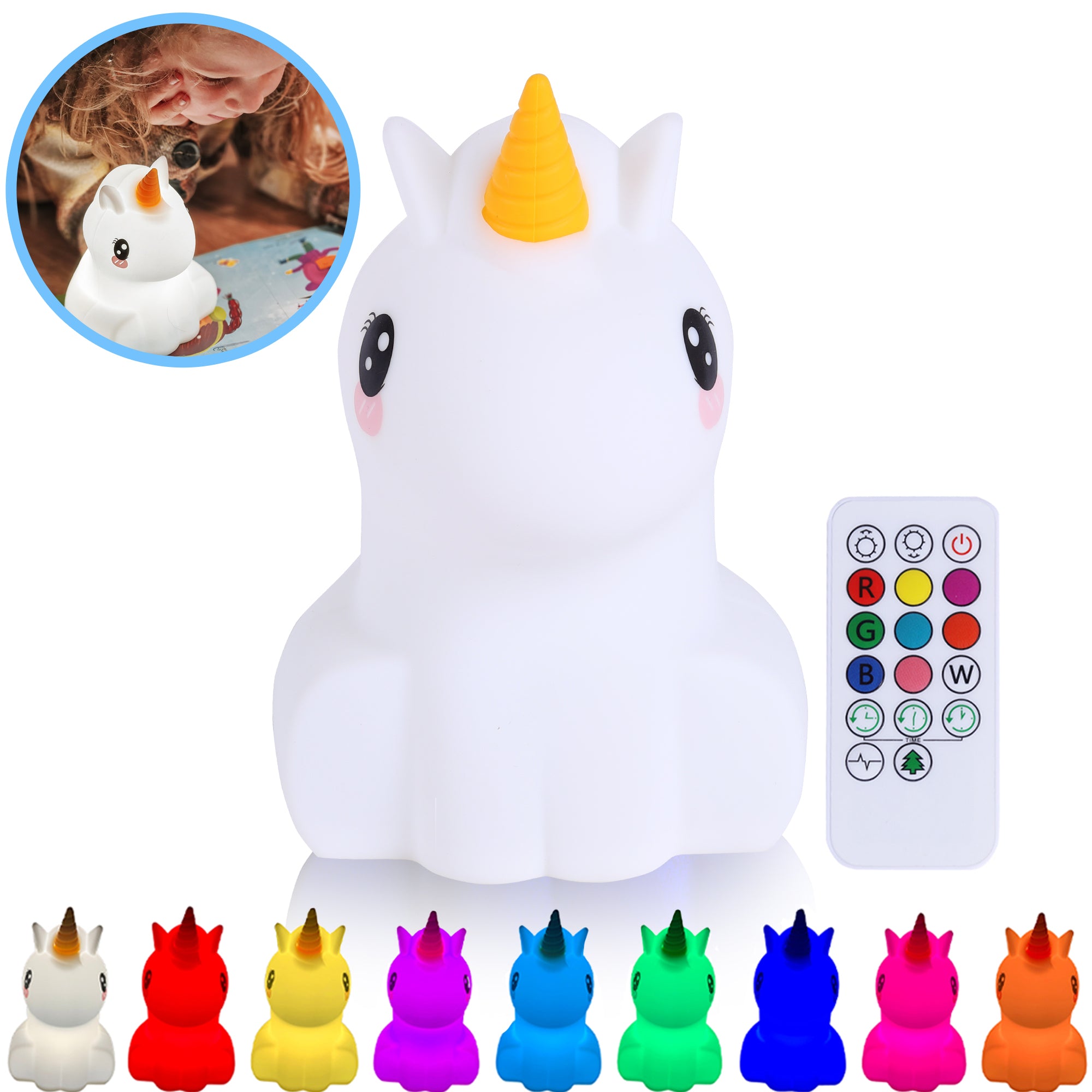
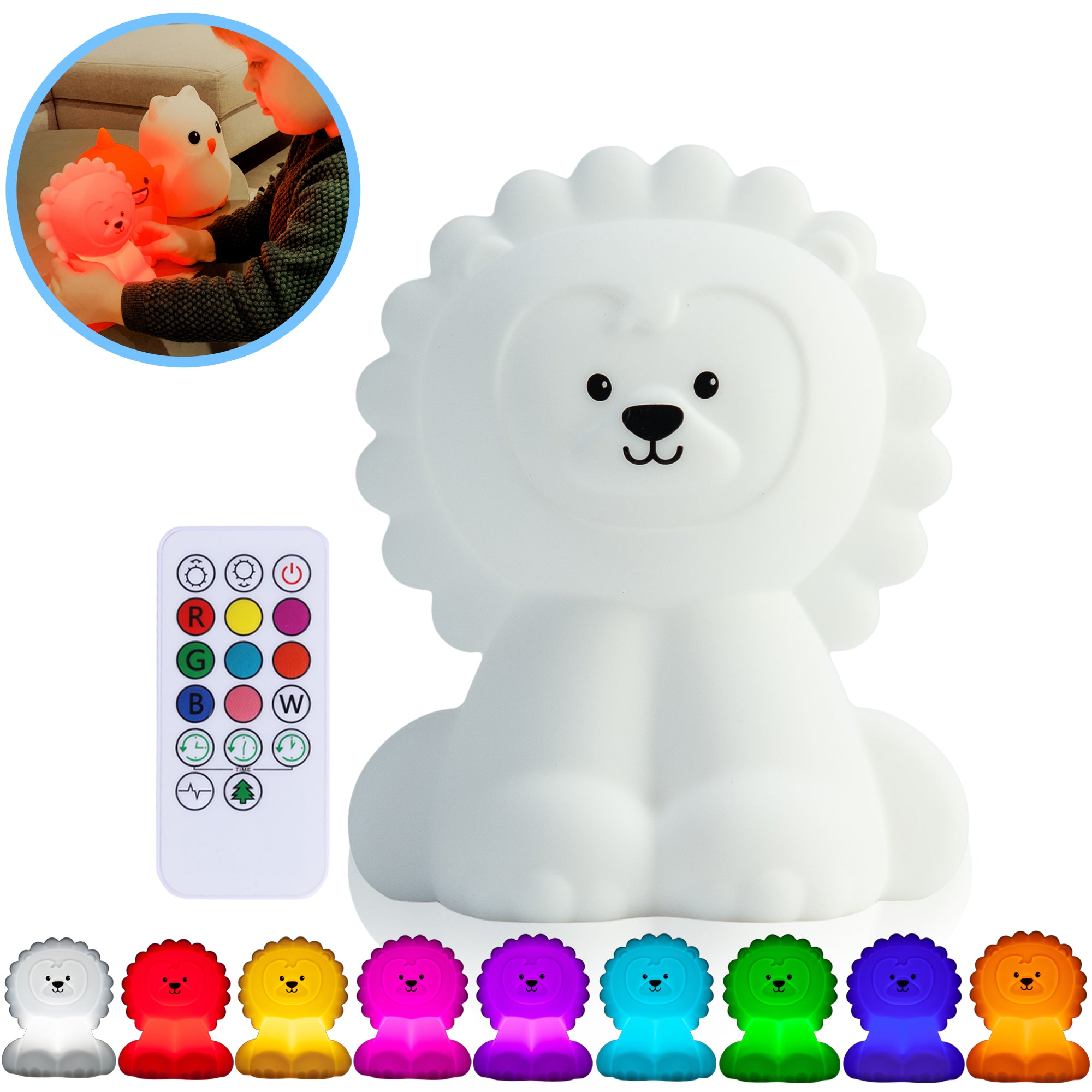
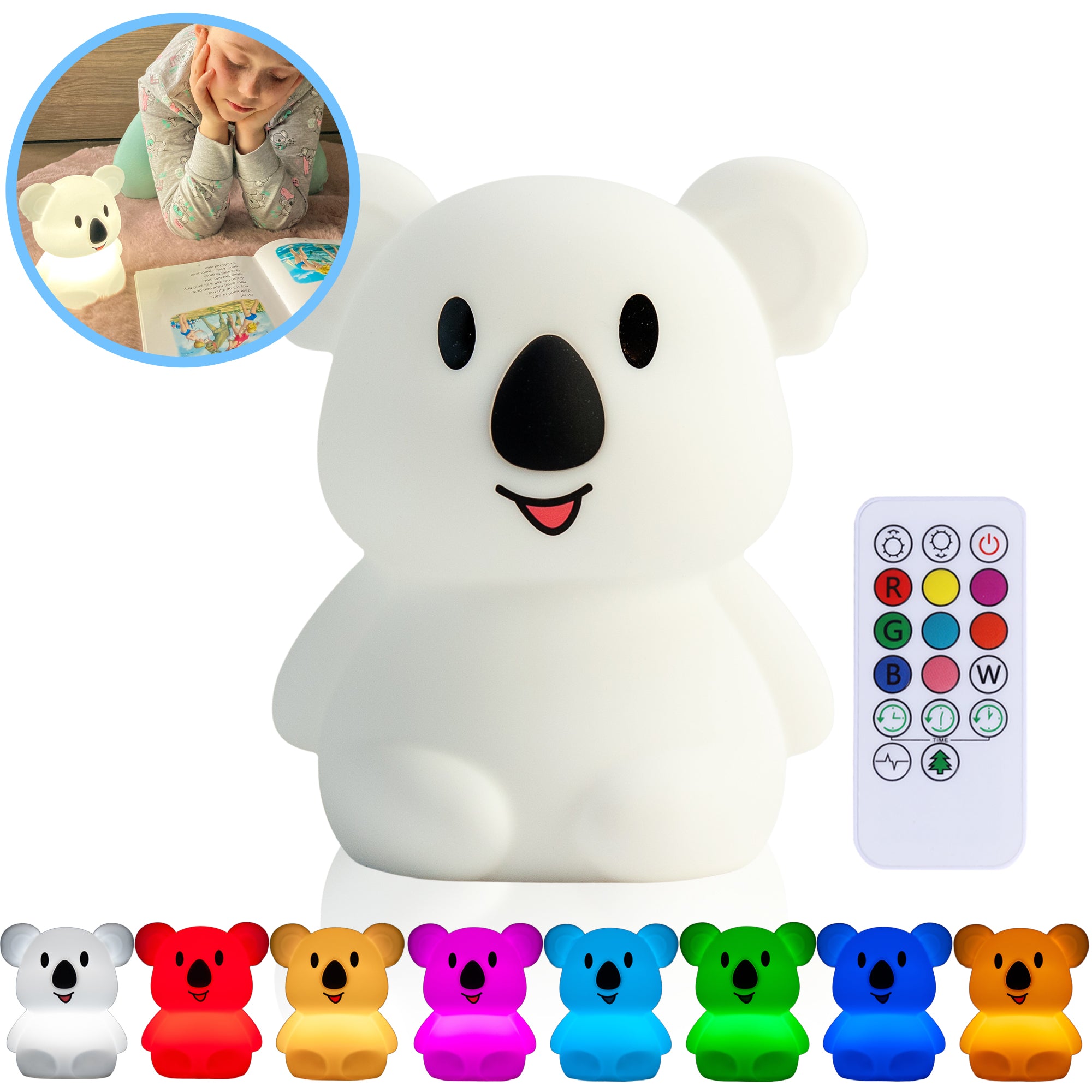
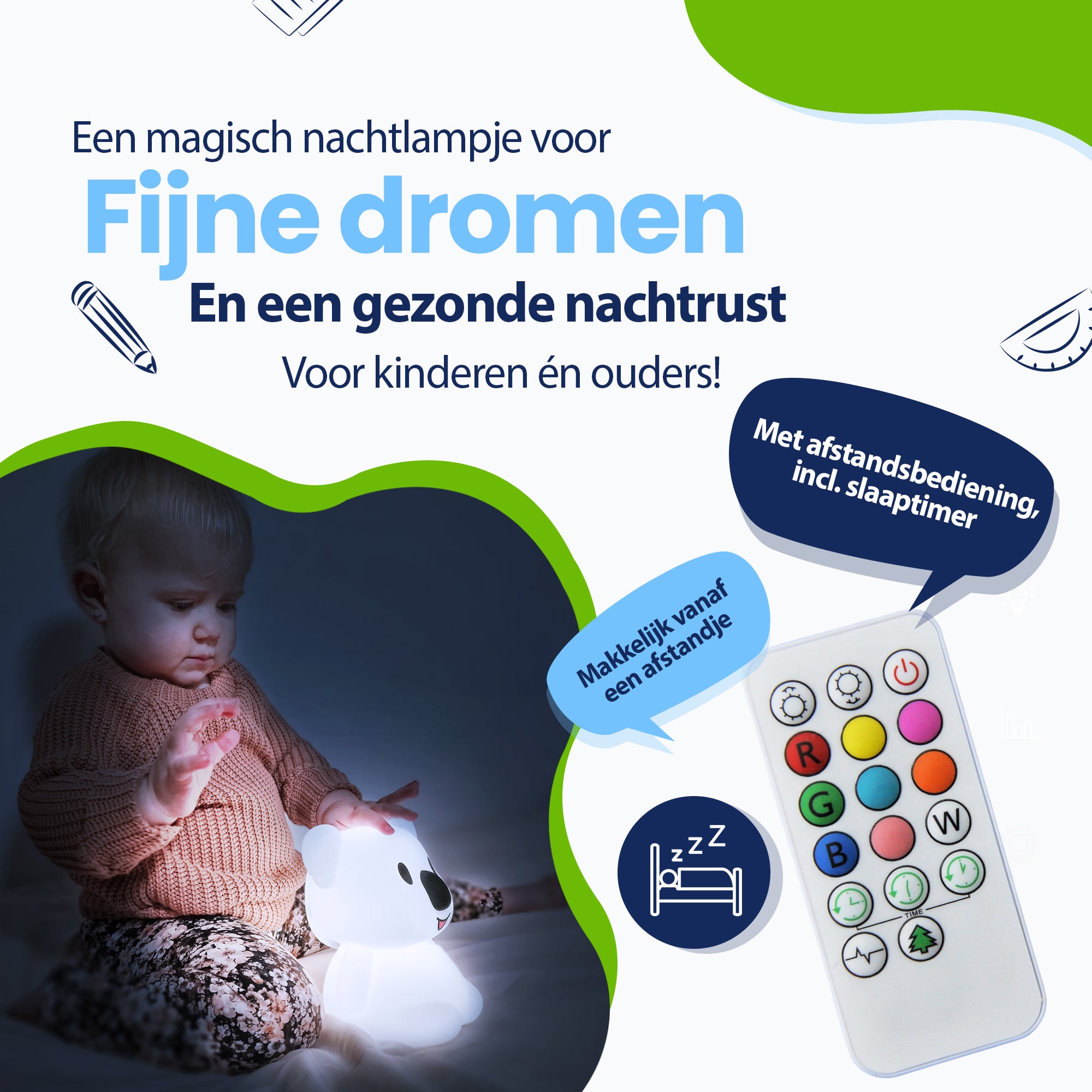
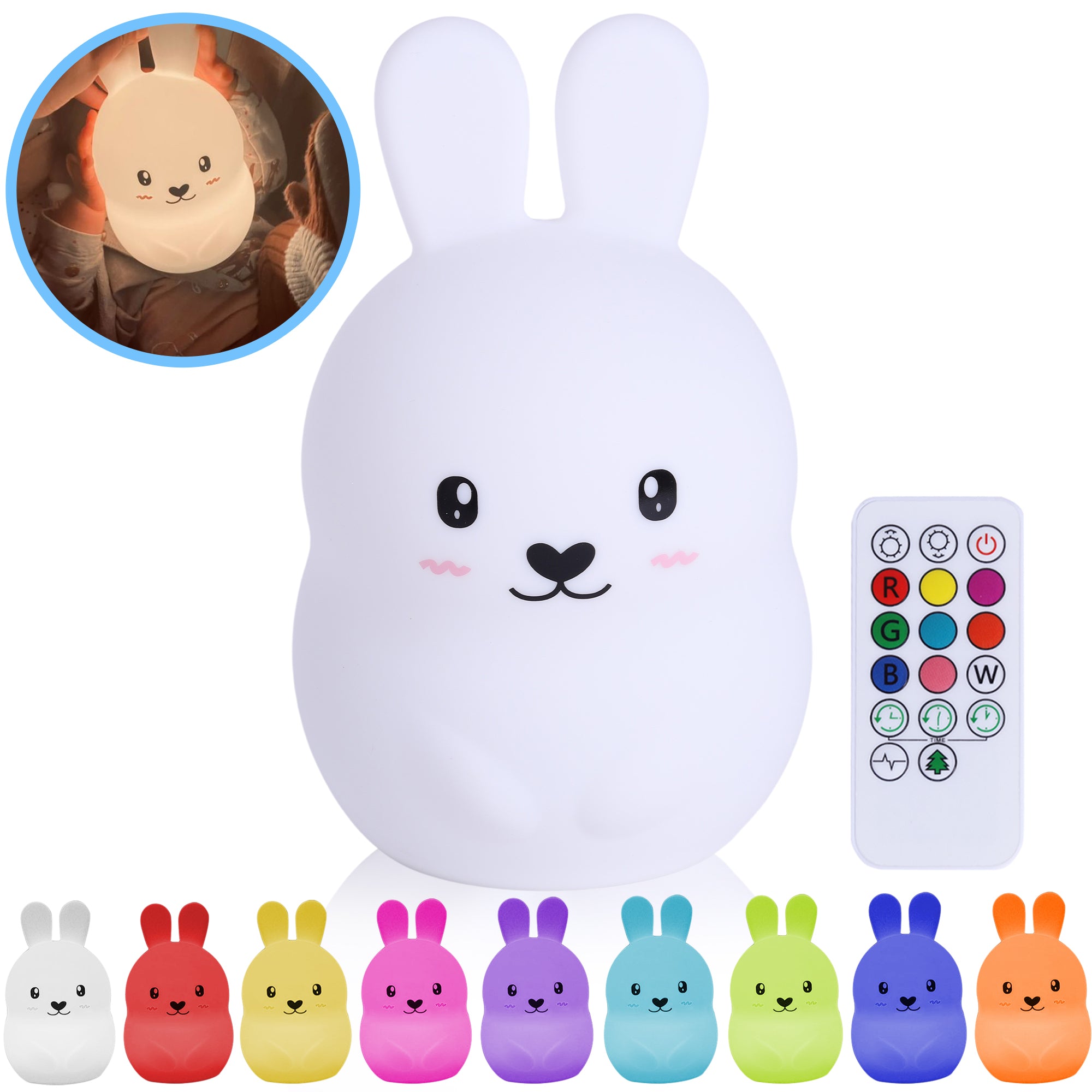
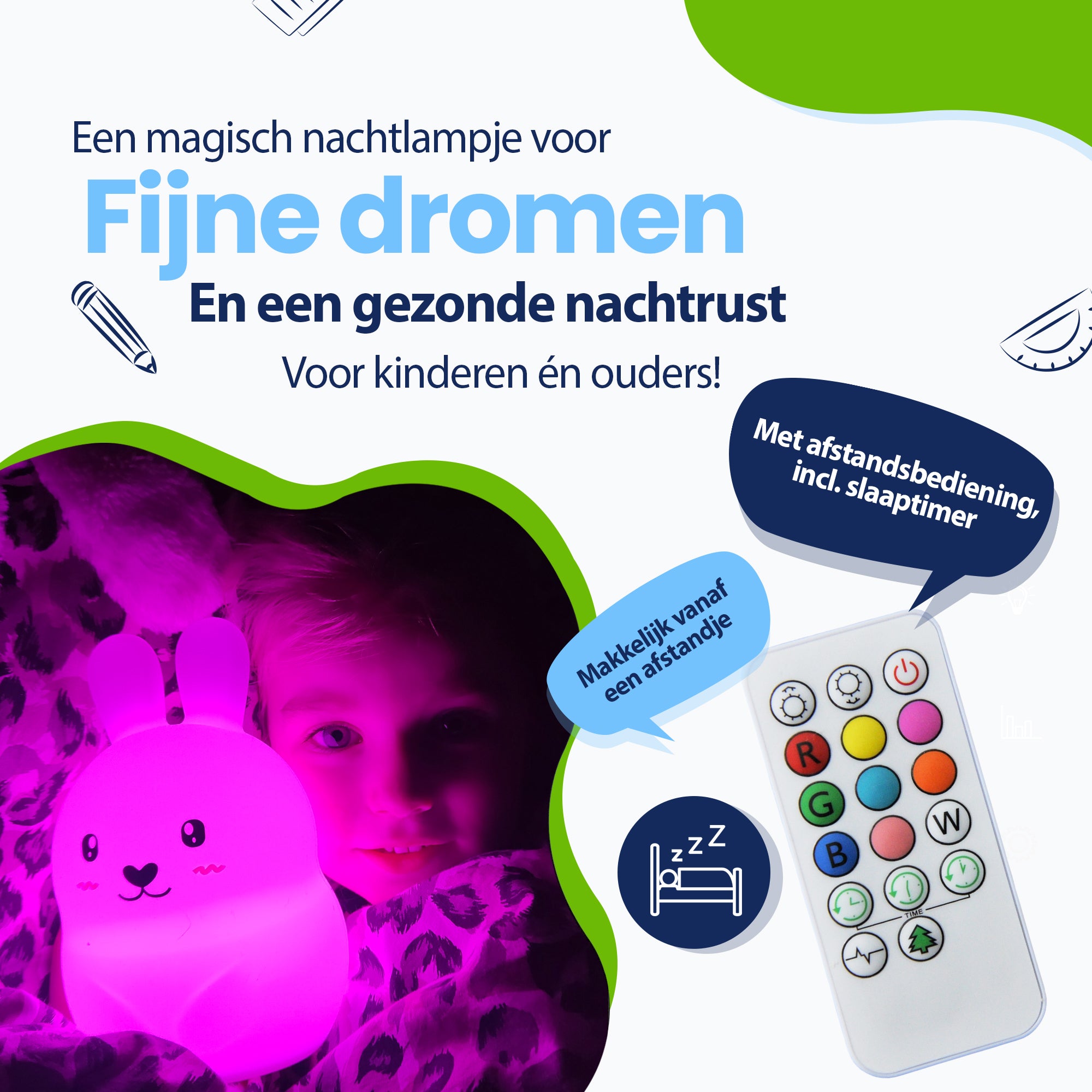
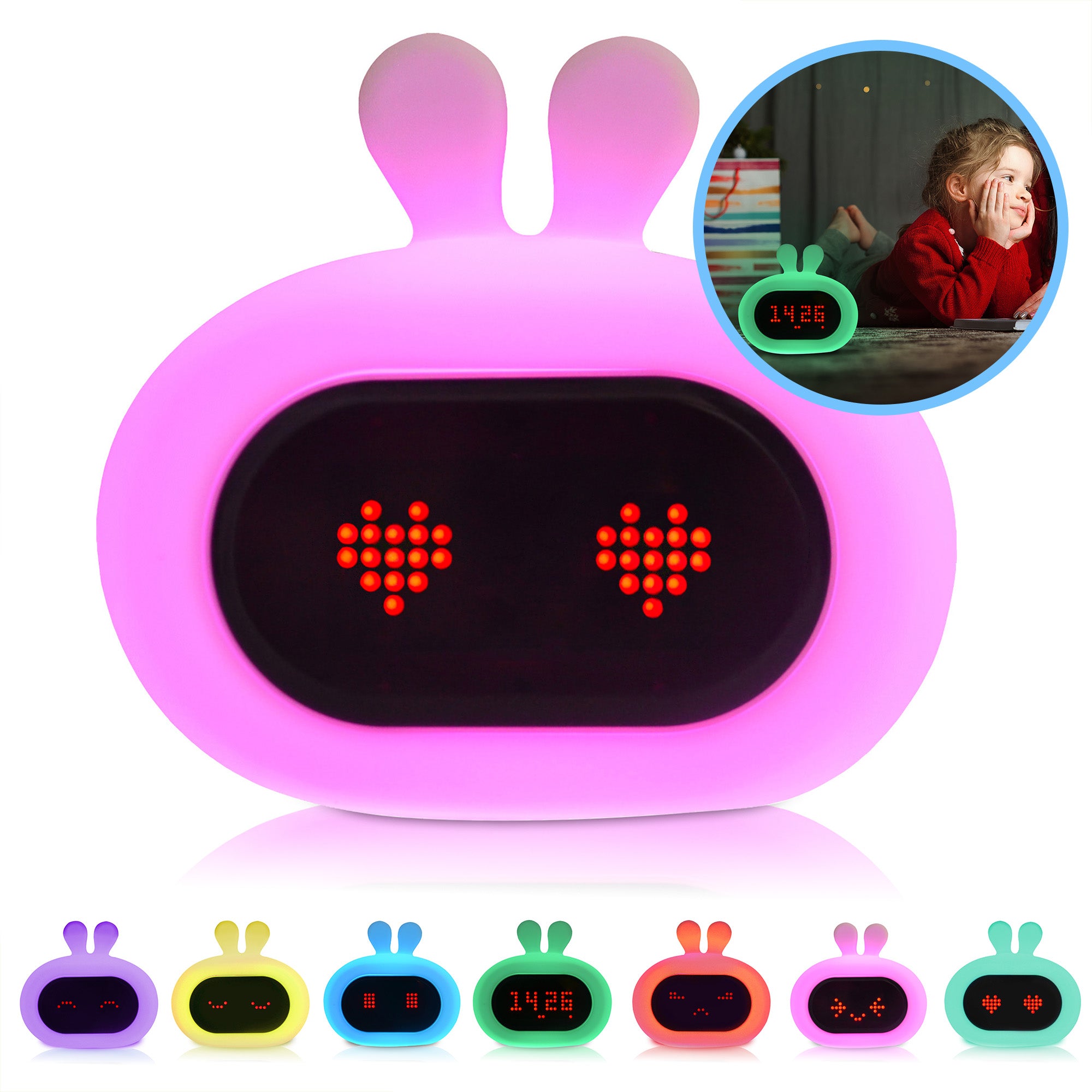
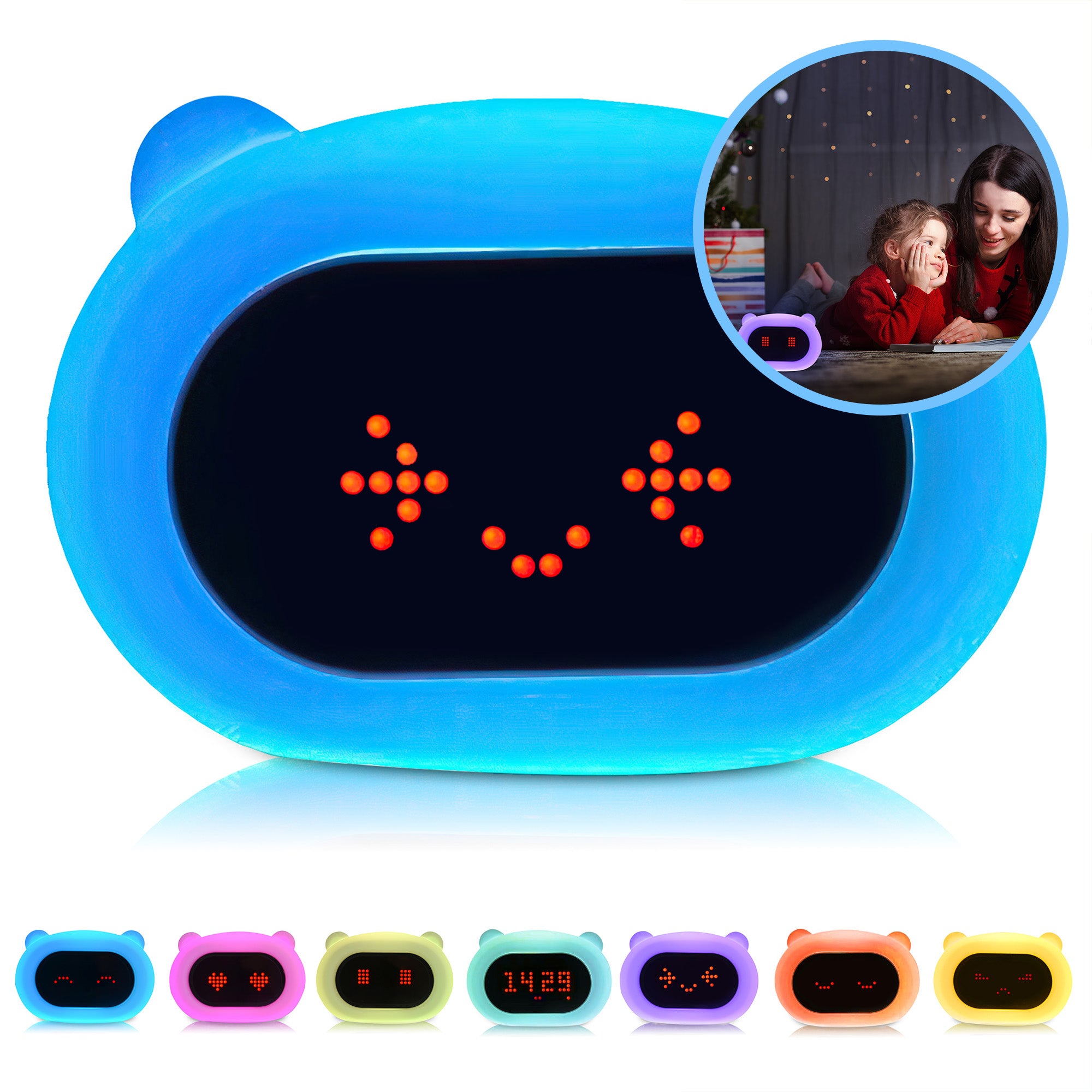
Some parents find that a combination works particularly well: a sleep comfort toy together with a soft night light or a sleep trainer that signals when it is bedtime. This can be helpful because comfort and structure reinforce each other. One child may mainly need something tangible to hold, while another also benefits from visual calm and predictability.
What if your child suddenly wants only one specific comfort toy?
This is very common. Once a child chooses a clear favourite, that comfort toy often needs to go everywhere. For parents, that can be convenient, but it can also be a little stressful. What happens if it gets lost or needs washing?
In practice, it helps to think about a spare or at least a second familiar alternative early on. Not every child accepts this immediately, so it often works best if the second toy occasionally joins calm moments as well. That way, it does not feel unfamiliar when it is needed.
At the same time, having a strong preference is not necessarily a problem. A favourite sleep comfort toy can provide a great deal of stability. As long as it fits within a relaxed routine and your child can still manage short periods without it, there is usually little reason for concern.
Sleep comfort toys by age
Babies and young toddlers
At this stage, everything revolves around softness, simplicity and safe use. Parents often choose a small comfort cloth or a lightweight plush toy without hard components. It is less about imaginative play and more about scent, texture and familiarity.
Toddlers
Toddlers often begin assigning meaning to their comfort toys. The toy receives a name, a voice or a role in the bedtime routine. This is often the age when a comfort toy truly becomes part of comfort and routine. A size that is easy to carry around generally works best.
Preschoolers
Preschoolers can still gain a great deal of reassurance from a sleep comfort toy, even if they seem more independent during the day. Especially during exciting transitions, such as starting school or sleeping alone in their own room, a familiar comfort toy often remains valuable. The difference is that older children can usually explain more clearly what they find comforting.
Choosing sustainably is also practical
Many parents look beyond whether a comfort toy is cute or soft and also consider how long it will last. That is a sensible approach. A well-made comfort toy stays attractive longer, feels pleasant even after many washes and can genuinely become part of everyday life.
Sustainability in purchases like these is not only about materials but also about creating calm at home. A product that feels reliable, is well-made and lasts for years prevents unnecessary hassle. It fits perfectly into a thoughtful family routine where comfort, quality and simplicity come together.
If the comfort toy does not work immediately
Sometimes parents buy a beautiful sleep comfort toy with the best intentions, only to find that their child barely notices it. That is perfectly normal too. Attachment to a comfort toy cannot be forced. It helps to keep it available without pressure. Place it in the reading corner, include it in cuddles on the sofa or occasionally give it a role during play.
Sometimes a comfort toy only becomes important weeks later. And sometimes a child eventually chooses something entirely different as a trusted sleep companion. The goal is not that one specific toy must succeed, but that your child finds something that brings comfort and calm at bedtime.
For many families, the real benefit comes from combining closeness, repetition and a comfortable sleep environment. A soft comfort toy, a predictable bedtime routine and a calm bedroom can together provide that little extra sense of security a child needs. And for parents, this often makes evenings easier too — less struggle, more comfort and more room for a peaceful end to the day.
Choosing a comfort toy therefore means choosing more than just something soft for the bed. It also becomes a small anchor point within the daily routine. And it is often within those ordinary evenings that the greatest sense of calm is found.