Your child is standing next to your bed at 5:23 AM, fully ready for the day. Meanwhile, you barely even know what day it is yourself. Many parents search for “sleep trainer child when to start” because they hope for calmer mornings and more clarity for their child. That makes complete sense. A sleep trainer can truly help, but the right moment depends less on an exact age and more on your child’s development.
Sleep trainer for children – when is it a good idea?
In practice, a sleep trainer often works best from around the age of 2. Around this age, many children begin to better understand simple agreements, such as: if the light is still red, we stay in bed a little longer. Still, 2 years old is not a strict boundary. Some children only truly understand it around 2.5 or 3 years old, while others respond well to visual signals much earlier.
The most important question is therefore not just how old your child is, but whether your child is beginning to understand cause and effect. Can your child follow simple rules? Does your child recognize routines such as brushing teeth, putting on pajamas, and bedtime? Then there is a greater chance that a sleep trainer will be valuable.
For younger children, for example around 18 months, a sleep trainer can already become part of the bedtime routine, but do not expect too much independent understanding yet. At that age, it mainly serves as support for recognition and calmness. The actual understanding of “it is still nighttime” and “now you may get up” usually comes later.
What age is suitable for a sleep trainer?
From 18 months to 2 years
At this stage, repetition is key. A child of this age does not always understand why they should stay in bed when they wake up. However, fixed colors, lights, or a calm bedtime ritual can help make the transition to nighttime more predictable. Think of the sleep trainer as part of a calming routine, not as a quick solution for early mornings.
From 2 to 3 years
This is often the ideal starting phase. Toddlers begin to better understand what an agreement means, especially when it is kept very simple. One rule works better than three. For example: if the sheep is sleeping, you stay in bed a little longer too. In this age group, a sleep trainer often works best because children need structure but do not yet understand time.
From 3 years and older
Preschool children can also benefit greatly from a sleep trainer, especially if they wake up early or struggle to stay in bed. At this age, you can usually explain things more clearly. Your child can better understand what is happening and can sometimes even help shape the routine. This often leads to fewer conflicts and more cooperation.
What does it really depend on?
A sleep trainer works best when it matches your child’s temperament. A sensitive child often benefits greatly from predictability and gentle signals. A very active or strong-willed child may need more time to accept new routines. That does not mean it will not work, but patience becomes extra important.
Sleep behavior also plays a role. If your child frequently wakes during the night due to fear, thirst, a wet diaper, or restless sleep phases, a sleep trainer will not solve those issues. It creates structure, but it does not remove the cause of poor sleep. That is why it is important to honestly look at the situation.
Is your child mainly waking up early and immediately ready for the day? Then a sleep trainer can often help better than with children who experience a lot of nighttime restlessness. In this case, it is mainly about boundaries and predictability — exactly what a sleep trainer is designed for.
How do you introduce a sleep trainer without conflict?
Starting calmly almost always works better than being strict from day one. First show the sleep trainer during the daytime. Explain what the colors or symbols mean and keep it simple. Young children do not need long explanations — a short and warm explanation is enough.
Then make it a fixed part of the bedtime routine. Turn it on at the same time every evening, for example after reading a bedtime story and before the final cuddle. This turns it into a recognizable signal rather than just another object.
Do not expect miracles in the first few days. Your child will probably still get up too early. That is completely normal. Respond calmly and consistently. Refer back to the sleep trainer without too much discussion. The calmer and more consistent you are, the clearer it becomes for your child.
What can you realistically expect?
A sleep trainer is not a magic solution. Some children understand it within a few days, while for others it may take two to four weeks before you clearly notice an effect.
The result is not always as big as parents hope either. Maybe your child will not suddenly sleep until 7 AM, but they may learn to play quietly or wait until the signal changes. That is also a win. More peaceful mornings are not only about longer sleep, but also about clarity and fewer conflicts.
It helps to take small steps. If your child currently wakes up at 5:30 AM, then 6:30 AM may be too big of a leap. Start with 5:45 or 6:00 AM and slowly move the time later. For a young child, 15 minutes is already a big change.
When does a sleep trainer make less sense?
There are also situations where waiting a bit longer is better. If your child is still very young and cannot yet understand simple instructions, a sleep trainer may only create frustration. The same applies during major life changes such as moving house, potty training, or the arrival of a new baby.
During those periods, children usually need safety and stability the most. Additional expectations around sleep can become overwhelming. Sometimes it is better to first restore a calm and predictable routine.
With persistent sleep problems, it is also important to look beyond a sleep trainer alone. Snoring, frequent waking, or extremely short nights may require a different approach.
What should you pay attention to when choosing one?
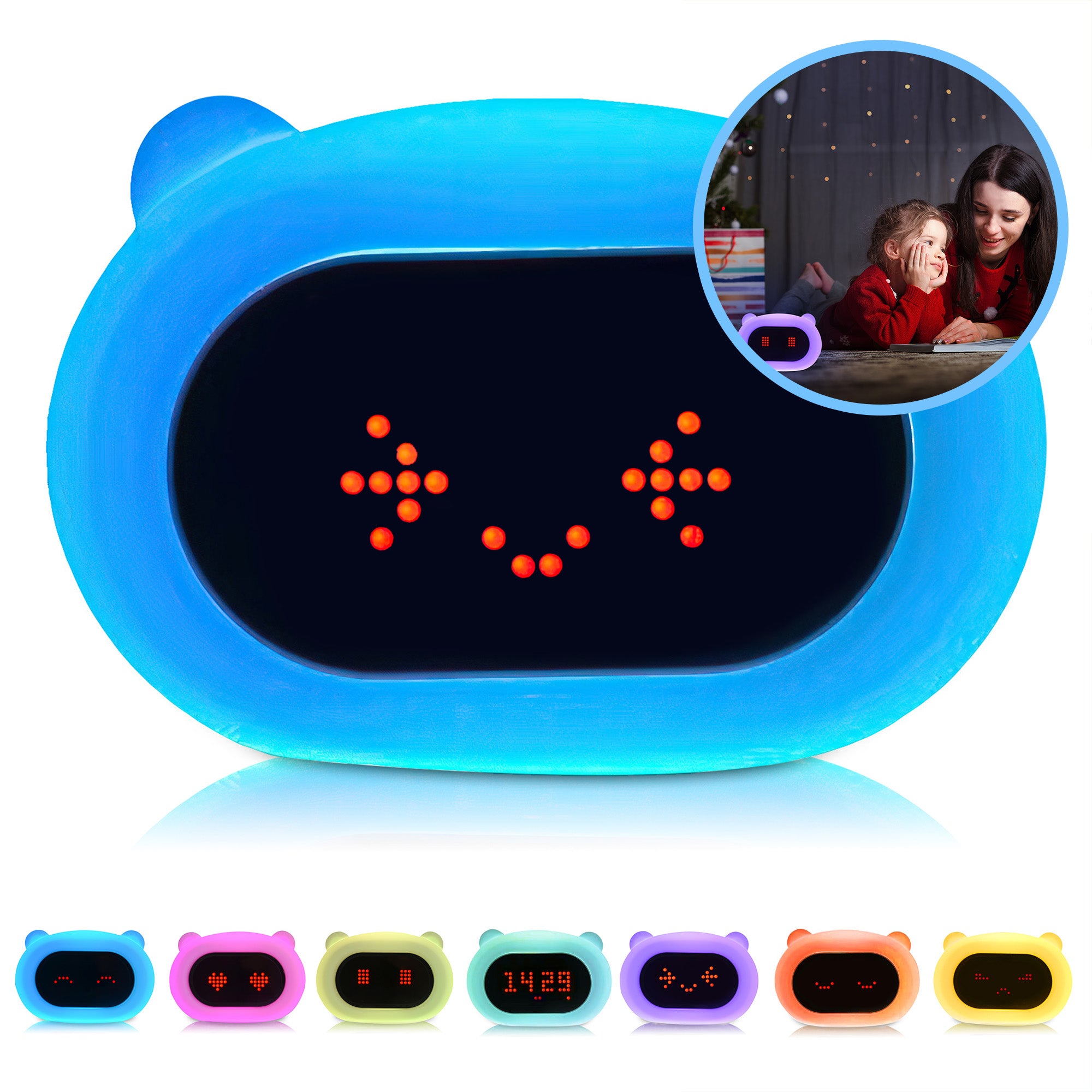
For young children, simplicity works best. A sleep trainer should be clear at first glance. Colors, symbols, or soft lights work best. Too many functions can create unnecessary overstimulation.
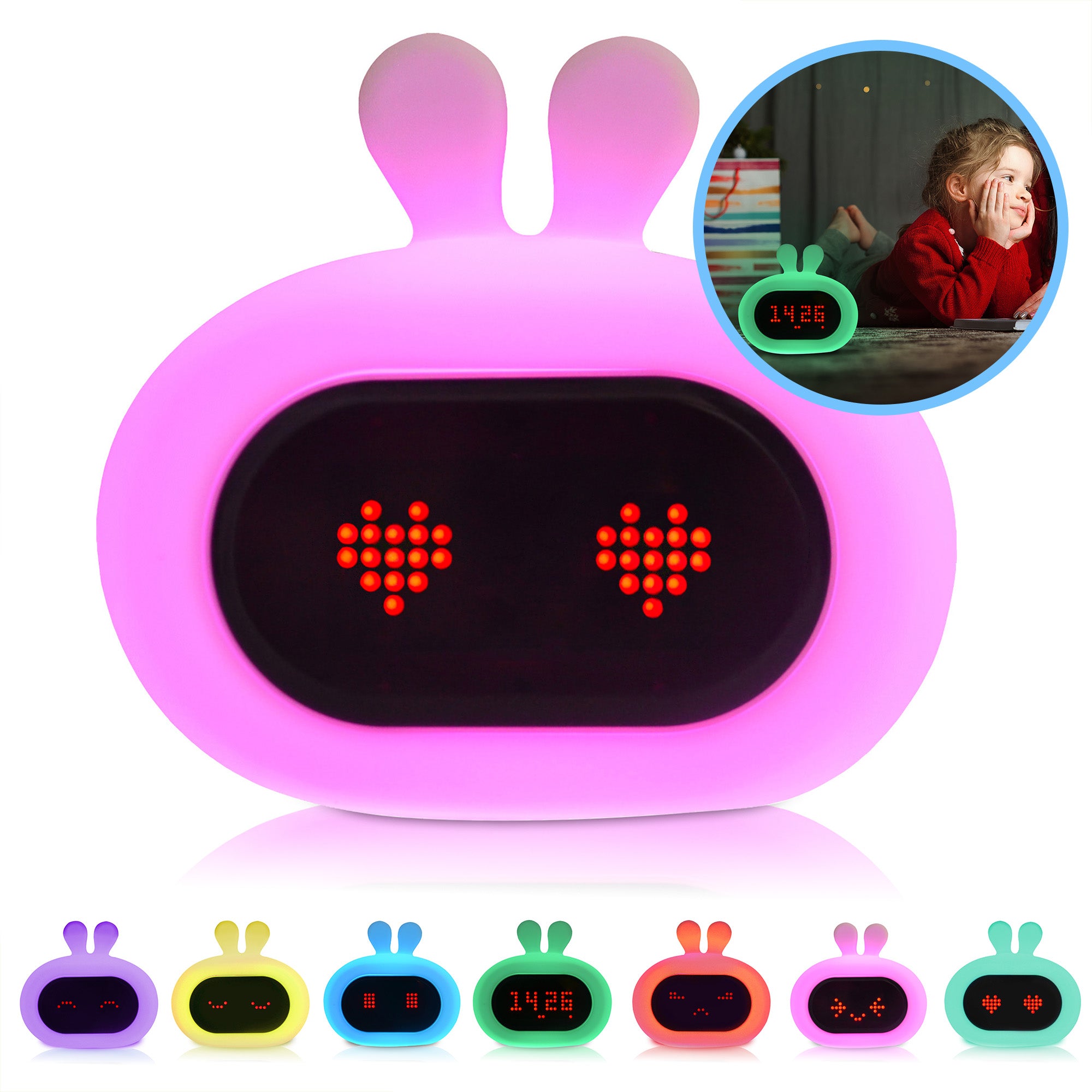
Some models work with lights, sounds, and visual signals. A gradual wake-up light before the set wake-up time can create a more natural start to the morning.
A calm design fits better in a bedroom than something that looks like a toy. Many parents also choose a model that doubles as a night light.
Durability and safety are just as important, since the product is used daily for a long period of time.
How to increase the chance of success
A sleep trainer works best as part of a complete routine. A fixed bedtime, calm evenings, and predictable mornings make a huge difference.
When parents search for “sleep trainer child when to start,” they are often really searching for more peace at home. The right timing is when your child is ready to understand simple rules — and when you are ready to guide them calmly and consistently.
Would you like calmer mornings and a clearer routine for your child?
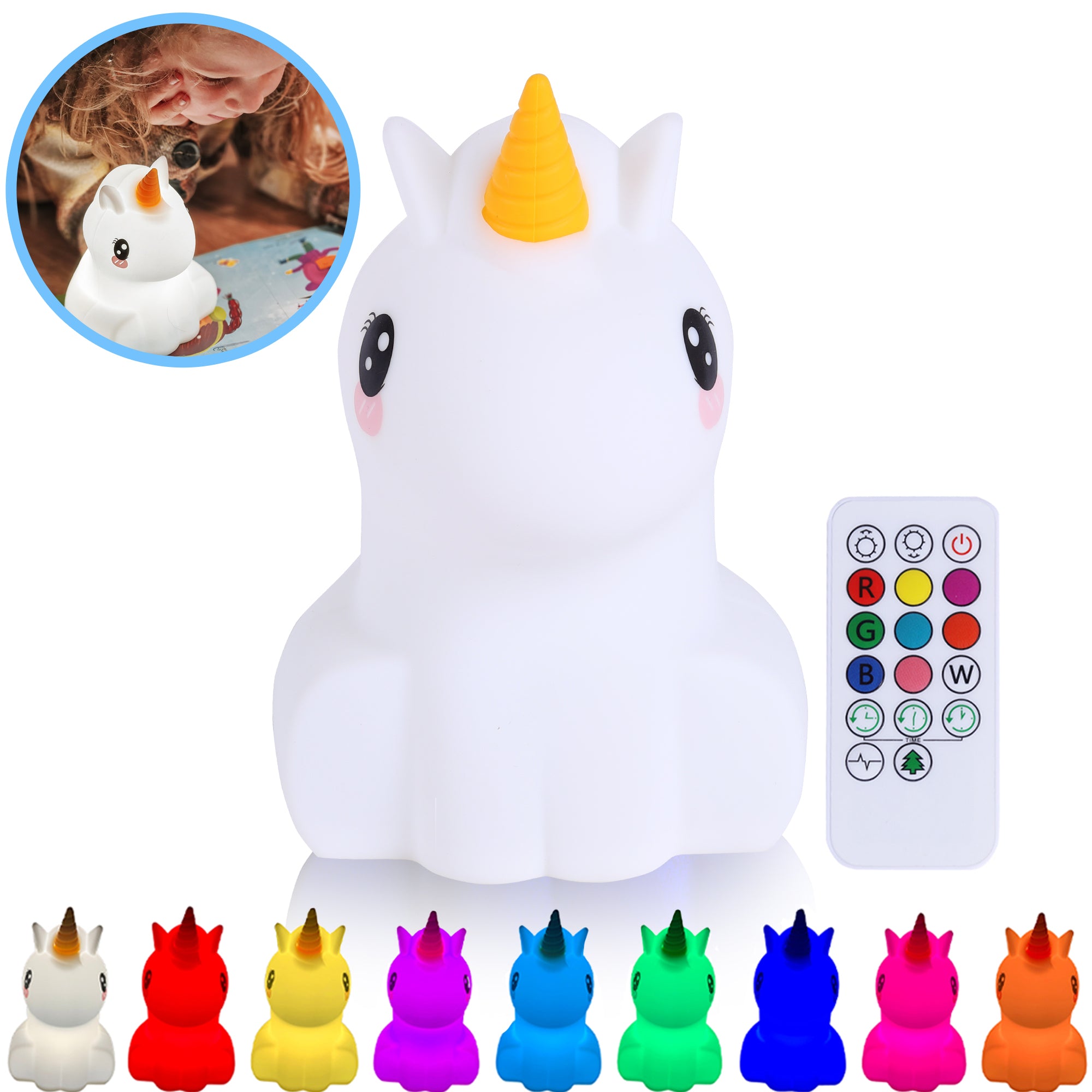
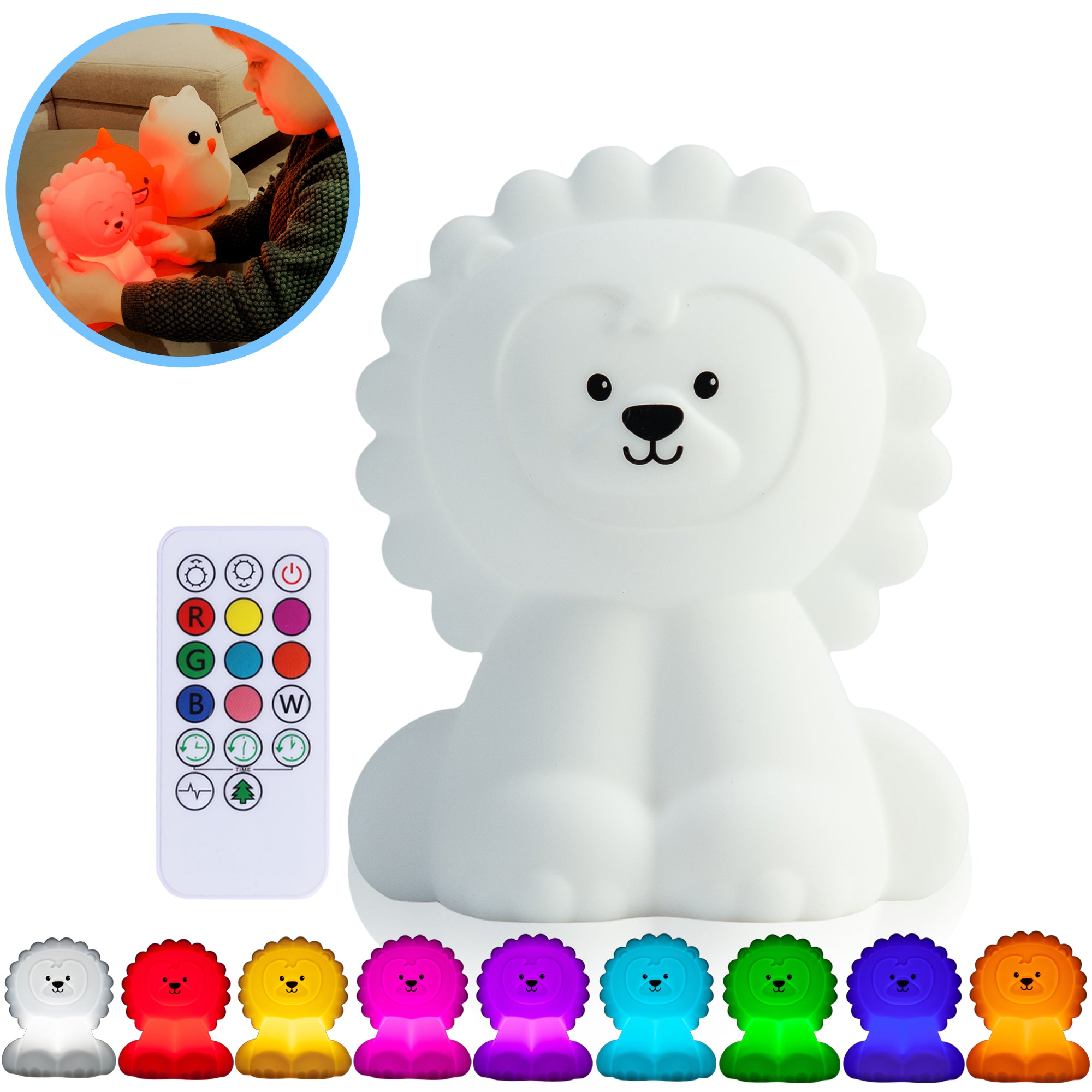
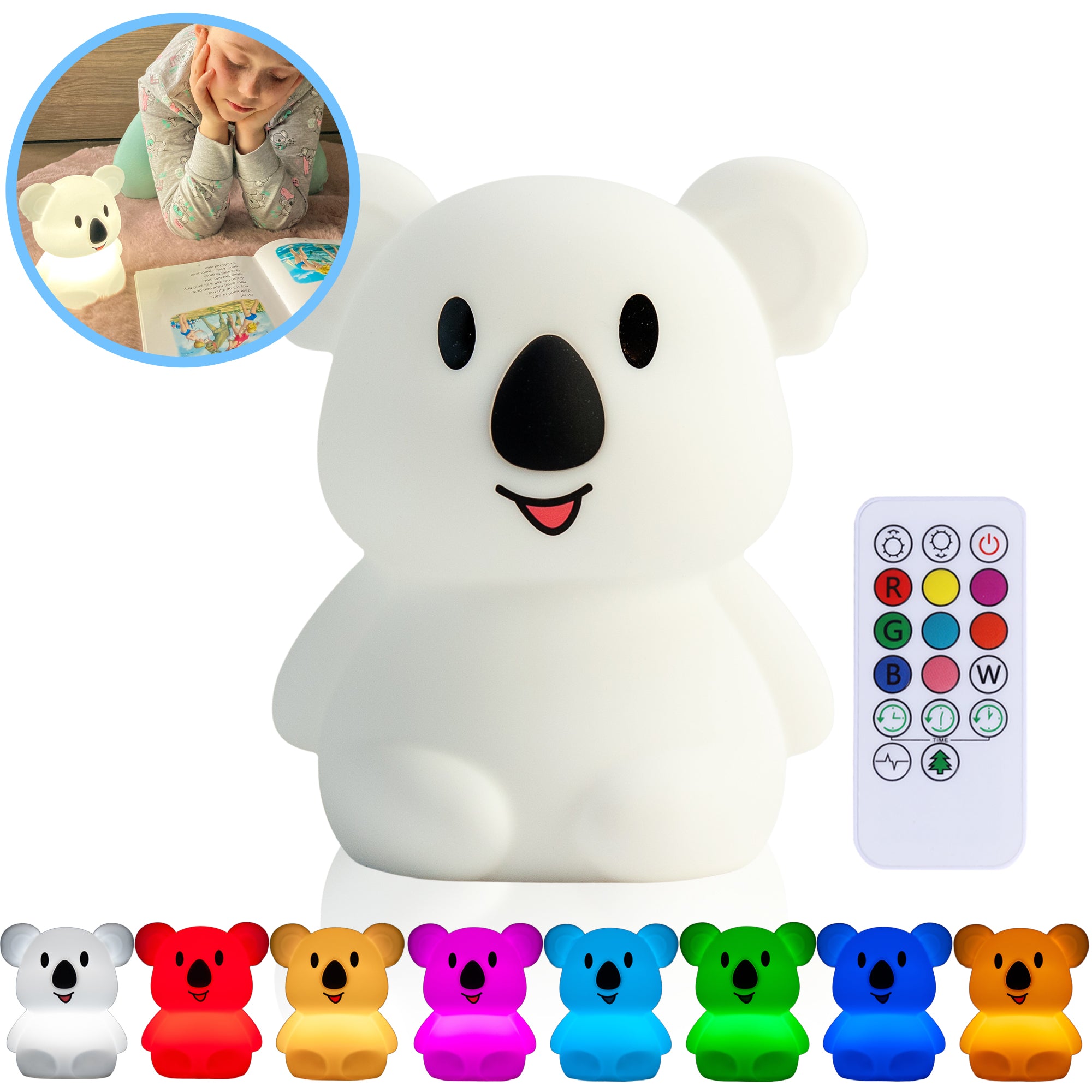
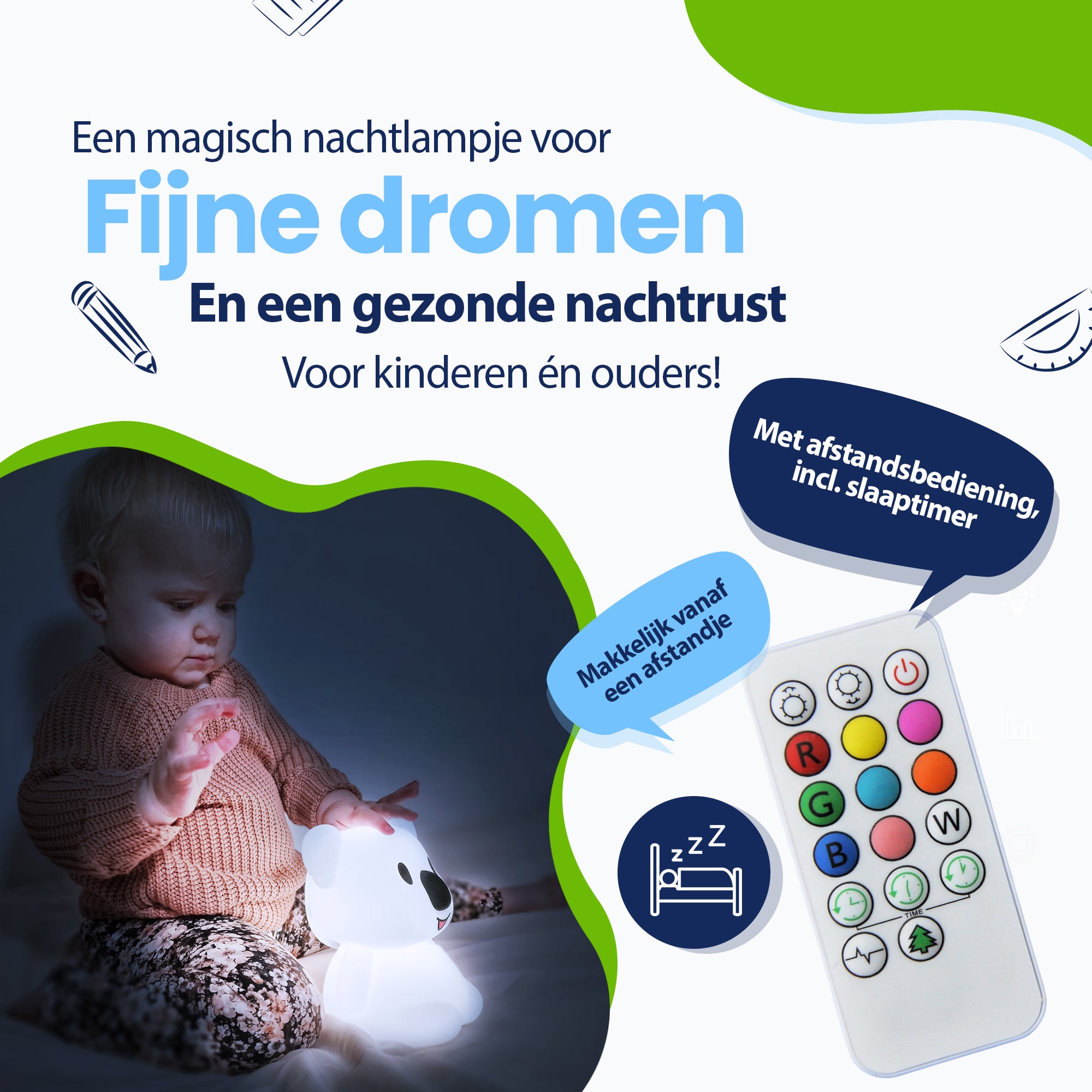
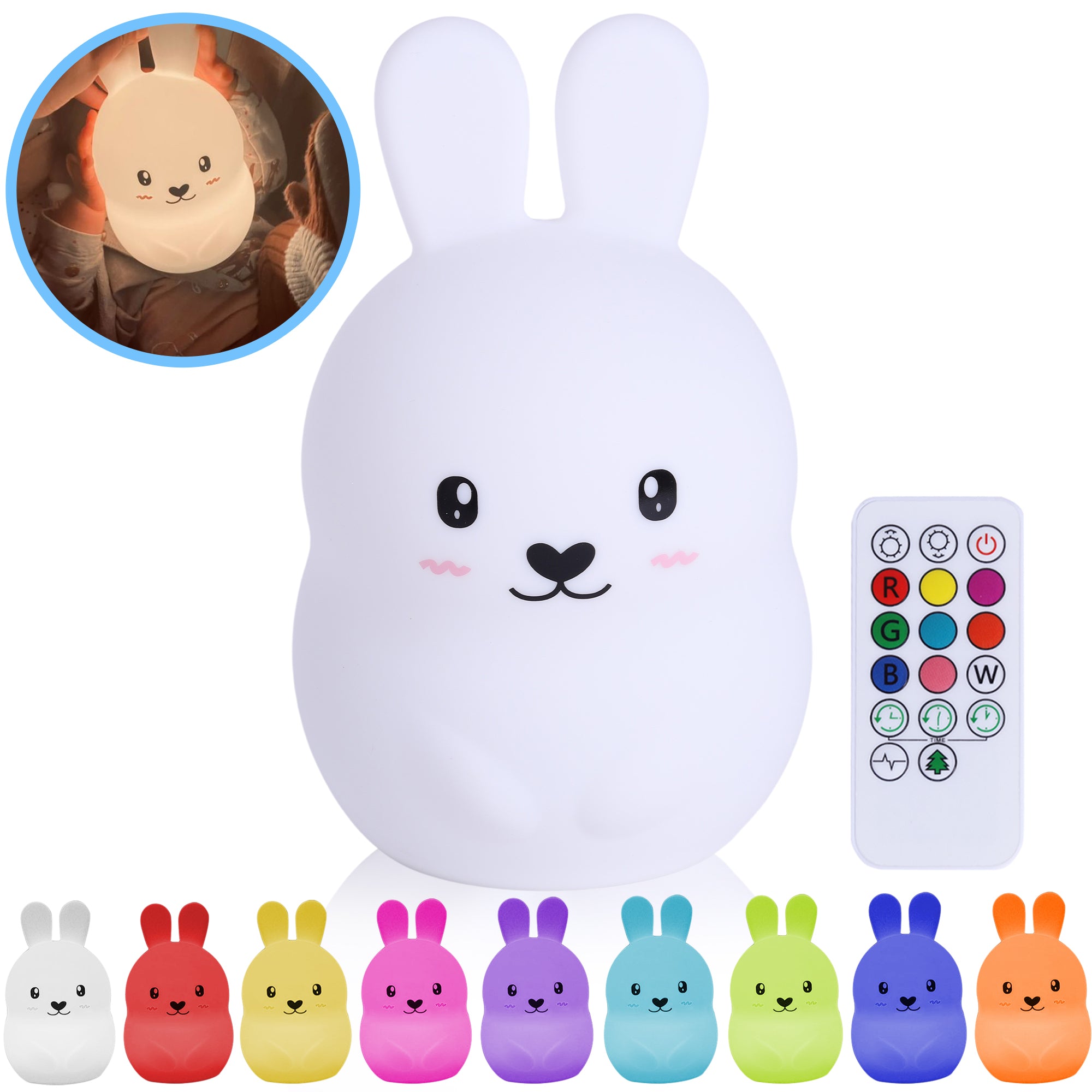
Discover the Kadoing sleep trainers for children with wake-up light and child-friendly signals for a calm start to the day.