A soft cuddly toy is lovely, but a good new baby gift can also grow with the family. Anyone looking for a guide to choosing a developmental baby gift usually wants to give something that will not disappear into a basket after a few weeks. Something that invites a baby to touch, look or listen, and helps parents create calm, enjoyable moments together.
Developmental value does not have to be grand or complicated. Simple, repeated moments, such as singing a song together or reaching for a familiar toy, can be especially meaningful. The right gift suits the child’s age, has been chosen with care and fits easily into the family’s everyday life.
What should you look for in a developmental baby gift?
Do not choose something only because it looks attractive in the nursery. Start by asking yourself three simple questions: what can a baby do with it at this stage, can the gift still be used later, and does it make an everyday moment more pleasant for both parent and child?
A newborn does not need complicated toys. Simple, age-appropriate materials and opportunities to look, listen and feel already offer plenty of ways to explore together. As a child grows, there is more room to investigate, experience the effects of their actions and play independently. A gift that fits this development not only feels thoughtful but is often used for longer as well.
Consider the family’s rhythm too. Some parents particularly enjoy singing and playing together. Others appreciate a calming aid for the evening or a familiar item that can travel to the grandparents’ house. There is therefore no single best new baby gift. Its value lies in how well it suits the child and the people around them.
Development begins with small repetitions
During the first year, a child discovers a great deal through looking, listening, feeling, moving and repetition. A baby follows movement with their eyes, feels different textures and responds to a familiar voice. Later, they begin to grasp, shake, stack, open and close. Toys can support this curiosity as long as the child is free to set their own pace.
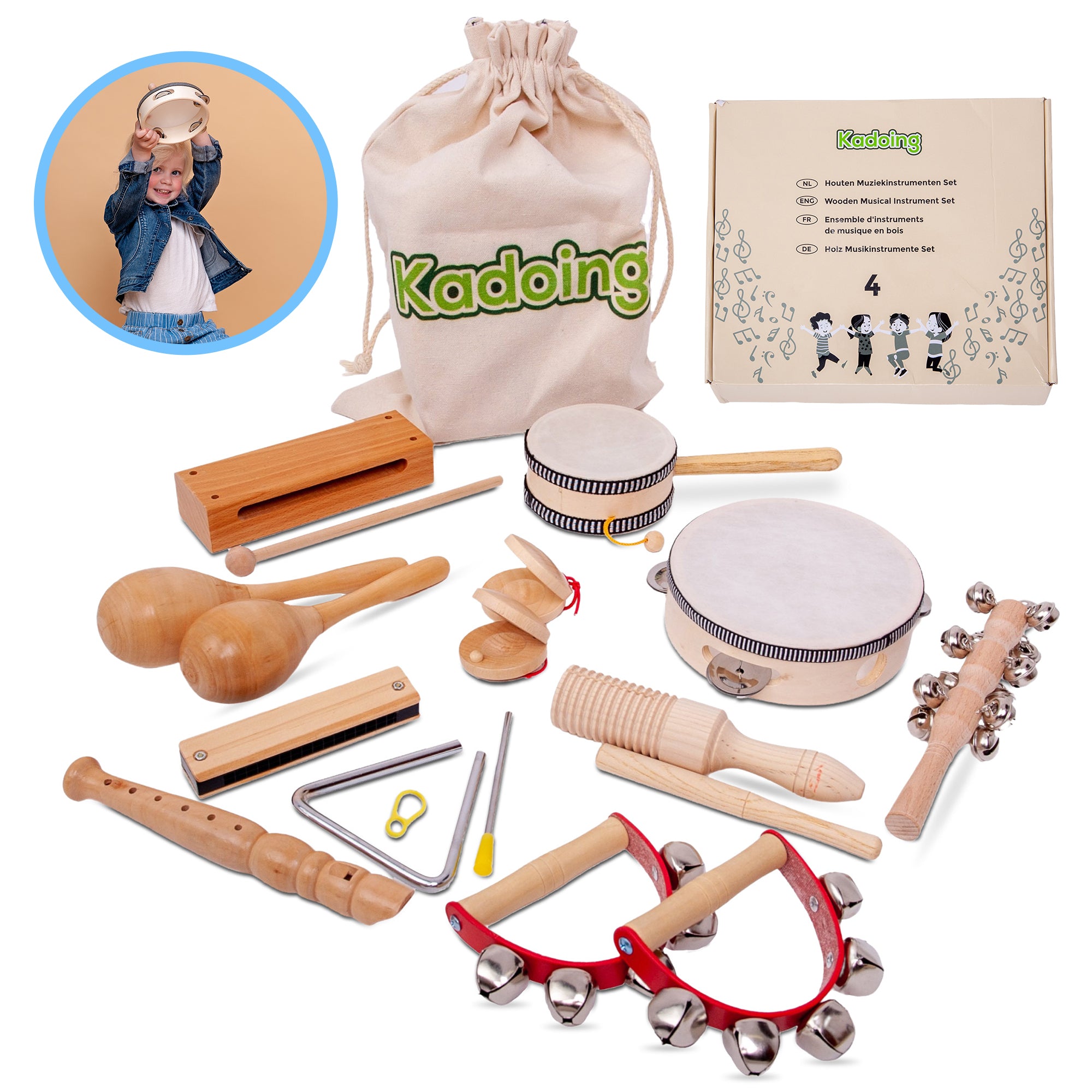
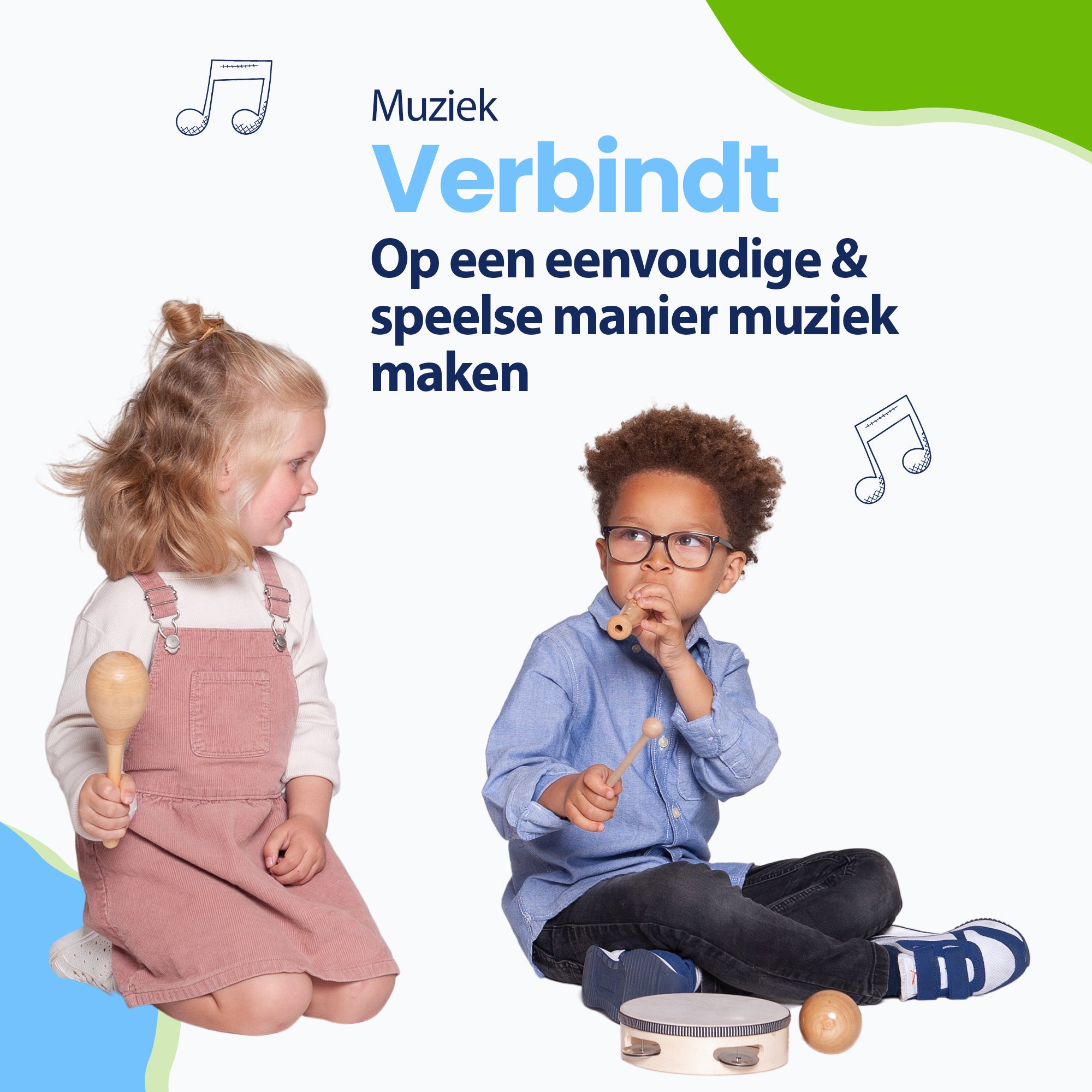
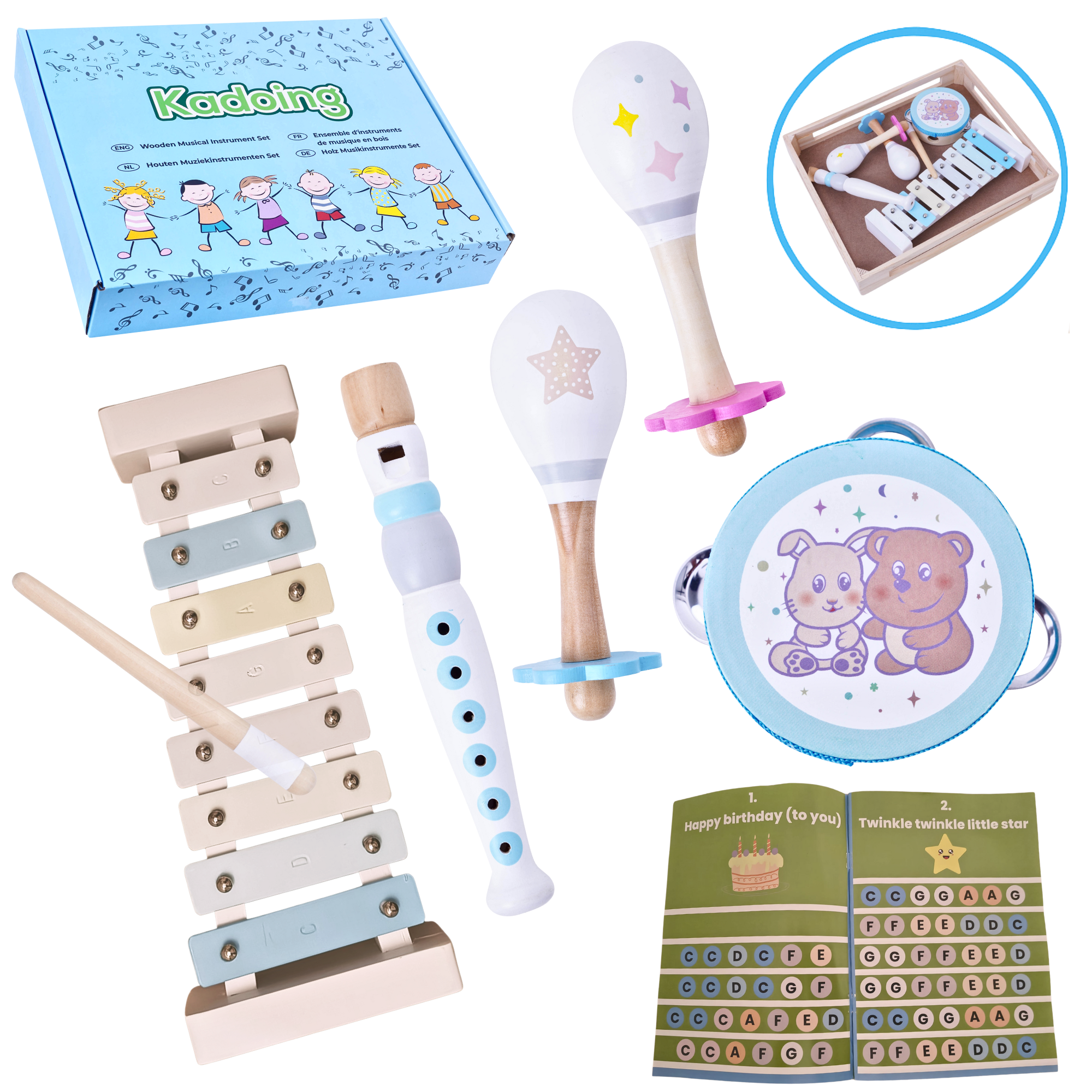
Music is a lovely example. A gentle children’s song that is repeated often can create a familiar moment. It is not about singing beautifully or achieving anything, but about attention, rhythm and enjoyment. A wooden musical instrument that is suitable for the child’s age can later encourage listening and making sounds independently. For very young babies, listening together is often more valuable than playing an instrument themselves.
Touch also plays an important role. An age-appropriate cuddly toy with different textures, a wooden figure with rounded shapes or a simple toy that is comfortable to hold can offer small discoveries without too many distractions.
Choose a gift that grows with the child’s age
A new baby gift does not necessarily have to be used immediately after birth. You can deliberately choose something for a later developmental stage, provided the parents know the age from which the product is suitable. Many gifts are given around the time of birth even though the child will not really be ready to play with them until months later. That is not a disadvantage as long as the recommended age is clear and the parents can store the gift safely until the right time.
For the first few months, you might consider age-appropriate soft toys, gentle music boxes and objects with different textures. They can become part of a regular moment on the changing table, while getting dressed or before bedtime. Always choose a cuddly toy in a size and design suitable for the stated age. A cuddly toy is intended for cosy time together and supervised play, not as a loose sleep accessory for a young baby.
As a baby begins to grasp and explore more actively, sturdy age-appropriate toys, simple sound games and shapes that are easy to hold can become interesting. Through play, the child can discover that one of their own actions makes something move or produce a sound.
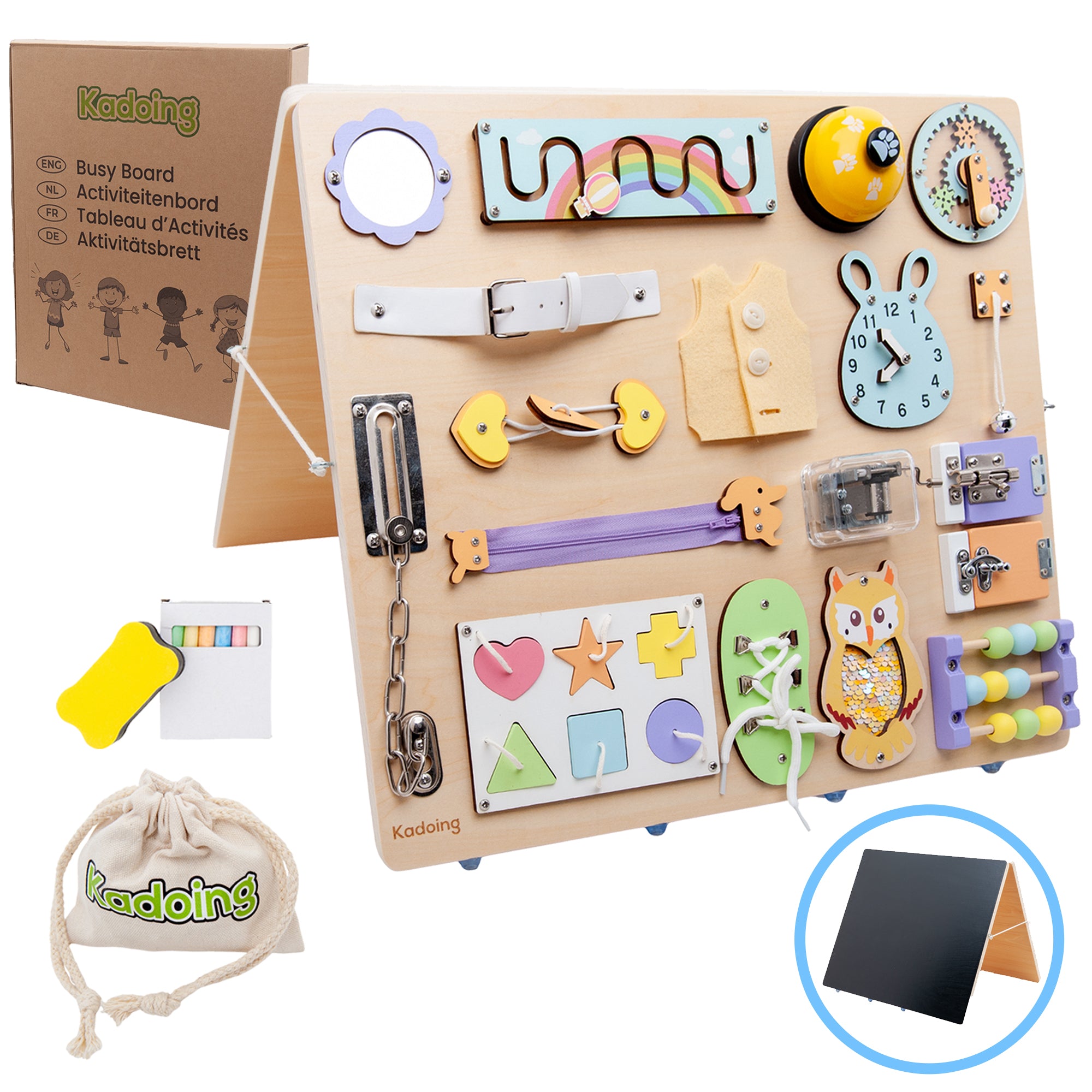
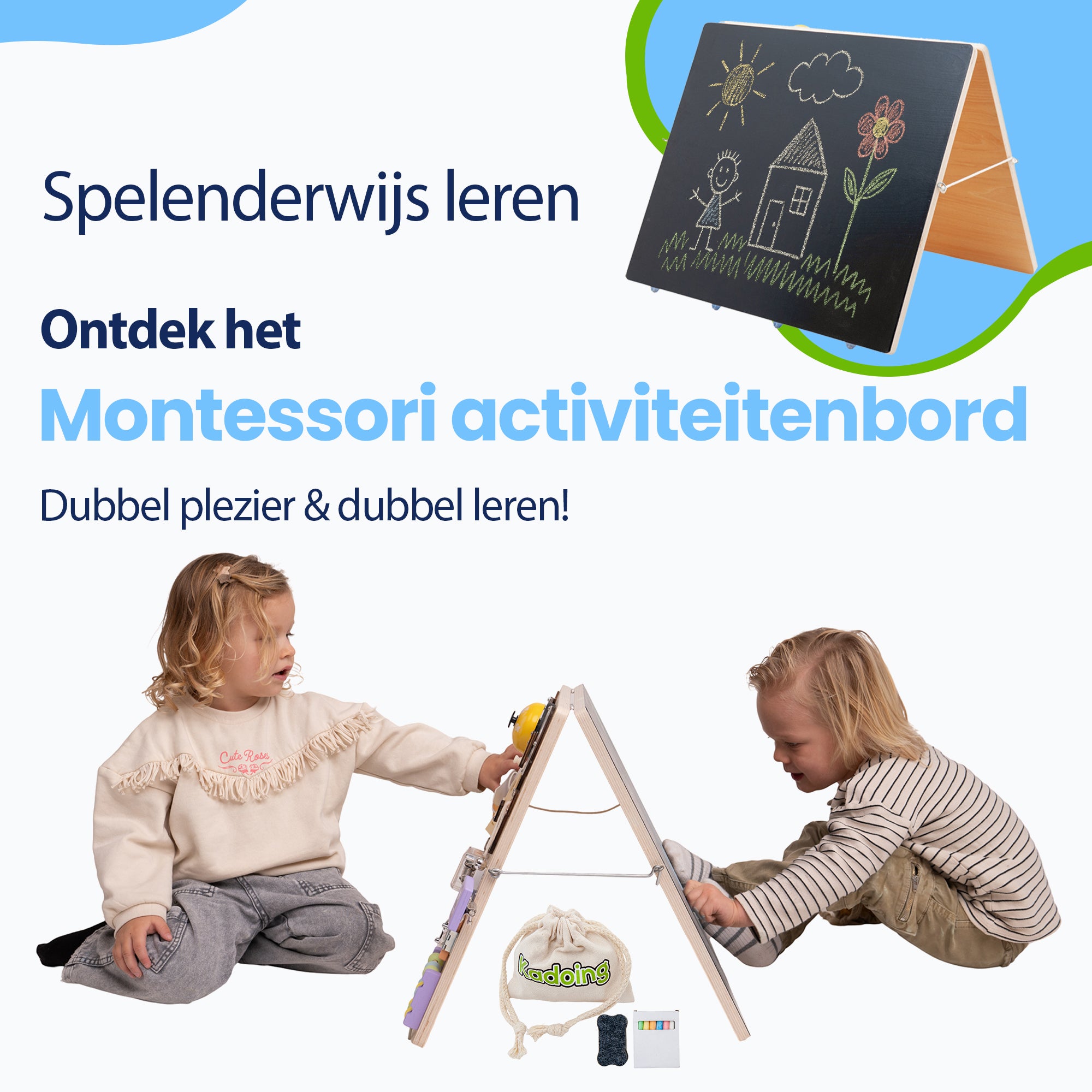
Activity boards and wooden musical toys often become especially enjoyable for toddlers. A Montessori activity board can invite them to turn, slide, open and experiment. Children are given the space to discover for themselves how the different parts work. One child may stay with a single element for a long time, while another may want to switch quickly.
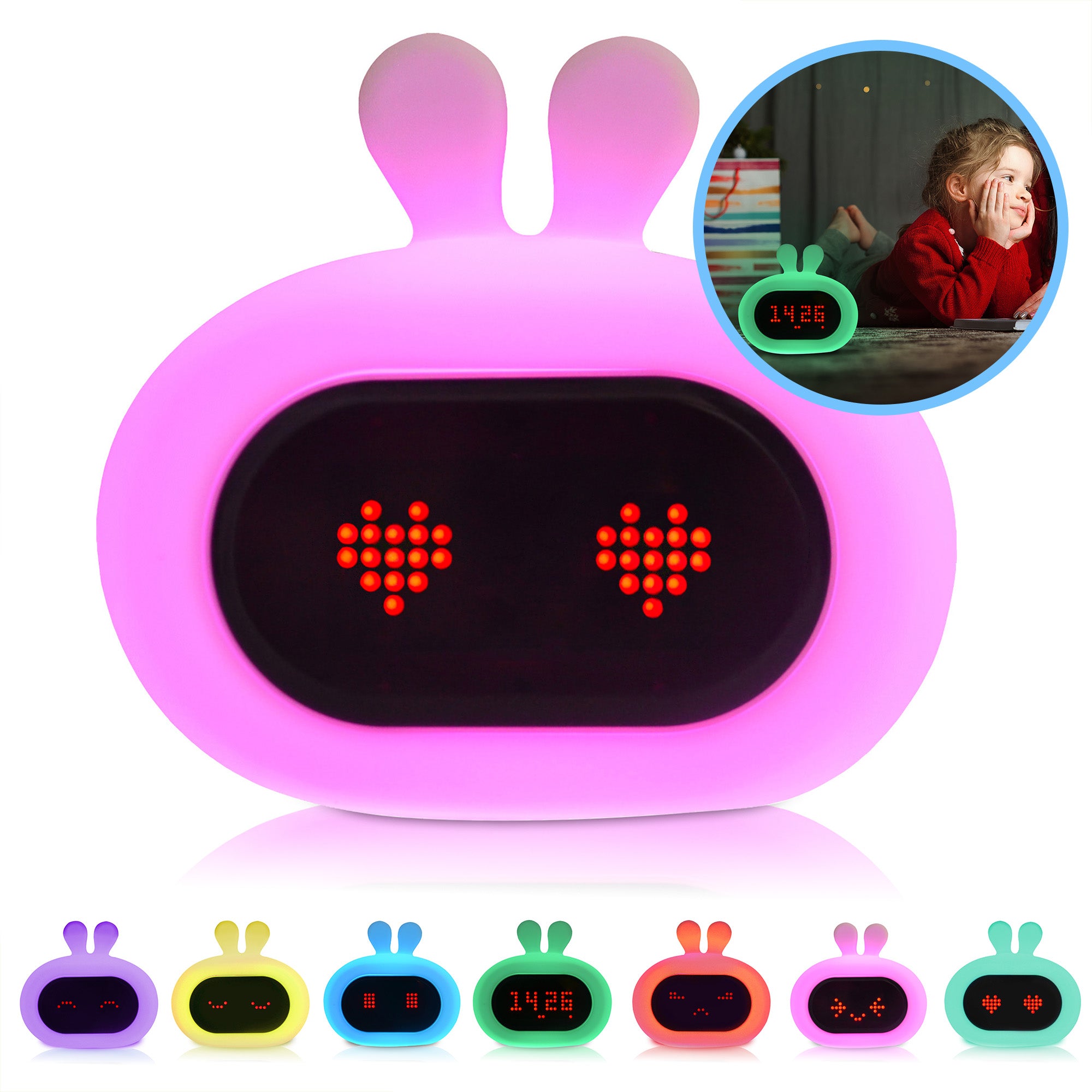
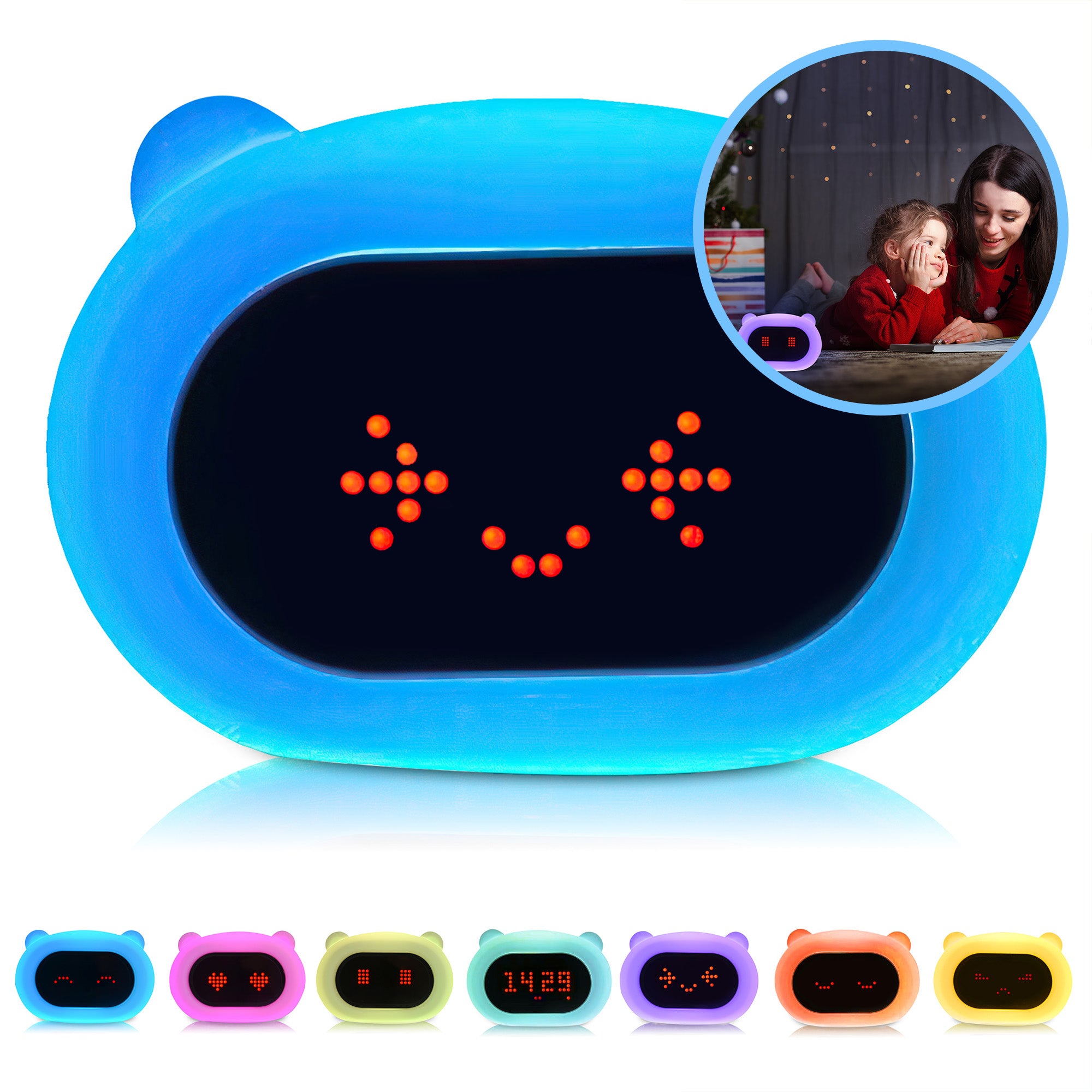
A children’s alarm clock or sleep trainer is generally a gift for a later stage. For toddlers, a familiar light or symbol can provide a visual cue for morning and evening routines. If you give one as a new baby gift, choose a timeless design that can come out of the cupboard later. This gives parents not only a product, but also a helpful tool for a future routine.
Gifts that can bring both calm and play
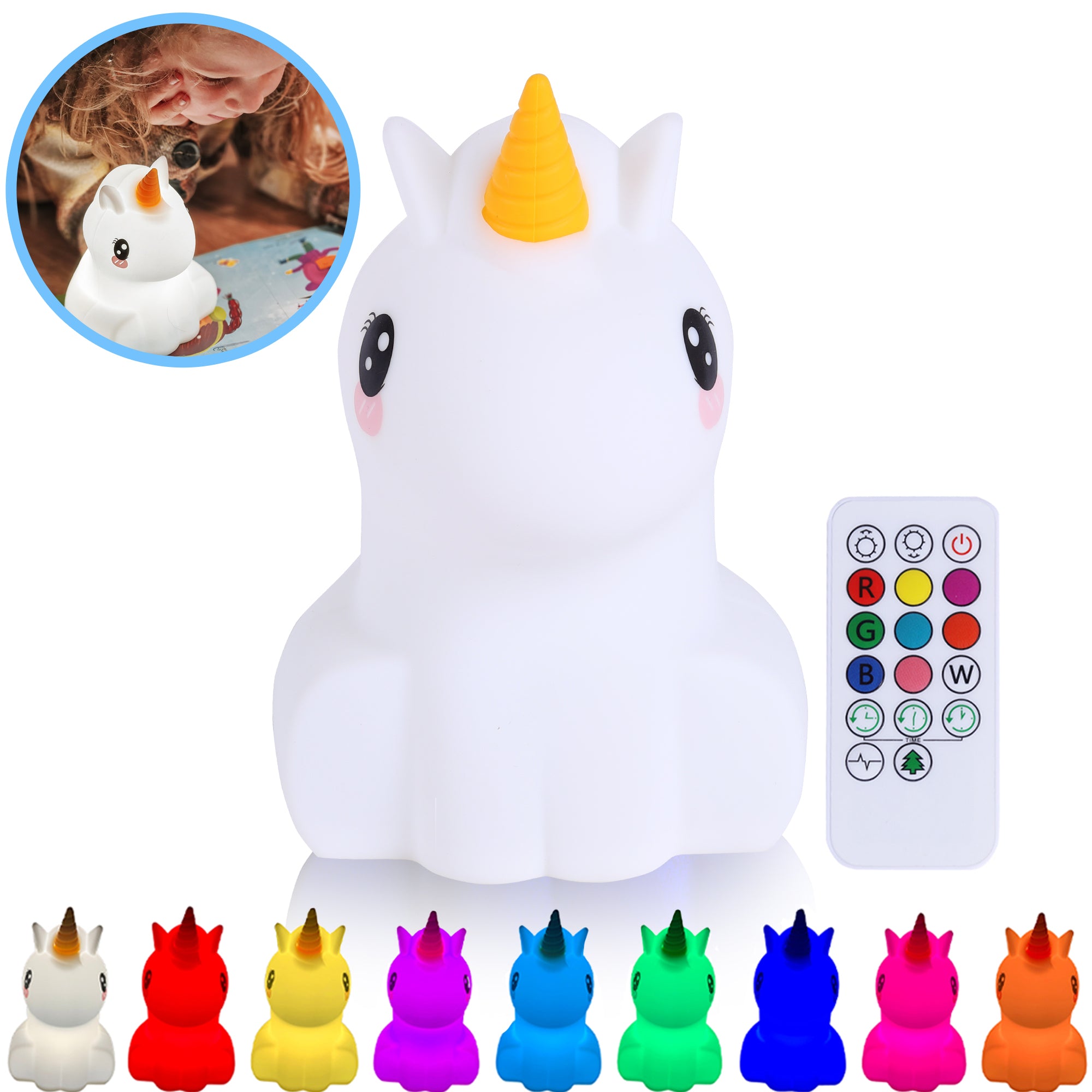
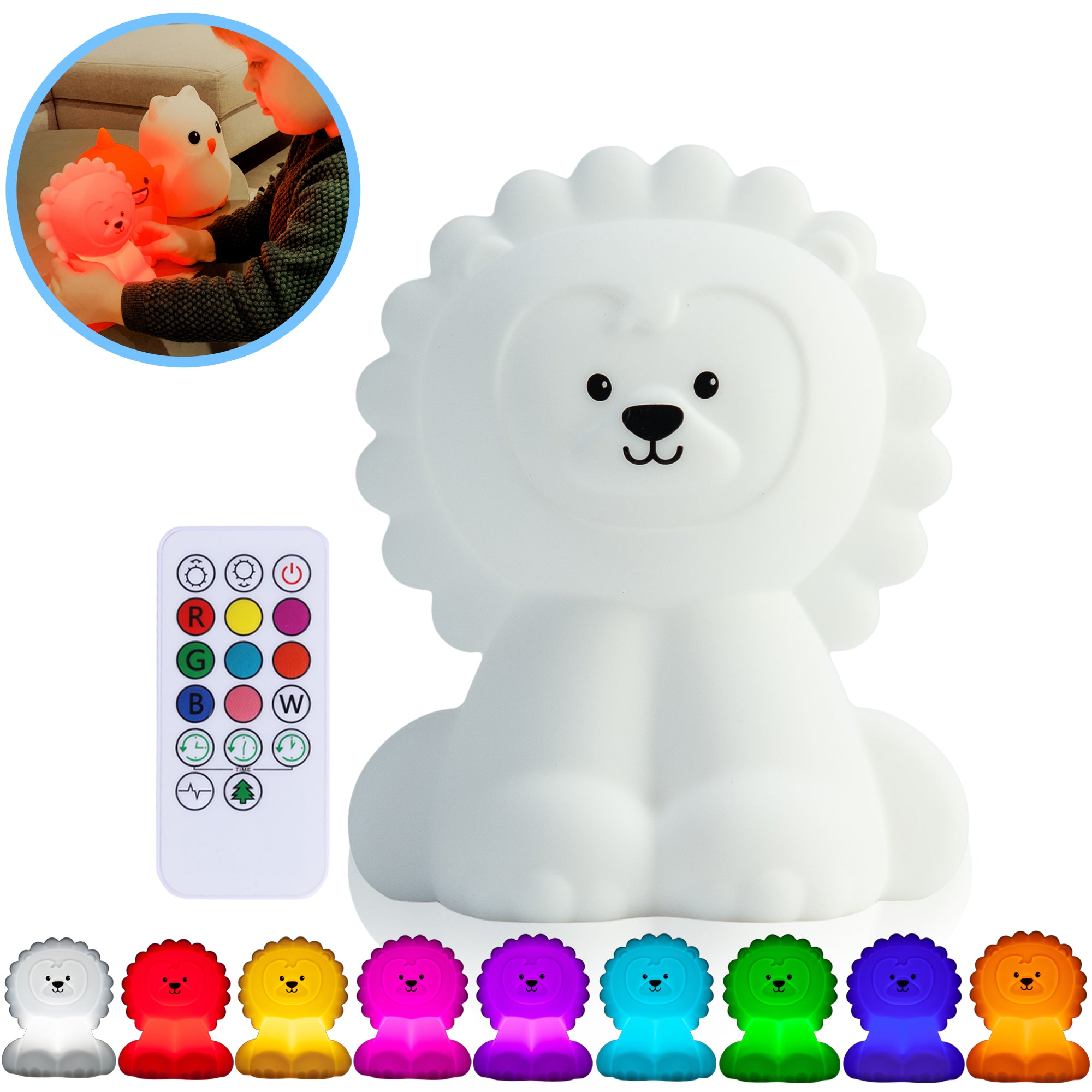
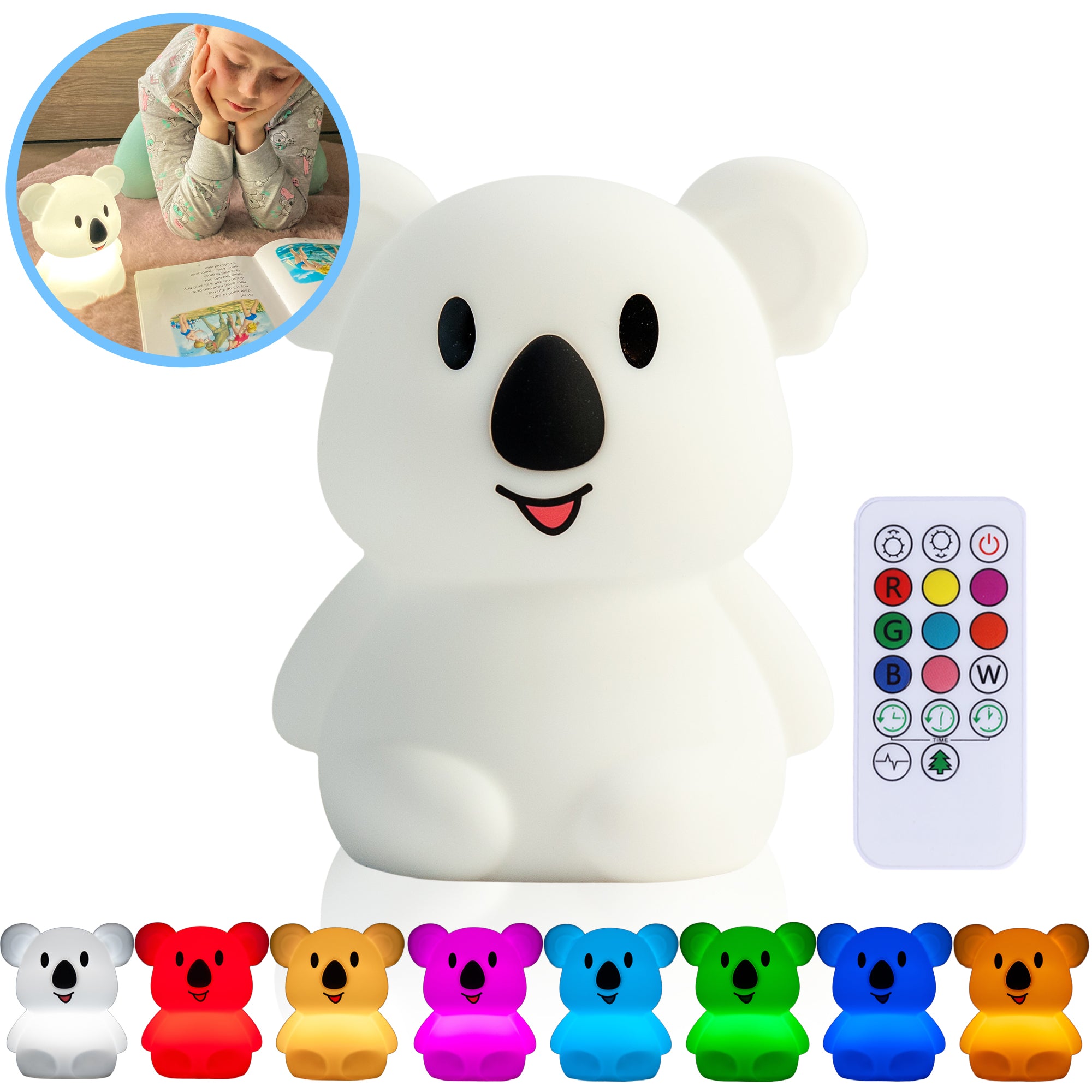
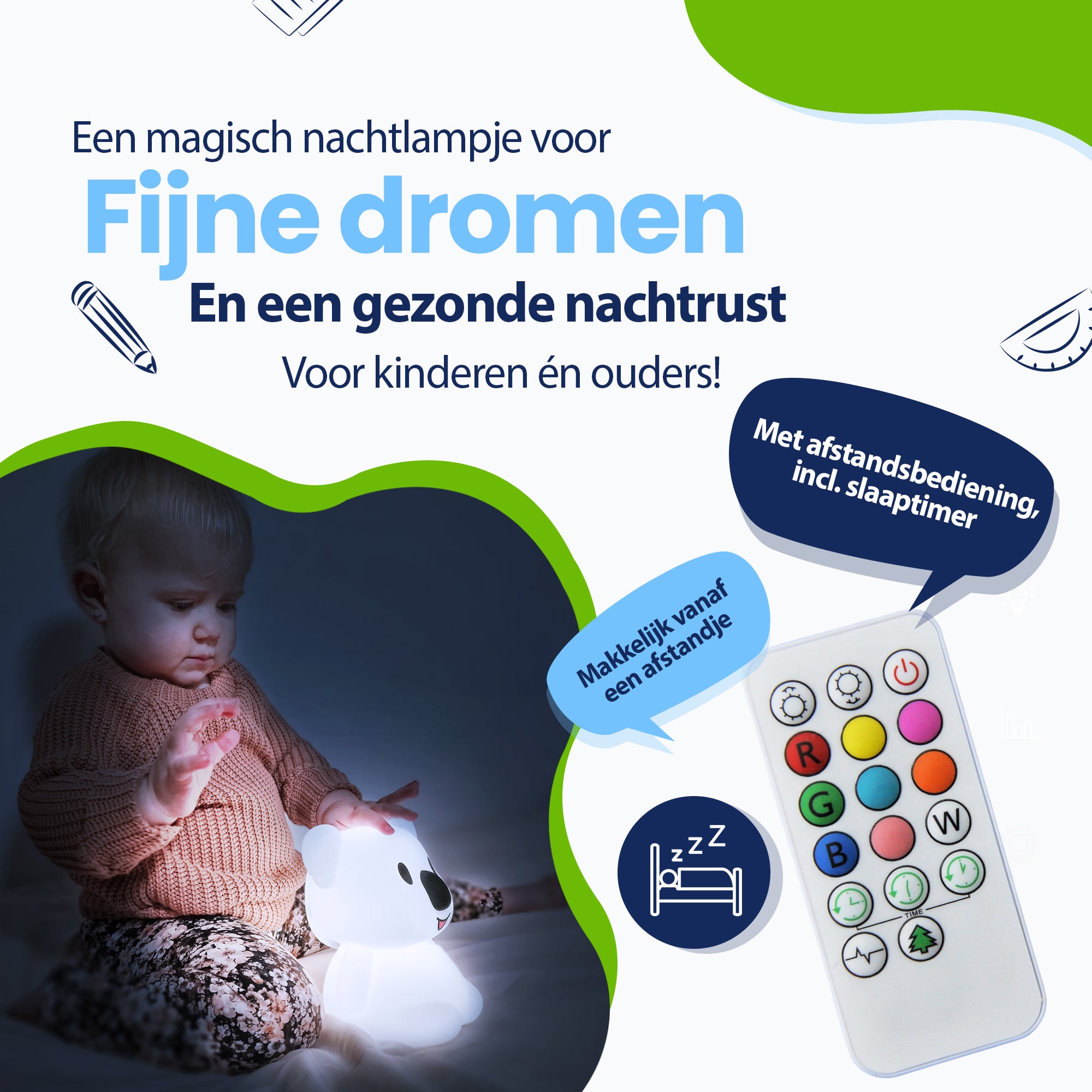
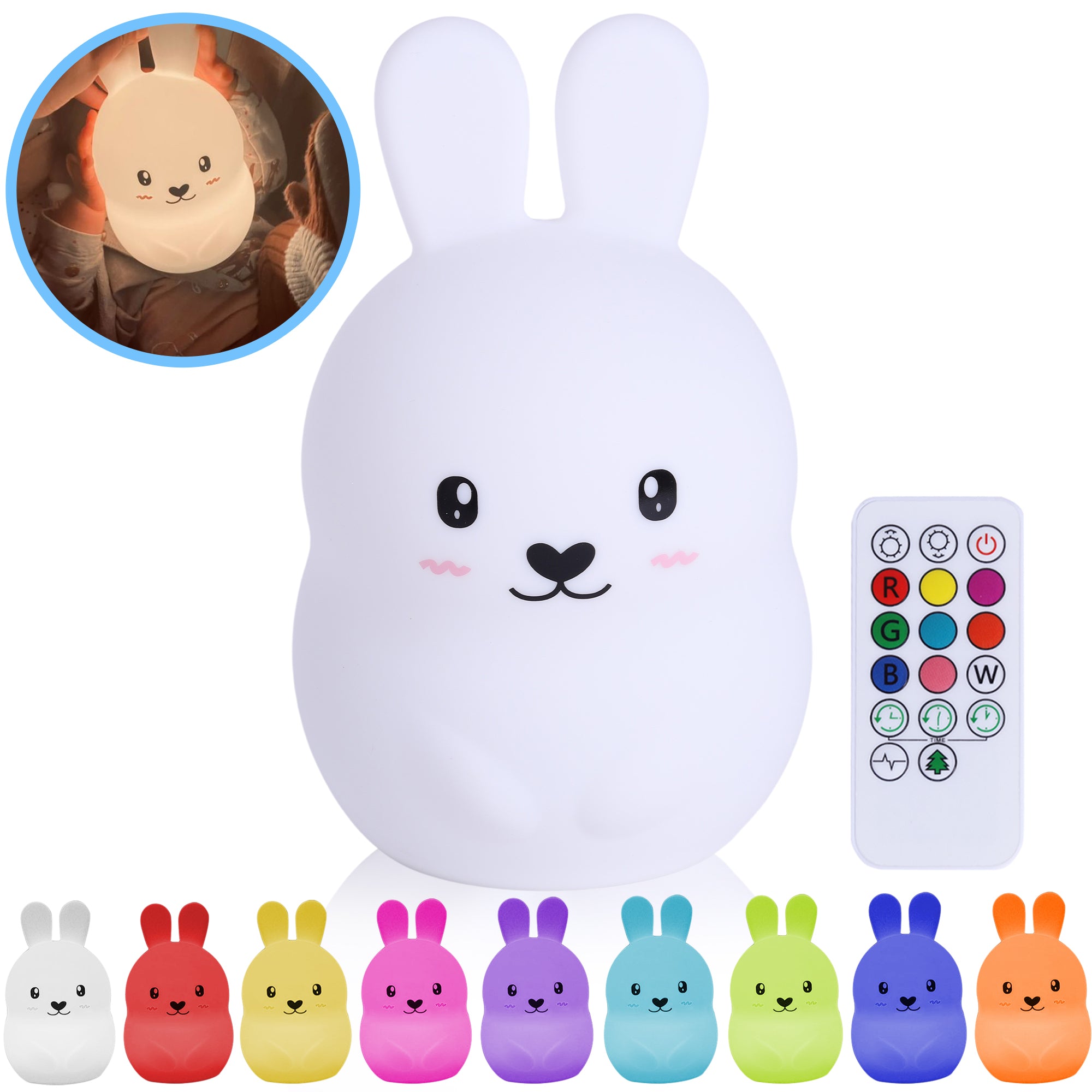
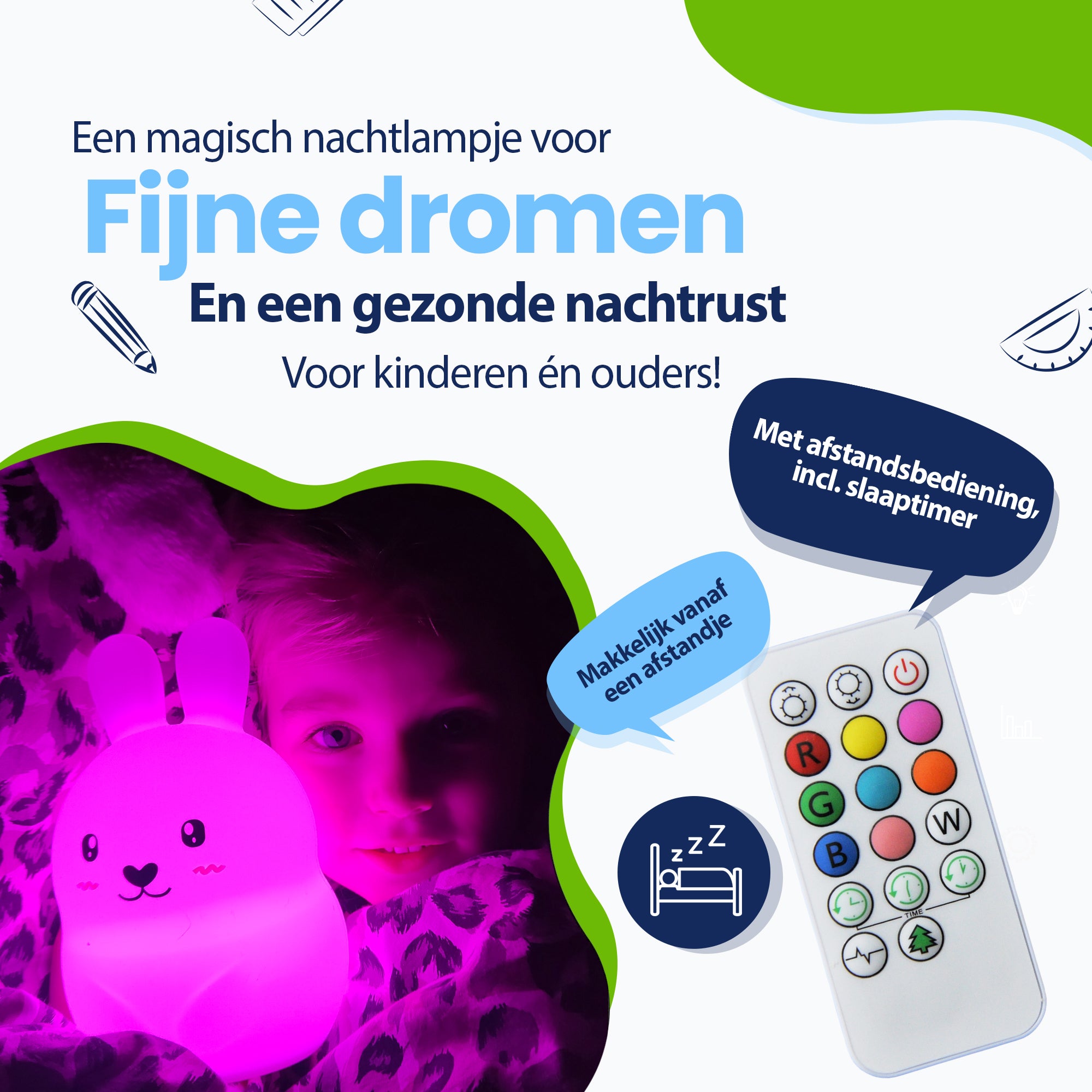
A gift with developmental value does not need to be an obvious learning aid. Products that combine comfort and play often fit most naturally into family life. Think of a soft night light for a calm ritual in the nursery or child’s bedroom, a cuddly toy that becomes a familiar face, or a musical toy for songs together in the living room.
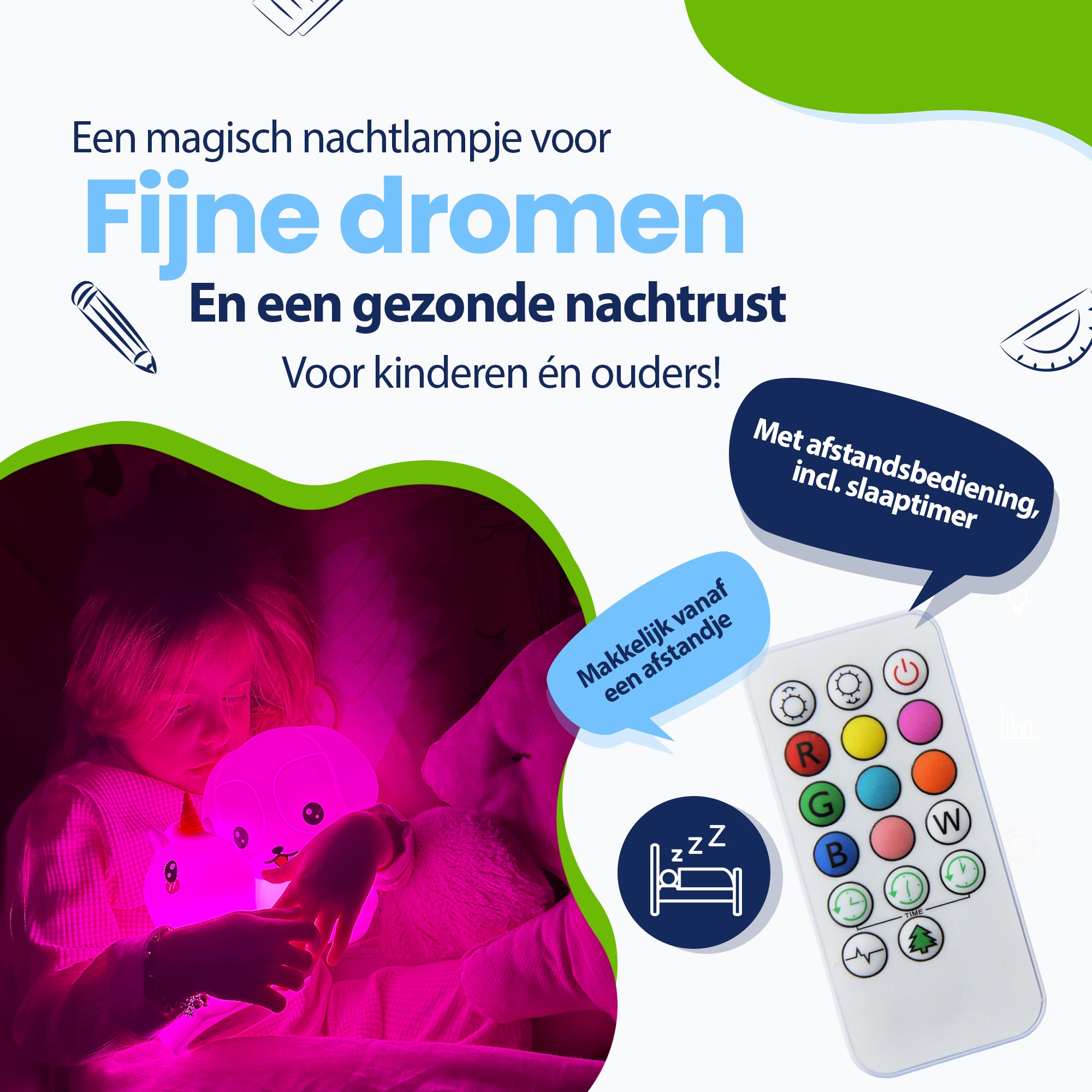
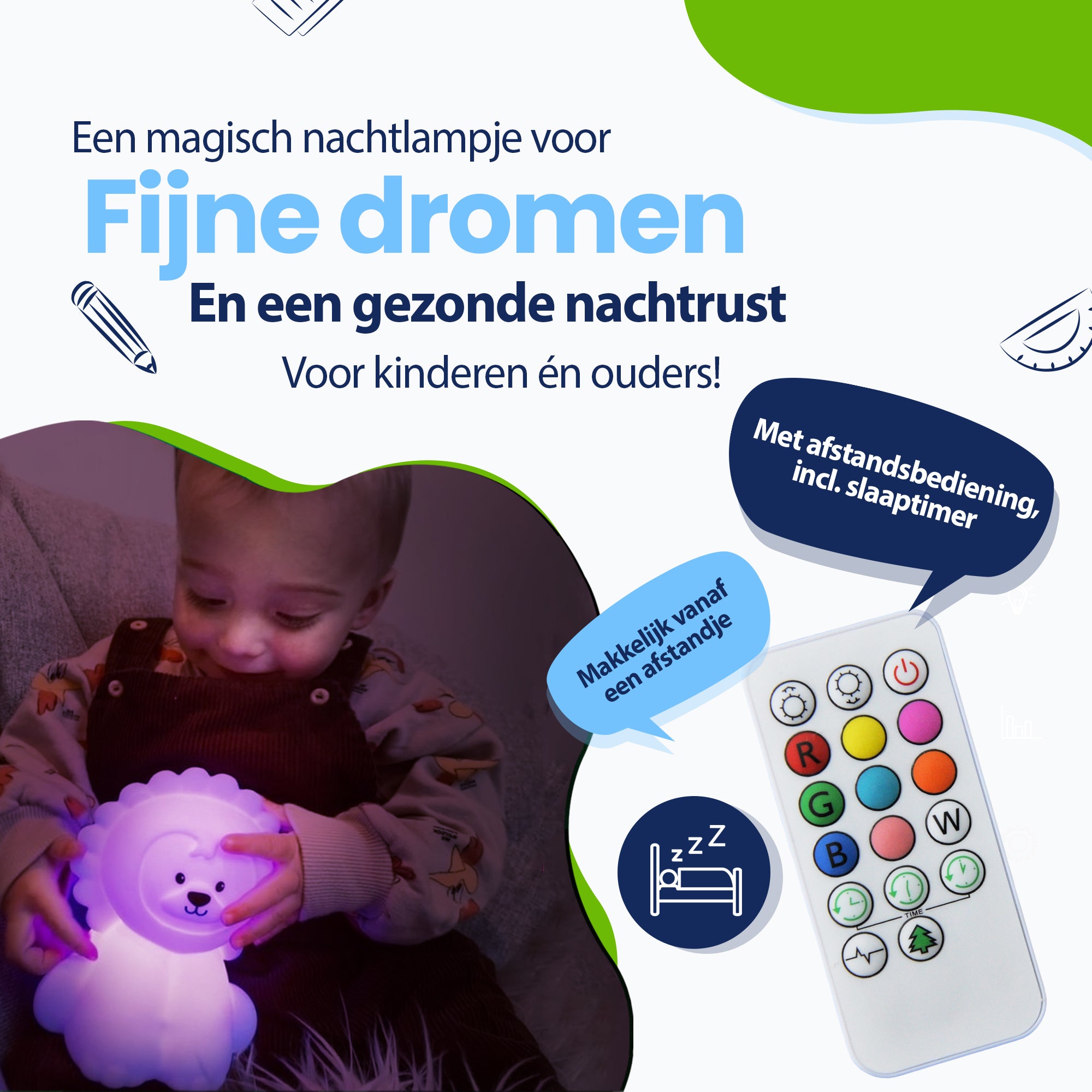
A night light is particularly valuable when it supports a calm atmosphere. Choose soft light and simple controls where possible, so that it does not demand too much attention. With a young baby, a gentle light can be practical for parents during care moments, for example. Later, a night light can become a familiar part of the child’s room.
Wooden toys appeal to many gift-givers because they are sturdy and timeless. However, the material alone does not automatically make a product better. Look at the finish, rounded edges, secure components and clear age guidance. A wooden musical toy can provide years of enjoyment, but it must suit what a child can safely hold and use.
If you would like to add a personal touch, give the present with a small card. You could write that the musical toy is intended for slow mornings filled with songs, or that the cuddly toy can join cosy story times. This does not create an expectation, but offers a warm idea for quality time.
Making a sustainable choice without making it complicated
A sustainable new baby gift often starts with the question of whether it will last. A well-made, child-friendly product that can be used across several developmental stages is generally a more considered alternative to something that breaks quickly or is interesting only briefly. Timeless design helps too: calm colours and simple shapes often continue to suit a changing child’s room and evolving tastes.
Also look at information about materials and production. With wooden toys, for example, the source of the wood, the paint or varnish used and the safety of the parts are relevant considerations. For fabric products, you will want to know whether they feel pleasant, are easy to care for and are suitable for the correct age. Transparent information provides reassurance when choosing.
Sustainability is also about passing things on. A beautiful wooden rattle, a sturdy activity board or a much-loved musical toy can later have a second life with a brother, sister, cousin or another child in the family. That does not make the gift any less personal. On the contrary, it becomes part of memories that can last.
Keep the gift simple for new parents
New parents often receive many things at once. That is exactly why one carefully chosen item can sometimes be nicer than a large box full of separate bits and pieces. Choose something with a clear purpose: comfort, playing together, calm discovery or a pleasant routine. Parents will then immediately understand when and how they can use it.
Unsure whether to choose a gift for now or for later? Bring both ideas together in your choice. A soft, age-appropriate cuddly toy can already be part of connection and play during shared awake time. A wooden musical toy or activity board can then wait until the child is ready. This keeps your gift relevant without requiring the parents to unpack everything immediately.
Avoid loose or small parts that are unsuitable for the child’s age, sharp edges and functions that do not fit their developmental stage. Always check the safety guidance and, if in doubt, feel free to ask the parents what they prefer. Some families like calm, natural materials; others particularly value a practical aid for regular moments. Listening is ultimately just as valuable as beautiful wrapping.
A developmental baby gift does not need to be about providing more stimulation. Instead, it can create space to look, listen, play and discover together. If the gift makes a small daily moment gentler or more enjoyable, it has found a lovely place in the family’s new life.