During the day, a child’s bedroom can be a building site, reading corner and dressing-up room, but in the evening it feels best when calm settles in. In this guide to children’s bedroom lighting, you’ll discover how to support that transition with light suited to playing, caring, reading aloud and sleeping. One lamp does not need to do everything. A few carefully considered light sources make the room easier for you to navigate and more familiar for your child.
Start with the times when you use the lighting
Do not choose lighting based only on its colour or shape. First consider what happens in the room on an ordinary day. During the day, you need enough light for playing, choosing clothes or looking at a book together. Bright light is also useful when changing, feeding or tidying. Later in the evening, the room can feel softer instead.
By looking at these times separately, you avoid a common choice: one bright ceiling light that is used for everything. It is practical when you need to find something quickly, but less pleasant during a calm routine. A combination of general lighting, focused light and a small night light offers more options without filling the room with lamps.
General lighting for a clear view
The ceiling light is usually the starting point. Choose a lamp that spreads light evenly, so there are no dark corners by the wardrobe, changing table or play area. A covered light source prevents your child from looking directly into a bright lamp while lying in bed or looking up.
For a nursery, a lamp with a calm, timeless appearance is often a good choice. In a toddler’s or preschooler’s room, the lamp can reflect your child’s personality a little more, as long as safety and good light distribution remain the priority. Always check that the lamp is securely fitted and stays out of reach of curious little hands.
Focused light for reading together and caring for your child
A reading light beside a chair or the bed makes story time feel more intimate than a fully lit room. The light does not need to be very strong, but it should be sufficient for comfortable reading. Position it so that it illuminates the book without shining directly into your child’s eyes.
Focused light serves a different purpose by a changing table. There, you mainly need to see clearly what you are doing. A dimmable lamp can be useful: bright while caring for your child and softer when you only want to check on them. Make sure cords do not hang loose and that the lamp does not get hot in a place little fingers can reach.
Warm light helps the day end calmly
Light has a strong influence on the atmosphere of a room. Bright, neutral white light is useful for active times. As bedtime approaches, many families prefer warm white light. It looks softer and makes the room feel cosier, especially when the days outside are dark.
For a night light, warm light is usually more pleasant than cool, bright white light. Adjustable brightness is useful too. Some children only want to see a tiny point of light as they fall asleep, while others prefer the room to be slightly brighter during the story and when getting changed.
Try not to do something different every evening. A familiar sequence of lights can provide reassurance: first the ceiling light for putting on pyjamas and brushing teeth, then the reading light for a story and finally just the night light. This turns lighting into a calm part of a consistent bedtime routine without the need for many words.
A night light: a small light with a big sense of familiarity
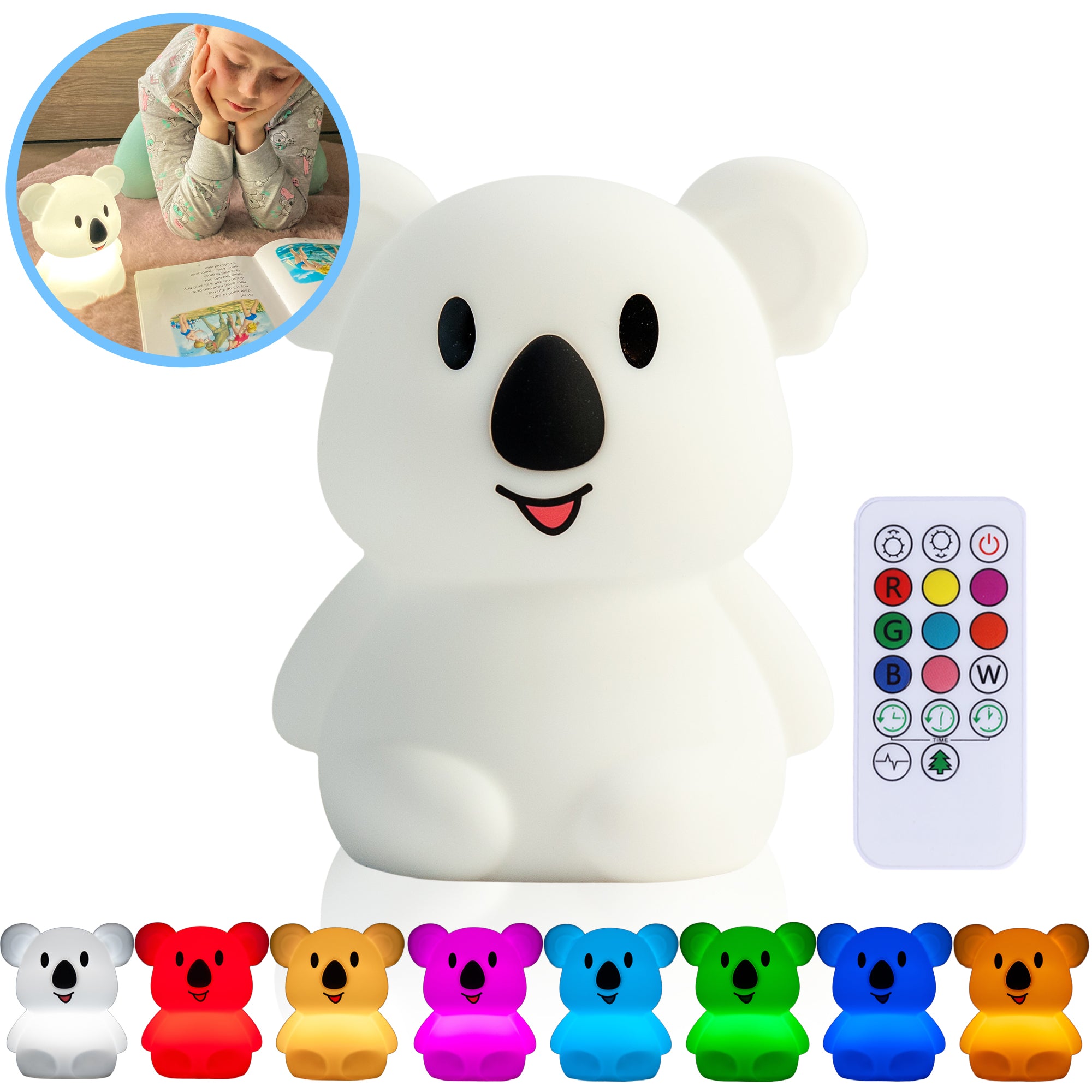
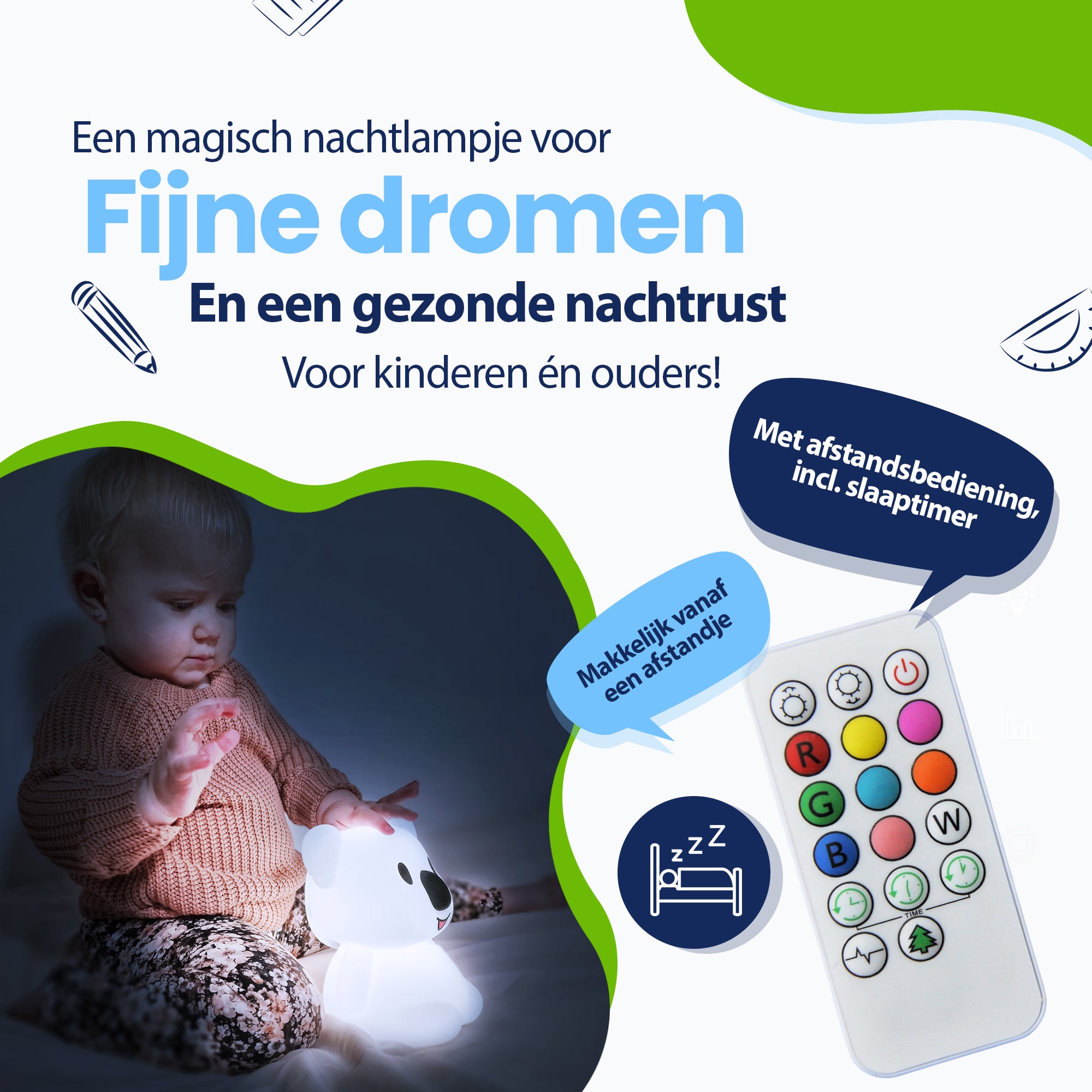
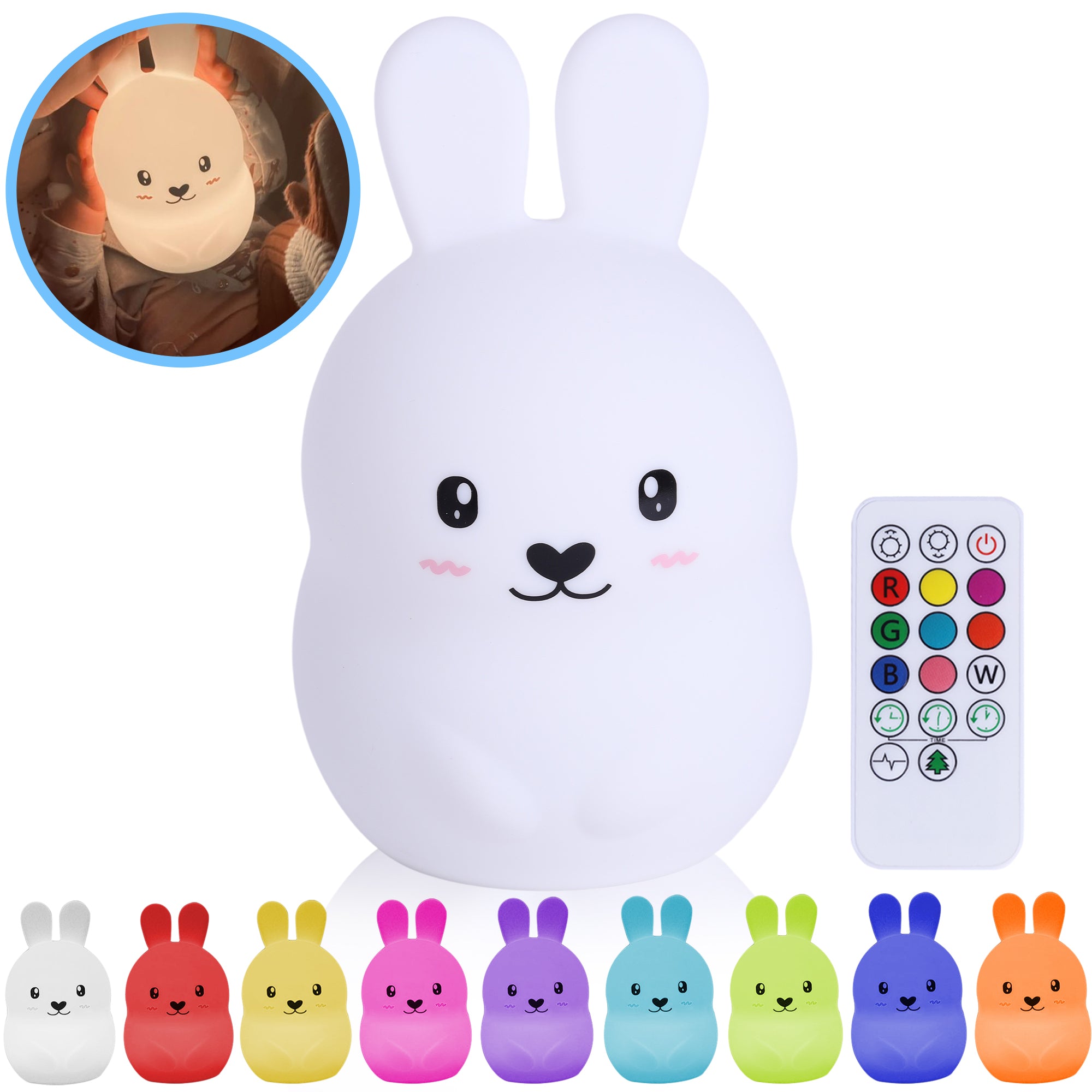
A night light is not an essential part of every child’s bedroom. Some children prefer to sleep in a dark room, and that is completely fine. For a child who feels uneasy when the light goes out, however, a gentle lamp can be a familiar anchor. It is practical for parents too: you can step into the room without immediately turning on the main light.
Choose a model with a calm glow rather than a lamp that lights up the entire room. Too much light can be distracting, especially when colourful patterns or changing effects are involved. A simple lamp with warm light often fits a peaceful evening better.
A rechargeable night light offers freedom because it does not need to be placed beside a socket. At the same time, it needs a regular charging spot so that it does not unexpectedly run out of power. A mains-powered lamp can be practical if it stays in a safe, fixed position. What works best depends on the room layout and your family’s habits.
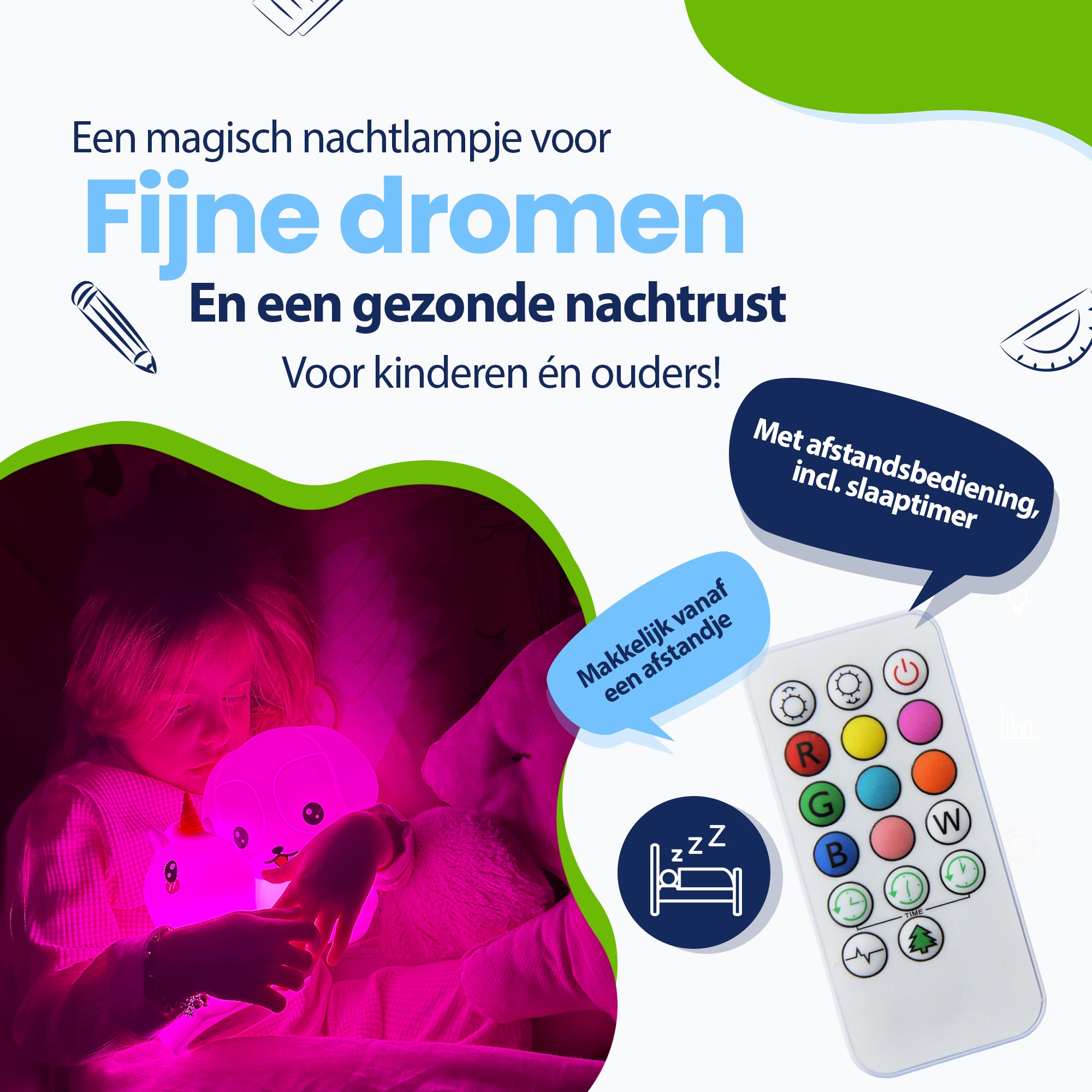
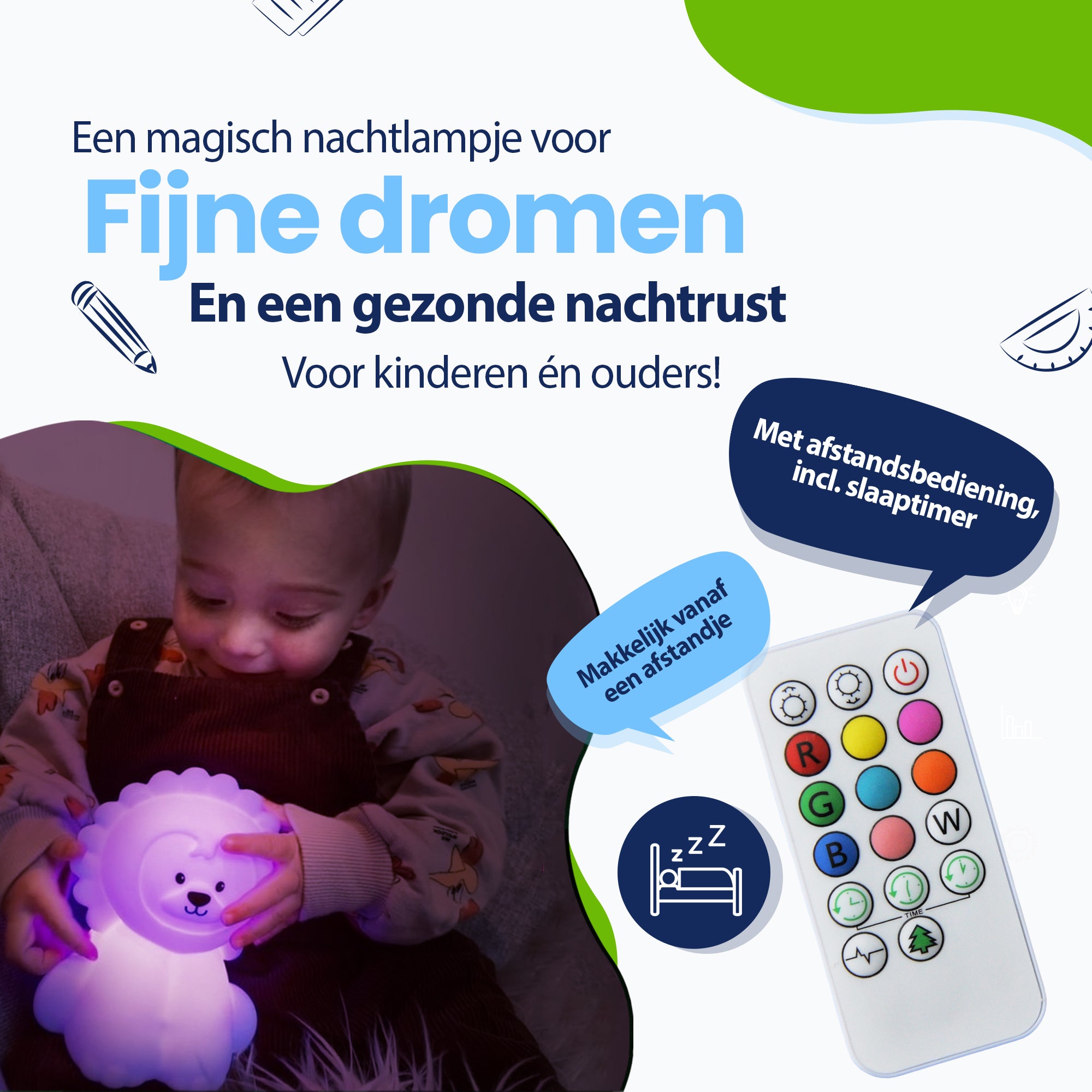
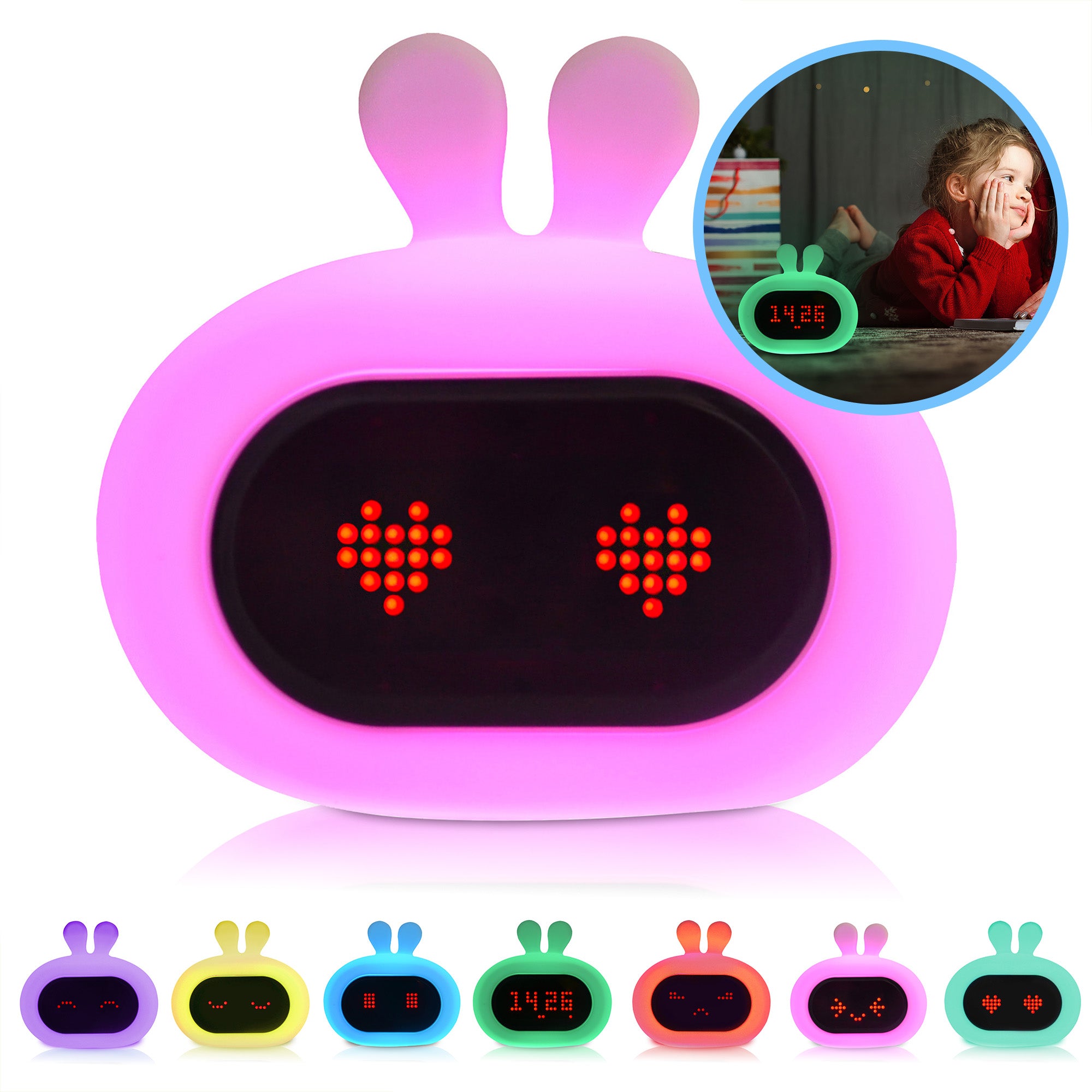
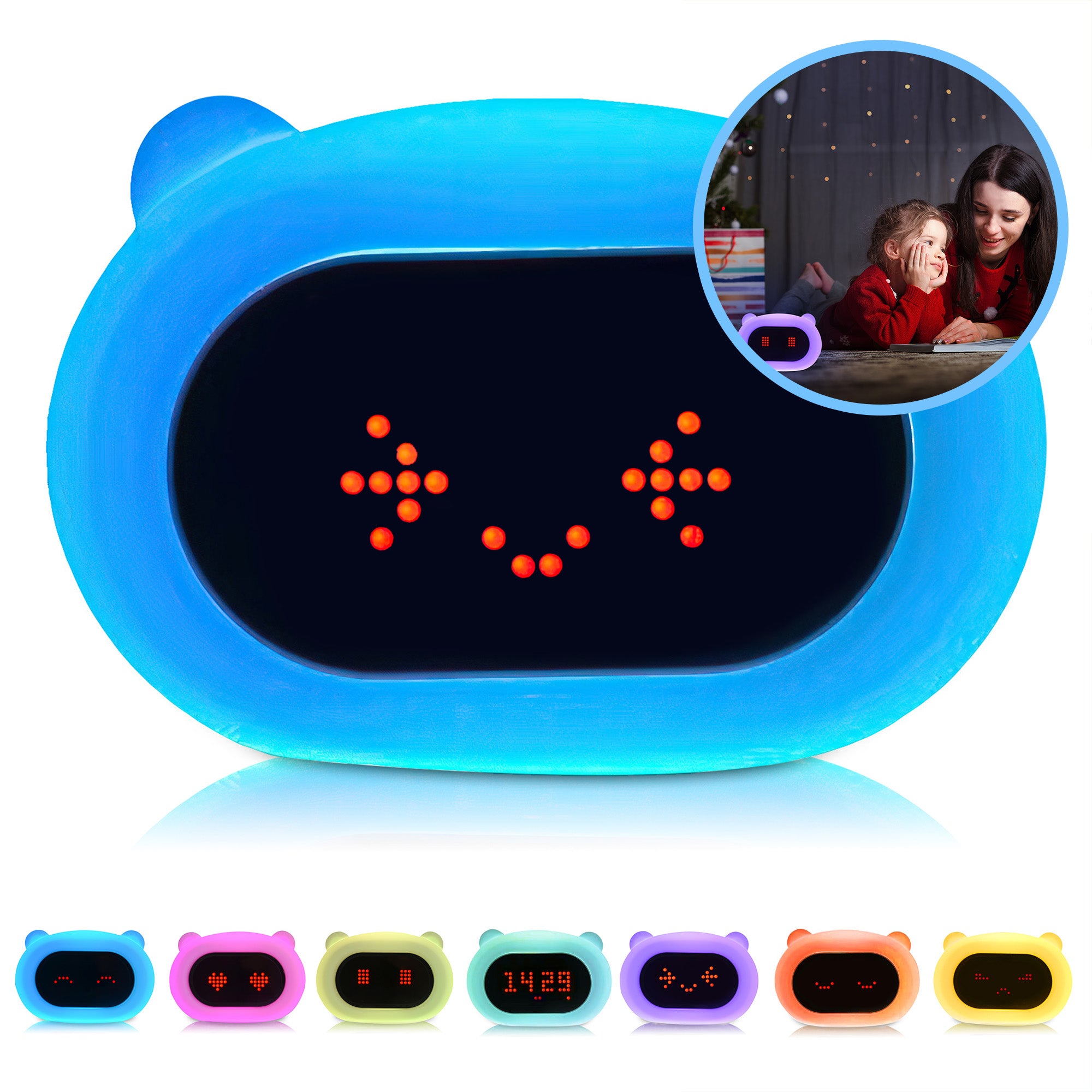
A sleep trainer with a gentle light can also help some families make the difference between night and morning visually clear. Keep the explanation simple and suitable for your child’s age: while the light still shows the night-time colour, we stay cosy in bed; when the morning colour appears, the day begins. It is not a strict rule, but a friendly, recognisable cue that you practise together.
Safety is part of good children’s bedroom lighting
Children’s bedroom lighting should above all be safe in everyday use. Preferably choose LED lighting. LED bulbs use relatively little energy and generally become less hot than older types of bulb. That is helpful in a room where children play, collect soft toys and want to touch everything.
Pay attention to placement as well. Position a freestanding lamp securely, preferably somewhere a cord cannot be pulled. Tidy cables away and only use lighting intended for indoor use. Do not hang loose string lights by the bed, in a cot or within reach of a young child. They may look cosy, but are not always suitable as permanent lighting in a baby’s or toddler’s room.
Materials and maintenance also deserve attention. A fabric or wooden shade can suit a calm, long-lasting interior beautifully, but it must remain far enough from the light source and be easy to clean. Check occasionally that fittings are still secure and replace a damaged cord immediately.
Let the lighting grow with your child
When choosing children’s bedroom lighting, it is wise to look beyond the first interior. What works well for a baby often changes once your child walks to the toilet independently, chooses books or plays by themselves in the morning. A small light by the door or a safely lit route to the hallway may then be more useful than a night light beside the bed.
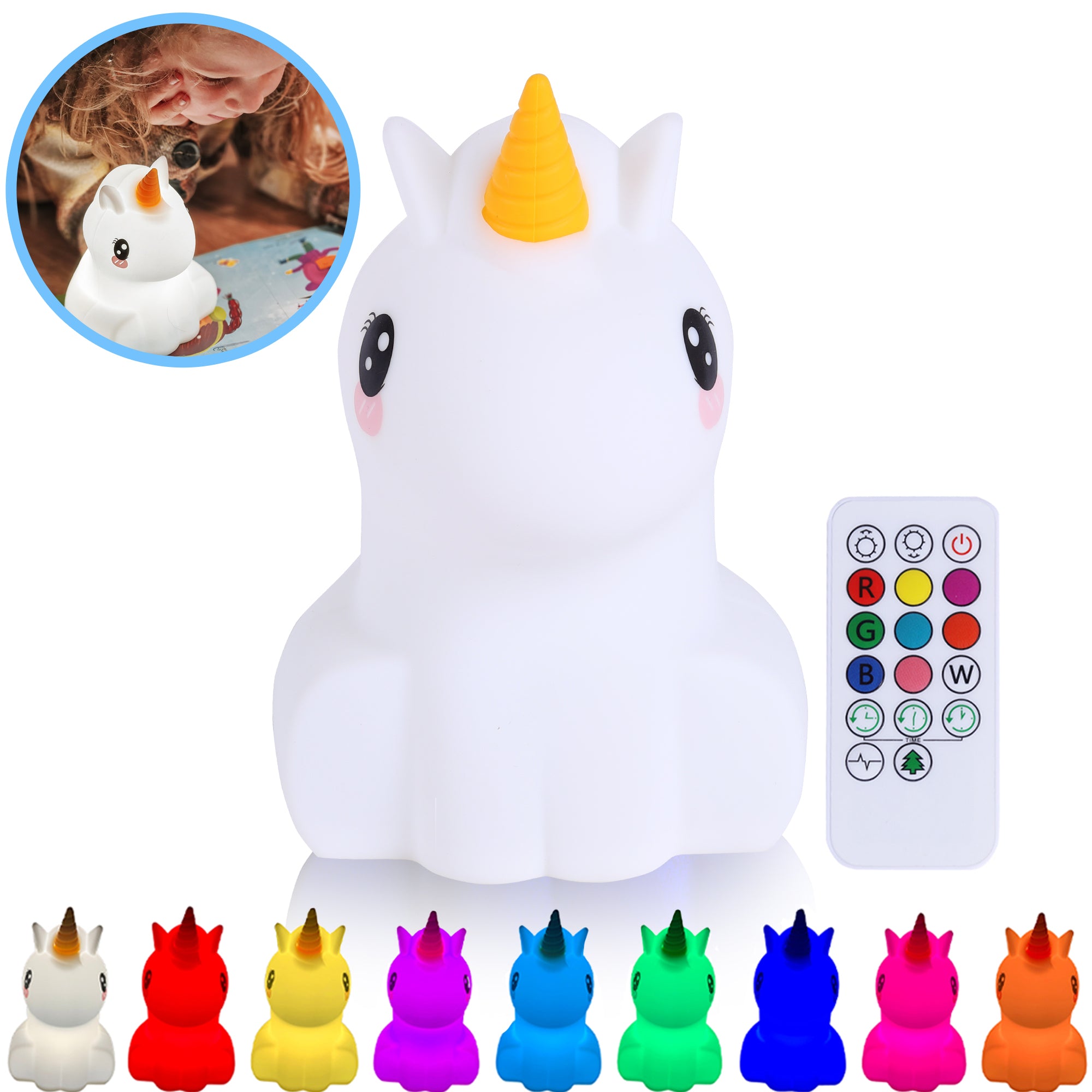
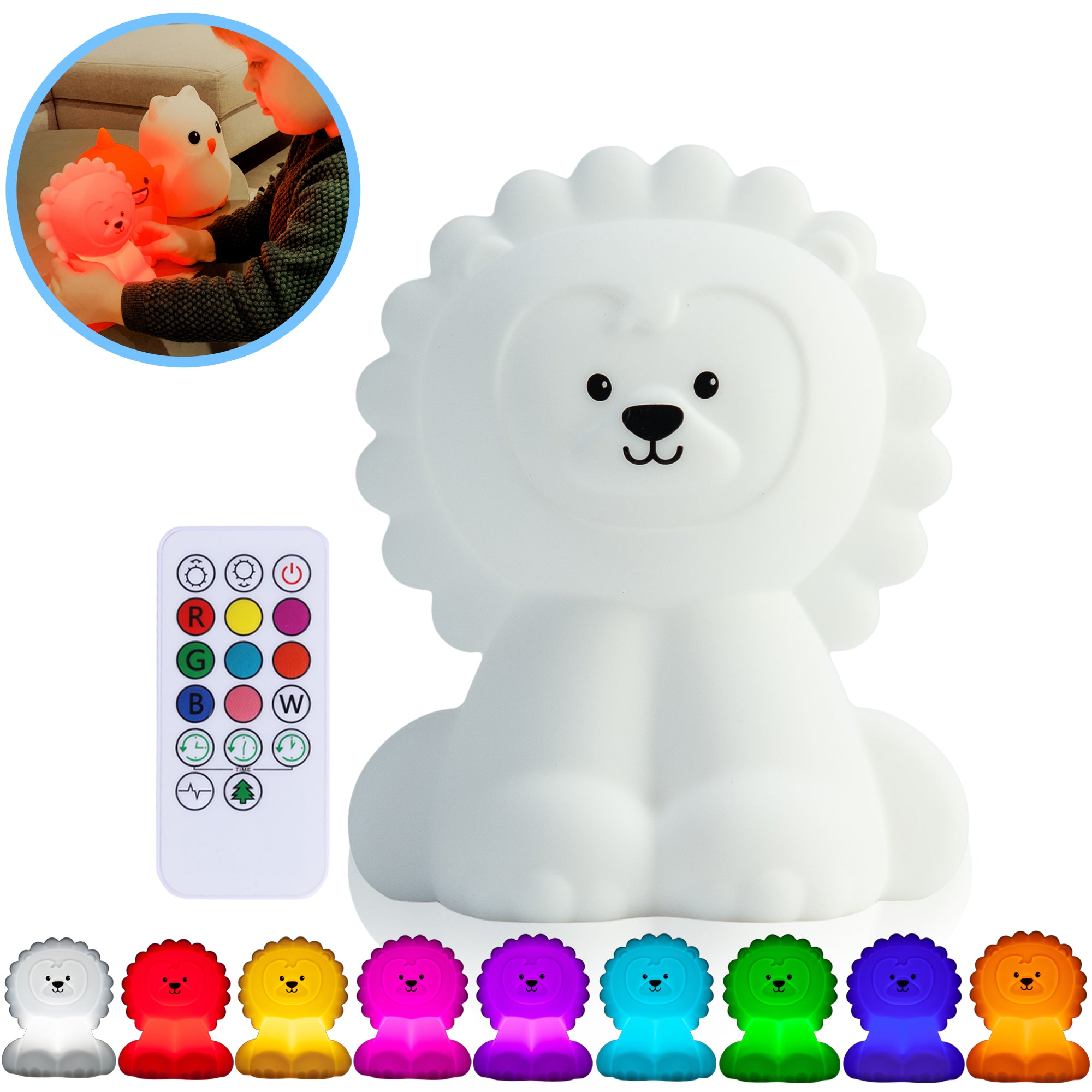
Toddlers often like lamps in recognisable shapes, such as an animal or moon. This can be a lovely, playful addition as long as the light remains calm. Older children tend to appreciate having their own reading or desk lamp. Feel free to involve your child in an age-appropriate choice. This makes the room not only attractive, but also truly theirs.
Consider long-term durability too. It is better to choose a lamp that can suit several stages than one that no longer fits after a few months. Replaceable LED bulbs, timeless materials and a dimming function often make a purchase more versatile. Later, a small change such as a different lampshade or a new night light may be all that is needed to make the room suitable again.
How to create a calm lighting plan
A simple approach usually works best. Use one safe ceiling light as a base, add a warm light source for reading or caring for your child, then decide whether a night light genuinely helps your family. Test the lighting at the time when you will use it. A lamp that looks cosy during the day can suddenly be much brighter than expected in a dark room.
Put yourself at your child’s eye level too: lie on the bed, look towards the lamp and pay attention to glare, shadows and loose cords. Small adjustments often make the greatest difference. With lighting that follows your daily rhythm, the bedroom gives the same gentle message every evening: the day can end calmly, and tomorrow there will be time to play again.