A toddler who is determined to sing the same chorus once more: for many families, it is a familiar, happy moment. Fun nursery songs for toddlers bring movement to a slow morning, offer a familiar cue at tidy-up time and make a quiet moment before bed feel reassuring. It is not about singing in tune or knowing every word. Repeating, laughing and moving together are what make music so enjoyable.
Why songs suit toddlers so well
Toddlers discover the world with their whole bodies. That is why songs with actions, rhythm and simple repetition often stick. A song about clapping invites them to clap, a song about animals encourages imitation and a gentle tune offers a moment to sit close together. Language becomes something you not only hear, but experience too.
Music can also be a pleasant point of recognition in a busy day. The same tidy-up song or goodnight song gently signals what will happen next. That does not mean every child always responds in the same way. Still, a familiar melody can become a small, cheerful ritual for many families.
Above all, keep it simple. A toddler does not need to sing an entire song to enjoy it. Perhaps they only join in with the final word, an enthusiastic action or a version they have made up themselves. It all belongs.
12 fun nursery songs for toddlers
These familiar songs have short phrases, a clear rhythm or actions that toddlers can easily follow. Choose a few that suit your family rather than working through a whole repertoire every day.
1. In the Moonlight is a cheerful action song with gestures. Repetition makes it accessible, even when a child cannot yet say every word.
2. I Saw Two Bears Making Sandwiches invites silly faces and exaggerated movements. That makes it a lovely choice for a playful moment at home.
3. Little Elephant in the Woods is a playful song with a simple story. You can pretend to be the little elephant together or let a cuddly toy join in.
4. Clap Your Hands works well when a toddler needs to use up a little energy. Try changing the tempo: very slowly, very quickly or as softly as a whisper.
5. Berend Botje is lovely for a quiet rocking moment on your lap. Its swaying rhythm also suits a cuddle.
6. Little Cat, Meow captures the imagination, especially for children who enjoy imitating animals. A soft meow or a big cat's tail makes the song extra fun.
7. The Wheels on the Bus is ideal when travelling or playing with vehicles. Feel free to invent new verses about a bicycle, train or toy car.
8. Fetching Two Buckets of Water combines singing with simple hand movements. It is short enough to sing between other activities, for example while waiting.
9. Dikkertje Dap is a story song about a little boy and a giraffe. Older toddlers may enjoy listening to the story together and playing along with a cuddly toy or toy giraffe.
10. Head, Shoulders, Knees and Toes helps toddlers point to body parts through play. Start slowly and only speed up if you both feel like it.
11. Sleep, Little One, Sleep is a familiar, gentle melody for a relaxed transition into the evening. Not every child likes the same lullaby, so try what feels right.
12. Kortjakje Is Always Ill is easy to hum along to thanks to its familiar melody. You can playfully adapt the words with your own name or an everyday event.
Choose a song that suits the moment
A good children's song is not necessarily the most popular one. Above all, it suits what is needed at that moment. In the morning, an upbeat song can help you get going together. Short songs with actions are useful while getting dressed: socks on first, then shoes, with room for a laugh about the wrong boot along the way.
Songs with jumping, turning and clapping often go down well during active play. Try not to play too many songs one after another. Toddlers can thoroughly enjoy movement, but some quiet play afterwards can be just as welcome. Alternate a lively song with a melody on your lap or a simple moment of listening.
Towards evening, many families choose a softer voice and a slower pace. A familiar song after brushing teeth, while putting on pyjamas or beside the bed can become part of a recognisable sequence. It does not have to be a long singing session. One verse that returns every evening may be enough.
Repetition does not mean boredom
Adults sometimes tire of a song after three repeats. For toddlers, repetition often works differently. They recognise a piece of melody, know which action comes next and gradually feel more confident joining in. That predictability can be enjoyable.
You can still keep a song fresh without losing its familiarity. Try singing in a tiny mouse voice, very low like a bear, or replace an animal with your child's favourite. Let your toddler choose which action goes with a word. That way, the song remains something you share.
Make singing a little ritual
Singing does not need to be planned as an activity with a beginning and an end. Often, the loveliest moments happen between everyday tasks. Sing a short chorus while washing hands, make up a tune while tidying up or hum while putting on a coat. This can make a little task feel less rushed for both parent and child.
A few regular moments can help if you would like a little more structure. For example, choose one song for waking up, one for tidying up and one for the evening. Keep the others for spontaneous moments. This keeps things manageable and stops music becoming another task on the to-do list.
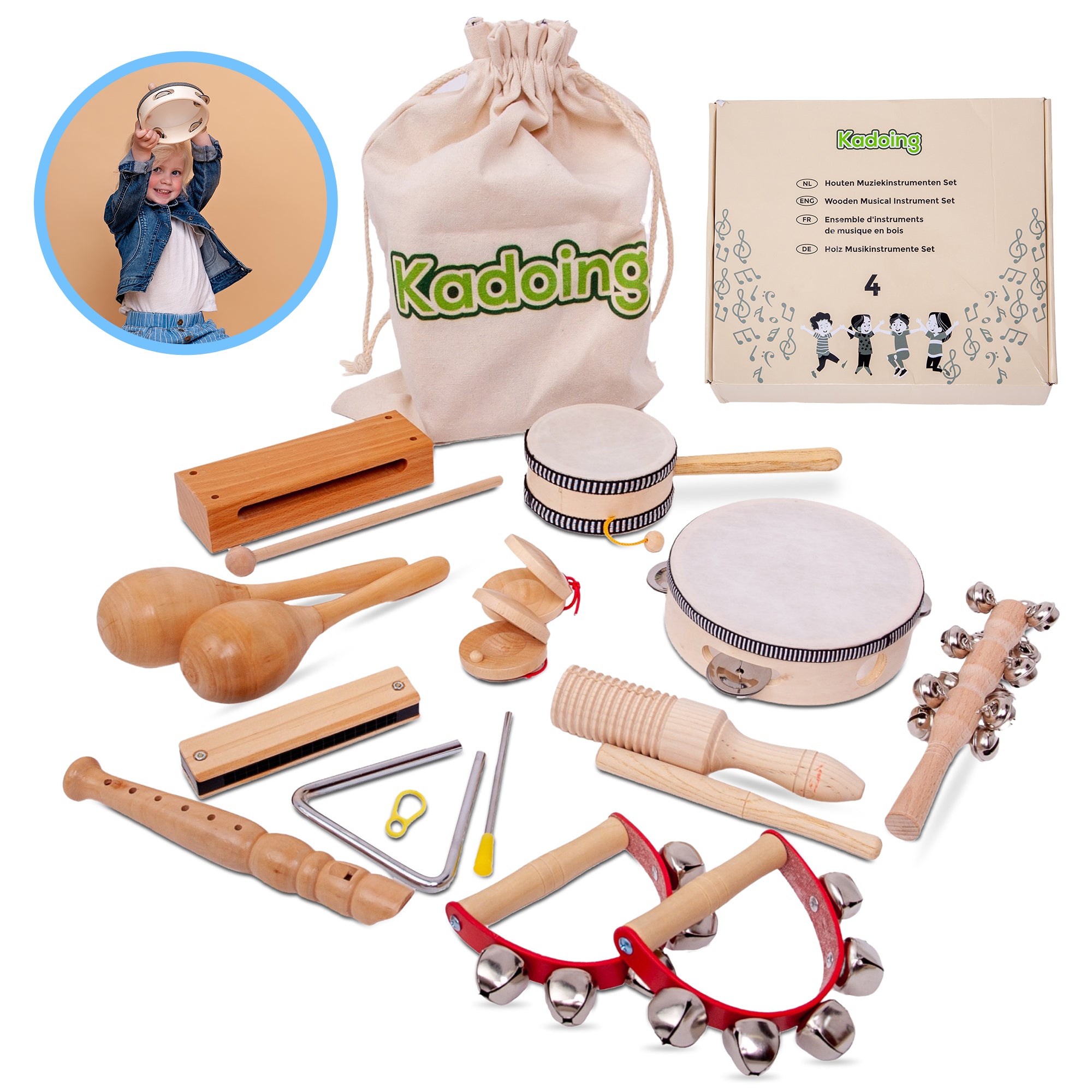
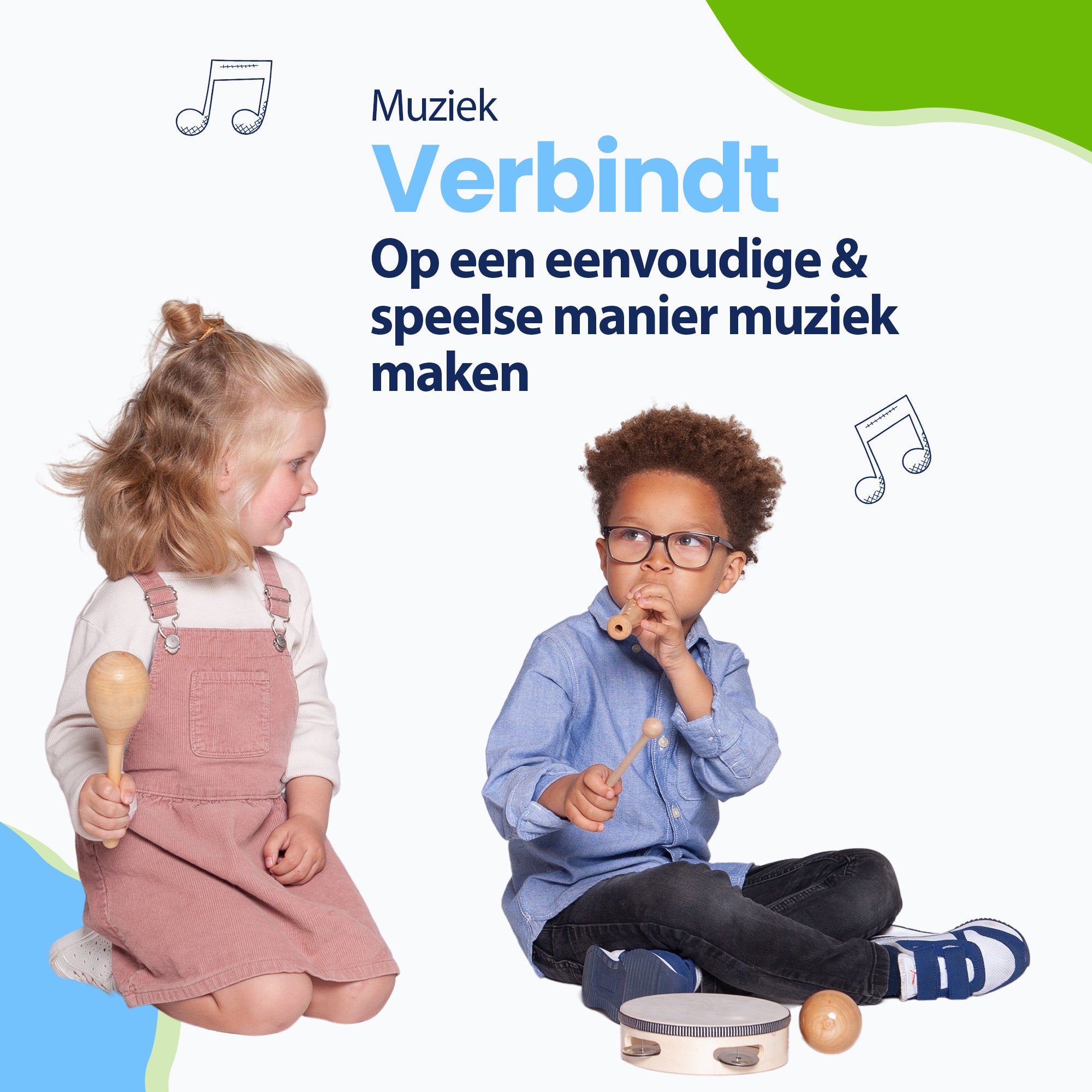
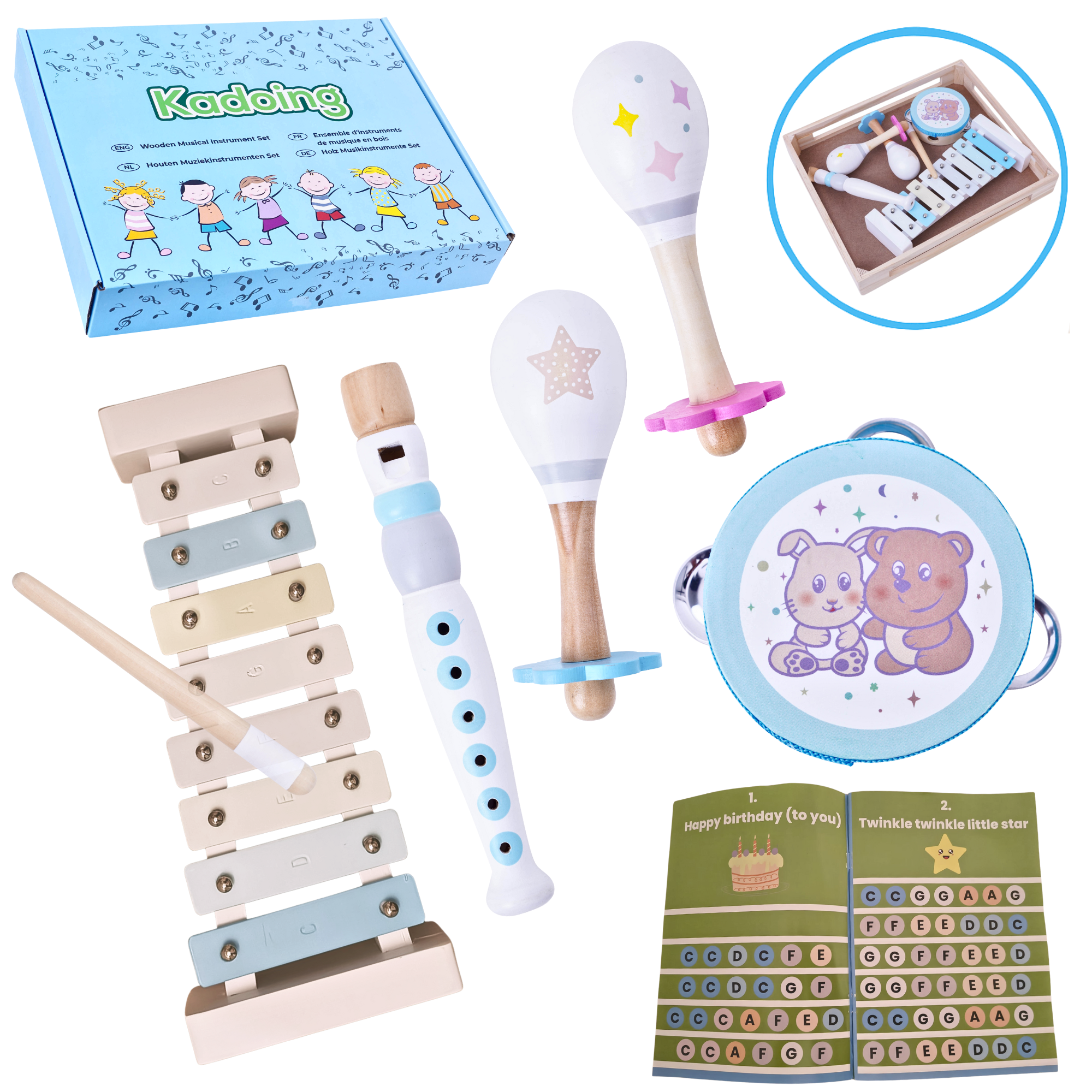
A small instrument can fit in too. With a wooden drum, rattle or xylophone, a toddler can join in with the rhythm while you sing. The accompaniment does not need to sound beautiful or precise. Let your child discover what loud, soft, fast and slow sound like. Stay nearby and choose equipment suitable for their age and how it is used.
Looking for more musical inspiration? On Kadoing's YouTube channel, you will find English children's songs (nursery rhymes), xylophone melodies and the adventures of Kikkie & Brokkie, among other things. Enjoy watching or listening together and finding inspiration for your own musical playtimes.
What if your toddler does not want to sing?
Not every child sings along enthusiastically, and they do not have to. Some toddlers prefer listening, watching the actions first or joining in with a single word later. Make room for their own way of taking part. Pressure usually takes the enjoyment away quickly.
Try singing about something that interests your child at that moment: a red tractor, a cheese sandwich or the cuddly toy on the sofa. A made-up song does not need to rhyme. It is about attention and being together, not a performance.
If a song makes things unsettled instead, choose a shorter version, a quieter moment or simply leave it for that day. Children and days differ. Music can be supportive, but it does not have to prove anything.
A little song often stays with you
You do not need to try all twelve songs at once. Choose three, for example: a cheerful daytime song, an action song for moving together and a gentle song for the evening. Discover which songs your toddler enjoys repeating and turn them into your own little rituals. This makes singing together a natural part of the day.