One evening your toddler asks for one more sip of water, the next for that particular cuddly toy left downstairs. Building a bedtime routine with your toddler therefore does not mean that every evening will go perfectly. It is mainly about familiarity: a small, calm pattern that helps your child understand that the day is nearly over.
Toddlers discover a great deal, experience strong emotions and often want to make their own decisions. Around bedtime, this can clash with tiredness and a sense of urgency. A consistent, warm sequence makes the evening routine familiar and leaves room for closeness and a calm end to the day.
Why a consistent routine can feel reassuring
For a toddler, the transition from playing to sleeping is a big one. All sorts of things happen during the day: building, running, talking, processing new impressions and testing boundaries. A few recurring steps in the evening can help make that transition calmer. Familiar moments can also provide a practical starting point when improving your toddler’s sleep routine.
It does not have to be a perfect routine. Repeating the steps makes the sequence familiar and helps your child understand what comes next.
A routine can also give you, as a parent, something to hold on to. You do not need to work out a new approach every evening. At the same time, it is good to remain flexible. On a late evening with a babysitter, during a meal out or while on holiday, the routine can be different. You can simply return to the familiar parts afterwards.
Building a toddler bedtime routine in small steps
It is better to start small than with an elaborate schedule that is difficult to maintain. Choose three or four moments that suit your evening and follow them in the same order for a while. The routine does not have to last a fixed amount of time. Above all, choose a length that suits your child, your evening and your plans.
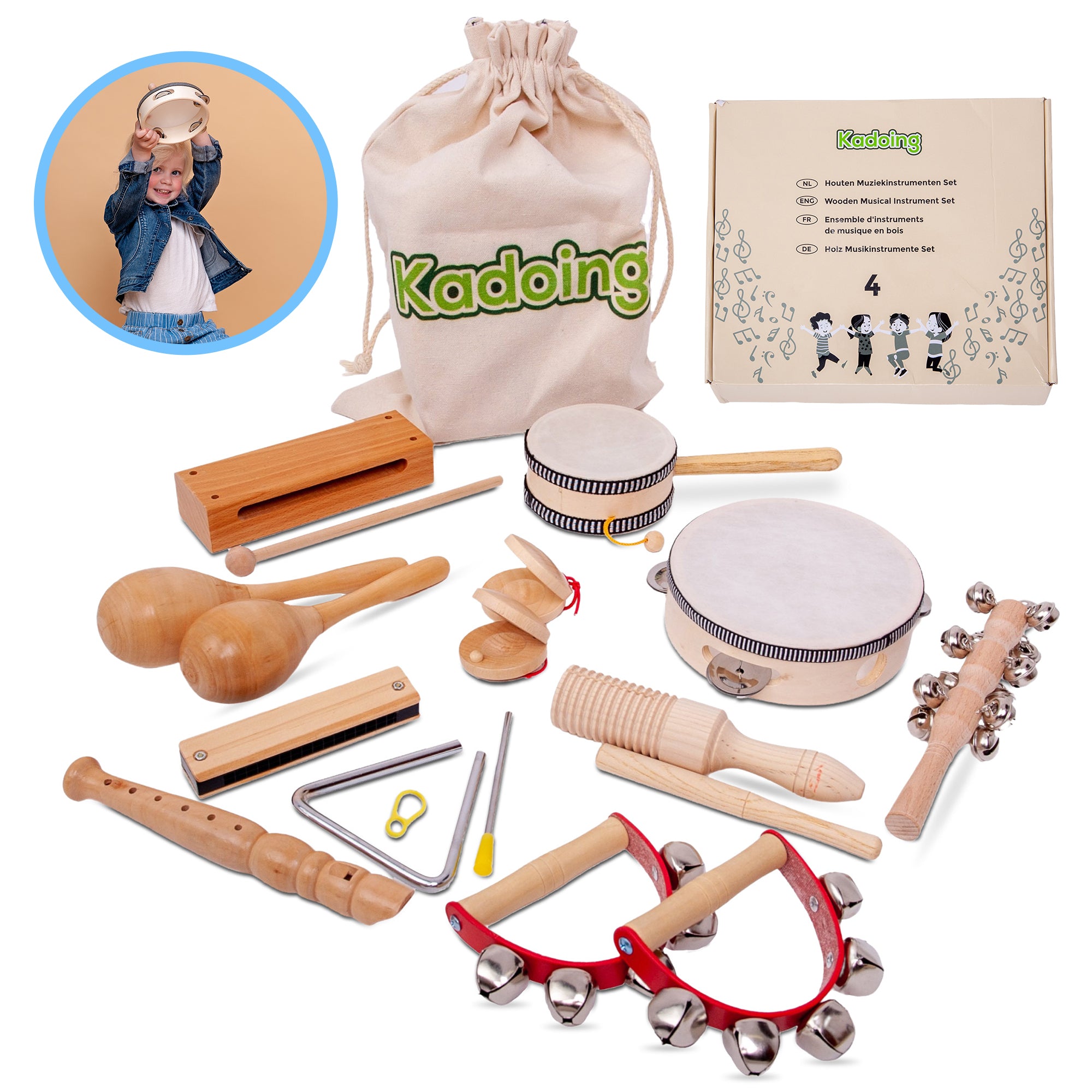
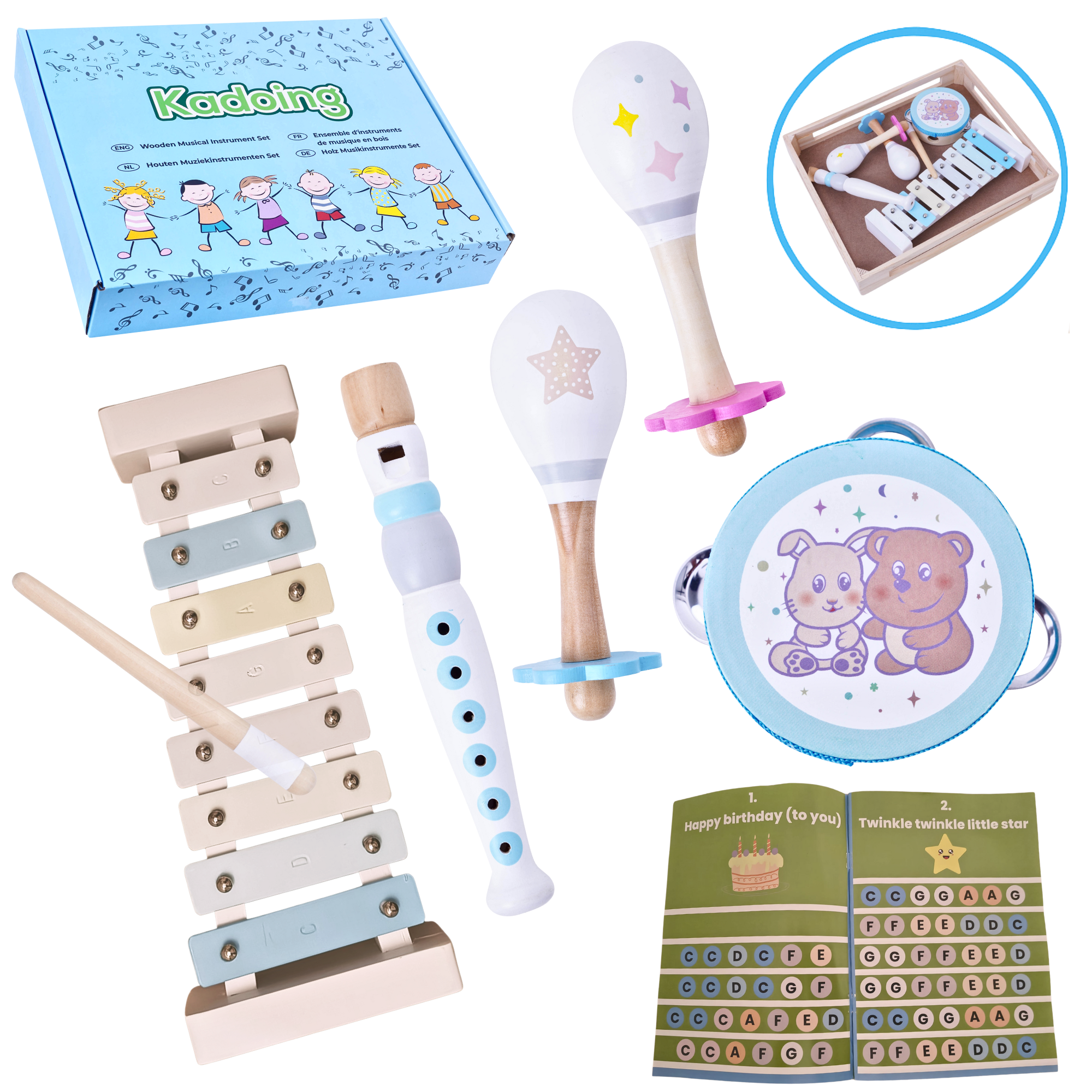
A simple sequence might be: finish playing together, wash and put on pyjamas, brush teeth, read a book and say goodnight. If your toddler still wants to be active, a calm tidying-up song can help bring playtime to an end. Then keep the rest of the sequence simple and familiar.
Choose a recognisable starting point
A clear start makes the routine easy to follow. This might be when the curtains are closed, when the last toy goes into the basket or when you walk upstairs together. Say it calmly and in a similar way each time: “We’re going to start our evening routine.”
Keep your language simple and concrete. Instead of saying, “Hurry up, it’s late,” you could say: “First your pyjamas, then we’ll choose a book.” This makes the sequence clear and immediately gives your child something enjoyable to look forward to.
Offer small choices, not endless negotiation
Small choices can involve your toddler in the routine without constantly changing its sequence. Keep the choice limited and manageable. For example, ask whether your child wants the blue or green pyjamas, which of two books you will read or which cuddly toy will come to bed.
Avoid choices where there is not really room for an alternative, such as asking whether your child wants to brush their teeth. A refusal can then quickly lead to conflict. You can still acknowledge their feelings: “You want to carry on playing. I understand. We’re brushing your teeth now, and tomorrow you can carry on building.” Warmth and clarity can work perfectly well together.
Make the bedroom calm and familiar
The bedroom does not need to be perfectly styled to feel comfortable. It can help, however, if the room is clearly a place for rest, cuddles and sleep. Consider putting away eye-catching toys that encourage energetic play before the routine begins, and use soft lighting while reading or saying goodbye.
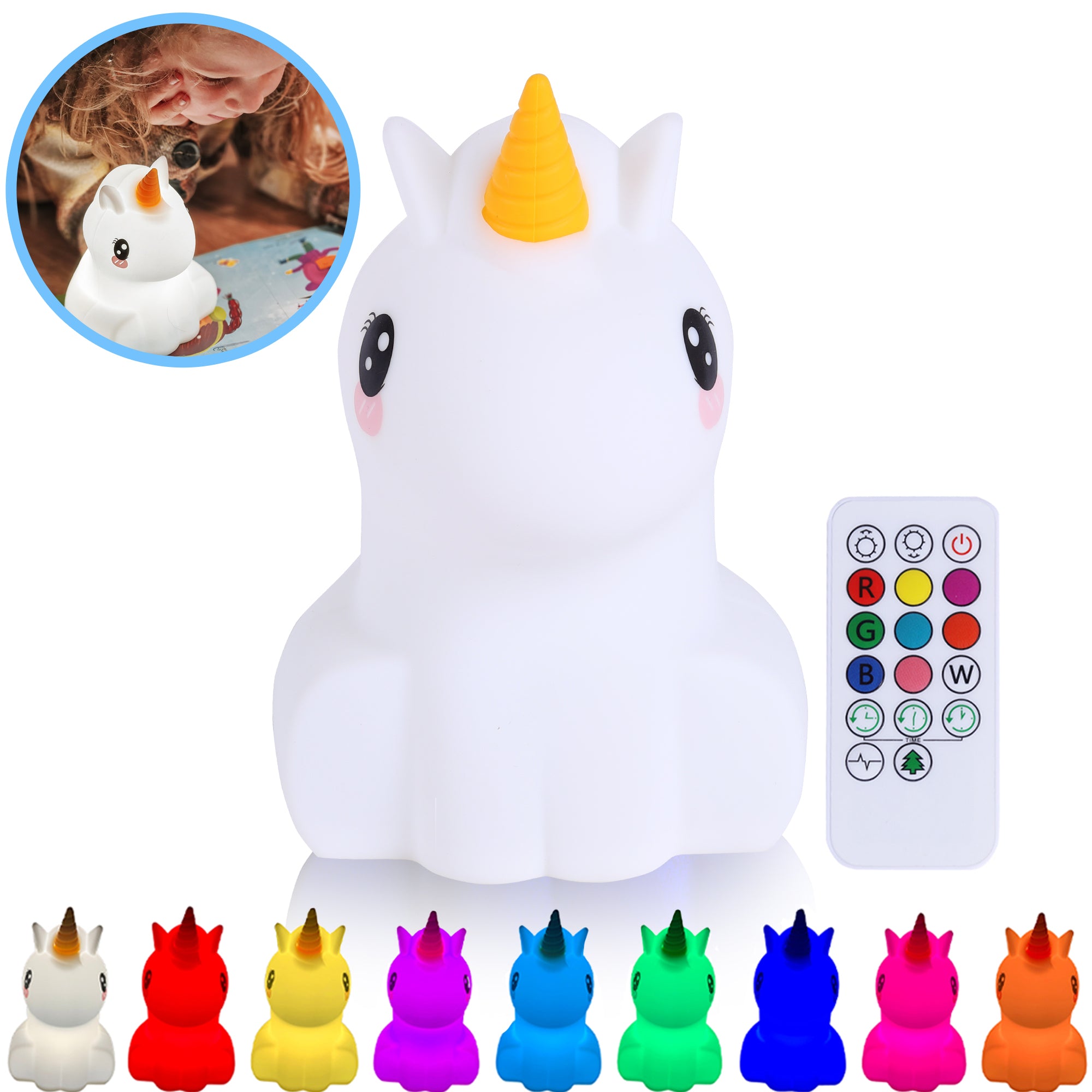
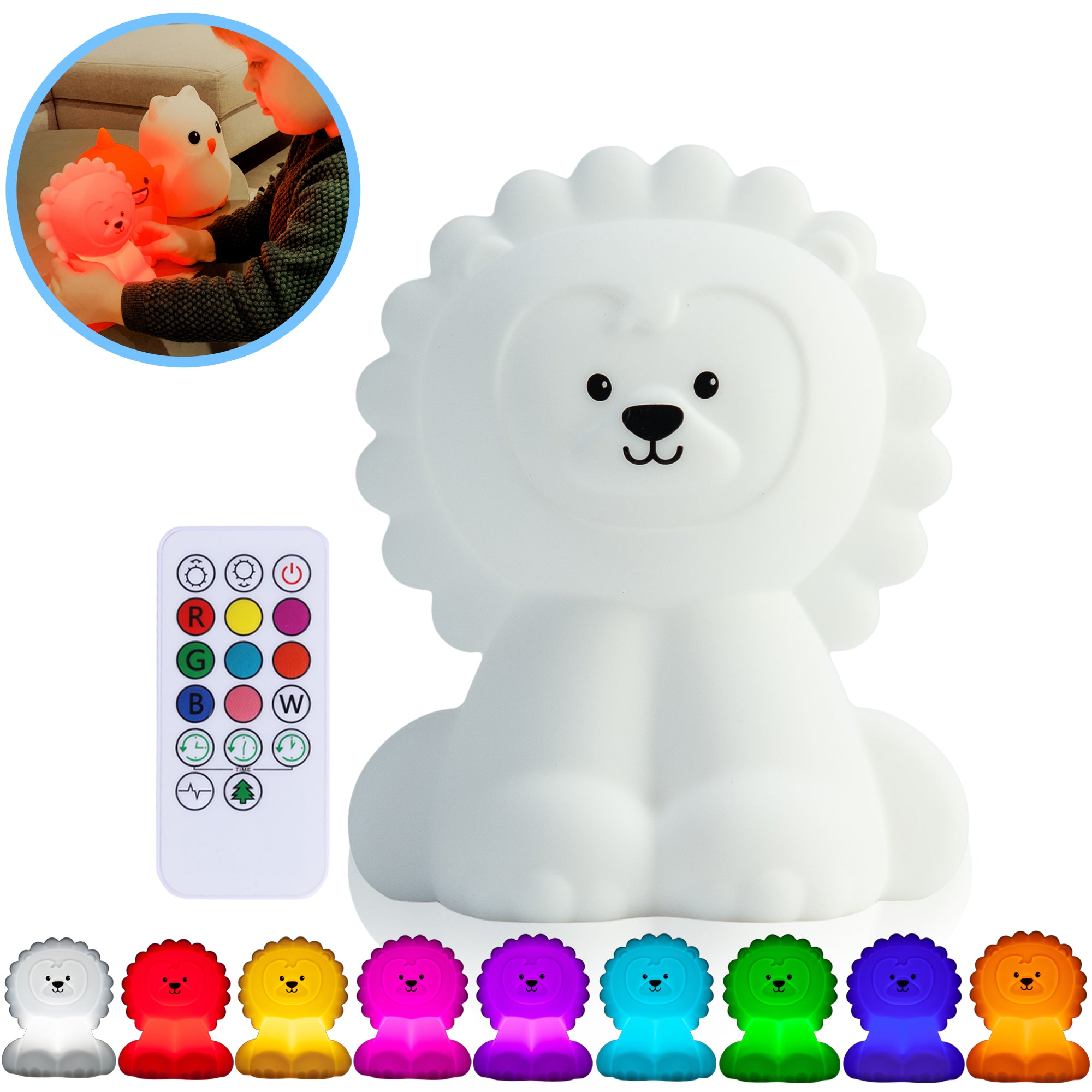
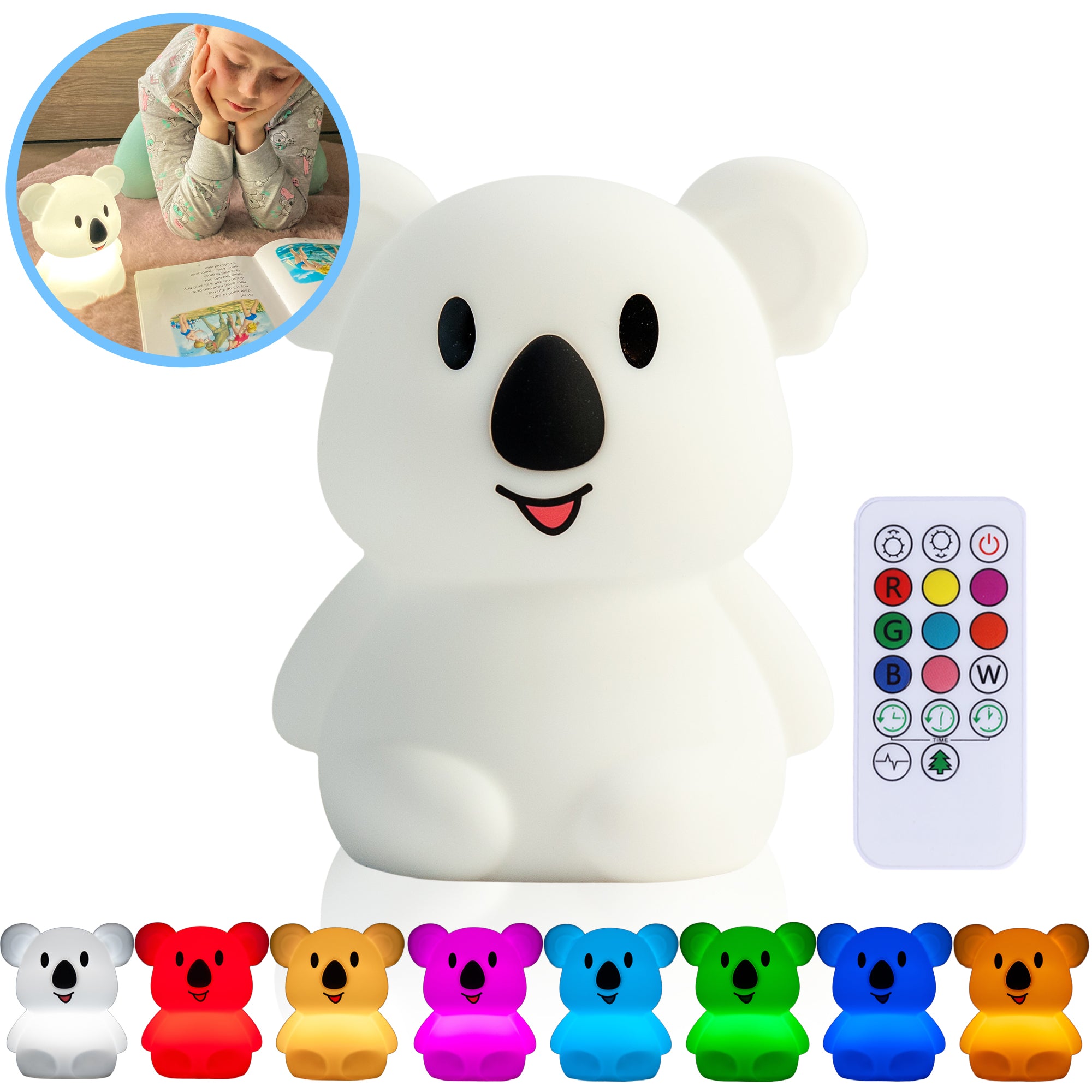
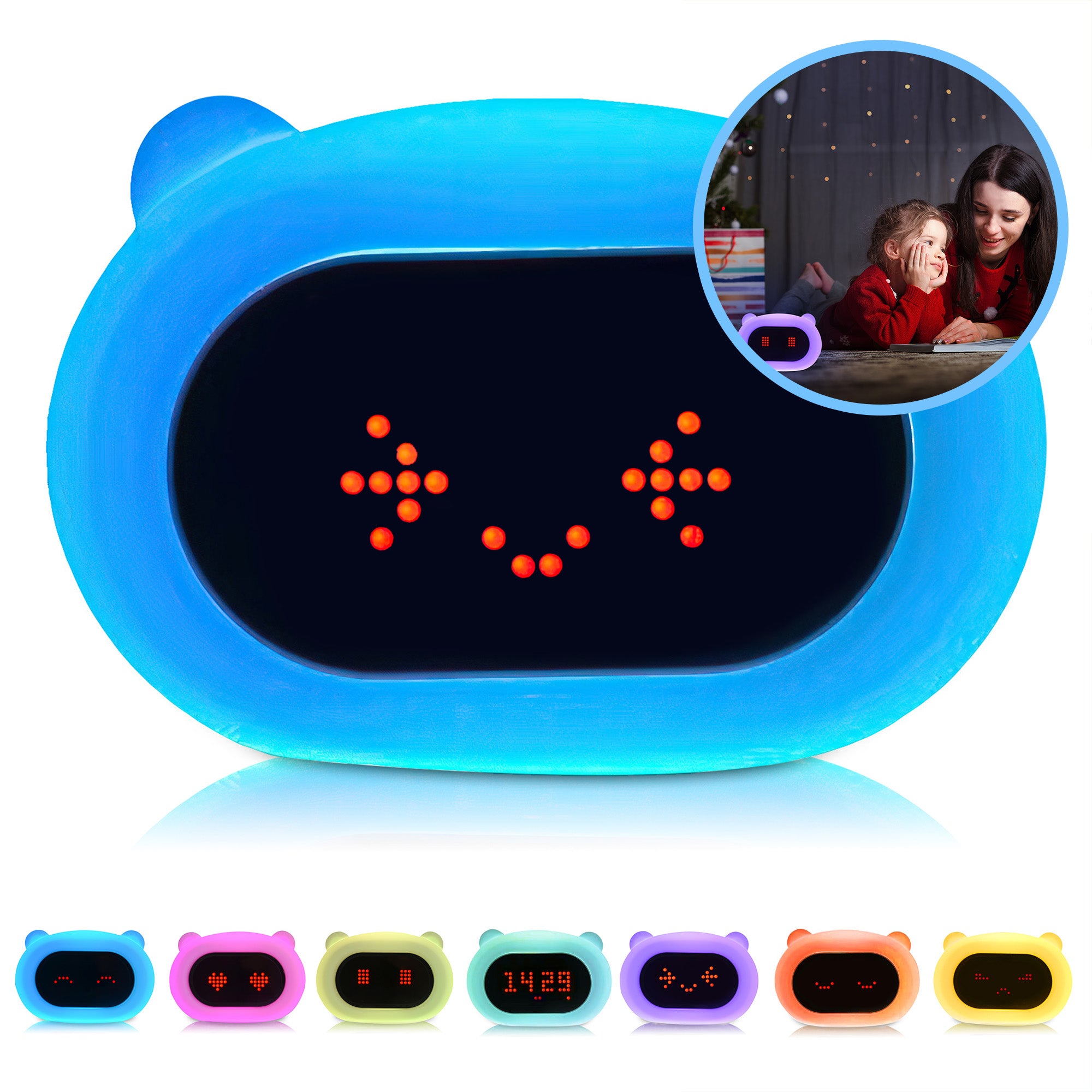
A small night light can become part of a familiar moment, such as when you dim the light together and say goodnight. Some children like a soft light to remain on, while others prefer a dark room. Above all, look at what suits your toddler.
A regular cuddly toy, comforter or calm piece of music can also become a familiar part of the routine. Such items are not a magical solution for difficult evenings, but they can contribute to a sense of familiarity. You can choose one or two consistent elements and see what works comfortably within your routine.
A sleep trainer as a visual aid
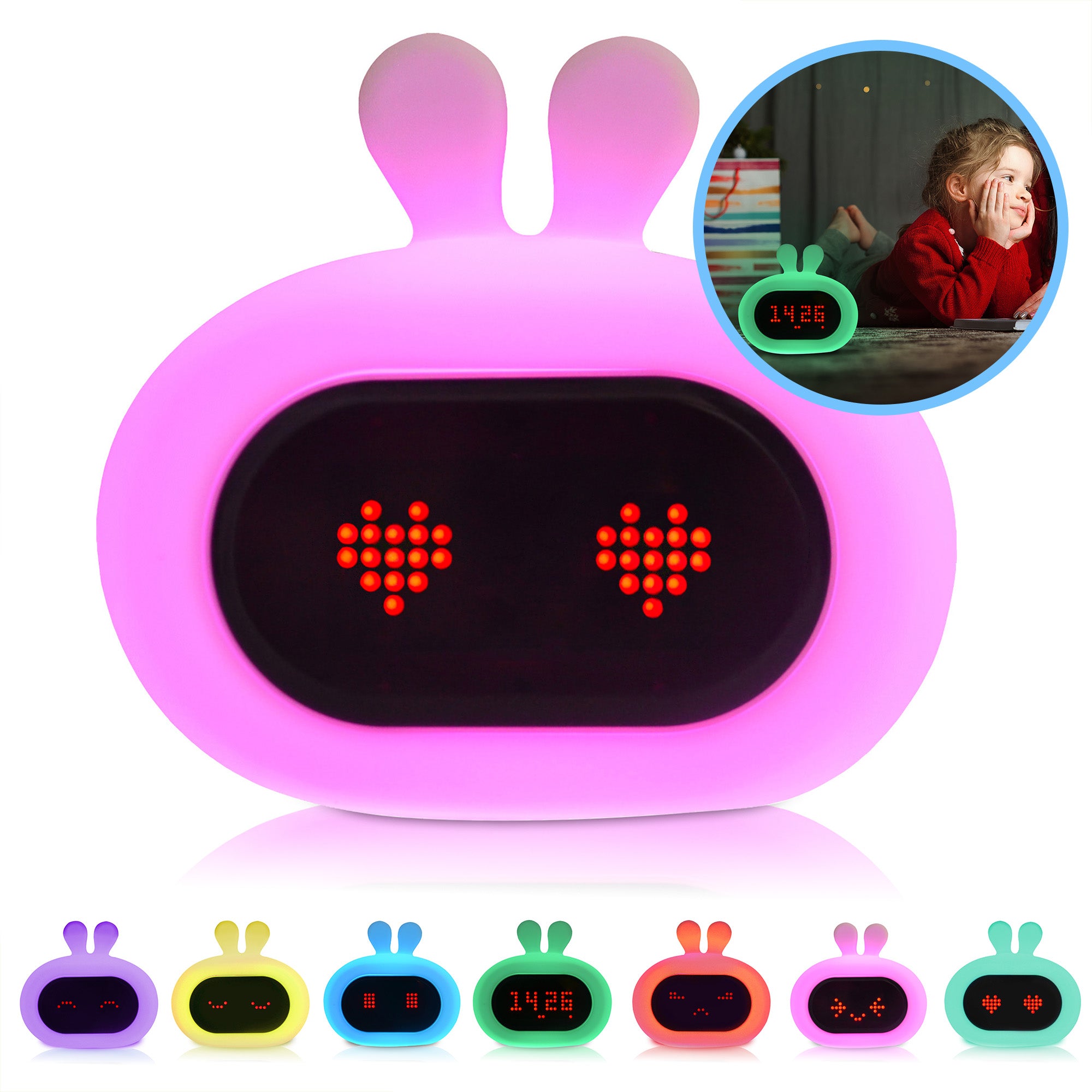
Concepts such as hours and minutes can still be abstract for toddlers. A children’s alarm clock or sleep trainer can therefore support a practical visual agreement: a colour or symbol shows that it is still quiet time, or that morning is about to begin. Explain it simply during the day and practise with it through play.
Think of a sleep trainer mainly as part of your routine, not as a substitute for your attention or explanation. Using a sleep trainer may initially require repetition and explanation. By calmly referring to the same symbol, you give your child an additional familiar cue at bedtime and when waking early.
Keep saying goodbye loving and clear
Some toddlers ask for another kiss, a song or a quick explanation of what will happen tomorrow around bedtime. A consistent ending can help make it clear when the bedtime routine is finished.
You could, for example, always use the same sentence: “I love you, sleep well, and I’ll see you again tomorrow.” Give your child a cuddle, settle their cuddly toy comfortably and leave the room calmly. If your toddler asks for something else, respond calmly and as briefly as possible. You do not need to start a new conversation each time.
Sometimes an extra moment of closeness is needed, for example after a busy day or when you notice that your child needs a little more reassurance. This does not ruin your routine. Just try to return to the familiar ending afterwards, so the evening remains predictable.
What if your toddler resists?
Resistance does not automatically mean that your routine is not working. First look at the pattern. Is the routine perhaps too long? Is there still very energetic play just before bed? Or are there many moments when the next step is renegotiated?
Try changing one thing at a time and see how it works within your routine. Perhaps a shorter book works better, or it helps to start a little earlier so that nobody has to rush. Do not expect a straight line. Some evenings will be calm and others a little more chaotic, even with a pleasant routine.
Above all, try not to turn bedtime into a battle about winning or losing. Respond calmly and clearly, and keep the agreed sequence as familiar as possible. A kind response that you can repeat provides this clarity without the need to be harsh.
Make it a moment together
A bedtime routine does not need to be long to be a pleasant moment together. A book, a song and a cuddle may already be enough for a familiar ending. Put your phone away if possible, follow your child’s pace for a moment and keep your words simple.
A favourite cuddly toy or a soft night light can thus become a small part of an evening that feels familiar. Your own words and habits make the routine personal.
A bedtime routine does not have to follow exactly the same course every evening. As your toddler grows older or your days change, the routine can change too. By retaining a few familiar steps, you leave room for both structure and flexibility.