A wooden train passed from brother to sister, a doll that still comes to bed after years of play, or a set of blocks handed on once more: circular toys often begin with an ordinary family moment. It is not about living a perfectly sustainable life, but about choosing things that can last, be looked after and bring enjoyment again.
For parents and gift givers, that feels good: fewer toys left unused in a cupboard after a short time, and more room for toys with a story. At the same time, play is still just play. A child does not need to understand a circular supply chain to build, sing, explore and imagine to their heart's content.
What are circular toys?
Circular toys are toys designed from the outset with a long lifespan and the preservation of materials and resources in mind. Think of toys that are well made, can be repaired, reused or passed on, and whose materials can, where possible, be recycled at the end of their useful life.
For families, this often starts with practical steps: looking after toys, repairing them when it is safe to do so and passing them on once a child has outgrown them.
So it goes beyond the label ‘sustainable’. A toy made from natural materials is not automatically circular if it is fragile, difficult to repair or no longer usable after a short time. Conversely, a well-made product with a long useful life can be a considered choice, even if it is not made from one ideal material.
Circular thinking considers the whole life cycle: what a toy is made from, how long it can last, whether parts can be replaced and what happens when a child outgrows it. For families, the practical question matters most: can we enjoy playing with this for a long time?
Why lasting enjoyment is often the best starting point
Children change quickly. Today's favourite may be less interesting in a few months. So not every toy needs to be used in the same way for years. It does help, though, to choose toys that leave room for different ages, play ideas and moments.
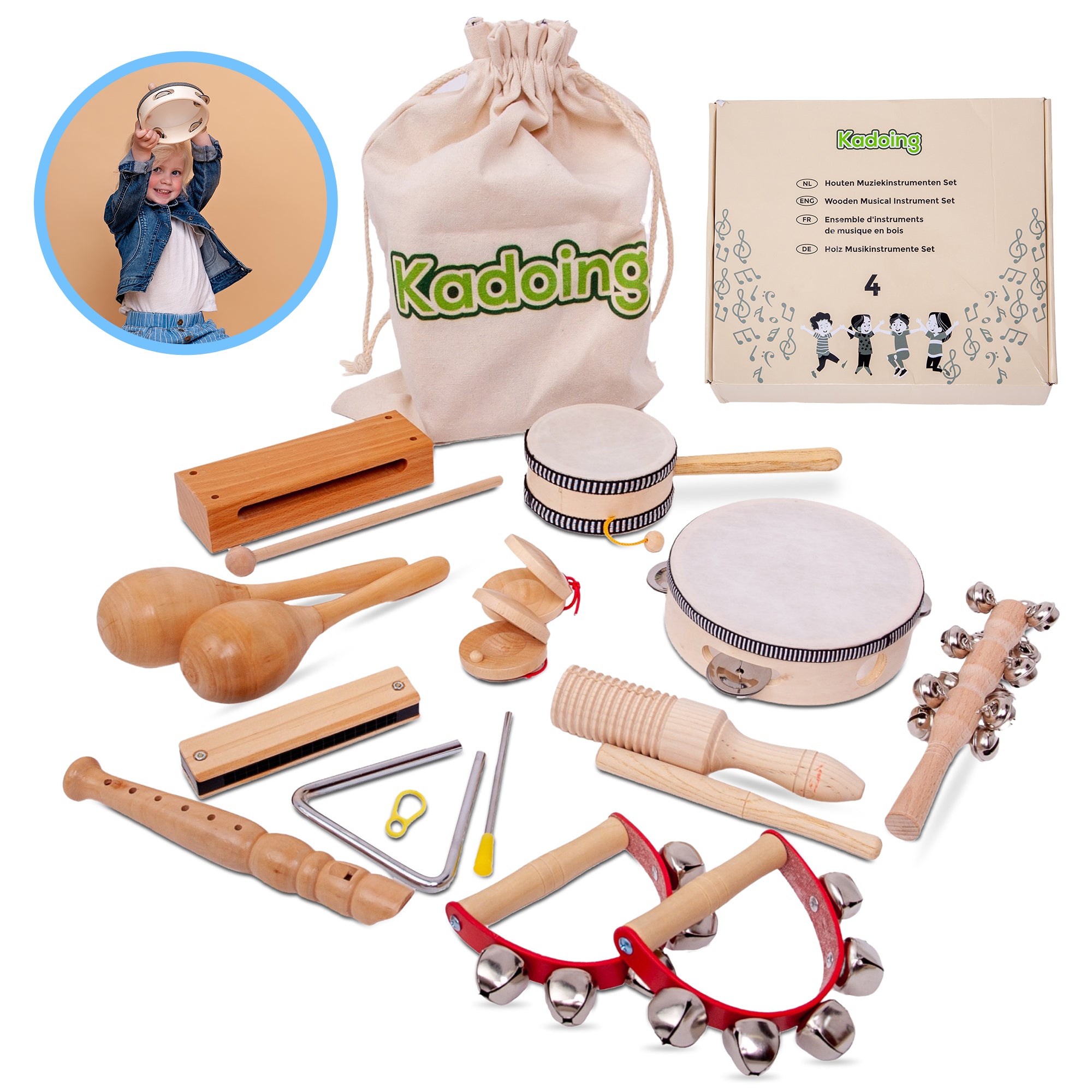
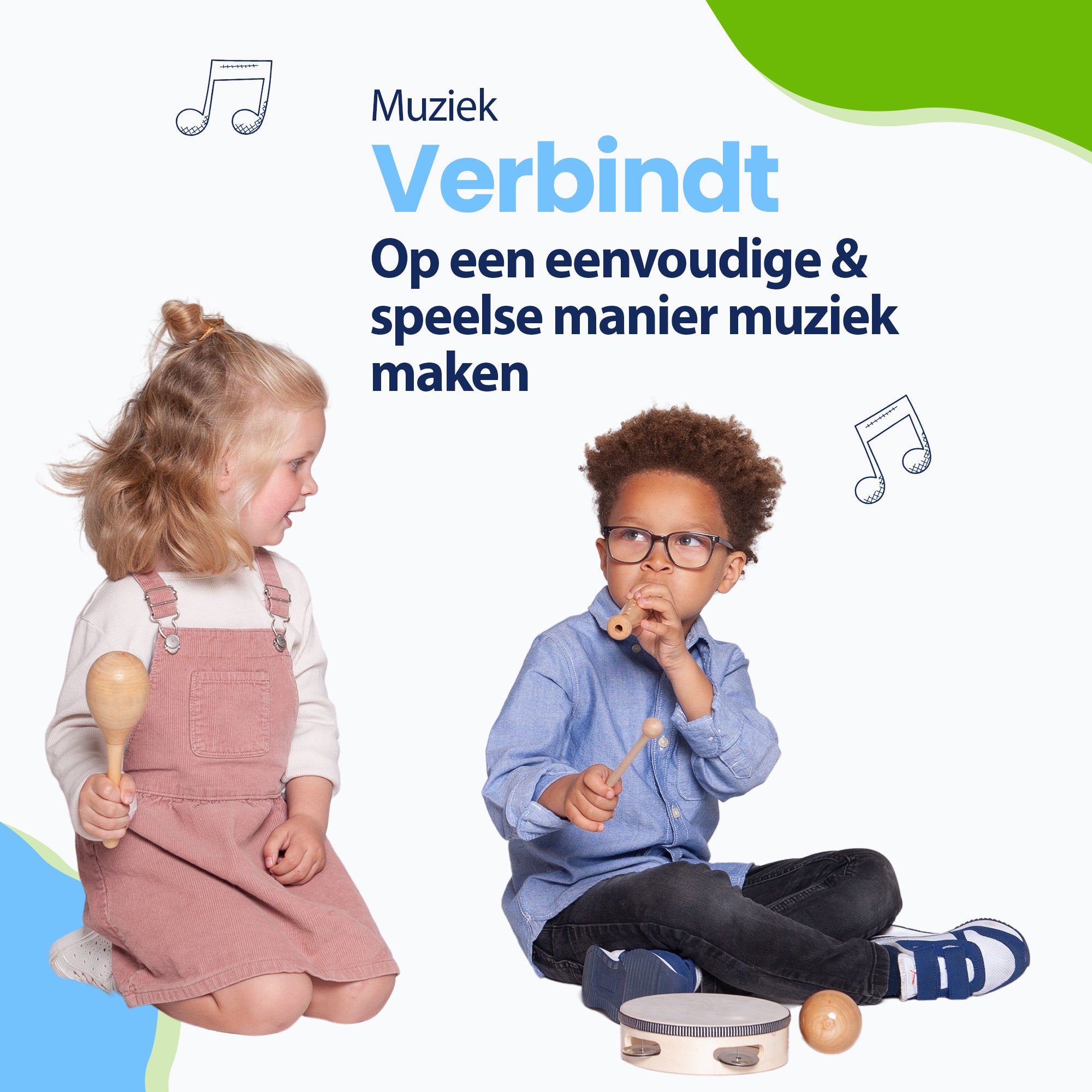
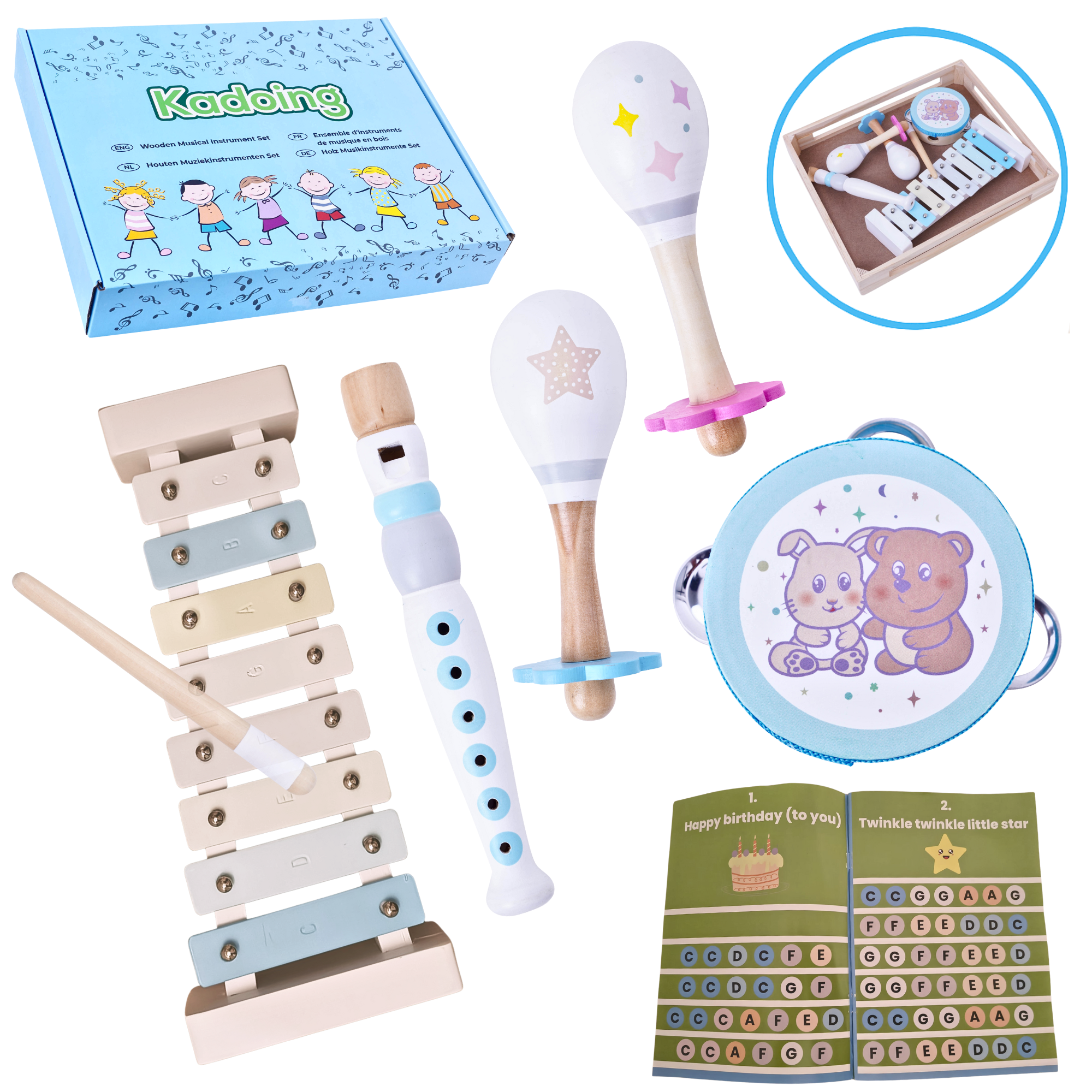
A set of wooden blocks might first invite stacking, later become a garage and then form part of an imaginary world. A small musical instrument can let a toddler experiment with sound, while an older child tries making rhythms with it. Toys without a fixed end goal often have several lives.
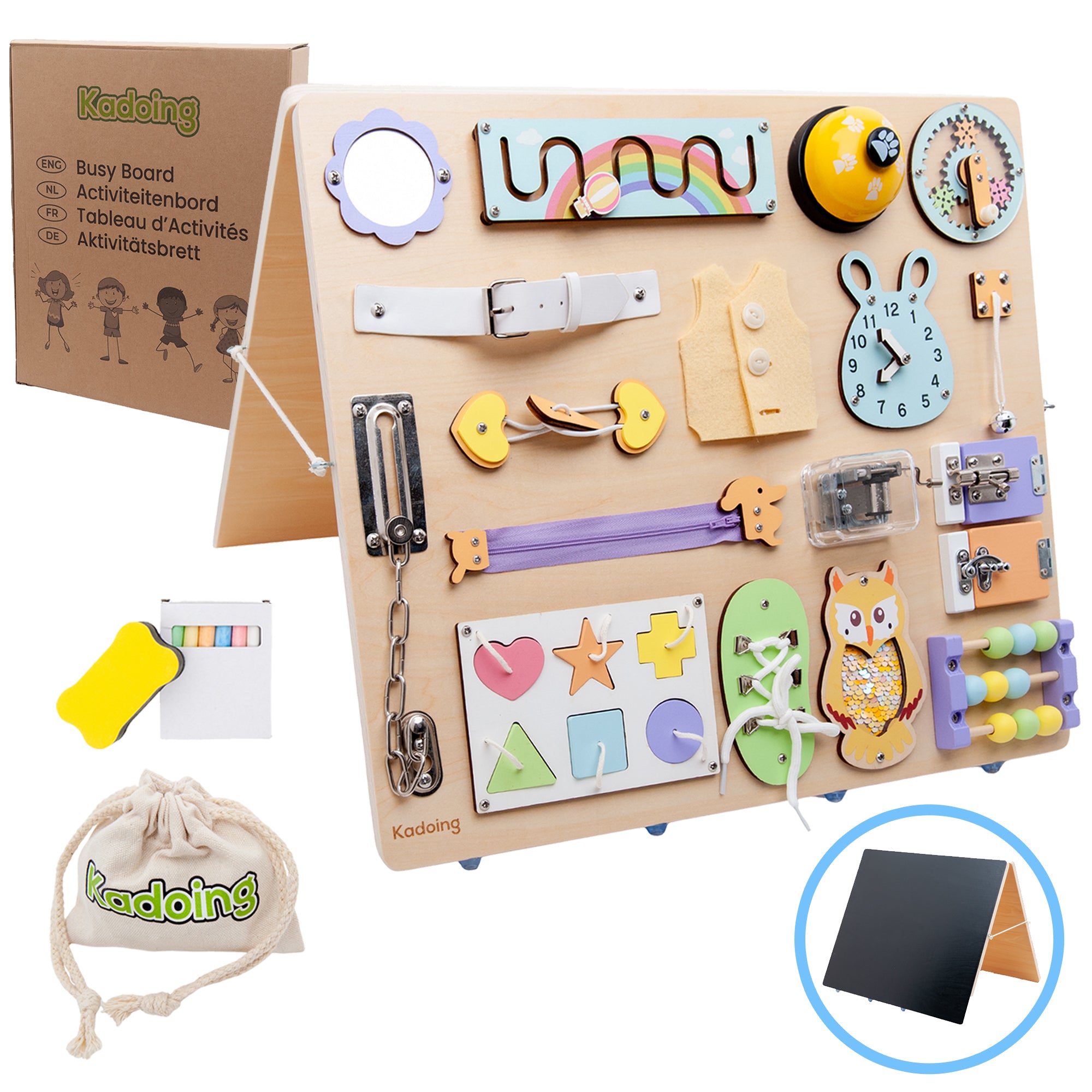
This does not mean that open-ended toys are always the best choice. Some children particularly enjoy a puzzle, shape sorter or activity toy with a clear challenge. It depends on their age, interests and the moment. Here, the circular benefit lies in sturdy construction, a timeless design and the option to pass the toy on later.
Choose quality that suits everyday life
Quality is not just about how something looks when it is new out of the box. Think also about materials that withstand normal use, joints that feel sturdy and a finish that is easy to care for. Wood, for example, can age beautifully and show small signs of use. Fabric can sometimes be washed or repaired. With electronic toys, it is helpful if batteries are easy to replace.
Always check the age guidance, instructions for use and condition of second-hand toys. Loose parts, damage or wear may mean an item is no longer suitable for a young child. Choosing circular toys therefore also means looking carefully, rather than keeping everything at any cost.
Materials: look beyond the word sustainable
Wood, organic cotton, recycled plastic and natural filling can all play a part in a more considered selection of toys. Yet one material never tells the whole story. Origin, finish, transport, packaging and lifespan matter too.
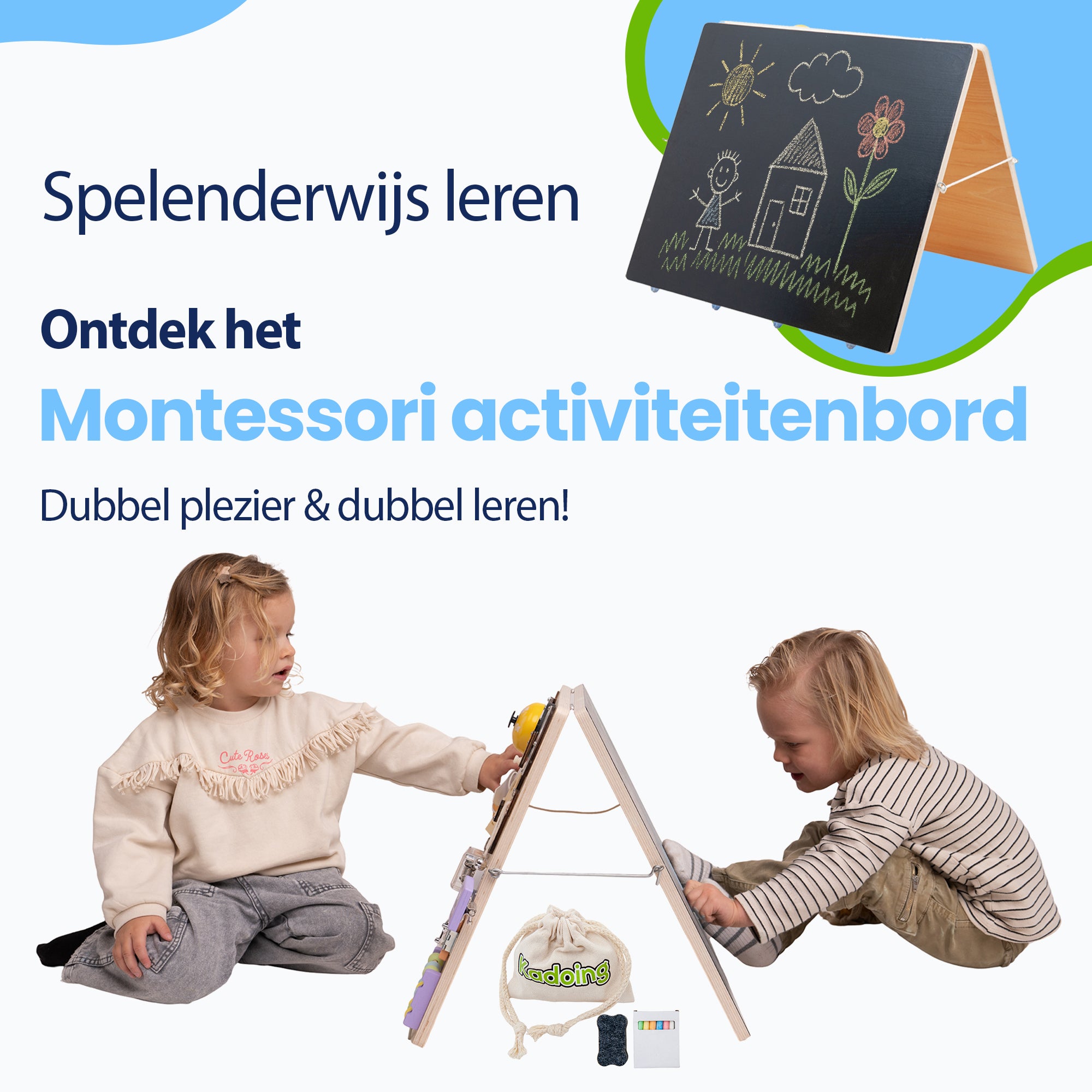
Wooden toys appeal to many families because of their calm appearance and solid feel. A well-made wooden rattle, musical toy or activity board can remain part of everyday play for a long time. Look for a smooth finish and clear product information. If a toy is coloured, it is reassuring to know that the paint or coating used is suitable for toys.
Fabric soft toys can also stay with a family for many years. They may see plenty of use, come along on trips and be washed often. A timeless design and materials that can be cared for properly make them easier to pass on. A soft toy does not have to look brand new after years to be valuable. Sometimes that soft, familiar appearance is precisely what makes it special.
Recycled materials are a worthwhile option when used carefully. But the same applies here: a product is not automatically better because it says ‘recycled’. Look at the overall quality and ask yourself whether the toy will really be used.
Making more room for circular play at home
Buying circular toys is one step. How toys are used and stored at home makes at least as much difference. An overflowing toy basket does not always encourage more play. Often, it helps to display a smaller selection and put the rest away temporarily.
Rotating toys regularly makes familiar playthings feel new again. There is no need for a strict schedule. You might swap a few items when you notice a child always reaching for the same thing, or showing little interest. That way, blocks, musical toys, soft toys and simple activities each have their own moment.
A few habits can help keep toys looking good and usable for longer:
- Keep small parts together in a box or fabric bag.
- Clean wooden toys occasionally with a slightly damp cloth, then dry them thoroughly.
- Only repair minor damage when it is safe and permitted by the manufacturer's instructions. Stop using toys with loose parts, sharp edges or other safety risks immediately.
- Pass toys that are no longer used on to family, friends, childcare settings or a second-hand initiative.
Feel free to involve older children in this process. Sorting through a toy basket together to pass things on can become a small, positive ritual. It need not feel like saying goodbye to everything. A child can keep their favourite things while other items bring happiness to someone else.
Choosing and passing on second-hand toys
Buying second-hand is a direct way to extend a toy's lifespan. It can also be an enjoyable search for a special book, wooden puzzle or dressing-up item. Do take time to look carefully. Is it complete? Does it still work as intended? Are there any sharp edges, cracks or loose parts? And is it suitable for the age of the child you are choosing it for?
With older toys, also consider their origin and any available safety information. Toys made years ago do not necessarily meet today's safety requirements. Where possible, check the brand, model and any recalls. If the origin is unclear or you have doubts about safety, choose another item.
Washable fabrics can often benefit from freshening up. Wooden toys can usually be wiped carefully. Toys with electronics, magnets, batteries or complex parts warrant extra checks. Missing parts or an unclear origin are good reasons to give an item a miss.
Would you like to pass toys on yourself? Clean them, gather any separate pieces and be honest about signs of use. A set does not have to be immaculate to retain its value. A few scratches on a wooden train mostly tell you it has been played with a lot.
Buy less, choose more thoughtfully
A circular playroom does not come from replacing everything at once. That is usually unnecessary too. Instead, start with the next birthday present, a new toy for a rainy afternoon or an addition to what you already have at home.
Ask yourself a few simple questions. Does this suit my child's age and interests? Do we already have something similar? Can it be used in several ways? And would we feel happy passing it on later? These questions often make choosing clearer than a long list of sustainability claims.
For gift givers, a wish list works well. It helps avoid duplicate purchases and lets you ask for something truly welcome: a well-made musical toy, a soft toy that can last or an activity that suits a new stage.
A little story that can carry on
Circular toys do not require flawless choices. Sometimes a new item is just right, sometimes you find something lovely second-hand, and sometimes a favourite is forgotten sooner than expected. That is part of growing up and discovering.
Choosing fewer toys that suit your child better and are used with care gives things a greater chance to grow with the family. And when a toy later finds its way into small hands again, a new story may begin.