


Coats are dripping in the hallway, rain is tapping on the window and your child has already asked what you are going to do. This is just when quiet activities for rainy days can be welcome: no strict schedule, just attention, play and little moments together. Choose something that suits your child's age and energy, and the time you have.
A quiet afternoon does not have to be silent or perfect. Sometimes a lovely moment happens at the table, sometimes on the floor among the cushions. A few simple materials and room for ideas of your own can soon turn a grey day into a warm day at home.
Why quiet activities can be lovely on a rainy day
Rainy days often invite us to slow down a little. Children do not need to be entertained constantly. A clear choice between one or two activities gives them a starting point, while leaving plenty of room to play independently. That can be especially welcome after a busy morning, a playdate or a long school day.
It helps not to put everything out at once. Set out paper and pencils, for example, or make a little corner with blocks and soft toys. Your child can get started and you can join in when it feels right. For younger children, a ten-minute activity can be plenty. Older children may stay focused for longer if they can follow a plan of their own.
Adapt each activity to your child's age and abilities. Something a preschooler can do independently may need more guidance or simpler materials for a toddler.
12 quiet activities for rainy days
1. Make a rainy-day art gallery at the table
Set out sturdy paper, wax crayons or coloured pencils and choose a simple theme: puddles, clouds, animals with umbrellas or the view from the window. You do not need to make an example. Instead, ask: what colours is the sky today? Hang up a few drawings afterwards to give their work a little moment of pride.
2. Build a quiet reading nook
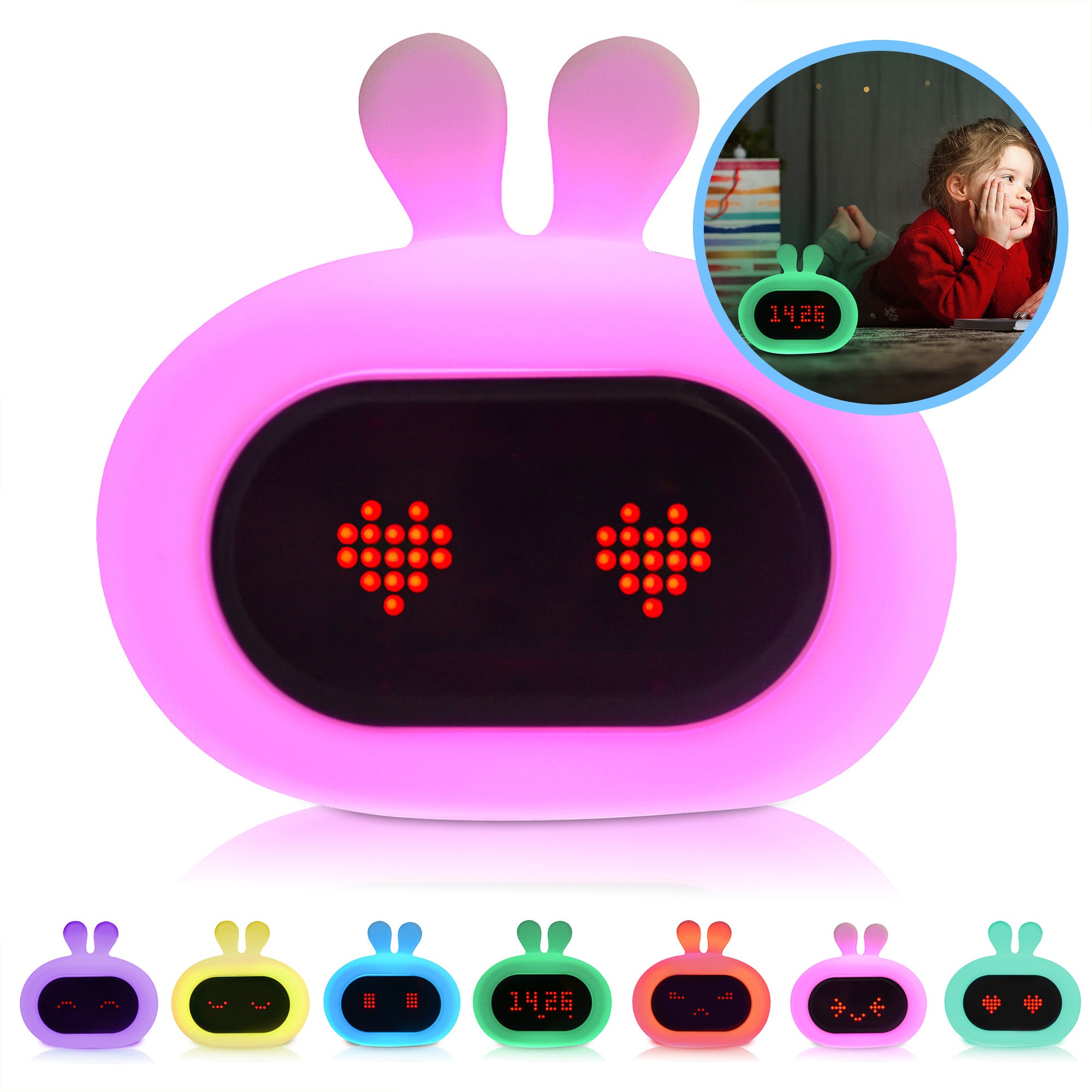
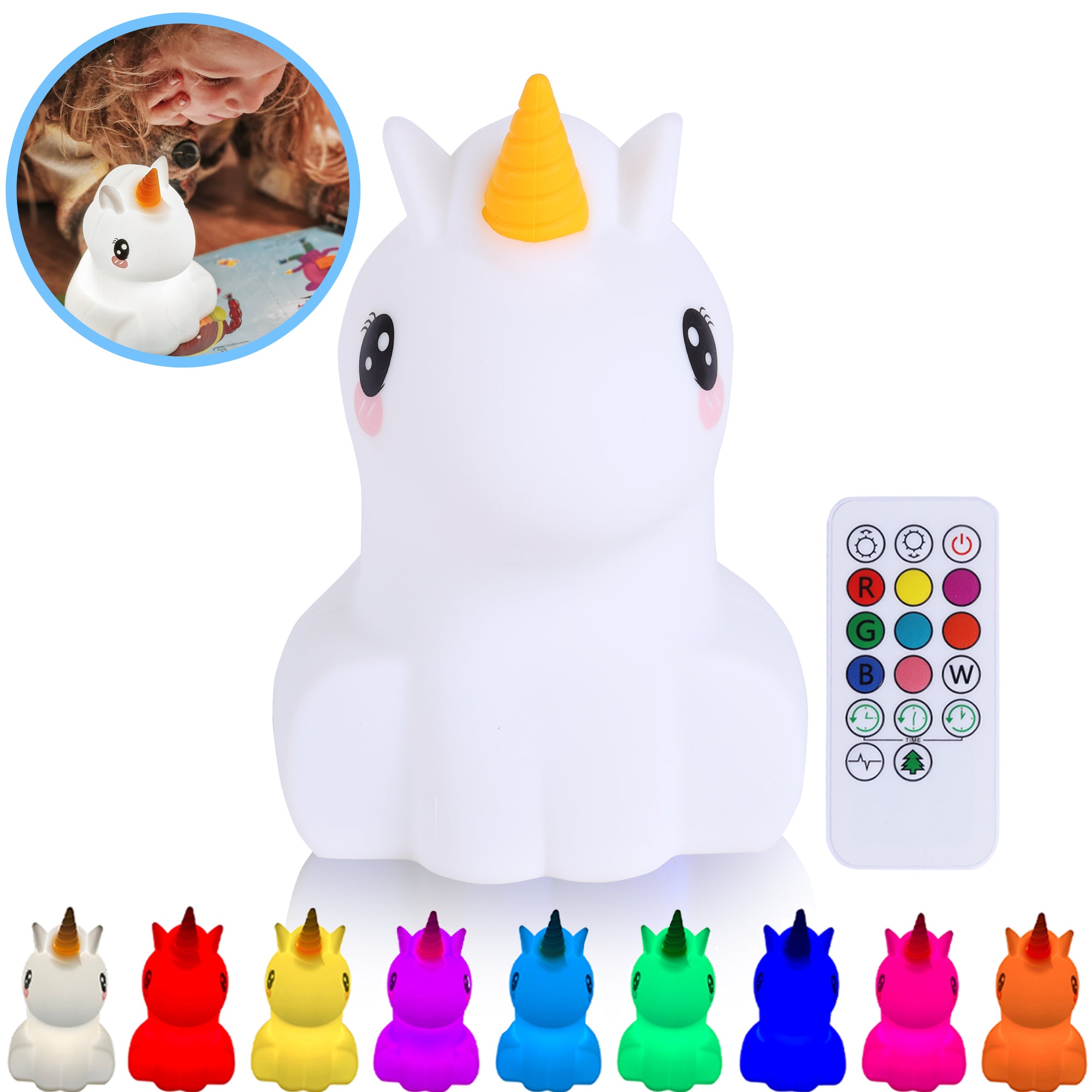
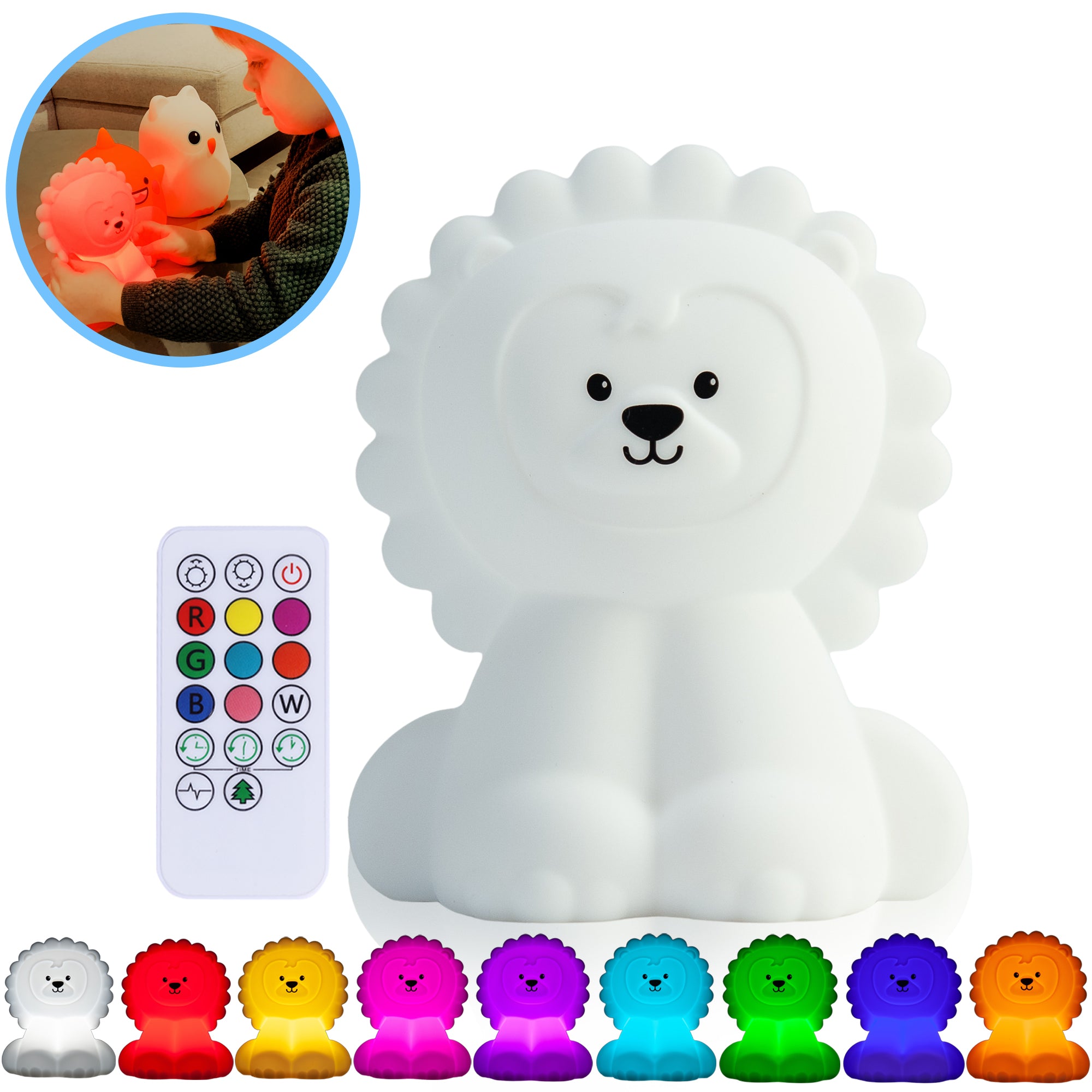
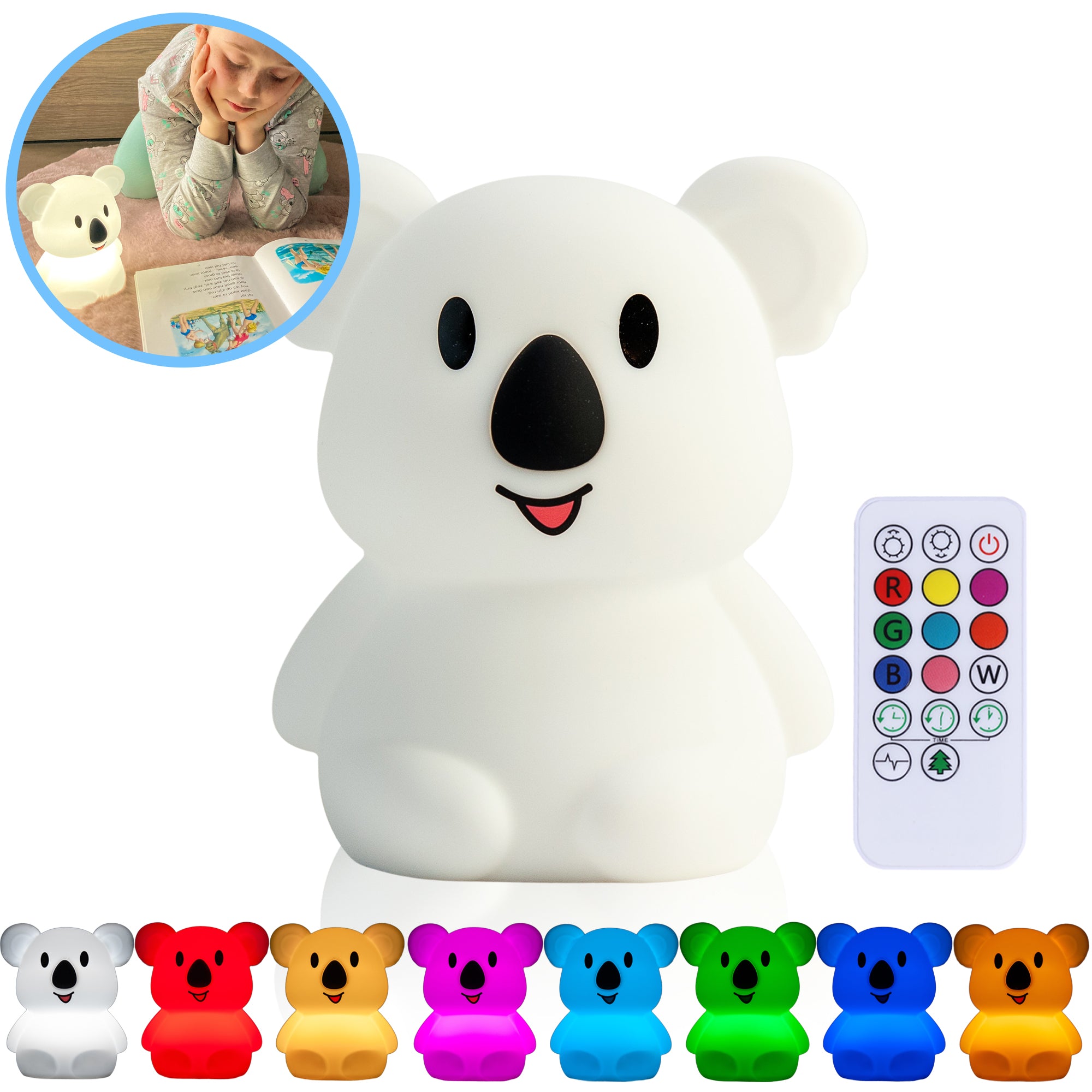
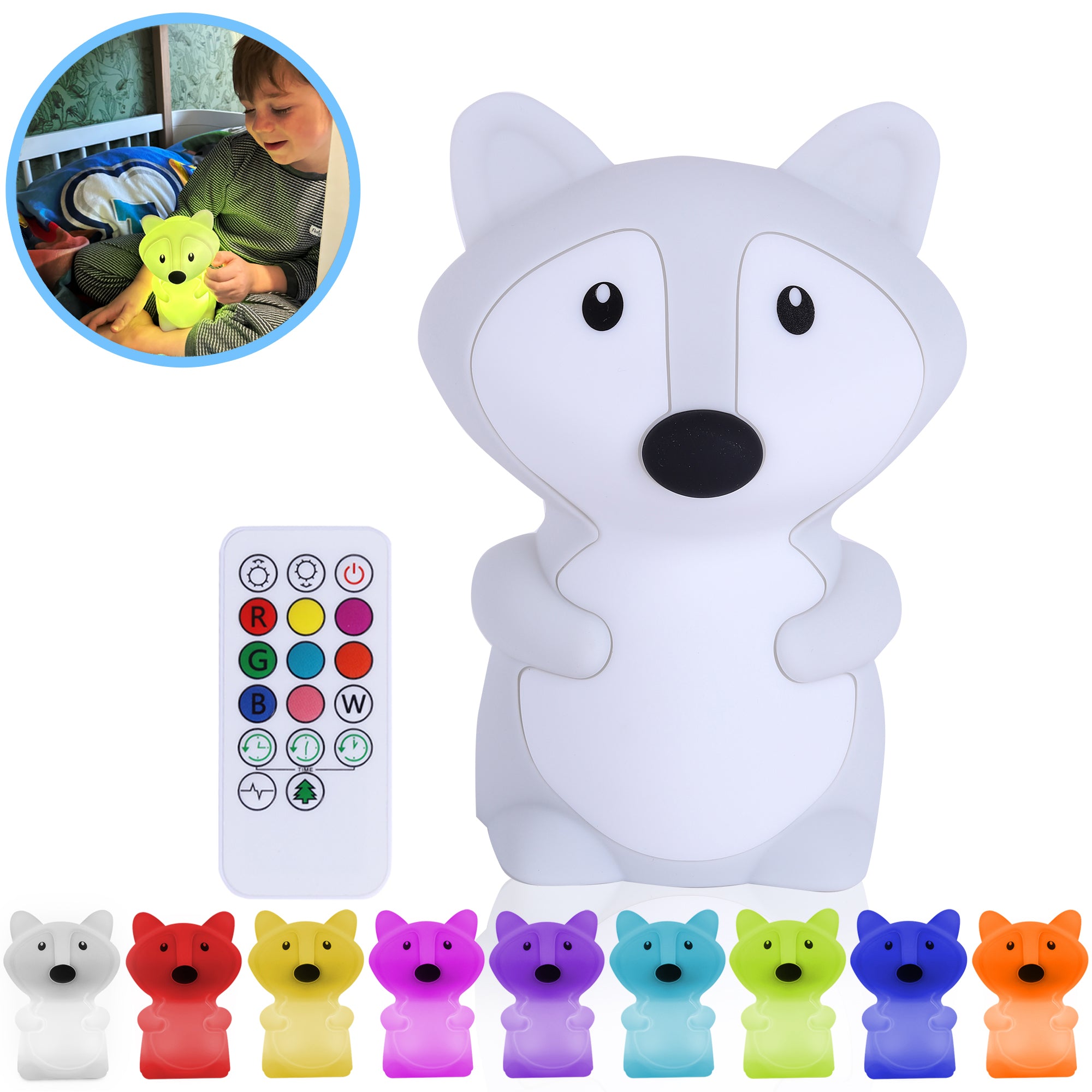
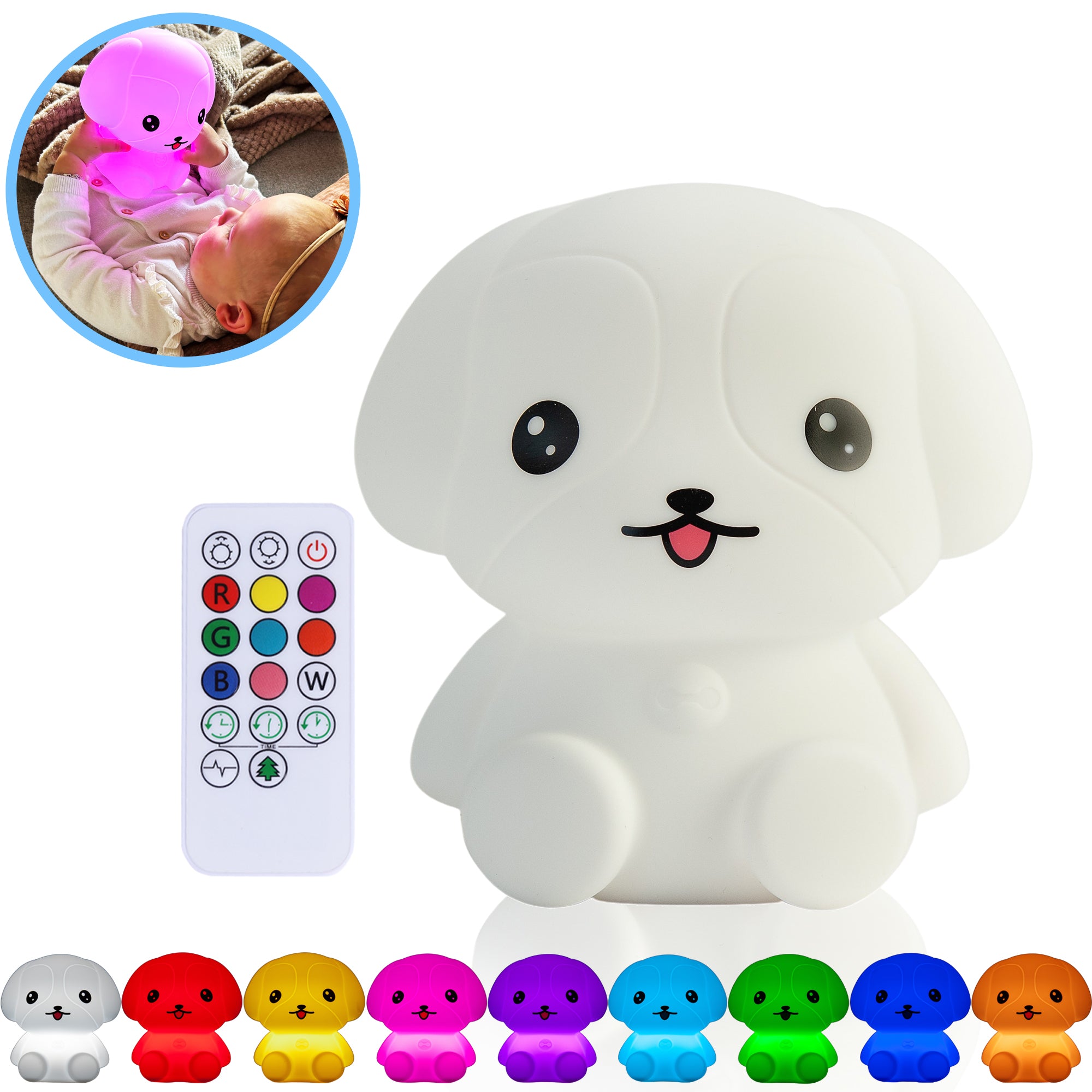
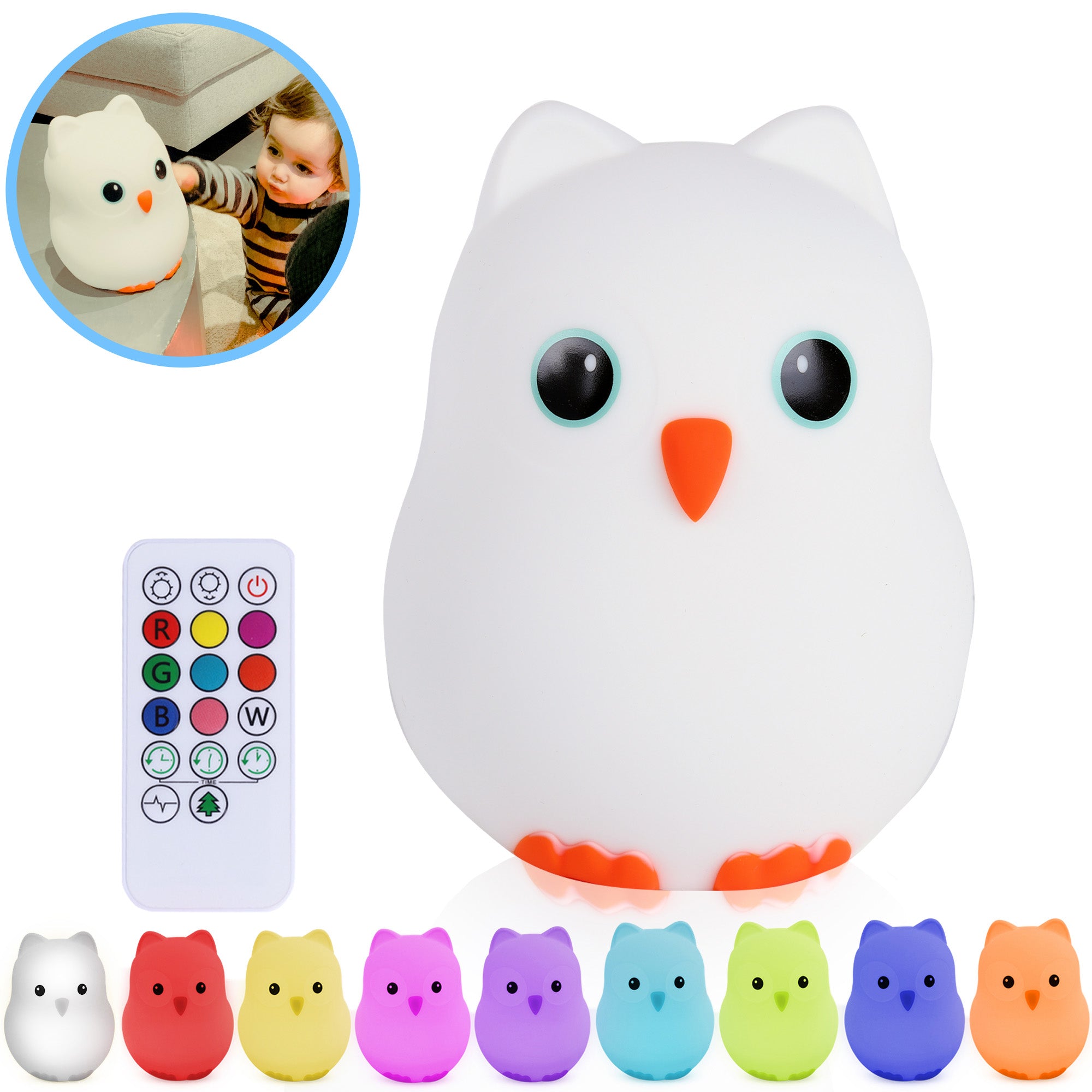
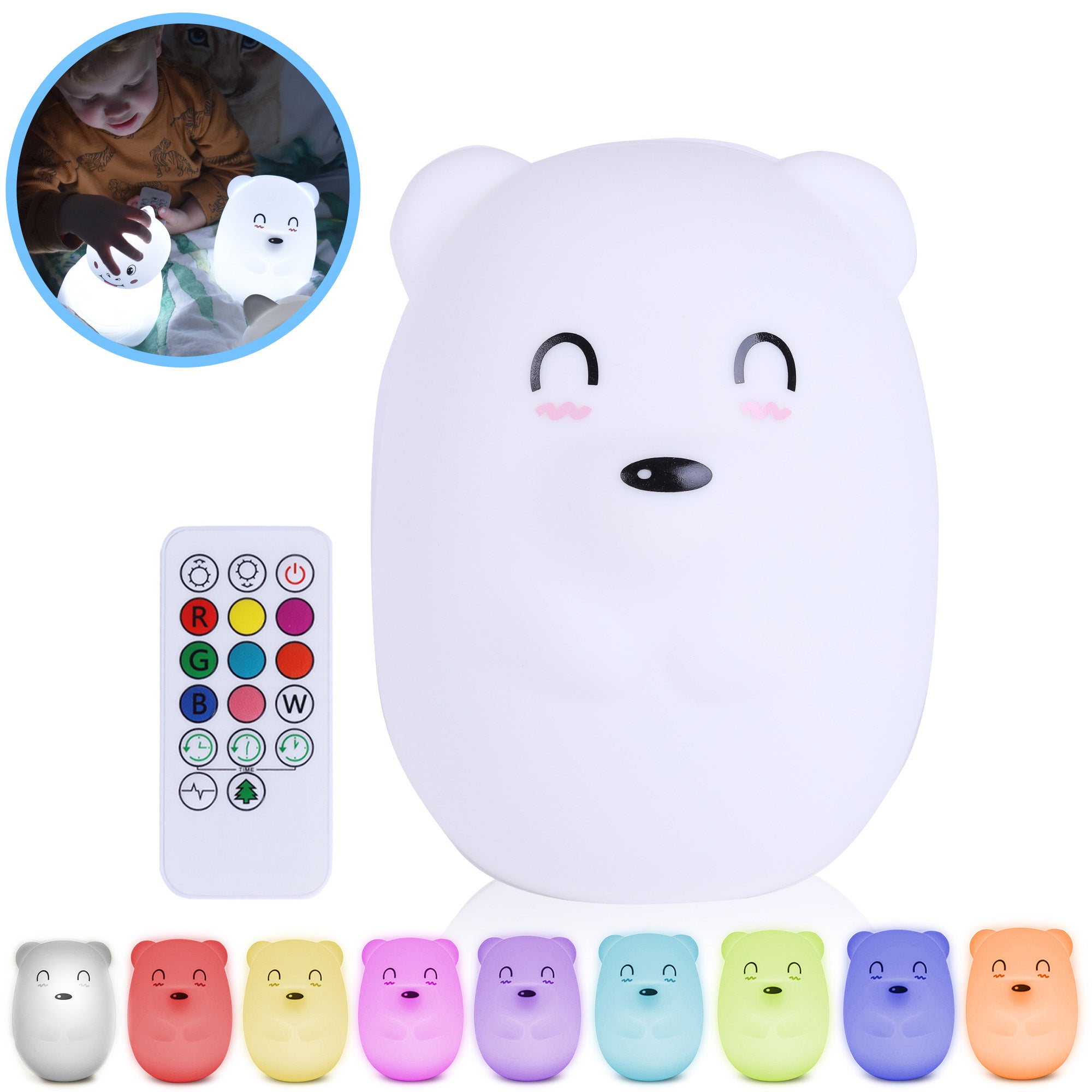
Make a cosy reading corner with a few cushions, a soft blanket and a pile of favourite books. Read aloud, look at the pictures together or let your child ‘read’ a story to a soft toy. A familiar night light can give the corner a soft, cosy feel even during the day, as long as it is placed safely and used according to its instructions.
3. Sort and imagine with wooden blocks
Wooden blocks, shapes or simple figures are well suited to calm play. Sort them by colour or size, build a little house for an animal or make a long road through the living room. Nothing has to be finished. Stacking, knocking things down and trying again are what make this kind of play enjoyable on a quiet afternoon.
4. Have a mini music session
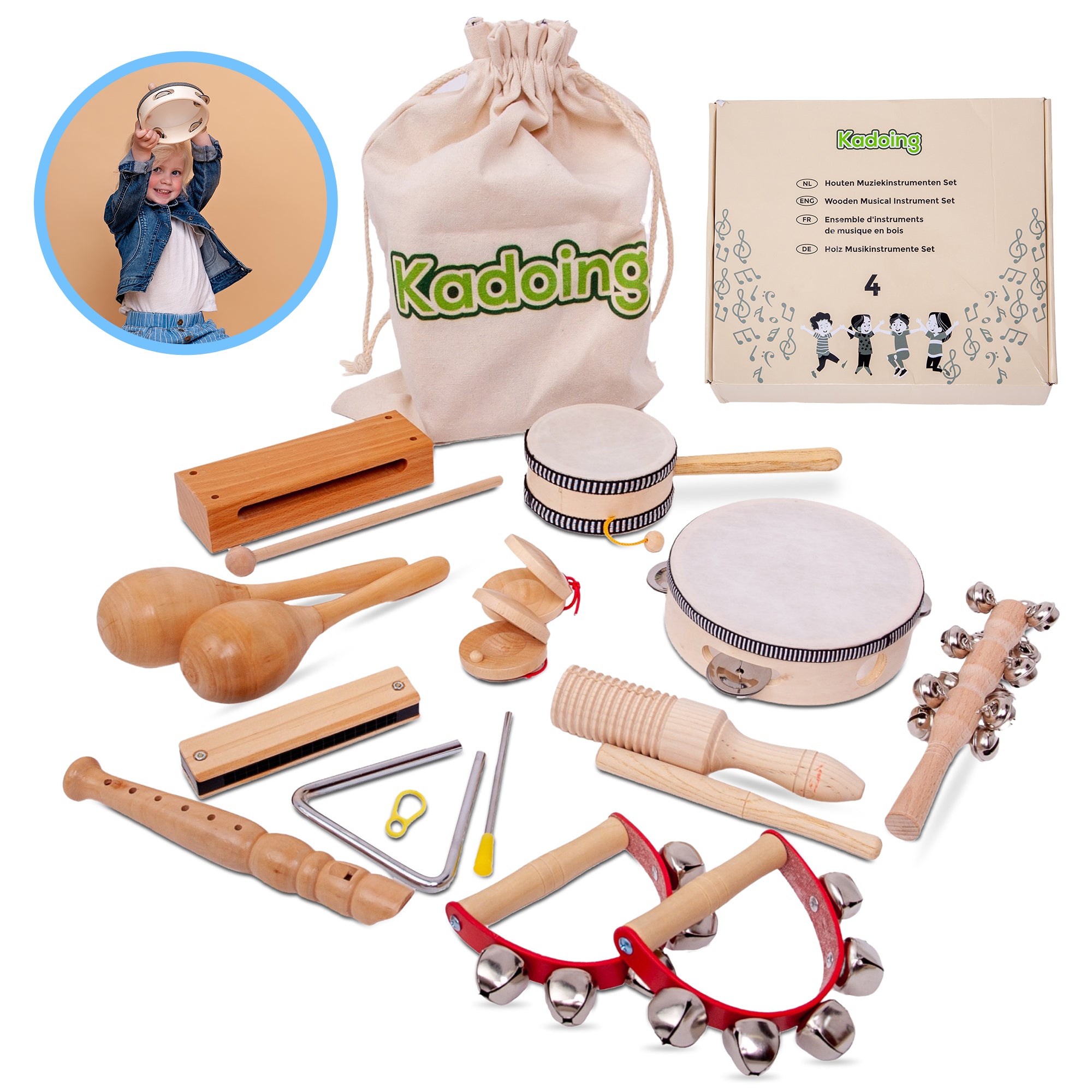
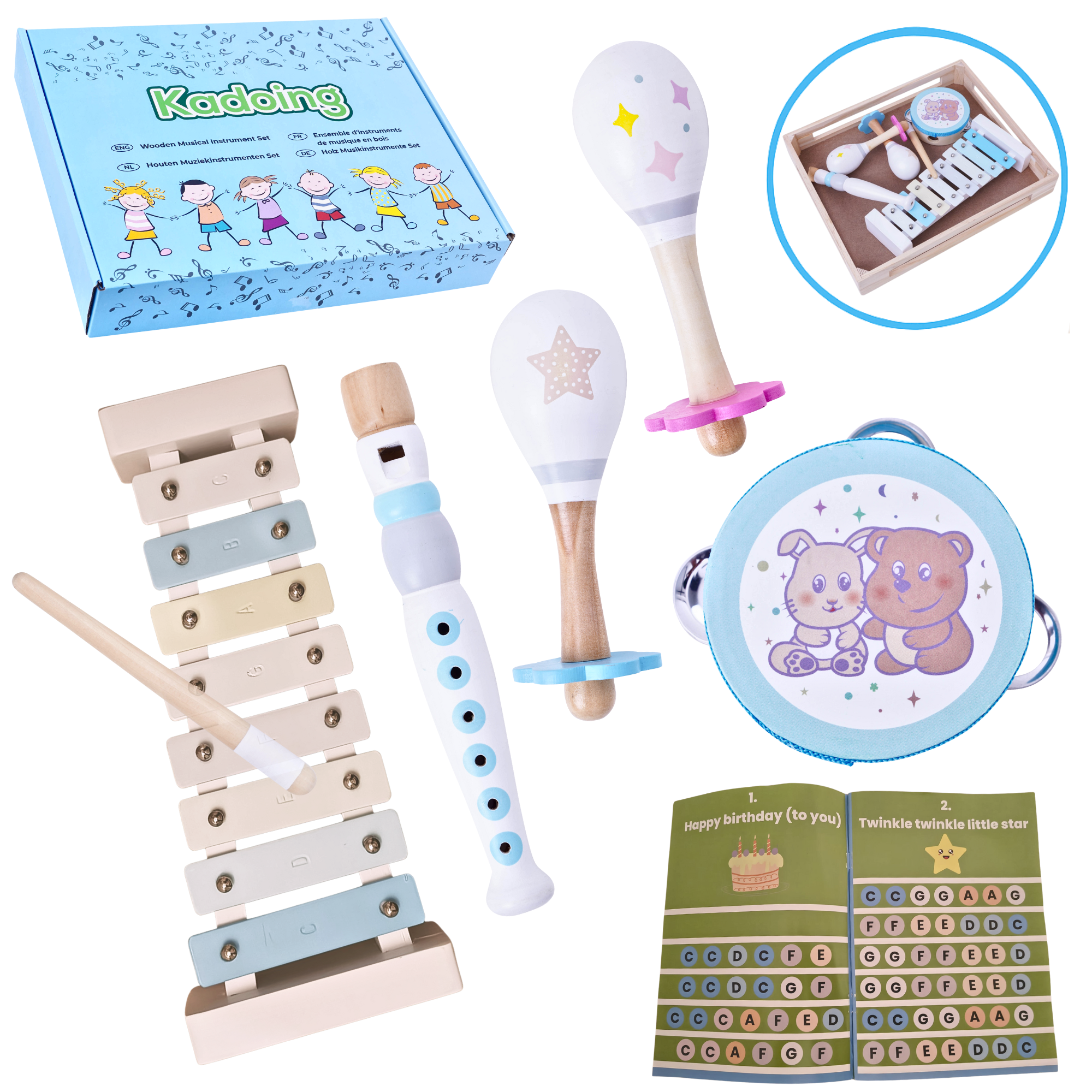
Music does not have to be loud to be fun. Sing familiar children's songs, clap a gentle rhythm or let your child take turns playing a bell, a drum or a wooden musical instrument. Make it a game by alternating loud and soft, fast and slow. Stop before their attention fades, so it stays an enjoyable moment.
5. Give soft toys some care
For many children, soft toys are faithful members of the household. Set out a basket with a cloth, a little blanket and perhaps some toy crockery. Your child can tuck a toy in, feed it or take it to a homemade bed. This imaginative play needs little preparation and leaves room for stories of their own.
6. Bake together with small jobs for everyone
Baking together does not have to be a big project. Let a young child add ingredients to a bowl, stir or choose cutters. Older children can help with weighing or decorating biscuits. It is less about a picture-perfect result and more about the smells, the waiting and tasting together. Pick a recipe that suits the time you have.
7. Make a discovery tray with everyday objects
Fill a shallow container with large, sturdy, age-appropriate household objects, such as wooden spoons, soft cloths and large plastic containers. Young children can feel, stack and put objects in and out. Always stay with them, particularly if your child still explores a lot with their mouth. Check that the materials have no sharp edges, loose parts or other safety risks. Keep it simple: too many objects can be distracting.
8. Set up a simple indoor treasure hunt
Hide three or four familiar objects in one room and give little clues. For toddlers, a photo or a clue such as ‘look by the sofa’ often works better than a complicated riddle. You could also search for colours: something red, something soft and something round. The activity stays calm while adding a little movement to the afternoon.
9. Make a story bag together
Put a few random, child-friendly objects in a fabric bag: a wooden animal, a cloth, a spoon and a block. Take turns pulling something out and adding one sentence to the story. A bear who has lost his boot might set off for a castle made of cushions. The story can go anywhere.
10. Try an activity at your child's own pace
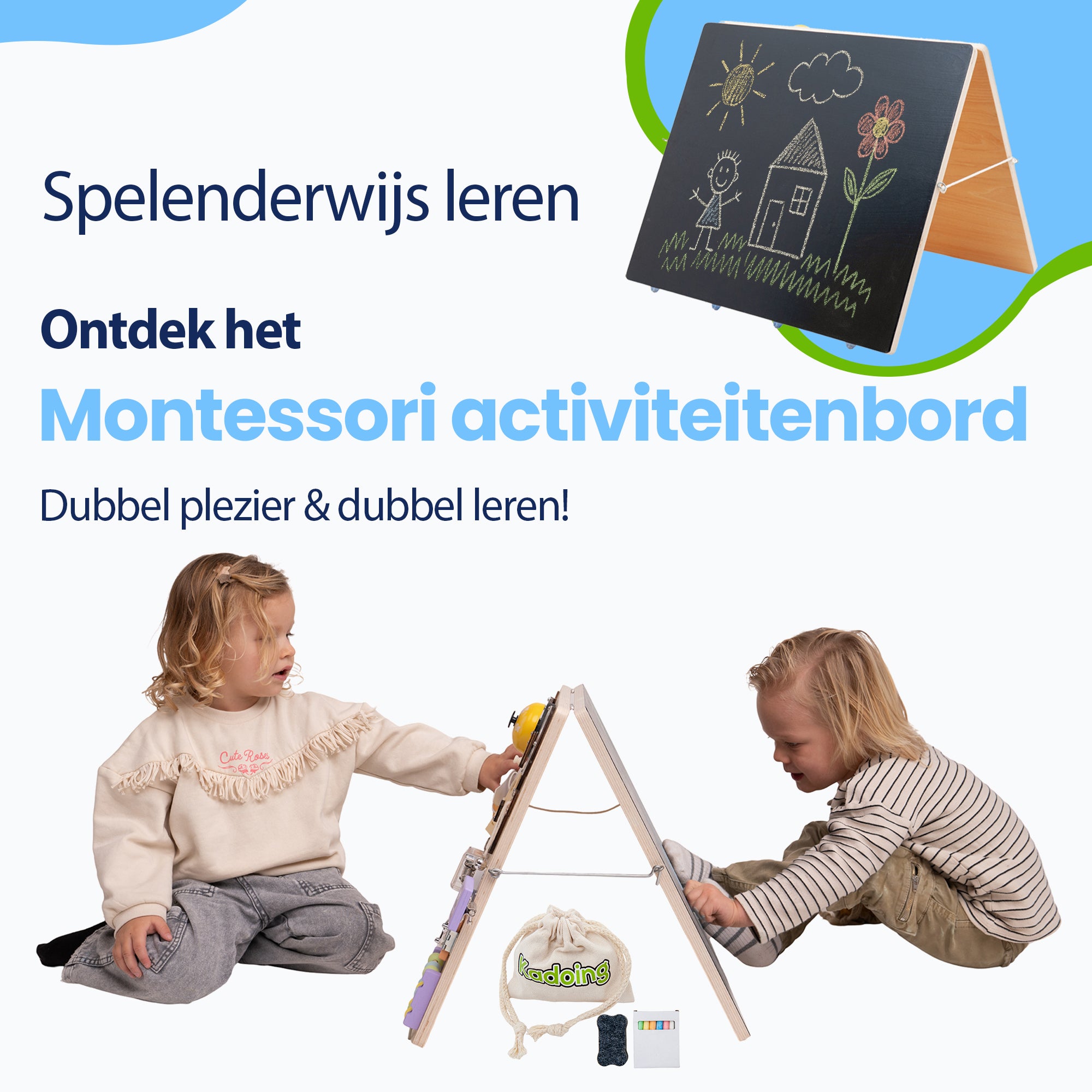
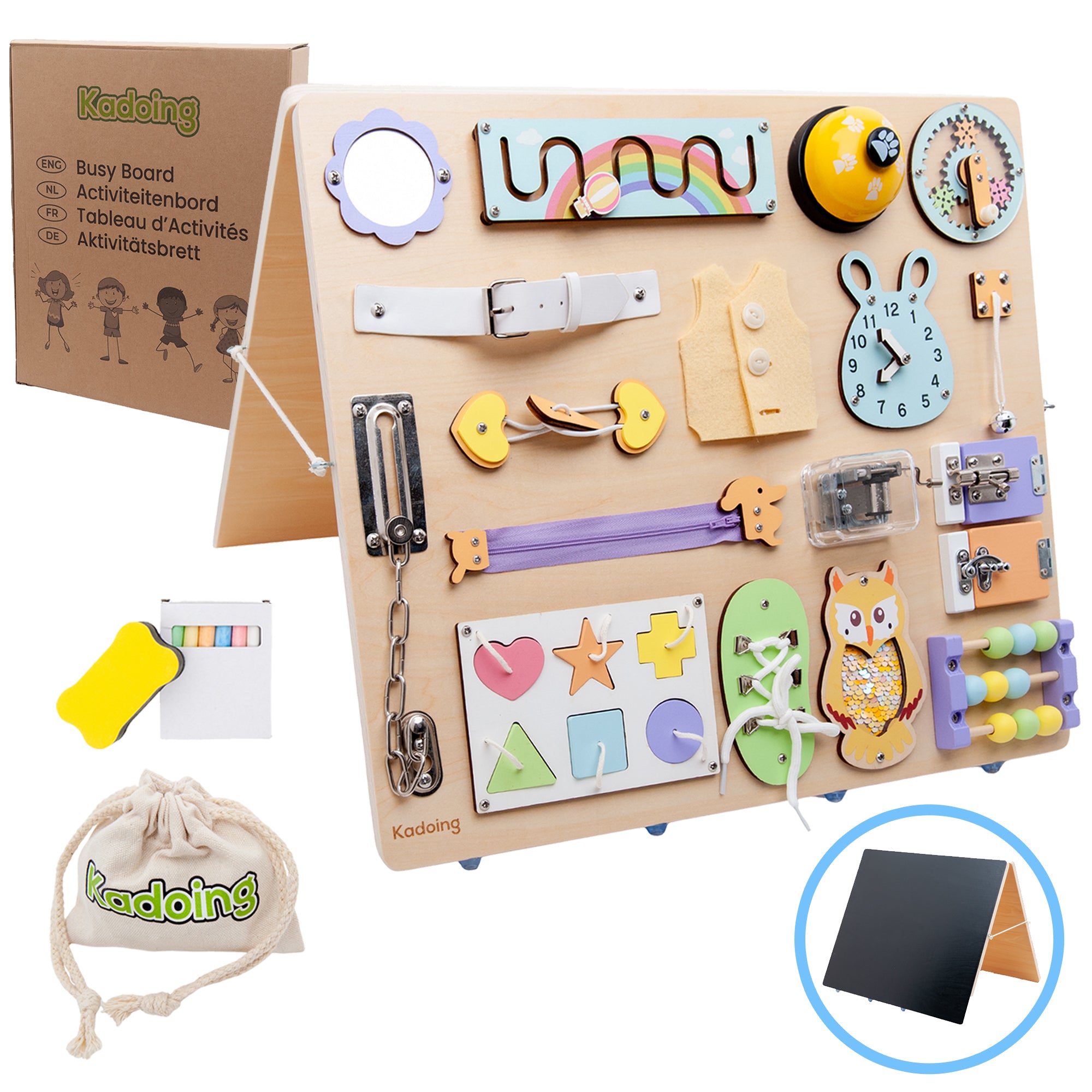
An activity board or a Montessori-inspired board can encourage quiet exploration with sliders, shapes and simple actions. Some children want to try everything at once; others choose the same part every time. Both are perfectly normal. Sit beside your child if they want you there, but leave room for independent exploration too.
11. Have a little living-room picnic
Spread a blanket on the floor and put out a simple snack, such as fruit, bread or crackers. Eating somewhere different makes an ordinary afternoon feel special. Let your child help lay out napkins or choose cups. Keep expectations low: a few minutes together on the blanket is already a lovely break.
12. Finish with a gentle tidying-up ritual
Tidying up does not have to mean the fun is over. Play a gentle song or agree to gather all the blocks first, then the books. A small, familiar sequence can make the transition to a meal, bath time or free play easier to follow. At Kadoing, we believe everyday rituals like these can help create more enjoyable moments together.
How to choose an activity that suits today
Look at what you have at home and at the mood in the house. Does your child have lots of energy? Start with a short treasure hunt, then draw or read. Are they a little tired or easily distracted? Caring for a soft toy, baking together or making music with one instrument may be a better fit.
Your own needs matter too. On some afternoons, it is lovely to join in building and making up stories. On others, it is nice for your child to colour independently while you have a cup of tea nearby. Quiet activities do not need to become another task on your list. A simple invitation to play is often enough.
Leave room for boredom
There is no need to fill every rainy hour. When an activity ends, it is fine for nothing to happen for a while. Children may come up with an idea, pick up a book or start building with the blocks again. Keeping materials visible and within reach makes those independent moments easier without taking over the play.
And if the afternoon turns out differently from planned, that is fine too. Perhaps the drawing table becomes a restaurant for dolls, or the living-room picnic ends in crumbs and giggles. Rain outside does not have to mean less enjoyment. With a little time, a few familiar things and attention for each other, home can be a very lovely place.