A child who wants one more sip of water, is afraid of the dark or stands wide awake beside your bed at five every morning: bedtime can ask a lot of a family. Anyone looking for the best sleep trainers for children is usually not looking for a quick fix, but for more guidance, security and calm. A good sleep trainer can help, perhaps together with a soft night light, a familiar cuddly toy and a recognisable routine.
What do we mean by sleep trainers for children?
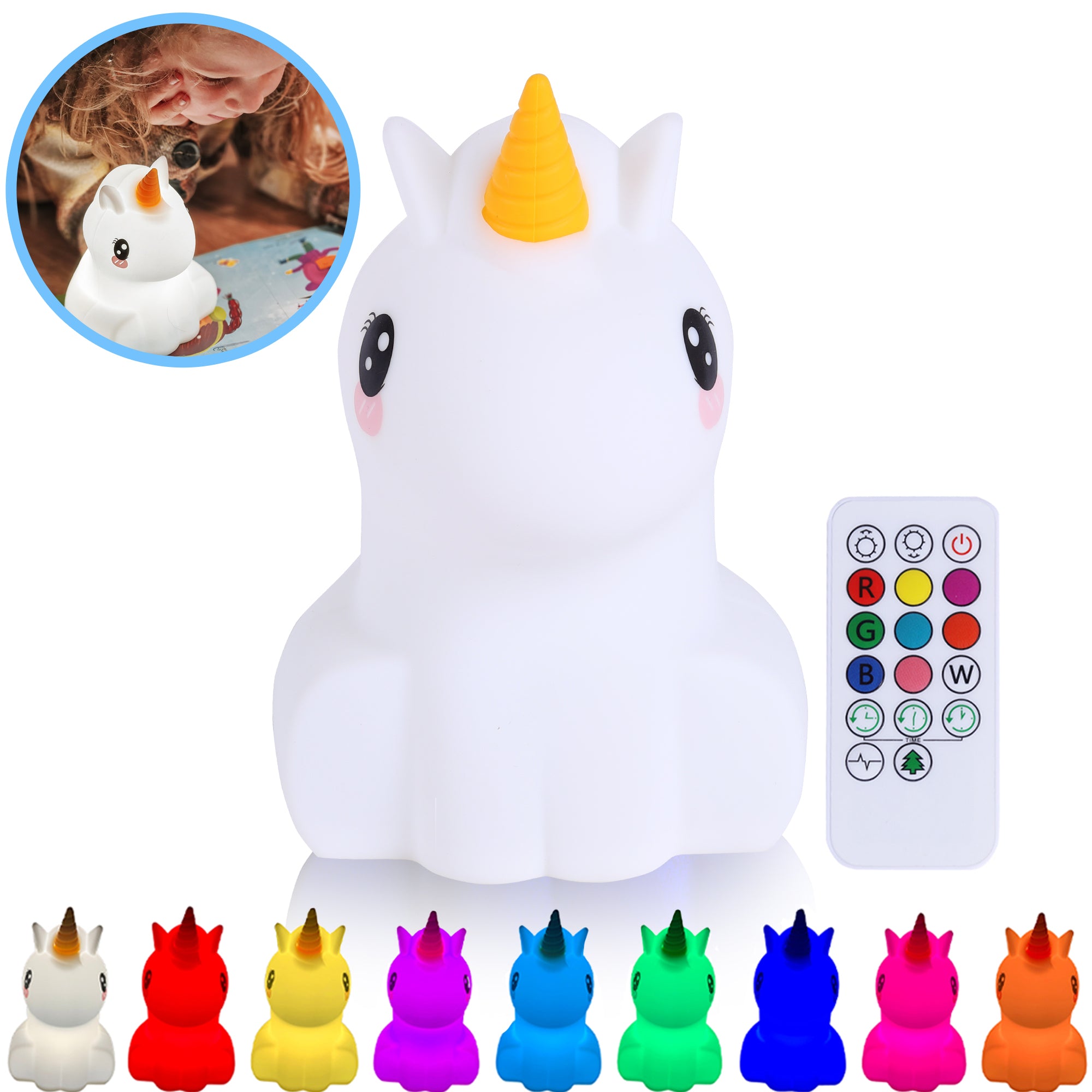
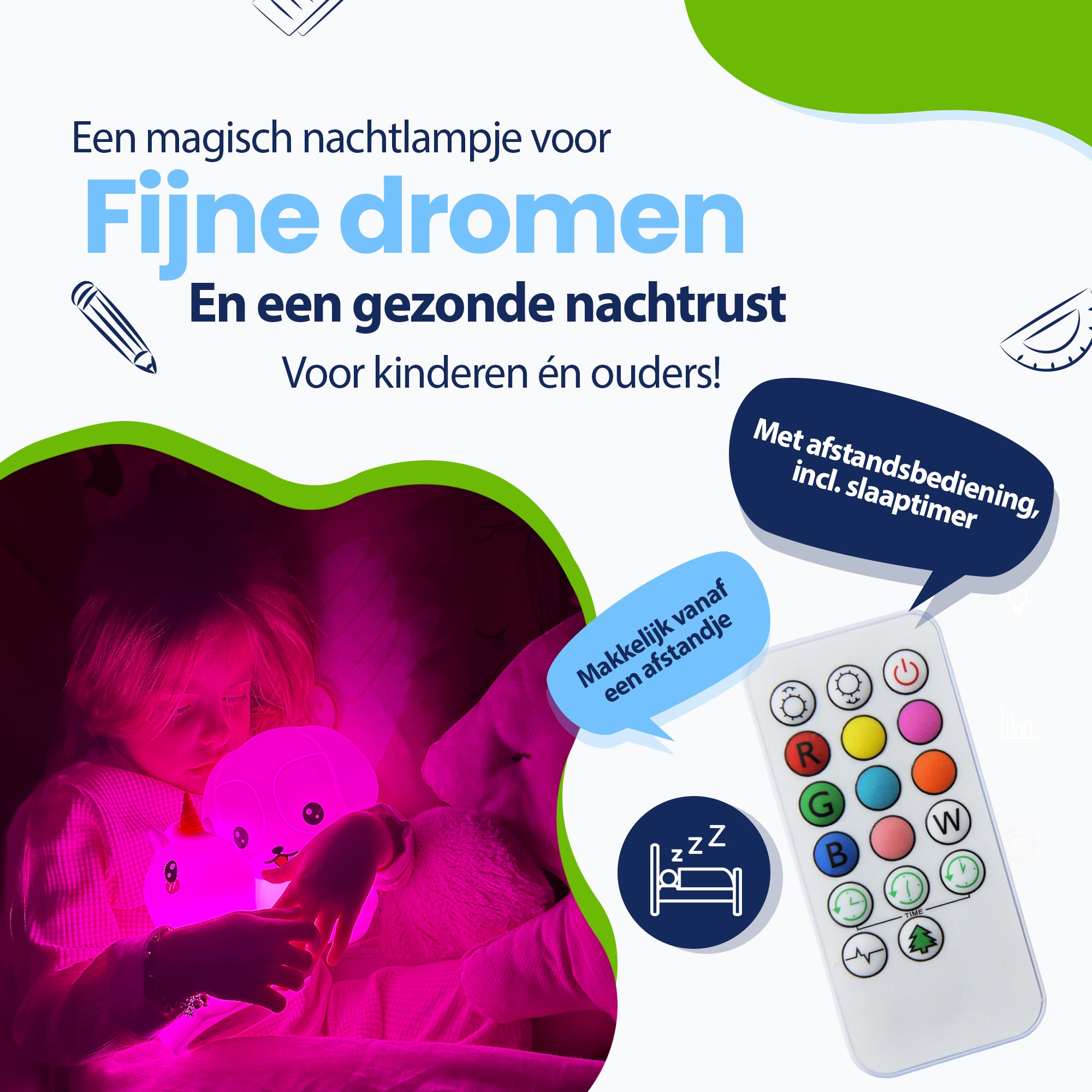
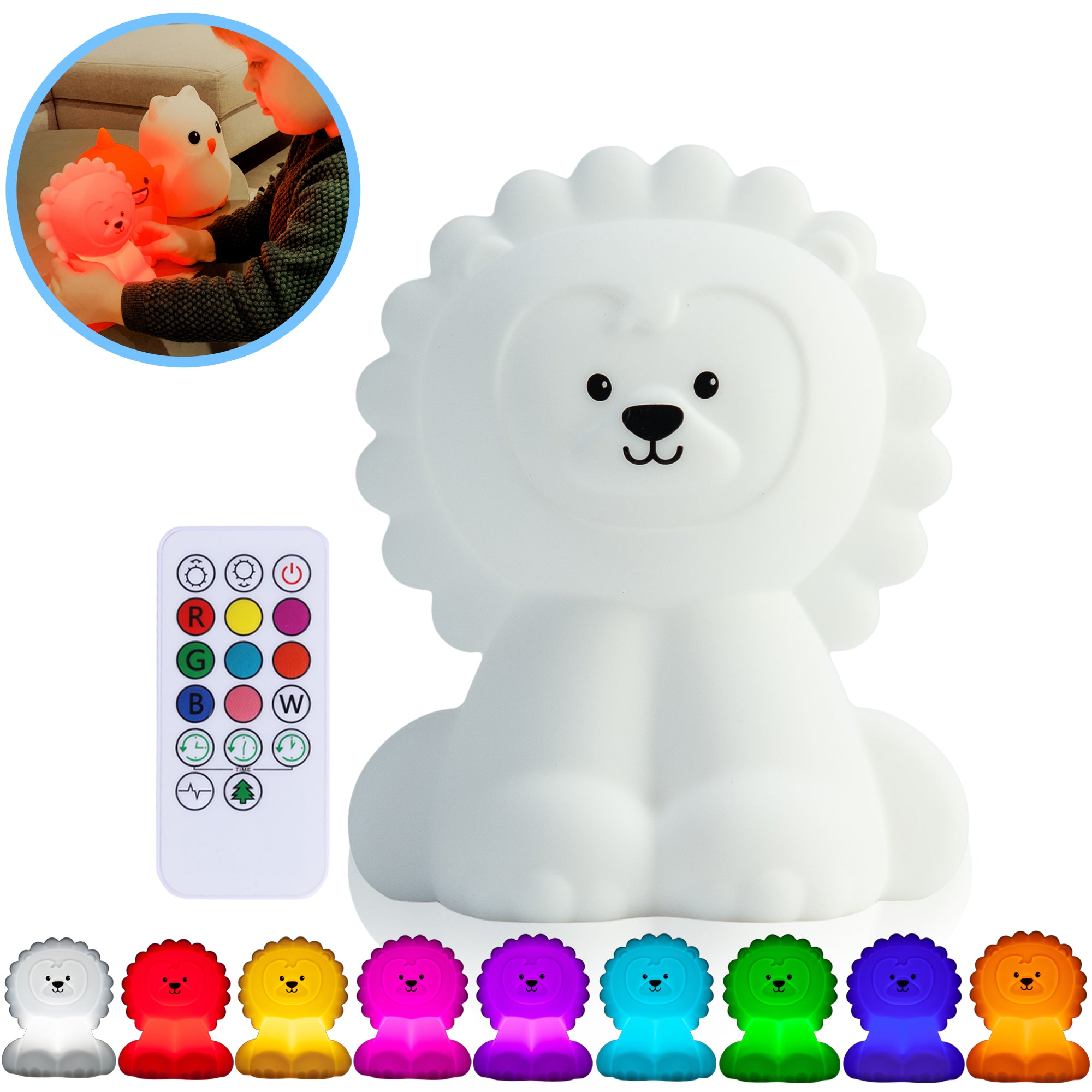
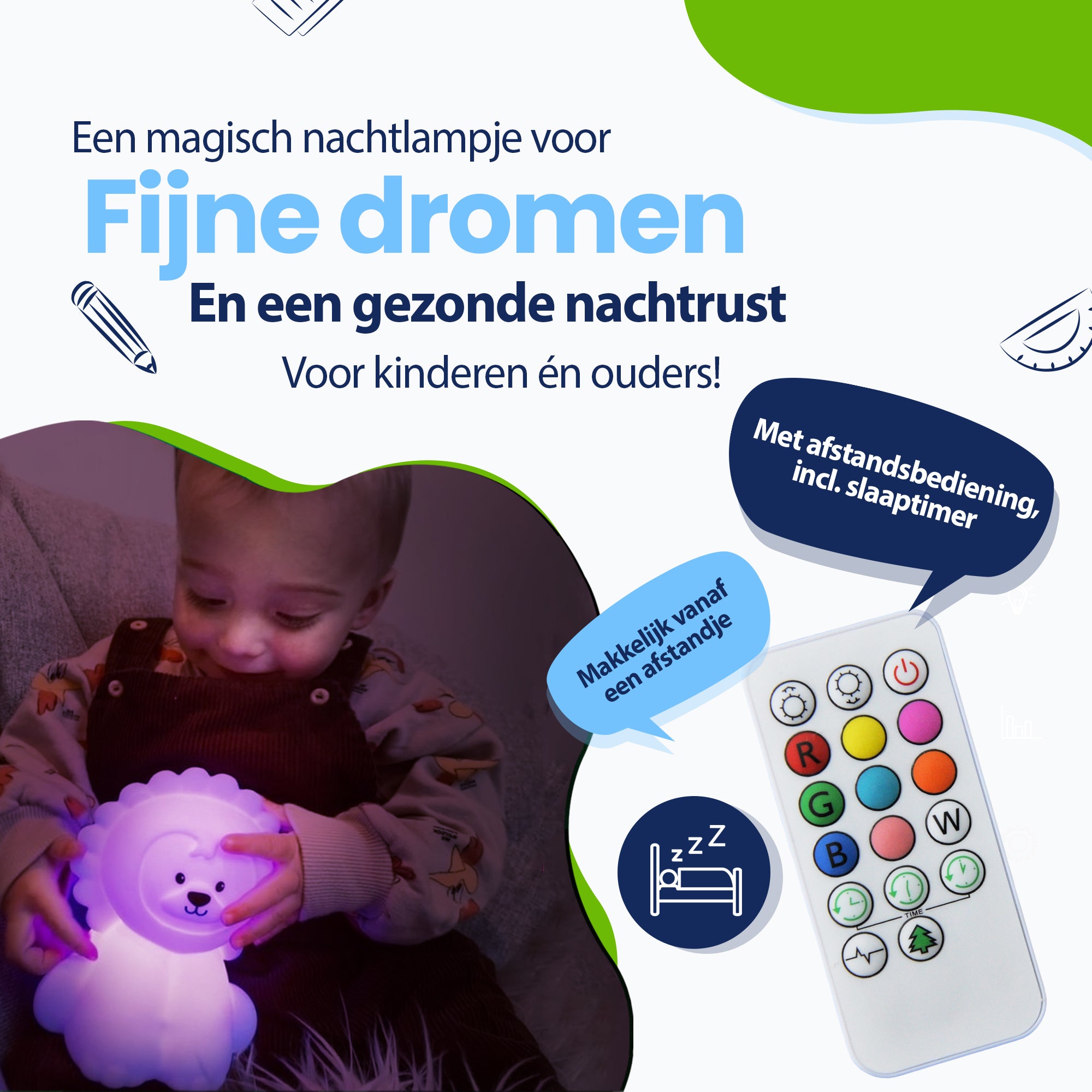
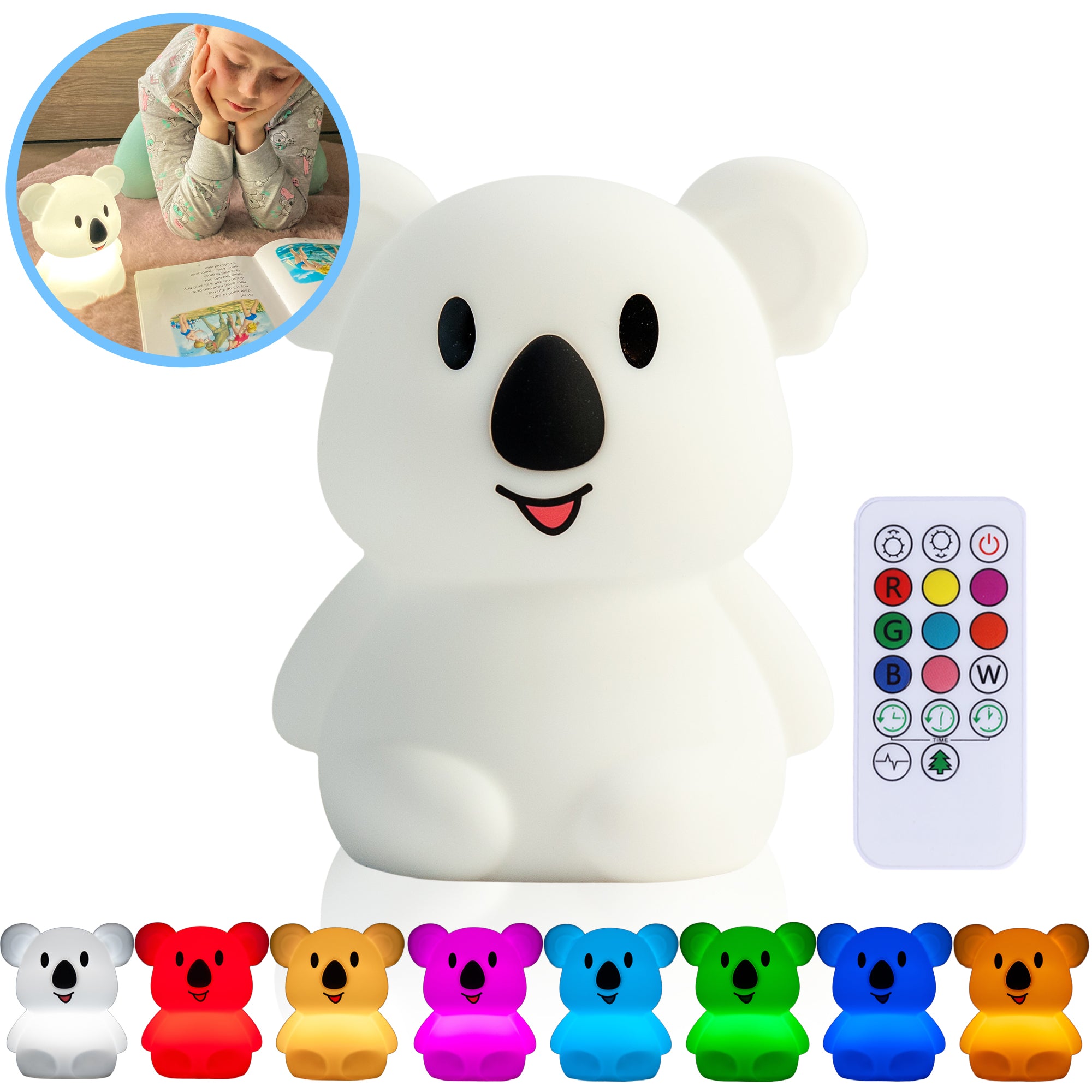
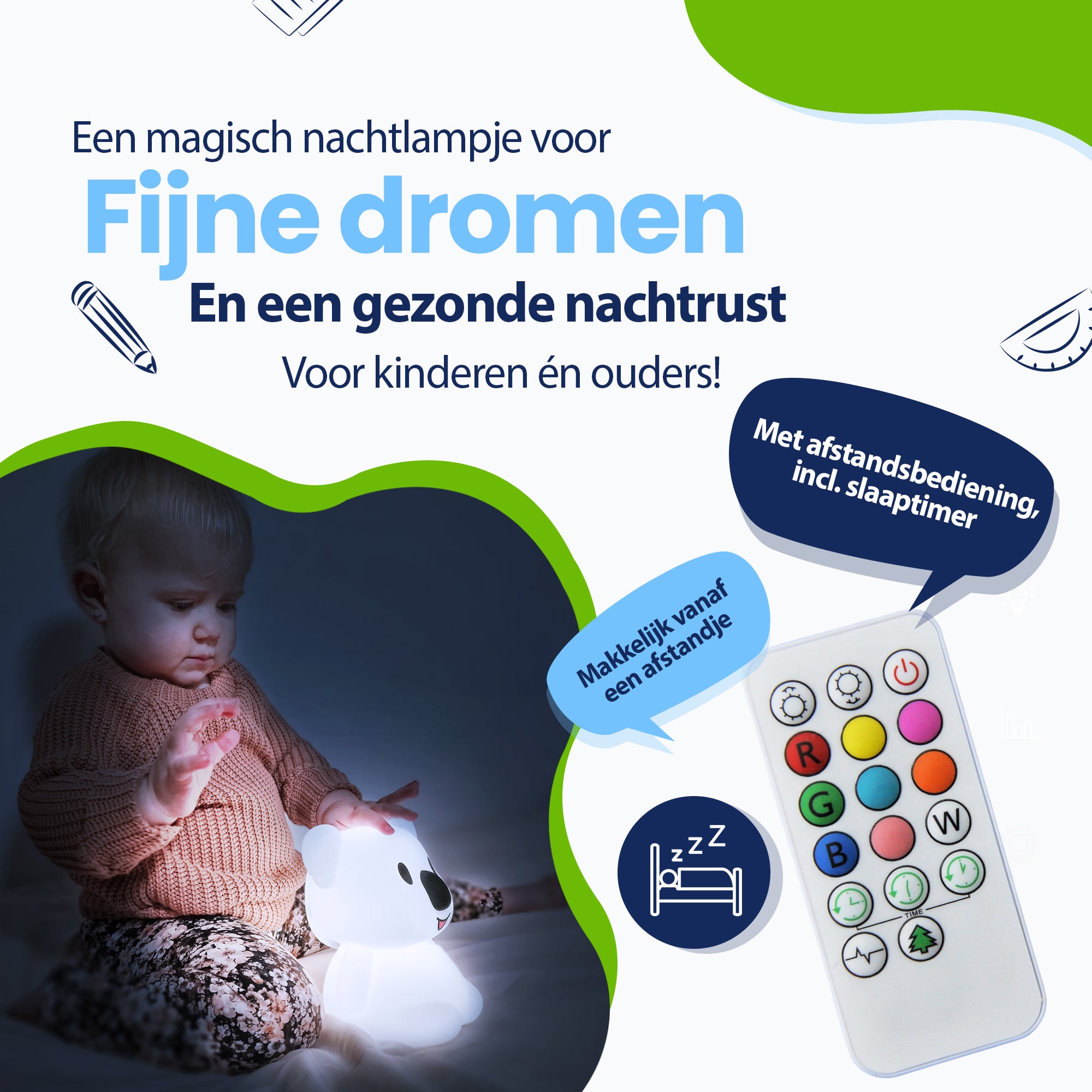
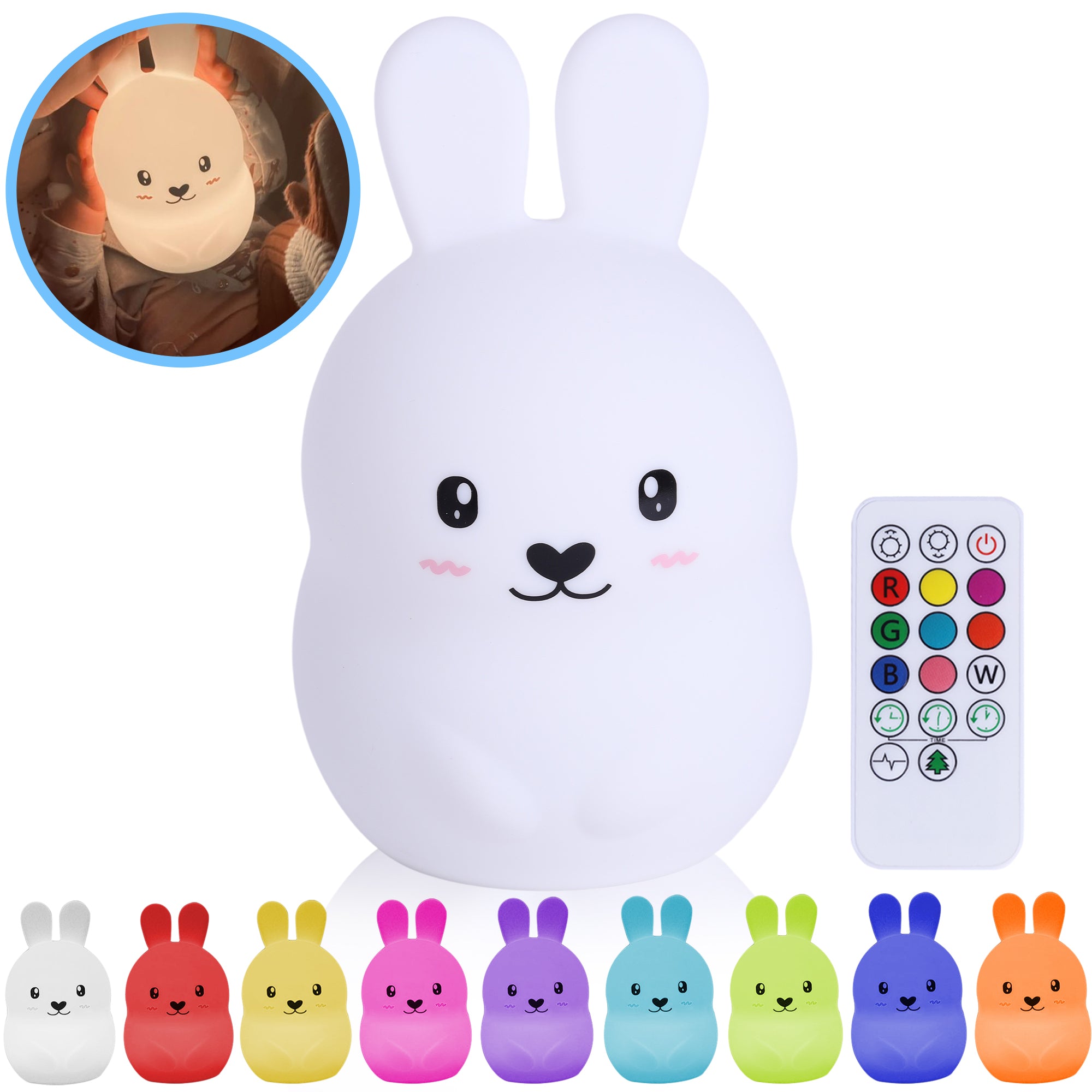
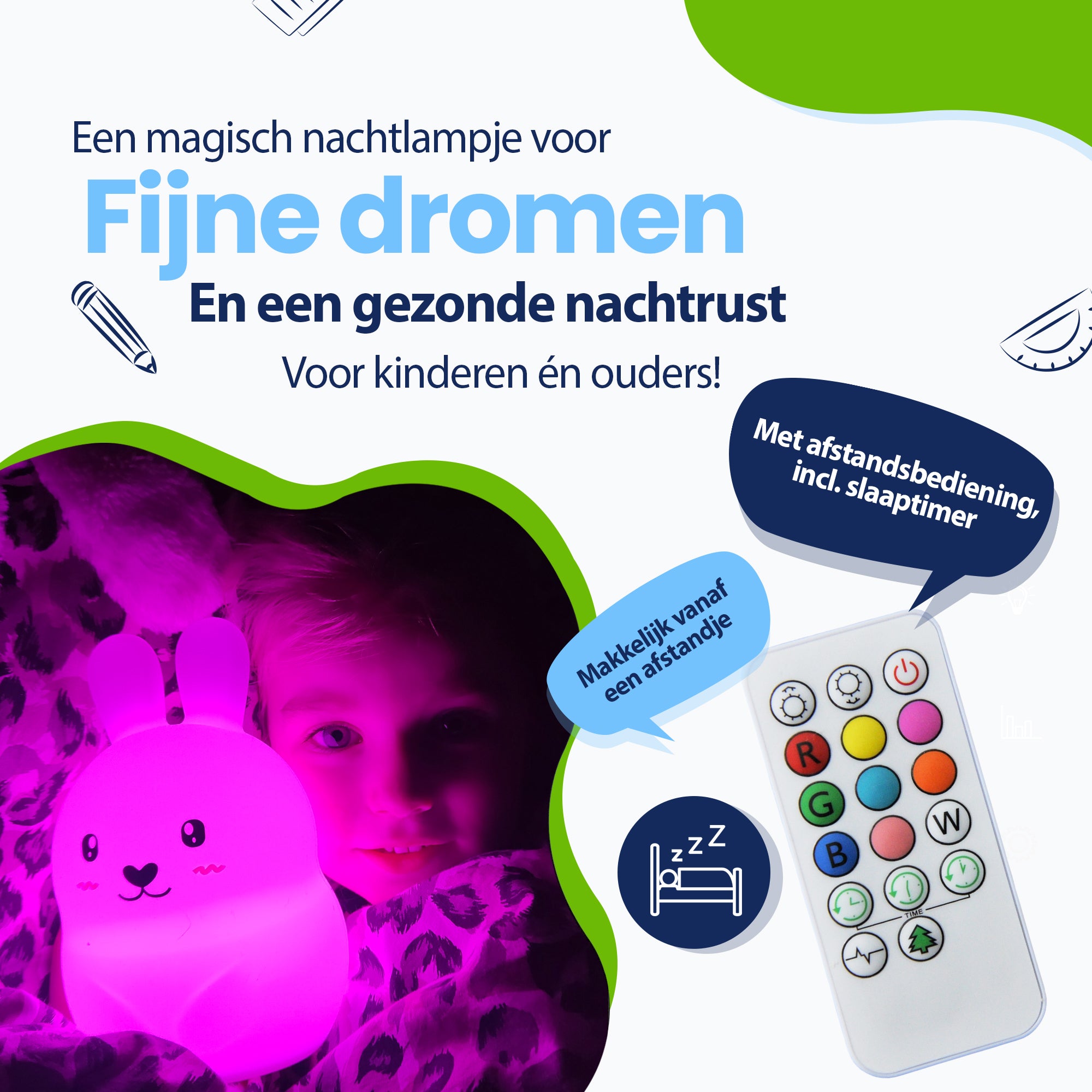
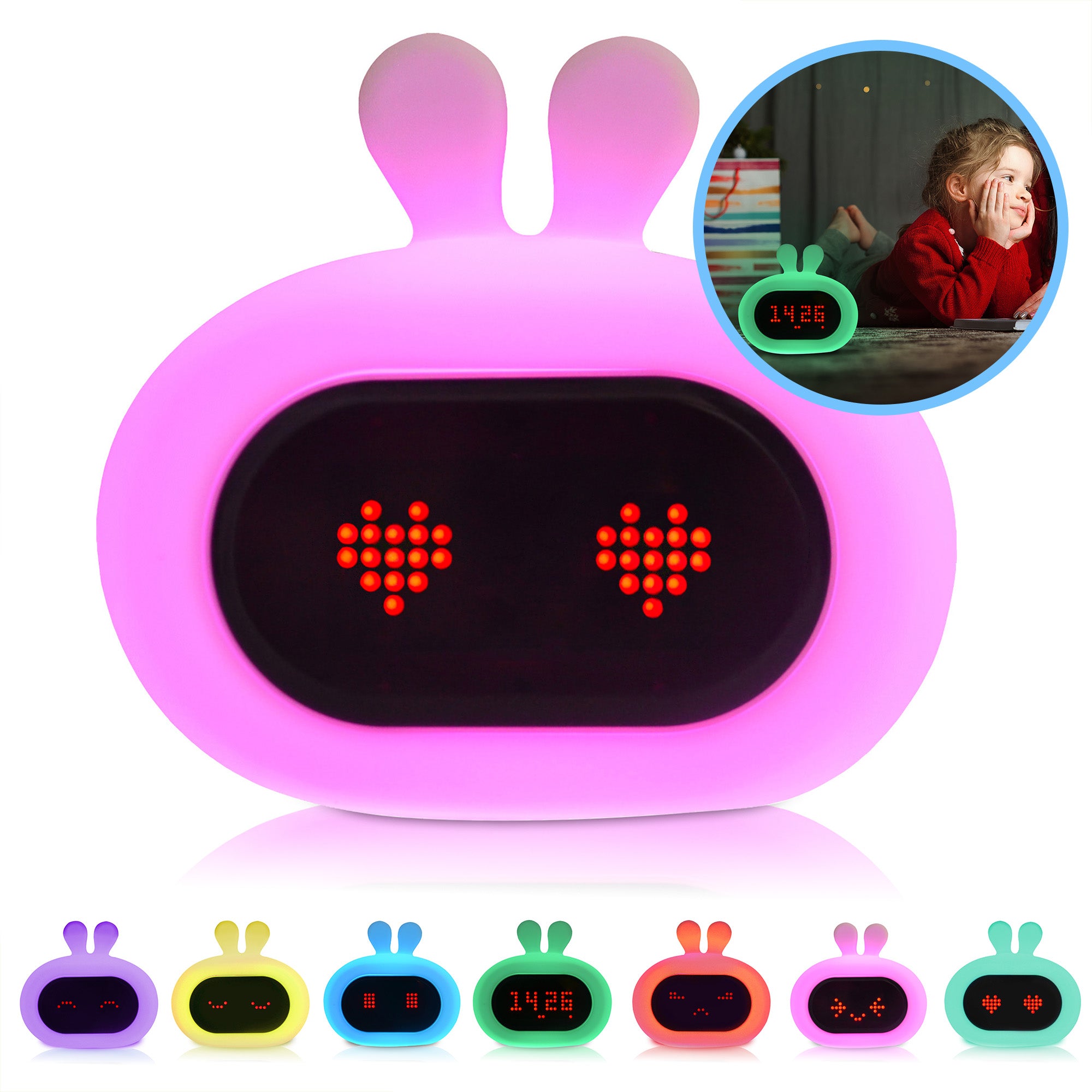
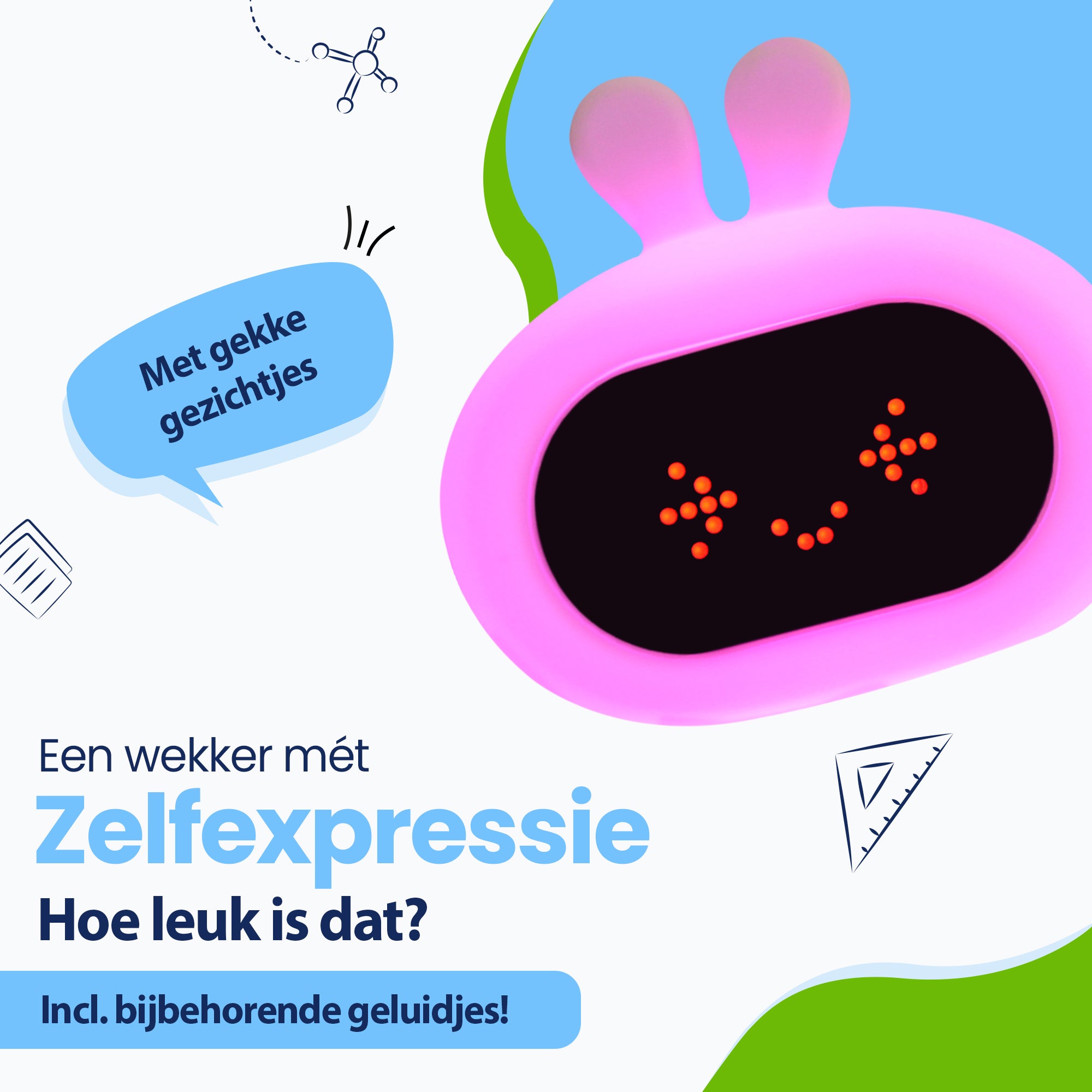
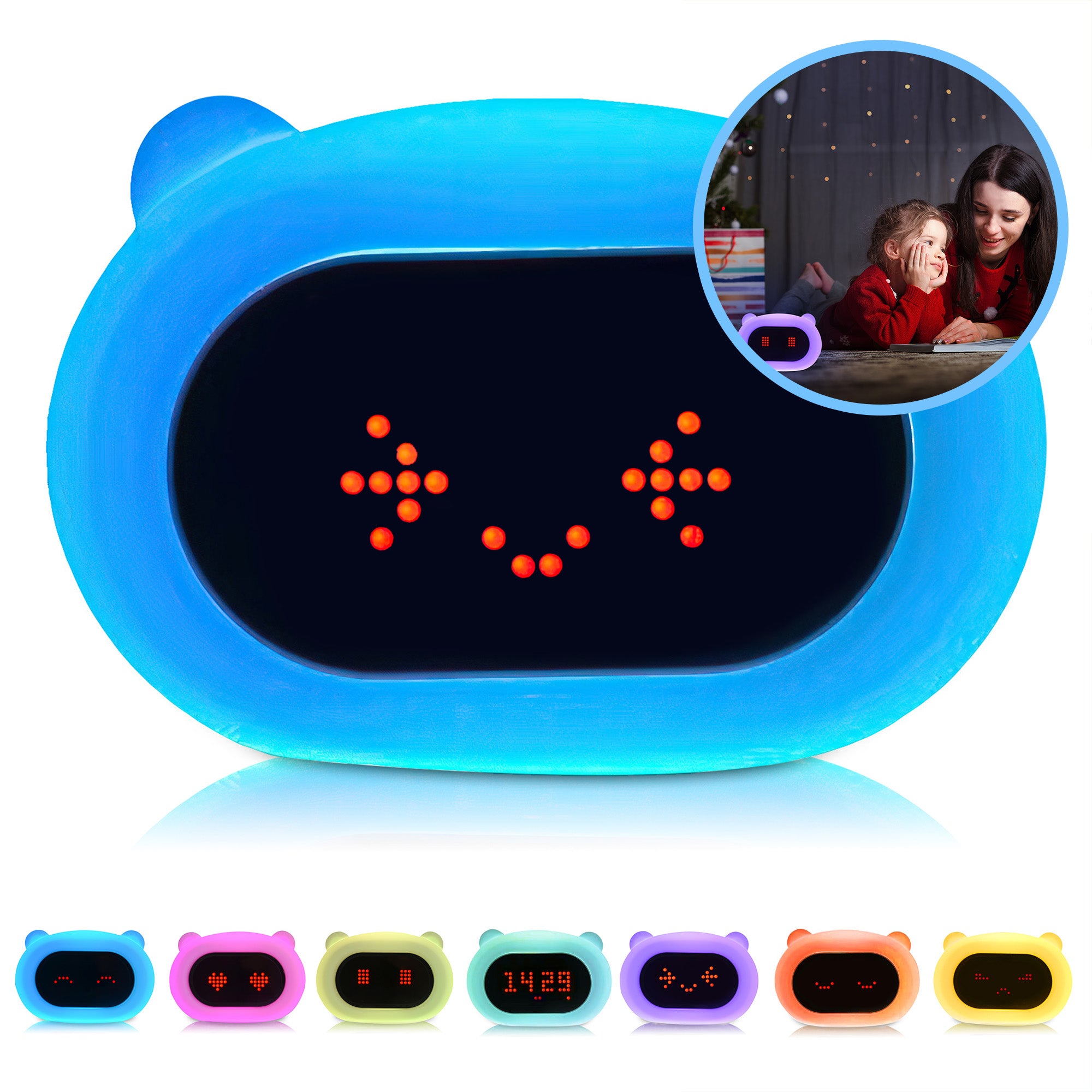
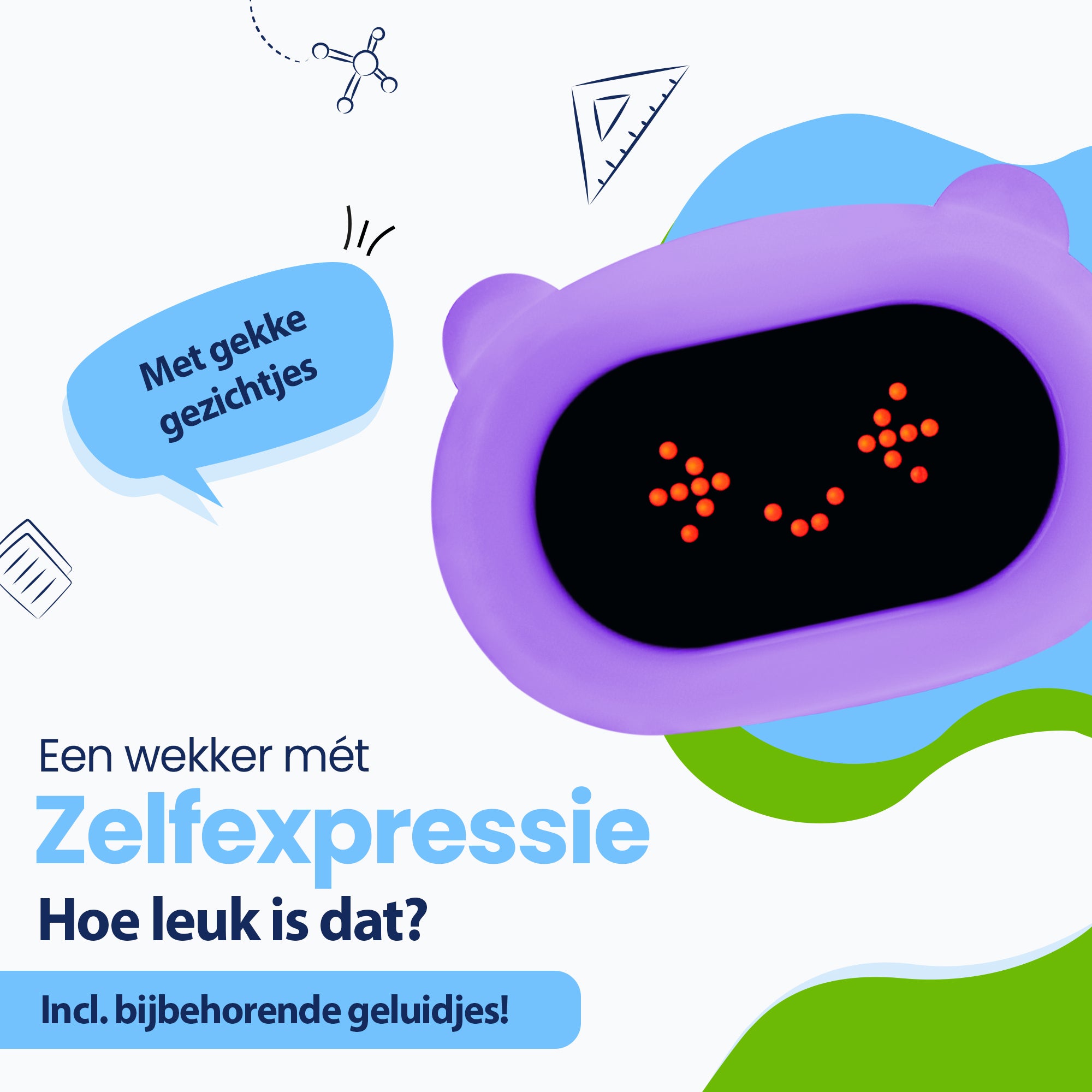
The term sleep trainer is used in different ways. For young children, it usually means a clock that uses a colour, light or character to show when it is still time to sleep and when the day may begin.
A night light, music box, soft cuddly toy or consistent bedtime routine can also play a part. These aids do not replace attention, closeness or a suitable rhythm. Instead, they give a child simple, repeatable signals. This often makes the transition from playtime to sleep feel less abrupt.
Toddlers and preschoolers in particular benefit from clarity. They cannot yet tell the time properly, but they do understand: if the light is blue, we stay in bed a little longer. If the sun appears, Mum or Dad may come in. This makes time visible in a way that fits their world.
Best sleep trainers for children: start with your family’s rhythm
The best choice is not automatically the product with the most features. An aid works best when it suits your child’s age and the way your evenings and mornings unfold. A child who is mainly afraid in a dark room needs something different from an early riser who still has to learn the difference between night and morning.
Consider four practical points when choosing:
- Simplicity: a young child benefits most from one clear signal, such as a moon for sleeping and a sun for getting up.
- Brightness: choose soft, warm light that feels pleasant in a dark bedroom and is not unnecessarily bright.
- Controls: a parent should be able to adjust the settings easily without the child accidentally changing the routine.
- Safety and durability: choose a sturdy product that suits your child’s age and can withstand daily use.
A sleep trainer is often most suitable from the toddler years, when a child begins to recognise symbols. For a younger child, a simple night light or a familiar song may be a better fit. It is not about starting as early as possible, but about creating a habit that you can maintain without stress.
A sleep trainer for calmer mornings
A sleep trainer is particularly useful when your child wakes early and does not yet understand that the day does not have to start straight away. During the day, calmly explain what the colours or pictures mean. Keep it small and positive: “Can you see the moon? Then we rest in our bed a little longer.”
Do not expect it to work perfectly on the first morning. Learning how to understand a sleep trainer takes time. You could begin with an achievable time close to when your child usually wakes. Once that feels familiar, you can adjust it step by step. Praising your child for waiting calmly often works better than offering lots of explanations at the crack of dawn.
A night light for a familiar feeling
A night light can make the bedroom feel less dark and unfamiliar. Choose a small, warm point of light rather than a lamp that illuminates the entire room. This keeps the atmosphere calm while still allowing your child to see their familiar surroundings if they wake up.
Some families use a night light throughout the night, while others use it only during story time and while their child falls asleep. Both can work well. Look at what your child finds comfortable and what makes the evening easier for your family. The aid should add calm, not become a new subject for negotiation.
Music and a favourite cuddly toy as sleep cues
A quiet song or the same short melody can clearly mark the beginning of the night. Keep it simple: one song, a few minutes, always in the same order. Too many sounds, stories and choices can create extra stimulation just before bed.
A soft cuddly toy can also be a familiar sleep cue. For toddlers and preschoolers who find saying goodbye at the end of the day difficult, a familiar toy can offer something reassuring to hold. Choose one that suits their age and use it mainly as part of the routine, not as a reward that has to be earned again and again.
An aid only really works as part of a routine
A sleep trainer or night light is most effective when the rest of the evening feels familiar. Children do not need to follow exactly the same timings every evening, but a consistent sequence provides predictability. For example: tidying up first, then washing and putting on pyjamas, reading a quiet book, having a cuddle and finally seeing the sleep trainer’s light signal.
During this routine, explain what comes next in short sentences. “After this book, the big light goes off.” “The moon is coming on; now it is time to rest.” By repeating these words, your child understands the meaning of the signal more clearly. This makes the sleep trainer a shared agreement rather than a device that suddenly imposes rules.
You can practise with it during the day too. Ask your child to point to the moon and sun, or play a small game in which a cuddly toy ‘sleeps’ until the morning light comes on. Learning through play suits young children and means that everything does not have to be explained at bedtime.
Also try to leave room for ordinary, busy days. A sleepover, holiday or difficult evening does not have to ruin a routine. Simply return to one familiar element the following evening. It is precisely this gentle repetition that builds trust.
What tends to work less well?
More features do not always mean more calm. Bright projections, lots of changing sounds or a display with all kinds of choices can be distracting, especially when your child is already tired. It is better to choose one or two signals that your child understands quickly. Calm often lies in less, not more.
It is also sensible not to use a sleep trainer as a source of pressure. Phrases such as “You must sleep until the sun comes up” can create tension, while sleep is not something a child can do on command. Instead, focus on what is achievable: lying quietly in bed, listening to their cuddly toy or waiting for the agreed signal.
If bedtime remains very difficult for a long time or you are worried about your child’s wellbeing, discuss it with your health visitor, GP or another trusted healthcare professional. A product does not have to provide all the answers. Sometimes a supportive conversation is exactly what parents need.
Choose something that can grow with your family
The nicest sleep aid often becomes a small, familiar part of the child’s bedroom. A well-designed sleep trainer or light can last for years: first as a soft light while falling asleep, and later as a clear sign that morning has arrived. At Kadoing, a product like this is not only about creating a beautiful room, but about small routines that help children feel safe and independent.
Give a new aid time. Choose one calm moment this evening, repeat the same words tomorrow and let your child discover step by step what the signal means. This gentle predictability does not make bedtime perfect, but it does make it a moment when everyone can relax a little more.