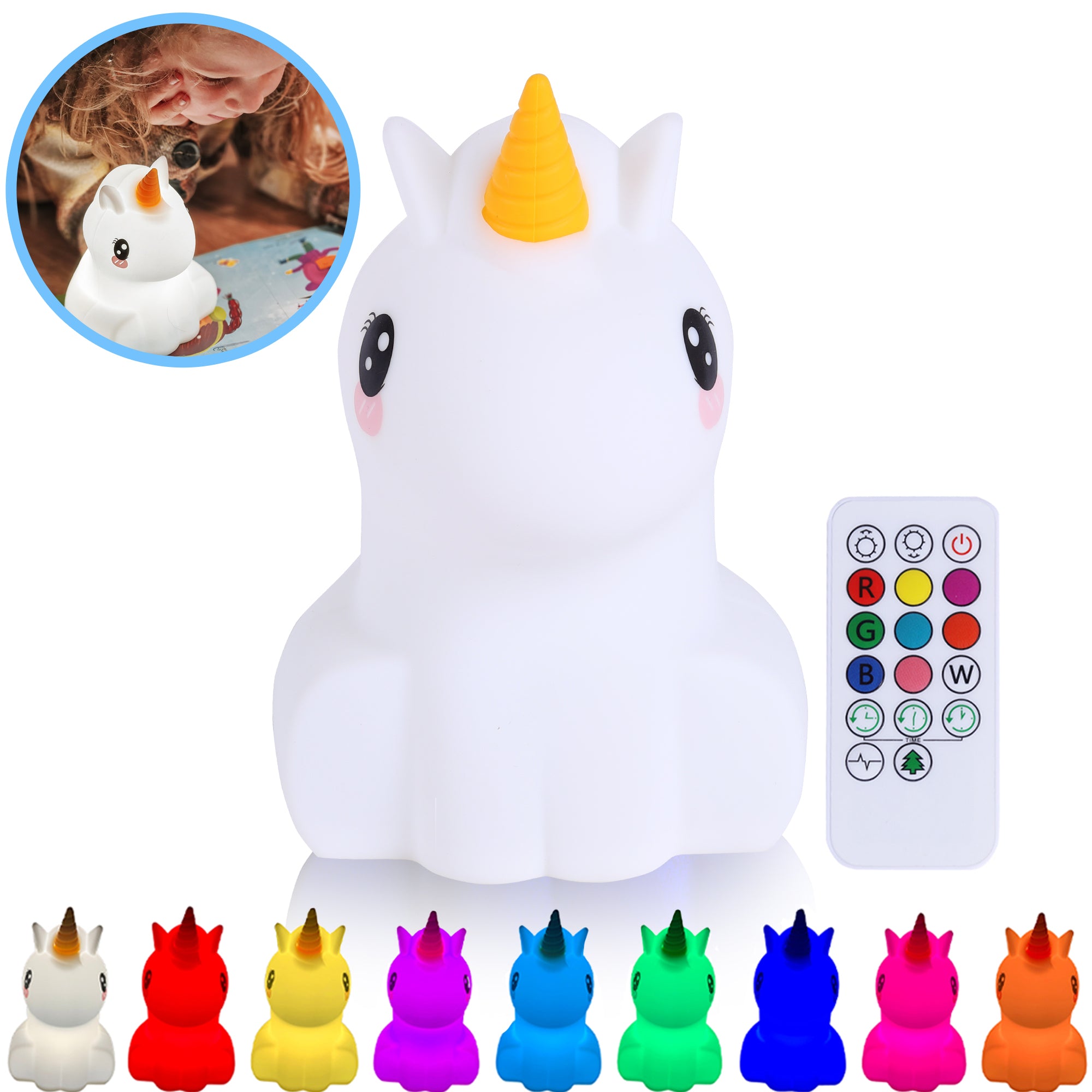
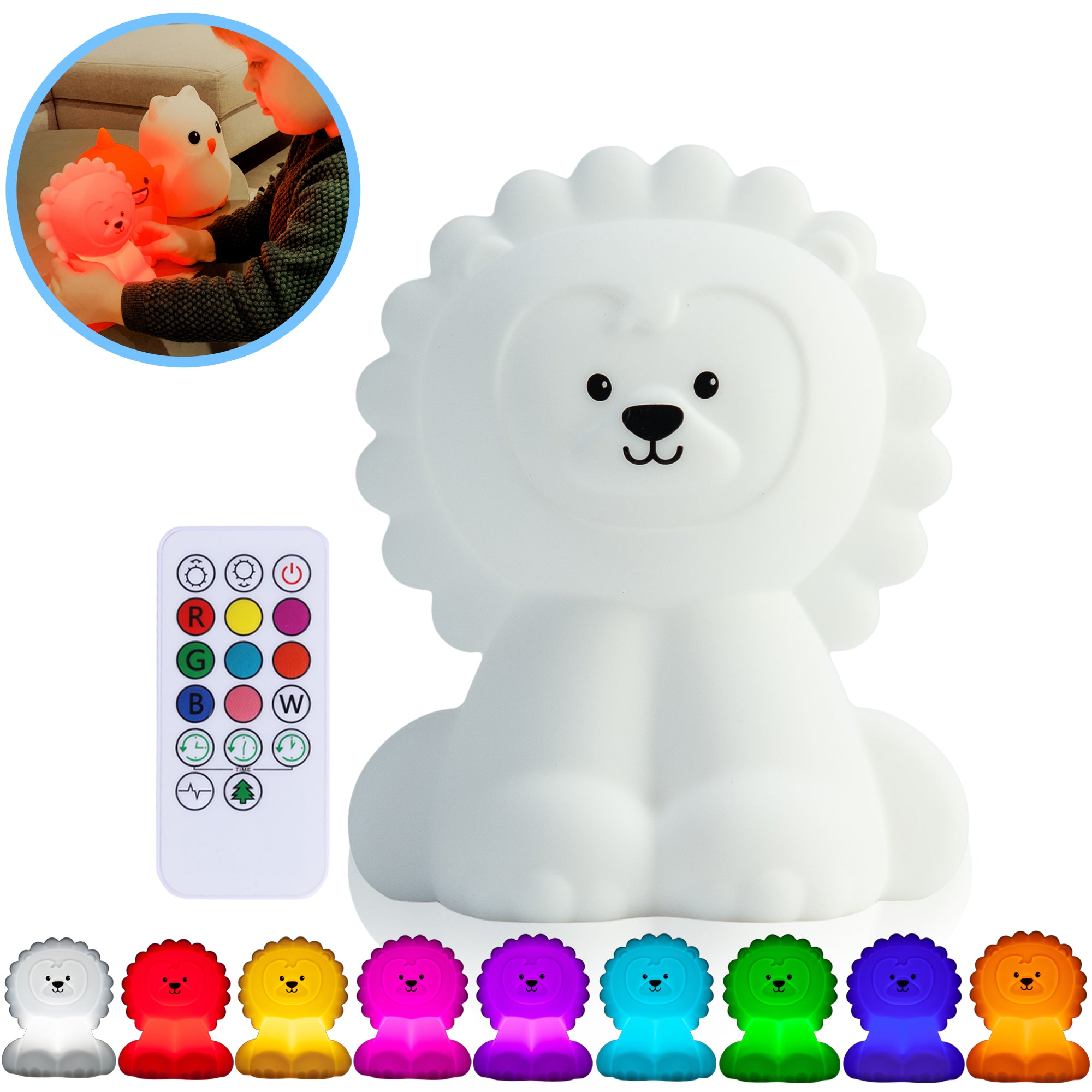
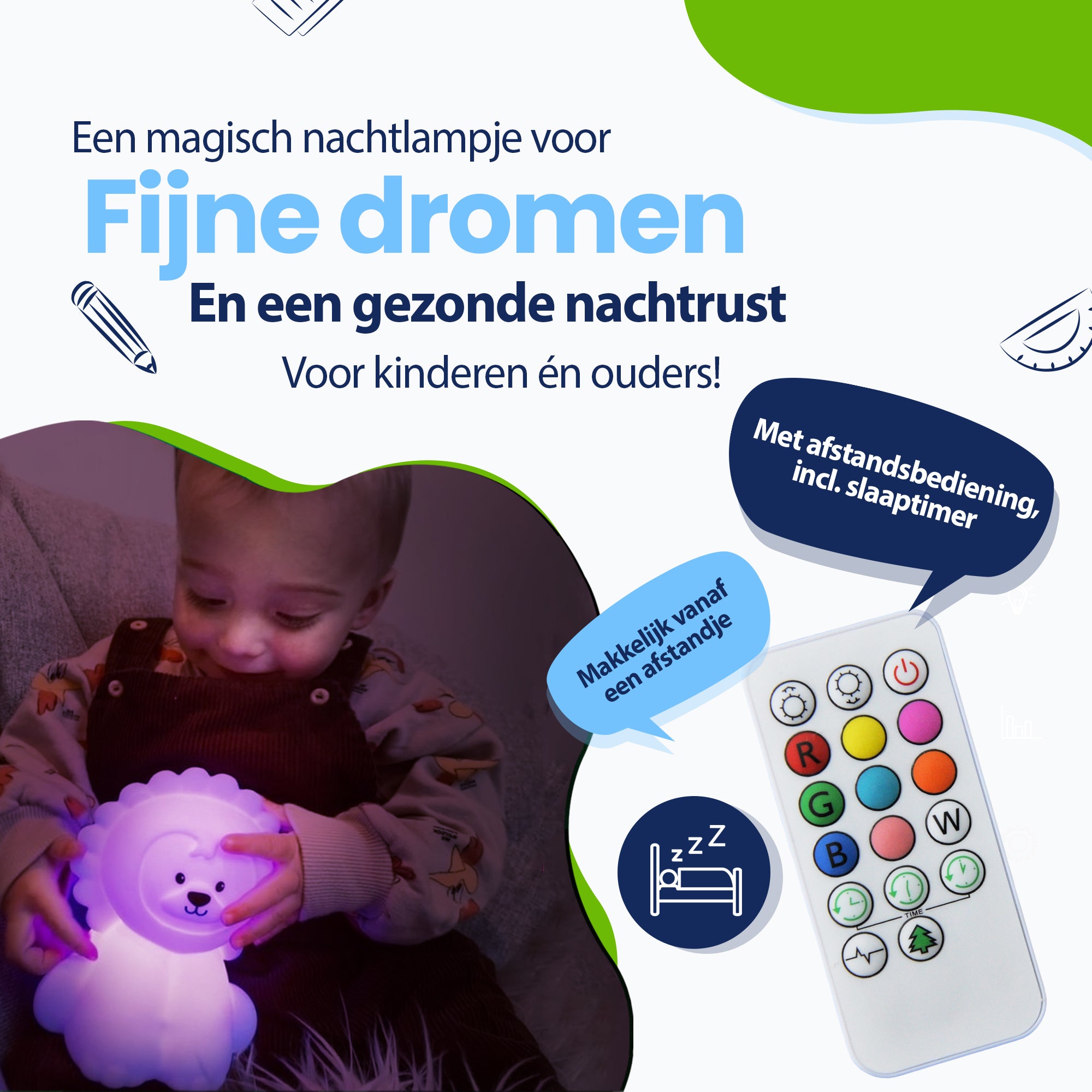
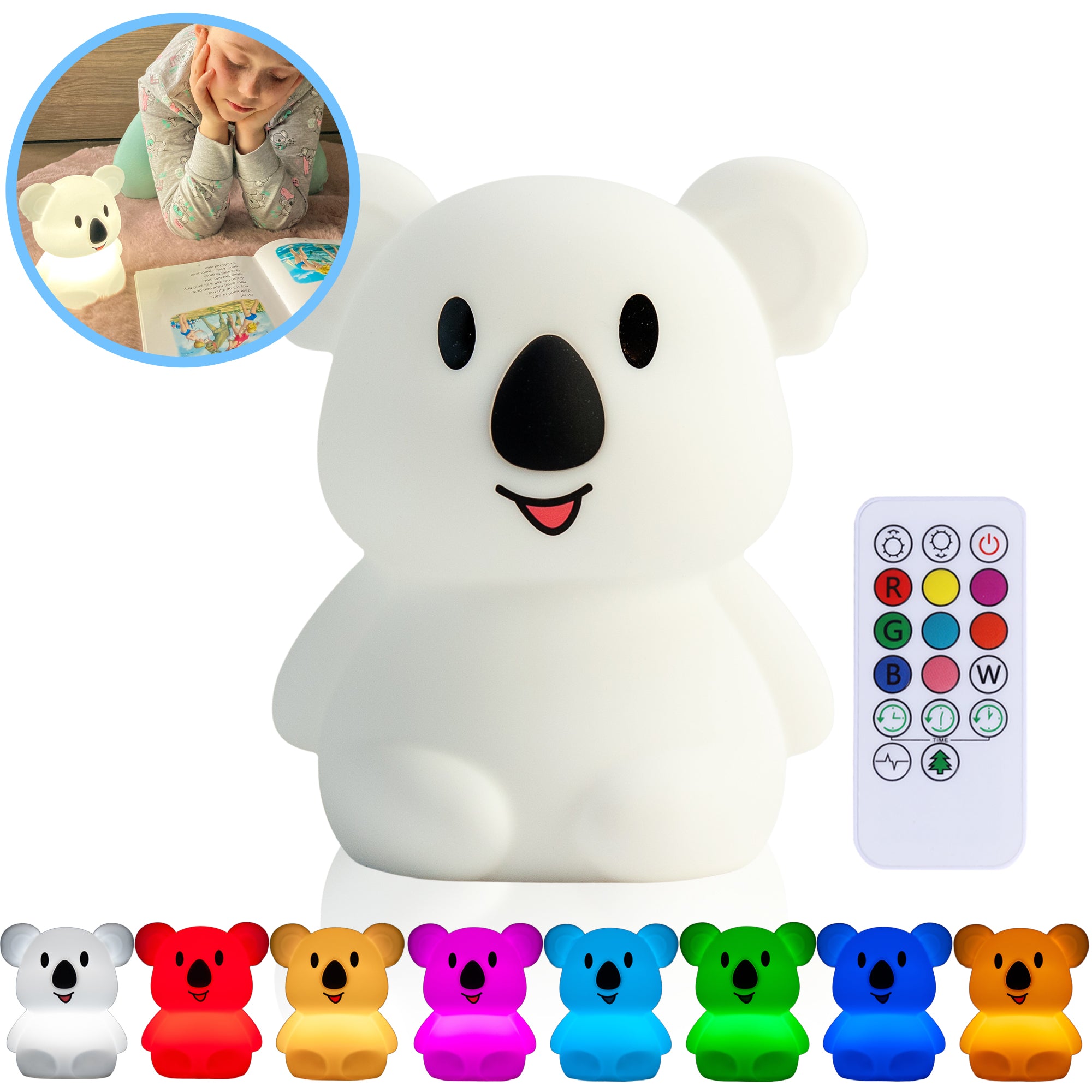
The pyjamas are ready, teeth have been brushed, and yet there is still a request for water, a cuddly toy or one more story. Sound familiar? An example bedtime routine with a sleep trainer can help give the evening a predictable, gentle rhythm. Not to make bedtime strict, but to give your child something to hold on to at a moment when saying goodbye to the day can sometimes be quite difficult.
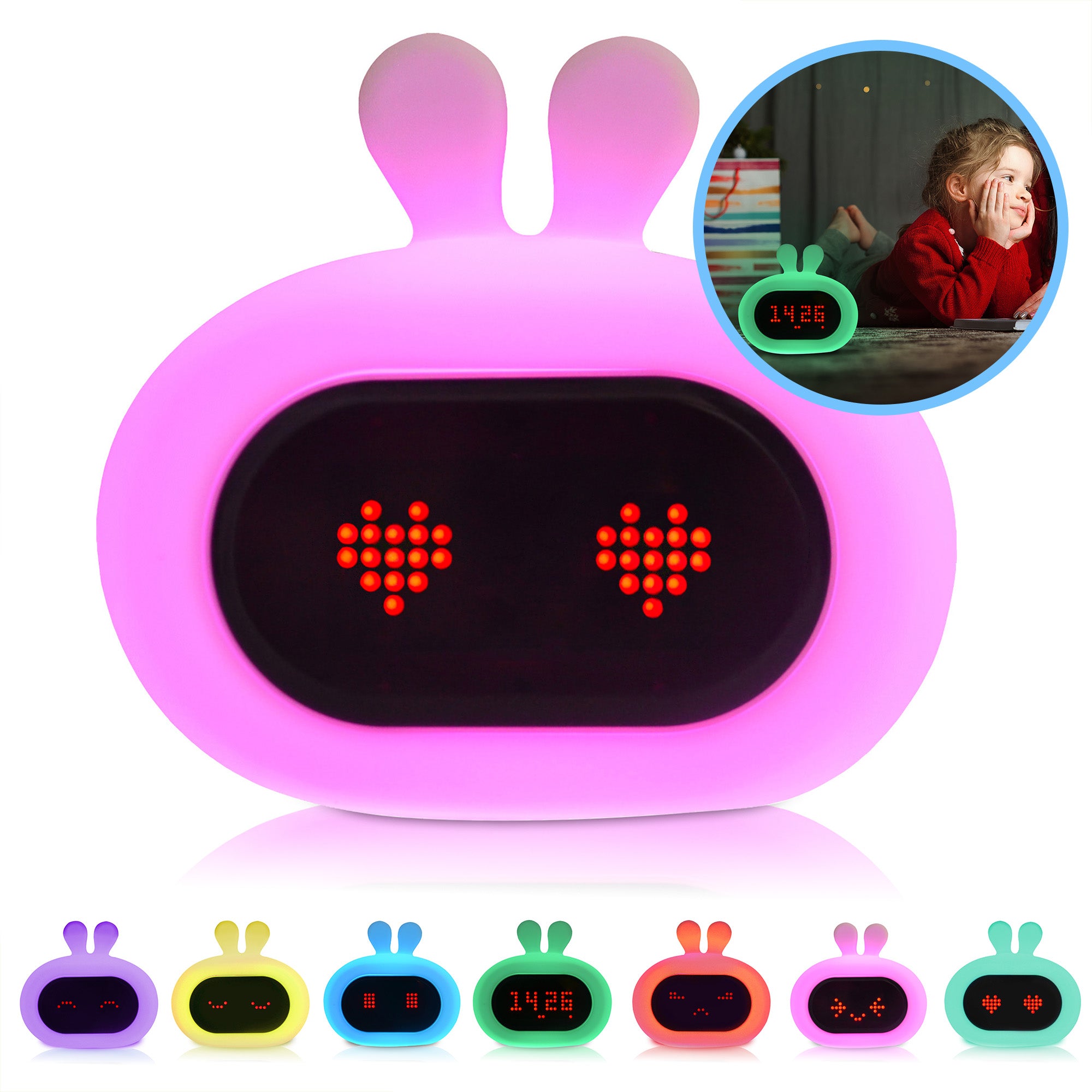
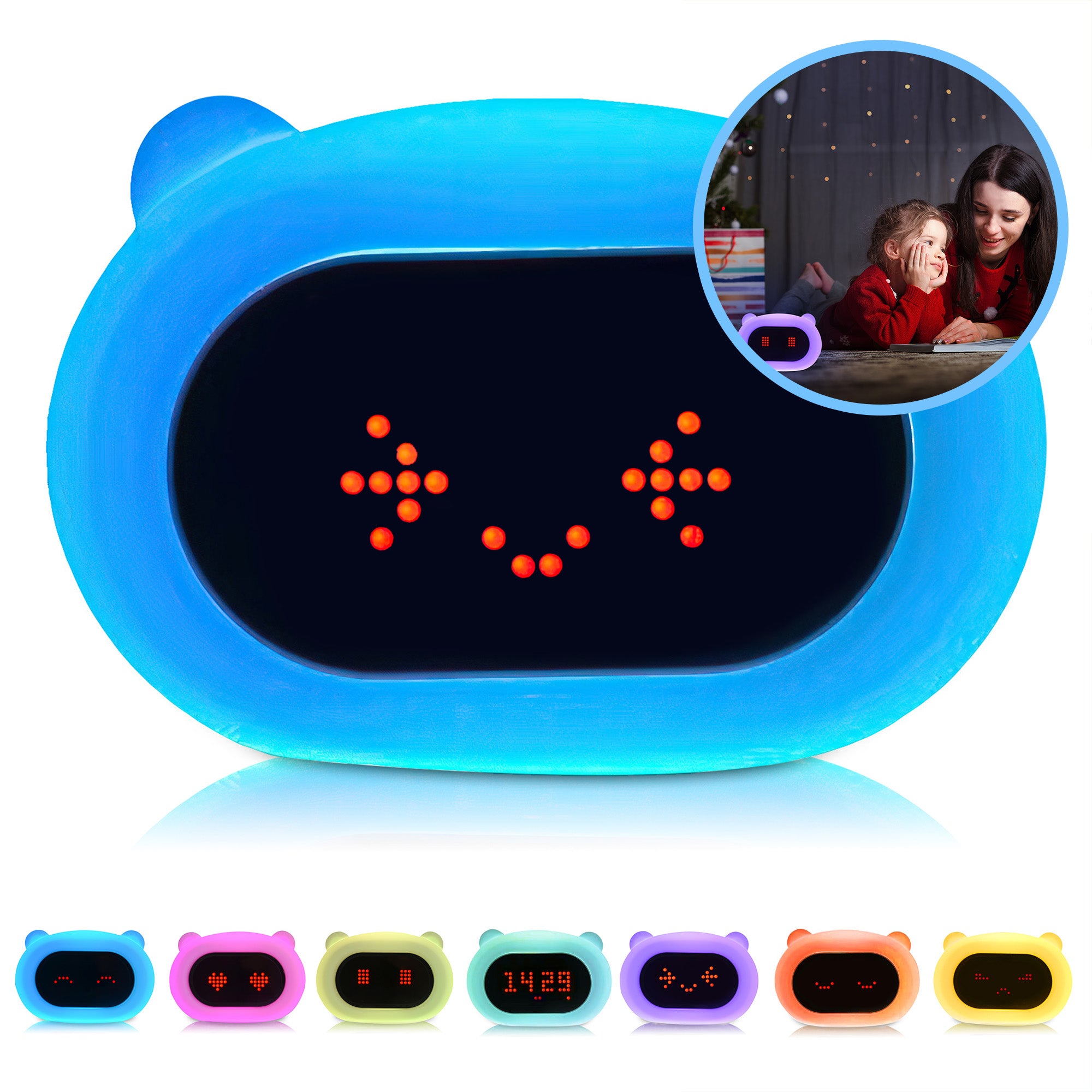
A sleep trainer makes time visible in a way that young children can understand more easily. A sun, colour or another familiar symbol means it is time to get up. A moon or soft light means it is still time to sleep. Combined with a regular routine, it leaves less room for negotiation and brings more calm to the whole family.
Why a regular bedtime routine works so well
Children do not yet instinctively know how to move from playing, talking and being active to relaxing. That transition takes time. When the same calm steps return every evening, your child gradually learns that these are the signs that the day is almost over.
This does not mean that every evening has to go exactly according to plan. After a birthday, a busy day at nursery or a journey, your child may need more closeness. That is precisely when a familiar sequence offers support. You do not need to do everything perfectly. The sense of familiarity often lies in small things: the same order, a calm tone of voice and a few minutes of undivided attention.
A sleep trainer fits well into this routine because it does more than mark the morning. You can also make it part of the bedtime ritual. Together, you look at the sleep symbol and agree on what it means. This way, the clock does not become a means of control, but a familiar aid that says the night can begin.
Example bedtime routine with a sleep trainer
This example takes about 45 minutes. For a younger child, a shorter version of twenty to thirty minutes may feel better. Above all, consider your child’s temperament and daily rhythm. Some children relax in the bath, while others become energetic again.
45 minutes before bed: wind down gently
Announce the transition in advance. For example, say: “In five minutes, we’re going to wind down and finish the day.” After that, avoid boisterous play or exciting videos. Building, colouring, doing a puzzle or singing a quiet song together are better choices. The aim is not to make your child sit completely still, but to reduce stimulation gradually.
Having a regular place for the final minutes of play helps. For example, let your child finish one structure or put away three blocks. A small, achievable task provides a sense of completion. This often works better than suddenly saying that everything must be put away immediately.
30 minutes before bed: wash and get changed
Go to the bathroom together, wash hands and face, or have a short bath if that suits your family. Then it is time to brush teeth and put on pyjamas. Where possible, offer a simple choice: the blue or green pyjamas, the large or small towel. Two options are easy to understand and give your child some independence without making the routine take longer.
Keep your voice calm and repeat the sequence. “First teeth, then pyjamas, and after that we’ll go to your room.” Short sentences like these are particularly helpful for toddlers and preschoolers. They know what is coming and do not have to adjust again at every step.
20 minutes before bed: create a calm bedroom
Prepare the bedroom for the night together. Close the curtains, place the favourite cuddly toy on the bed and, if needed, choose a soft night light. A warm, dimmed environment feels different from the living room and helps make the distinction between active time and rest time clear.
This is a good time to bring out the sleep trainer. Set it together for the agreed time and point out the symbol that represents night-time. You could say: “Look, the moon is coming on now. If you wake up and the moon is still there, it’s still rest time. You can cuddle your toy, lie quietly or call me if you need help.”
That last sentence matters. A sleep trainer never replaces the reassurance of a parent. Children need to know that they can always ask for help if they are frightened, sad or unwell. The clock supports the routine, but your closeness remains the foundation.
15 minutes before bed: a regular quiet moment
Choose one activity that returns every evening. For many families, this is reading aloud. A short, familiar book often works better than a long, exciting story. You could also sing a quiet lullaby or name three nice things about the day together. For example: “What did you enjoy?”, “Who was kind to you?” and “What are you looking forward to tomorrow?”
Try not to use this moment to resolve difficult conversations at length. If your child shares something that needs attention, listen warmly and acknowledge what you hear. You can say that you will talk about it further tomorrow. This helps your child feel seen without making the evening busy again.
Repetition does not have to be boring. For young children, the same story or song is reassuring precisely because it is familiar. They know the words, know when the end is coming and can hold on to that. This small, predictable moment is often more valuable than constantly thinking of something new.
Bedtime: a short, clear and loving goodbye
After the book comes a familiar goodbye. Tuck your child in, give them a kiss and describe what is happening in one sentence: “It’s time to sleep. I’ll see you again when the sun appears on your clock.” Stay kind, but do not make the goodbye longer and longer by adding new arrangements.
Some children ask for one last sip of water or want the door left slightly open. It is best to discuss these wishes beforehand and include them in the routine. Then your child knows the water is ready, the door is ajar and the cuddly toy is beside the pillow. Arranging these things predictably makes them less likely to become another reason to get out of bed.
How to help your child get used to the sleep trainer
A sleep trainer usually takes some practice. Start during the day when your child is well rested. Show which symbol means sleep and which means it is time to get up. You could act it out with a doll or cuddly toy: the toy wakes up, looks at the clock and sees that it is still moon time.
Keep the explanation simple. Young children understand an image better than an explanation about clock times. Choose a clear setting that suits your family. Do not expect your child to remember the meaning immediately every morning. Calmly repeat what the clock is showing and praise your child for practising, not only for a “perfect” night.
If your child already wakes very early, making a big jump to a much later getting-up time can be frustrating. Move the desired time gradually so that it remains achievable. The same applies to children who do not yet stay in bed independently: combine the sleep trainer with your calm, consistent presence and adjust the pace to what your child can manage.
What if the routine does not bring calm straight away?
A bedtime routine is not a switch you can simply turn on. Growth spurts, new experiences, holidays, a different day at nursery or tension surrounding an event can all affect how easily a child falls asleep. This is normal and does not mean that your routine has failed.
Look at the practical side first. Could the routine be too long? Is there still a lot of noise or lively play just before bed? Does bedtime still match how tired your child really is? Sometimes simplifying one part helps. For example, a bath can be replaced with a quick wash, or two books with one familiar story.
Your own calm also makes a difference. That is easier said than done at the end of a busy day. Even so, children often sense when a parent is in a hurry. Choose a routine that you can genuinely maintain on busy evenings. Five calm minutes together are more valuable than an elaborate schedule that leads to a struggle every night.
A lovely bedtime routine does not need to be impressive. Pyjamas, a cuddly toy, a short story and the familiar symbol on the sleep trainer may be enough to say that the day has ended safely and a new day will begin tomorrow.