Reading aloud helps children develop language skills, imagination, and concentration. Discover why reading to your child every day is so valuable.
Why reading aloud is important for children
Reading aloud is one of the simplest and most valuable things you can do as a parent. Yet, children today are often read to less frequently than in the past. That is unfortunate because books offer much more than just an enjoyable story. While listening to stories, children learn new words, develop their imagination, and build important skills that will benefit them later in school.
Reading together also creates a special moment of calm and connection. No screens, no rushing, and no distractions—just quality time spent enjoying a story together. These daily moments often make a lasting difference.
The benefits of reading aloud for your child's development
From birth, children learn by listening to the world around them. The more language they hear, the greater the chance they will develop a rich vocabulary. Reading aloud plays an important role in this process.
By regularly reading books, children are exposed to words and sentence structures they may not hear as often in everyday conversations. This helps them learn new concepts and develop stronger language skills more quickly.
But the benefits go far beyond language development alone:
- Expanded vocabulary: children naturally learn new words and expressions.
- Improved concentration: listening to stories helps children maintain their attention for longer periods.
- Greater imagination: books stimulate creativity and imaginative thinking.
- Social-emotional development: stories help children better understand emotions and different situations.
- Preparation for school: children who are read to frequently often develop a stronger foundation in language and literacy.
Reading aloud as part of the bedtime routine
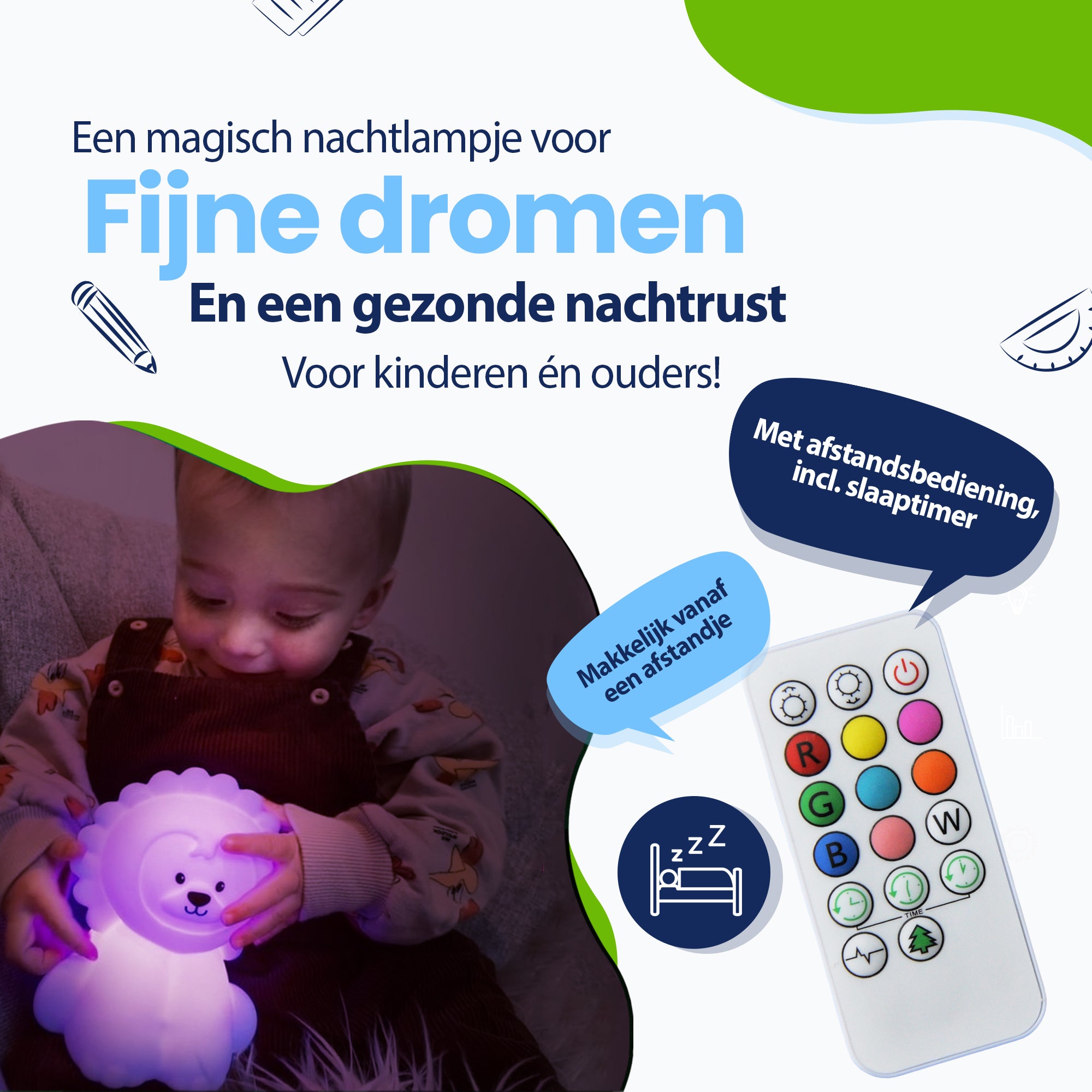
Many families enjoy reading together before bedtime. Not only does this support development, but it also helps children unwind after a busy day.
A consistent reading moment provides structure and predictability. Children recognize the routine and understand that bedtime is approaching. As a result, the transition to sleep often becomes smoother and more relaxed.
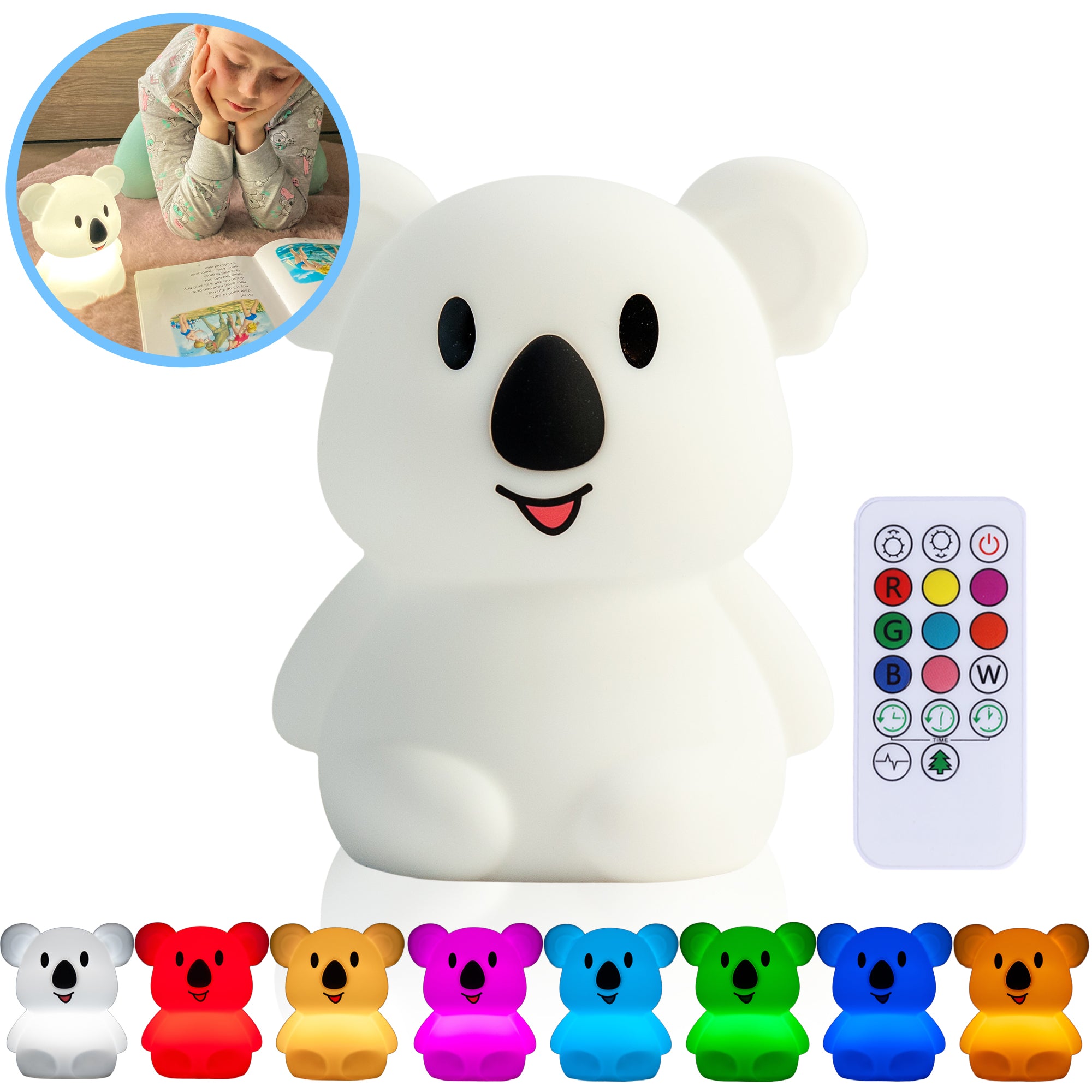
For children who struggle with time awareness or maintaining a consistent sleep routine, a children's alarm clock with sleep trainer features can be a valuable addition to the evening routine.
5 tips to make reading aloud even more enjoyable
1. Read interactively
Actively involve your child in the story. Ask questions such as:
- What do you think will happen next?
- How do you think this character feels?
- What would you do in this situation?
This keeps your child engaged while also developing language and critical-thinking skills.
2. Use different voices
Children love it when story characters come to life. Give each character a unique voice or tone of speech. This makes the story much more engaging and entertaining to listen to.
3. Let your child choose the books
Children are often more motivated when they can choose their own books. Visit the library or bookstore together and let your child pick stories that interest them.
4. Make reading a daily habit
You do not need to read for an hour every day. Even ten to fifteen minutes daily can make a significant difference. By making reading aloud part of your daily routine, it naturally becomes a habit.
5. Act out the story
Turn a book into a role-playing activity. Let children act out scenes, dress up as characters, or invent an alternative ending together. This stimulates creativity and social skills.
Books and toys complement each other
Stories often inspire children to play, build, and explore on their own. A book about animals may lead to imaginative play, while an exciting adventure can inspire children to create stories of their own.
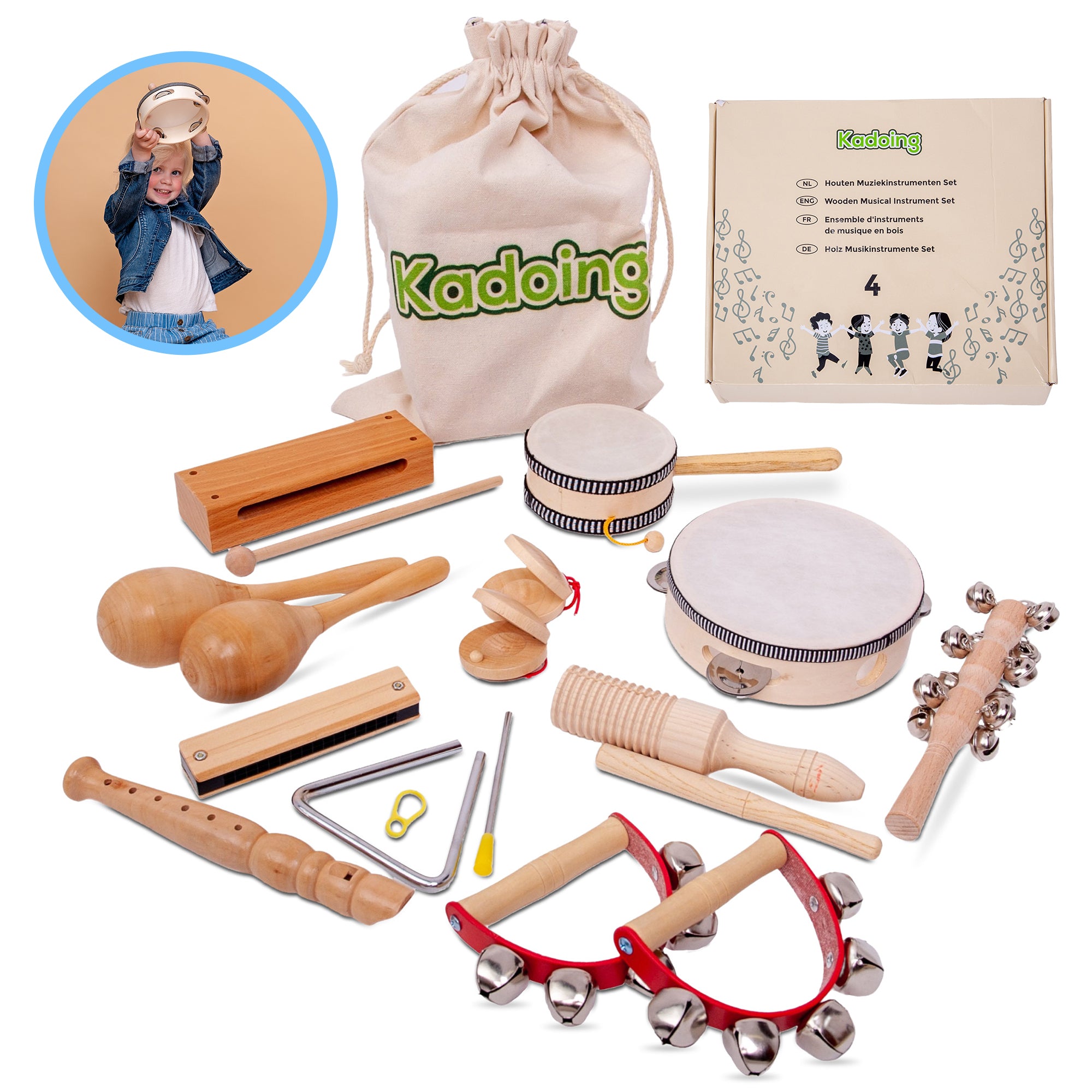
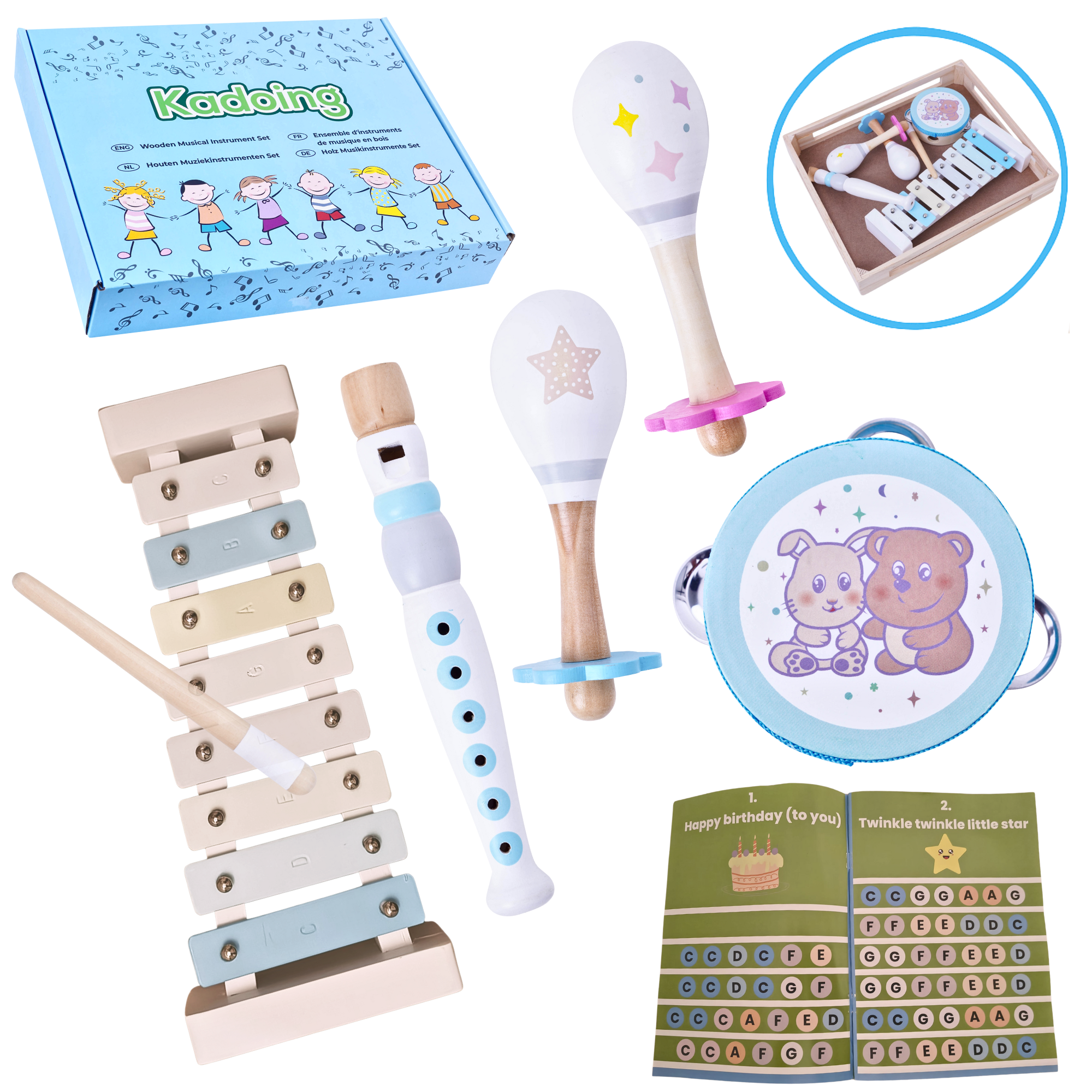
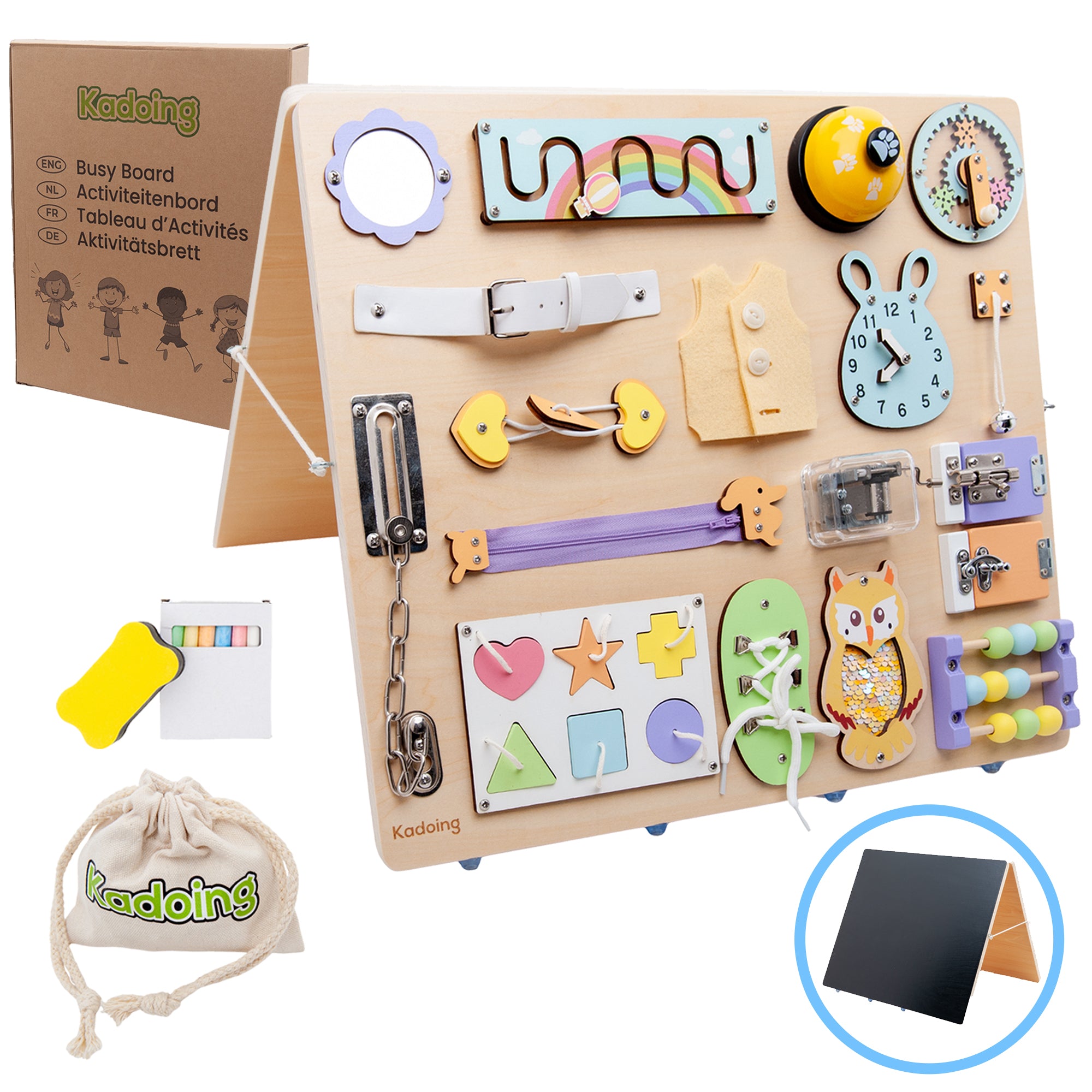
With sustainable and educational toys, children can continue developing their imagination beyond the pages of a book. Explore Kadoing's collection of durable wooden toys, specially designed to encourage creativity, independence, and learning through play.
Why reading remains important as children grow older
Children who develop a love for books at a young age are often more likely to read independently later in life. This supports not only academic performance but also concentration, general knowledge, and language skills.
By starting early with reading aloud, you provide your child with a valuable foundation that can benefit them for years to come.
Make reading aloud a meaningful family moment
Reading aloud is about much more than learning to read or expanding vocabulary. It is about laughing together, discovering new ideas, having conversations, and enjoying stories. These moments of attention and connection are what make reading together so special.
Whether you choose a picture book, an exciting adventure story, or a funny bedtime tale, every page contributes to your child's development and creates precious memories together.
Would you like more tips about parenting, child development, and learning through play? Explore the latest articles on the Kadoing blog.