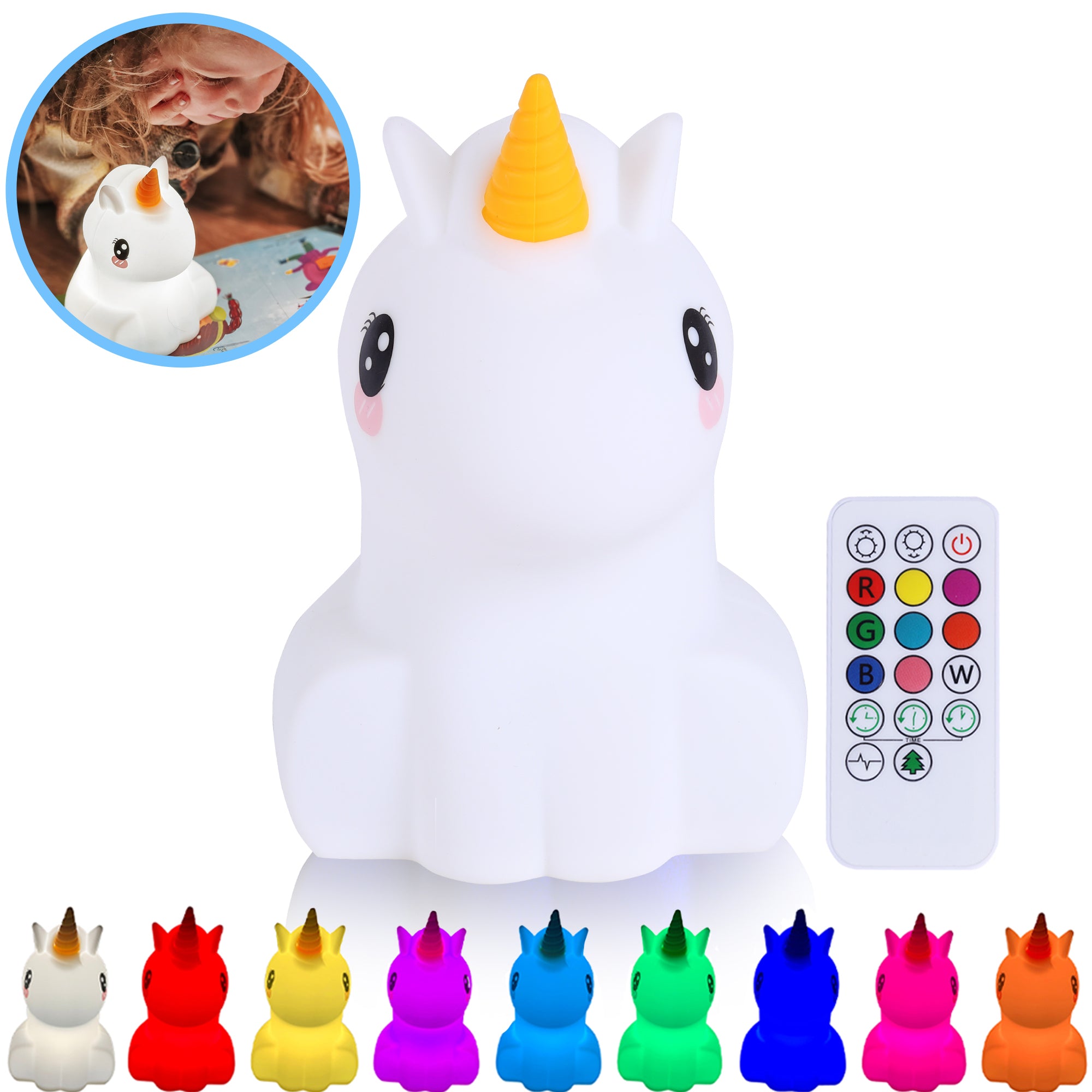
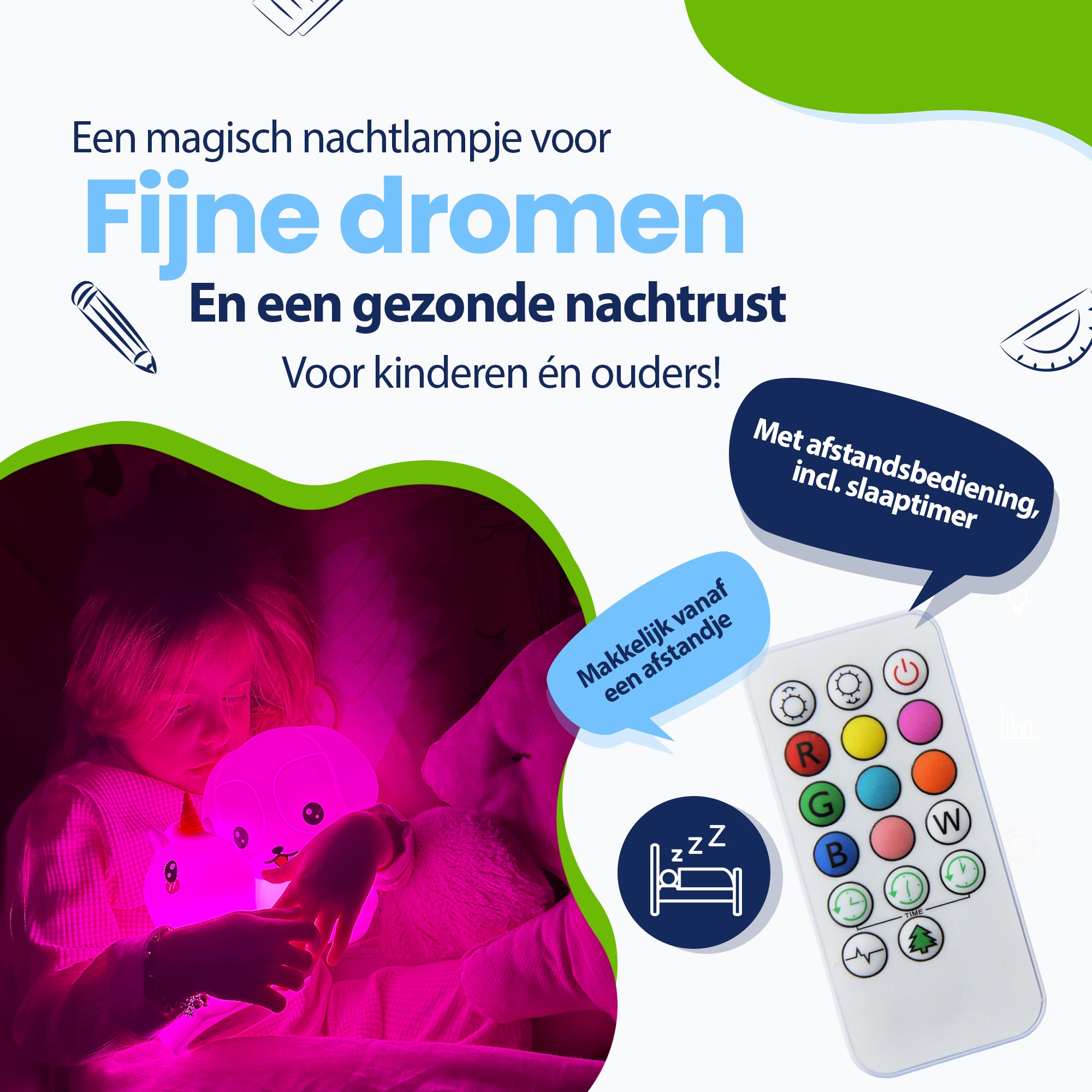
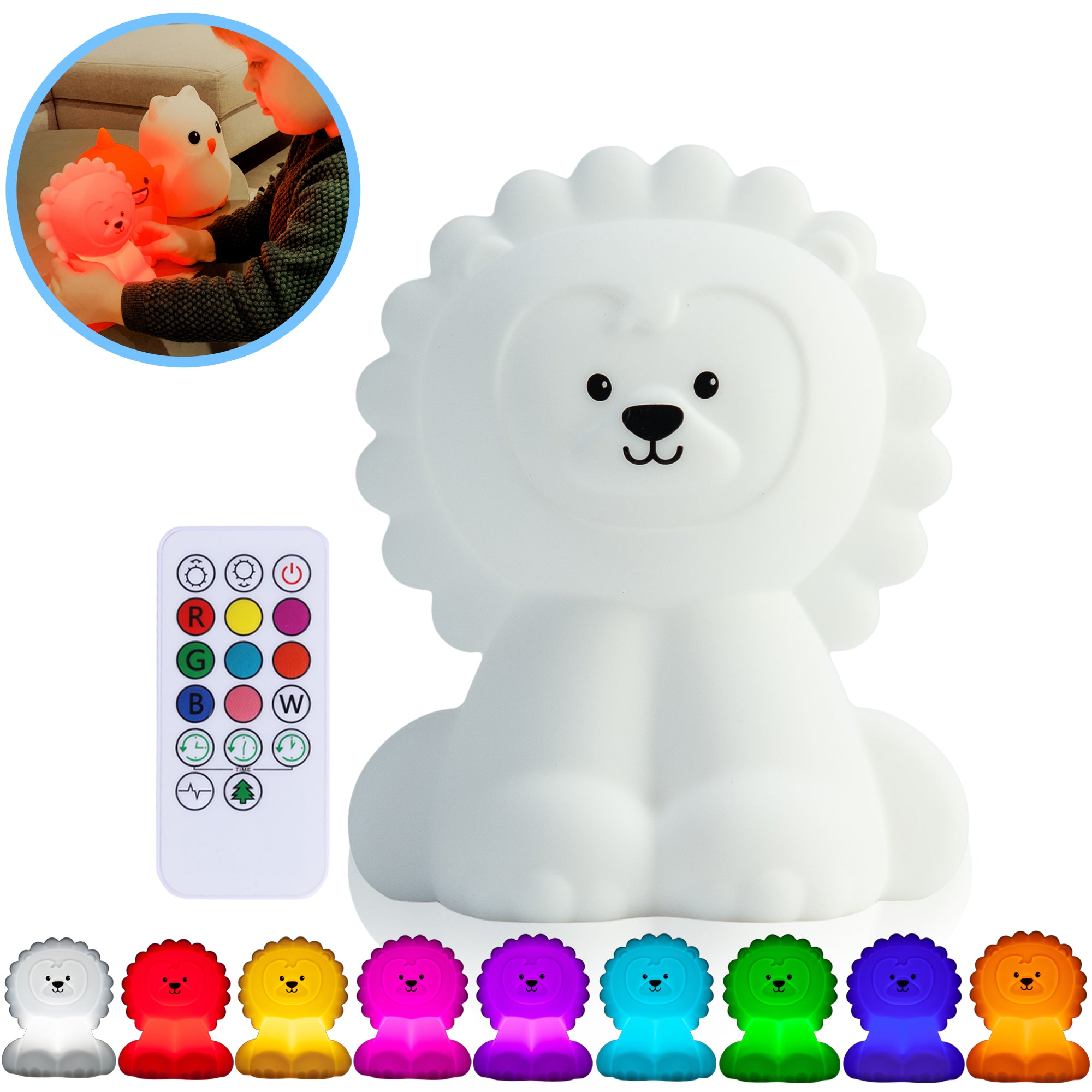
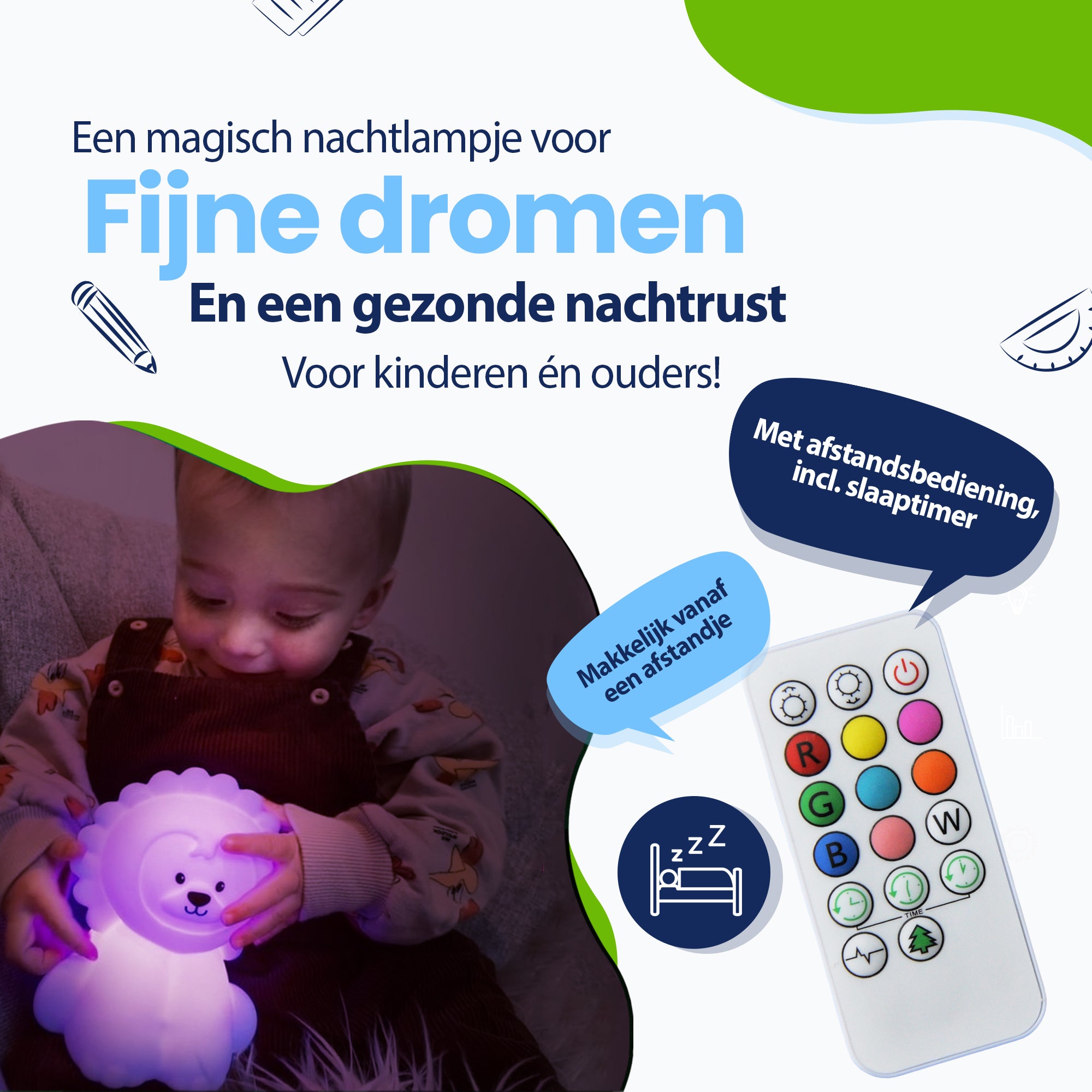
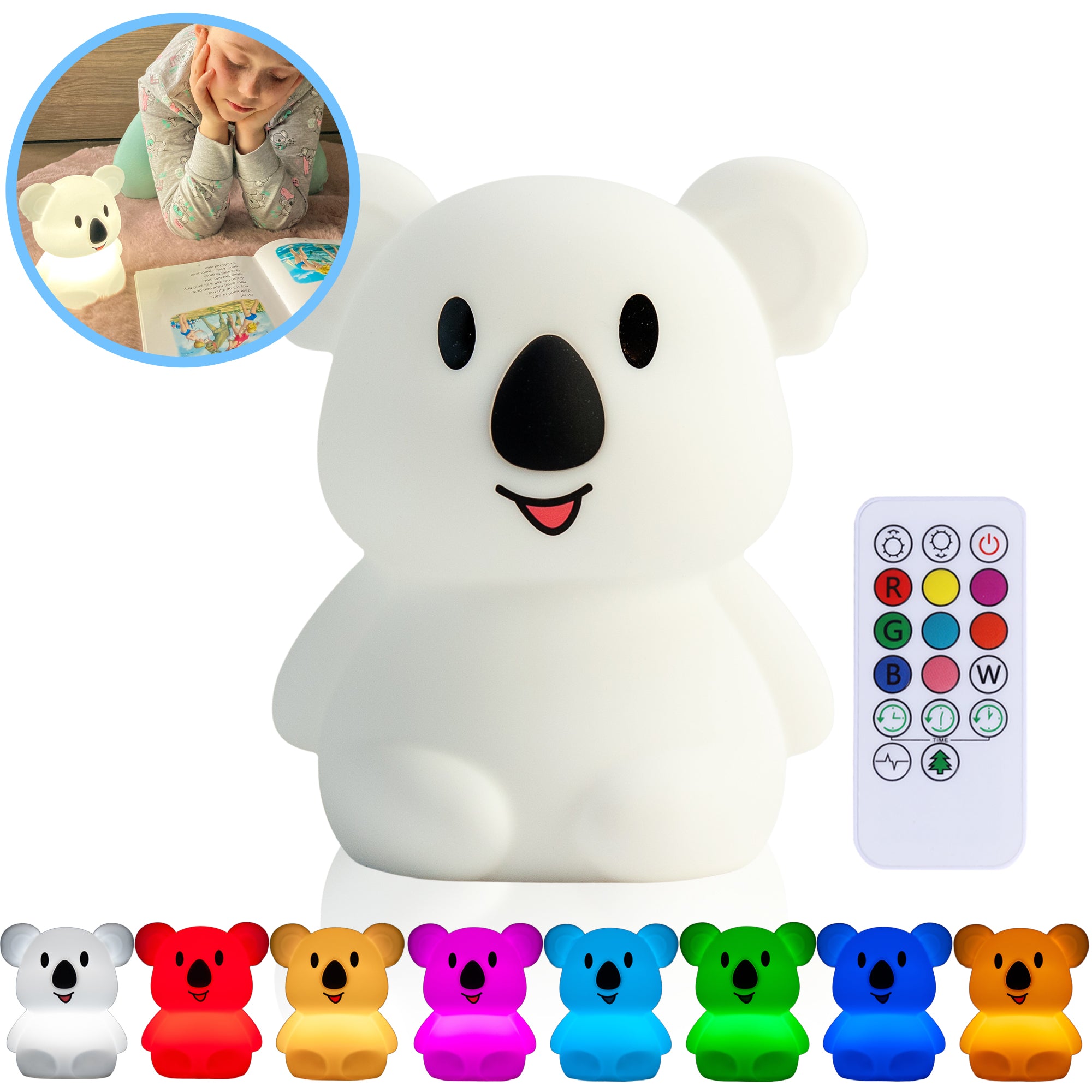
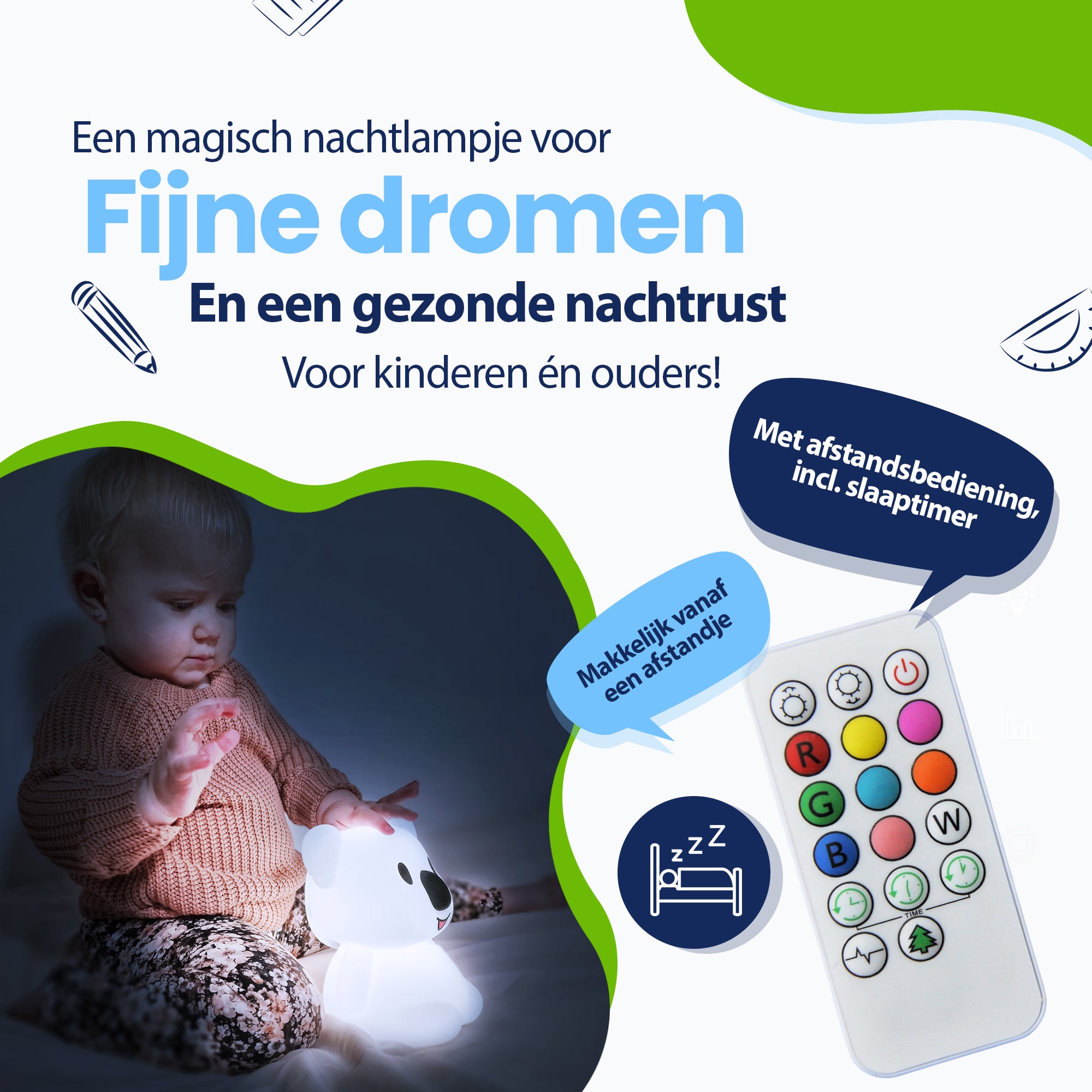
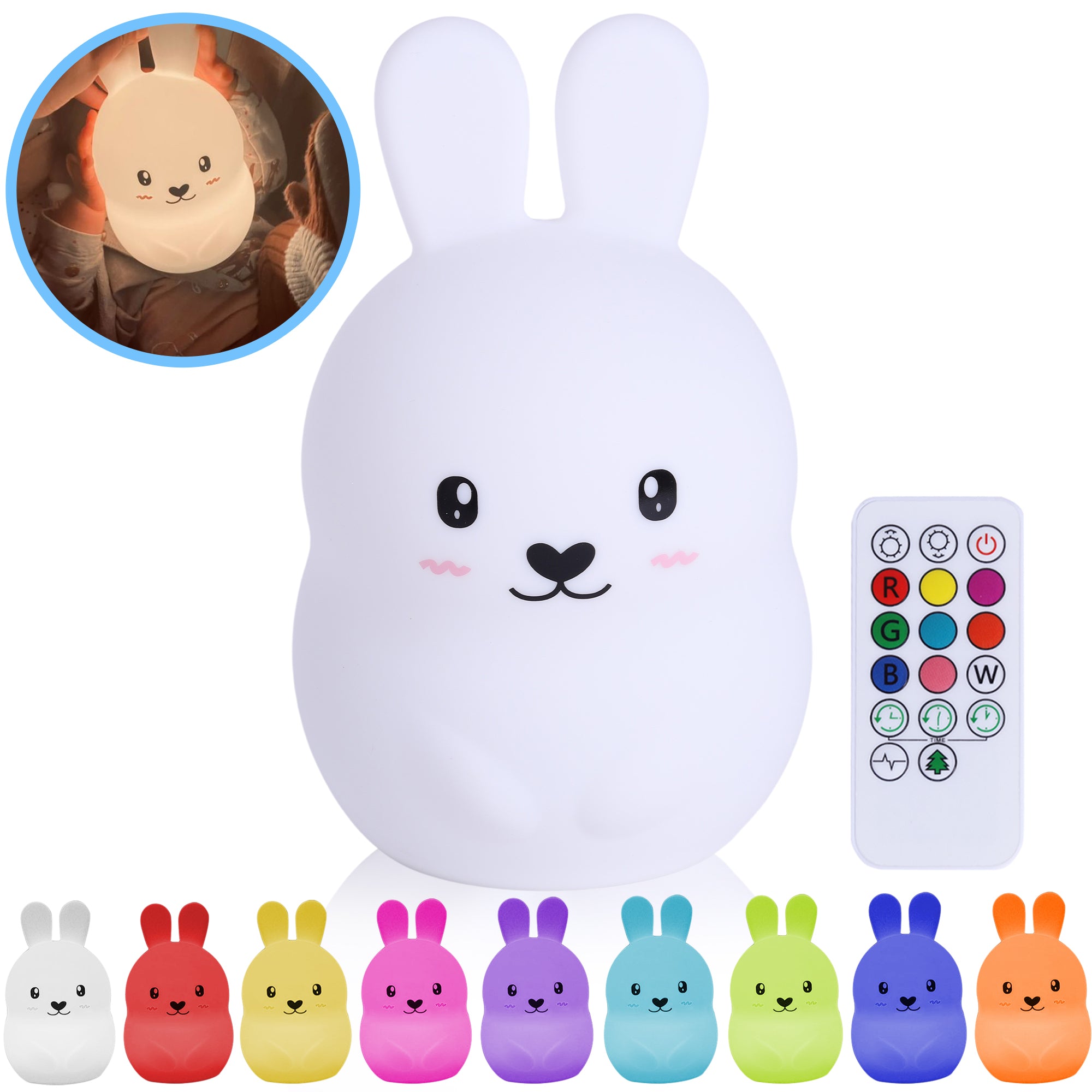
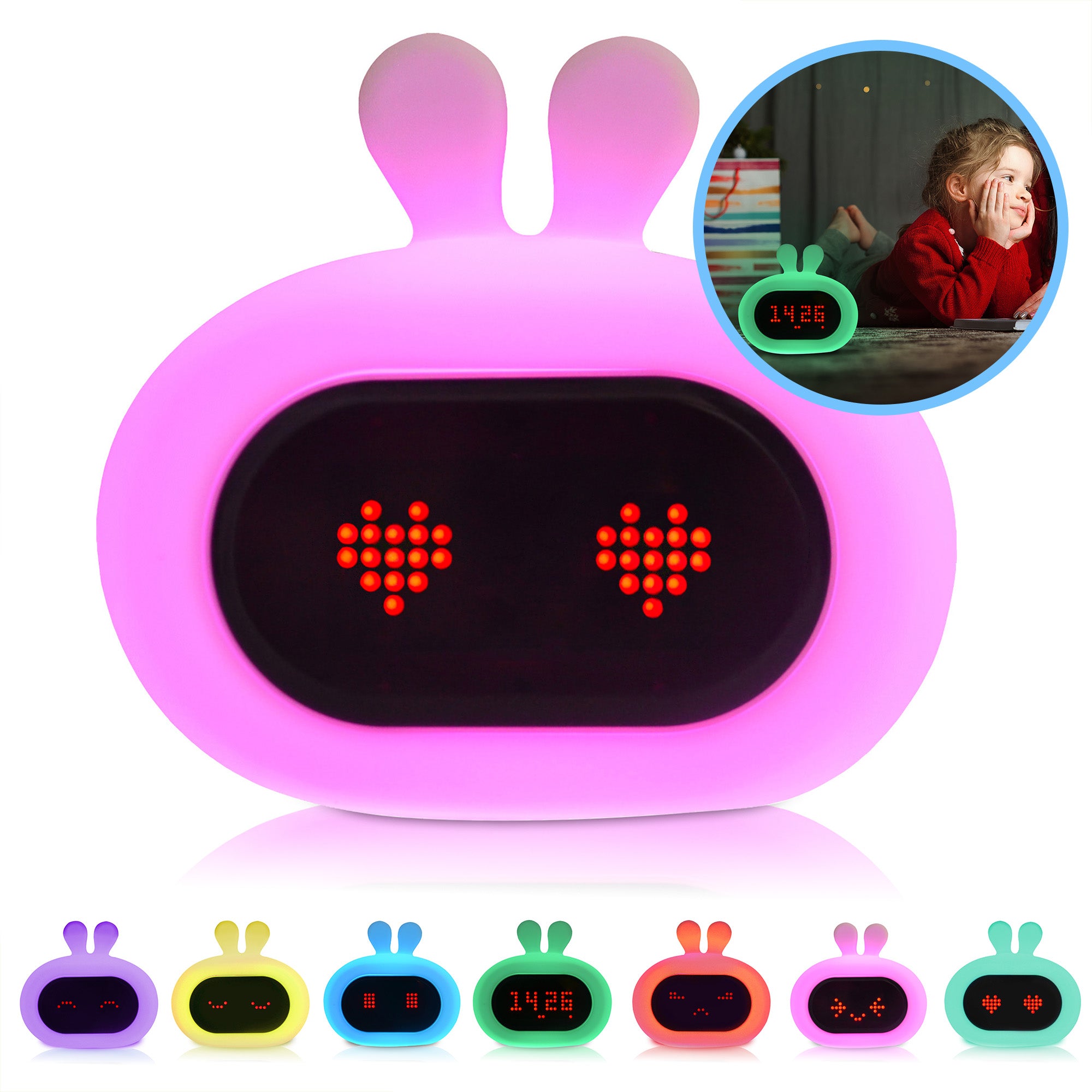
Anyone who feeds a baby in the middle of the night or changes a nappy quickly notices how unpleasant bright light can be. That is exactly why a baby lamp is not a luxury for many parents, but a practical helper in the nursery. Soft light helps with feeding, changing and bringing back calm, without making the whole room feel wide awake.
When you look for a lamp for the nursery, you soon notice that there is a lot to choose from. Some lamps are mainly beautiful, others are mainly practical. And often you want both. You are looking for something that feels safe, looks pleasant in the room and suits the moments when you really need it, from a quick check during the night to a fixed, gentle atmosphere at bedtime.
Why a baby lamp works so well
The value of a baby lamp is not only in the light itself, but in what that light does to a moment. A nursery with soft, warm light feels quieter and easier to oversee. That gives not only your child more calm, but often you as a parent too. Especially in the first months, when days and nights blur together, a calm light source makes a noticeable difference.
A lamp can also play an important role in a fixed evening routine. By using the same soft light every evening while getting dressed, singing a song or having a cuddle, recognition starts to build. Young children often feel comforted by familiar moments that return each evening. Not because everything always has to be perfect, but because familiar signals help them let go of tension.
That said, a baby lamp is not a magic solution. Some children become calm with a very dim light, while others sleep better in an almost completely dark room. It depends on age, sensitivity and the moment of use. That is exactly why flexibility is often more important than extra features.
What should you look for in a baby lamp?
Safety always comes first. A lamp in the nursery should stay cool during use, or at least not feel hot in places that little hands can reach. Materials should be sturdy, and a cord should not hang loosely near the cot. If you choose a portable lamp, it is useful if it can handle a bump and is easy to operate.
Warm light in the nursery feels more pleasant to many parents than bright, cool light, because it fits better with calm evening moments. It looks softer in the room than bright white or bluish light and keeps the night-time moment small. Especially during night feeds or changing, you want to see enough without fully switching the room “on”. Light that is too bright often makes the moment more restless than necessary.
Dimmability is also worth paying attention to. A lamp that you can adjust to the moment is often more useful in practice than a lamp with just one setting. For a bedtime story you may want a little more light, while a short visit later in the evening calls for a subtle glow.
Then there is the design. In a nursery, appearance matters, but ease of use often matters more. A lamp that looks beautiful on a shelf but is difficult to switch on will usually bring less joy in daily life than a simpler model you can operate almost without thinking.
Warm light or white light?
For most parents, warm light immediately feels more logical in the evening. It looks friendly, cosy and soft. White light can be useful when you need good visibility, for example when tidying up or getting dressed during the day, but for bedtime and the night it is often less pleasant.
That does not mean white light is always wrong. Some lamps allow you to switch between settings, which can be useful if you use one lamp for several moments. Still, in practice, warm, dimmed light combined with a soft night light is often chosen for the nursery.
Plug-in, battery-powered or rechargeable?
This also depends on your routine. A plug-in lamp is convenient if it has a fixed place and you do not want to deal with charging. At the same time, a cordless baby lamp gives more freedom. You can take it to the changing table, place it next to a feeding chair or quickly use it in another room.
A rechargeable model is a good middle ground for many families. You do not need loose batteries and you stay flexible at home. It is wise, however, to think about your own habits. If you often forget to charge devices, simplicity can sometimes be nicer than extra convenience on paper.
The baby lamp as part of the bedtime routine
A pleasant evening often consists of small, repeatable steps. Bath, pyjamas, a calm song, curtains closed and then turning the lamp down. In this way, the baby lamp becomes not only a light source, but also a signal. It helps your child feel that the day is coming to an end.
For young babies, this is not yet about fixed rules, but about atmosphere. As children get older, they recognise more and more patterns. That does not always make the bedtime routine shorter, but often clearer. And clarity brings calm.
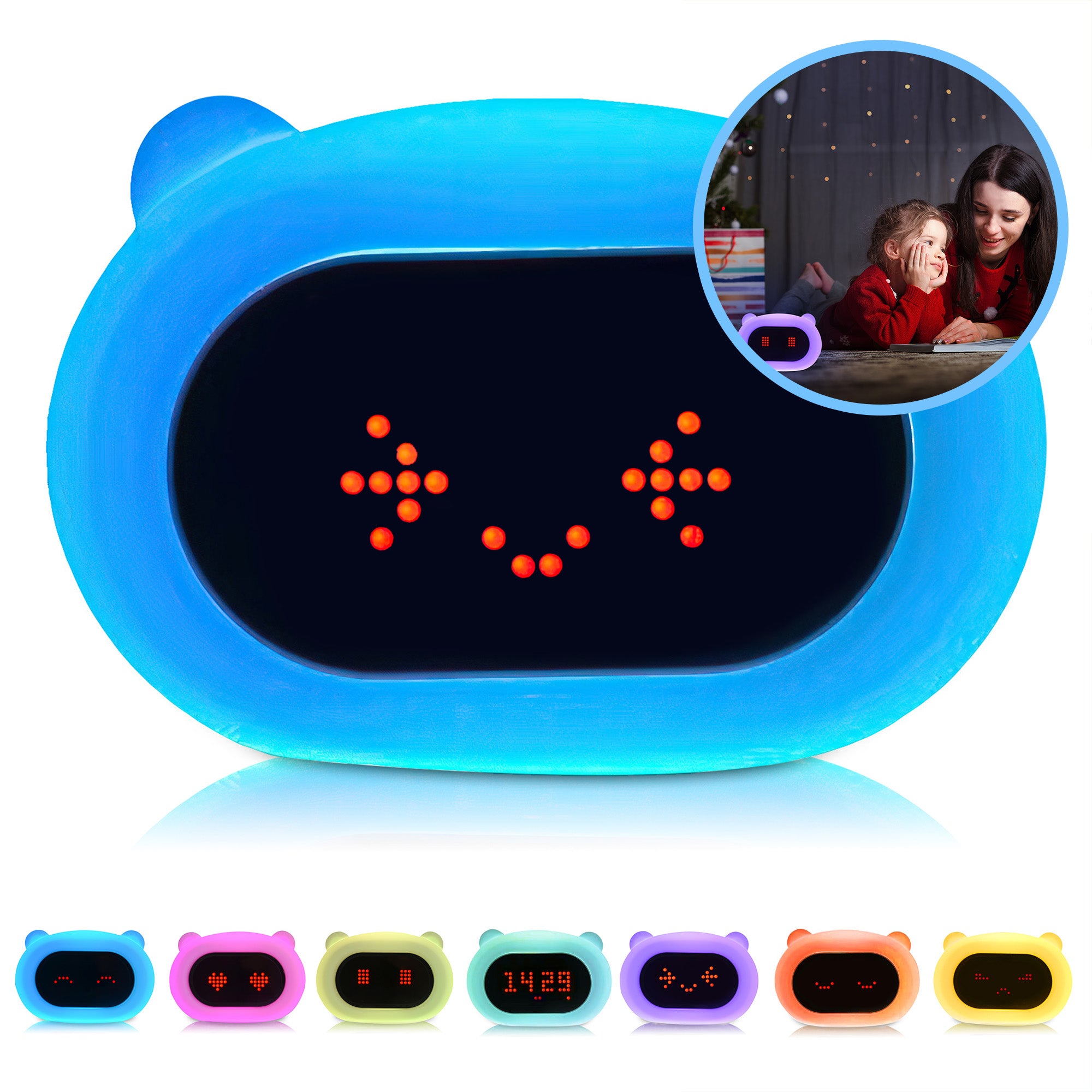
A lamp with a warm, peaceful look can fit in beautifully. Think of a subtle night light on a shelf, a portable lamp for the feeding chair or a child-friendly design that still feels suitable later in the toddler phase. Sustainable choices are especially interesting if you are looking for a product that can grow with your family for longer.
Not every nursery needs the same light
This may be the most important thing to keep in mind. The best baby lamp does not exist as a separate idea, but only in combination with your room and your rhythm. In a small, light room, a very subtle lamp is often enough. In a larger room with dark walls, you may need a little more reach.
The moment of use also matters. If you are mainly looking for a lamp for night-time care, practical light matters more. If you mainly want to create calm mood lighting in the nursery, then appearance, dimmability and warm tones become more important. And if you want to keep using the lamp later in a toddler room, a timeless design is often smarter than a very pronounced baby look.
That is why it helps to ask yourself one simple question: when will I use this lamp most often? That answer usually makes choosing easier than a long list of product specifications.
Common mistakes when choosing a baby lamp
One of the most common mistakes is choosing based on appearance alone. A cute lamp can fit perfectly in the room, but if the light is too bright or the controls are inconvenient, you will notice it every day. Beautiful things can be practical. In a nursery, they really should be.
Another mistake is thinking that more features automatically make a lamp better. Timers, colour settings, touch controls and portability can be useful, but only if you actually use them. For many parents, a simple lamp with warm light and a pleasant dimming setting is exactly right.
Placement is also sometimes underestimated. A lamp does not have to stand next to the cot to be effective. In fact, indirect light from a shelf, changing table or corner of the room often feels calmer than a light source that is directly in view. The atmosphere in the room becomes softer when the light is not present everywhere at once.
How to choose a baby lamp that truly suits your family
Start small and practical. Think about safety, a soft light colour and a shape that suits the way you use the nursery. Only then look at style and extras. This helps you avoid falling in love with a lamp that looks beautiful, but does not work well during tired nights.
It also helps to look beyond the newborn phase. A good baby lamp can still be useful during the toddler years, for example as a familiar night light or calm lighting during reading moments. That makes a thoughtful choice not only practical, but also more sustainable.
For parents who value calm at home, soft shapes and practical products, a simple, child-friendly lamp often feels the most natural. In the end, it is not about having as many features as possible, but about a lamp that fits your daily routine.
A baby lamp does not have to solve the night. But it can bring just enough softness to make a dark moment feel kinder. Sometimes that is exactly what a family needs.