You often only notice the right lamp when the bedtime routine becomes calmer. Less negotiating at bedtime, less tension in a dark room and just a little more reassurance for your child. That is why the question of how to choose a suitable bedside lamp for your child is not a small detail, but a practical choice that influences atmosphere, comfort and routine.
Why a bedside lamp is more than just light
A bedside lamp does something different from the ceiling light in a child’s bedroom. While bright light helps with getting dressed or playing, a soft bedside lamp supports winding down at the end of the day. The light gives a signal: it is time to slow down, cuddle, read a story and then go to sleep.
For young children, that difference is important. They respond strongly to rhythm and repetition. A consistent bedtime routine with the same type of light can help make the transition from active to calm more predictable. That brings more peace not only for children, but often for parents too.
Still, not every lamp works equally well. Some are too bright, others are awkward to use or less suitable for little hands. That is why it is worth looking beyond just a nice design.
How do you choose a bedside lamp that really suits your family?
The best choice depends on when you use the lamp. Are you mainly looking for a soft light for reading aloud? Do you want a lamp that stays subtly on throughout the night? Or does your child like having a little control, for example by being able to tap the lamp on or off? That difference determines a lot.
When choosing a bedside lamp, it is wise to look at the routine first and only then at the colour or shape. A baby’s room often needs something different from a toddler’s or preschooler’s room. For a baby, it is mostly about soft, functional light for feeds or short care moments. For a toddler, emotion also plays a role: the lamp can offer reassurance and become part of the bedtime ritual.
Pay attention to the light colour
The light colour is one of the most important points. Warm light feels calmer than cool white light. Although every child responds differently, many families find warm light more pleasant during reading and falling asleep. A lamp with a soft, warm glow usually suits the evening better than one that looks bright and bluish. Cooler light can quickly feel too stimulating, especially just before bedtime.
That does not mean the lamp has to be orange or very dark. You still want to be able to read a book or quickly see where the dummy is. It is mainly about balance: enough visibility without brightly lighting the whole room.
Choose the right brightness
Light that is too bright is a common mistake. A lamp may look gentle online, but in practice it can still be too strong for a calm bedroom. Dimmable light is therefore useful, because you can adjust it to the moment. A little brighter during reading, softer once it is time to sleep.
If a lamp is not dimmable, pay extra attention to how subtle the light really is. For a bedside lamp, soft is usually better than powerful. A child’s bedroom does not need to be fully lit in the evening to feel safe and cosy.
Ease of use matters every single evening
With children’s products, the small practical details often matter most. Do you have to search for a tiny button on the back of the lamp? Is the lamp difficult to charge? Does it switch off automatically or stay on unnecessarily long? Especially on tired evenings, these things make a difference.
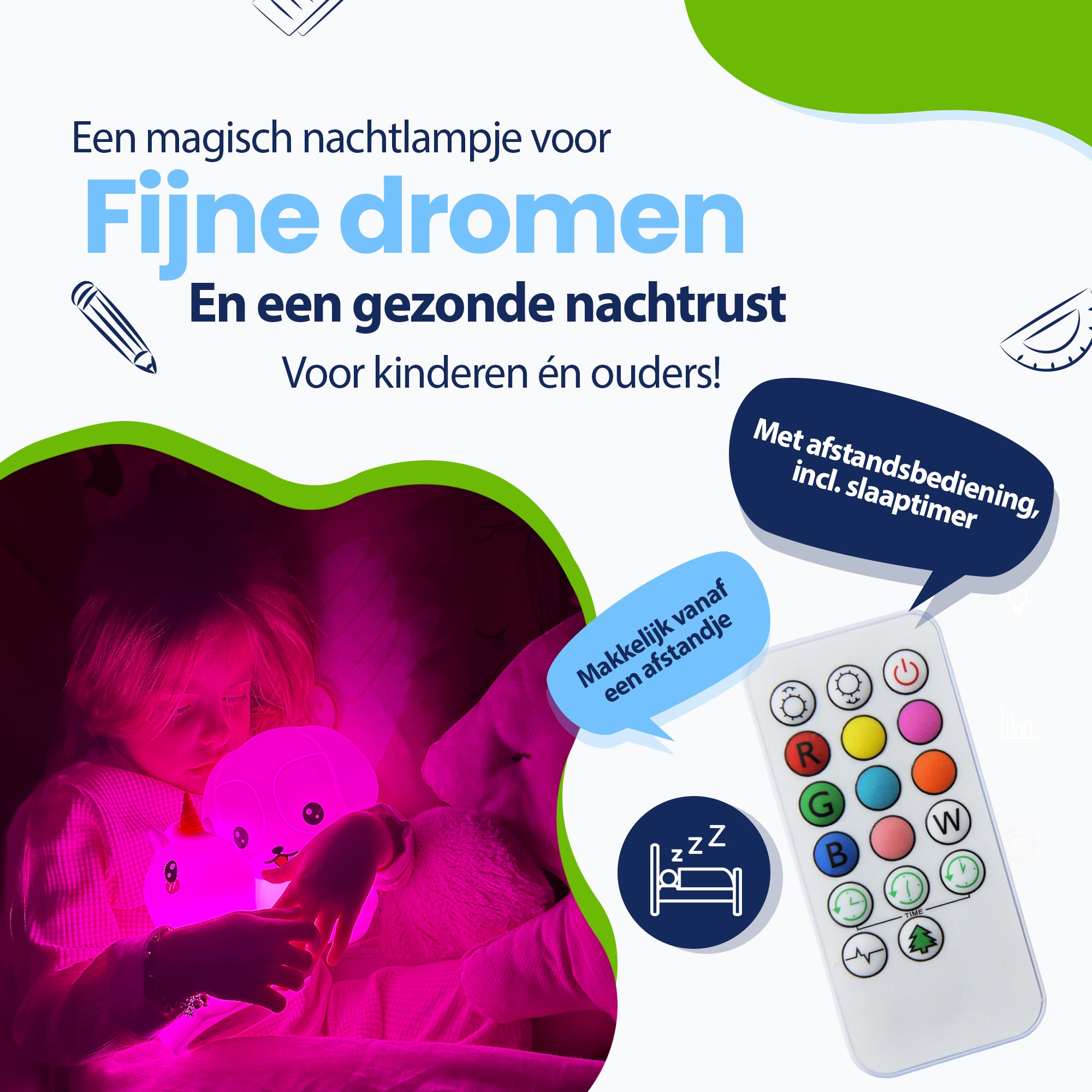
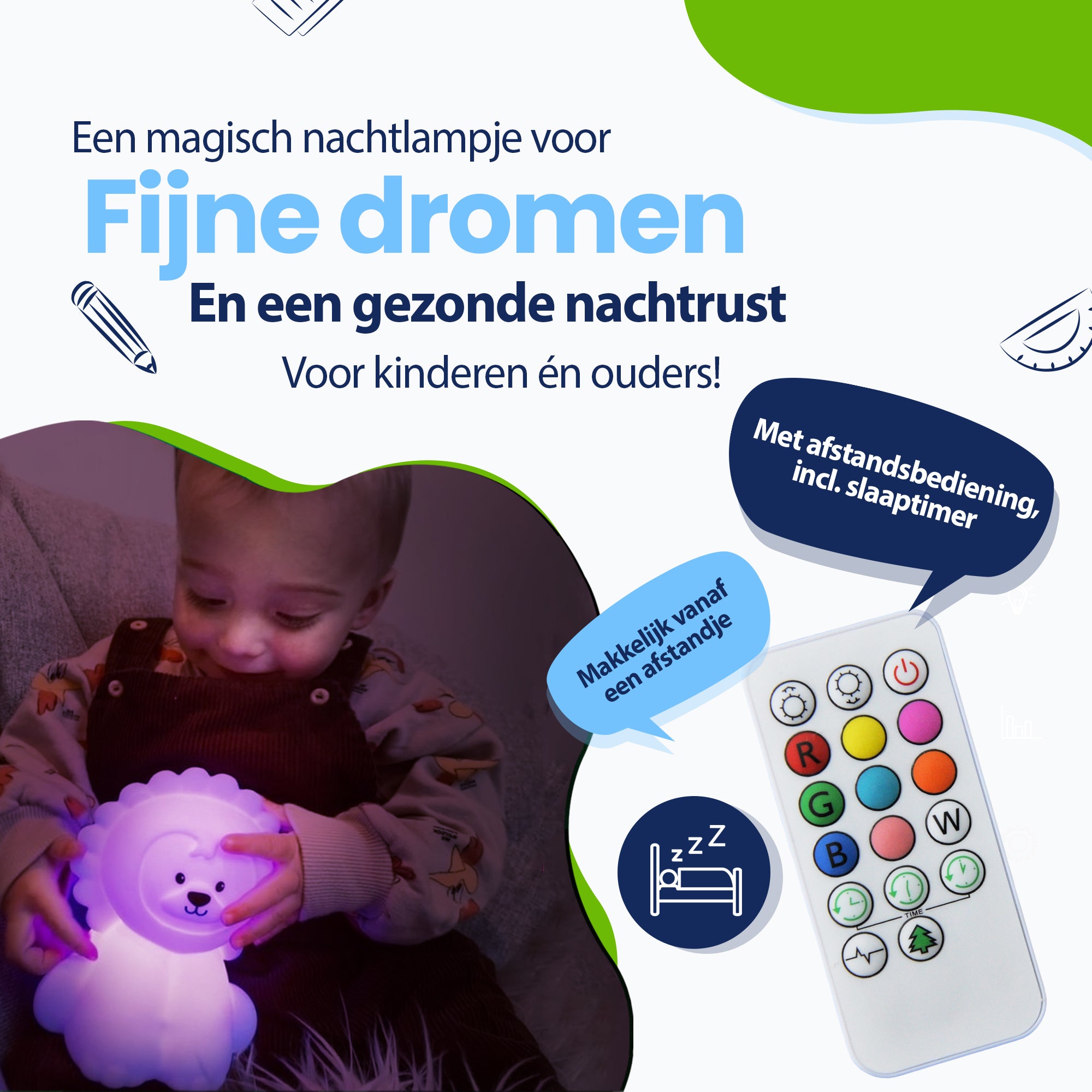
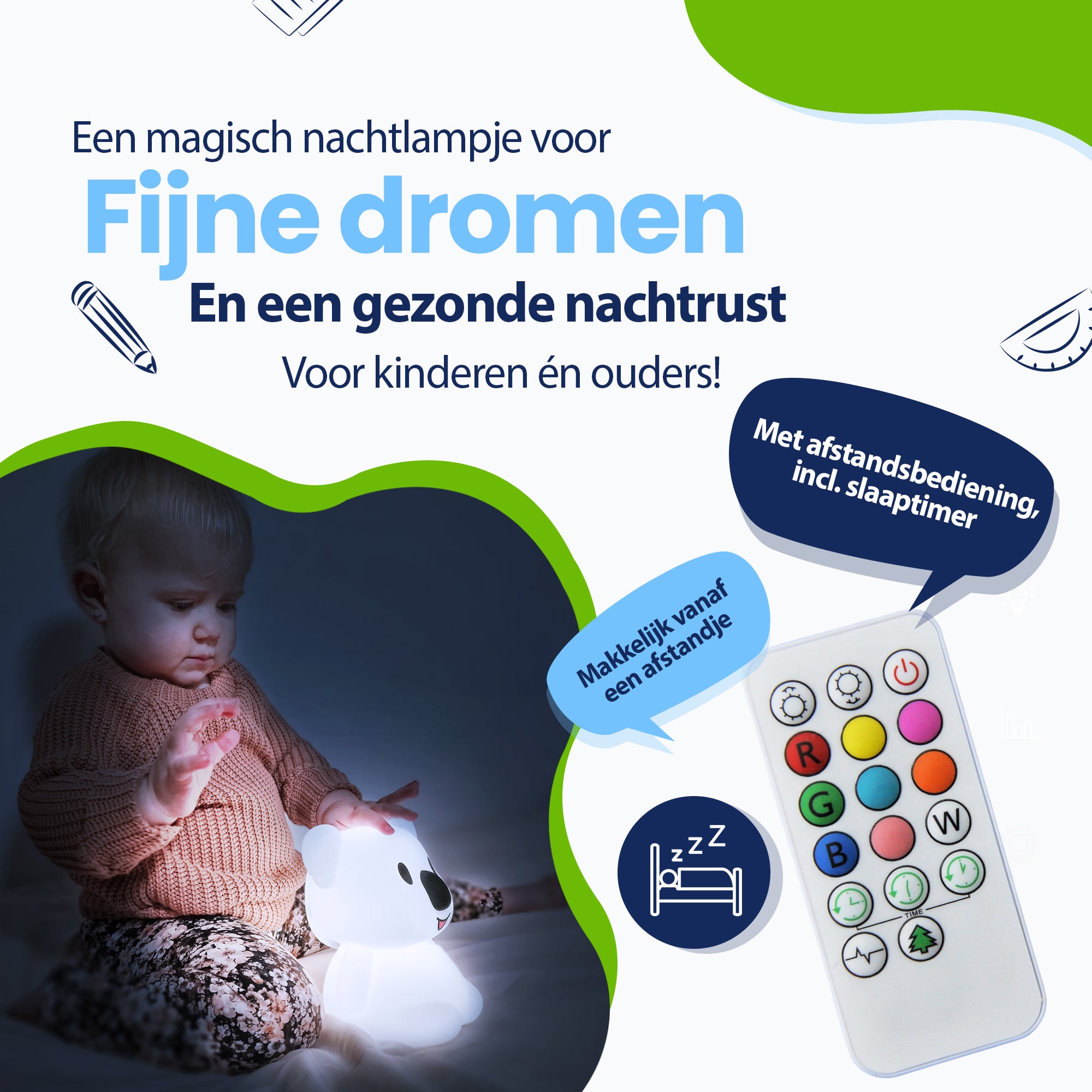
A timer function can be very useful. This prevents the lamp from staying on all night when that is not needed. For some families, this works well: the lamp is there while the child falls asleep and then switches off by itself. Other children prefer a small light to stay on throughout the night. That is also perfectly fine, as long as the lamp is suitable for it.
Safety and materials are not secondary
In a child’s bedroom, you do not want any doubts. A bedside lamp should feel safe, be sturdy and be made for daily use around children. This means, among other things, that the material should not get hot quickly and that the lamp should be able to handle a little bump.
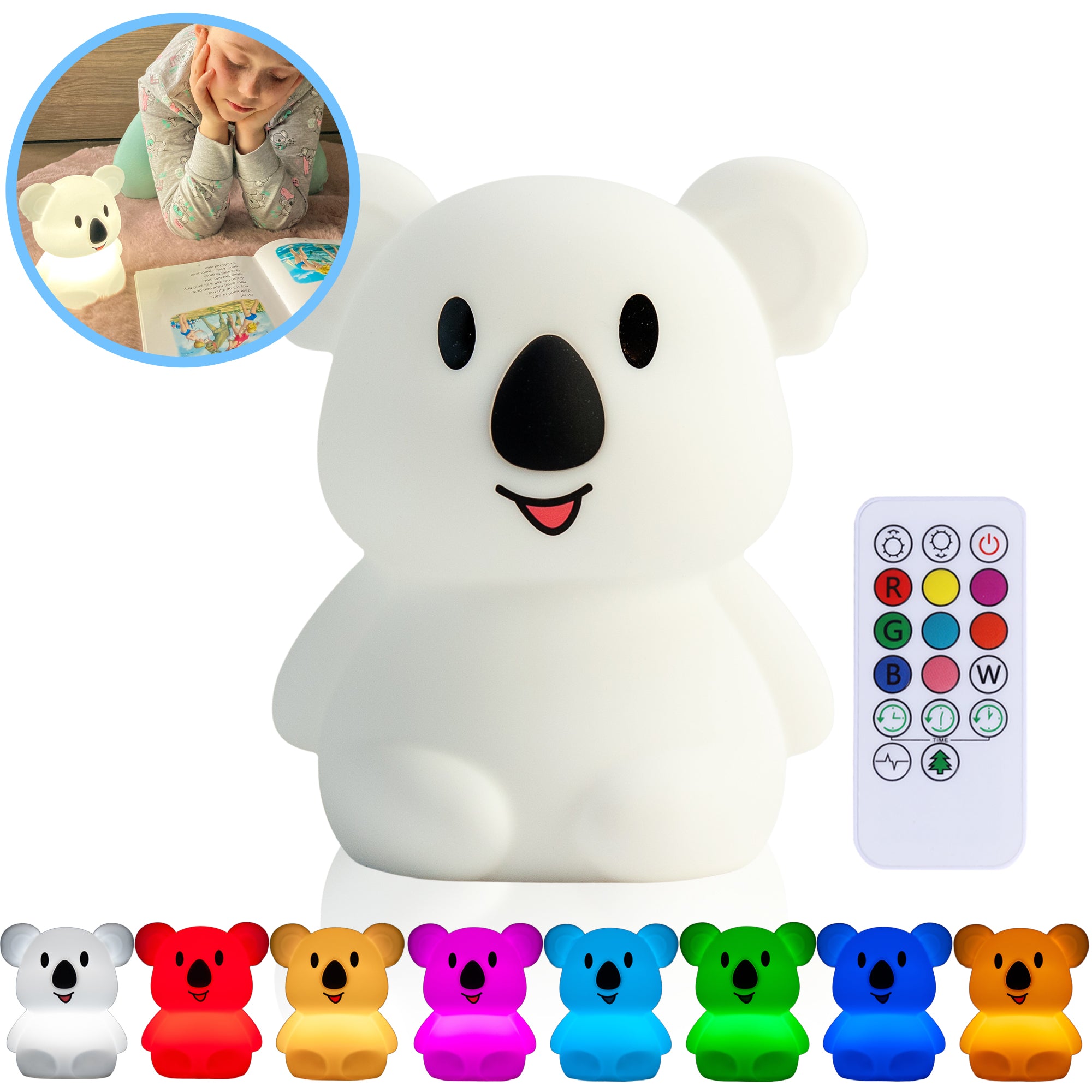
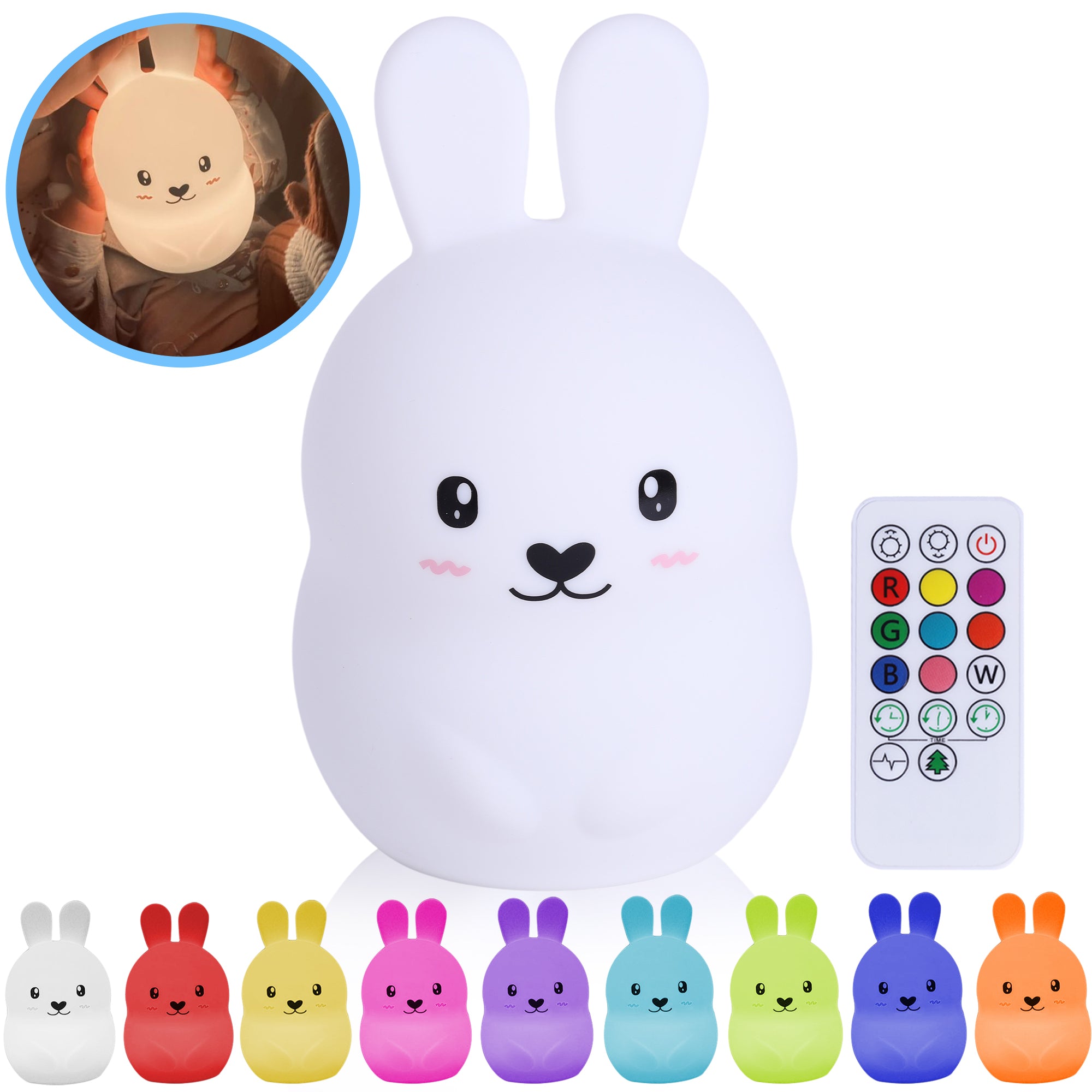
For young children, a portable lamp is often appealing because they may want to hold it or place it next to them. In that case, it is nice if the shape is rounded and the material feels pleasant and child-friendly. A cordless lamp can also create more peace of mind, simply because there is no cable in the way near the bed or walking route.
Durability also matters to many parents. Not only in the choice of material, but also in lifespan. A bedside lamp that lasts a long time and is easy to recharge often feels like a calmer and more conscious choice than a product that quickly needs replacing.
A beautiful design is fine, as long as it stays calm
Of course, you want something that fits the child’s bedroom. A friendly design is inviting and can really start to feel familiar to a child. At the same time, a bedside lamp does not need to be loud or busy to be attractive. Soft shapes and calm colours often suit a bedtime routine better.
That is also the difference between a toy and support. A lamp may be fun, but it should not add extra stimulation at the very moment when you want to wind down. If a design is too busy or has many flashing functions, it can have the opposite effect.
Your child’s age makes a difference
A newborn baby does not need a lamp for reassurance, but parents do need one for care moments during the night. At that stage, a soft lamp is mainly practical. You want to see enough without waking up the whole room.
With toddlers, this changes. They may find the dark scary or start to value a fixed bedtime order. Then the bedside lamp becomes more of a recognisable part of the routine. A lamp that turns on at the same moment every evening can help make the evening more predictable.
Preschoolers often enjoy independence. Sometimes they want to press the lamp themselves or take it with them briefly when they get out of bed. In that case, ease of use becomes even more important. The lamp should be intuitive and not only practical for the parent, but also understandable for the child.
Bedside lamp and sleep trainer: when does this combination work well?
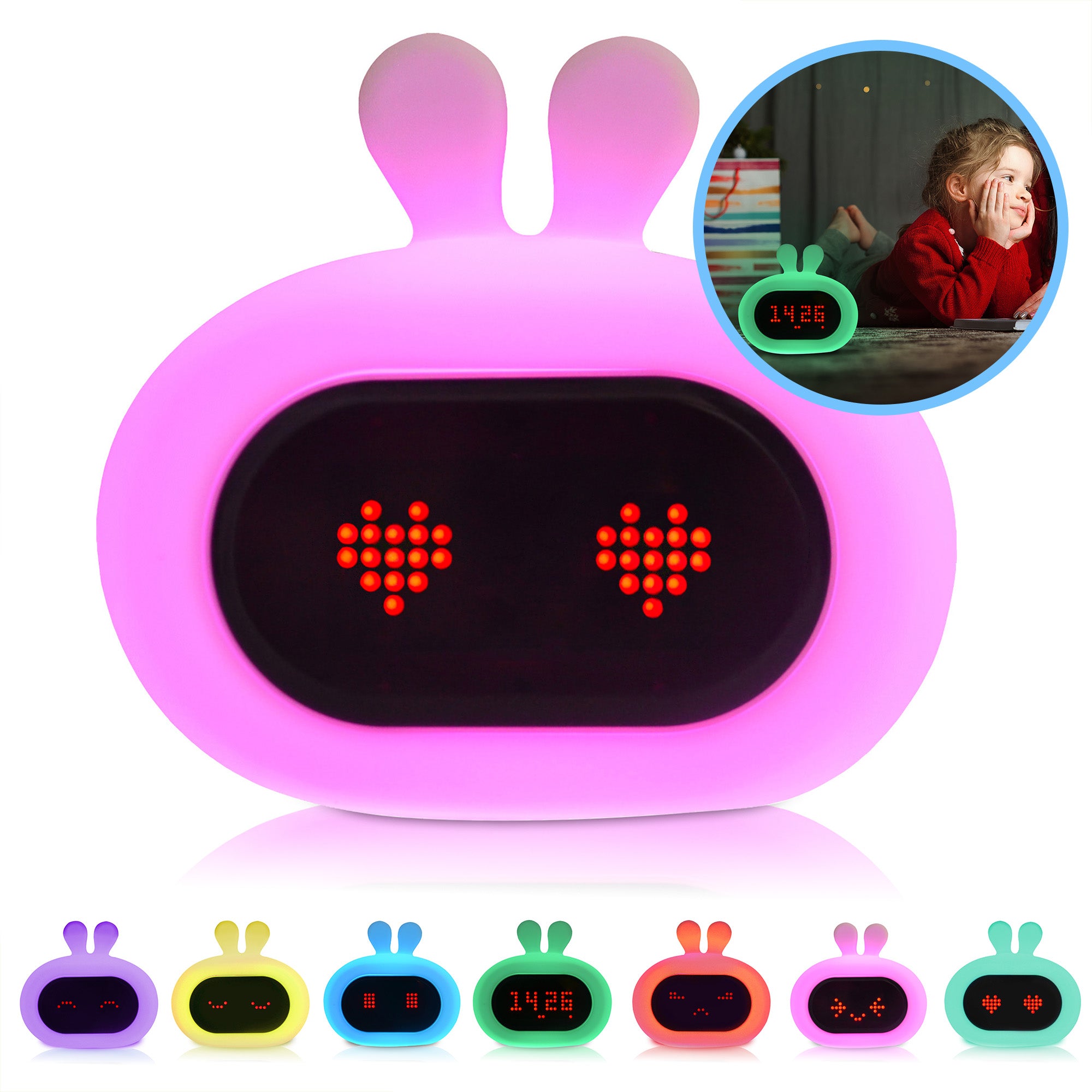
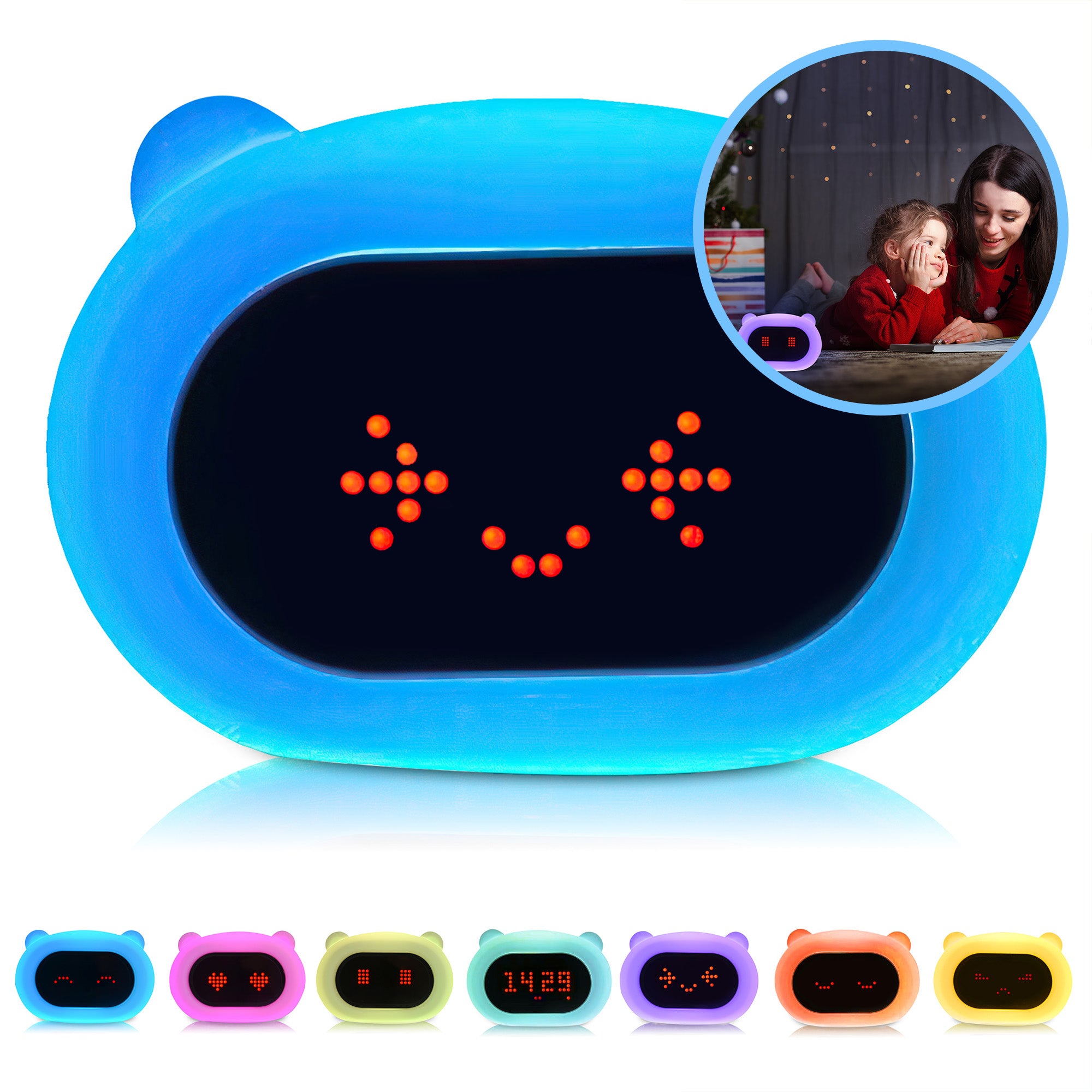
Sometimes parents are not only looking for soft light, but also for more structure in the evening and morning. In that case, a bedside lamp combined with a sleep trainer can be a logical step. The light creates atmosphere and a sense of security, while a sleep trainer helps make moments clearer, such as when it is time to sleep or get up.
This combination works especially well for toddlers and preschoolers who benefit from visual clarity. Not as a strict rule, but as friendly support for a rhythm that is still developing. At Kadoing, that idea fits well: products should not only be beautiful, but above all bring calm to everyday family moments.
What features does a good children’s bedside lamp have?
A good bedside lamp gives warm light, is easy to use and suits your child’s age. Many parents choose a dimmable, rechargeable lamp with a timer, so the brightness can easily be adjusted to the bedtime routine. A cordless design can also be useful, because children can move the lamp safely. Ultimately, the best bedside lamp is one that brings calm and feels pleasant to use, both for parents and children.
Common mistakes when choosing
Parents sometimes choose a lamp based only on appearance. Understandable, because a child’s bedroom should feel warm and beautiful. But if the lamp is too bright, difficult to charge or awkward to operate, you will quickly notice it during the busiest moments of the day.
Another mistake is thinking that one lamp has to do everything. Sometimes it is more practical to clearly choose what you need the lamp for. Reading, reassurance during the night and getting dressed early in the morning do not always require exactly the same type of light.
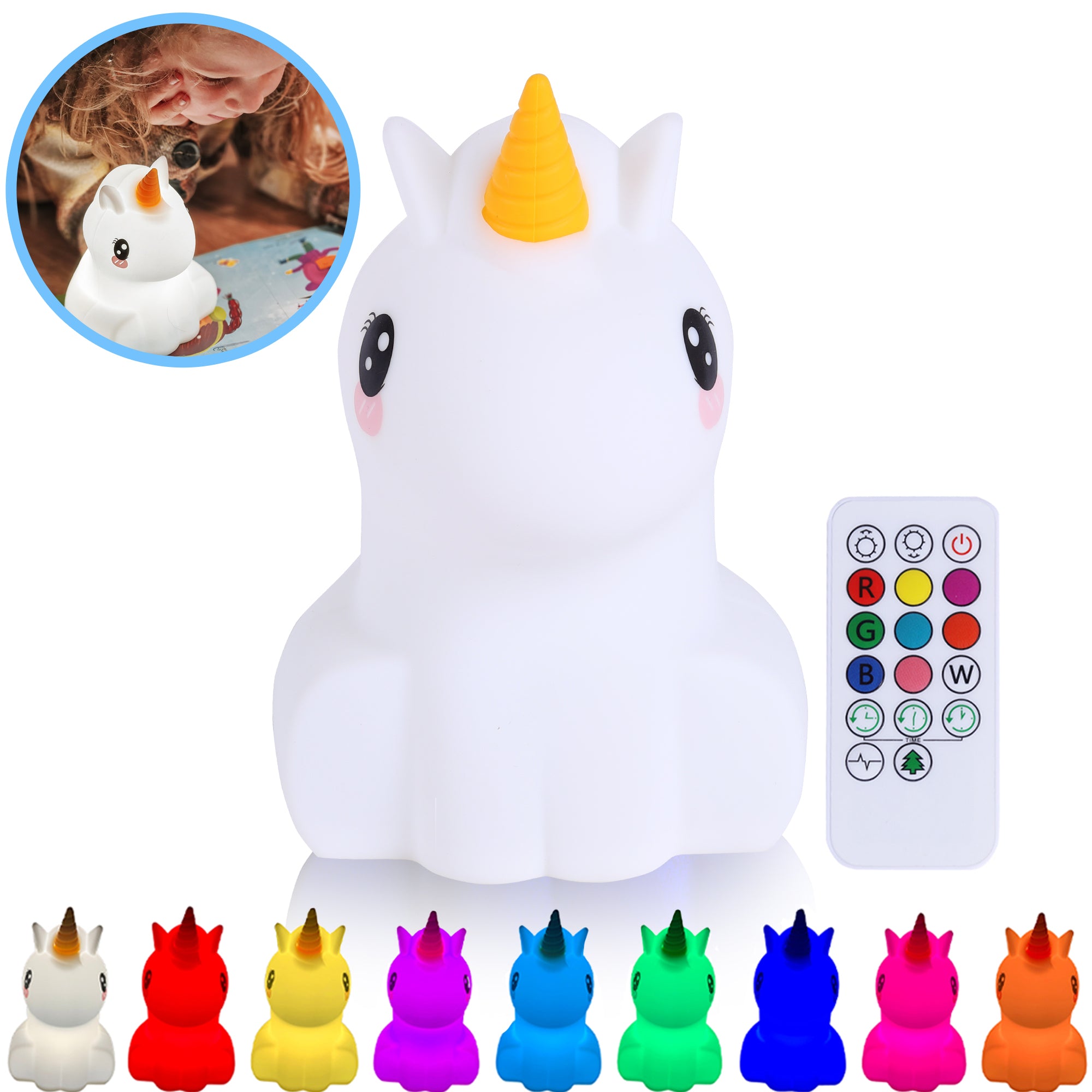
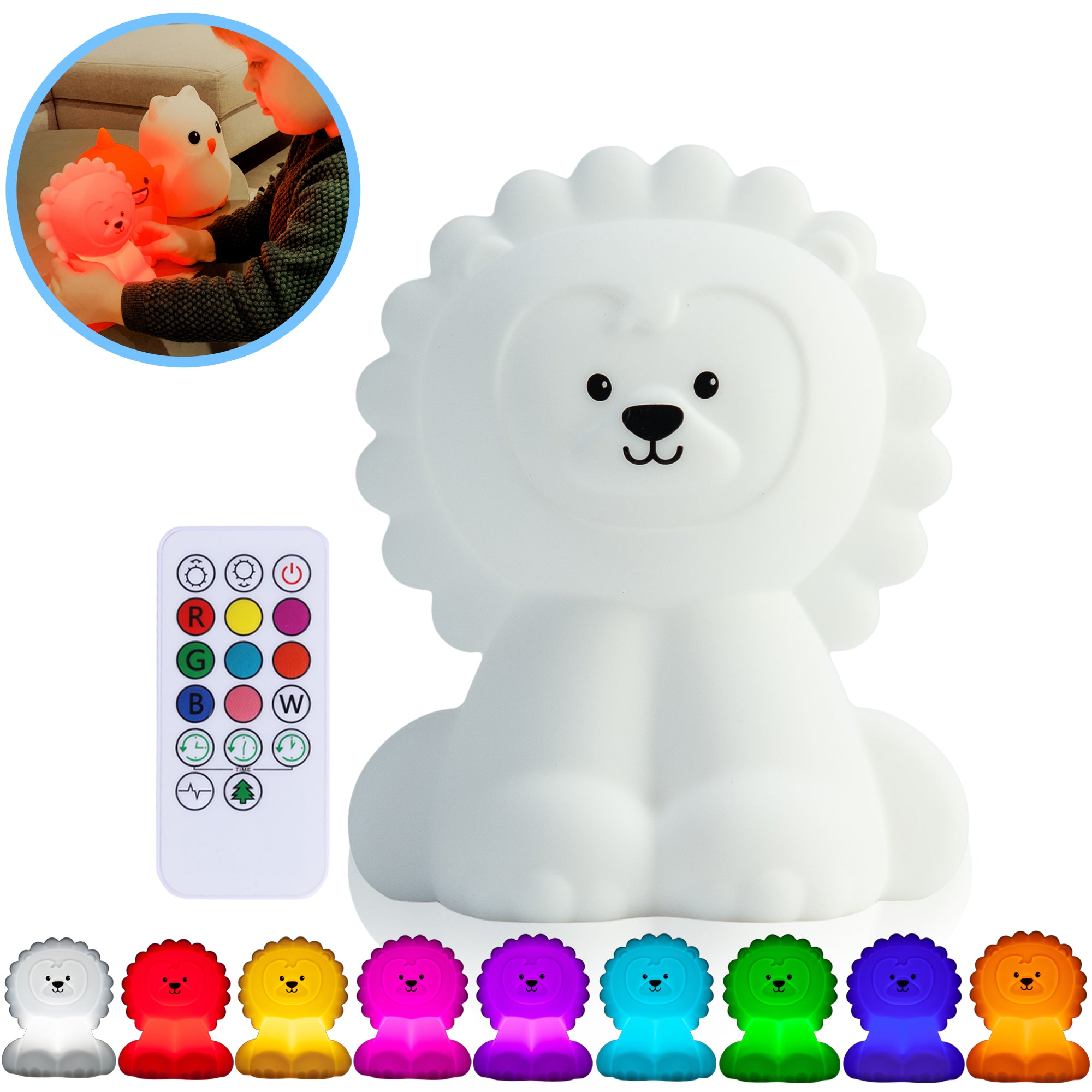
Also worth checking: extra functions. More is not always better. Music, colour changes or tap functions can be nice, but only if they contribute to calm. If the functions mainly distract or make the bedtime routine more playful than you want, they add little value.
What should you look for when choosing online?
Online shopping is easy, but you cannot immediately experience a lamp in real life. So look closely at the product information and try to read beyond the beautiful photos. Pay attention to words such as dimmable, warm light, timer, rechargeable, cordless and safe materials. These often say more about everyday use than the design alone.
Reviews can also help, especially when other parents mention brightness, night-time use or how their child responds to the lamp. Do not look for perfect promises, but for recognisable situations. An honest experience from another parent often says more than a general product description.
Choosing a bedside lamp starts with calm
The nicest bedside lamp is usually not the most eye-catching one, but the lamp that quietly becomes part of your evening. A warm light while reading, a familiar feeling in a dark room and less fuss at moments when everyone is tired. If you choose based on that feeling, calm, safe and suitable for your child's age, you'll often make the best choice naturally.
So give your child a bedside lamp that not only provides light, but also helps create a relaxed bedtime routine and a better night's sleep for the whole family.
Frequently asked questions about a bedside lamp
What is the difference between a bedside lamp and a night light for children?
A bedside lamp is mainly used during the bedtime routine, for example while reading or cuddling before sleep. A night light often stays on during the night to give children a sense of safety. Many modern bedside lamps can be used both during the bedtime routine and as a night light.
Which light colour is best for a bedside lamp?
Warm white light is a pleasant choice for most children during the bedtime routine. It creates a calm atmosphere and feels more comfortable during reading or relaxing. Cool white light is often brighter and less suitable just before bedtime.
Is a dimmable bedside lamp better?
Yes. With a dimmable lamp, you can adjust the brightness to the moment of the evening. During reading, the light may be a little brighter, after which you can easily make it softer when your child goes to sleep.
Can a bedside lamp stay on all night?
Yes, as long as the lamp is suitable for that. Some children sleep better with a small light, while others prefer complete darkness. A timer function gives extra flexibility here.
From what age is a bedside lamp suitable for children?
A bedside lamp can already be useful from babyhood during night feeds or care moments. For toddlers and preschoolers, a soft lamp often helps build a recognisable and calm bedtime routine.
What should you look for when buying a bedside lamp?
Pay attention to warm light, a dimming function, safe materials, easy operation, a rechargeable battery or cordless use and possibly a timer. Above all, choose a lamp that suits your child’s age and sleep routine.