No matter how enjoyable the day has been, bedtime can suddenly change the atmosphere in many families. A child who still wants to play, is still thirsty, becomes afraid of the dark, or suddenly wants to have a long conversation right now. This is exactly when a calming bedtime routine can help your child move from restlessness to predictability. Not strict or complicated, but gentle, clear, and familiar every evening.
Why a consistent evening routine makes such a difference
For young children, the transition from activity to sleep is significant. During the day, so much happens: sounds, new experiences, emotions, play, meals, light, visitors, daycare, or school. By evening, a child is often not only tired but also full of impressions. You may notice this through crying, delaying bedtime, energetic behaviour, or an increased need for closeness.
A consistent routine helps because it makes the evening feel smaller and more manageable. Your child does not need to keep wondering what will happen next. First pajamas, then brushing teeth, then a story, dimming the lights, cuddling, and finally sleep. This rhythm provides security. Many children do not relax because they hear the words “it’s time for bed,” but because familiar repetition feels safe.
It makes a difference for parents too. Less negotiating, fewer decisions, and fewer bedtime struggles when you are tired yourself. A good bedtime routine is therefore not about perfect parenting; it is about creating calm at home.
What is a calming bedtime routine for a child?
A calming bedtime routine consists of a series of quiet activities that happen in roughly the same way every evening. The goal is not to “make your child fall asleep quickly,” but to create the most comfortable conditions possible. You cannot force sleep. You can encourage calm.
The best routines are simple. Often, the small, repeatable things work best: dimming the lights, tidying toys, having a warm wash or bath, putting on pajamas, brushing teeth, reading a story, having a cuddle, and then going to sleep. For toddlers and preschoolers, it helps when the routine is visible and familiar. Not too many steps, not too many stimuli, and no surprises at the last moment.
It is important to remember that what feels calming for one child may be too much for another. A bath can be wonderfully relaxing for some children, while it may make others feel more awake and playful. The same applies to music, singing, or long reading sessions. So do not focus only on what is considered “correct,” but on what helps your child slow down and relax.
Start earlier than you think
Many bedtime struggles do not begin in the bedroom, but during the hour beforehand. If a child is playing wildly until the last moment, exposed to bright lights, or involved in stimulating activities, the transition to bed becomes much bigger. That is why a good bedtime routine often starts 30 to 60 minutes before sleep.
This does not mean the evening has to be silent or strict. However, it helps to gradually slow things down. Think of quieter play, a softer voice, less noise, and fewer choices. A tidy environment often helps more than parents expect. A room full of visible toys invites children to keep playing “just a little longer.”
For many families, a consistent evening rhythm works better than seeing how each evening unfolds. Children quickly sense that predictability. Especially on busy days, that can be a real advantage.
Building a calming bedtime routine for your child
1. Make the transition noticeable
Children do not automatically switch from playtime to sleep mode. A clear start to the evening routine helps. It can be something simple, such as closing the curtains, turning on a sleep light, or tidying away the last toys together. This sends the message: the day is winding down.
2. Keep the order consistent
You do not need to do a lot, but it helps to do things in the same order each evening. Repetition creates security. If brushing teeth comes before story time one night and after it the next, discussions are more likely. A consistent sequence prevents a lot of negotiating and resistance.
3. Choose calm moments
Reading a story, singing softly, or talking briefly about the day often works better than an energetic game. Calm attention is more important than lots of attention. Five genuine minutes together often feel safer to a child than twenty rushed minutes of distracted presence.
4. End clearly
The most difficult moment is often not the routine itself but the ending. One more sip of water, one more cuddle, one more song. That is completely understandable. Still, it helps when the ending is loving but clear. For example: one last cuddle, then the light goes off, and I’ll stay by the door for a moment. Gentle boundaries create calm.
What helps in the bedroom itself?
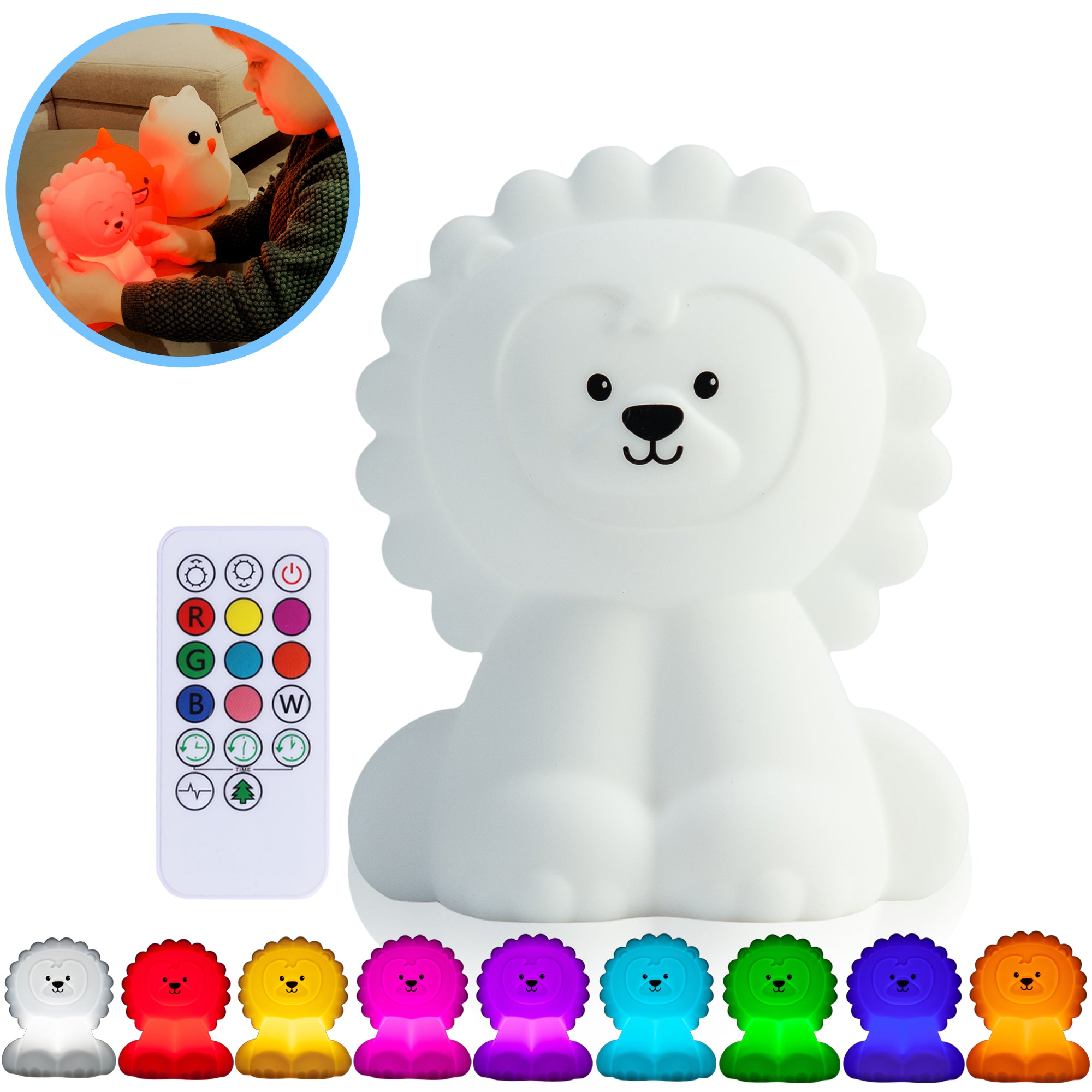
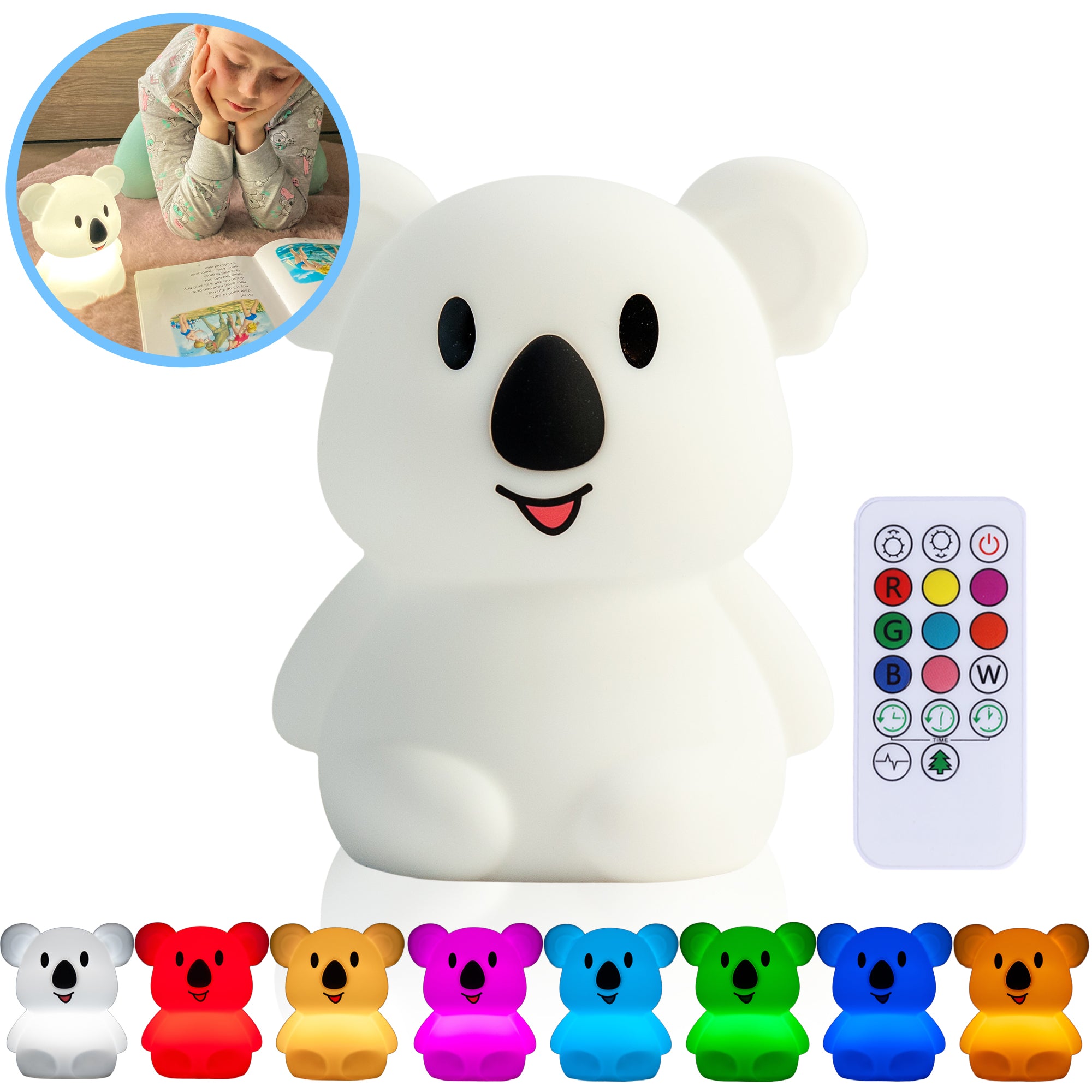
The bedroom does not need to be perfect, but it should feel calm. A room that is too bright, cluttered, or busy can make the evening unnecessarily restless. Soft lighting often helps slow things down. Especially for children who find it uncomfortable when the room suddenly becomes dark, a friendly night light can make a big difference in how safe the room feels.
Familiar objects can also help. A favourite cuddly toy, the same blanket, or a trusted sleep trainer can make bedtime feel more concrete. Toddlers and preschoolers especially benefit from visual clarity. They may not fully understand time yet, but they do recognise symbols and familiar signals. A sleep trainer can therefore be a helpful addition to a bedtime routine, not as a miracle solution but as part of a broader, calming evening ritual.
Common pitfalls without the guilt
Parents often get the impression that a bedtime routine needs to be strict and flawless. That is not realistic. There will be busy evenings, sleepovers, holidays, and days when nothing goes according to plan. That does not make your routine worthless.
There are, however, a few common pitfalls that can make evenings more challenging. Starting too late is one of them. If a child is already overtired, relaxing becomes much harder. Having too many steps is another. What is intended as cosy and caring can unintentionally turn into a long and unclear ritual. Then a child no longer knows when bedtime is really over.
Another pitfall is negotiating repeatedly. It may feel easier in the moment, but it often makes the evening more unsettled. Children are not necessarily looking for conflict; they are looking for clarity. A warm and consistent boundary is often kinder than constantly changing expectations.
What if your child suddenly struggles with sleep again?
This happens in almost every family. After a calm period, bedtime can suddenly become difficult again. Sometimes because of a developmental leap, an exciting day, changes at daycare or school, or simply a phase in which closeness feels especially important.
In those moments, there is no need to completely overhaul the routine. Often, it helps more to keep the foundations in place and temporarily add a little extra gentleness. Perhaps start a little earlier, read for a shorter time, or sit quietly together for a moment. The core remains the same: predictability, calm, and trust.
If you change too much whenever things become difficult, the evening may actually become less clear. Small adjustments are usually more effective than an entirely new plan.
A routine that fits your family
The best routine is not the one from a book or another parent. It is the one that works for your family. Do you work irregular shifts, have multiple children, or simply have evenings that do not always go the same way? Then simplicity becomes even more important. A short routine that you can maintain most evenings works better than an elaborate plan that only succeeds on ideal days.
For a toddler, ten to twenty minutes may already be enough. For a preschooler, spending a little longer reading or talking together may be beneficial. Some children sleep better after physical closeness and cuddles, while others benefit from a little more space and quiet. It depends on their age, temperament, and the kind of day they have had.
At Kadoing, we often see that parents are mainly looking for less evening stress and more confidence. Products are most helpful when they become part of a loving routine. A night light, cuddly toy, or sleep trainer is not a solution by itself, but it can provide just enough familiarity to help a child settle more easily.
What calm often really looks like
A peaceful bedtime does not always look like a quiet, smiling child who falls asleep immediately. Sometimes it is a child who still grumbles a little, asks one more question, or wants to stay close to you, but who also knows what comes next. Calm is often found in predictability, not complete silence.
So give yourself room to practise too. A calming bedtime routine rarely develops in a single evening. It grows through repetition. Through small signals that return again and again. Through a parent who is not perfect, but who is reliable and warm.
And sometimes, that is exactly enough to turn bedtime into a gentle ending to the day once again.