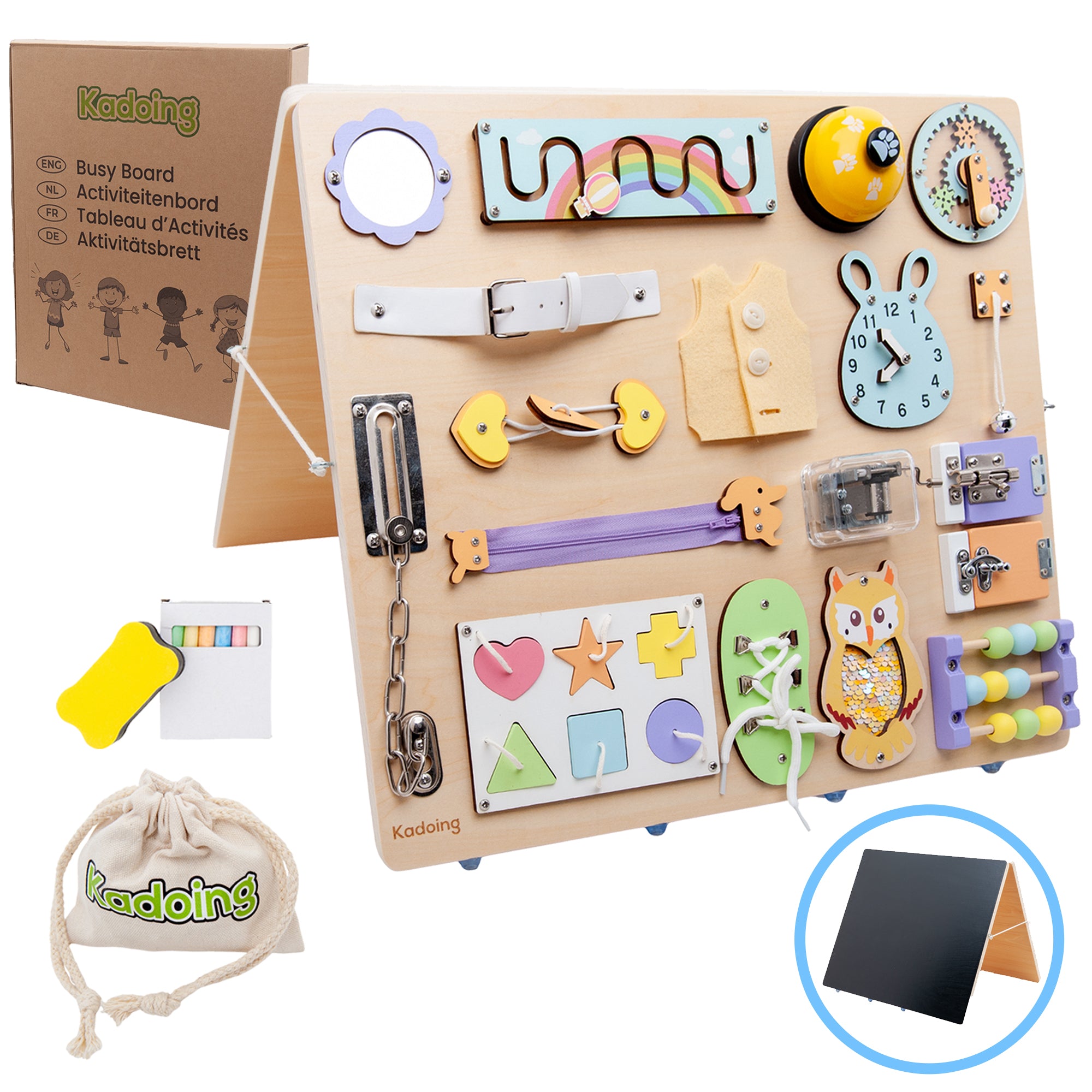
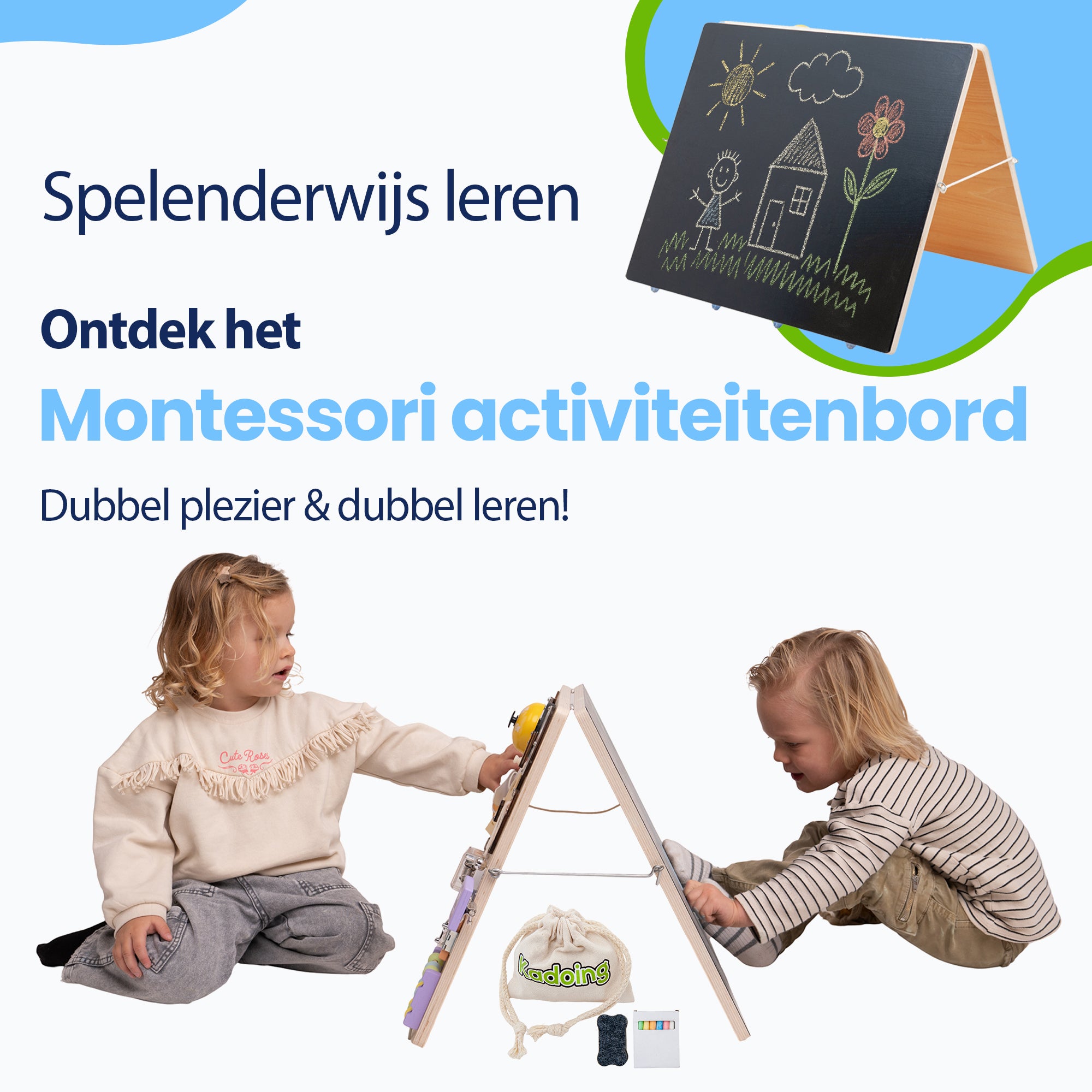
A baby explores toys with their whole body: they grasp them, look at them, sometimes put them in their mouth, throw them and cuddle them. That is why this baby toy materials guide is not about finding one perfect material, but about calmly choosing what suits your everyday moments: a teething ring for when you are out and about, a soft cuddly toy for comfort or wooden toys for focused play.
When choosing toys, safety, age suitability and practical use are important starting points. This also means that no material is automatically always the best choice. Wood, for example, is sturdy and timeless, while silicone is especially practical when frequent cleaning is needed. By considering use, finish and care, you can make a choice you feel comfortable with.
Baby toy materials guide: start with how the toy will be used
Before looking at colour or design, ask yourself what the toy is for. Will it mainly be grasped and put in the mouth? If so, a smooth surface, simple shape and easy-to-clean materials are important. Is the toy intended for quiet discovery on a play mat? In that case, texture, sound and weight can add even more to the enjoyment of play.
The age recommendation and safety warnings are an important starting point here. They help you assess whether the toy is intended for your child's age and whether there are any specific points to consider. Always give new toys a quick check: are all parts firmly attached, are the seams closed and are there no sharp edges? Repeat this brief check for toys that are used or washed frequently.
A safe choice often lies in the combination of material and design. A wooden rattle with a solid shape can be lovely, but not if it starts to splinter. A soft cuddly toy invites closeness, but needs extra attention if it has loose eyes or decorations. Also read our guide to safe materials for children's toys. So look beyond the label on the packaging.
Wood: warm, sturdy and made for long-lasting play
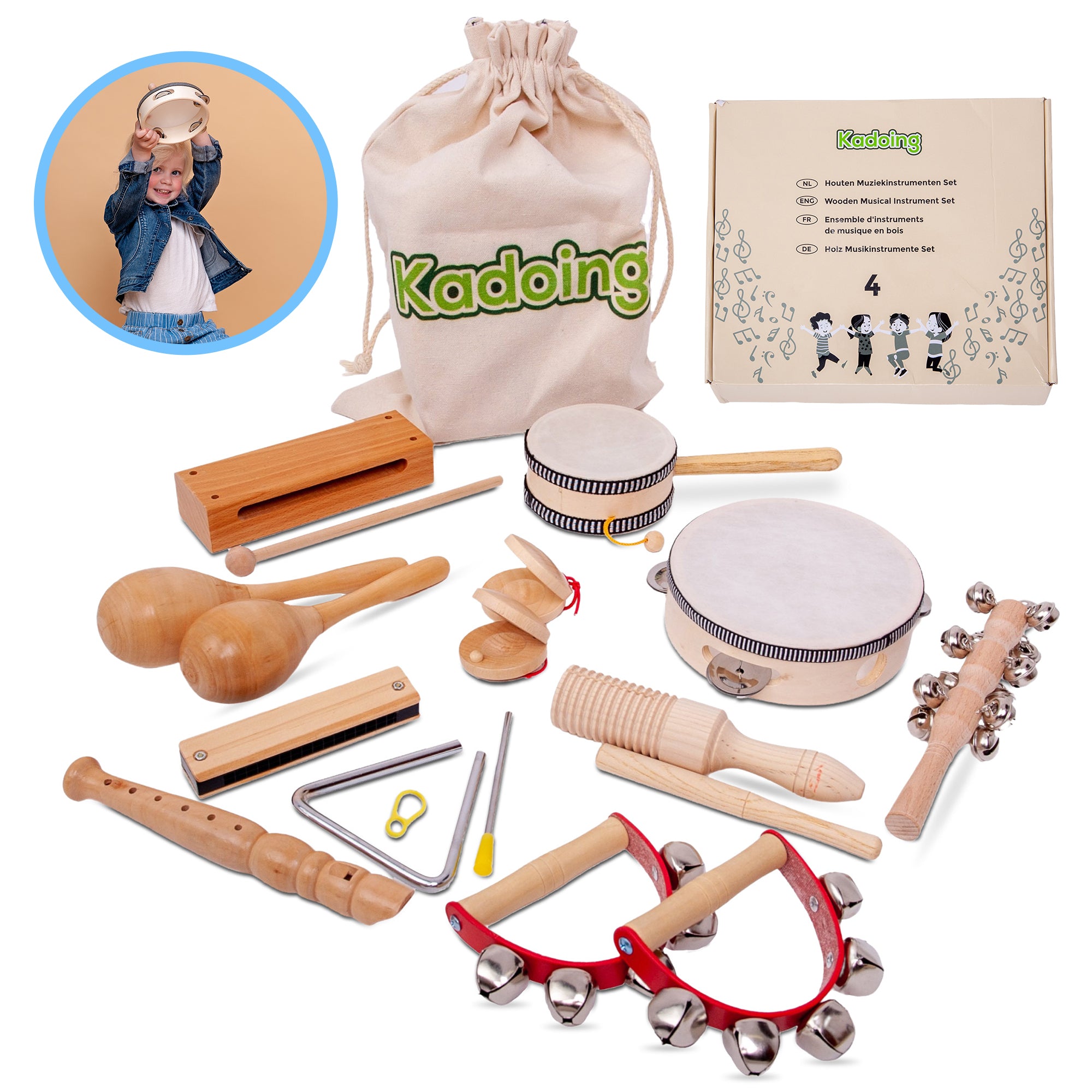
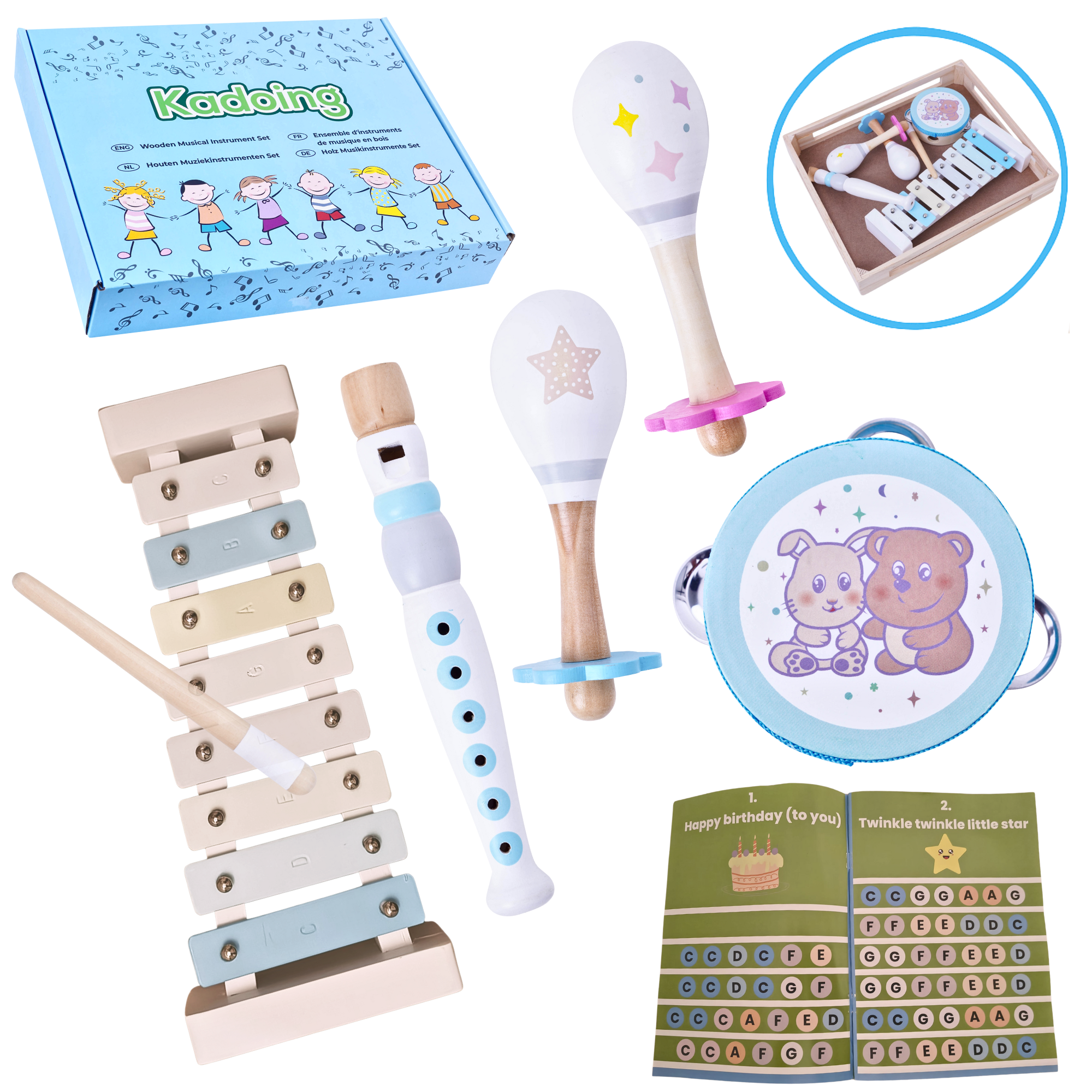
Wooden toys have a calm appearance and come in all kinds of shapes and designs. Depending on the toy, a child can hold, tap, stack or sort it, or use it to make music. In this way, simple wooden shapes can offer something new to discover at different moments.
With wood, look for a smooth finish. The surface should be free from splinters and all parts must be firmly attached. Paint and varnish also deserve attention. Choose toys whose finish is clearly suitable for children and check them regularly for damage. Prolonged contact with water can affect unfinished wooden parts. Always follow the product's care instructions.
With suitable use and care, wooden toys can last a long time. A wooden musical instrument or activity toy can also become a lovely regular part of a quiet playtime together. Its value does not come from the number of features, but from repetition: listening, touching, copying and trying again.
Pay attention to weight and size
Sturdy does not mean that a toy needs to be heavy. Besides the material, also consider its size, shape and weight. Toys should be suitable for the stated age and comfortable to handle during use. Bear in mind that a baby may drop or swing a toy.
Silicone: practical for biting, grasping and cleaning
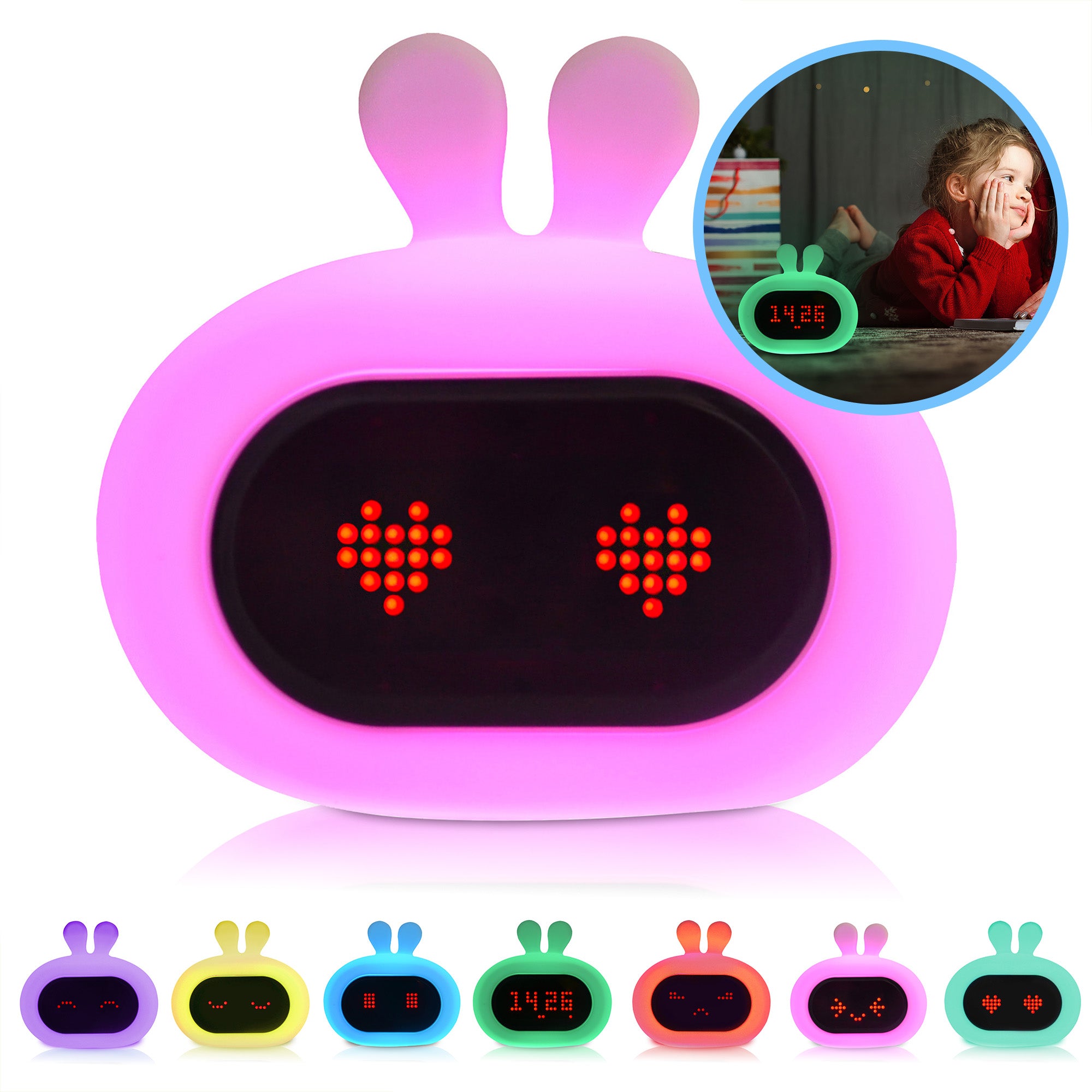
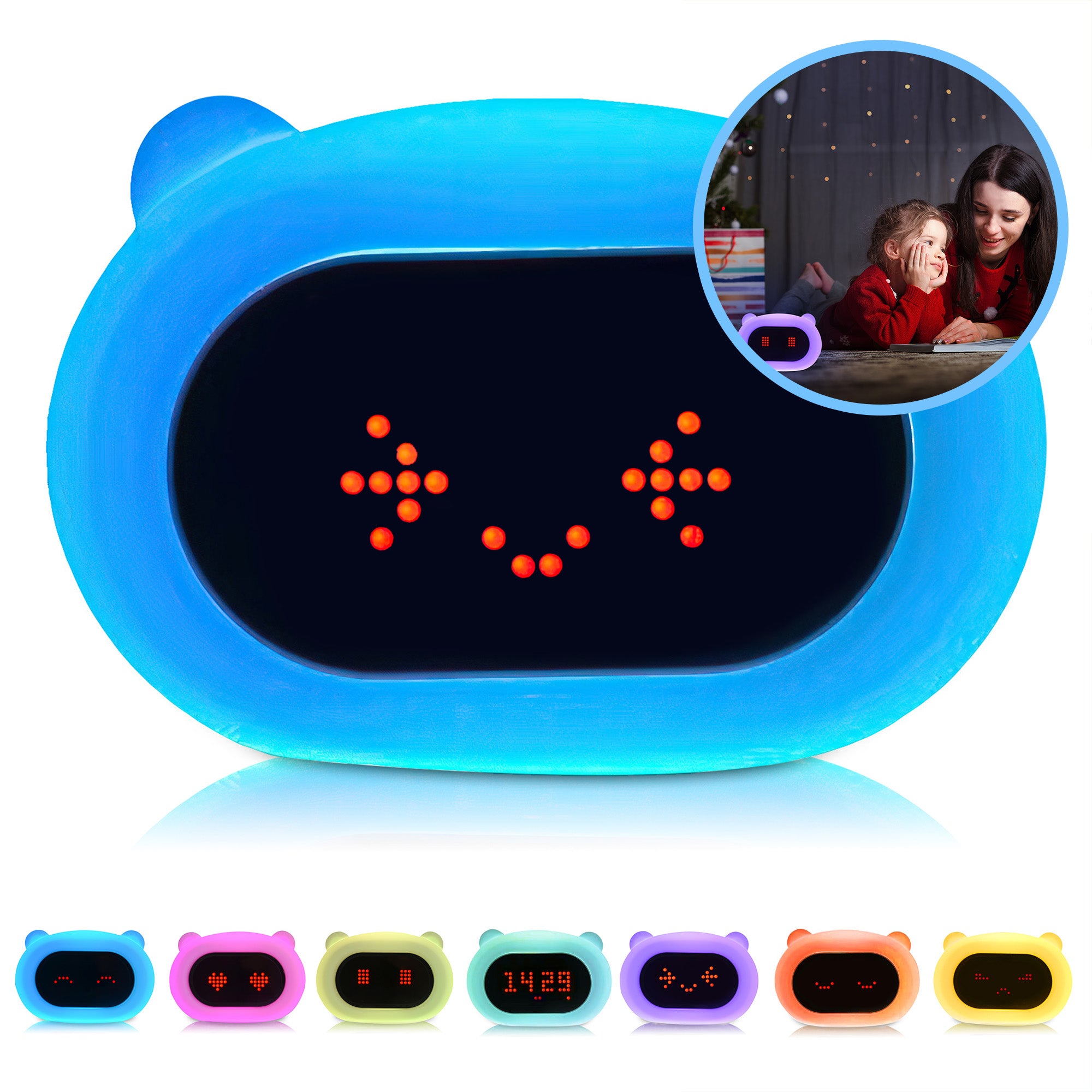
Silicone is often used for items such as teething rings, stacking shapes and some types of bath toys. The material is flexible and has a different texture from wood or fabric. How to use and clean it safely depends on the specific product.
Choose good-quality silicone intended for use by children and always follow the manufacturer's care instructions. Check it regularly for cracks, discolouration or damage. An intact surface is easier to keep clean than a material with small damaged areas where dirt can collect.
Fabric and cuddly toys: soft comfort with attention to detail
A soft cuddly toy, fabric book or play cloth can offer a different experience from hard toys during awake playtime. A baby can feel and explore different fabrics, labels, ridges and textures. It is precisely this simple variety that makes fabric so interesting.
Check that eyes, noses, bows, labels and other details are firmly attached, and follow the product's age and safety information. Also consider washability. You will want toys that come close to the face or are often taken along to be easy to keep fresh without complicated steps.
Read the care label and wash only when necessary, following the instructions. Washing too often or at too high a temperature can affect the filling, seams and softness. Always allow a cuddly toy to dry completely before returning it to the toy basket. A spare cuddly toy can be useful when one favourite toy is in the wash.
Plastic and natural rubber: consider quality and care
Plastic is used for many different types of toys and comes in all kinds of shapes and designs. Not every plastic feels the same or lasts equally long. It is better to choose a solid product without sharp moulding edges than a toy that feels thin or becomes damaged quickly. Stop using a toy if it cracks or parts come loose, and follow any manufacturer instructions about replacement.
Natural rubber is used for certain types of teething toys and other toys, among other things. Always check what the specific product is intended for and how it should be cleaned. If the product is suitable for use in water, clean and dry it according to the care instructions. Also consider whether the design is easy to keep clean and dry.
For both plastic and rubber, follow the directions on the packaging rather than assuming that everything can go in the dishwasher or boiling water. Heat and harsh cleaning products can affect the material and colour.
Paint, varnish and finishes deserve a separate check
Parents often look at the base material first, even though the finish is just as important. A wooden block is only pleasant to play with if the paint layer remains intact. A fabric toy is only truly suitable if its decorations are securely attached. And a silicone shape remains practical as long as its surface is intact.
Besides reading the product information, you can inspect a toy visually and by hand before use. Does anything feel rough, sticky or damaged, or do you notice something else unusual? Do not use it until you have checked the product or manufacturer information.
Fewer toys, more room to explore
A well-stocked toy basket does not have to be large. You do not need to offer a baby many toys at once. With a few carefully chosen items, you can alternate between different materials and ways to play. For example, rotate a soft cuddly toy, an easy-to-grasp rattle and a simple wooden toy. This keeps each object interesting and gives your child time to discover what it can do.
This is also a more sustainable way to choose. Sturdy toys that are well cared for can sometimes be used for longer. If a toy is still complete, undamaged and suitable for the child's age, it may later be passed on to a brother, sister or another child.
That is why Kadoing likes to choose toys that not only look lovely in the room, but also add something to everyday rituals: making a song together, quietly exploring on the floor or enjoying a familiar cuddle before bedtime.
A choice of material never has to be perfect to be a good one. Choose toys that suit the way your family lives, check them regularly and, above all, leave room for what babies like doing most: looking, feeling, repeating and enjoying your attention at their own pace.