A wooden rattle to explore with curiosity, a cuddly toy for a quiet moment and an activity board that invites discovery: safety always plays an important part in children’s toys. In this guide to safe materials for toys, you will learn what you can genuinely look out for as a parent or gift-giver. No material is inherently good or bad. Your child’s age, the way they play and the quality of the finish all make a difference.
Safe toys are about more than the material
Toys for young children come into very close contact with them. They are grasped, knocked, cuddled, sometimes put in the mouth and often used intensively. Material safety is therefore not only about the raw material, but also about paint, glue, loose parts, seams and resistance to wear.
An attractive label or natural appearance is a good start, but not a complete guarantee. Untreated wood can splinter if it has not been finished carefully. Soft textiles may be less suitable when eyes, bows or filling can easily come loose. And plastic is not automatically a poor choice: toys that are sturdy, age-appropriate and made in accordance with European requirements can last a long time and be easy to keep clean.
Always look at the product as a whole. Does it feel smooth? Are the parts securely attached? Is it suitable for your child’s stage of development? These questions often provide more guidance than the name of a single material.
Wood: warm, strong and enjoyable to explore
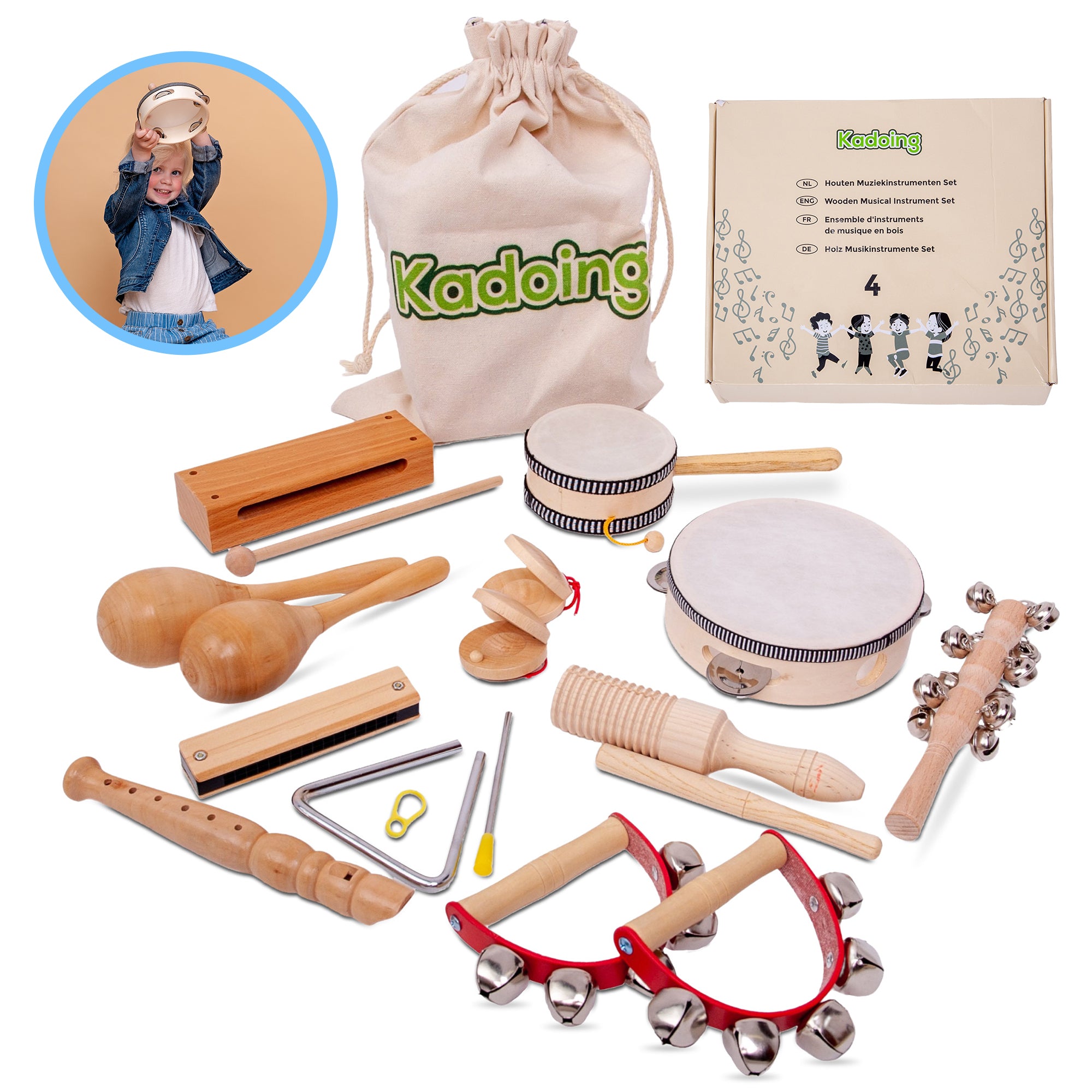
Wooden toys are popular because they feel sturdy, can last a long time and invite children to enjoy calm, open-ended play. Think of blocks, musical instruments, pull-along figures and simple shape puzzles. Well-finished wooden toys have a smooth surface, rounded edges and no visible splinters or cracks.
With painted wooden toys, look for an even finish. Paint or varnish should not flake, particularly on toys for babies and toddlers. Check the product information to see whether the paint and finish used are suitable for children’s toys. Water-based paint is widely used on wooden toys, but its composition, application and compliance with current safety requirements are still decisive.
A certification for responsible forest management tells you something about the origin of the wood. This is valuable for anyone who consciously wants to make a sustainable choice, but it does not tell you everything about the safety of the paint, glue or construction. Consider it an additional advantage alongside sound workmanship and clear product information.
Wood also needs a little care at home. Wipe toys with a slightly damp cloth and allow them to dry thoroughly. Soaking them in water for a long time can cause the material to swell or damage the finish. Do you notice a rough patch or a crack? Put the toy aside temporarily and assess whether it can be repaired safely.
Fabrics and cuddly toys: check the details and finish
Cuddly toys, fabric books and play cloths offer familiarity and comfort, especially during quiet moments or around bedtime. Strong seams, securely attached details and clear washing instructions are essential for young children. After all, a cuddly toy that is often taken everywhere must also be easy to freshen up regularly.
Pay particular attention to small parts or components that could come loose on toys for young children. Embroidered details can be practical, for example, because there are no separate hard eyes or buttons. Check regularly that the seams are still closed and the filling is not coming out. As soon as a cuddly toy is damaged, repairing it or putting it away temporarily is often the safest choice.
Materials such as organic cotton can be an attractive choice from a sustainability perspective. For safety, it remains important to consider the construction, finish, filling and age suitability as well. How does the fabric feel? Does the product have a strong chemical smell? Is the filling distributed evenly? Clear information about composition and care helps you choose an option that suits everyday use.
Plastic and silicone: consider function and quality
Plastic toys are often lightweight, sturdy and easy to clean. This makes them practical for bath toys, stacking cups or toys used outdoors, for example. Products for young children should clearly state that they are suitable for the relevant age and comply with current European toy regulations.
Avoid toys with a strong, penetrating smell, sticky surfaces or damage such as small cracks. An intact surface that is easy to clean is particularly important for toys that are put in the mouth. Also check that small caps, wheels or decorations cannot come loose.
Silicone often feels soft and flexible and is widely used for teething rings and sensory toys. Here too, choose products made specifically for children and follow the manufacturer’s cleaning instructions. Not every silicone item in the home is a toy, and a kitchen utensil, for example, is not automatically suitable for biting or playing with.
Paint, varnish and glue deserve an extra look
A good finish can not only make a toy more attractive, but also protect the material underneath. On painted or varnished wooden toys, a suitable finish can also help colours remain attractive for longer. The most important thing is that the finish used is suitable for the toy and remains intact.
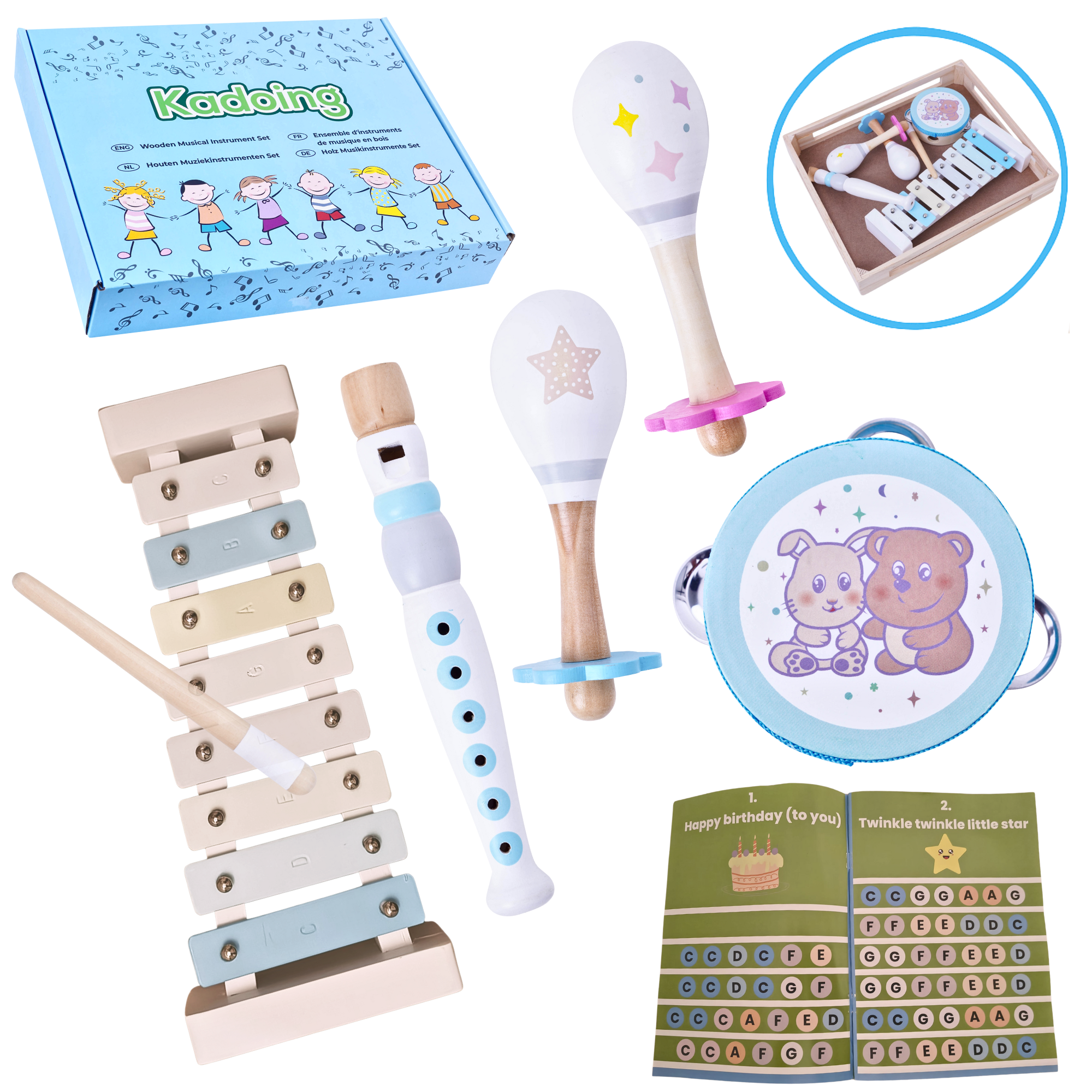
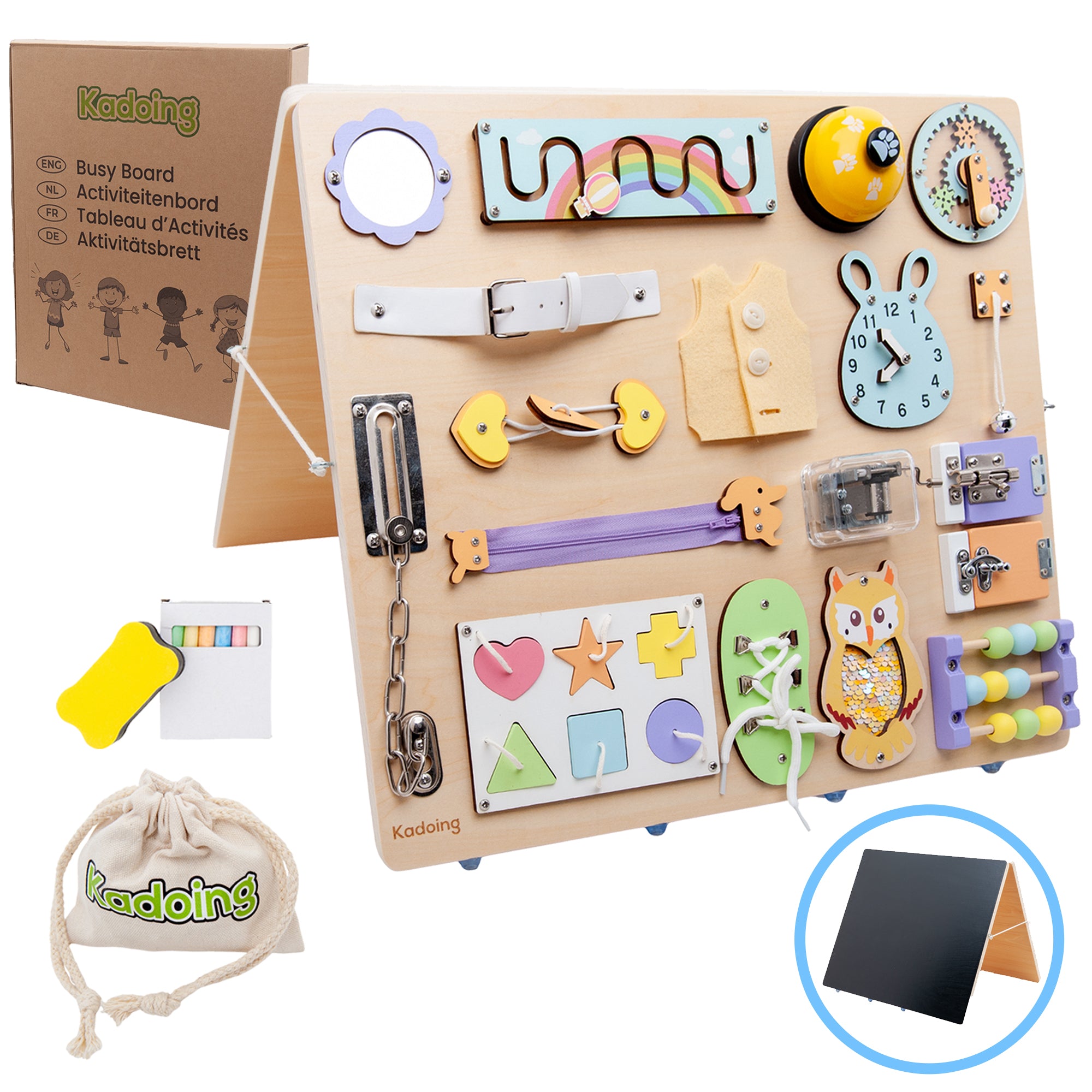
In assembled products, such as wooden musical toys or activity boards, glue and joints can also form part of the construction. Parts should not wobble or come loose when a child plays with them. Do not test this by pulling hard, but occasionally feel whether everything is still secure while cleaning the toy.
A new toy may have a slight smell immediately after it is unpacked. If a strong smell remains, consult the product information or contact the manufacturer or seller before using the toy.
Certifications and CE marking: what do they tell you, and what do they not?
Toys placed on the market within the European Economic Area must comply with the applicable European safety requirements and carry CE marking. With the CE marking, the manufacturer declares that the toy meets the applicable requirements.
Also check the age indication and any warnings. Is there a warning that the toy is not suitable for children under 36 months? Take it seriously and read the accompanying reason for the warning, such as small parts that may present a choking hazard. An older child may be able to play safely with small construction pieces, while a younger sibling should not be able to access them unsupervised.
Transparent product information is a good sign. This includes details about the material, care, recommended age and contact information for the maker or seller. If this information is missing or contradictory, it is better to choose a product for which you can obtain clear information.
The quick safety check for enjoyable play
A brief check is particularly helpful for gifts, second-hand finds or toys that have been in the toy basket for a long time. Do not only check when buying something, but also after a period of enthusiastic play.
- Check edges, splinters, cracks and any paint or stickers that are coming loose.
- Feel whether wheels, cords, buttons and other parts are still securely attached.
- Match the toy to both your child’s age and the way they play.
- Wash fabric toys according to the label and clean hard materials regularly.
- Store toys with small parts separately if younger children live in the home.
Second-hand toys can be a sustainable and cherished choice, particularly if they are well made. Check them especially carefully for wear and missing parts. Very old toys may not meet today’s safety expectations. If in doubt, it is better to keep them as decoration than to offer them as toys.
Choose toys that can grow with your child
Safe materials support more than just worry-free play. They create room for repetition, discovery and small moments of independence. A sturdy wooden instrument that can withstand an enthusiastic concert, a soft cuddly toy for a quiet moment or a simple activity board that encourages fine motor skills: well-chosen toys do not need to be constantly new or complicated.
It is better to choose a few products that feel pleasant, are soundly finished and suit what your child can discover now. This turns the toy basket from a collection of doubts into a familiar place for play, comfort and time together.