Many children have one favorite cuddly toy that goes everywhere with them. But why are these soft companions so important?
Whether it's a teddy bear, bunny, puppy, or comfort blanket, many children develop a strong bond with one special cuddly toy. It comes along to bed, on holiday, to grandparents' houses, and sometimes even to school or daycare. To parents, it can seem remarkable how attached children become to these soft friends. However, this is completely normal. In fact, a favorite cuddly toy can play an important role in a child's development.
Why do children have a favorite cuddly toy?
A favorite cuddly toy provides something young children deeply need: security, predictability, and comfort. Especially in new, exciting, or unfamiliar situations, a trusted cuddly toy can help children process their emotions more effectively.
Psychologists sometimes refer to this as a "transitional object." While that may sound complicated, it simply means that a child uses a familiar object to help cope with moments when their parents are not nearby.
For a child, a favorite cuddly toy often feels like a safe friend who is always available.
The benefits of a favorite cuddly toy
A favorite cuddly toy is much more than just a toy. It can contribute to several aspects of a child's development.
1. Comfort and emotional security
When children feel sad, tired, anxious, or uncertain, they often instinctively seek out their cuddly toy. Its familiar scent, softness, and reassuring presence can help them regulate their emotions.
This is similar to how adults often find comfort in familiar possessions, photographs, or cherished memories.
2. Greater independence
At first glance, a cuddly toy may seem to encourage dependency, but the opposite is often true. A cuddly toy gives children the confidence they need to face new situations.
Think about sleeping away from home for the first time, attending daycare, or falling asleep independently. The cuddly toy acts as a secure base from which children feel brave enough to explore new experiences.
3. Encouraging imagination and creativity
Children often give their cuddly toys names, personalities, and even voices. They have conversations with them, go on adventures, and create stories together. This stimulates imagination while helping children process emotions and social situations through play.
4. Supporting bedtime routines
Many children take their cuddly toy to bed. This is completely normal. A familiar soft toy often becomes part of a bedtime routine and helps children relax when it is time to sleep.
Combined with a consistent evening routine and healthy sleep habits, a cuddly toy can contribute to a sense of safety throughout the night.
At what age do children develop a favorite cuddly toy?
Many children develop a strong attachment to a particular cuddly toy, comfort blanket, or doll between six months and two years of age. During this stage, children begin to understand that parents sometimes leave and then return.
A familiar object helps them cope with this transition and feel secure.
Not every child develops a favorite cuddly toy, however. Some children feel equally secure with a consistent bedtime routine, a favorite blanket, or other familiar habits.
How long is it normal to have a cuddly toy?
There is no fixed age at which a child should say goodbye to a favorite cuddly toy. Many children naturally become less dependent on their comfort toy between the ages of two and five.
As children grow older, friends, hobbies, school, and other interests begin to play a larger role in their lives. As a result, the cuddly toy often gradually moves into the background.
However, some children maintain a special connection with their cuddly toy for much longer. In most cases, this is perfectly normal.
How can you help a child become less dependent?
If you notice that your child remains very dependent on their cuddly toy, you can gently guide the process without turning it into a battle.
- Offer comfort yourself before immediately reaching for the cuddly toy.
- Encourage other forms of relaxation and confidence-building activities.
- Occasionally leave the cuddly toy at home during short outings.
- Set clear expectations about when the cuddly toy can and cannot come along.
- Respect your child's pace.
The most important thing is that your child continues to feel safe throughout the process.
When is there no need to worry?
Most children naturally outgrow a strong dependence on a cuddly toy. Even if a child is older than five, this is usually not a cause for concern.
As long as the cuddly toy does not interfere with daily activities, social interactions, or independence, there is generally nothing to worry about.
A comfortable sleep environment makes a difference
For many children, cuddly toys are an important part of a familiar bedtime routine. A calm bedroom, predictable routines, and a safe atmosphere all help children sleep better.
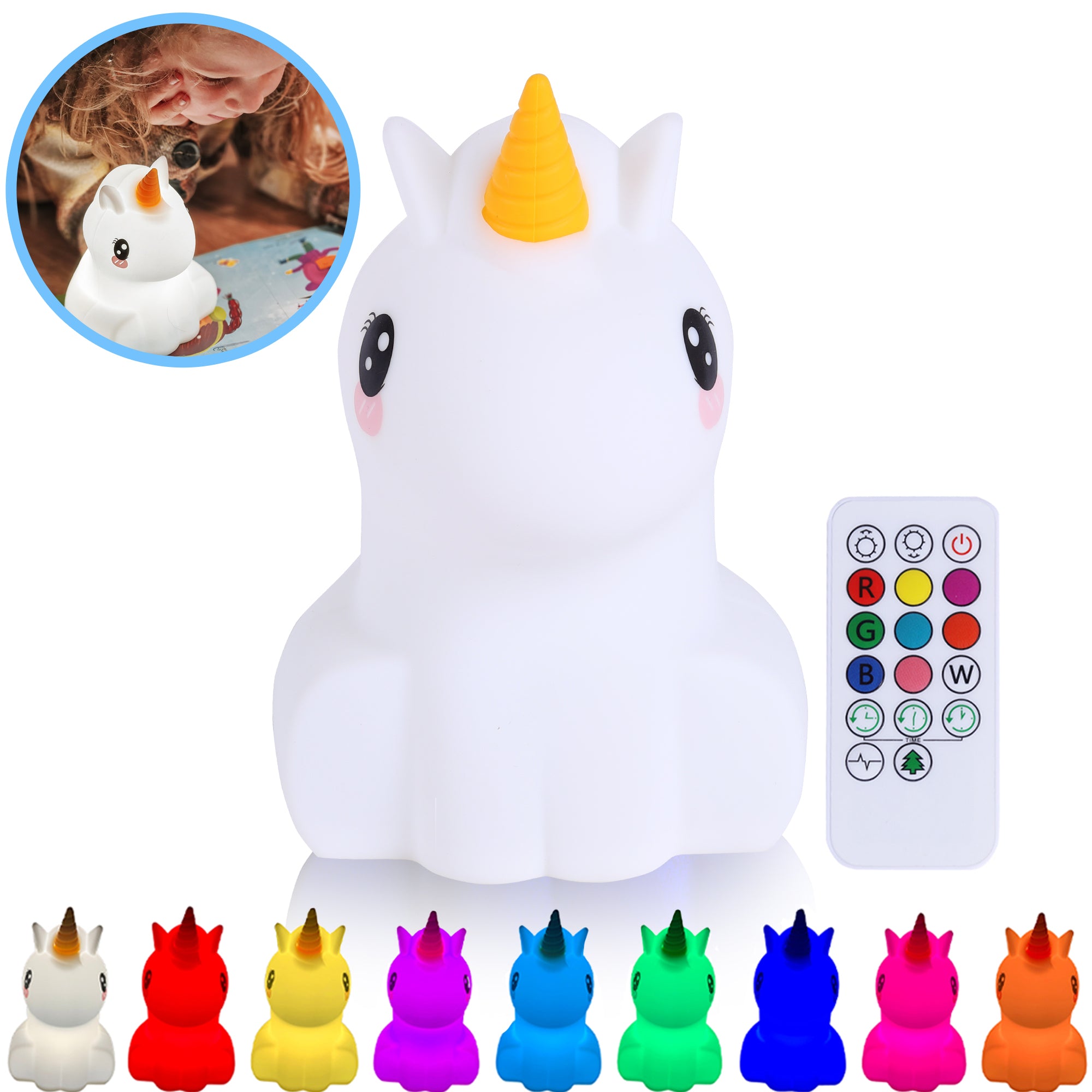
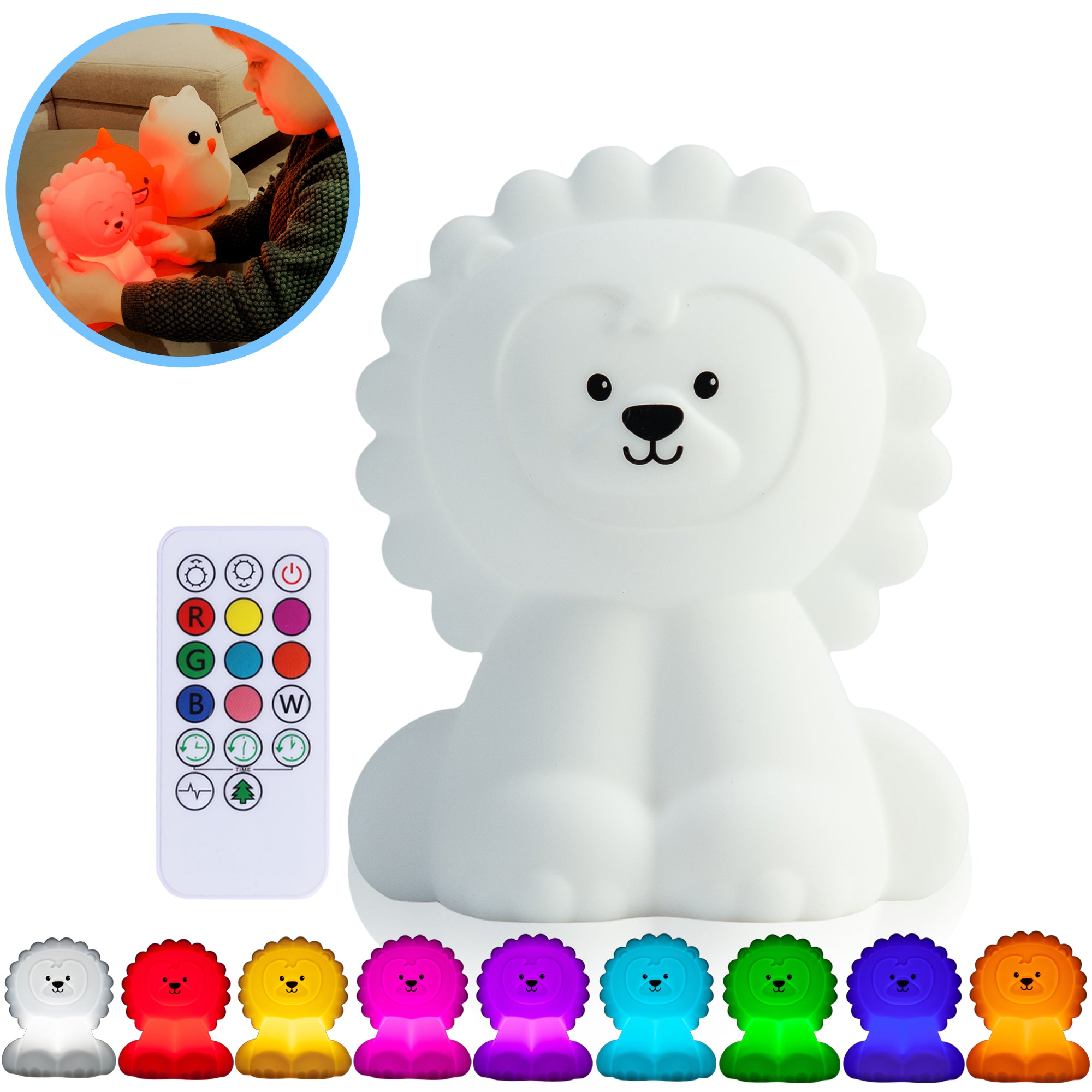
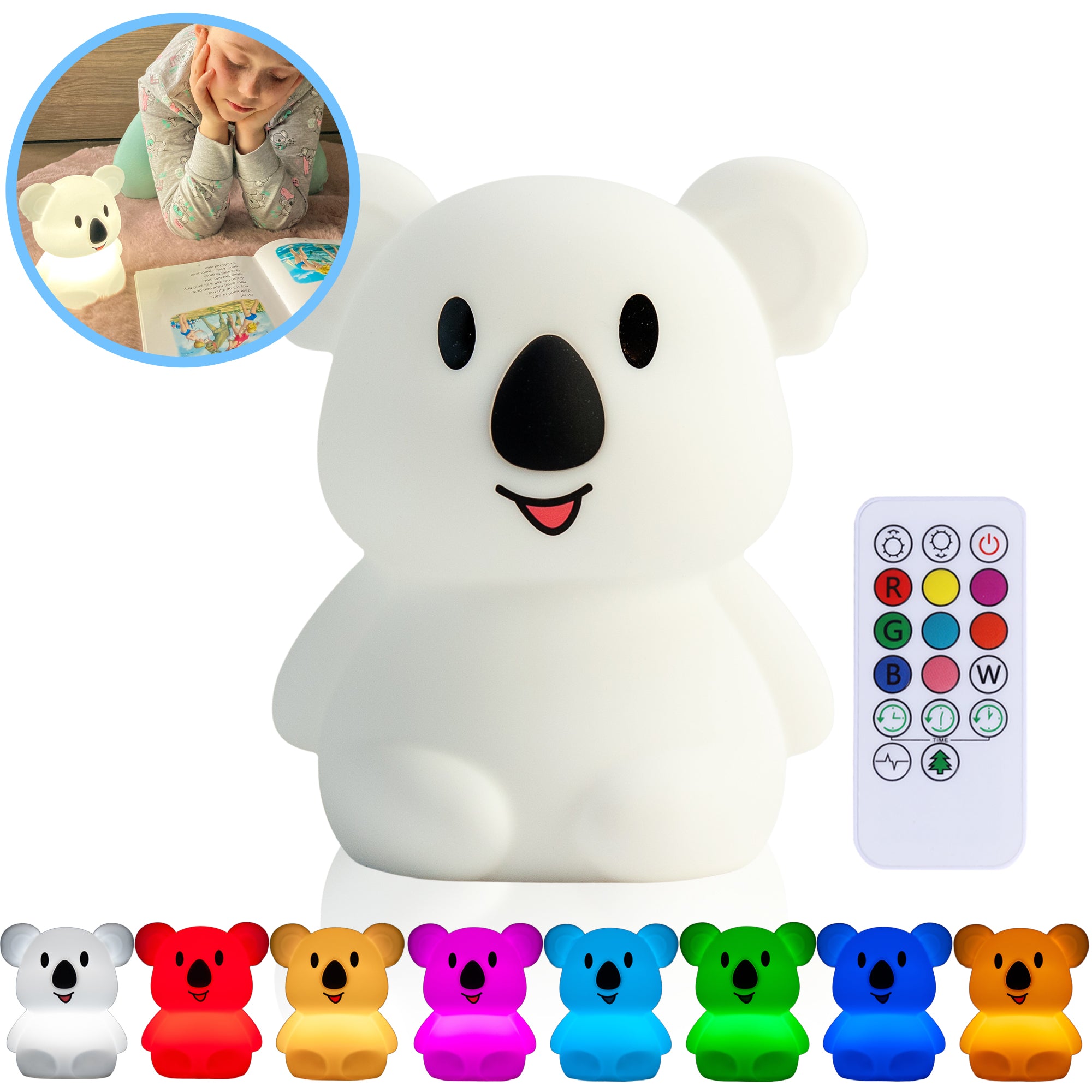
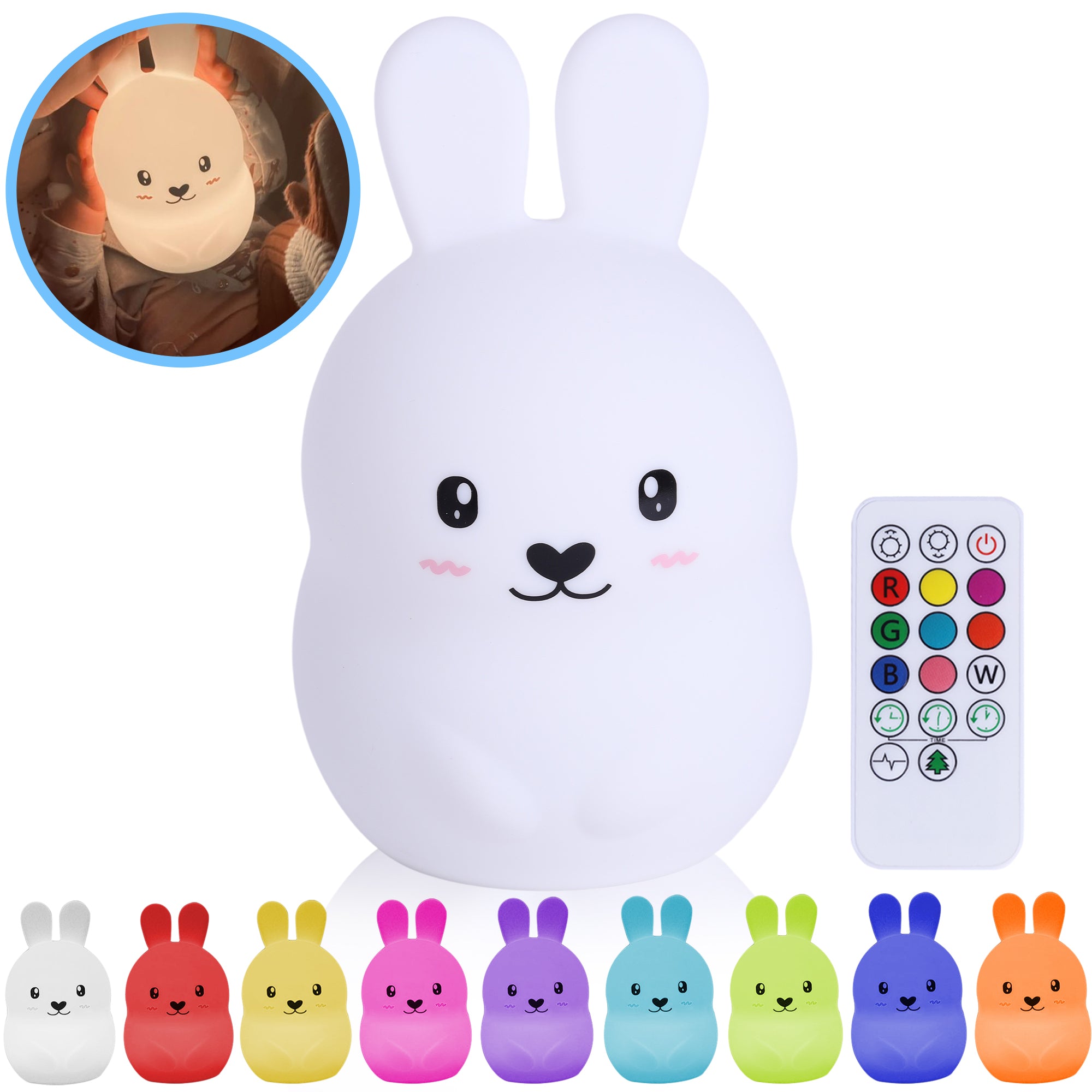
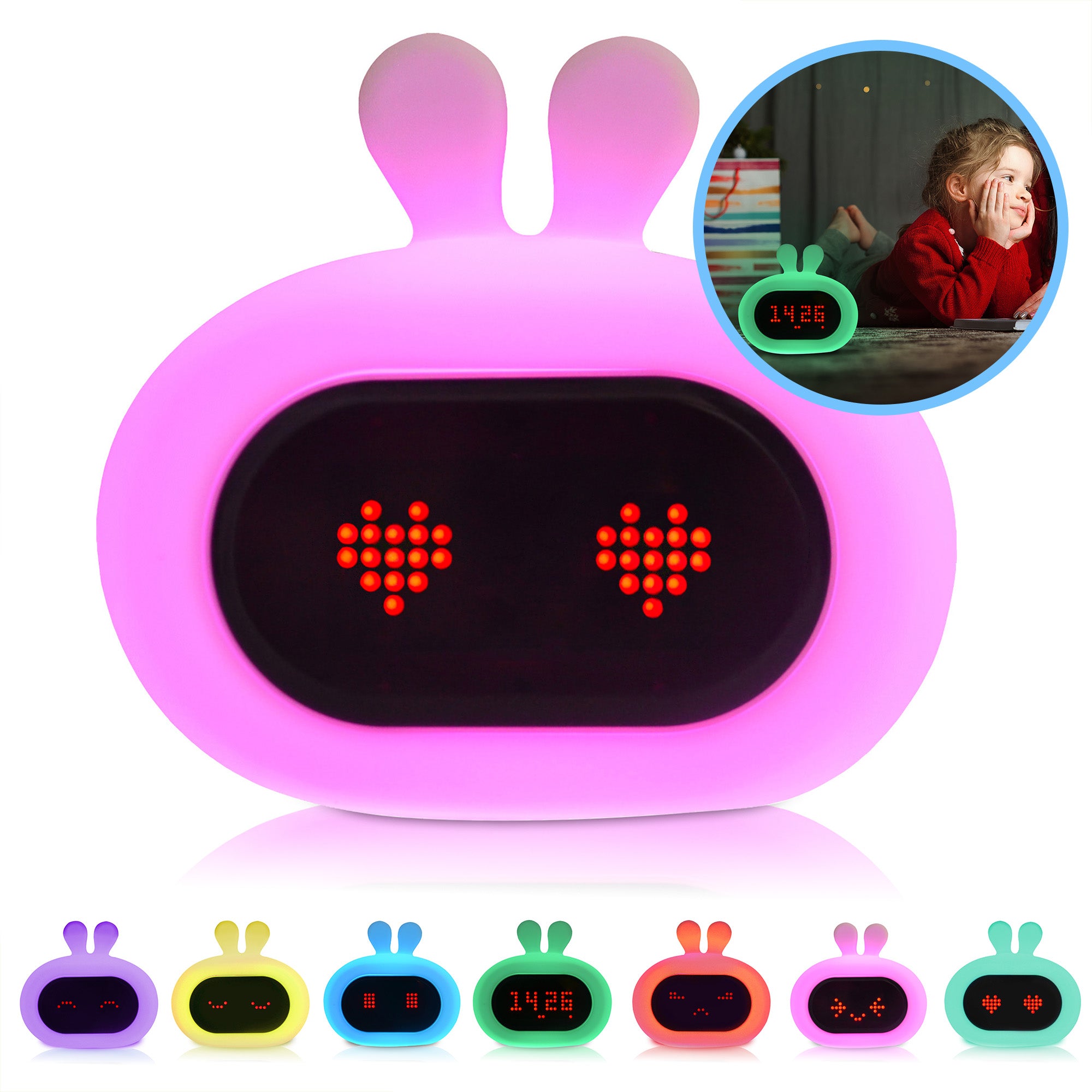
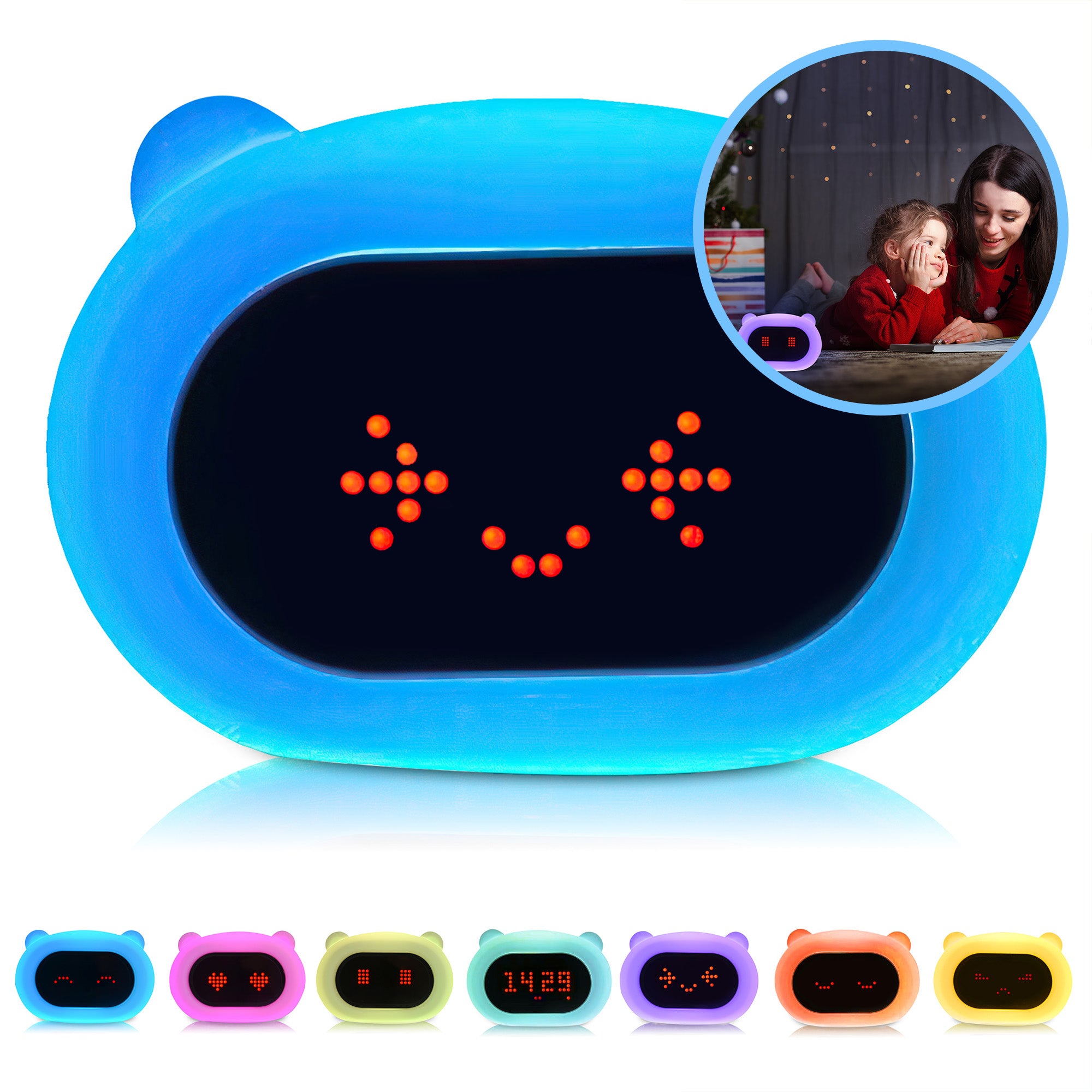
Many parents combine a favorite cuddly toy with a soft night light for children to create extra comfort and reassurance.
A consistent routine supported by a children's alarm clock or sleep trainer can also help children experience more structure around bedtime and waking up.
More than just a cuddly toy
Cuddly toys may seem like simple playmates, but for children they often represent much more. They provide comfort, stimulate imagination, support independence, and help children cope with new situations.
In our collection of plush toys for children, you'll find soft companions that fit perfectly into a safe and comforting children's bedroom.
Every cuddly toy tells a story
Whether your child is inseparable from a teddy bear, bunny, or another soft friend, this special bond is often simply a natural part of growing up. Give your child the space to gradually become less dependent on their trusted cuddly companion at their own pace.
Does your child have a favorite cuddly toy that goes everywhere with them?